



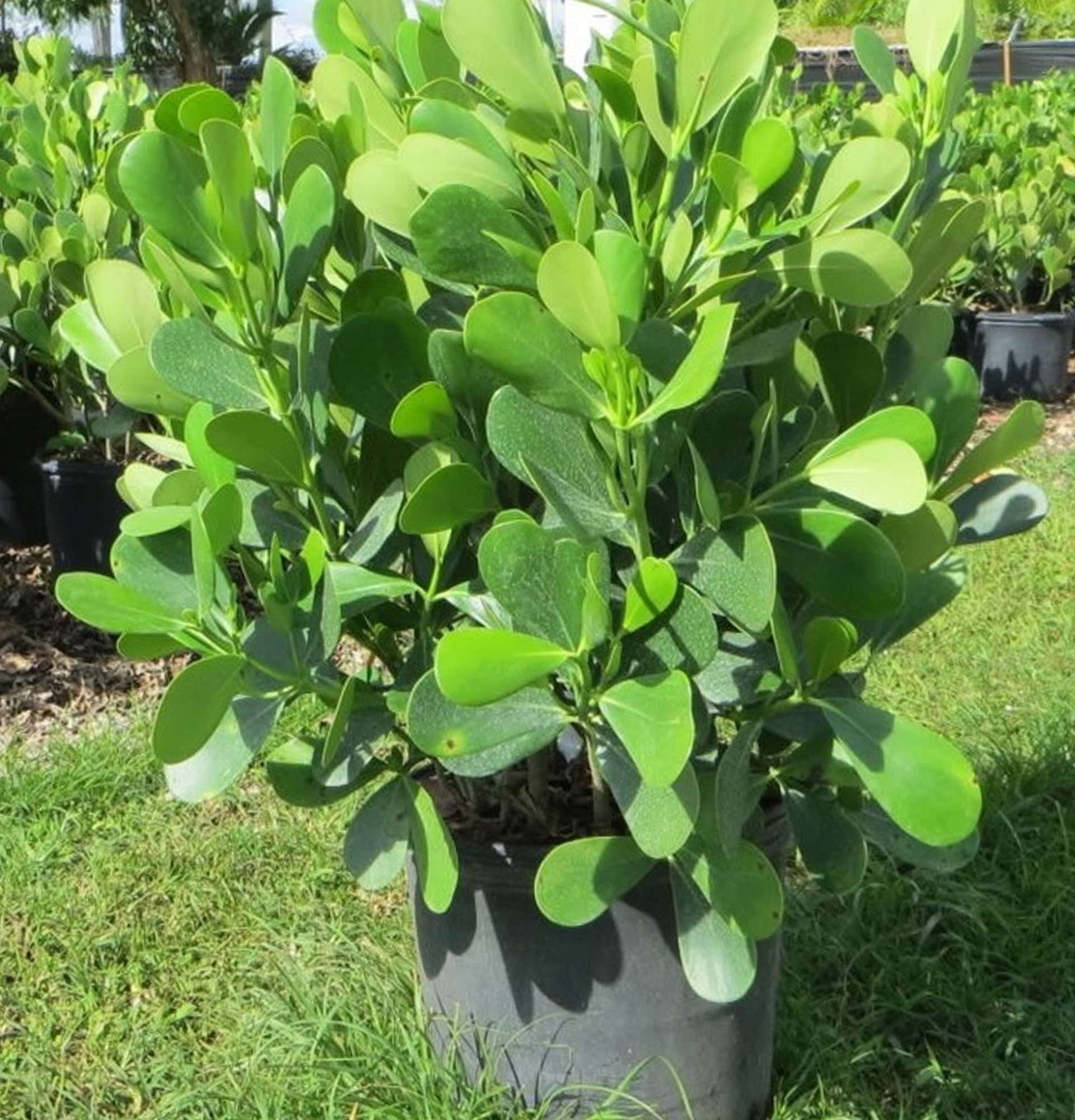
Latin name: (Clusia)
Category: perennial flowering plants
Origin: South and North America
Wonderful and original Clusia
Clusia is a genus that combines about three hundred varieties of perennial evergreen plants in the Clusiaceae family. The genus name was acquired in honor of the famous European botanist of the sixteenth century, Carl Clusius.
This beautiful ornamental-leaved plant also has an extraordinary folk name - the autograph tree. On the leaves of this amazing plant, people leave their marks, scratch their wishes, names, and favorite words, which heal and are preserved for a long time, becoming history.
The homeland of these unique shrubs, sometimes not very tall trees, is the tropical territories of the American continent, both its South and North parts. In general, Clusias are mostly epiphytic plants.
In their native habitats, they spread beautifully due to favorable weather conditions - pleasant wind and many birds that carry the seeds of the amazing Clusia to the intertwining branches of trees, where there are excellent conditions for their germination. As a result, the formation of aerial creeping roots, located horizontally, occurs, which firmly attach the epiphytic flower to the bark of the host tree, and in the process of gradual growth, the Clusia flower reaches the ground and takes root well.
A blooming Clusia flower in some cases can harm the host plant and even lead to its death by squeezing it with its roots.
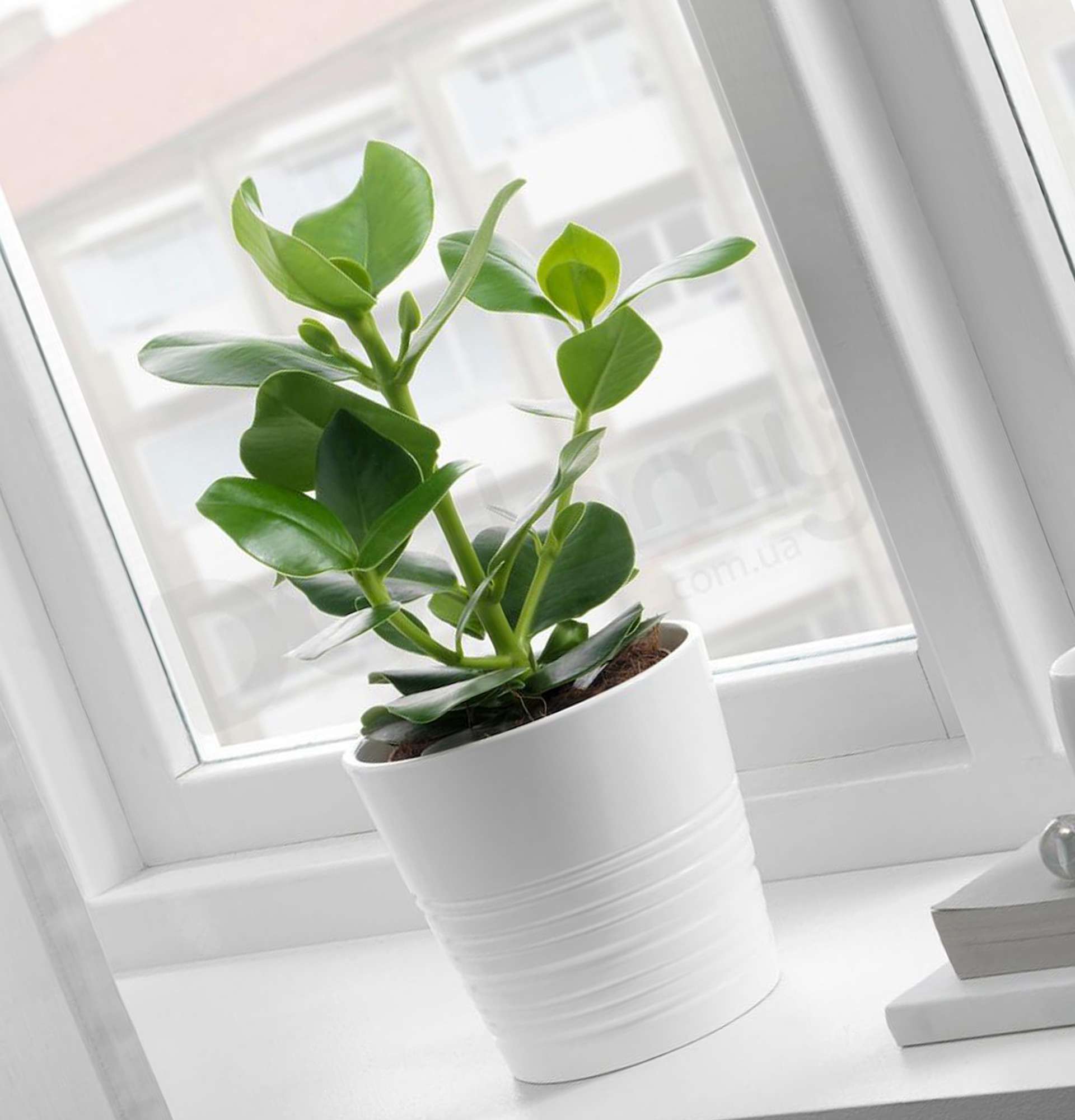
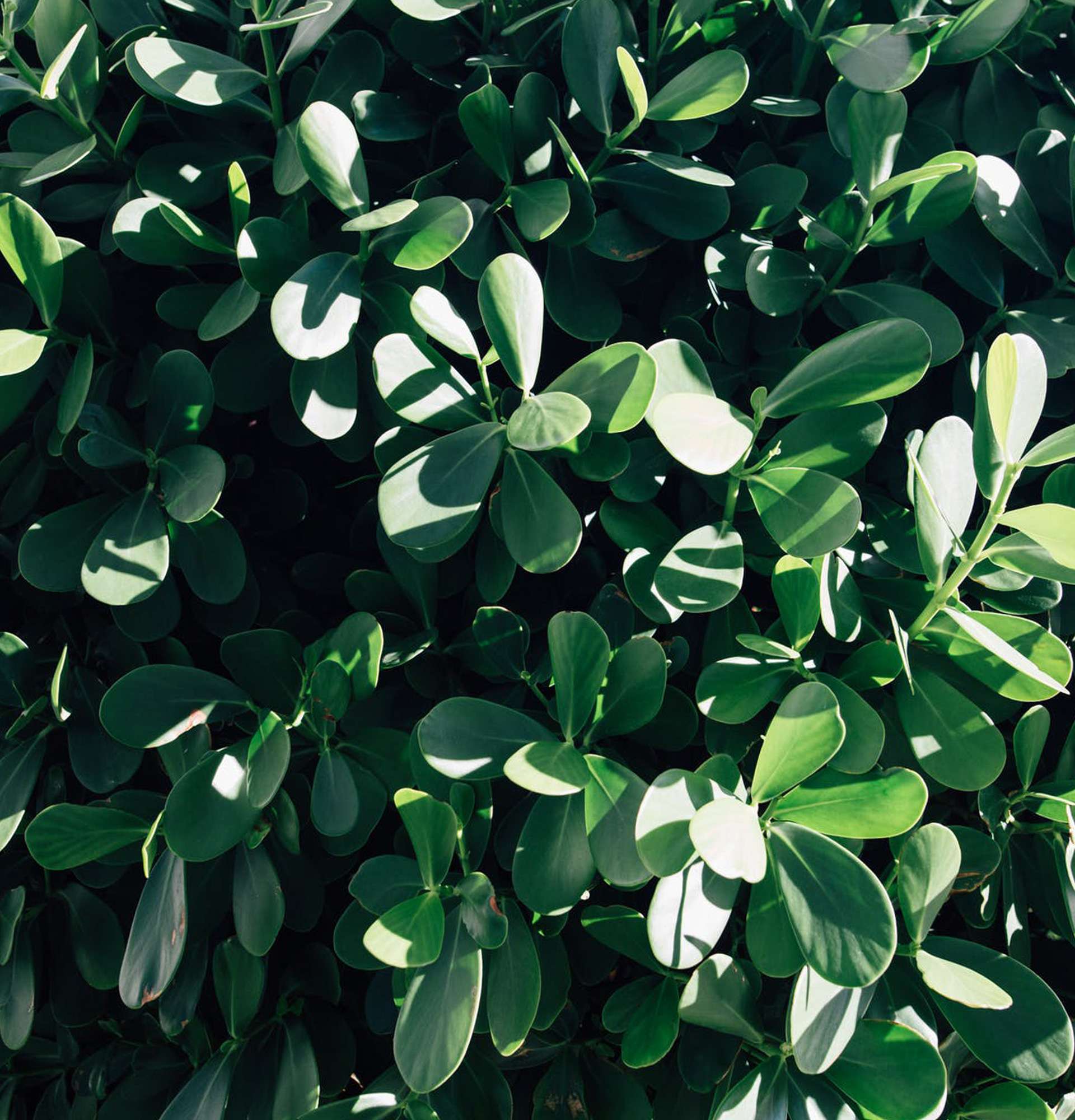
Clusia has rich, bright green, smooth, bare, leathery leaf plates with opposite arrangement, which are attached to the shoots with short petioles. The leaves of Clusia have an oval or lanceolate shape, their length can vary from eight to twenty centimeters, in width they can reach eight centimeters, but there are also small-leaved varieties of Clusia.
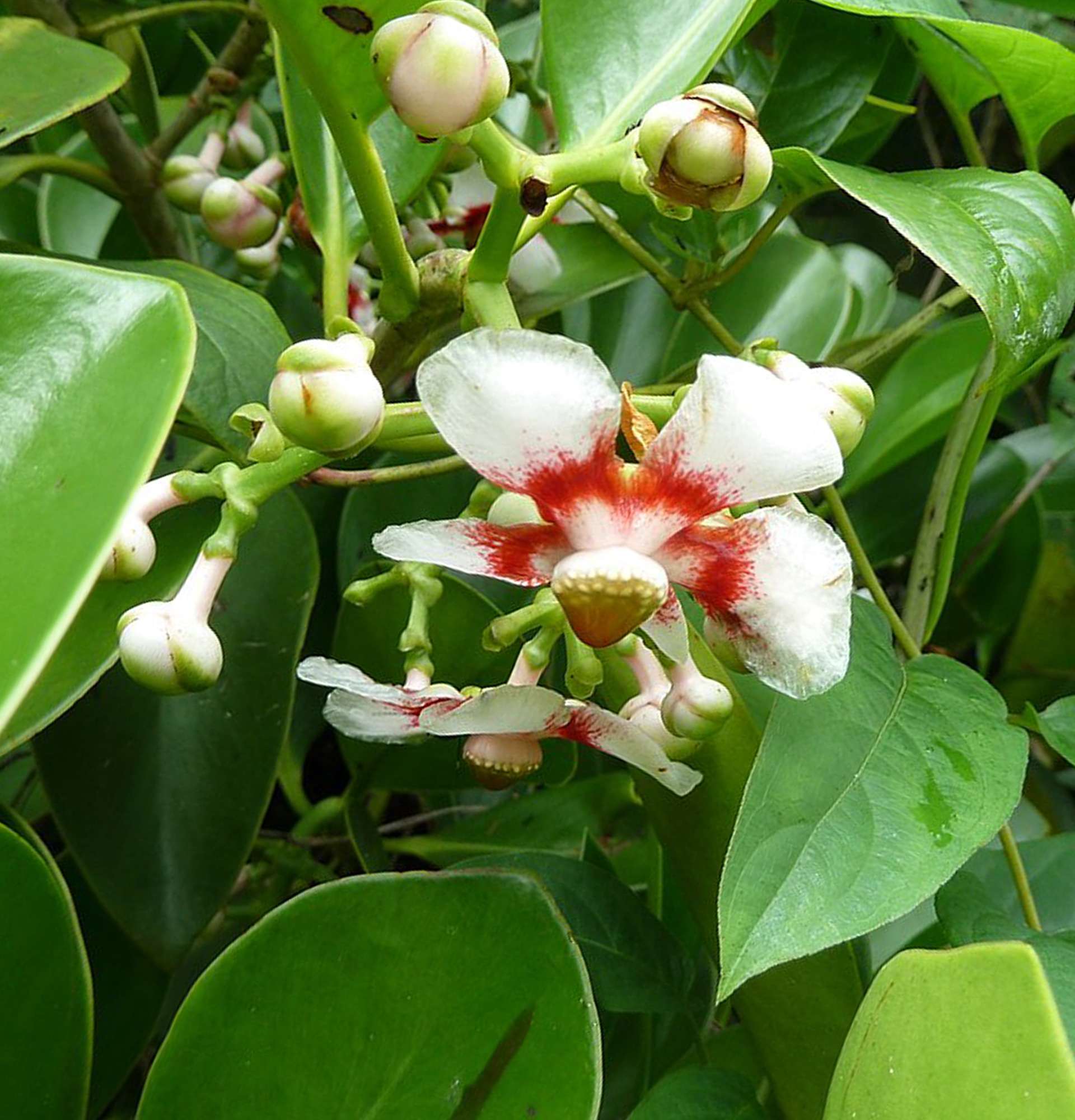
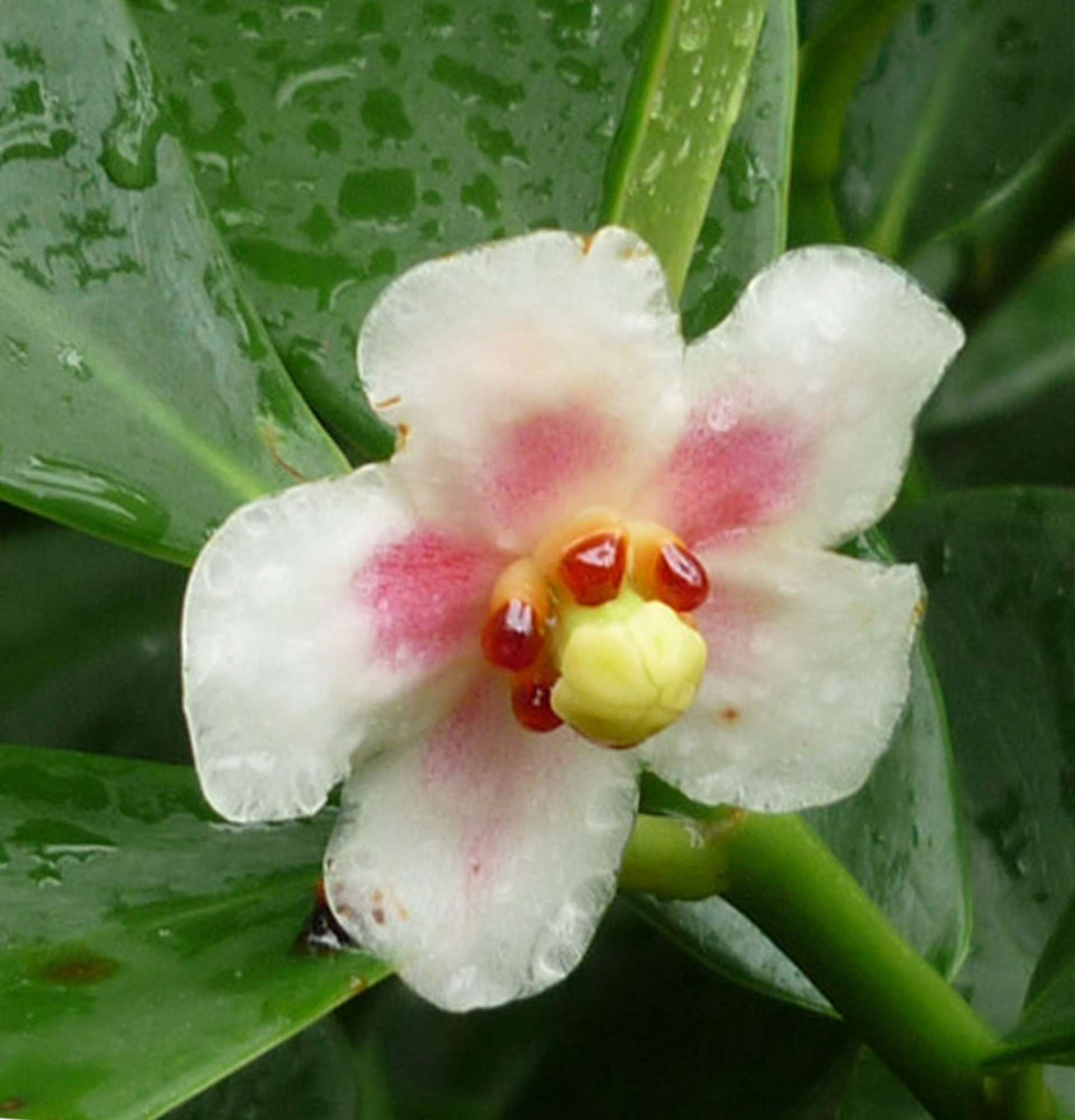
In natural conditions, one can observe the amazing flowering of Clusia with a delicate, pleasant, barely perceptible aroma of five-centimeter flowers, which have the property of opening in the dark and closing at dawn. The flowers are arranged in white-green petals with original pink or yellow speckles and a waxy coating, from four to nine pieces.
After flowering, the plant produces a round, leathery, green fruit, which turns brown as it ripens, a capsule measuring from fifty to eighty millimeters. The ripe fruit, shaped like a star, cracks and releases a large number of seeds, which are in red pulp.
The fruits are inedible, and the juice that gets on the skin can cause irritation.
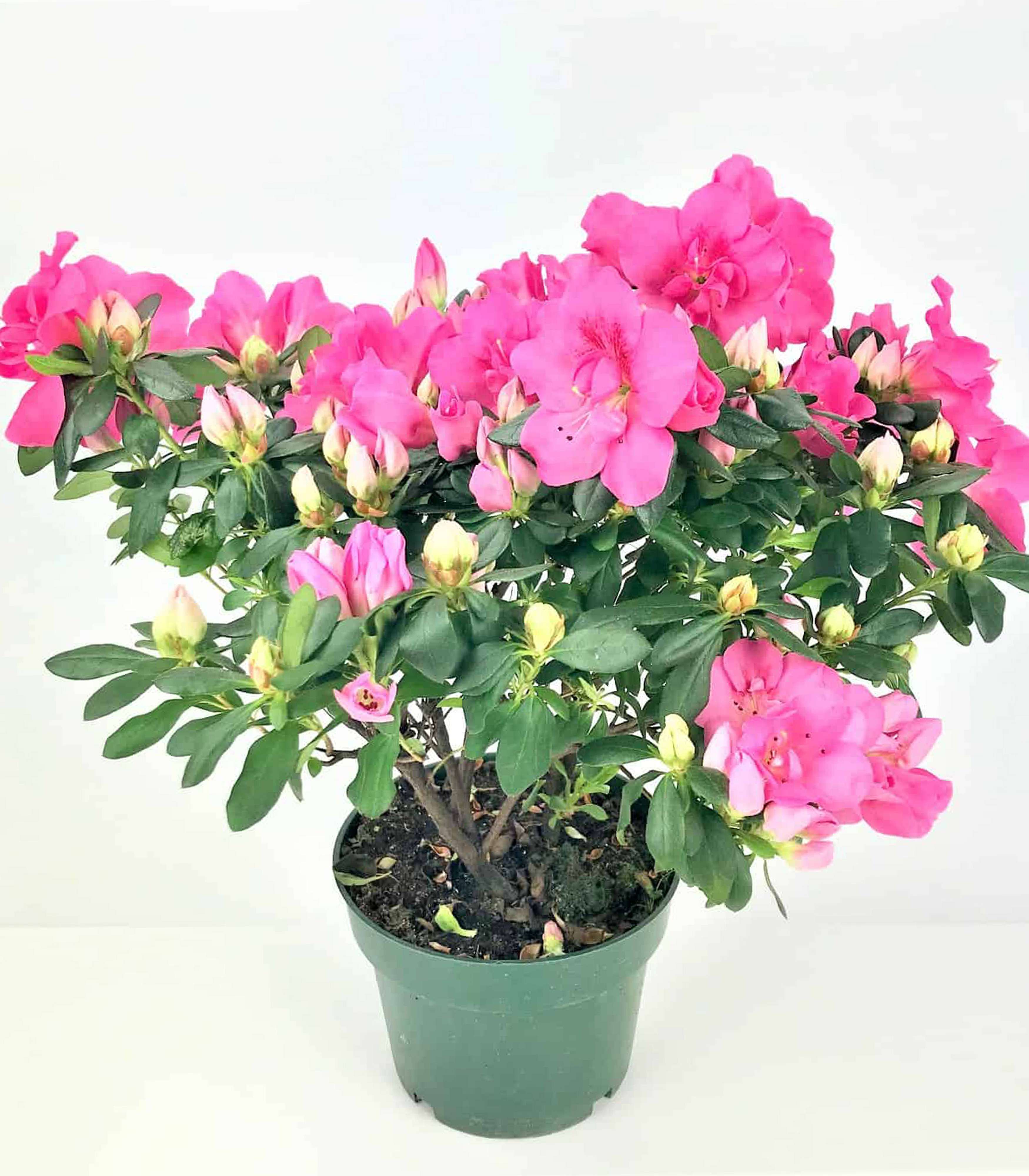
Clusia in a room is an excellent air purifier and can also absorb negative energy in the house. With proper care and a comfortable location, the plant looks great in various flower arrangements and is a wonderful decoration for the interior. It will look good next to azalea, zamioculcas
This amazing plant is used by doctors in their practice to treat corns and other ailments. Clusia is rich in resinous, milky sap, which has the property of gluing various elements together, and specialists use this in shipbuilding.
Types of Clusia
Clusia major
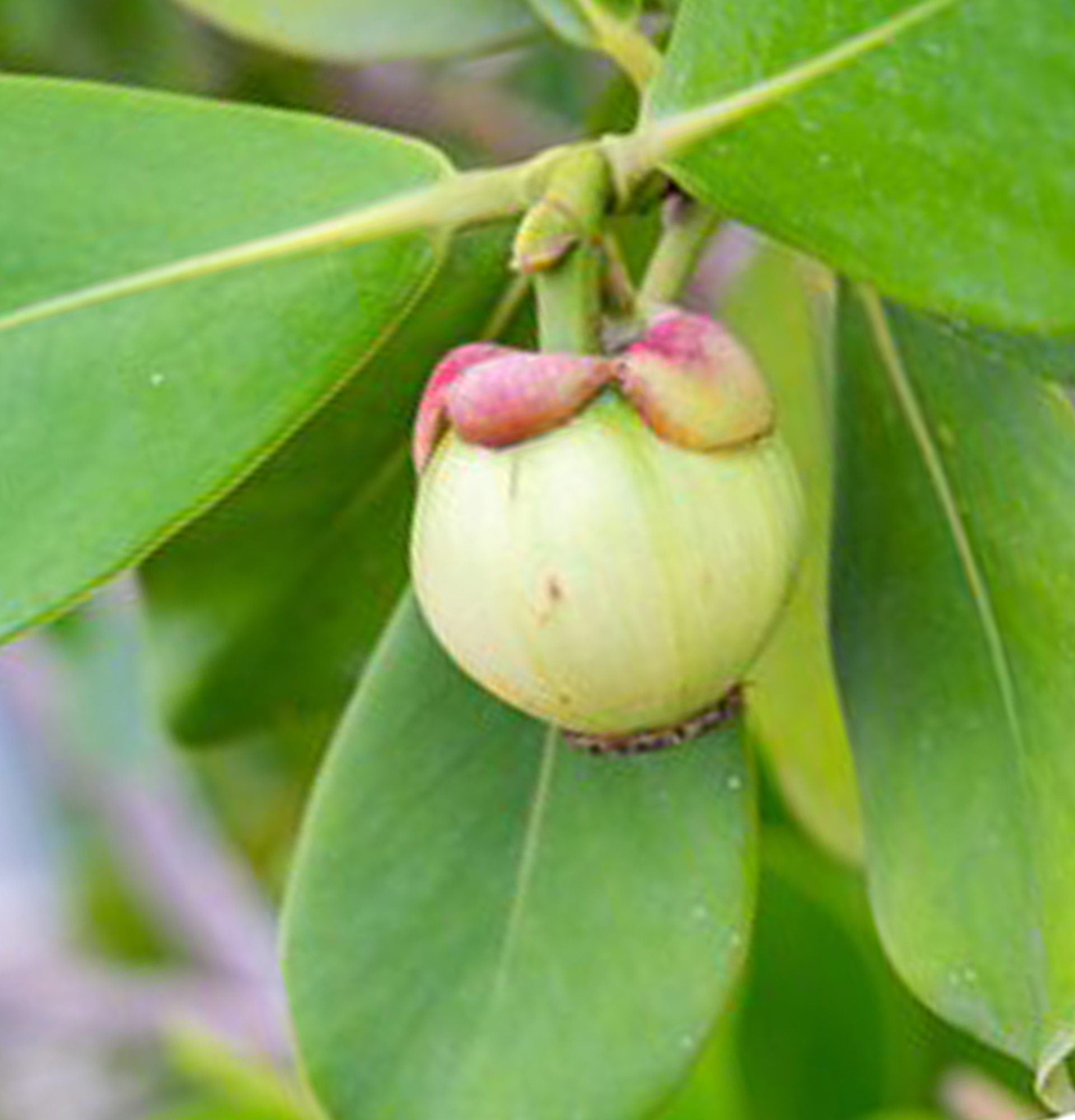 This variety of Clusia, also called balsam apple, has characteristic features of both trees and dense shrubs. The height of these plants can reach three meters, and the diameter of these decorative masterpieces is up to one and a half meters.
Dark green, fifteen-centimeter, bare, oval or ovoid leaf plates are attached to the shoots with long, thick petioles, forming a unique plant. The tops of the shoots are decorated with creamy or whitish flowers, either single or collected in inflorescences of three or five pieces each. The diameter of the flower reaches from five to eight centimeters. The flowering of Clusia can be seen in the dark.
Clusia rosea
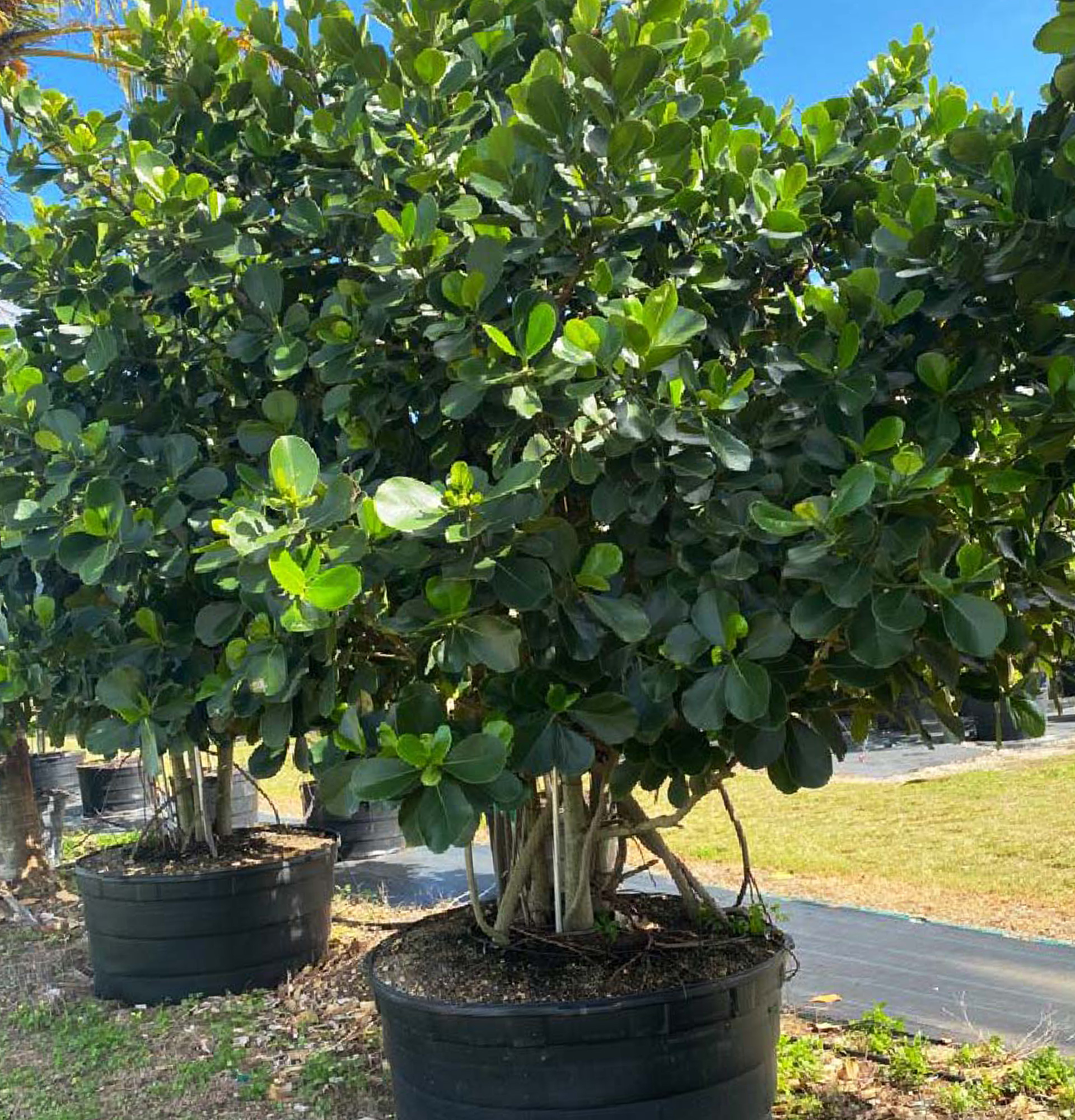 Clusia rosea is considered the most common and popular among amateur gardeners due to its unpretentious appearance. If you create the necessary microclimate: provide diffused lighting, regular watering, and air humidity of about 60%, Clusia rosea will feel great in the house.
This is a perennial shrub or small tree that reaches a height of up to one and a half meters. In natural conditions, this variety of Clusia can reach a height of three meters. It has dark green, long, up to twenty centimeters, glossy leaf plates of ovoid or rhomboid shape. It blooms with white, changing to pink, flowers with golden-yellow stamens and waxy petals.
Varietal varieties:
Clusia rosea princess is a very interesting variety of this species. This wonder - Clusia princess has green leaves and large pink flowers.
Variegata is a variegated Clusia with leaf plates that have a pale yellow border along their edge.
Yellow Vernegated is a wonderful variety with yellow spots on the leaves.
Clusia lanceolata
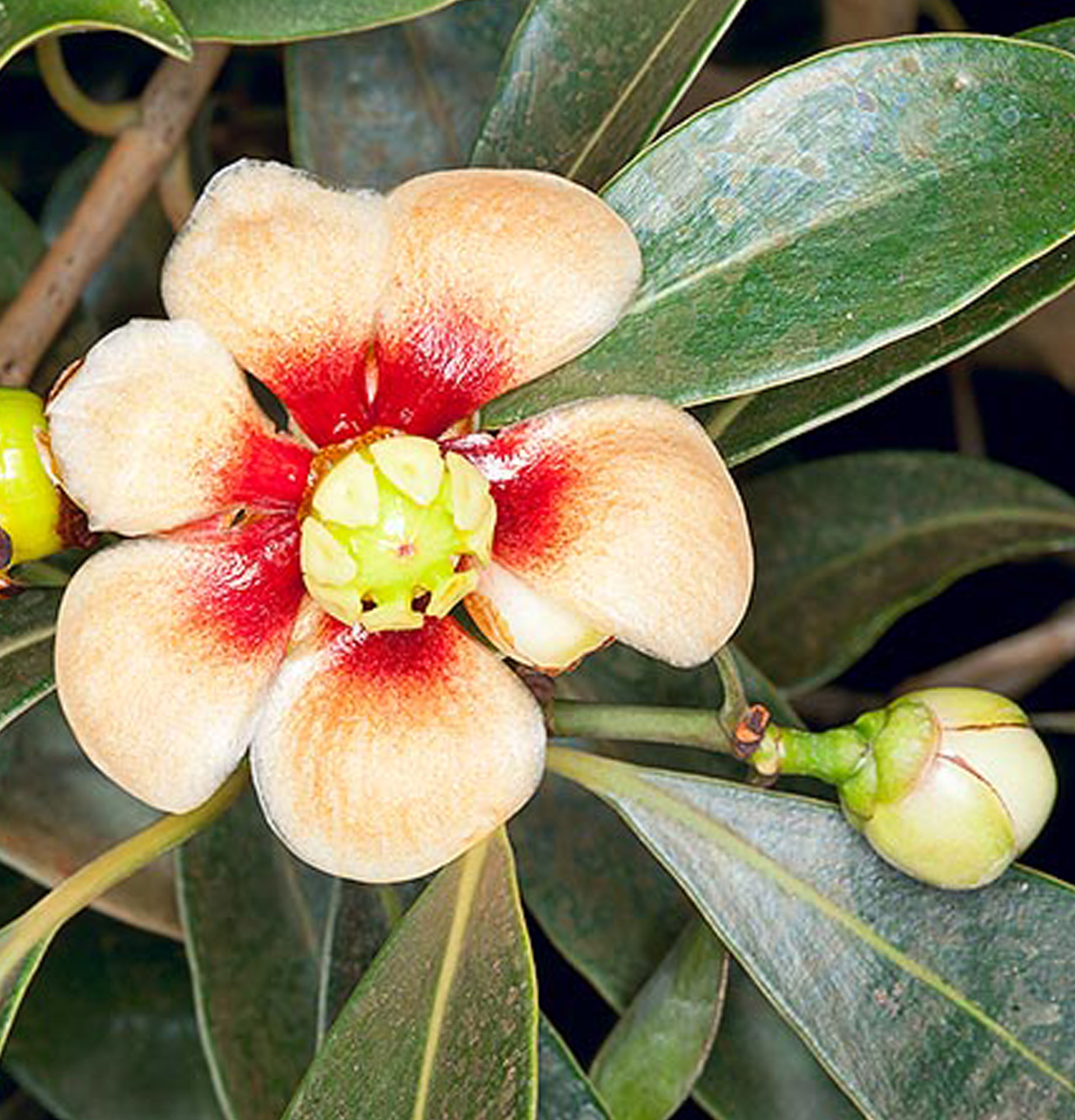 This is an interesting, tall variety, which is represented by tree-like or shrubby plants. The plants are highly branched and reach a height of three meters. The shape of the leaves is lanceolate, their length reaches eight centimeters, and they feel leathery to the touch.
Bright, five-centimeter flowers of red or burgundy color with a white border are collected in eight petals. On the back, the petals are decorated with dark red dots. In the evening, in complete darkness, you can enjoy the delicate and pleasant aroma of the open flowers.
Clusia grandiflora
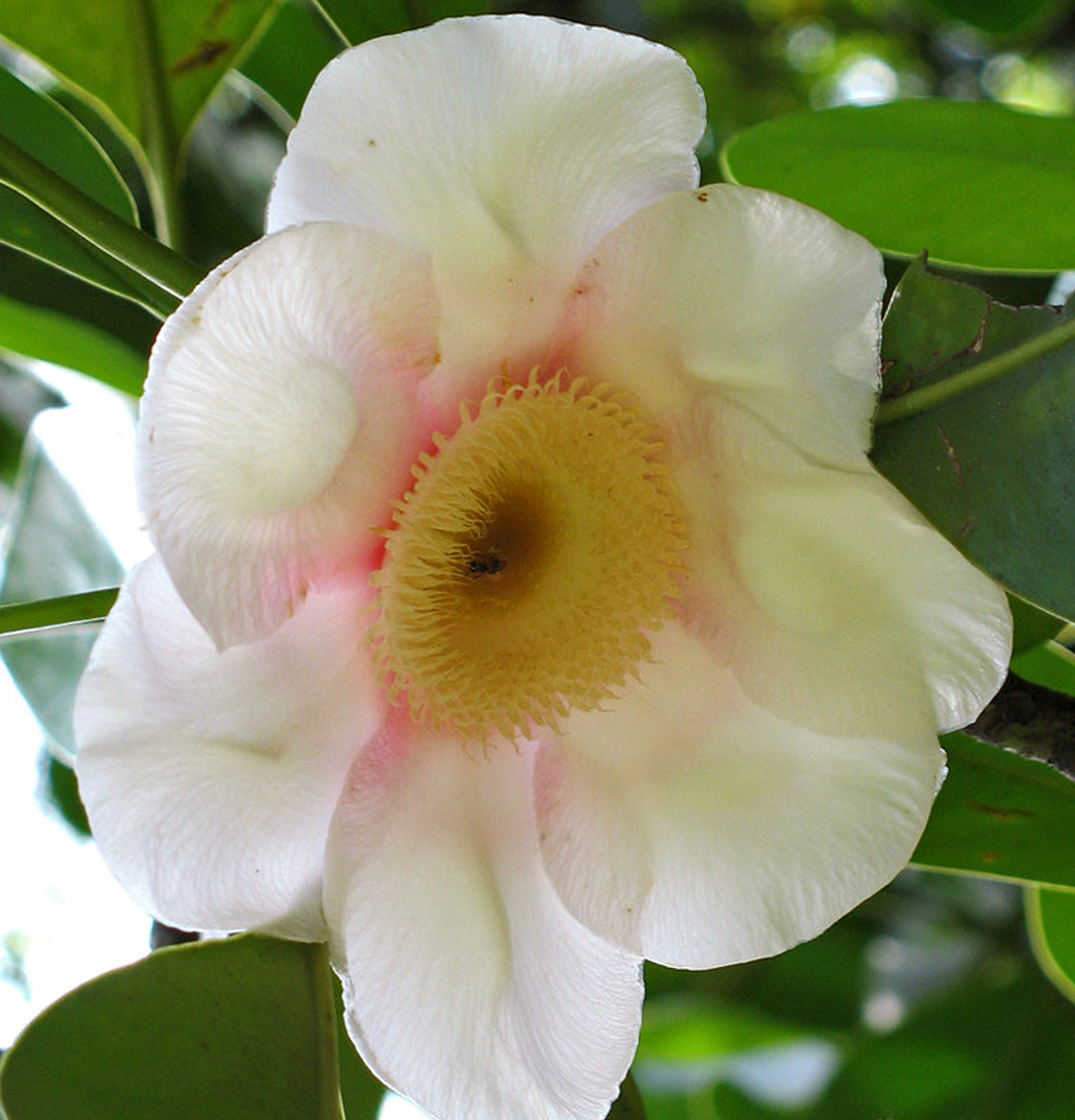 This is a very interesting species, which is represented by an evergreen shrub with stems up to ten meters long. The aerial roots of this plant distinguish this species from other relatives. Large, up to forty-five centimeters long and up to twenty centimeters wide, leaf plates of reverse-ovate shape are divided by a central bright vein.
It blooms with large, twenty-centimeter-diameter white or pink flowers, consisting of a funnel-shaped corolla and eight petals. In natural conditions, this epiphytic giant feels great and its strong stems can harm the tree that is its support.
These huge specimens are rare guests in indoor conditions. The best places for their location are greenhouses, where you can create suitable conditions with an optimal microclimate that mimics the natural habitat. The natural process of reproduction is facilitated by birds and wind, which carry the seeds over vast areas.
Clusia care in the home
Clusia is not too whimsical, but there are nuances that you need to know and strictly follow.
Location and temperature regime
The Clusia flower needs a daylight duration of up to twelve hours a day. The lighting should be intense but diffused throughout the year. This can be achieved by placing fast-growing indoor plants nearby or on south, east, or west-facing windowsills.
It is necessary to exclude the попадание of direct rays of the midday sun on the leaf plates.
In the winter off-season, the flower will be comfortable on the south side. Lack of lighting greatly affects the formation of stems and leaves. They become thin, elongated, and slow down the growth rate. It is desirable to extend the daylight hours with artificial light sources.
In order to have a beautiful indoor plant and maintain its normal life, it is necessary to maintain the temperature at 20-25 ° C, in the winter period - up to 15 ° C. A drop in temperature below 13 ° C can lead to leaf fall.
Air humidity and watering
For a tropical indoor plant, it is desirable to maintain high air humidity. Regular spraying with soft water will not be superfluous. Moist pebbles in the tray will also have a positive effect. You can purchase self-watering flower pots.
We water the fast-growing indoor plant in summer regularly with warm, settled water, with a period of one week, observing the condition of the soil in the pot, which should be half dry before watering. Water less often in winter.
Do not allow water to stagnate in the tray to avoid rotting the roots.
Soil mixture and its feeding
The substrate for Clusia should be light and airy, with good drainage. You can prepare the soil mixture yourself.
The soil will be ideal if you take equal parts of leaf and sod soil, peat, sand, and a little coniferous soil.
To get a flowering indoor plant, fertilizers containing a high concentration of phosphorus and potassium are used. It is necessary to use complex mineral and organic fertilizers in turn, with a dosage reduced by half of what is indicated on the package, but no less than twice a month.
Mineral fertilizers for cactus can be quite suitable for Clusia. Liquid fertilizers for decorative leafy indoor plants can also be applied no more than once every thirty days.
Transplanting Clusia
The transplanting process is very painful for indoor Clusia. Therefore, it is not advisable to disturb the plant without need. The spring transplant is carried out no more than once every three years. The main priorities for transplantation will be - the cessation of the growth of the flower or a small pot with overgrown roots. The pot should be larger than the previous one, wide, but not high.
A quarter of the pot should be occupied by a drainage layer of expanded clay, for high-quality removal of excess moisture from the soil mixture.
We use the transshipment method, add fresh soil and press it well.
Clusia propagation
To propagate this indoor exotic, seeds, apical cuttings, and air layering are needed.
The seeds for sowing should be fresh.
It is necessary to observe safety precautions and use gloves. Clusia seeds are poisonous.
How does Clusia bloom?
Beautiful Clusia blooms in the summer with creamy or whitish flowers, which can have a delicate and very pleasant aroma. The main attribute of a flowering tree is proper care. Unfortunately, in indoor conditions, this beauty can be seen quite rarely.
Pests and diseases
Clusia is considered hardy and resistant to all the misunderstandings that occur due to miscalculations in growing the plant. If there are any, the indoor plant may be damaged by spider mites, mealybugs, or scale insects. When unwanted guests are found, it is desirable to treat the flower with a soap solution. The next step in saving the indoor plant is the use of insecticides.
Problems that arise during cultivation
- Too small leaves, stems are excessively elongated - the plant does not have enough light. It is desirable to place the flower closer to natural light, and in the cold season, illuminate it with phyto-lamps or other light sources.
- Brown spots on the leaf plates - the plant was exposed to direct sunlight, which burned the plant. It is necessary to shade the flower.
- The presence of a fungal coating on the leaf plates - excess moisture in the soil and too low temperatures in the room.
- Clusia sheds leaves - it is too cold in the room, there is not enough light.
Unpretentious indoor plants Clusia need a little love and attention, and in return, they will become a decoration for any interior. Clusia, like ficus, can be a wonderful greening of office premises and other public areas.
Write comments
Comments