



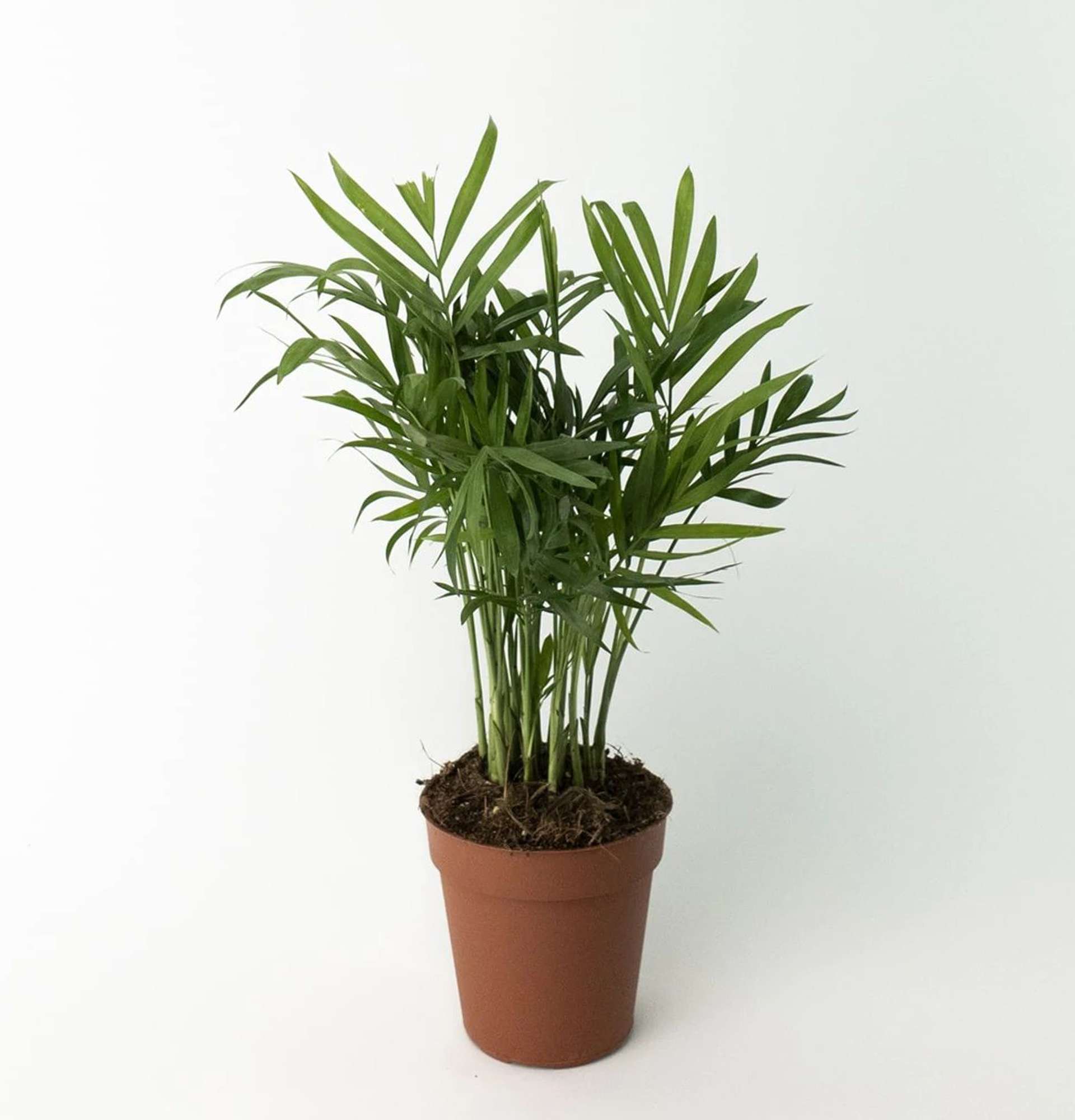
Latin name: (Chmaedorea)
Category: tree-like, palm
Origin: Central and South America, Mexico
Chamaedorea: A striking and unparalleled plant
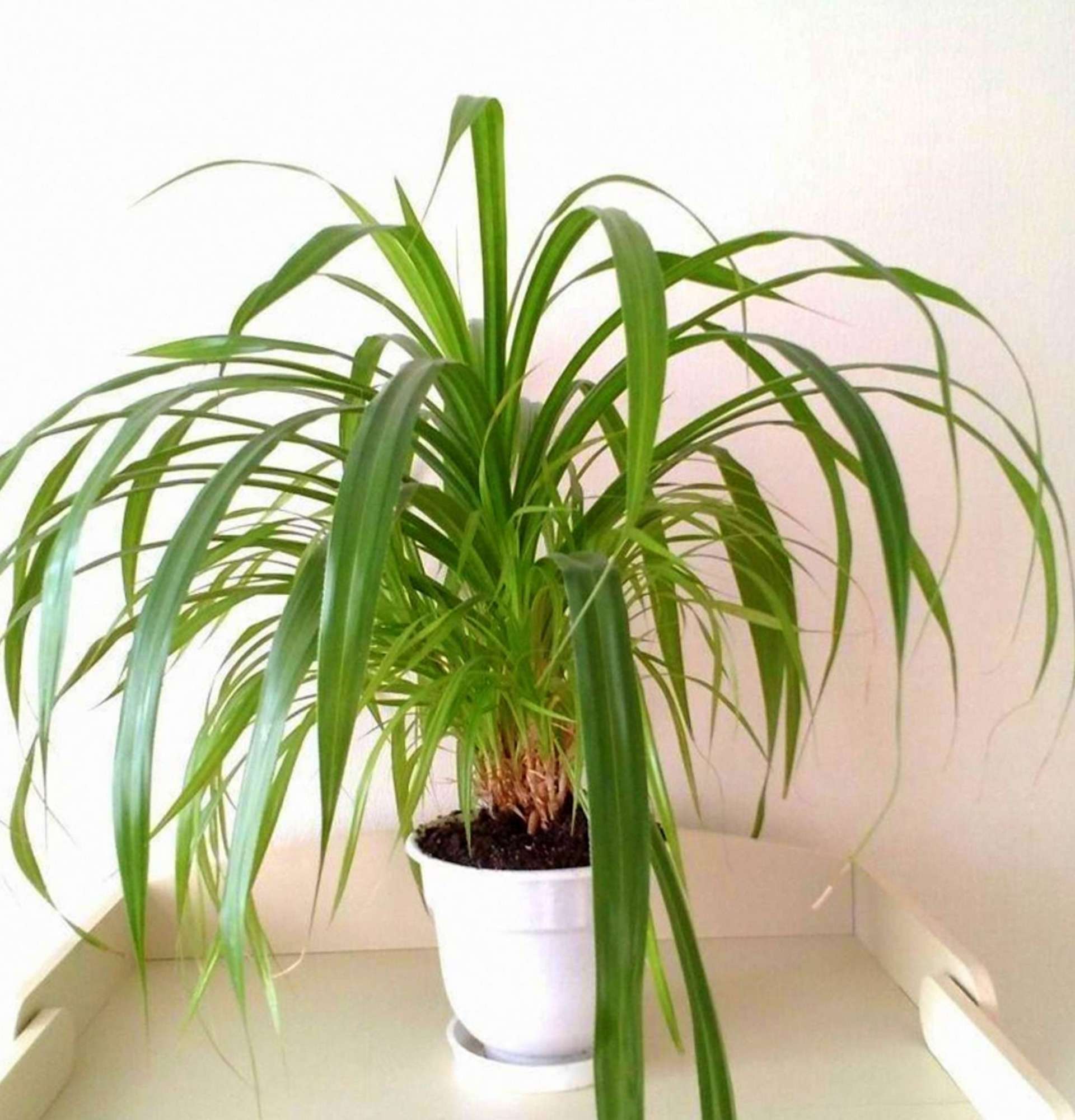
Chamaedorea is a genus that includes low-growing, woody, flowering plants, with a total of one hundred and thirty-three varieties, and it occupies a prominent place in the palm family.
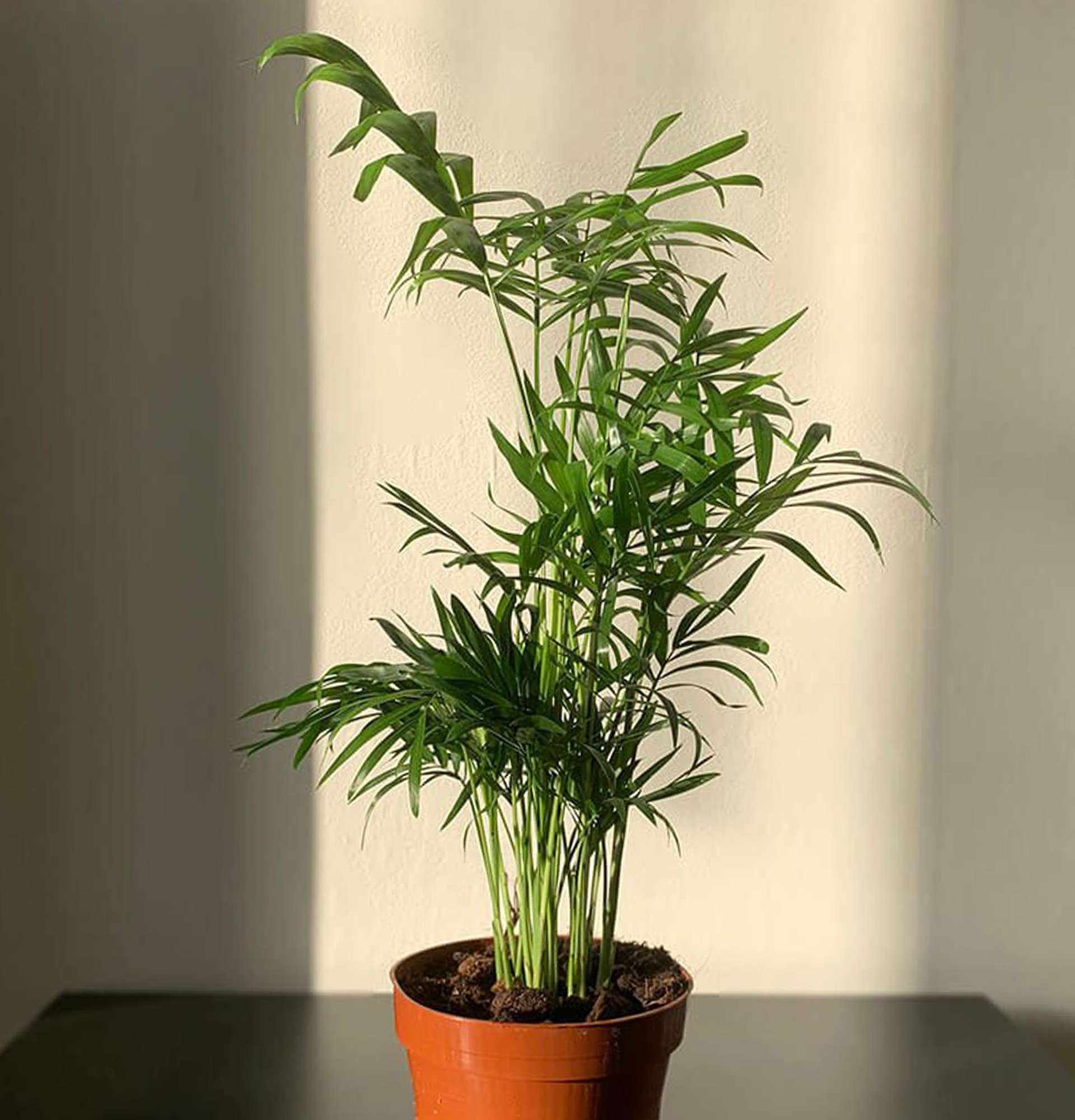
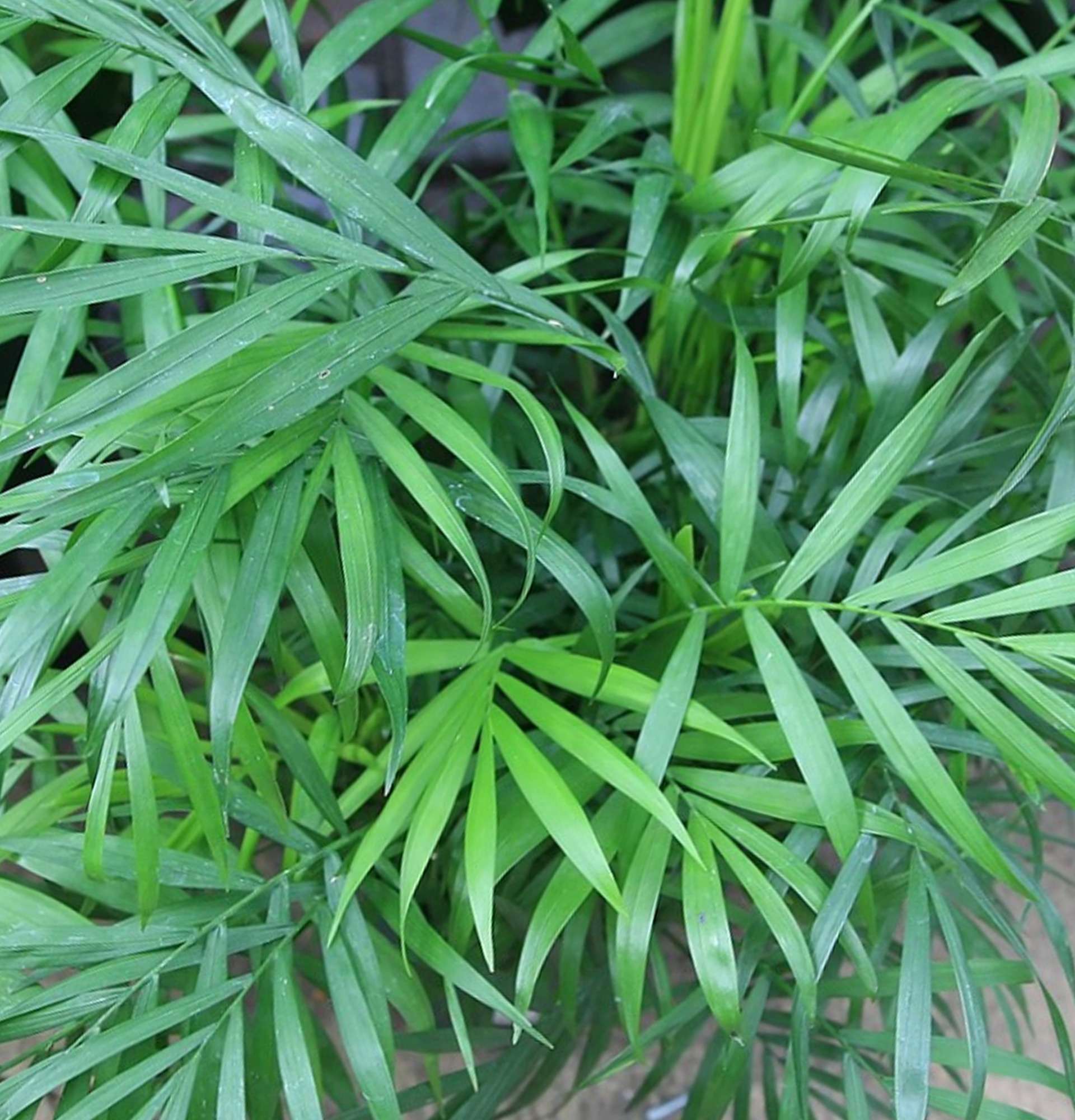
The native habitat of chamaedorea is the mountainous regions of both South and Central America, as well as the mountainous regions of Mexico. The natural, comfortable conditions allow the chamaedorea palm to reach a height of two meters. The root system of this magnificent flower forms a large number of three-centimeter stems, similar to bamboo, from which green, original, pinnate leaves rise. The young leaves resemble feathers.
The local population eats the male inflorescences of chamaedorea, which are called "pacayes." In the tropical forest areas, the mountain palm chamaedorea prefers to grow near tall trees to hide from the scorching direct sunlight in the summer.
The name of the plant, when translated from Greek, means "chamai" - dwarf and "dorea" - gift.
In indoor conditions, flower lovers grow chamaedorea as a beautiful ornamental plant, due to its delicate, pinnate leaves.
When buying a palm for your home, the question arises: how quickly does chamaedorea grow?
This indoor palm grows slowly.
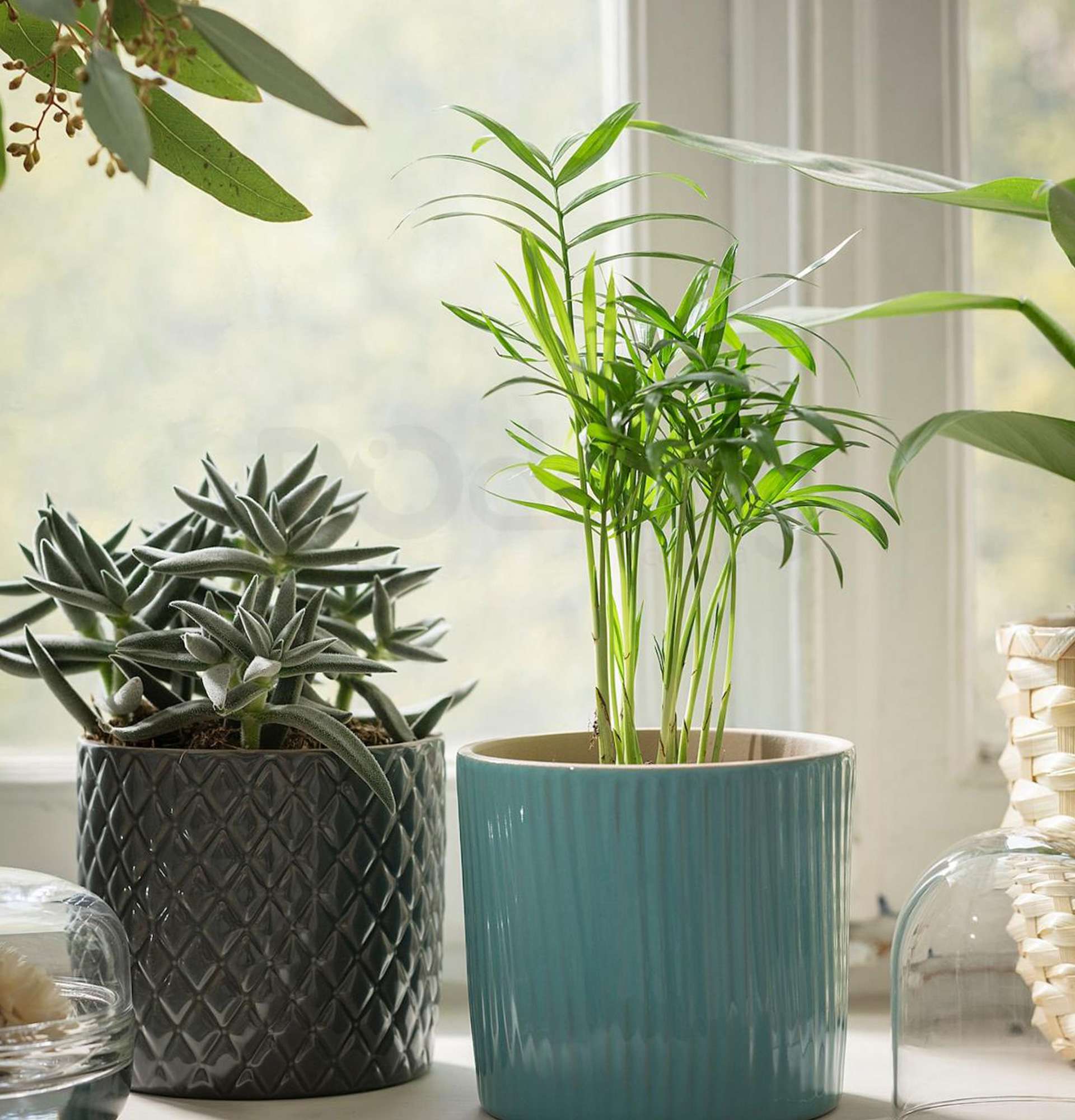
When it reaches maturity, it reaches a height of one hundred and twenty centimeters. The most important thing is that, at any age, the bamboo palm chamaedorea looks charming. Small palms have proven themselves well in compositions placed in glass containers. Larger specimens can be a wonderful decoration for gardens, greenhouses, and offices.
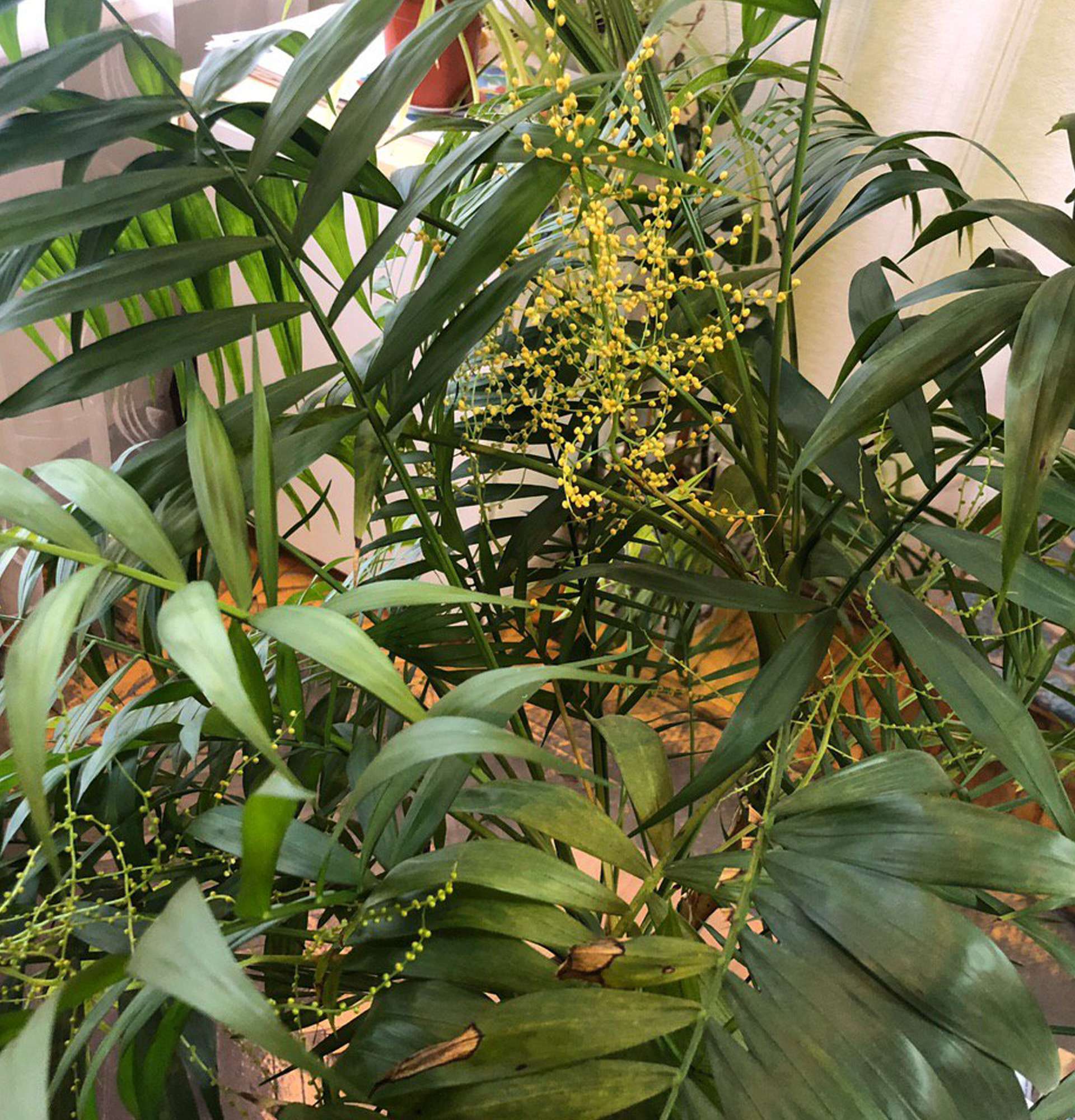
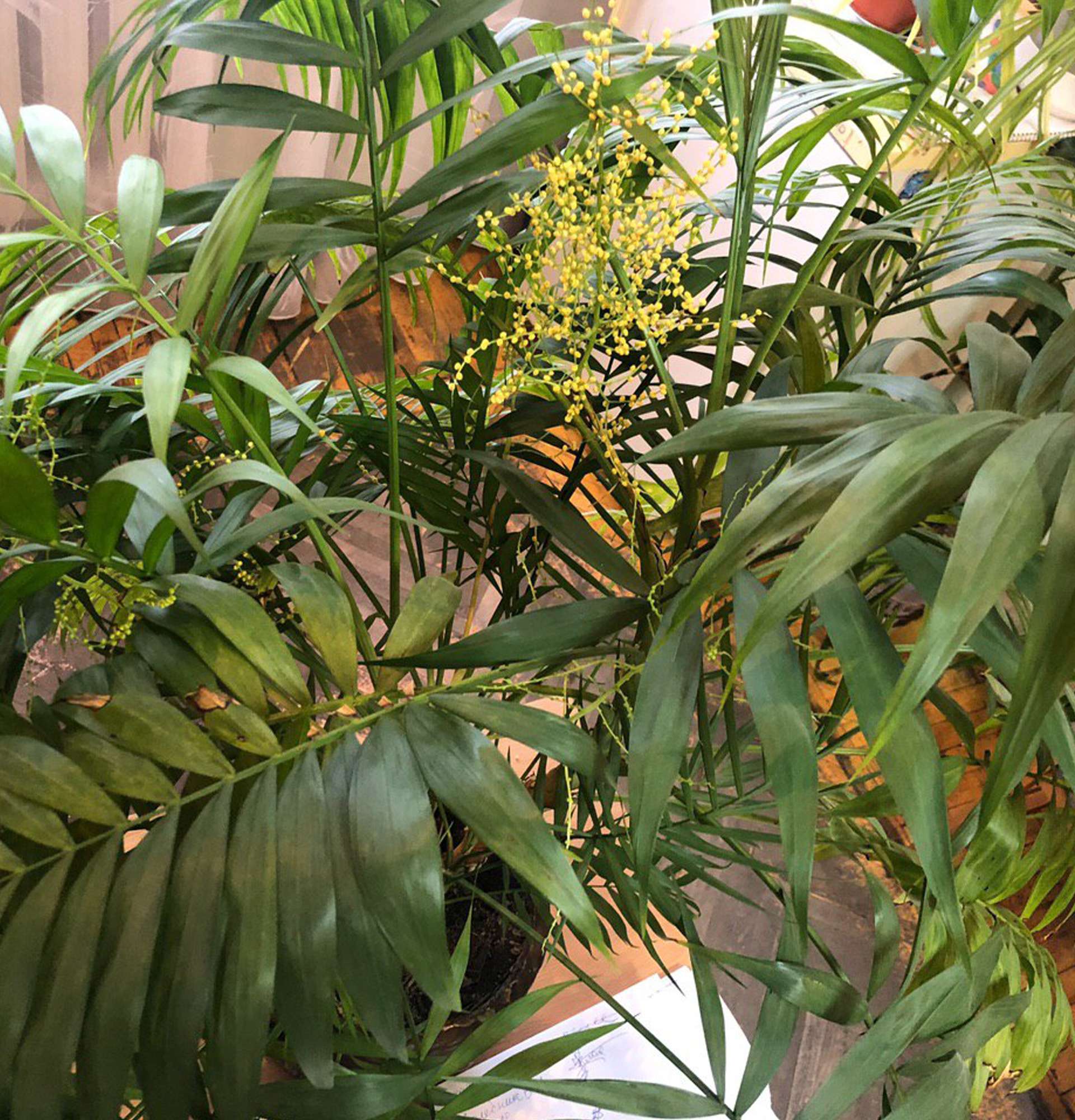
It is also interesting: how does chamaedorea bloom? The flowers do not have any particular decorative value. The green branch of the inflorescence is covered with delicate flowers that resemble mimosa flowers. The clear contrast with the dark leaves of the palm gives the plant more originality. By the way, you can see the flowering of indoor chamaedorea by watching a video.
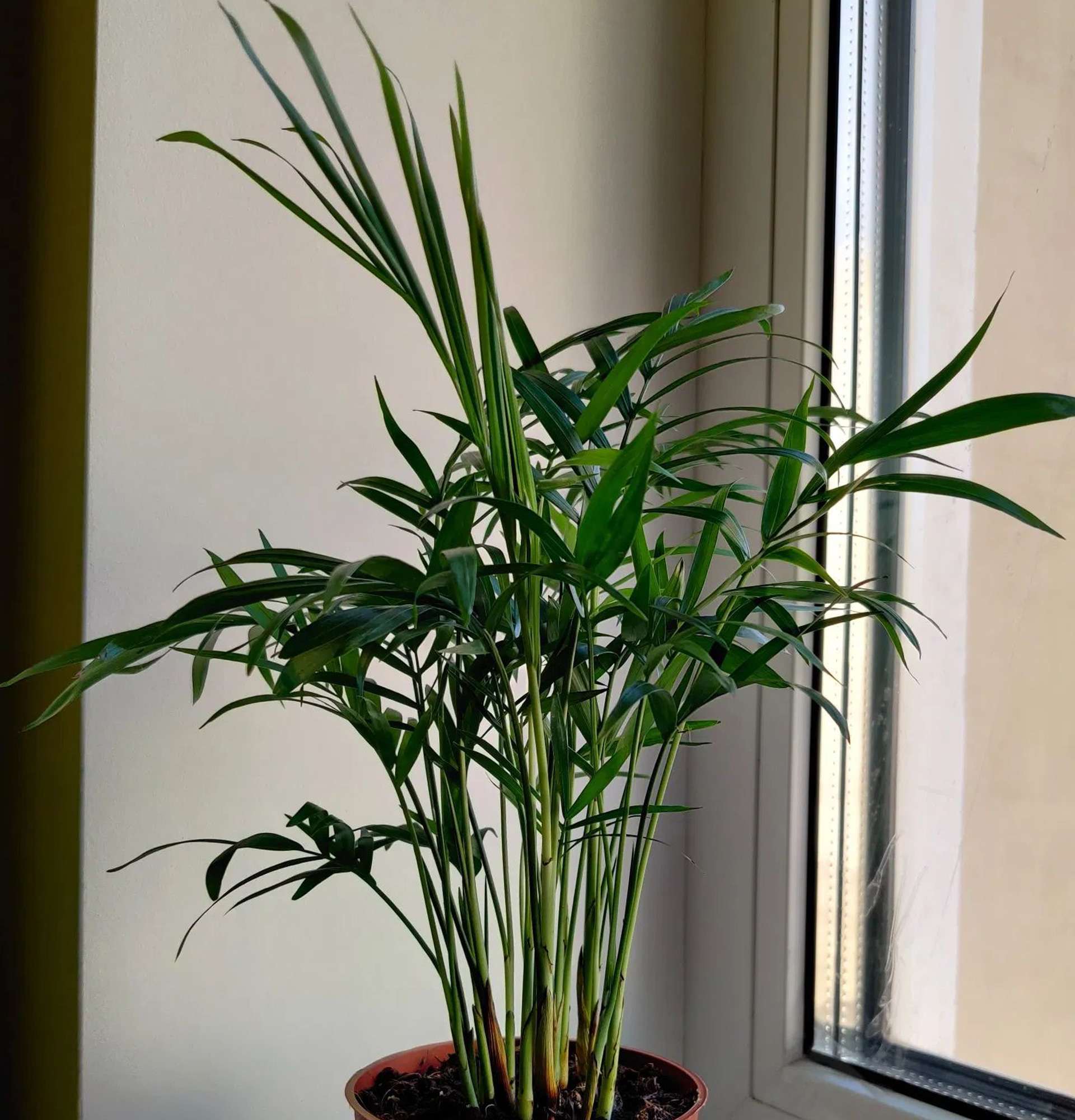
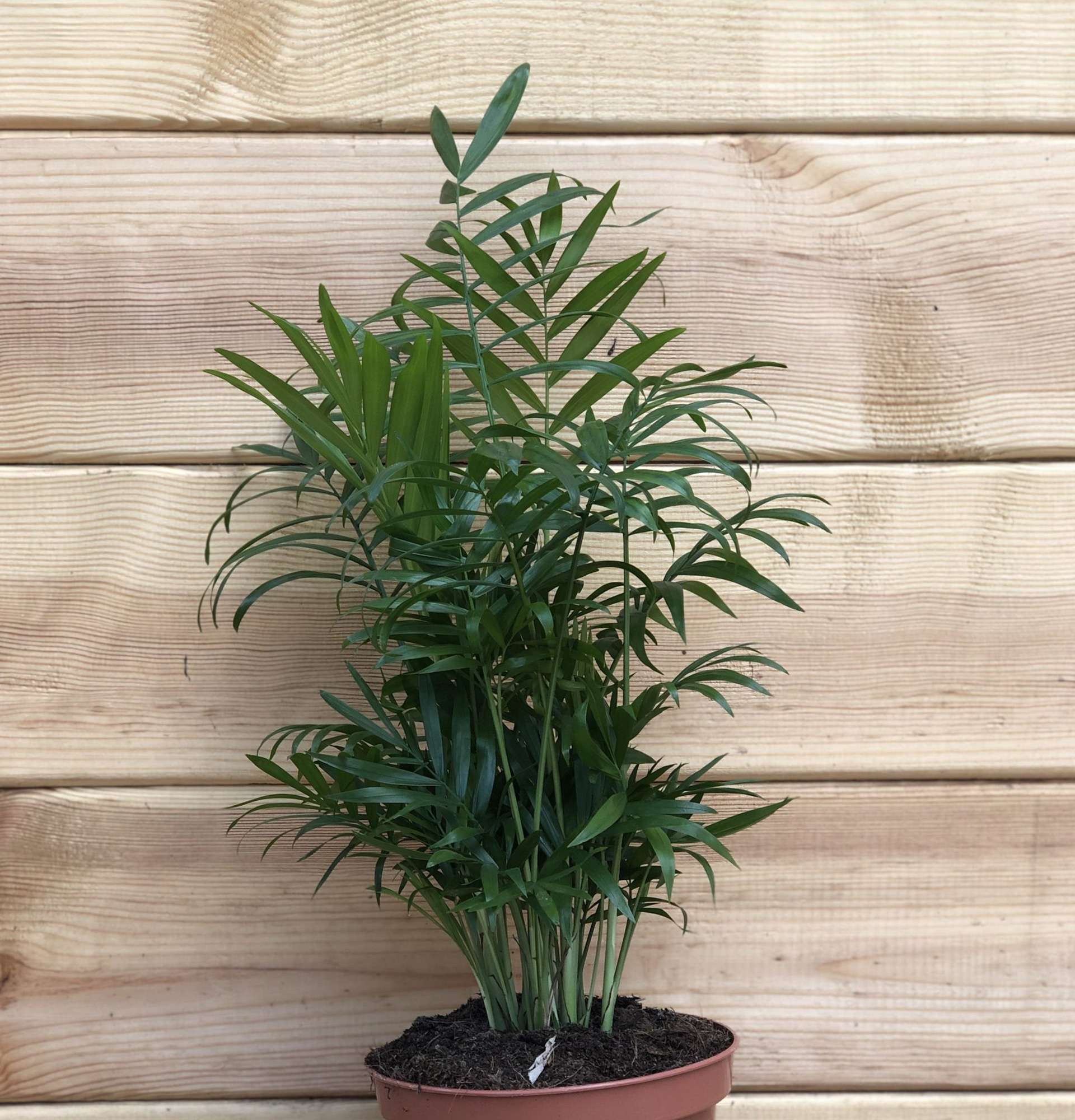
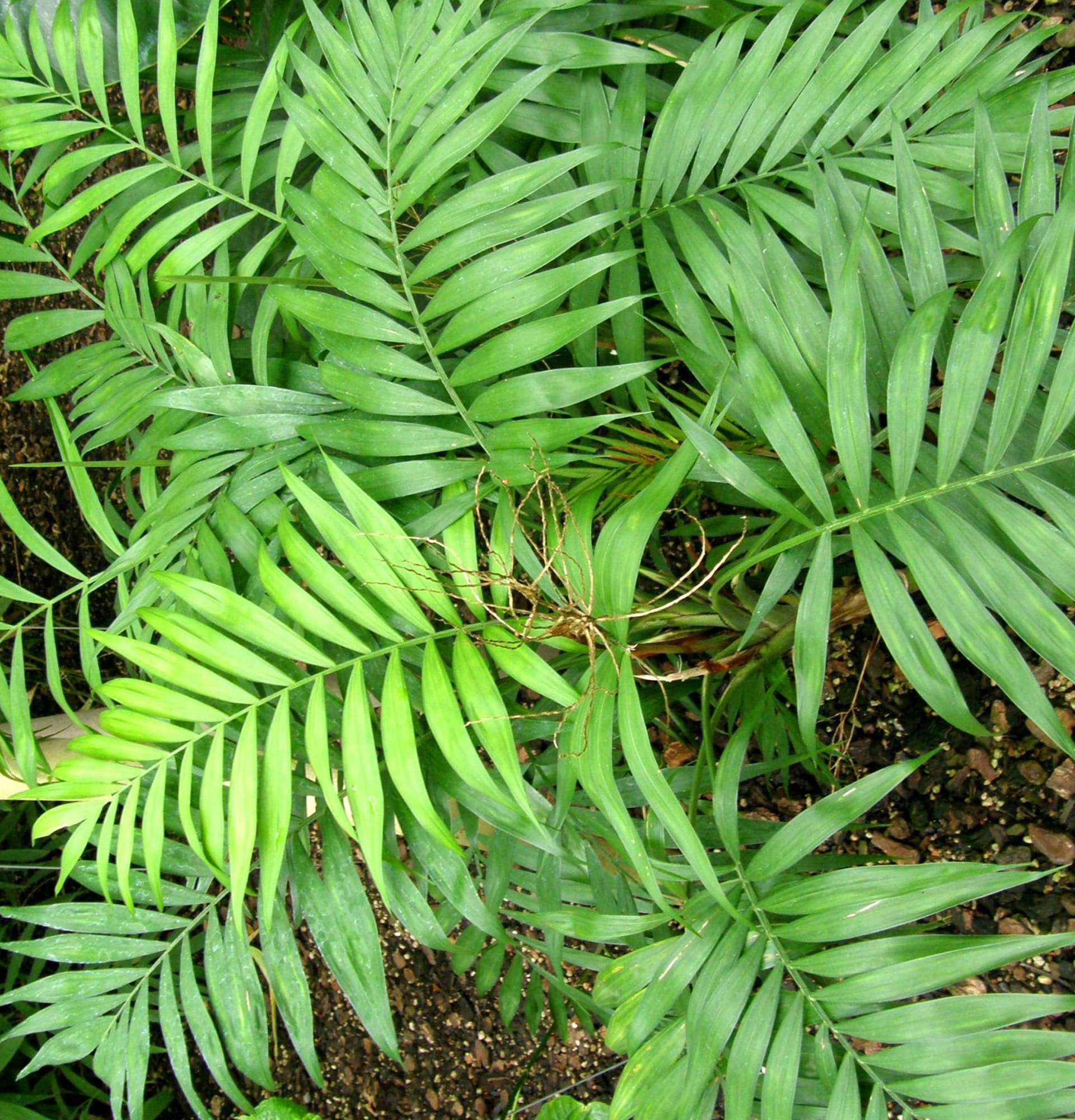
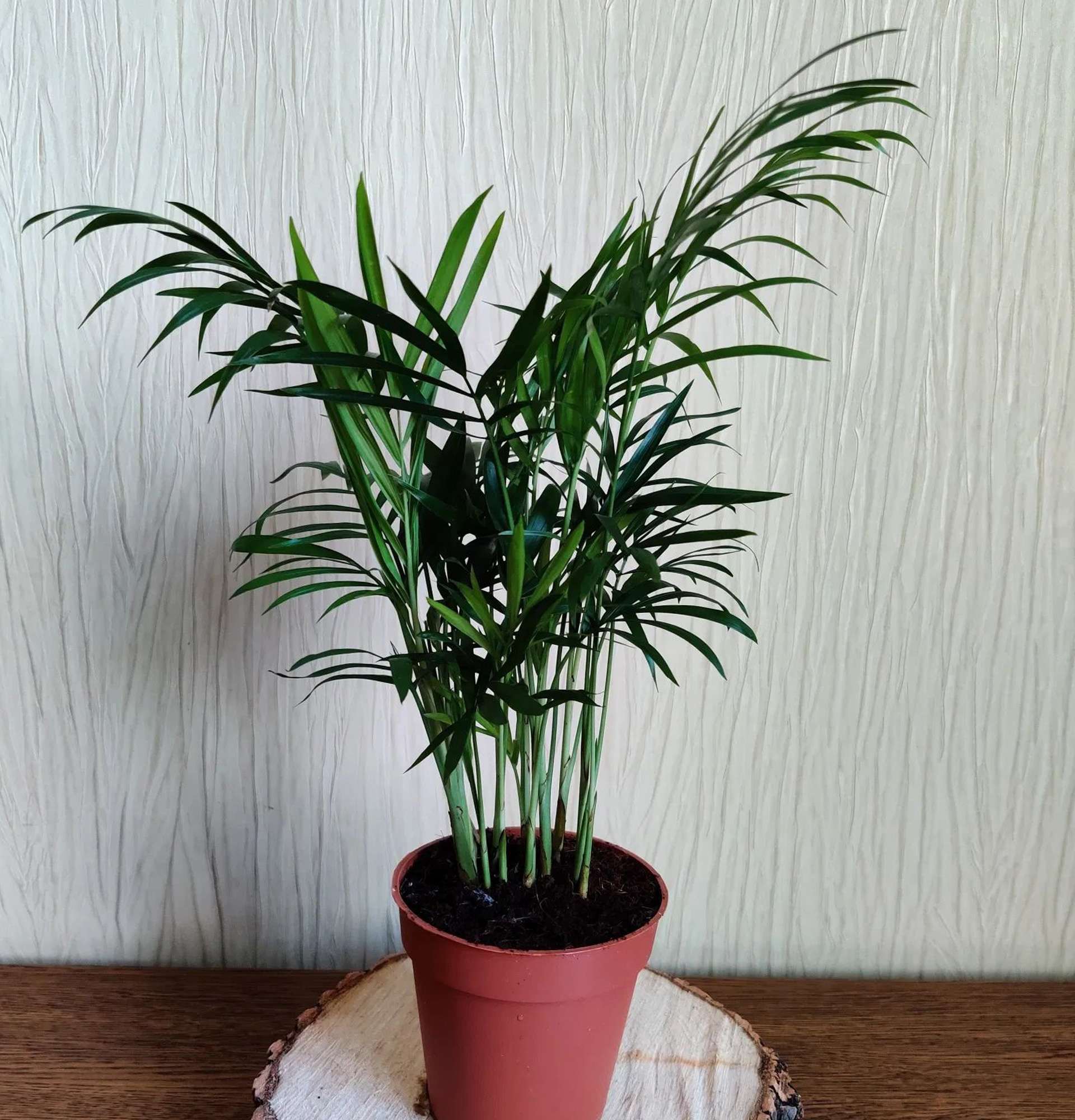
Chamaedorea photos can be viewed in the next section of the article.
Chamaedorea species
Elegant Chamaedorea (Chmaedorea elegans)
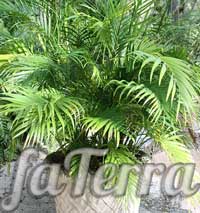 Elegant chamaedorea is often called chamaedorea elegans or "salon palm." Eastern and Southern Mexico, as well as Guatemala, with its humid, dense forests, are the native habitat of this shrub-like plant with creeping rhizomes. Up to seven thin stems can grow from each root. The young stems are green, and over time they turn chestnut brown. They are decorated with original, pinnate, arc-shaped leaves of light green color, with 7-8 leaves per leaf. Young palms can delight their owners with yellowish, spherical flowers located on broom-like inflorescences.
Elegant chamaedorea care is directly related to the intensity of growth of the indoor palm and the condition of its appearance. To this end, we bring the indoor growing conditions as close as possible to the natural ones.
Chamaedorea Breedbladig
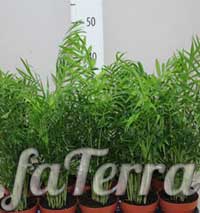 A hybrid specimen of the indoor chamaedorea palm. Unlike it, chamaedorea breedbladig has much larger and more fragrant flowers. Its leaves have an emerald hue. In comfortable conditions, it can grow up to half a meter in height.
Interesting! Americans eat the berries, leaves, and unopened buds of chamaedorea. All these parts of the plant are a wonderful and healthy addition to salads.
Tall Chamaedorea (Chmaedorea elatior)
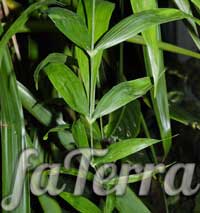 The name of this variety of chamaedorea is directly proportional to its growth. If the chamaedorea receives proper care, it can reach a height of five meters. As it grows, the leaves fall off, leaving light marks on the trunk. It becomes identical to a bamboo plant. The top of the tall chamaedorea looks great decorated with large, pinnately dissected leaves of dark green color with pointed edges. Their number varies from four to seven or more. The chamaedorea flower also pleases with bright orange inflorescences that have a pleasant aroma.
Chamaedorea Ernest-August (Chmaedorea ernesti-augusti)
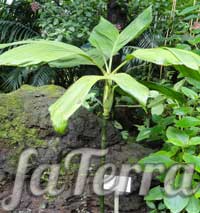 A very original chamaedorea flower of this species is native to Mexico and Guatemala. In culture, the bamboo palm often decorates winter gardens, greenhouses, offices, and rooms. This unusual creature differs from other varieties of chamaedorea in the shape of its leaves, which resemble a fish tail. The thin, reed-like trunk, which reaches a meter in height, is decorated with about ten unusual, figured, two-lobed leaves, which form a luxurious crown of dark green color. Chamaedorea Ernest-August blooms with small, spherical, red flowers, which delight the eye with large, spreading inflorescences.
Chamaedorea unicolor (Chmaedorea Concolor)
 This variety is small in size, up to one meter in height. Chamaedorea unicolor is unpretentious in cultivation and is considered the most popular among flower lovers. It grows well in greenhouses and easily adapts to indoor conditions. Thin stems form a beautiful bush with a dense crown formed by small, light green, pinnate leaves. Chamaedorea unicolor blooms with yellowish flowers, gathered in inflorescences. The flowers of the female origin have a pleasant aroma, while the male flowers do not.
Chamaedorea care in the home
The indoor chamaedorea palm does not have any special requirements for its cultivation. You just need to be a little patient, because the chamaedorea flower is slow-growing. The main thing is to choose the right place and provide proper watering, and the beautiful palm will decorate your living space. To achieve success in this process, let's consider in detail how to care for chamaedorea step by step.
Location
The chamaedorea palm will feel comfortable between windows facing east, west, or north. The main thing is that the flower is not exposed to bright sunlight.
Attention! The indoor chamaedorea palm does not like drafts.
Temperature
The acceptable temperature for chamaedorea in the warm season is 15-20°C, and the winter temperature range is 11-15°C. Sharp temperature changes can harm the palm. In the summer, the chamaedorea will be comfortable in the garden or on the balcony.
Important! The palm loves fresh air. Ventilation is essential.
Humidity and watering
Air humidity is an important factor for the life of the bamboo palm. It should be at least fifty percent. To maintain these parameters, it is necessary to regularly spray the chamaedorea. The palm will be delighted with a warm shower. Additionally, you can arrange sanitary days to remove dirt and dust from the leaves with a damp cloth.
The indoor palm will be grateful for abundant and regular watering in the warm season. In winter, we water less often. Much depends on the temperature of the environment.
The main thing! Do not allow the substrate in the pot to dry out, but do not overwater it either.
Soil and its fertilization
It is easy to buy a soil mixture for palms in a flower shop. For your favorite plant, we prepare the mixture individually. Its composition will be approximately as follows. It is necessary to take in equal parts the following ingredients: turf soil, compost, peat, perlite. If possible, you can take leaf, coniferous soil, and compost in equal proportions. Such soil mixtures will be suitable for chamaedorea.
The indoor palm grows slowly. During the first year after planting, it is not necessary to fertilize it. Subsequent feeding with liquid or specialized mineral fertilizers during the active growth period in the warm season, with an interval of two weeks. In winter, one feeding per month will be enough.
Chamaedorea transplant
Young indoor palms are repotted every year. Then we look at the intensity of growth. More mature chamaedoreas are repotted every three years, and larger specimens are repotted by adding fresh substrate to the pot.
We repot in the spring. It is interesting that for better growth and flowering, the palm does not need a very large pot. For repotting chamaedorea, we buy a pot that is not much larger than the previous one. The composition of the substrate was discussed in the previous section.
Remember! Good drainage is essential. We use brick, expanded clay crumbs.
We have considered how to repot chamaedorea. During planned repotting, it is desirable to simply transfer the plant from one pot to a larger one, without disturbing the roots unnecessarily. Add some soil.
Chamaedorea propagation
Flower lovers are often interested in the natural question: how to propagate chamaedorea? The indoor chamaedorea palm is propagated by seeds and root suckers.
It is difficult to propagate chamaedorea by seeds, but it is possible. Fresh seeds are germinated in a warm place, sown in sand, and created in greenhouse conditions. In about six months, seedlings will grow, which can be transplanted to a permanent location.
It is easier to propagate with root suckers. They are separated from the adult plant and planted in a pot, and heat should come from below. Frequent spraying and protection from direct bright sunlight will accelerate the rooting process.
Pests of indoor palms
If the air is too dry and the temperature is too high, the chamaedorea may be visited by unwanted guests in the form of scale insects and spider mites. It is necessary to use insecticides.
Possible difficulties in cultivation
- Why do the leaves of chamaedorea dry out? This happens due to insufficient watering and the presence of too dry air in the area where the indoor palm is located.
- The leaves are covered with brown spots - the palm is in a draft; there is too much contrast in temperature.
- The main thing is to properly care for your beloved palm. After all, it is not just a beauty, but also an excellent air purifier. It perfectly copes with such pollutants as carbon dioxide, benzene, formaldehyde, and ammonia.
Chamaedorea, according to the signs of folk craftsmen, has the ability to neutralize negative energy, concentrate attention, increase vitality, and reduce depressive states and melancholy. In offices, the bamboo palm can contribute to friendly relations between employees and a comfortable atmosphere.
And you can grow such beauty and enjoy it. After all, it is not so difficult.
Open the website catalog of indoor plants and get acquainted with other plants.
Write comments
Comments