



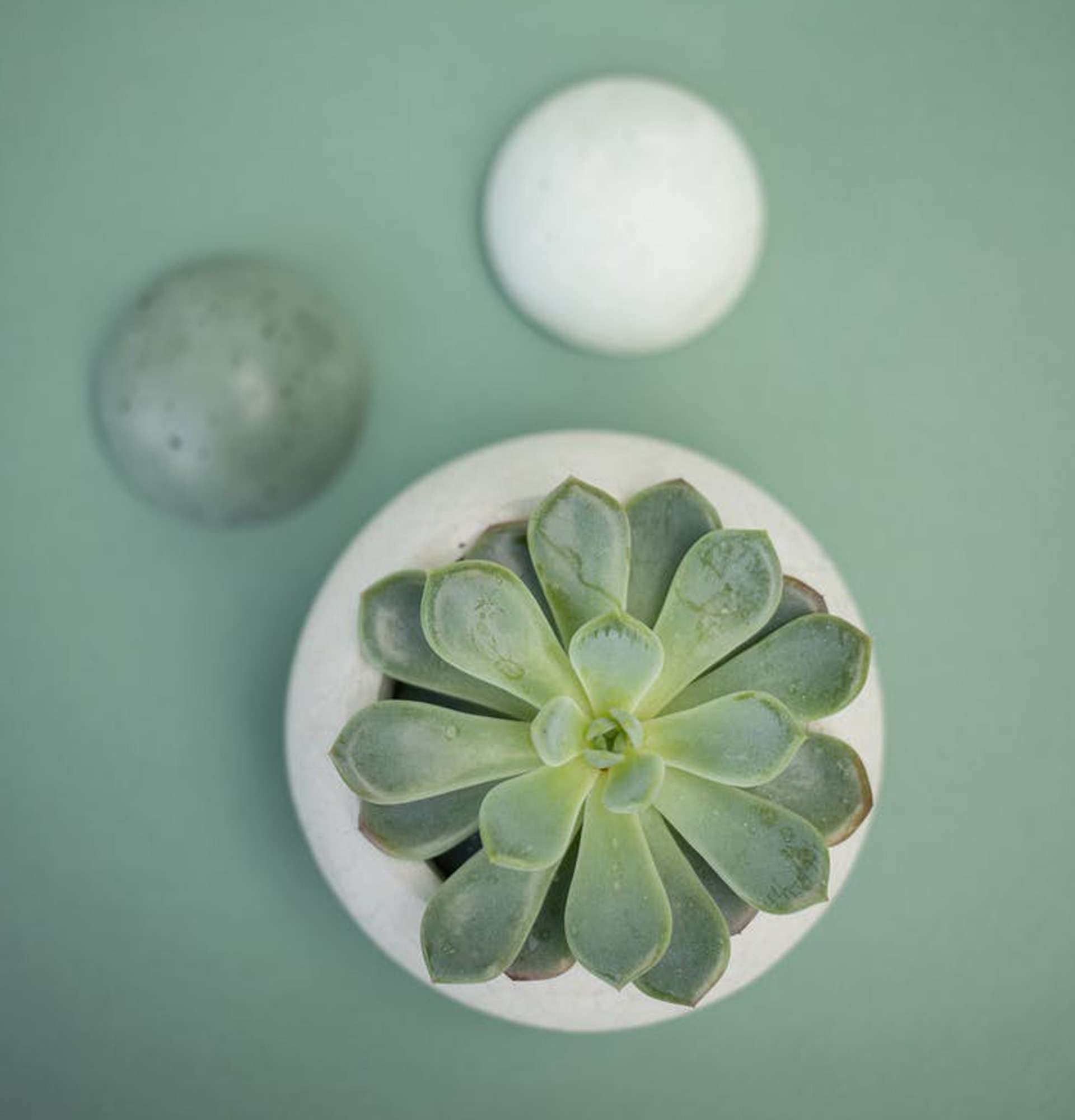
Latin name: (Echeveria)
Category: perennial succulent herbaceous plants
Origin: Central and South America
Mexican Echeveria – Stone Rose – Succulent Monument
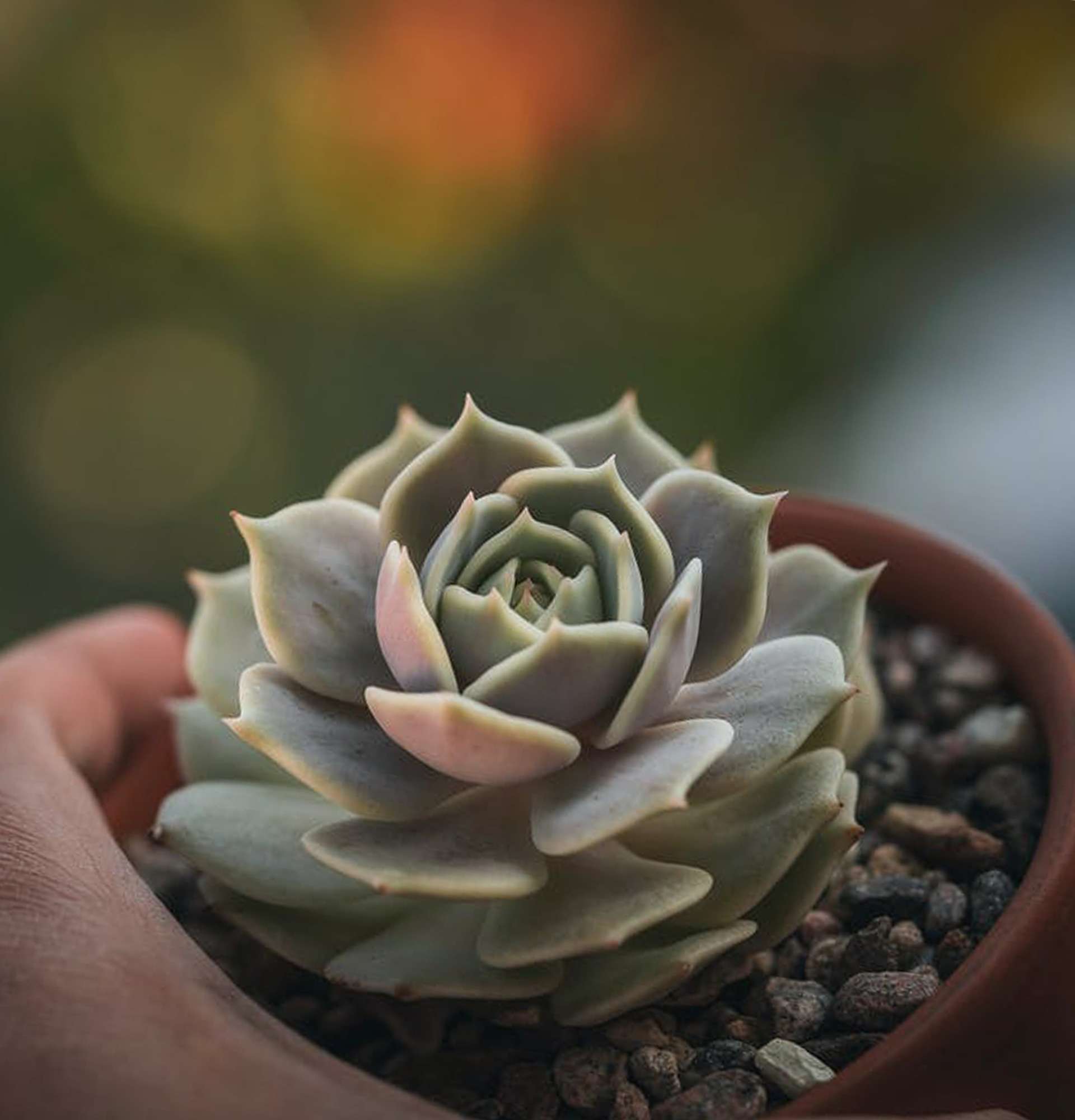
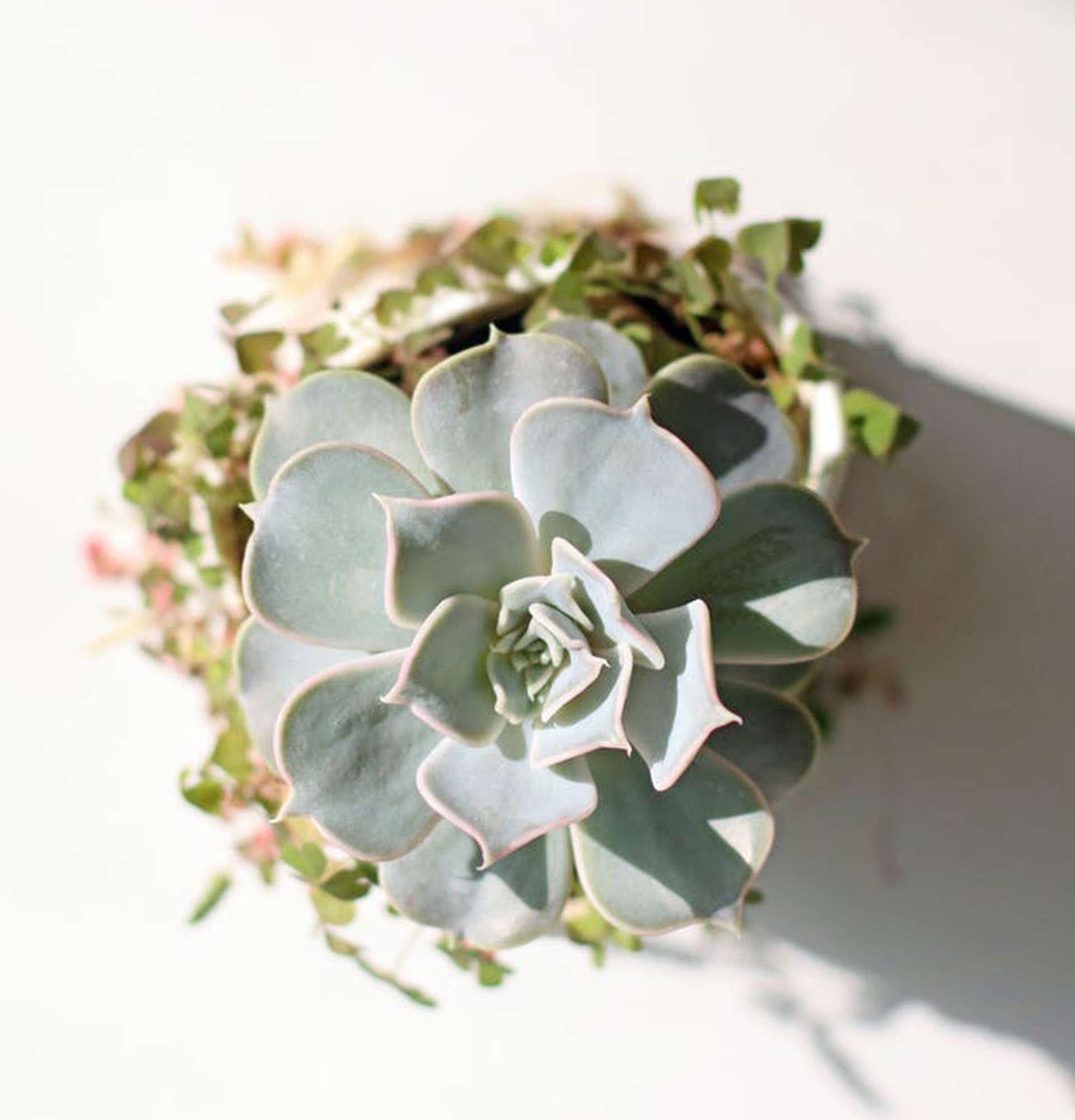
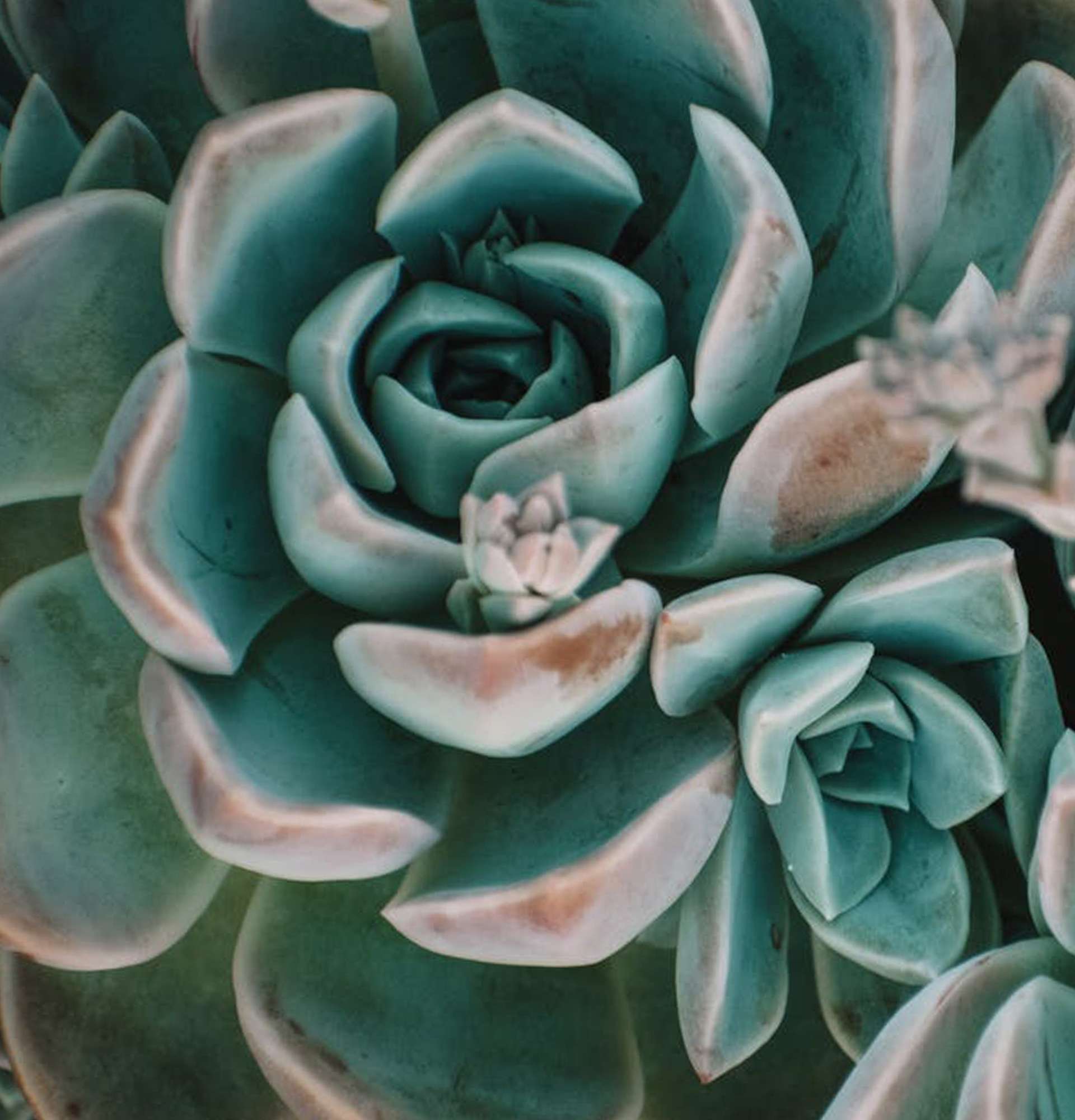
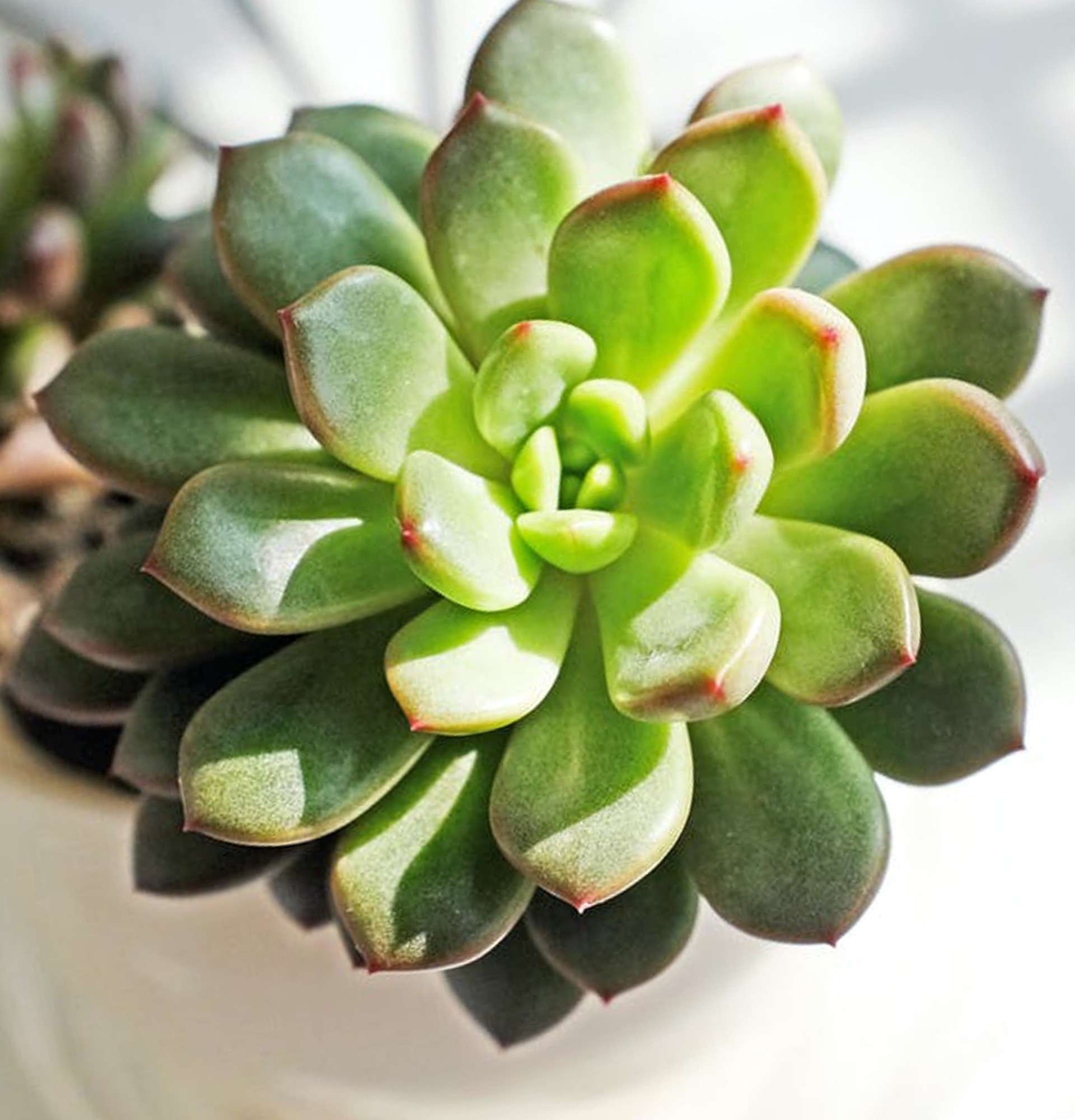
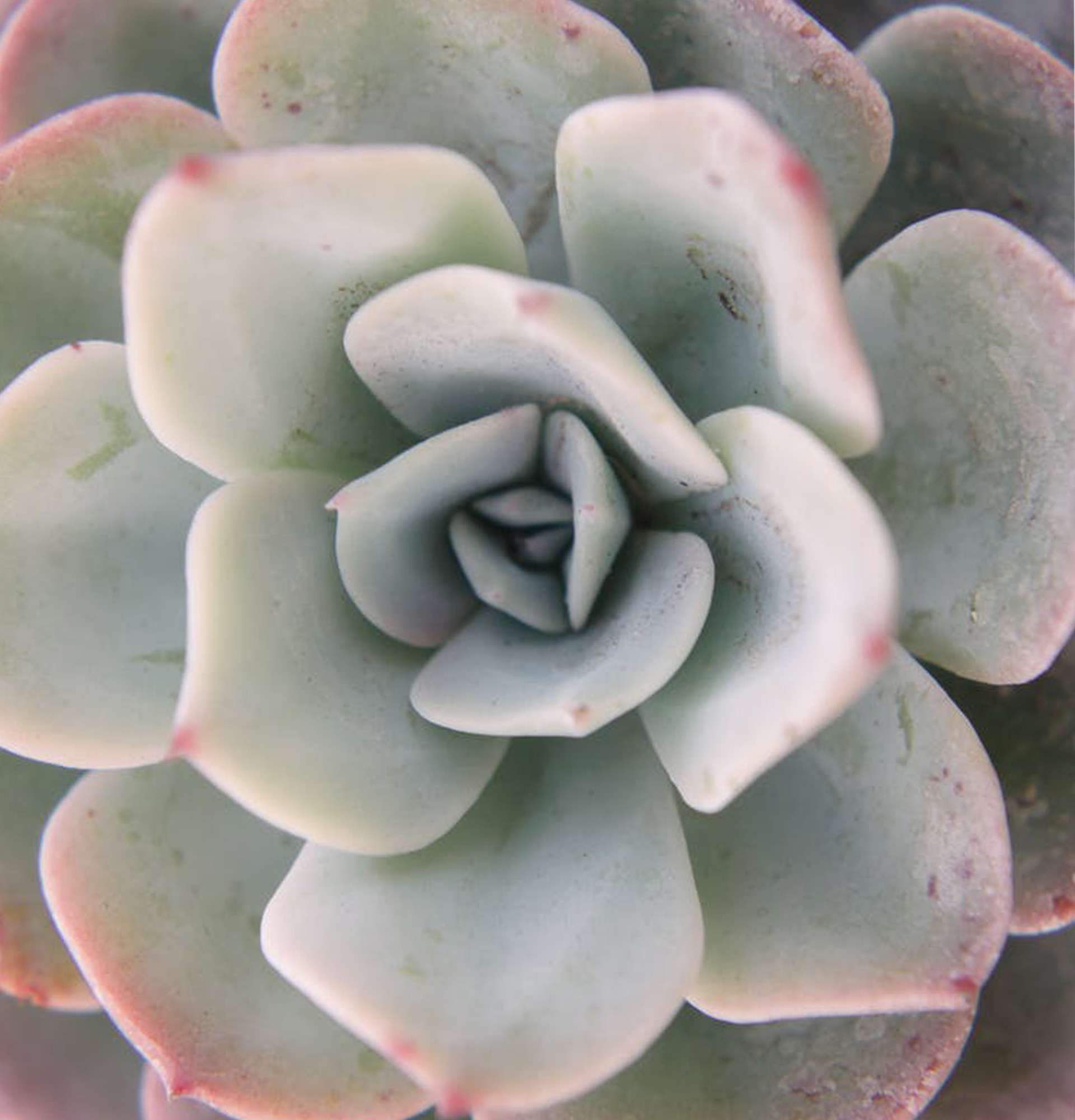
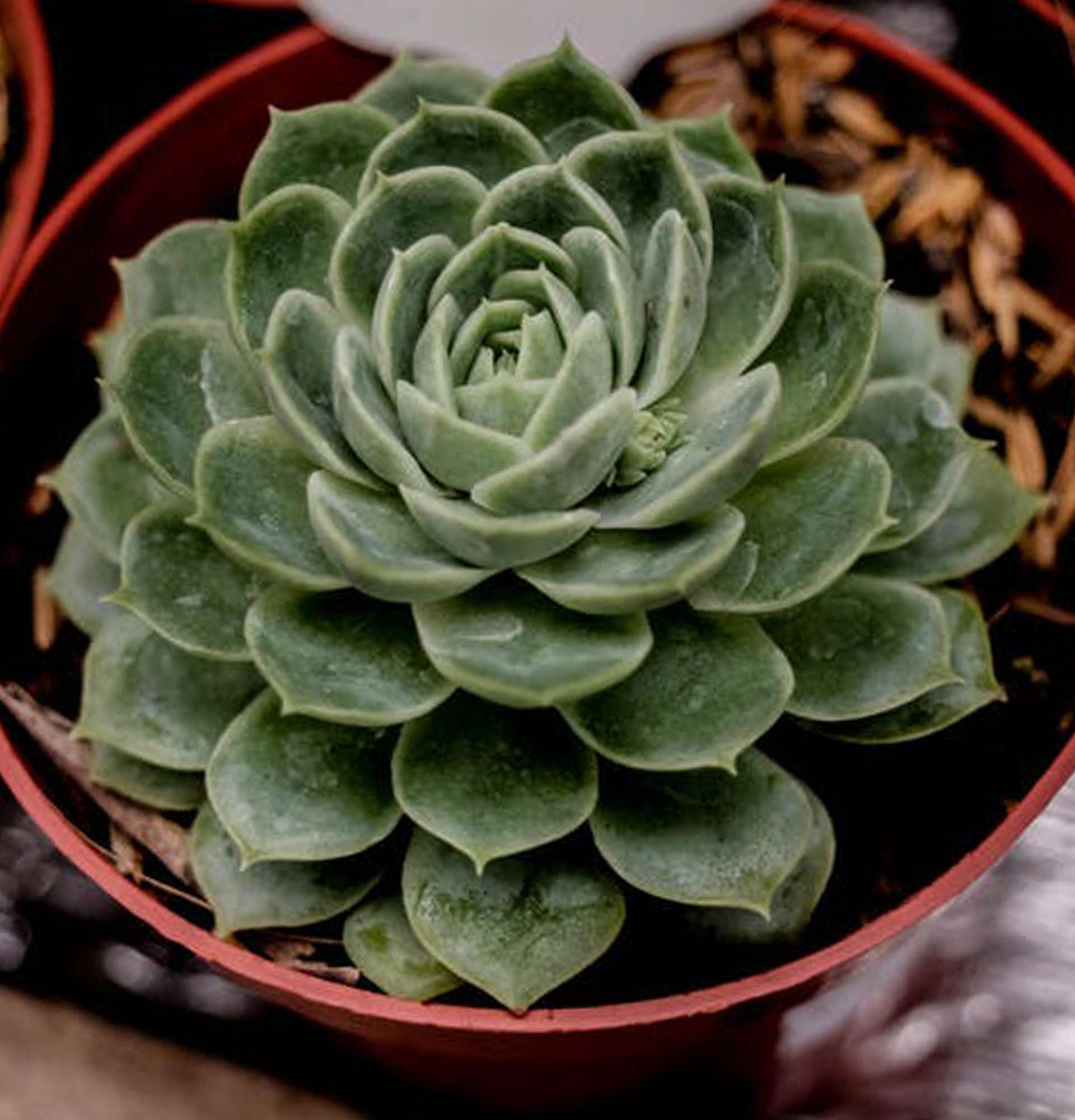
Echeveria is also called Echeveria – a genus of one hundred and seventy succulent, amazing, attractive, original rosette-shaped perennials that adorn the Crassulaceae family.
This amazing flower, Echeveria, got its name in honor of the artist Atanasio Echeverría y Godoy, who created illustrations for a book describing the Mexican plant world. The indigenous people call their Mexican beauty the "stone flower" or "stone rose." Another interesting name for the succulent Echeveria is sempervivum, due to its resemblance to this ever-living rose.
The Echeveria flower is a true Mexican, with its native range including California, Texas, and mainly countries in Central and South America.
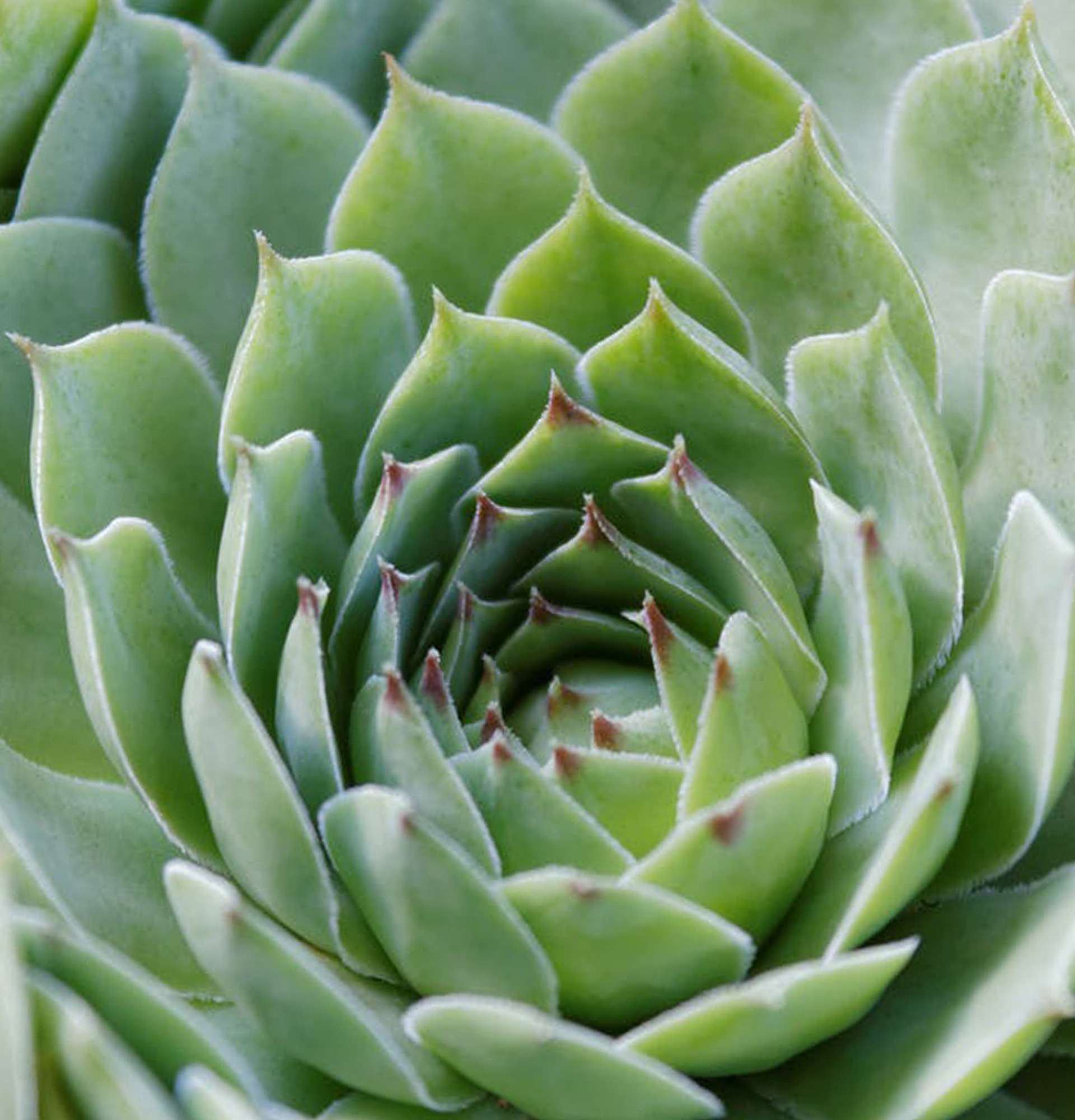
Echeveria is represented by both perennial herbaceous plants that lack a stem, and varieties with a small stem. The roots are located in the upper part of the soil surface, so the indoor plant can be content with a small pot. The low-growing bushes are organized into original, dense rosettes, five to forty centimeters in diameter. These stone roses are formed by fleshy, hard, juicy leaf blades with pointed or rounded edges. The size of the leaves can reach from three to twenty-five centimeters in length and from one to fifteen centimeters in width.
Depending on the variety, the upper side of the leaves can be smooth, glossy, or pubescent.
The flowering of Echeveria can be observed during the warm season. Long lateral or vertical flower stalks bear small flowers, which can be five-membered, yellowish, brownish-red, or orange-red, and are gathered in long inflorescences resembling umbrellas.
The closest relatives of this amazing stone rose are Graptopetalum, Crassula, and Aeonium.
Echeveria care is not difficult at all, and it will be interesting even for beginner flower growers. In addition, with its charming and elegant appearance, the stone rose can improve and decorate the interior of any room. The amazing and unique Echeveria mix, selected from several varieties, looks great next to unique indoor plants, Haworthia and Stapelia.
You can see photos of Echeveria and admire the varieties of this Mexican beauty by looking at the next section of the article.
Echeveria species
Echeveria agavoides
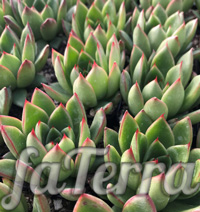 This popular variety of herbaceous perennials, which does not have a stem, is a representative of the Mexican flora and fauna.
Dense rosettes, about thirty centimeters in diameter, in the form of star-shaped roses, can reach a height of fifteen centimeters. This beauty is formed by fleshy, elongated, glossy or smooth leaves, which can reach nine centimeters in length and six centimeters in width. The lower side of the leaf blades has a light green tint, and the tops and edges are red.
Echeveria blooms in the spring-summer period. Flower stalks grow from the center of the stars, delighting the eye with a large number of yellow-red flowers. Alpine slides look great thanks to the fast-growing Echeveria agavoides, along with other succulents.
Echeveria purpusorum
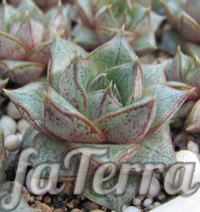 A slow-growing, very beautiful, rosette-shaped Echeveria that does not have a stem. It has hard, thick, triangular, pointed, patterned leaf blades. In winter, they are green, and in summer, under the influence of sunlight, a reddish stripe appears. It blooms with small yellow-orange flowers, which are gathered in inflorescences.
Echeveria pulidonis
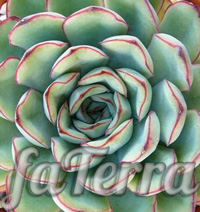 A very interesting, slowly growing succulent plant. The rosettes, up to fifteen centimeters in diameter, are made up of thick, juicy, pointed leaves covered with a wax coating. The edges of the leaves are decorated with a dark red color. In the warm season, long flower stalks appear on which bright yellow bell-shaped flowers are clustered.
Echeveria Black Prince
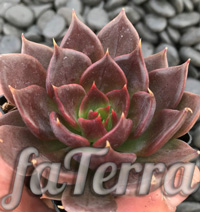 It is distinguished by its dark color of the leaf blades, but for this, a lot of sunlight is needed. The edges of the dark green or brown-chocolate leaves are painted black.
Echeveria carnicolor
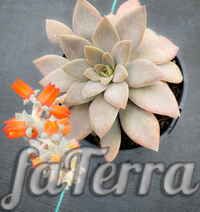 Central America is the native region of this low-growing succulent, which has small, fleshy, juicy leaves gathered in flat rosettes. This beauty is located on the tops of short greenish-matte stems, which hang down with age. Many small daughter rosettes grow, forming strict vignettes. The plant is pleased with its flowering with small, original orange stars when it winters in a cool room.
Echeveria elegans
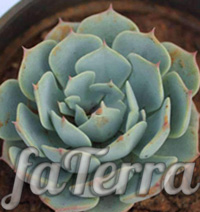 A perennial herbaceous Mexican succulent is very popular among flower growers. On a short, five-centimeter-thick stem, greenish-blue leaf blades of an elongated shape, up to six centimeters long, with a bluish wax coating are located. The leaves, tightly pressed against each other, form a rosette resembling a stone rose. With the onset of summer, red-yellow bell-shaped flowers gathered in inflorescences appear on tall, branched flower stalks.
Echeveria Miranda
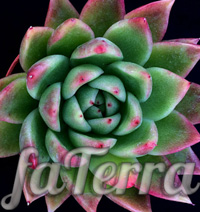 The extraordinary appearance, due to the unique color of the pointed leaf blades of this hybrid variety, makes it very popular. The rosettes, resembling a lotus, can be blue, purple, red, pink, or yellow.
Echeveria shaviana
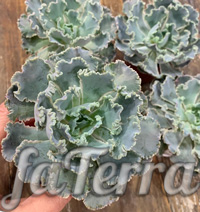 The leaf blades of this interesting variety are less juicy, the edges are wavy, and they form an unusual rosette, which is similar to a cabbage head. It blooms profusely and for a long time with bright orange flowers.
Echeveria Taurus
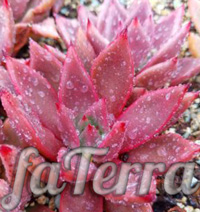 An attractive variety in which the leaves change their color from green to purple-burgundy as they grow.
Echeveria Perle von Nurnberg
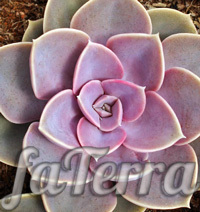 This hybrid variety of Echeveria Nurnberg has a straight and thick stem with red or purple-pink leaves. It delights with red bell-shaped flowers in the warm season.
Echeveria Nodulosa
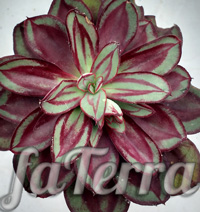 Interesting succulent bushes, reaching a height of fifty centimeters, are organized from loose rosettes. The leaf blades are egg-shaped, bright green on the outside, pink on the inside, and edged with red or burgundy stripes. With the onset of summer, Echeveria nodulosa blooms with red-yellow or brown-red bells.
Echeveria desmetiana
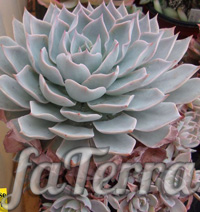 A perennial, original, unpretentious succulent indoor rosette Echeveria desmetiana has oval leaf blades of blue color. With age, it acquires hanging shoots. In summer, the plant blooms with orange-yellow flowers.
Echeveria Derenbergii
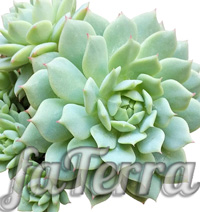 An original variety that is popular among flower growers. Its unsurpassed leaves-spatulas form green-gray rosettes on the tops of hanging shoots. From mid-spring, the plant blooms with orange-yellow spike-shaped flowers.
A huge number of unsurpassed, amazing, and unique, spectacular varieties of Echeveria, different from each other, have appeared thanks to the diligent work of breeders.
Interesting varieties for flower growers include: Echeveria affinis, Echeveria cubic frost, Echeveria setosa, Echeveria Orion, Echeveria Rainbow, Echeveria Hercules, Echeveria Apus, Echeveria colorata, Echeveria Rainbow, Echeveria Lovely Rose, Echeveria Pulvinata Frosty, Echeveria Scheideckeri, Echeveria Cristata, Echeveria glauca, Echeveria cuspidata, Echeveria Gilva, Echeveria melaco.
Echeveria care in the home
The indoor stone rose is an absolutely unpretentious compact miracle, and by following the rules of care, you can enjoy communicating with the plant for a long time.
Choosing a location and temperature regime
Echeveria is a lover of bright sunlight, which does not suffer much from direct sunlight. The indoor plant will feel comfortable on the south or southeast side. If possible, you can take the flower out to the balcony, terrace, or garden. Fresh air will not harm the Echeveria.
Attention! Drafts and precipitation can harm the stone rose.
The optimal summer temperature for heat-loving Echeveria will be 22˚C – 28˚C, and in the winter, a temperature of up to 15˚C will be pleasant for the plant. The lower minimum for a short time is no lower than 5˚C.
Humidity and watering
The indoor succulent sempervivum will be quite satisfied with the low humidity in the room. Spraying and warm showers are not necessary for the indoor Echeveria. The indoor plant will not mind wiping the leaves with a damp cloth for hygiene purposes.
You need to water your pet with settled warm water after the substrate dries out to a depth of five centimeters in the pot. In the warm season, we do this no more than four times a month, and in winter, the plant practically does not need watering. We observe the condition of the leaves – if they have become wrinkled or soft, then it is time to water the indoor flower.
Important! Do not leave water in the tray after watering, so that the roots and lower leaves do not start to rot.
Soil and its feeding
The indoor Echeveria approves of the ready-made soil mixture intended for cacti and succulents, which is sold in a flower shop. You can add a little sand, pebbles, or expanded clay to this mixture.
A loose substrate that allows water to pass through freely can be obtained by taking equal parts of coarse sand, leaf, and sod soil. An alternative composition for high-quality cultivation of an indoor stone rose will be obtained by taking clay soil (three parts), peat, and expanded clay (one part each), wood and activated carbon – a handful each.
It is necessary to feed the indoor sempervivum with liquid mineral fertilizers for cacti and succulents in the spring-summer period with an interval of thirty days. The dose should be taken in half.
Remember! Overfeeding will negatively affect the delicate root system of the plant.
Echeveria transplant
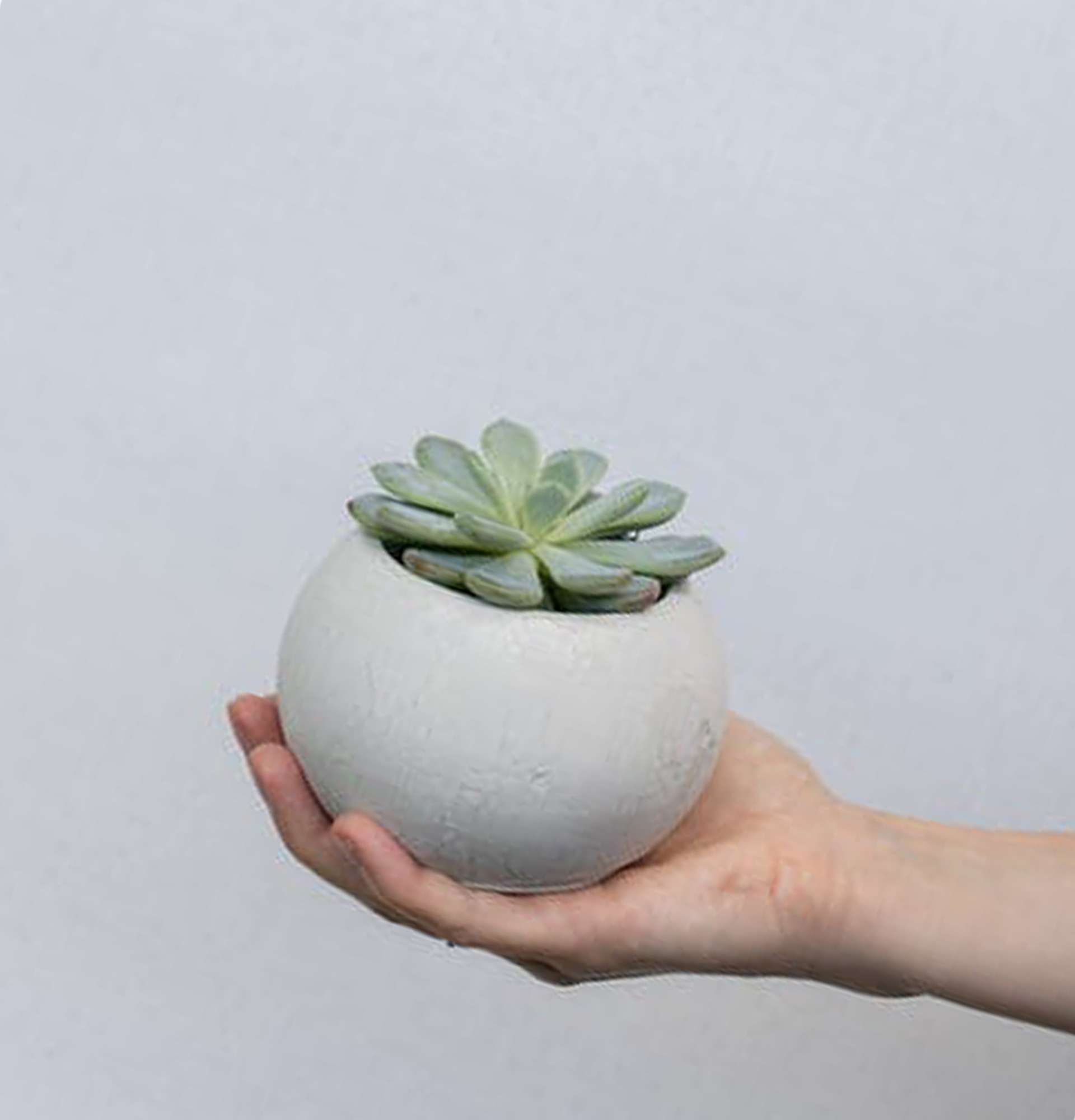
Annual spring transplanting of a young flower will only be beneficial. How to transplant an adult Echeveria? This procedure can be carried out every four years or as needed, you can limit yourself to replacing the top layer of the substrate. It is desirable to choose a wide, low pot with a hole at the bottom.
Attention! A thick layer of drainage is required.
Echeveria propagation
It is very easy to grow a young indoor Echeveria using daughter rosettes, leaves, or seeds. The rosettes root easily in a peat-sand mixture. We plant the rooted specimens in separate pots. How Echeveria propagates from seeds can be briefly described. They are sown at the end of winter. After two weeks, the young seedlings can be picked and placed closer to the light.
Pests and diseases
The indoor stone rose is not prone to diseases. But if the growing process is violated, you can see spider mites, mealybugs, or nematode worms on the indoor plant. If brown spots appear on the leaf blades, the plant needs to be saved. It is desirable to transplant the plant into a new pot with new soil. If necessary, treat with insecticides.
Difficult moments of cultivation
- Why does Echeveria drop its leaves, which turn yellow, darken, and begin to fall off – the room is too cold and the substrate in the pot is too wet.
- Why does Echeveria stretch out, and the rosette becomes loose – the indoor plant lacks good lighting.
- Slow growth, small leaves – the plant needs to be watered and fed.
We have figured out how to care for Echeveria. Love your beautiful Echeveria, it will beautifully decorate any interior with its bright appearance and modest size, both as a single plant and in various flower arrangements.
Write comments
Comments