



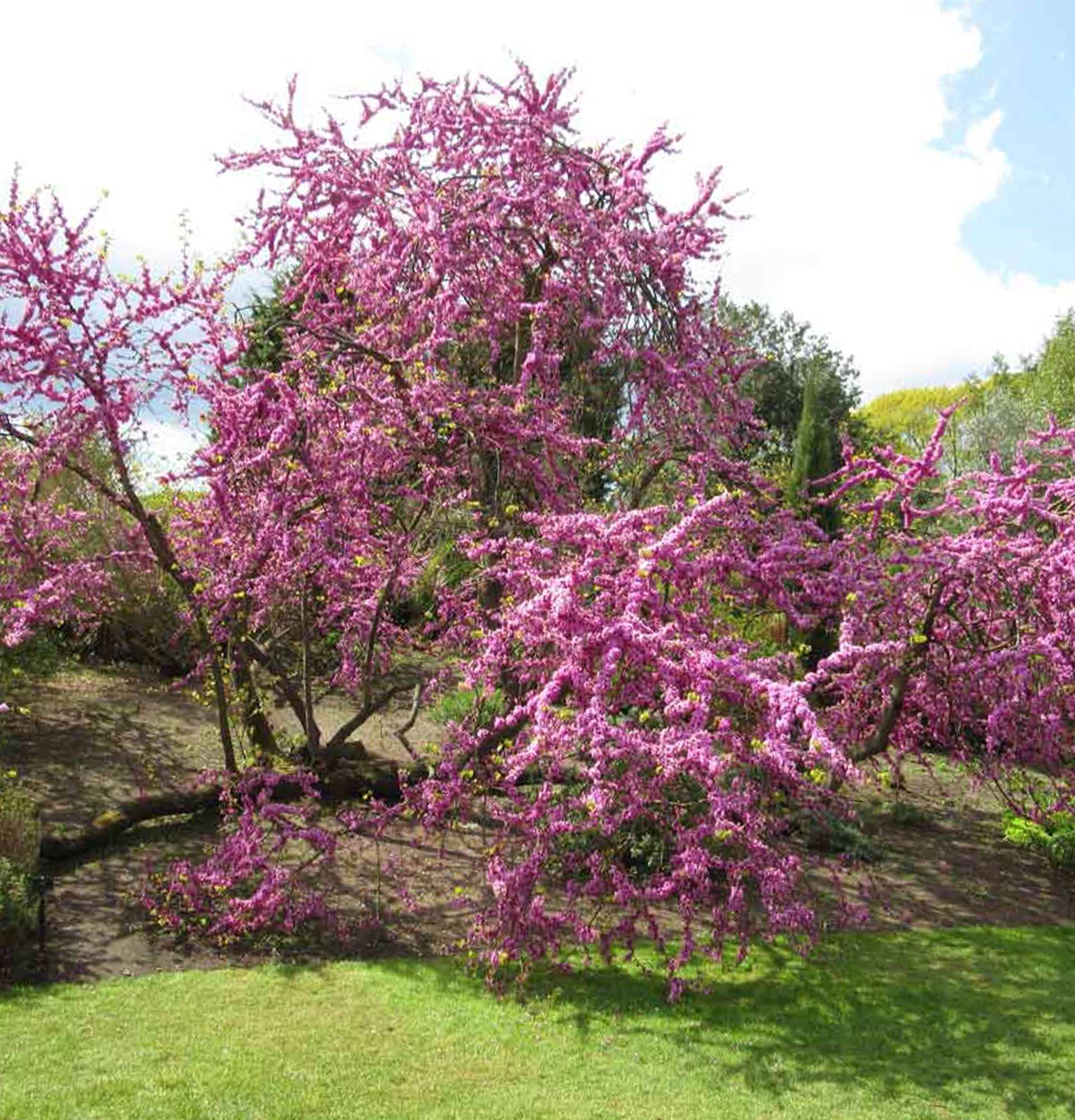
Latin name: (Cercis)
Category: decorative flowering deciduous plants
Origin: North America, China, Mediterranean
Unique and beautiful pods on trees
Cercis is a genus of only seven species in the legume family (Fabaceae), which are beautiful flowering, deciduous trees or shrubs.
The name of this unique ornamental plant, translated from Greek terminology, can be pronounced as a weaver's shuttle. And indeed, its fruits have the shape of a boat. Its extremely lush spring flowering attracts all lovers of the beauty of the plant world. A cercis tree planted in a garden, park, or on a plot of land will transform this area, making it very attractive and charming.
For this bright and unusual spectacular appearance, cercis has received original folk names - Judas tree, roundleaf, and Judas tree. The third name was derived from a religious legend, in which Judas Iscariot, the betrayer of Jesus Christ, committed suicide by hanging himself on a tree. The tree that grew nearby, with its white flowers, reacted to the death of the apostle with purple flowering, which is a symbol of sorrow and longing, according to various cultures and religions. It was named the Judas tree. There is also a second version of this unusual name - in ancient times, cercis grew in Judea and was a favorite of the inhabitants, who were enchanted by its beauty. Hence its name - Judas tree.
Each of the seven species of this plant has its own origin, with contrasting differences in growth rate, structure, flower color, and winter hardiness, and occupies its own territory with its own natural conditions. These areas include North America, China, and the Mediterranean, especially its western and eastern regions. Gardeners, lovers of beauty, have rightly appreciated the beauty and attractiveness of this amazing flowering shrub or tree, and this is reflected in the greater number of specimens planted throughout the planet.
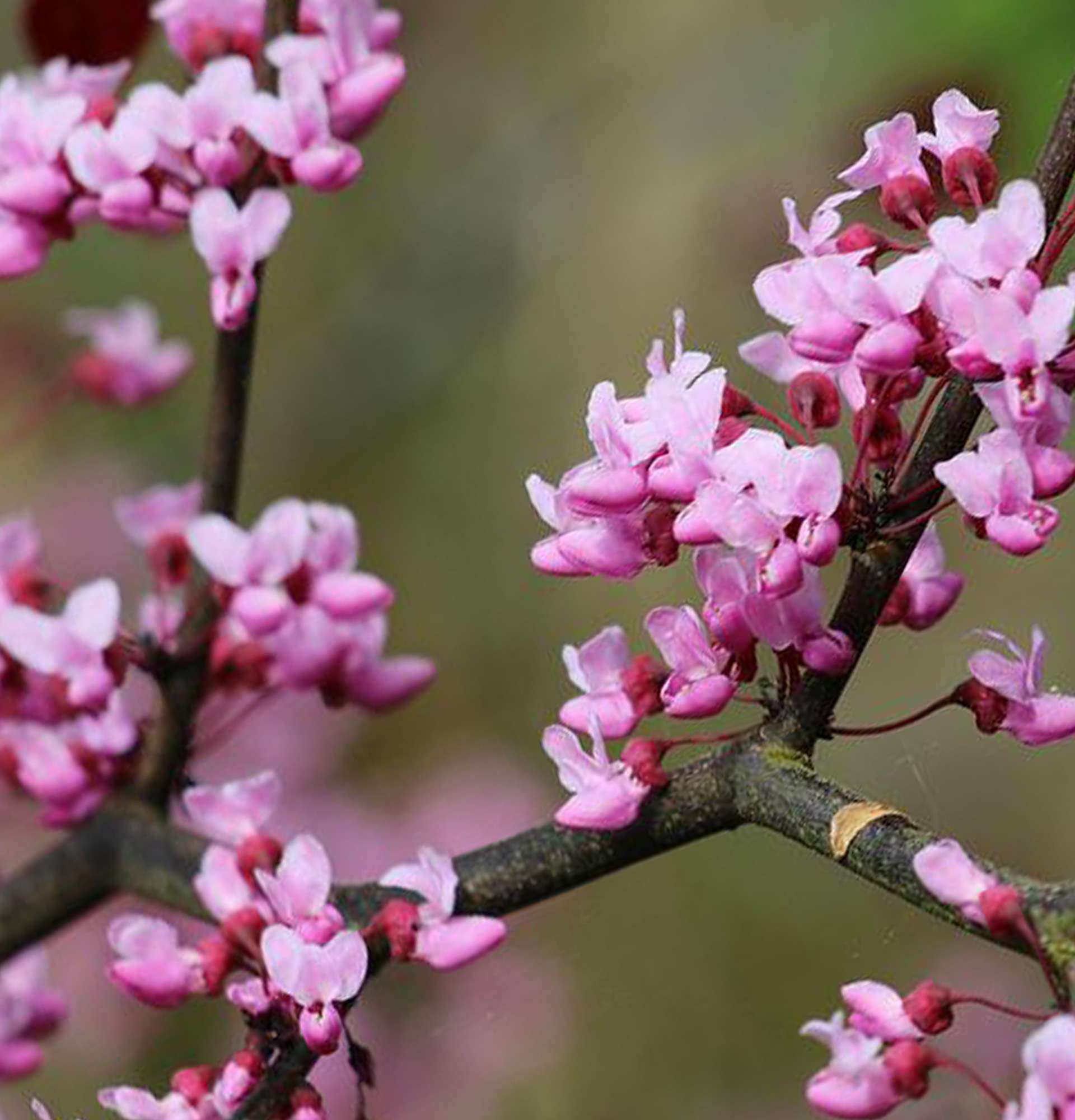
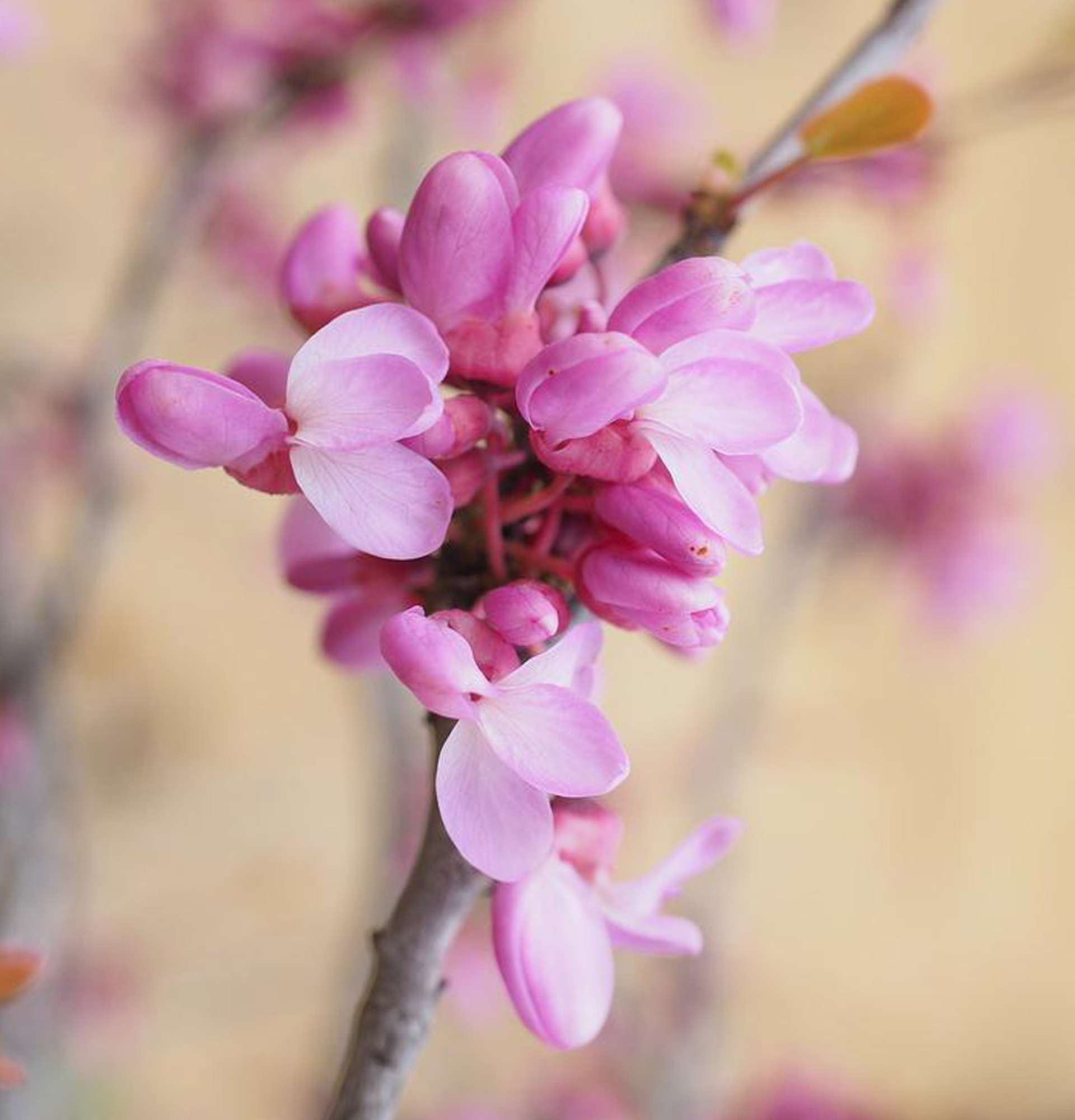
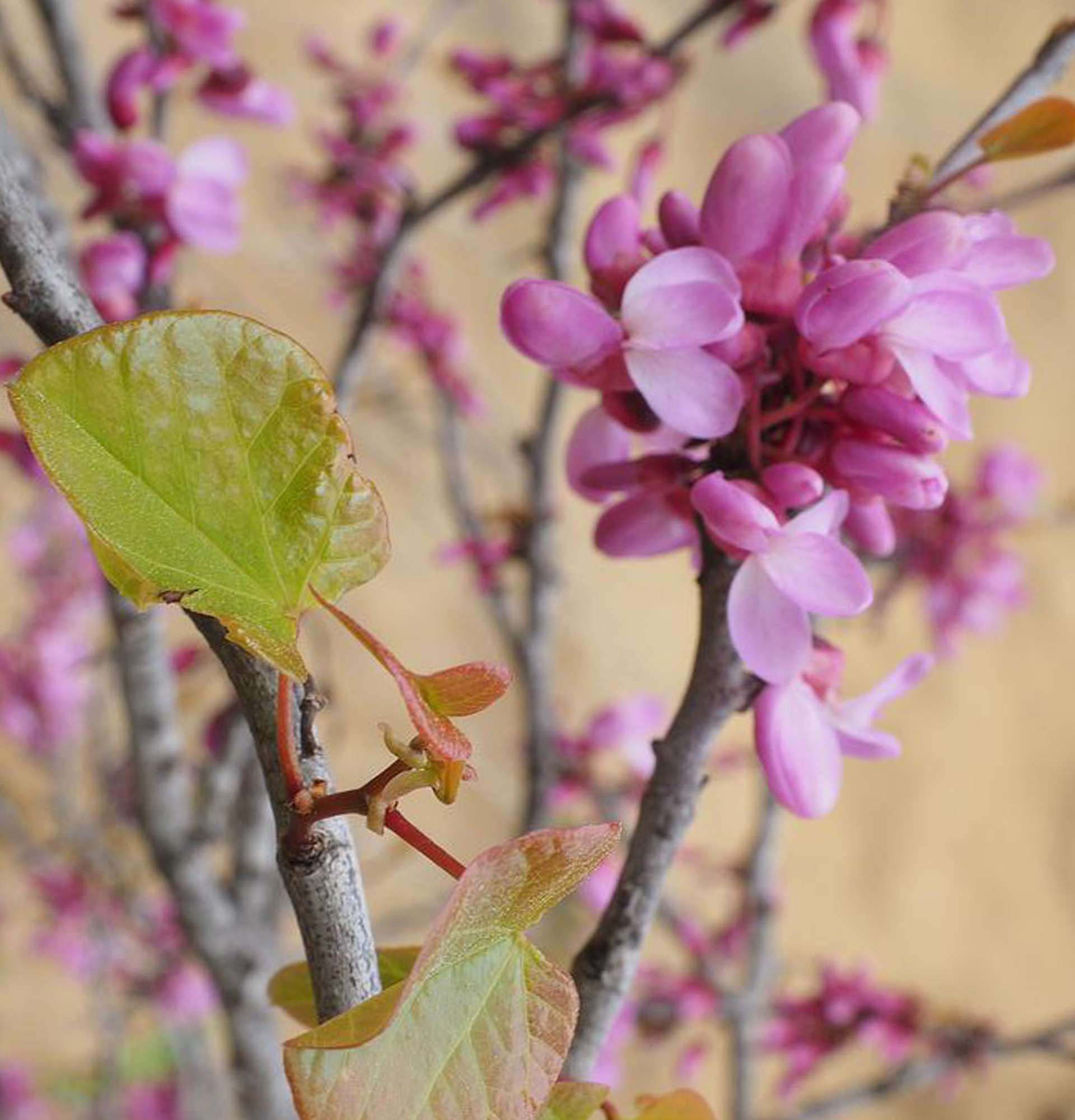
The Judas tree is a flowering plant with extremely interesting, irregularly shaped flowers, gathered in inflorescences that form in the axils of the leaf blades.
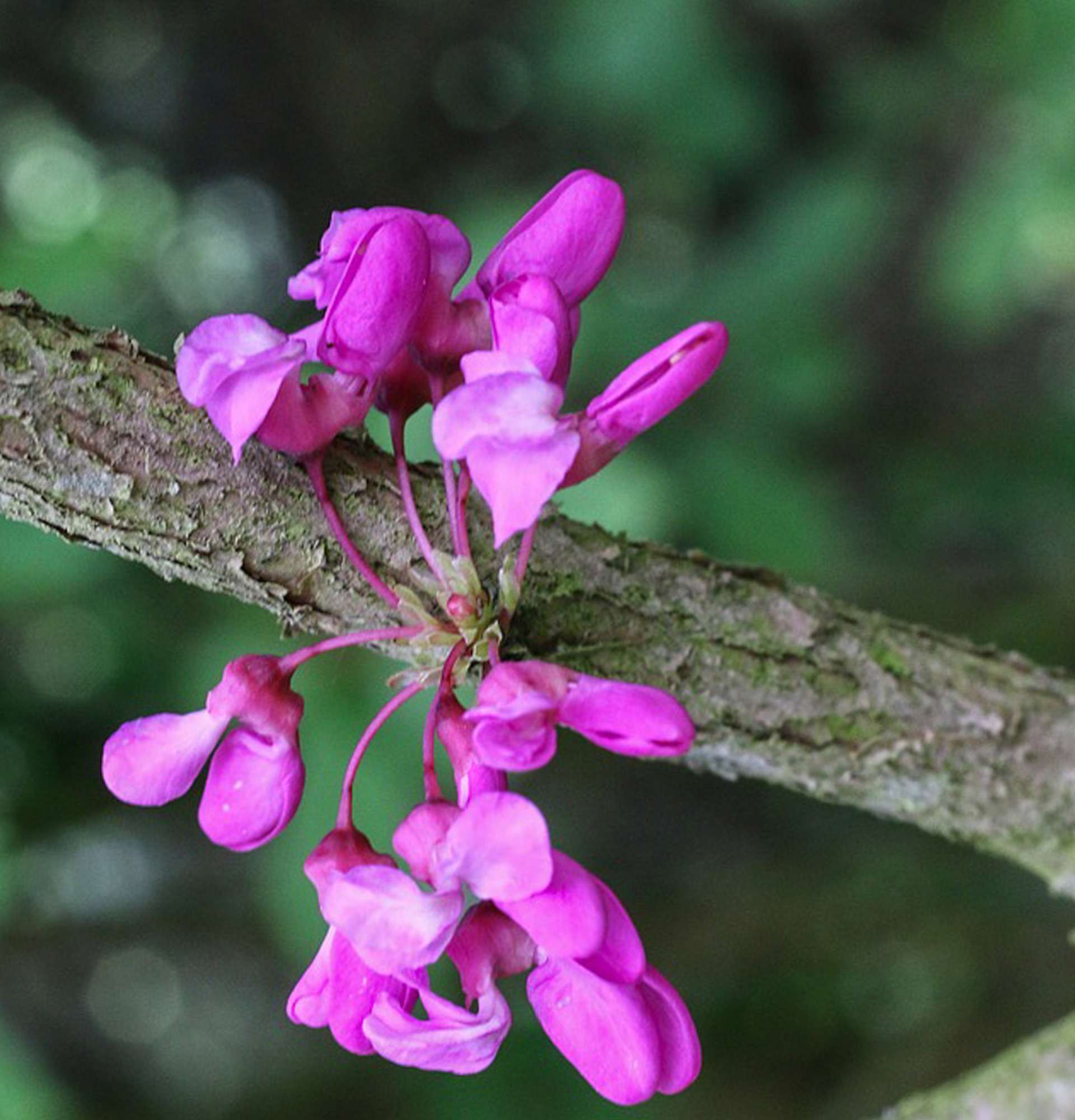
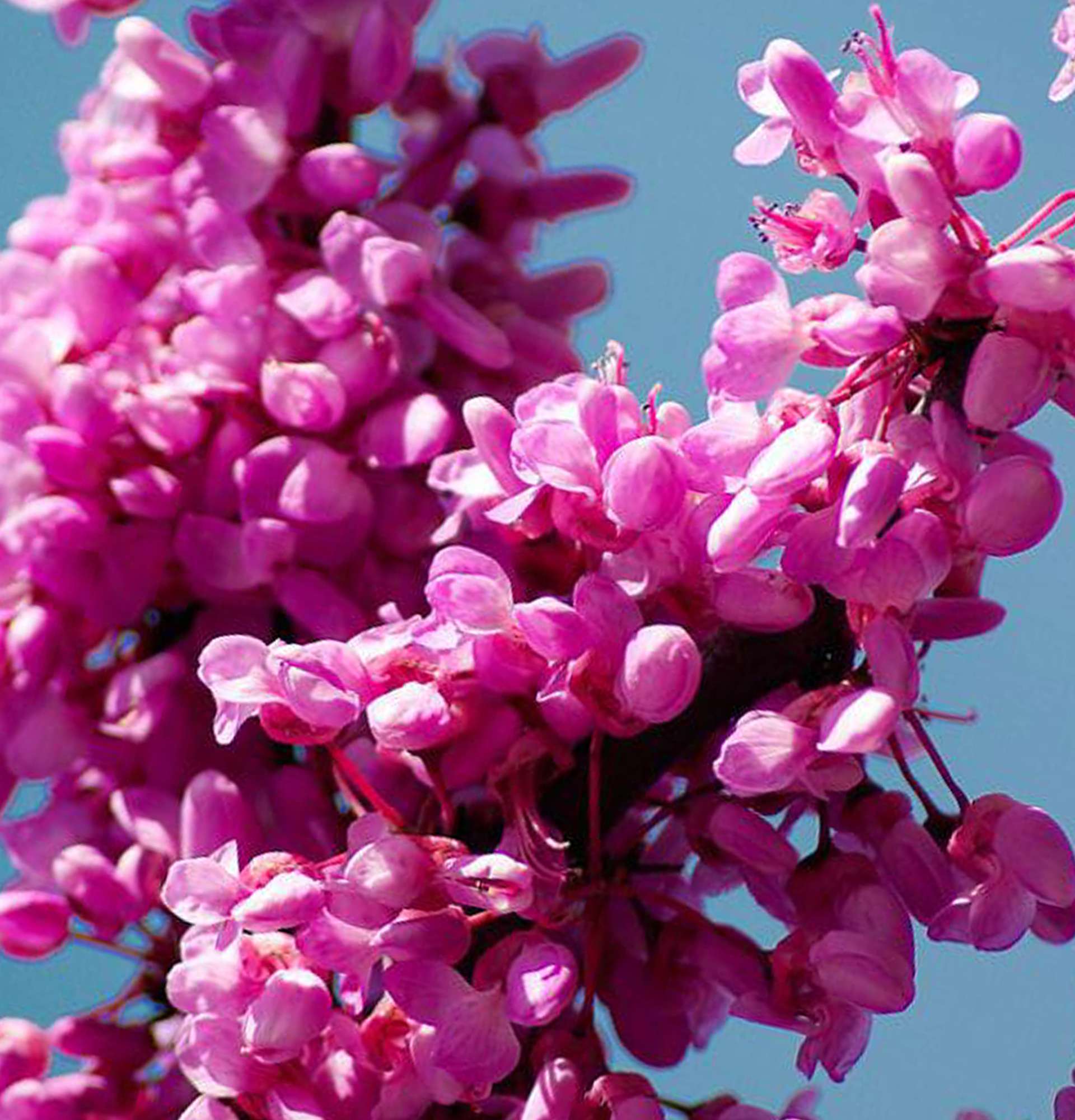
The flowering of cercis can be considered unique, as pink, lilac, or purple flowers can appear from the buds even on the trunk of the tree or shrub (photos proving this can be seen in the gallery below), forming magnificent inflorescences of six flowers and delighting even before the leaves appear.
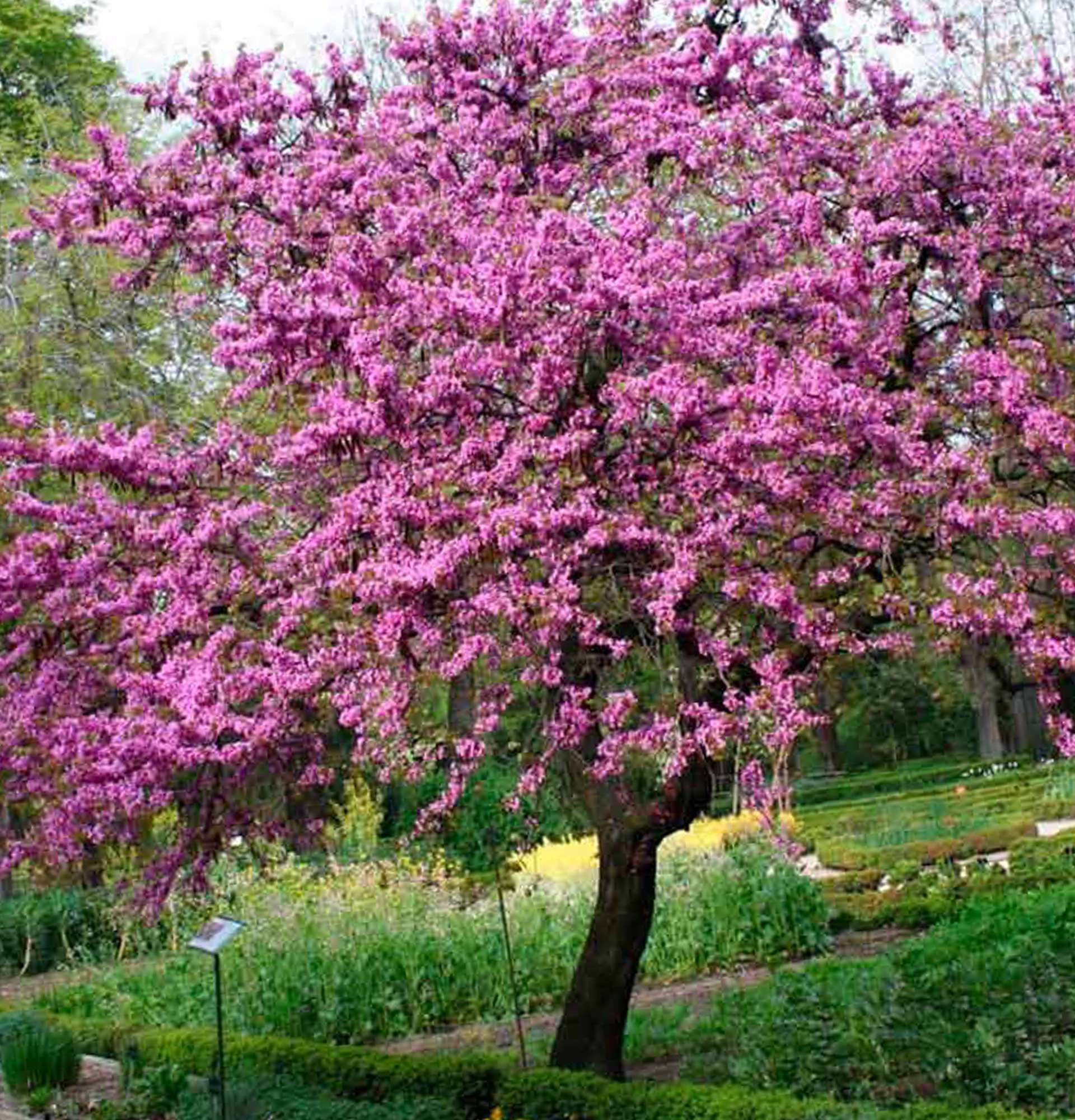
The period when cercis blooms is considered to be the second half of spring and lasts for about a month. During this wonderful period, the Judas tree resembles a Japanese cherry tree and lilac.
The peak of flowering is the appearance of ten-centimeter pods in autumn.
The fruits of the Judas tree are brown in color, ten to fifteen in number, have a smooth, shiny surface, and are located in pods.
These profusely flowering trees and shrubs quickly form a dense, spherical crown within six years, with a gradual slowing of growth. Young, smooth branches have a light red color, and with age, they become grayish-olive in color.
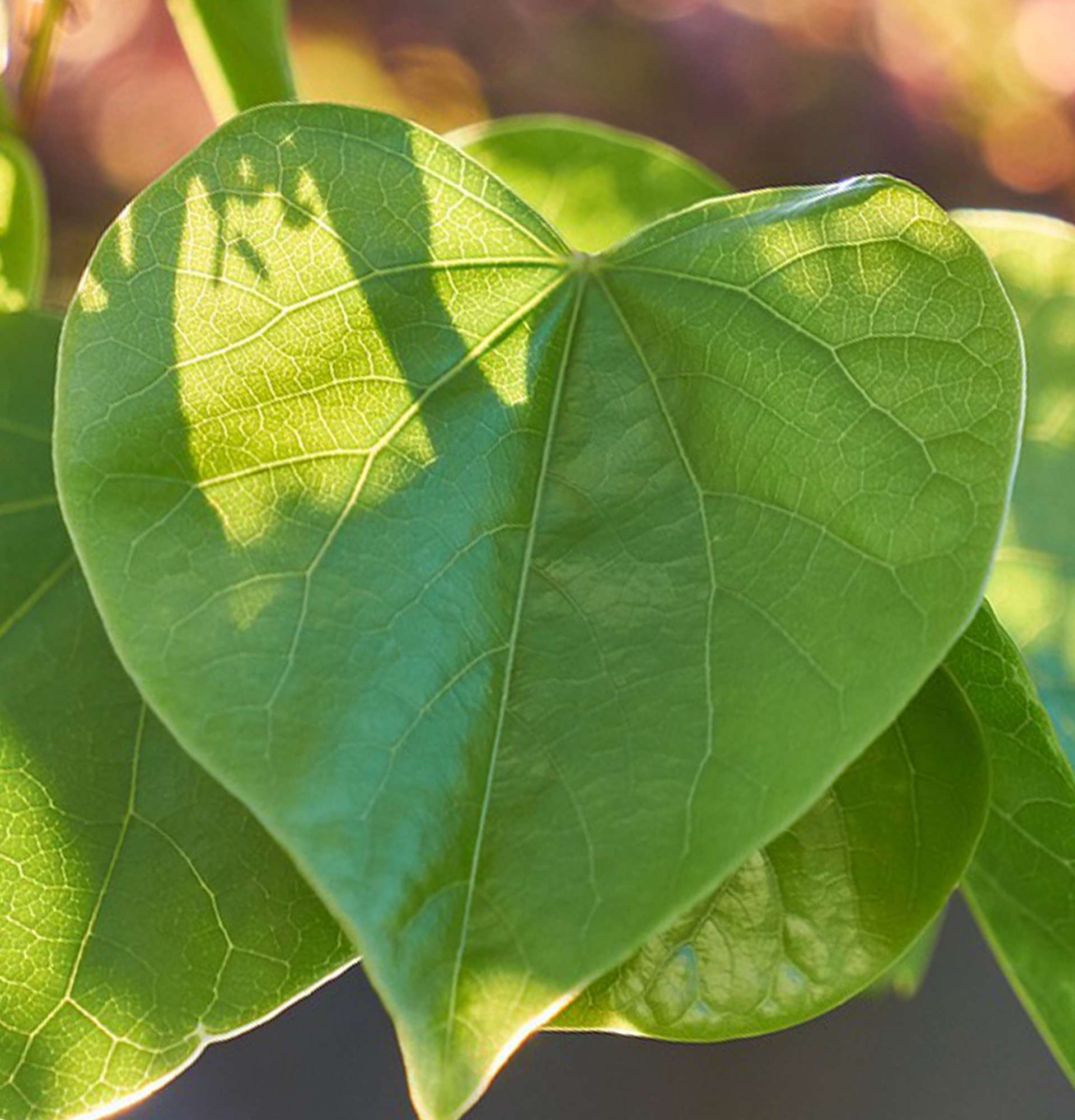
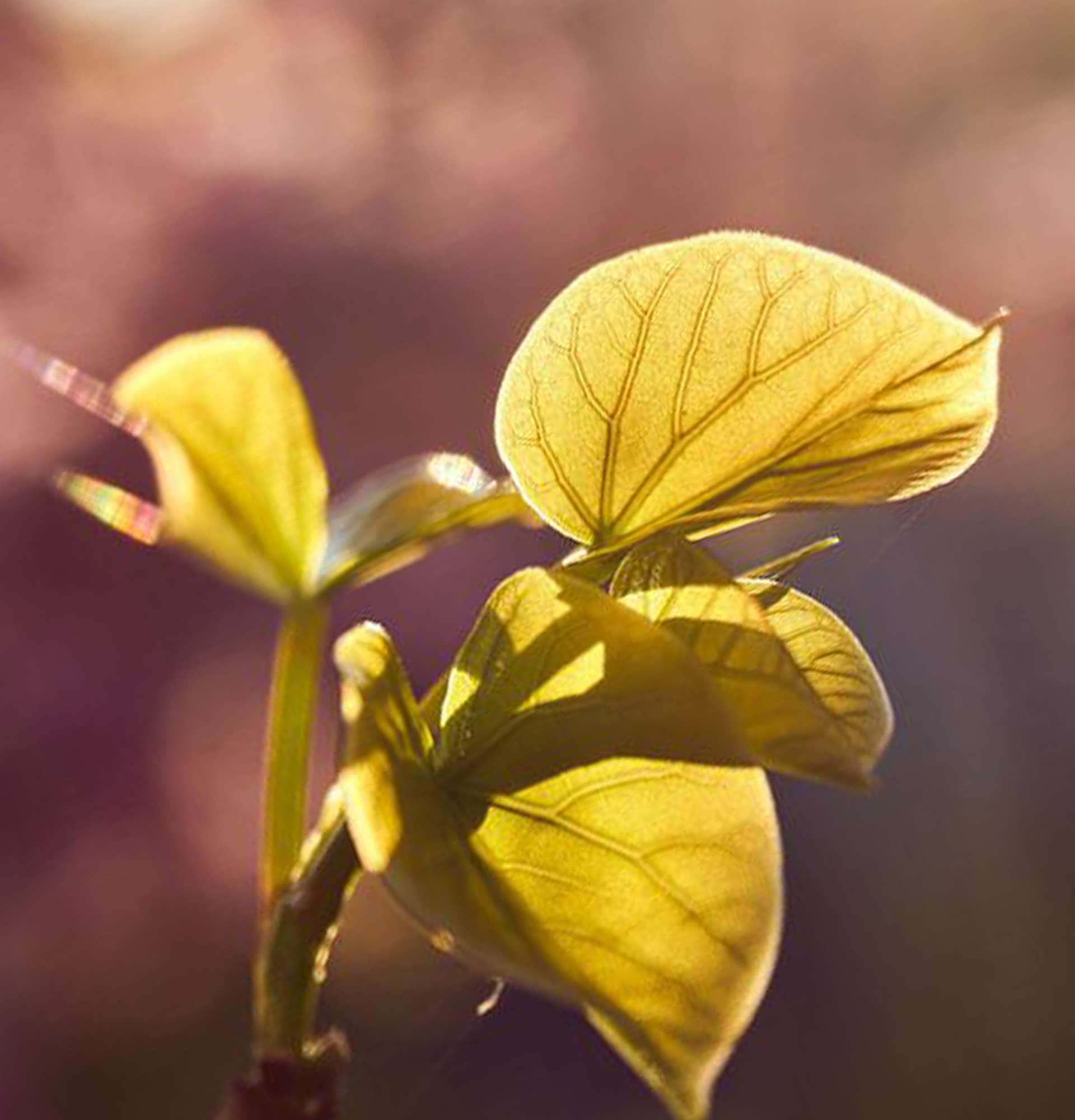
The branches of the cercis shrub are densely covered with leaf plates of an ovoid shape, which are covered with prominent veins and have smooth edges. These light green leaves are arranged alternately and spirally on the petioles. The very original dark brown color of the cracked bark on the lower part of the trunk looks very attractive. The Judas tree can reach a height of sixteen meters. It has a powerful, spreading root system that penetrates deep into the ground.
The excellent decorative qualities, luxurious, rich, and bright flowering, characteristic of the Judas tree, are often used by gardeners when considering landscape design. The cercis shrub adds its effective feature to the appearance of a park, garden, or alley. It is impossible to take your eyes off it in spring.
Living hedges of cercis look very original.
The Judas tree will look great both as a solitary plant and in group plantings. Coniferous trees will be a wonderful backdrop for cercis. Nearby, it will look good with euonymus, zephyranthes, hemanthus, ivy.
The Judas tree is not only famous for its beauty. Its medicinal properties have been used by the Chinese since ancient times. The bark of the Judas tree has anti-inflammatory, antibacterial, and antiseptic properties. A powder made from it was used to treat wounds and ulcers, and it was applied externally. The leaf plates of cercis are rich in bioflavonoids, which are not only an antiseptic but can also disinfect bacteria that cause tuberculosis of the lungs and bones.
Traditional medicine widely uses the leaf mass of the Judas tree to treat these diseases.
Bees can often be seen on the flowers of the shrub. Honey from the Judas tree also has medicinal properties. Eating sweet, slightly tart, and fragrant honey helps to stimulate digestive and metabolic processes in the body, and treats bronchitis, lungs, and diseases of the respiratory system.
The wood of the Judas tree is considered a very good building material and is used in carpentry. Spicy oriental seasonings made from the buds of cercis are often used in cooking.
Judas tree species
European cercis (Cercis siliguastrum)
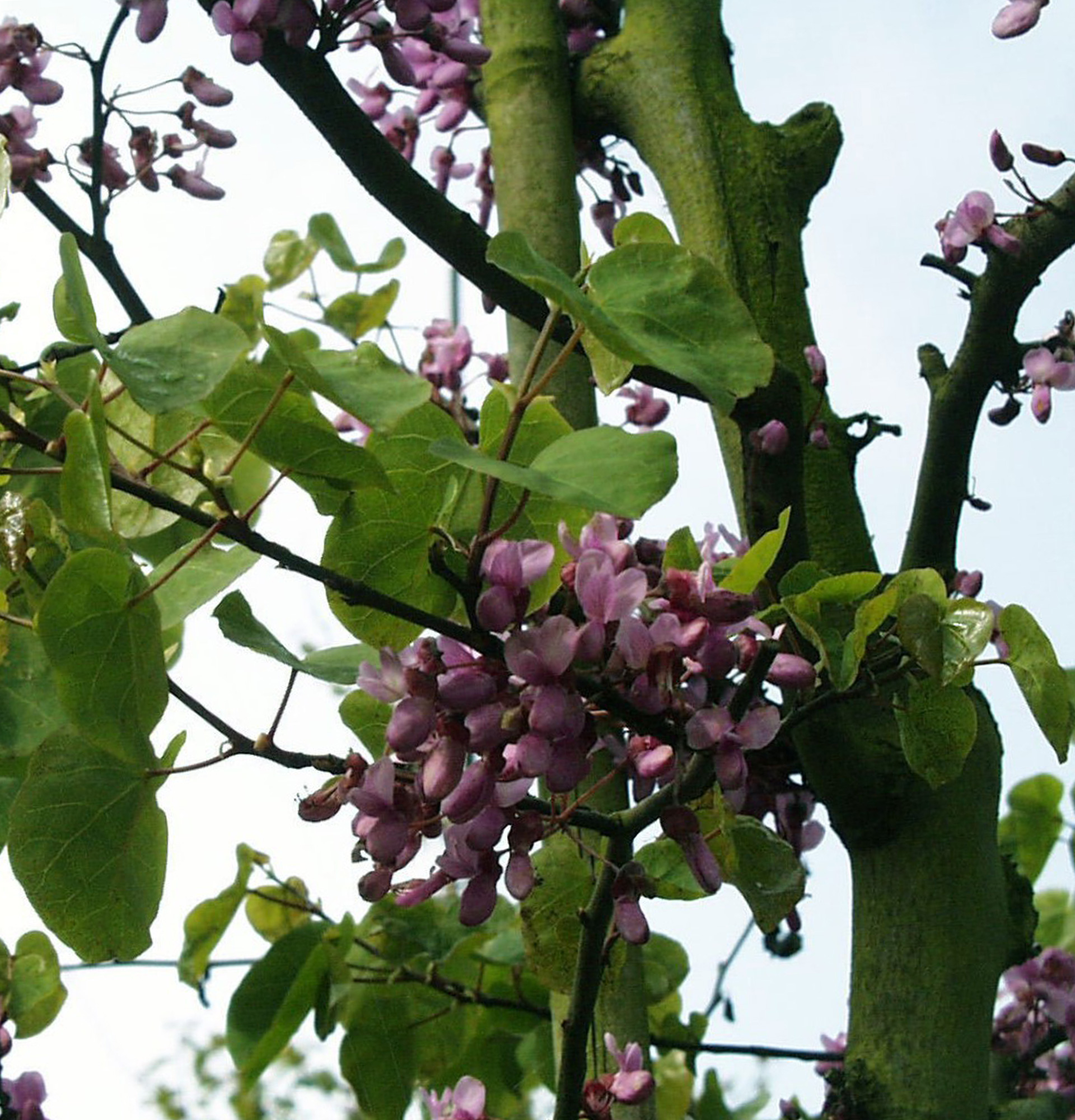 This very decorative, heat-loving, and light-loving plant is native to the Mediterranean, where it adorns mountain slopes and hills. Shady places are uncomfortable for the Judas tree - here, the tree grows slowly and may get sick. In the southern regions with comfortable conditions and proper cultivation, the Judas tree presents magnificent trees and shrubs. They can reach a height of up to ten meters.
The tree has a thick trunk, on which a magnificent, spreading crown is beautifully placed. The plant has rounded leaves, which have a heart-shaped base and veins arranged in a fan shape. The leaves are attached to four-centimeter petioles. The upper side of the leaf is matte green, and the lower side is grayish. Abundant spring flowering makes the trees extremely beautiful.
Griffith's cercis (Cercis griffithii)
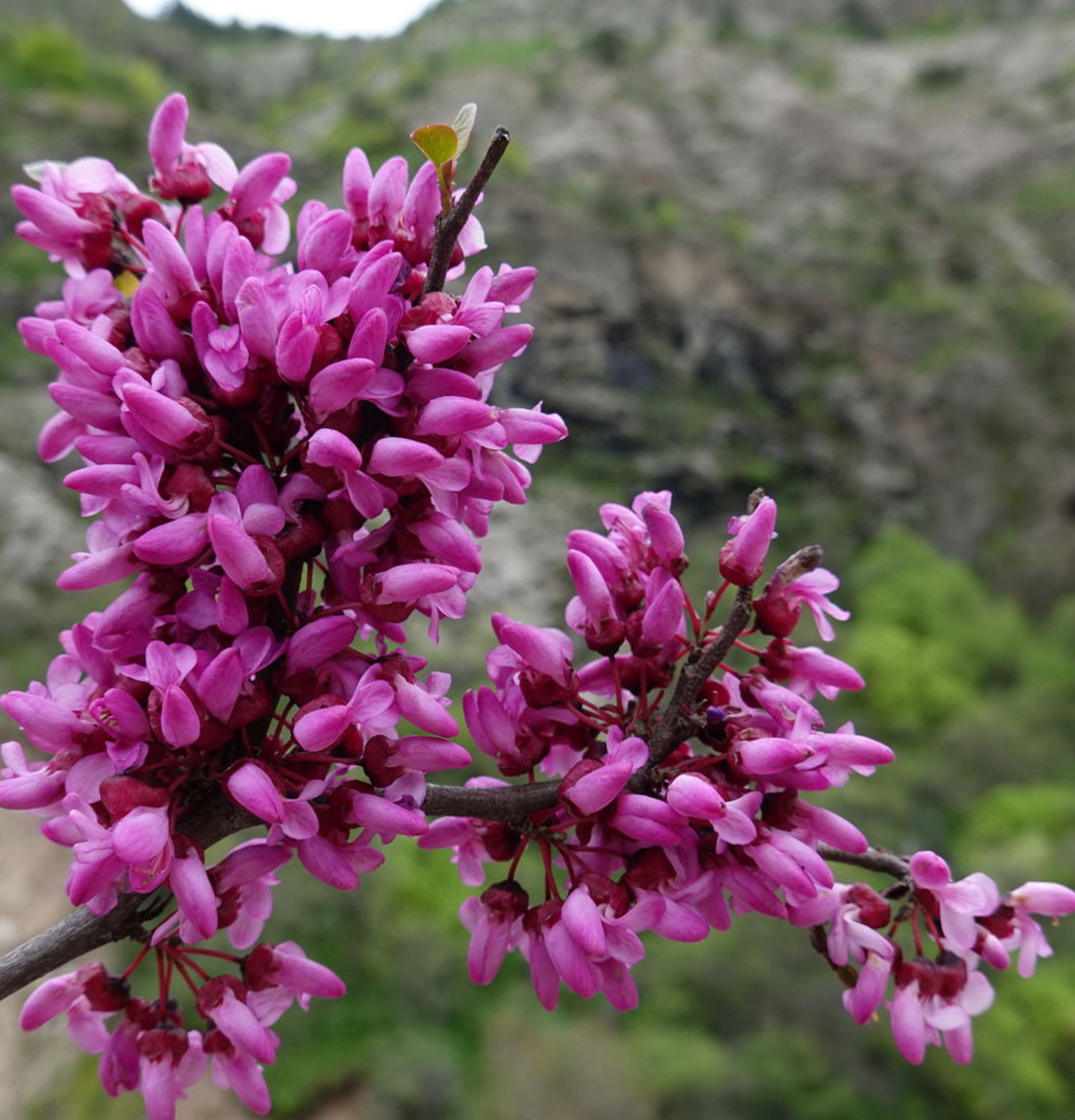 This heat-loving shrub reaches a height of four meters. It has rounded, dark green, leathery leaves. In spring, the plant is covered with pink-purple flowers, presented in inflorescences.
Canadian cercis (Cercis canadensis)
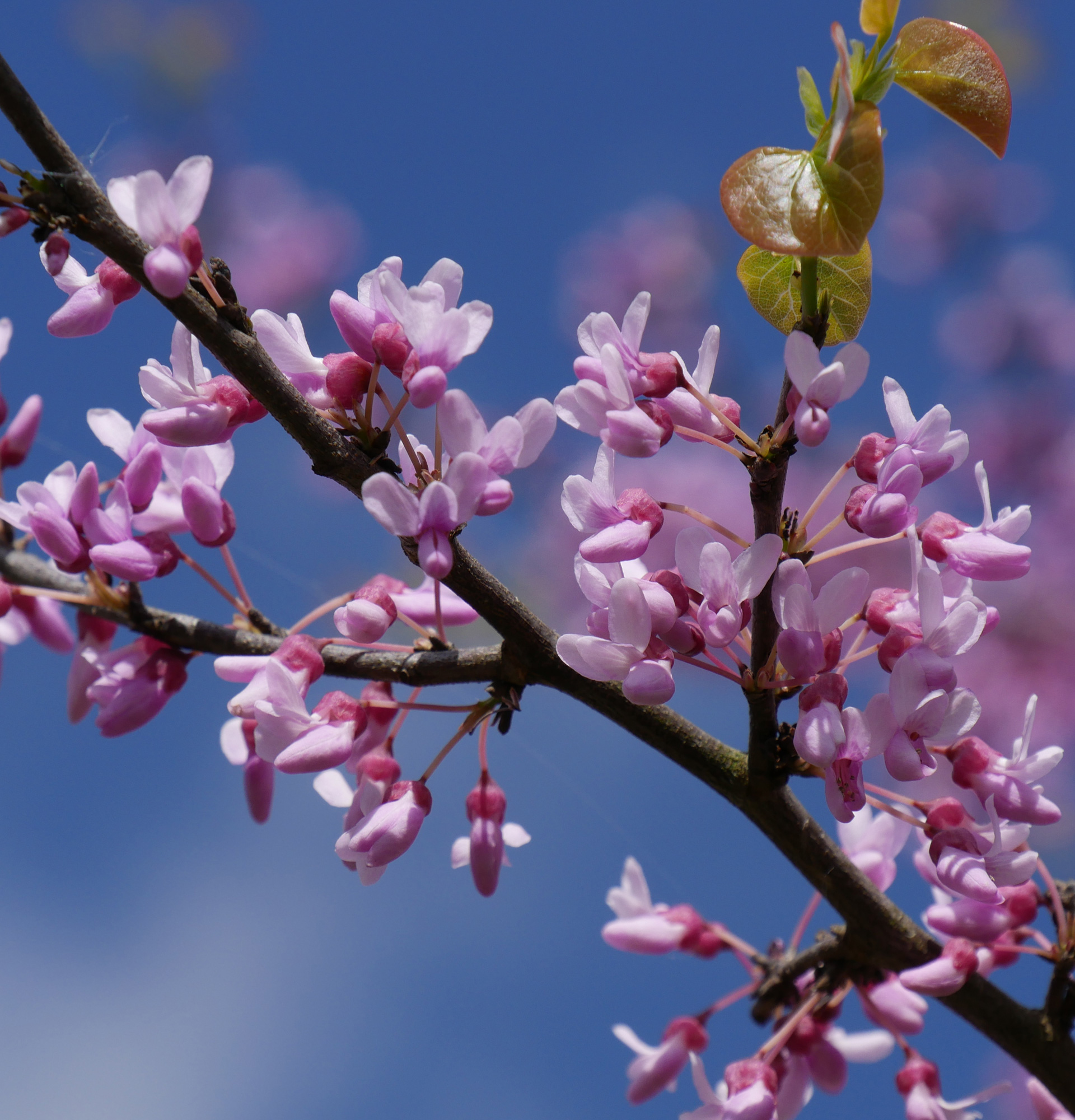 The Canadian Judas tree has very high winter hardiness. Its native growing area is North America. In natural conditions, the tree reaches a height of twelve meters. The dark green leaf plates have a bluish tint, and in autumn, the leaves change color to a delicate yellow.
In spring, the leaves turn into a light pink, stylish, and unique miracle, thanks to the flowers gathered in clusters of eight. The Canadian Judas tree develops original pods closer to autumn. The fruits can remain on the branches of the tree for a long time.
Chinese cercis (Cercis chinensis)
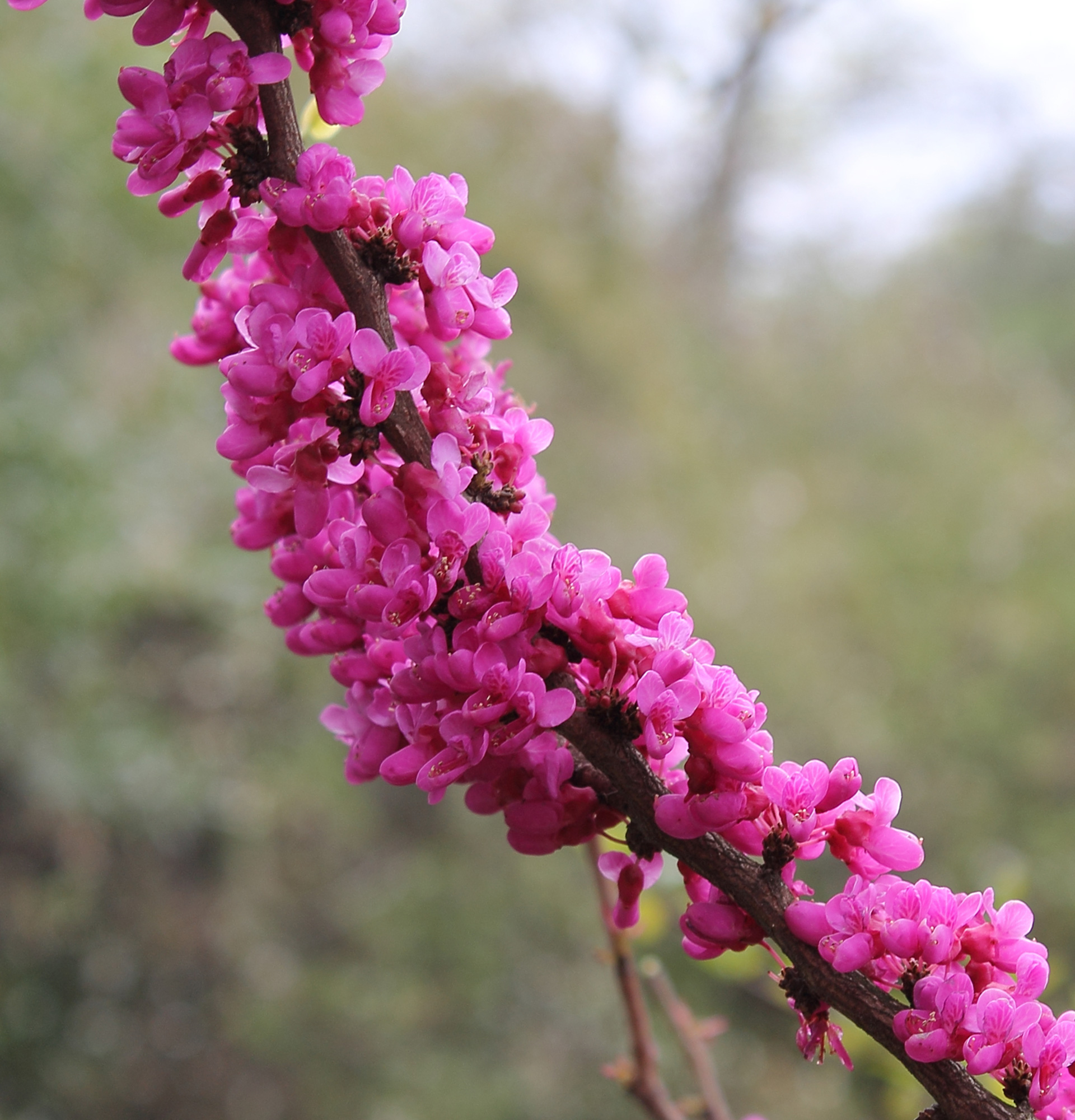 This variety of Judas tree is native to China. It looks like a tall shrub or tree, reaching a height of fifteen meters. The heart-shaped large leaf plates look very original. Purple-pink flowers reach a diameter of sixteen millimeters and form groups of large, loose clusters, which makes the plant especially charming.
Western cercis (Cercis occidentalis)
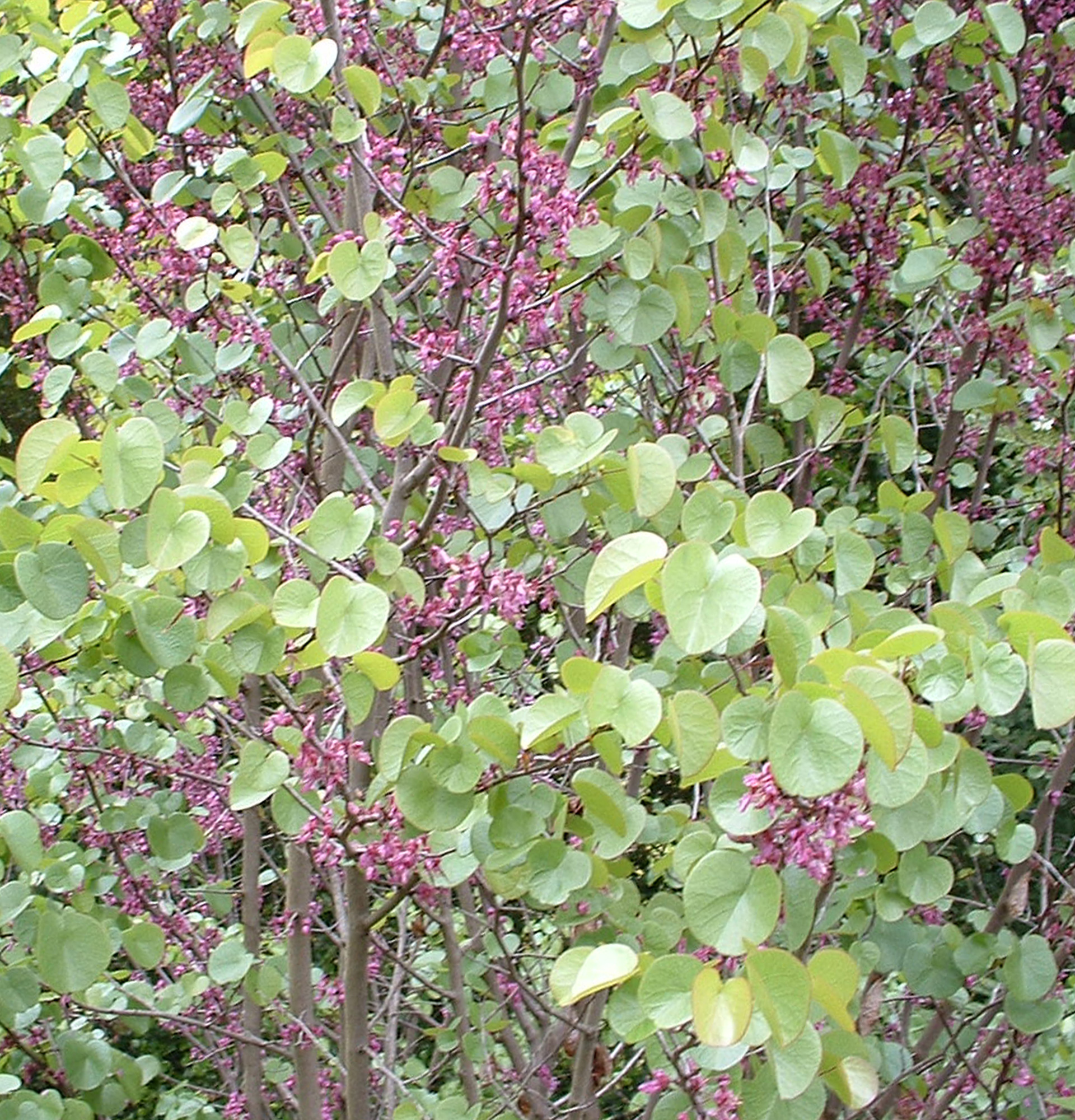 This low-growing, frost-resistant variety of cercis has strong branching and has leaf plates of a rich green color. It has some similarities with the Canadian cercis. Small pink flowers begin to bloom in the second half of spring. A contrasting difference from other species is noted in the autumn change in the color of the foliage. It turns red.
Japanese cercis (Cercis japonicum)
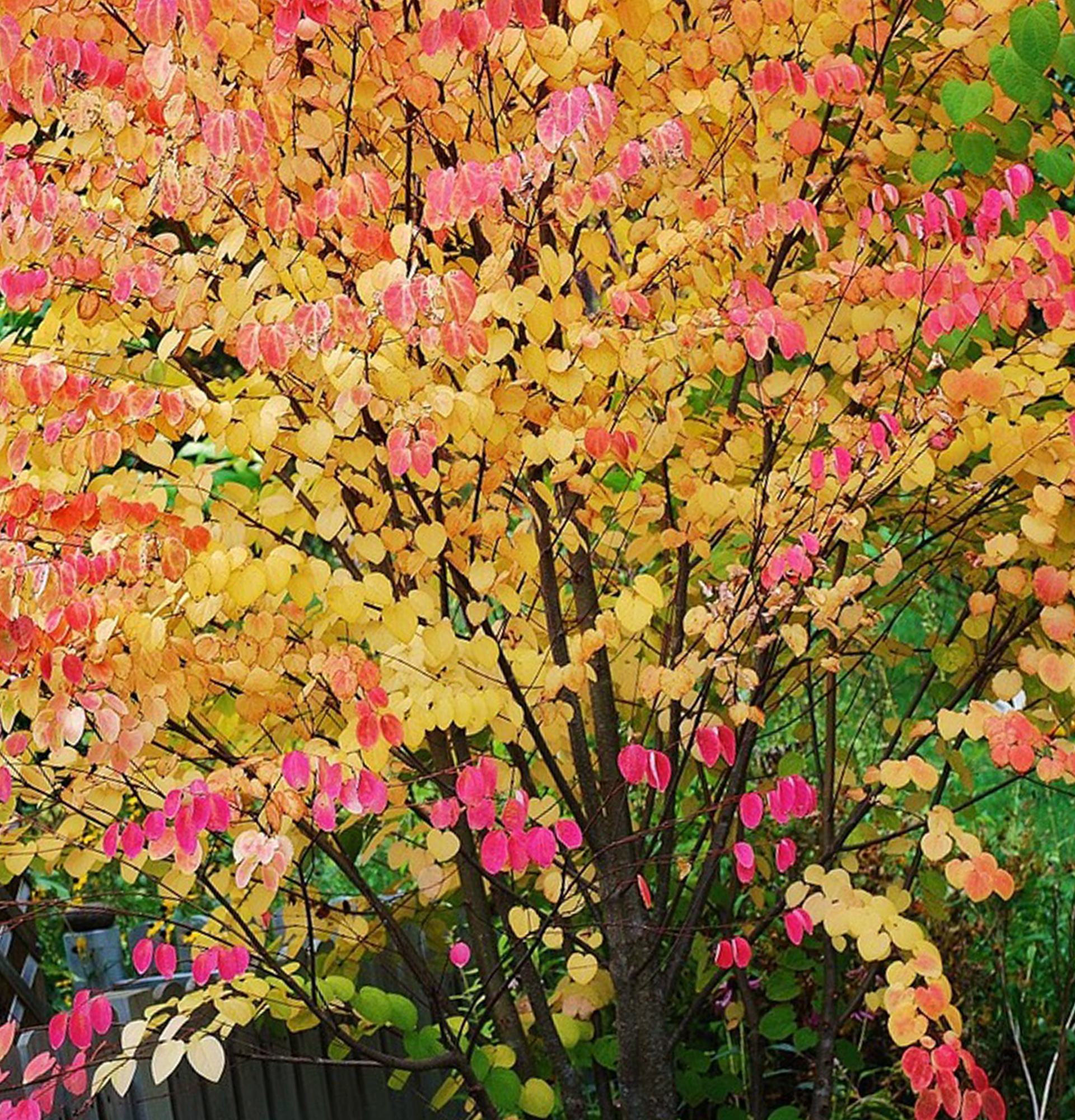 The Japanese and Chinese forests are native to this extremely beautiful, shade-tolerant, drought-resistant, frost-resistant, deciduous tree, which reaches a height of thirty meters. The trees can have several trunks, on which the bark is cracked and has a dark gray color. The very original heart-shaped leaves are greenish-blue in color, and their underside is whitish or grayish. Their diameter reaches nine centimeters. Young, newly opened leaves have a pink-purple hue and an atlas sheen, and closer to autumn, they acquire a crimson or golden tone.
At this time, they smell like freshly baked bread, gingerbread, caramel, or vanilla. The German gardeners call cercis the "gingerbread tree".
Cercis care and cultivation
When planting a Judas tree in the garden, it is necessary to fulfill its not very whimsical requirements, add a little love and desire to see this beauty throughout the year.
Cercis site selection and planting
The main point in the long life of cercis is the correct choice of location for planting and a good soil mixture. If the conditions for the plant are comfortable, its lifespan can reach seventy years, with a height of up to twenty meters. The Judas tree will be happy to be in partial shade, but it can also agree to a brighter, sunnier place.
It is desirable to exclude the presence of drafts and strong winds.
In response to the question: how to plant cercis? The answer should be the desire of this wonderful tree. It wants the soil to be loose, well-drained, and alkaline. The presence of lime during planting is mandatory. The plant is carefully inspected before planting and planted in a prepared permanent location. A good layer of drainage with sand is placed at the bottom of the pit. If necessary, a wooden support is attached to the seedling. The planted tree is watered well. Slow growth of cercis during the first three years of life is a natural process.
Judas tree watering
The root system of cercis is very well developed and can reach a radius of eight meters, and the depth of penetration into the soil can be two meters. Young trees should be watered abundantly to achieve such a good root system, and in subsequent years, watering should be done less often.
Cercis feeding
The Judas tree does not need additional fertilizers. With its long roots, it will take all the necessary nutrients for growth from the fertile soil. The area adjacent to the trunk should be mulched, and in winter, the layer of mulch should be increased. Young seedlings should be wrapped before the onset of winter frosts. In the spring, the trunk of the Judas tree should be covered with a layer of whitewash for prevention.
Pruning the Judas tree
Pruning to form the crown should be done after the plant reaches three years of age. It is carried out in autumn, one-third of each branch is cut off, and the desired shape of the crown is formed.
Pruning is not desirable in the first year of life for better growth.
Up to five years of age, pruning is carried out annually to form the crown. Subsequent pruning will be carried out only for sanitary purposes, by cutting old and damaged branches.
How to propagate cercis?
Young Judas trees can be obtained from:
- seeds,
- cuttings,
- root shoots.
In autumn, cuttings with three buds are cut and immediately planted in a nutritious soil. Roots will appear before the frosts, and in the spring, a young plant can be obtained.
In spring, a root shoot can be separated from an adult tree and planted in a permanent location. Seedlings quickly adapt, and further care, attention, and care are needed for the young cercis.
How to grow cercis from seed?
The dense skin of the pods must be treated - stratified, made more damaged for better penetration of the sprout outward. In winter, the pods are immersed in boiling water for twenty-four hours. After swelling, they are dried and placed in a bag, and then sent to the refrigerator for at least thirty days. This manipulation is done at least three times. With the onset of spring warmth, about 20°C, the seeds are sown in the ground. The second simple option is when the pods are sown in the ground without any treatment, and the seeds harden naturally. These seeds will sprout only in the following spring.
Judas tree flowering
The flowering Judas tree is magical. This process begins in the second half of spring. How does cercis bloom? During this period, the entire plant, including the trunk, turns into a miracle, thanks to the beautiful, fragrant, bright pink, purple, lilac, purple, or white flowers, arranged in inflorescences. Such a sight is never forgotten. The flowers are edible, have a sweet and sour taste, and are used in cooking. Faded flowers give way to original leaves. The flowering process ends with the formation of pods with seeds - beans.
Pests and diseases of cercis
The Judas tree is very resistant to diseases and is not afraid of insects. But if the growing conditions are violated, the Judas tree may be visited by aphids, which feed on the sap of young shoots. Here, the question may arise: why is the cercis not blooming? The plant may have been frostbitten or unexpected pests have appeared. For prevention and control of unwanted guests, the plant should be treated with insecticides.
If the requirements of the Judas tree are properly met, it is possible to obtain a beautiful tree or shrub that will be an effective decoration of any area, whether it is a garden, a summer cottage, or a backyard. Its luxurious appearance will add positive emotions and inspire new creative endeavors.
There are many other interesting and charming plants. You can and should get to know them on the website by opening the catalog of indoor plants from A to Z.
Write comments
Comments