



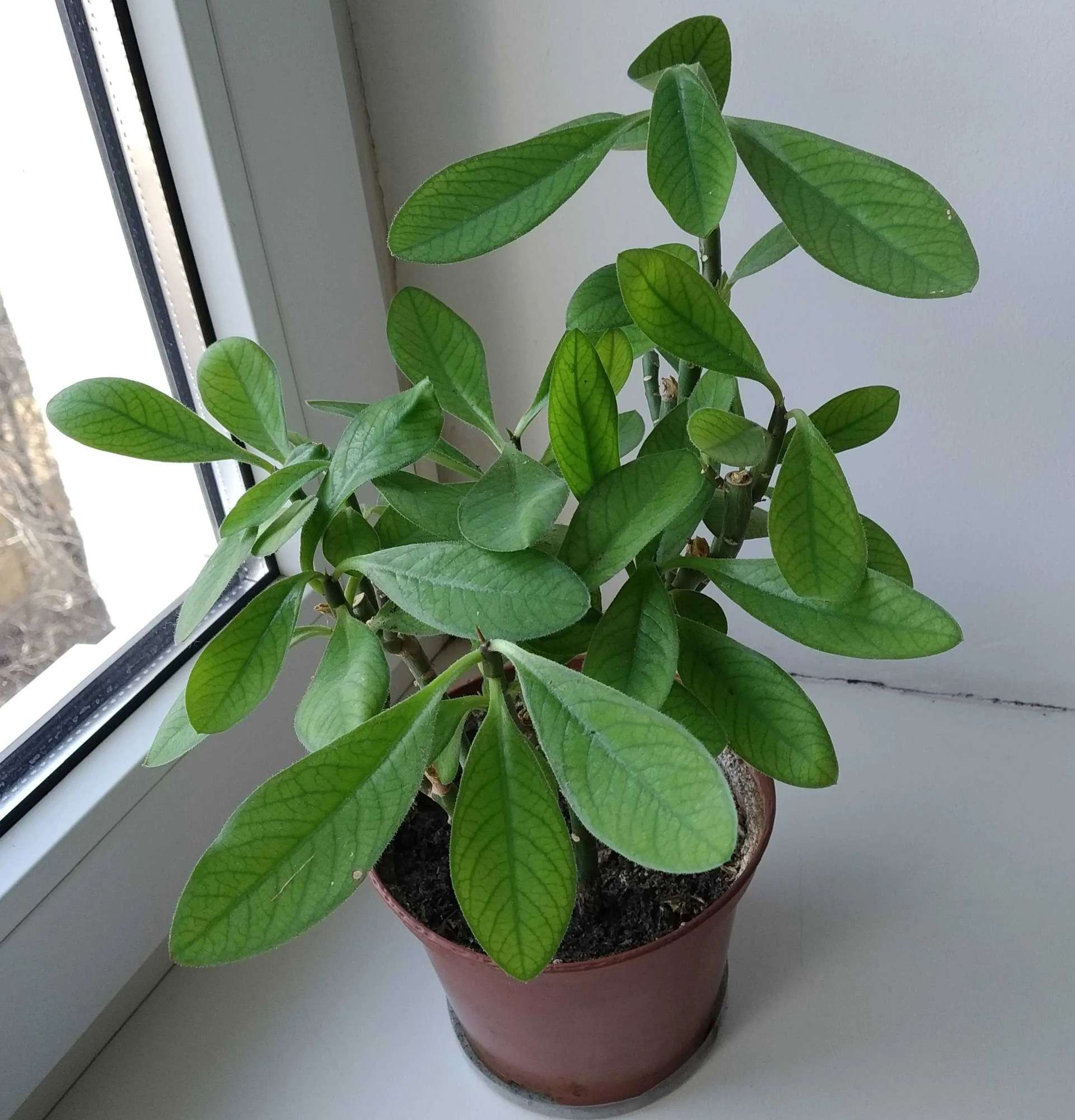
Latin name: (Synadenium)
Category: succulent shrubs
Origin: East Africa
Unpretentious decorative love tree
The Synadenium genus is a small group of succulent trees and shrubs consisting of twenty species of plants belonging to the euphorb family.
The name of the flower comes from Greek roots. "Syn" translates to "together," and "aden" means "gland."
Another popular beautiful name for the synadenium flower is "love tree."
The synadenium's closest succulent relative is the Adenium, which is well known and loved by all flower lovers and is often found in both public places and apartments.
The natural subtropics and tropics of the arid African continent are the home of the love tree. Thanks to its unpretentiousness, synadenium has also spread to other continents. Original euphorb hedges decorate the landscapes of the American continent.
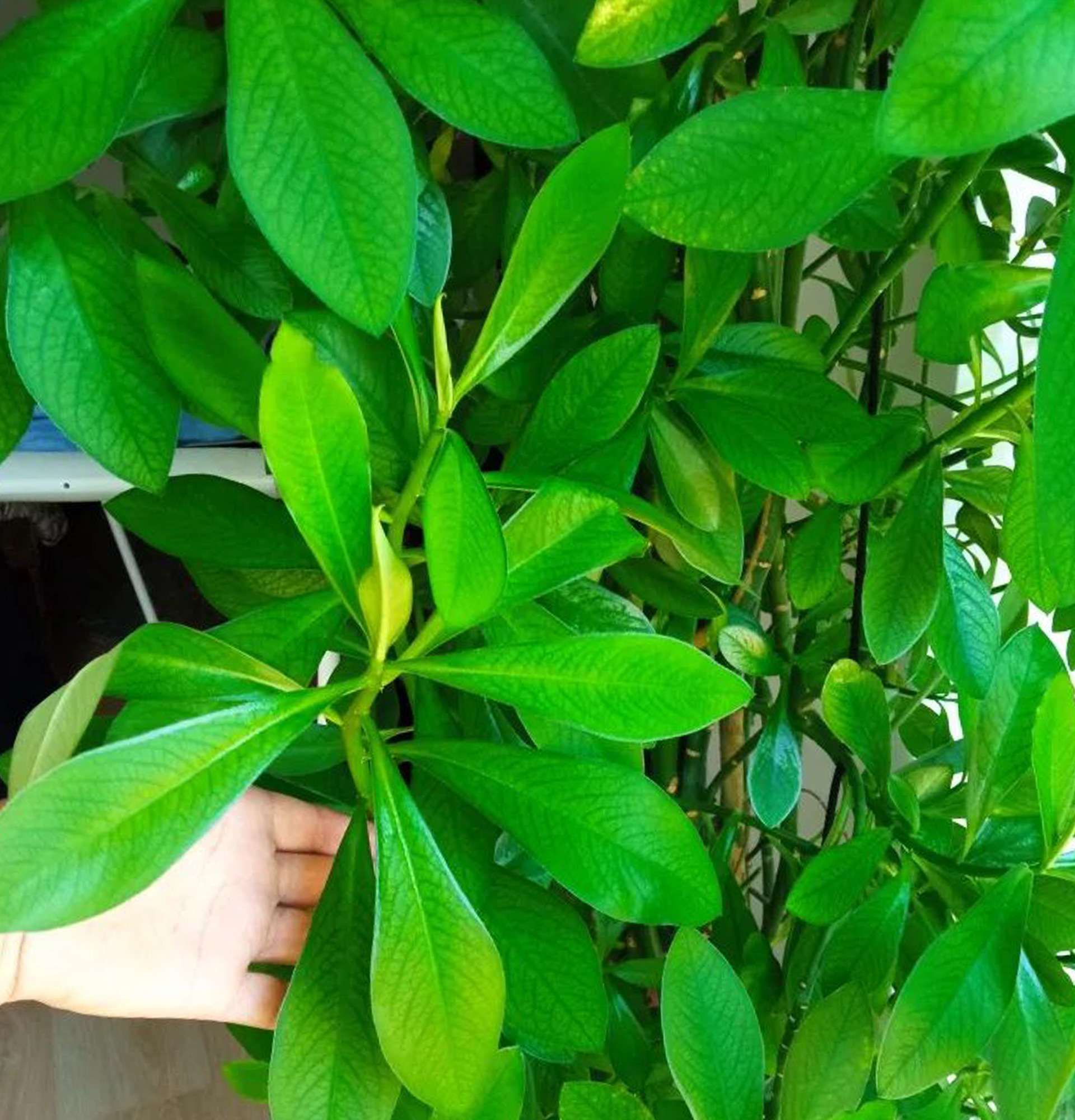
The synadenium plant is represented by sprawling shrubs that reach a height of three meters. What does the euphorb look like? It is a shrub that grows quickly. It grows up to twenty-five centimeters per year. Synadenium is a plant with succulent stems and very branched, deep-growing roots. Fleshy, egg-shaped leaves with short petioles are arranged alternately on straight, thick stems covered with smooth, dark green skin. The leaves reach a length of twenty-five centimeters, and the leaves reach a width of twelve centimeters. Thanks to this structure, the synadenium tree stores moisture and feels great even in a dry period.
The synadenium tree is a flowering plant. How does synadenium bloom? In winter, the upper parts of the shoots are decorated with thick, short, umbrella-shaped inflorescences. They bear small, closed, reddish flowers that resemble hats, from which feathery stamens protrude in bunches.
The result of flowering is small fruits in the form of three-segmented burgundy capsules, inside of which there is a miniature black seed.
It is not difficult to grow this well-known wonder, the euphorb, at home. The only drawback in growing it can be considered the lack of flowering of the indoor synadenium plant.
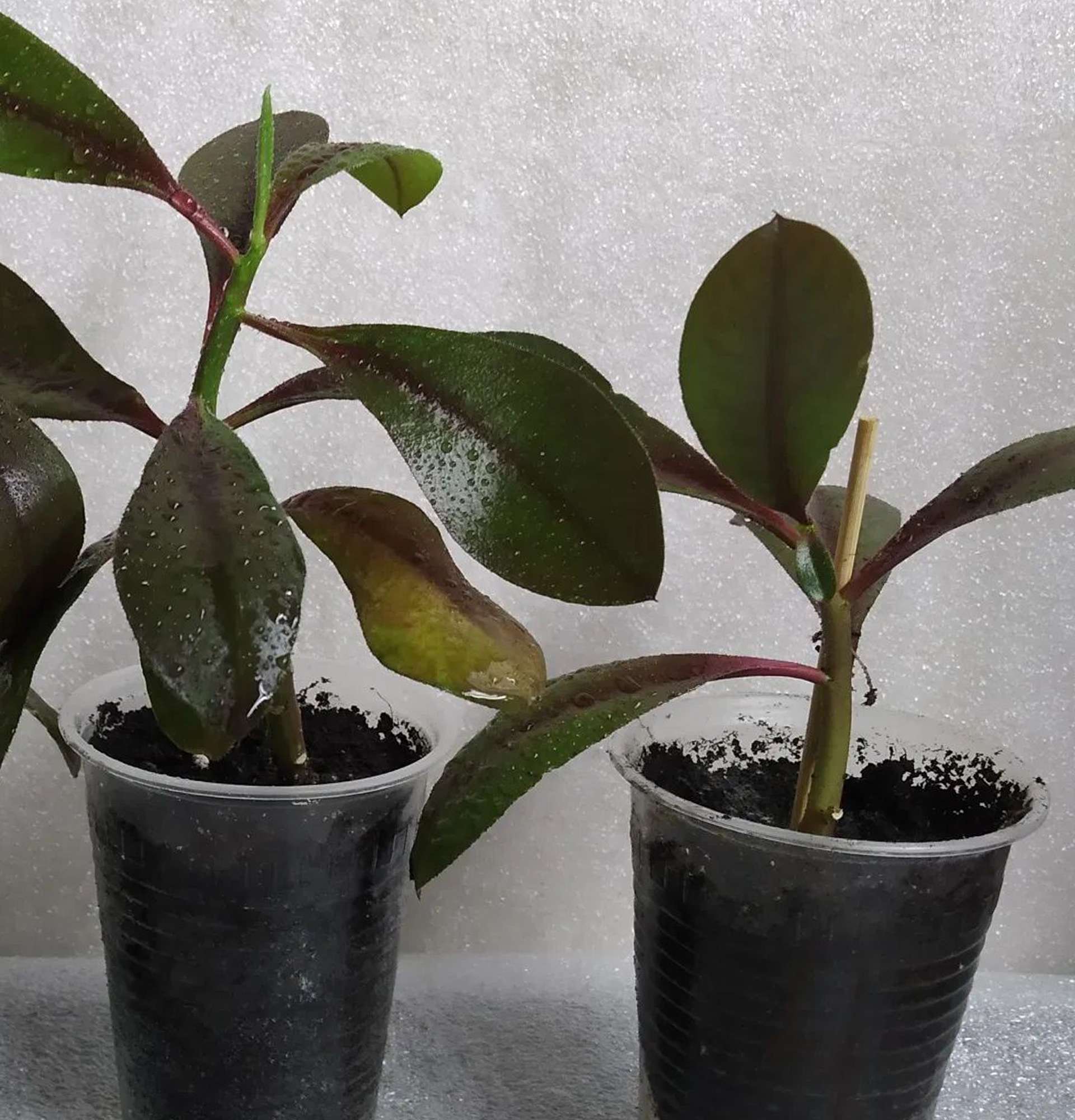
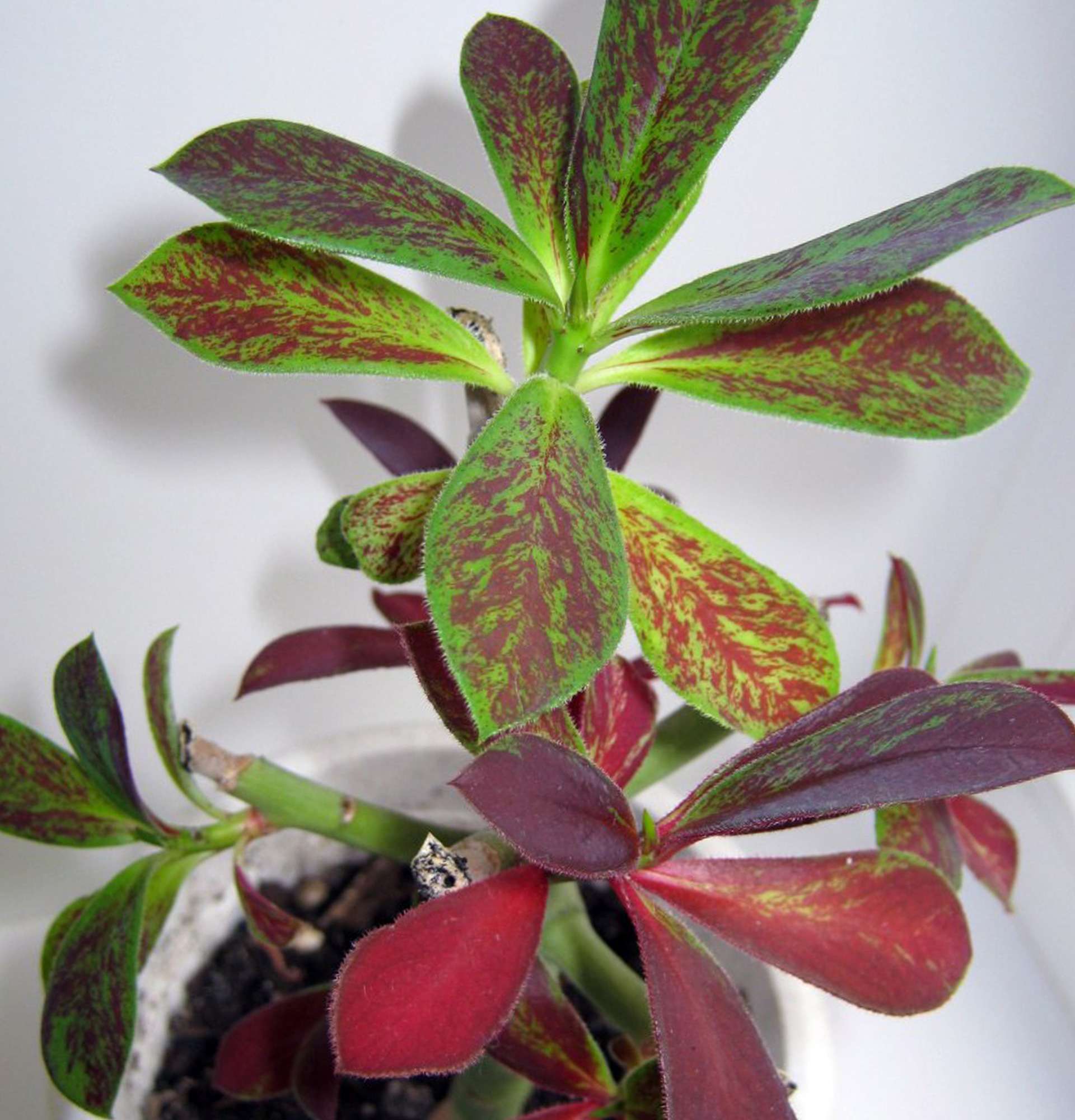
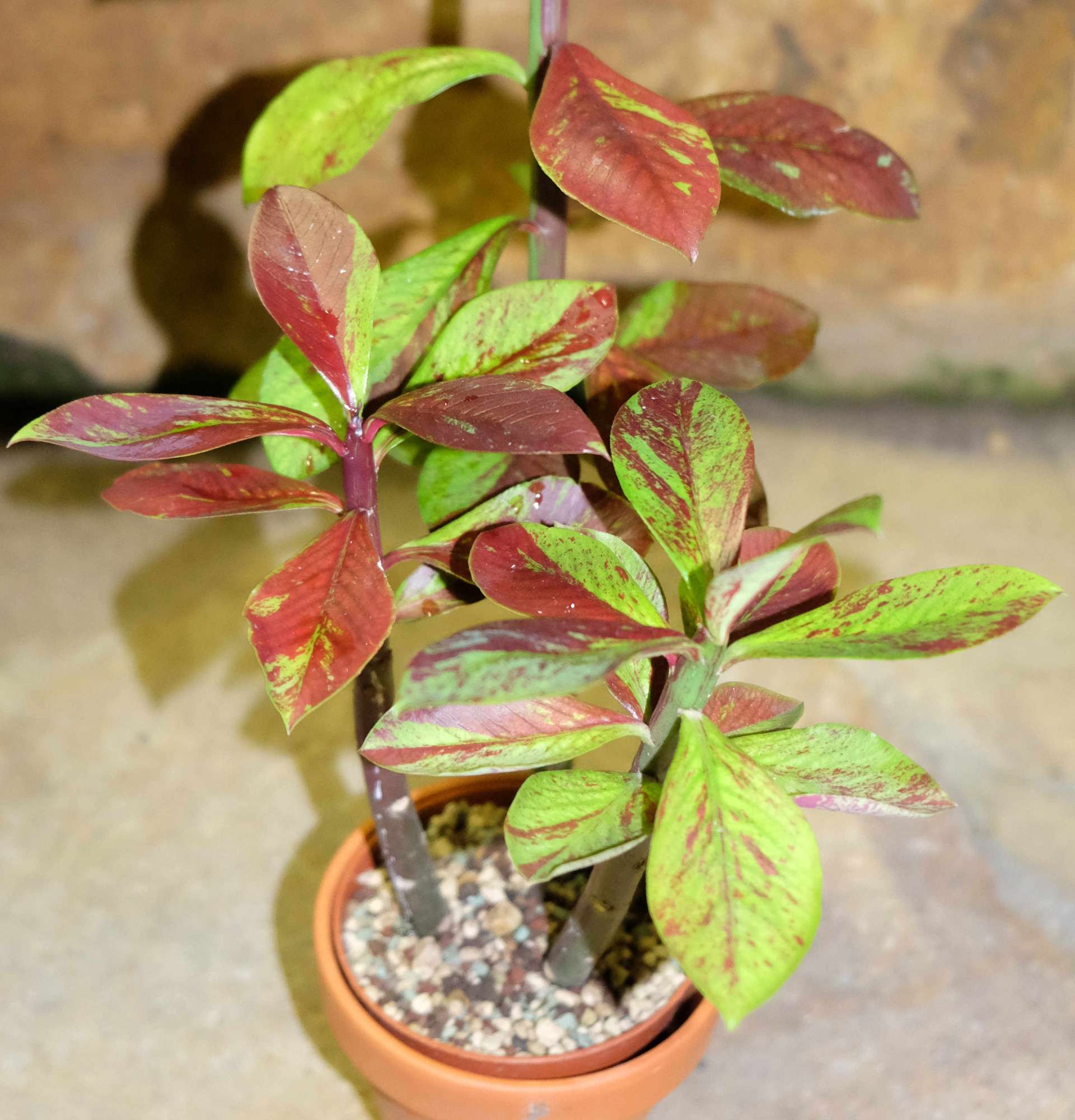
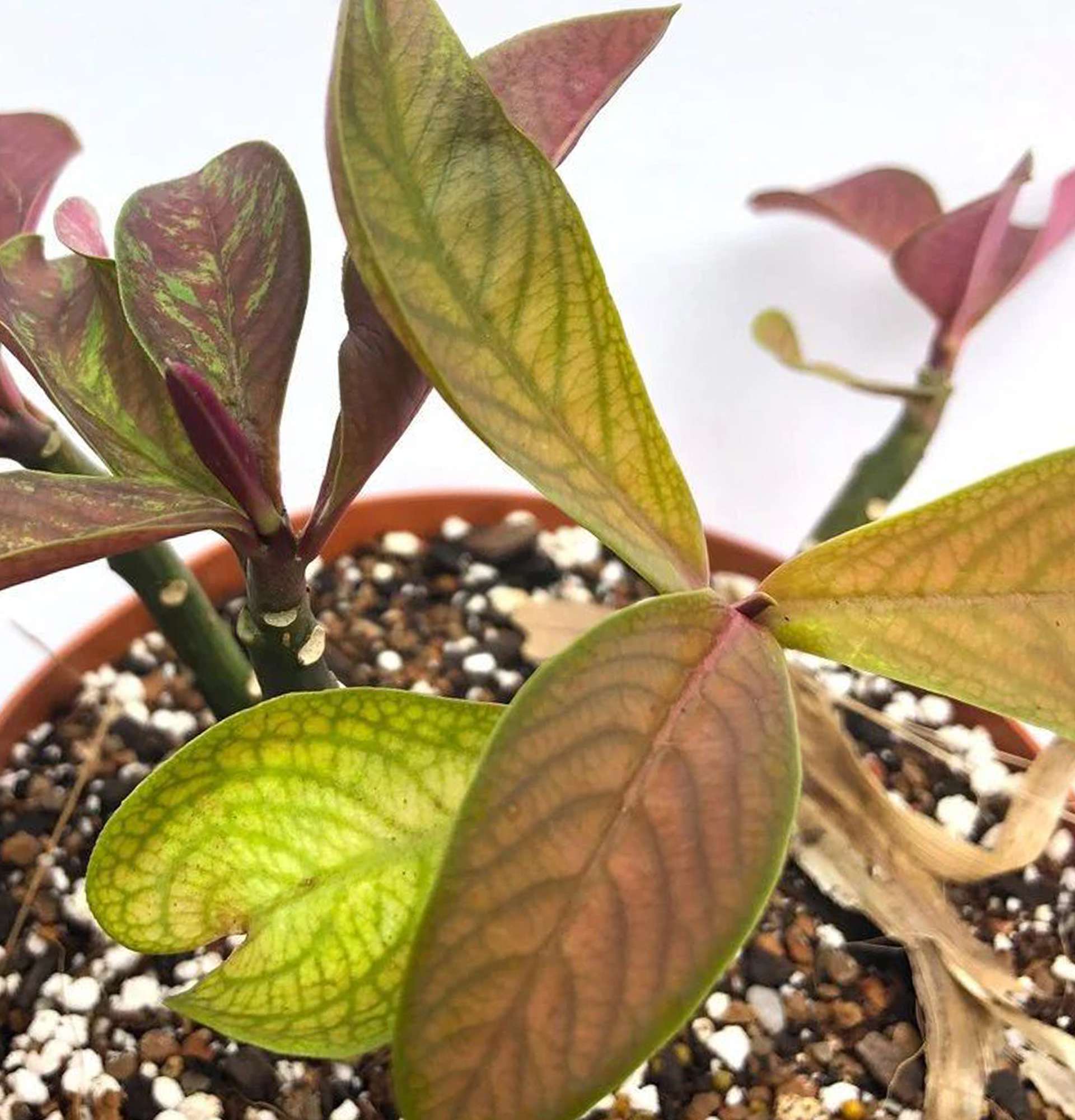
Let's look at the synadenium photo, having familiarized ourselves with the species of the plant.
Synadenium species
Synadenium Grantii
 The valley of the Zambezi River is considered the homeland of a lush, magnificent, highly branched shrub that reaches a height of three meters.
The Scottish explorer of the equatorial part of the African continent, James Augustus Grant, immortalized his name in this species of euphorb. The synadenium Grant plant was described in 1875.
The synadenium flower is widespread in indoor floriculture. We all know it as euphorb. It is an absolutely unpretentious plant, and any inexperienced flower lover can grow it.
Synadenium grows quickly. The flower needs to be regularly pinched to form the miniature bush or tree you want.
A close relative, which has some external similarities, is white-veined euphorb.
Synadenium Rubra
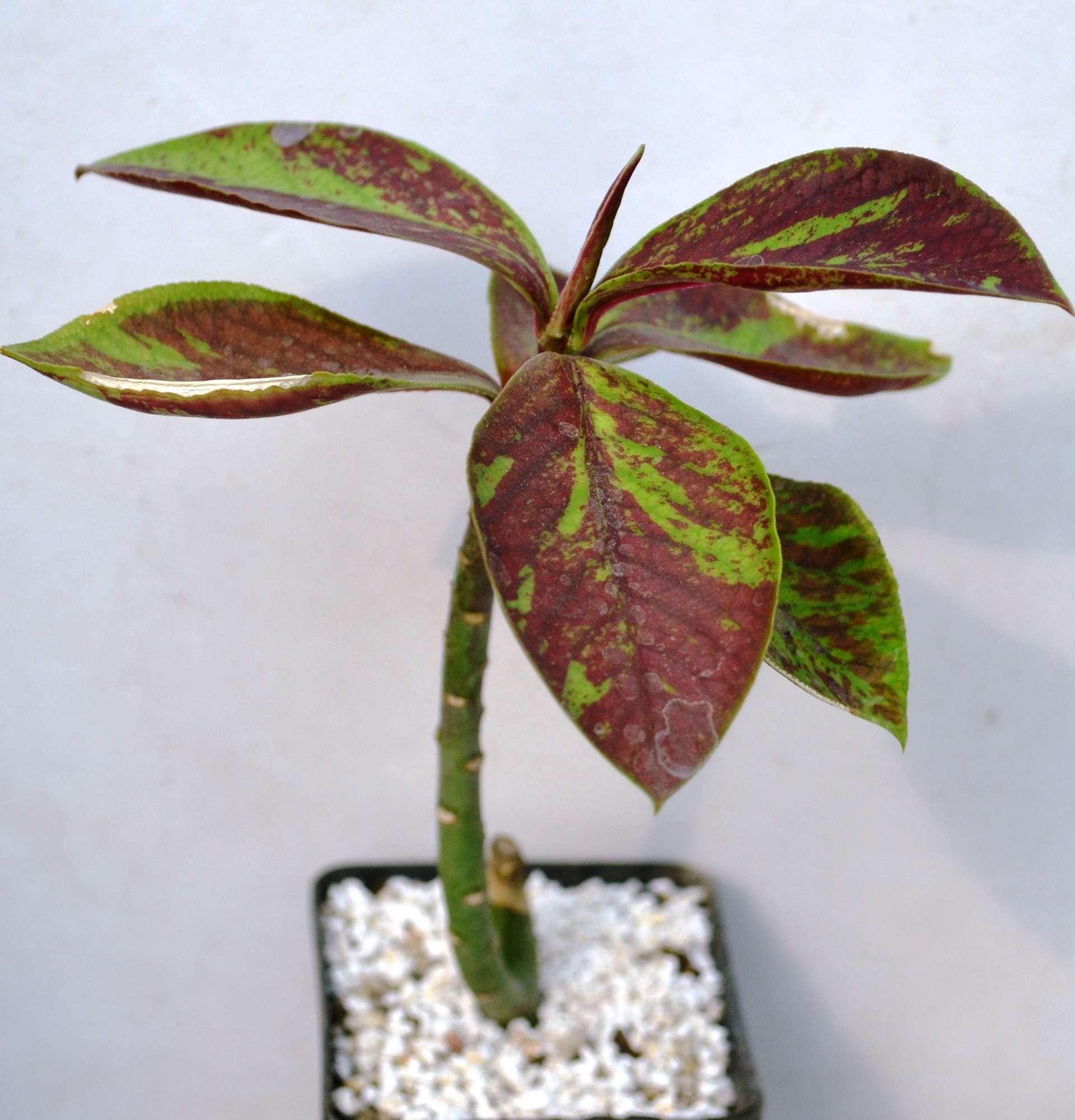
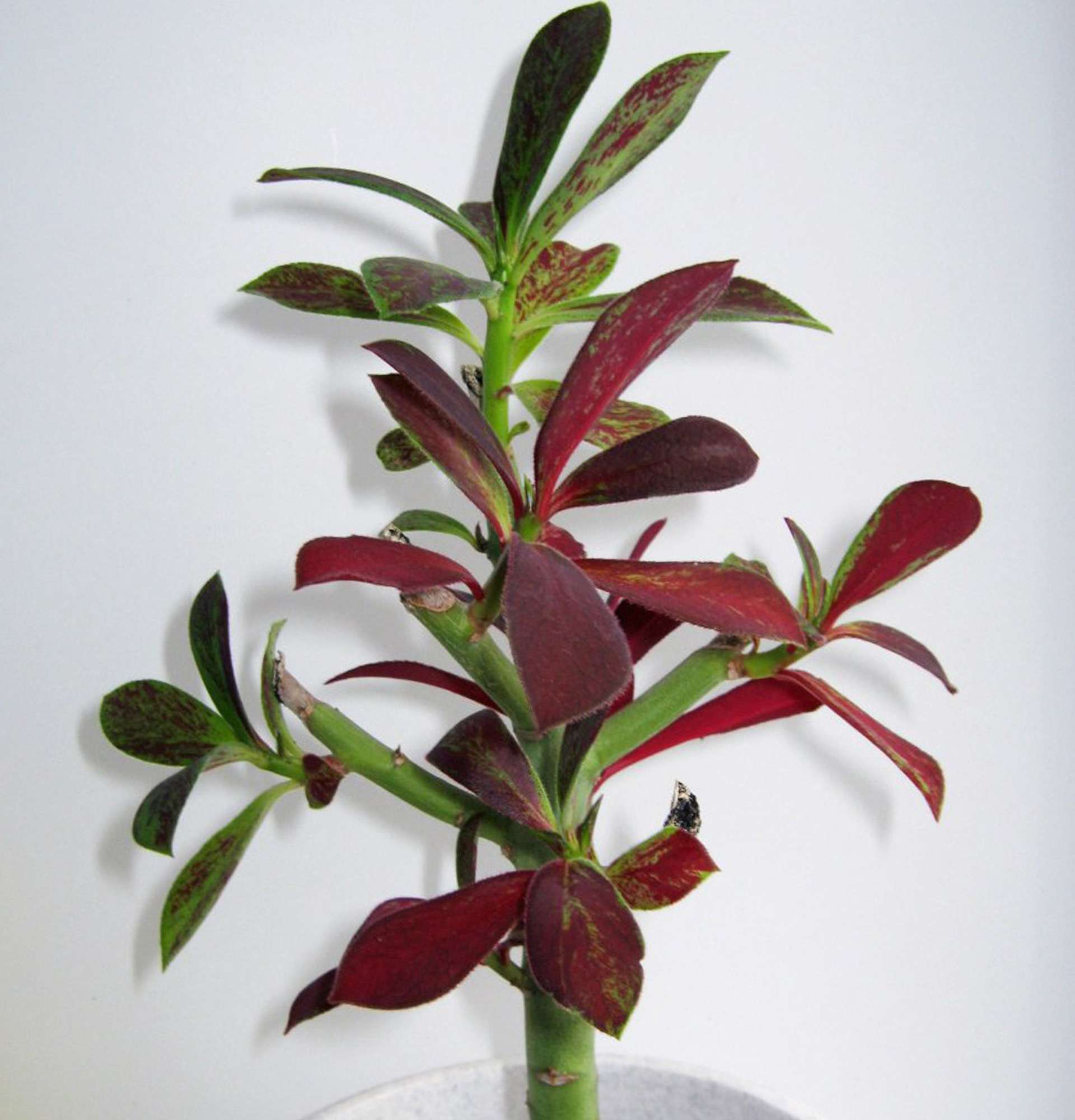
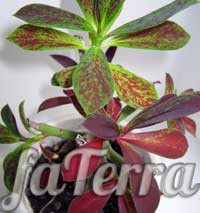 A very hardy, fast-growing individual. It has a very interesting color of the leaves, which are decorated with purple patterns of various shapes. Young Synadenium Rubra have a charming pink tint to their "greenery." In natural conditions, flowering beauties shoot out long inflorescences, on the tops of which umbrellas of flowers bloom, which have small stamens. During flowering, synadenium is very exotic.
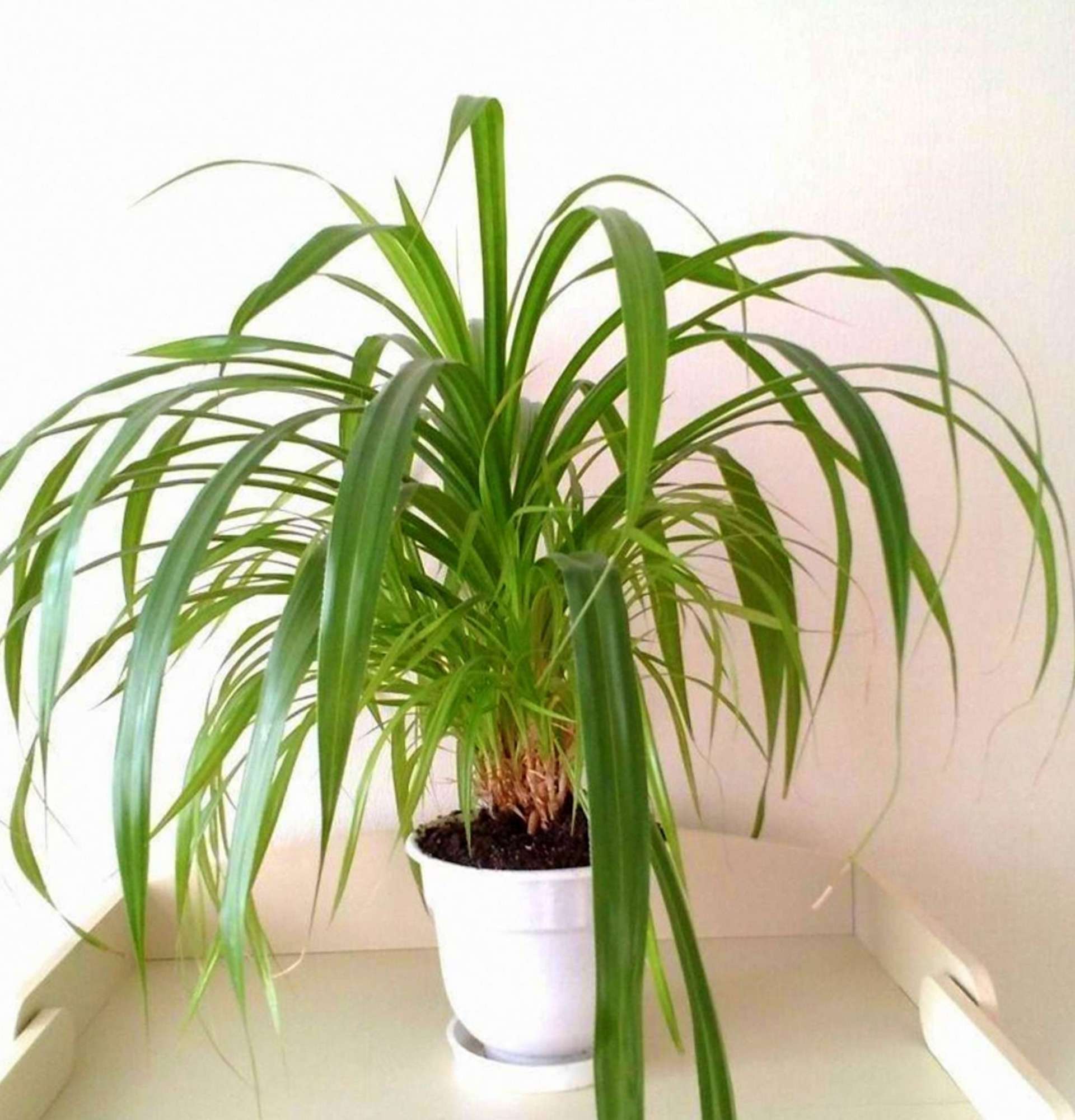
The most exotic indoor plants include pandanus, pachypodium, hymenocallis, cycas.
Another name for synadenium is the tree of love. It is believed that the unusual shape and color of the delicate flowers influenced the emergence of this name.
Synadenium burgundy is not demanding in terms of watering, is not afraid of direct sunlight, quickly takes root in water, and can partially shed its leaves. In order for the plant to have an attractive and beautiful appearance, it must be regularly pruned.
Synadenium care at home
Your pet is a rather unpretentious flower. In order for the exotic to be healthy and beautiful, it is necessary to carefully familiarize yourself with the features of cultivation and the creation of conditions for its growth that are close to natural.
Choosing a place and temperature regime
The indoor synadenium flower desires a lot of bright, but diffused light. The east and west windowsills will be quite suitable places. On the south windows, it is desirable to protect the plant from direct sunlight to prevent burns on the beautiful leaves. In the short winter days, it is desirable to organize artificial lighting to prevent excessive uneven elongation of the shoots.
Active growth of synadenium occurs at ambient temperatures of 22-25°C. Winter dormant growth of the plant will be comfortable at a temperature of 10-13°C. Lowering the temperature below 5°C is not allowed.
Air humidity and watering
The requirements for air humidity in indoor synadenium are not high. It will be desirable to shower it for hygiene purposes, but it is not desirable to wipe the leaves in order not to damage the small hairs.
Do not place the euphorb synadenium near heating radiators.
In summer, water with settled soft water no more than once a week, constantly observing the condition of the soil mixture. In autumn and spring, water the plant no more than once every two weeks. Water in winter once a month. Between waterings, the upper part of the soil should dry out by two centimeters.
Soil and its feeding
The ideal option for synadenium will be a light, nutritious soil mixture with a neutral acidity. To obtain such a substrate, you need to take the following components in equal proportions: sod soil, sand, peat, leaf soil. In order to minimize the appearance of rot in the roots of the plant, it is desirable to add crushed wood charcoal to the mixture, and connect brick chips to the drainage layer to reduce the stagnation of water in the soil.
It is desirable to feed the finished mixture with universal mineral fertilizers, nitrogen fertilizers, or use organic matter.
Transplanting and pruning
Spring transplanting will only benefit a young synadenium flower. More mature, five-year-old specimens can be transplanted every three years. The bottom of the pot should be occupied by a thick layer of expanded clay drainage.
To form a tree or the desired bush, in order to stimulate vigorous growth of the branches, pruning should be done early in the spring. Also, as needed, cut off dried shoots, those that are damaged and have lost their decorativeness.
Remember! The synadenium flower is poisonous.
The necessary manipulations with the indoor synadenium plant are performed with gloves.
Synadenium propagation
Cut apical cuttings, up to twelve centimeters in size, can be easily rooted in water or planted in a sandy-peat mixture. The cuttings will quickly and easily take root in a warm and bright place. It is necessary to plant several cuttings in one pot in order to achieve a more chic decorativeness by constantly pinching the stems.
With the help of cuttings, you can propagate zamioculcas, diffenbachia, philodendron, dipladenia.
Diseases and pests
Preventive regular inspections and the implementation of the conditions of care that we have considered earlier will help prevent possible damage to your pet by scale insects, spider mites, or mealybugs.
Problems that arise during cultivation
- The synadenium leaves fall off - the plant lacks light, the temperature is too low, there is an excess of moisture in the soil.
- The stems are strongly elongated - lack of lighting.
- The synadenium leaves droop and wither, the stem becomes wrinkled - the plant needs to be watered urgently.
We open the catalog of indoor plants on the site and get acquainted with another plant.
Write comments
Comments