



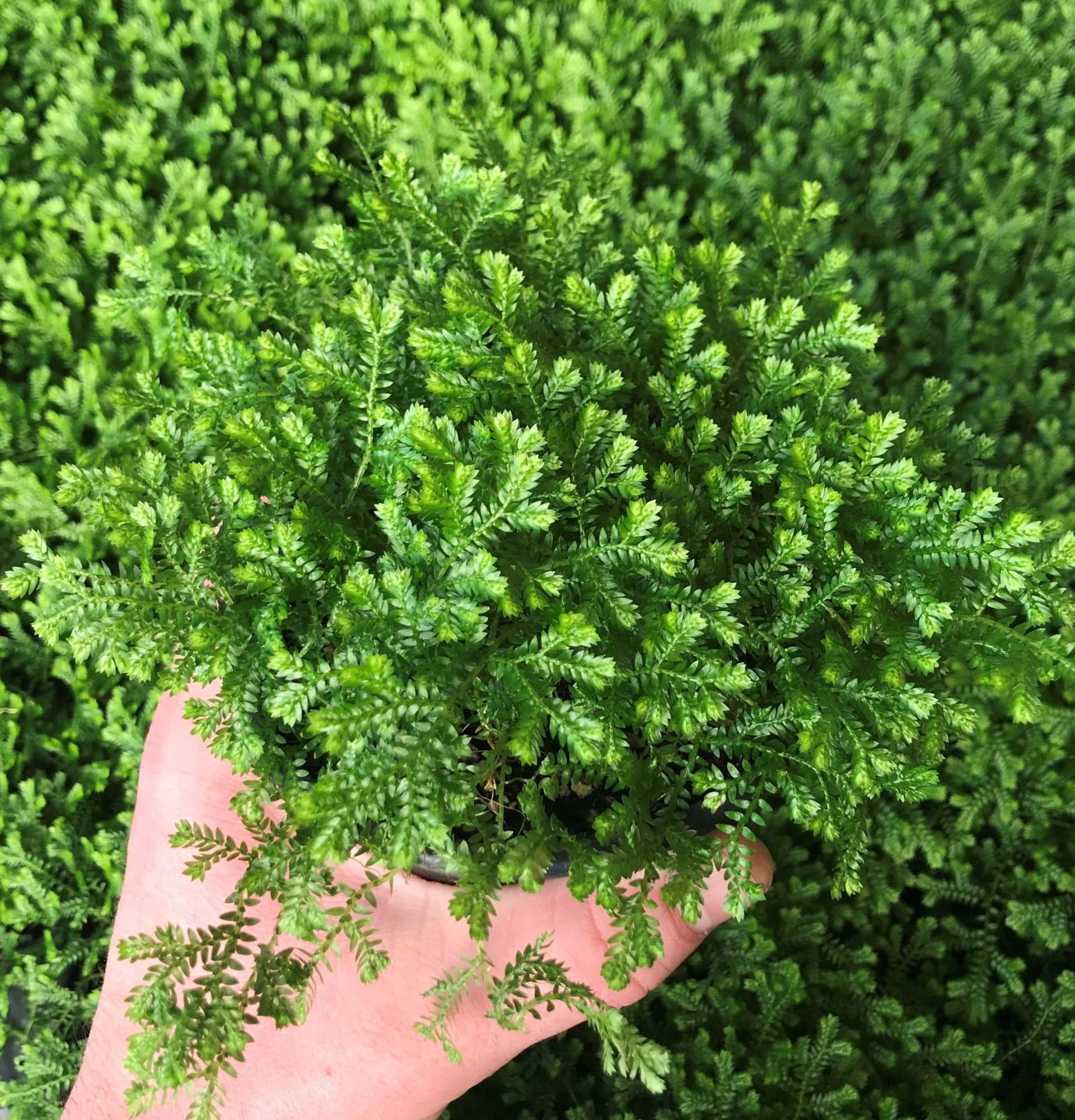
Latin name: (Selaginella)
Category: perennial evergreen shrubs
Origin: Tropics of Central America, Mexico, South Africa
Selaginella – a charming, spectacular exotic plant – clubmoss
Selaginella (Selaginella), also known as Clubmoss, is a large genus that unites about seven hundred varieties of tropical and subtropical herbaceous spore-bearing perennial plants into one family, Selaginellaceae.
The humid tropical forests of South Africa, America, and East Asia are the native habitat of selaginella. Here, it thrives in the lower layers of the dense forest. East Asia is also adorned with the amazing and unique Jericho rose. It is well-suited to rocky areas, where it climbs rocks and trees, and adorns the banks of water bodies. The local inhabitants of these regions not only admire its beauty but also use its medicinal properties.
Benefits and harms of clubmoss. A very interesting fact is that the Jericho rose does not have any harmful properties. However, the indigenous people of India and China have discovered the positive properties of selaginella. They use this wonderful plant for liver diseases and as a means of cleansing the body. Indian medicine has found the Jericho rose useful in treating the bladder, liver, menstrual pain, and even cancer. Some ethnic groups make a powder from the spores of clubmoss, which they use for bedsores.
In the eighteenth century, the Swedish biologist Carl Linnaeus described selaginella, noting that it resembles moss and ferns in appearance, although there is no relationship between them. This ancient plant, which is directly related to clubmosses – very old plants that appeared during the time of dinosaurs – is still not very easy to grow as a moisture-loving exotic plant in indoor conditions.
The very interesting, unusual, and spectacular appearance of "carpet ferns" attracts flower lovers, who grow it as a ground cover plant. The Jericho rose is a tropical plant that prefers high humidity. Such unique conditions can be created in a miniature ecosystem, such as flower aquariums or terrariums, where it is easier to control both the temperature and humidity.
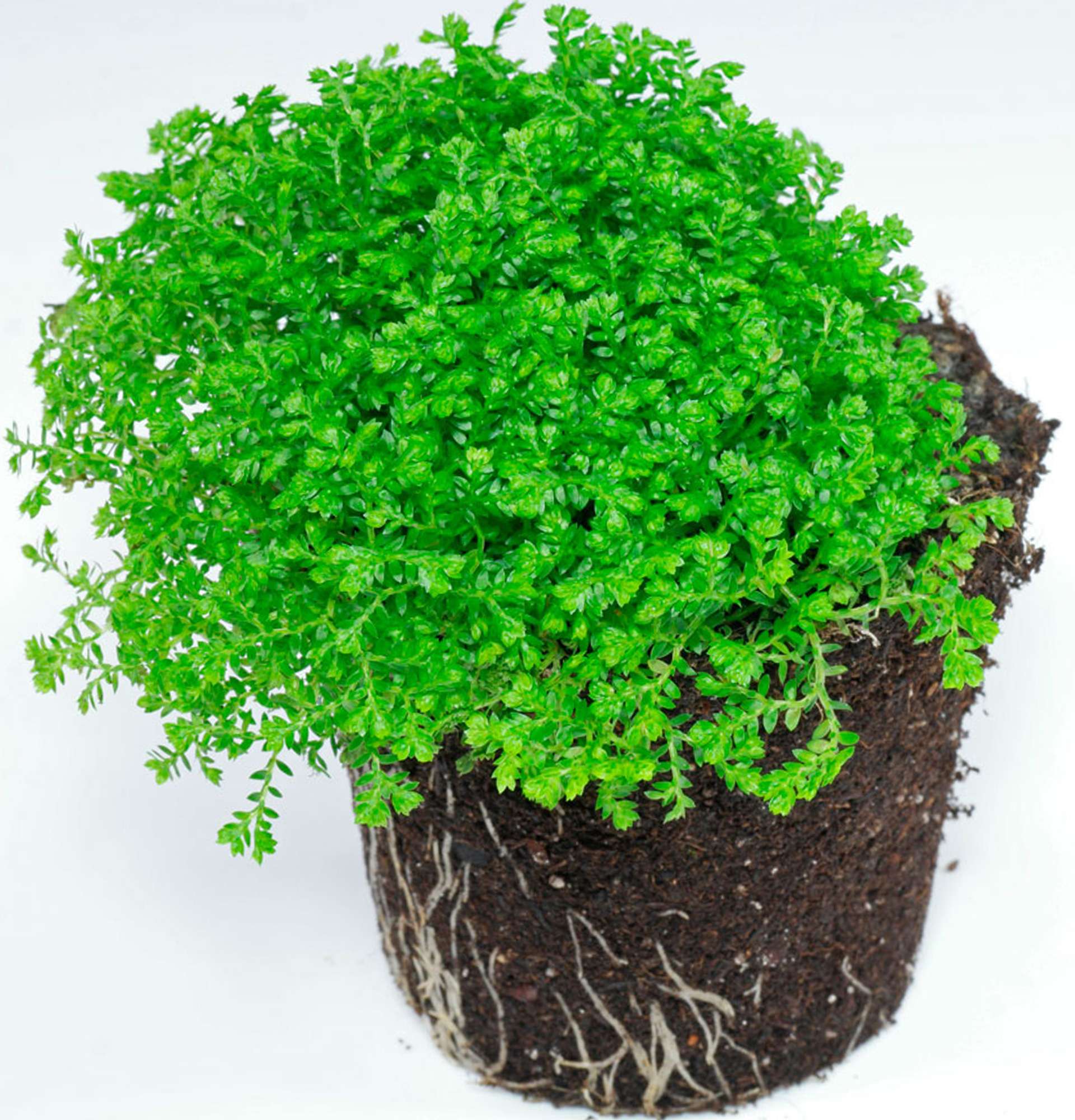
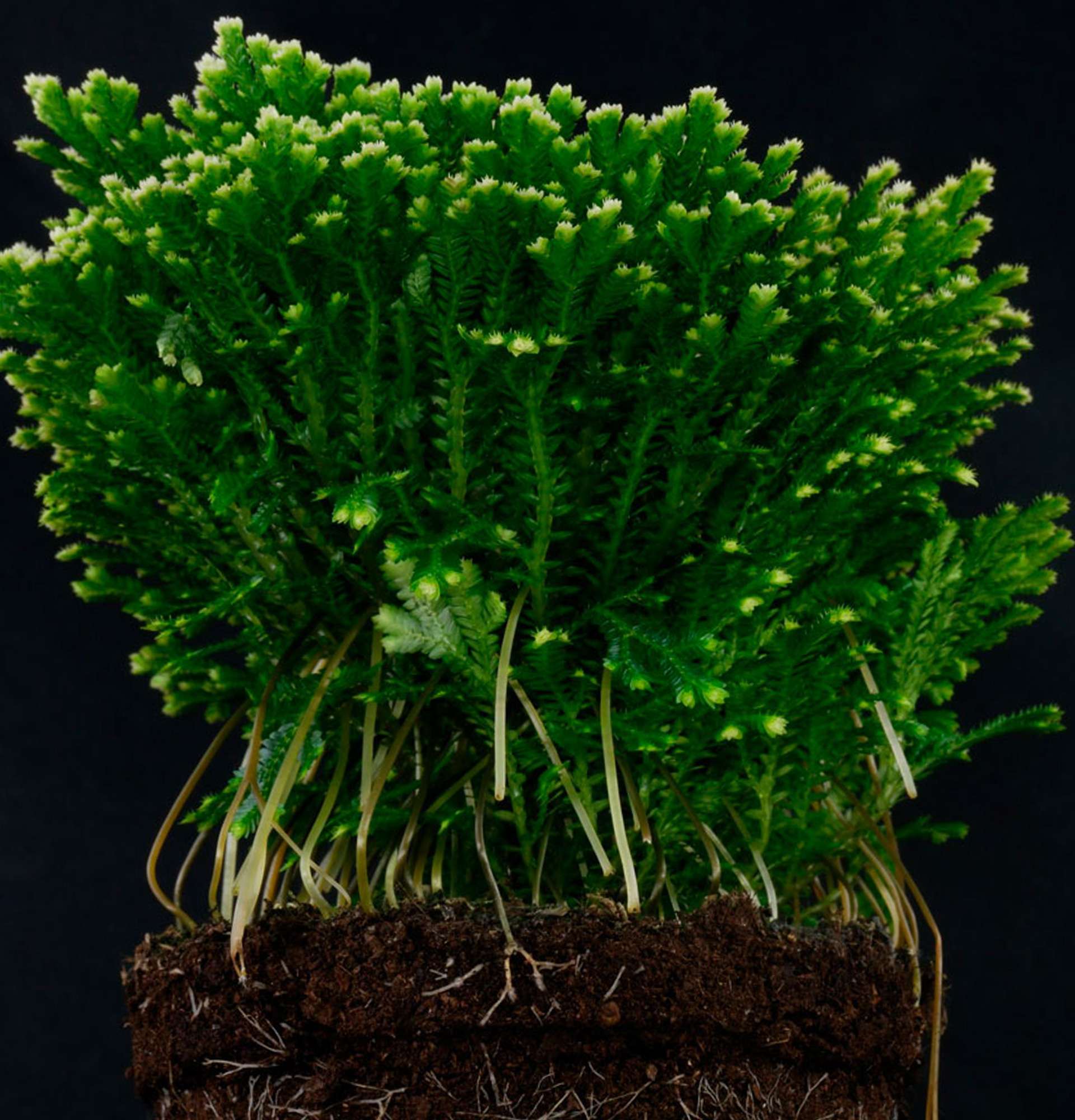
The selaginella flower is represented by herbaceous perennials with creeping or slightly upright stems. Some species resemble miniature indoor ferns. The amazing and unsurpassed indoor selaginella bushes rarely reach a height of ten centimeters, in contrast to the wild species, which can grow to several meters in height. Additional roots appear on the underside of the original stems of the clubmoss, absorbing nutrients and water from the air. In the varieties that grow on the ground, these additional roots take root.
The selaginella flower can be planted outdoors, where it will look beautiful in gardens and parks, on flower beds. The plant spreads quickly, covering large areas, decorating them with an evergreen and very spectacular carpet that resembles a luxurious green lace, which can be admired constantly.
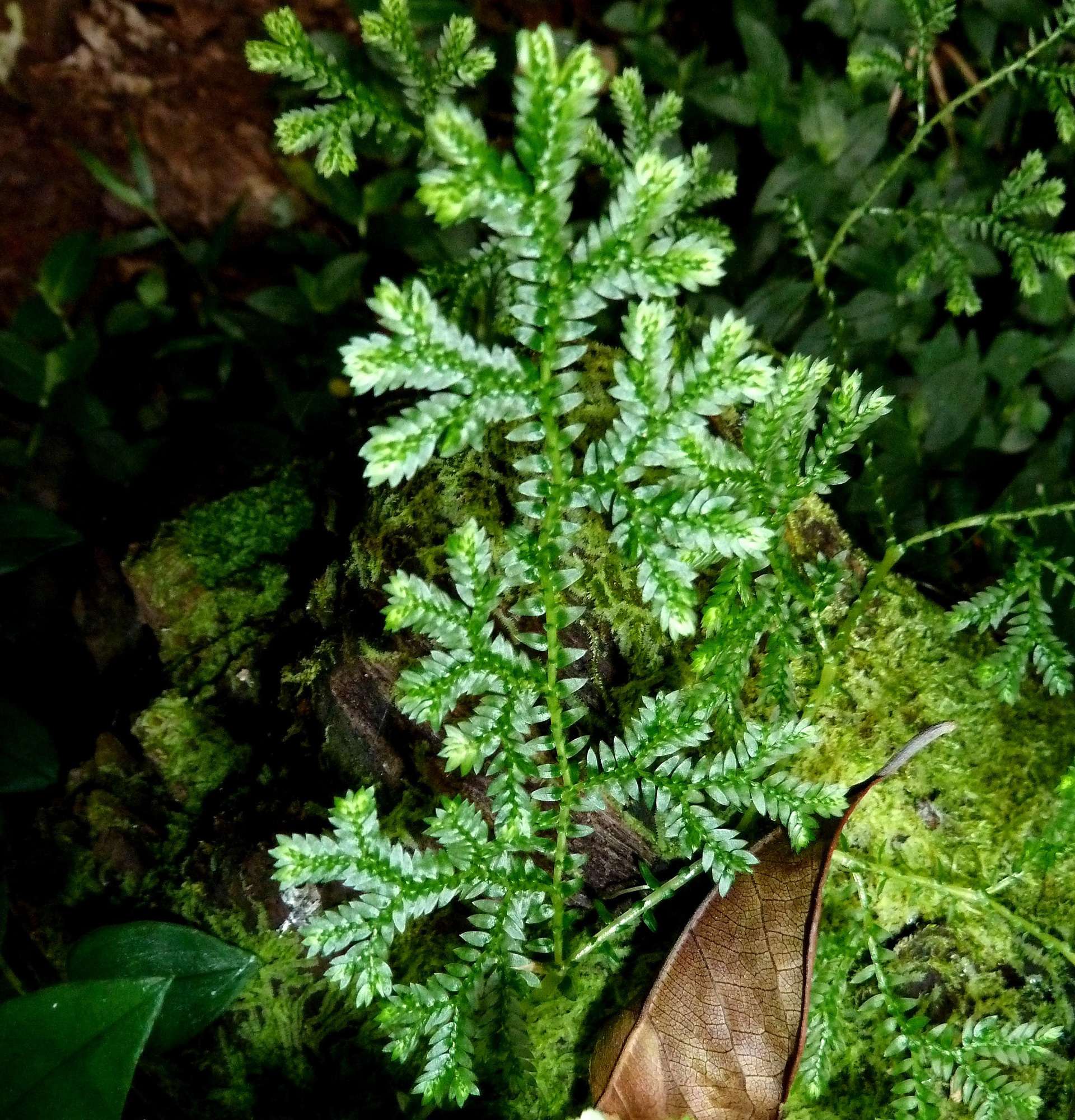
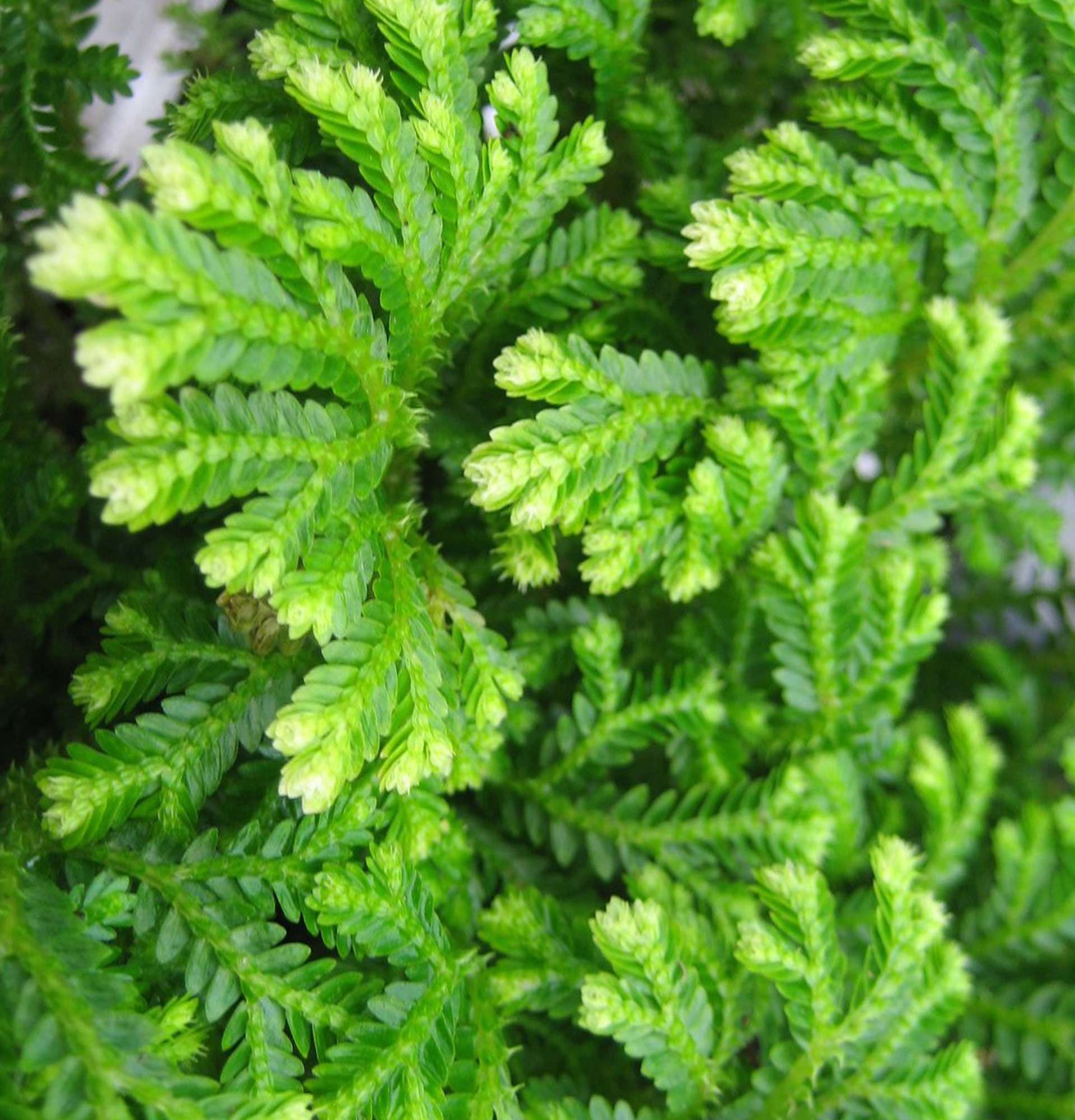
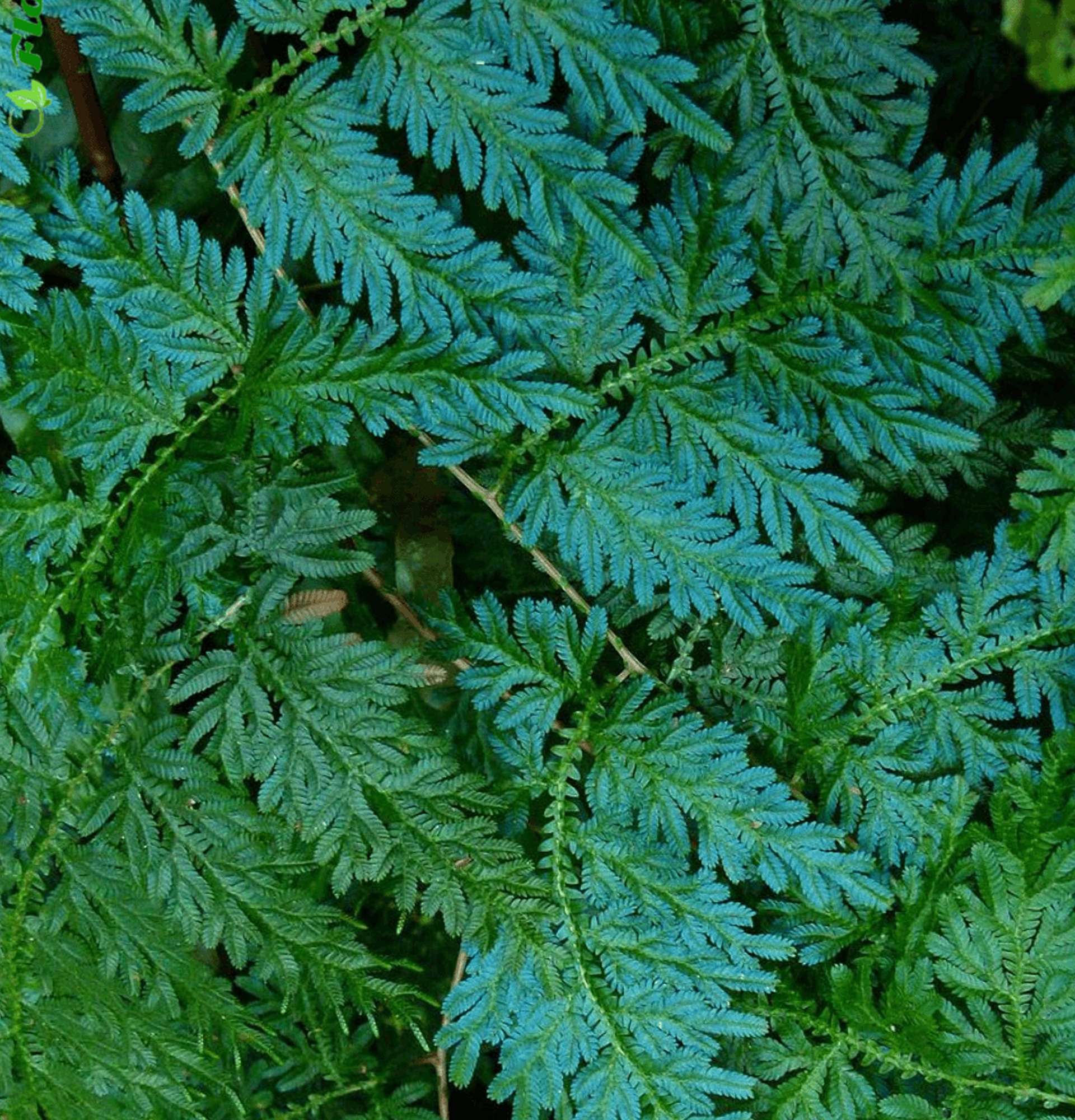
This beauty is formed by small, flat, needle-like leaves that are arranged on the stems, overlapping each other, resembling tiles. These unsurpassed colorful fronds can be imagined as corals, pine needles, or fern fronds. The color range of the leaves in different varieties and types of Jericho rose is very diverse. The soft leaves can be either variegated, dark, or light. Green, blue, glossy, and matte leaves delight the eye with their uniform color or colorful, unusual patterns.
Selaginella species
Selaginella martensii
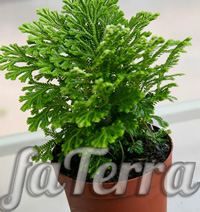 The wild selaginella martensii flower is native to South and North America.
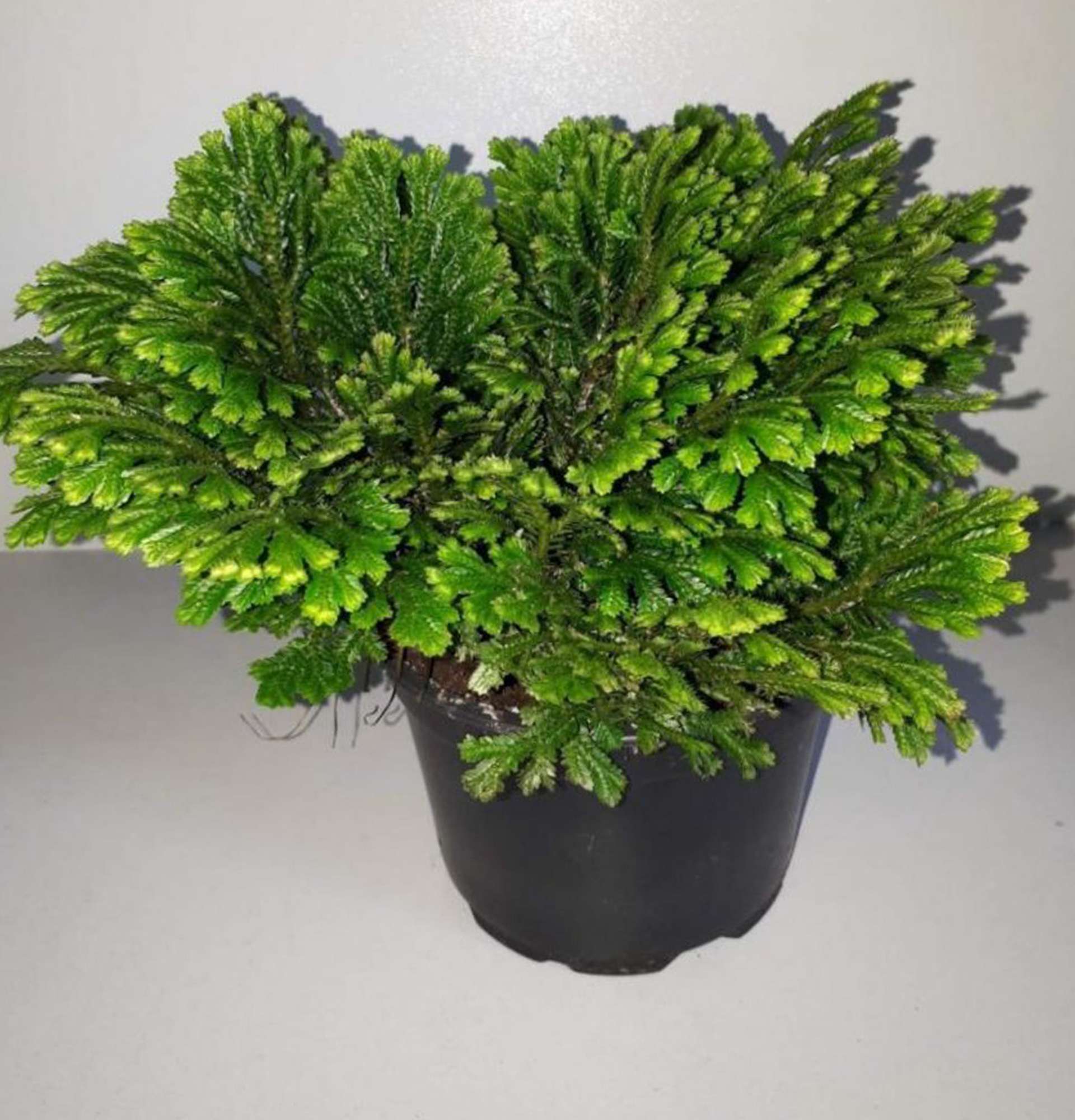
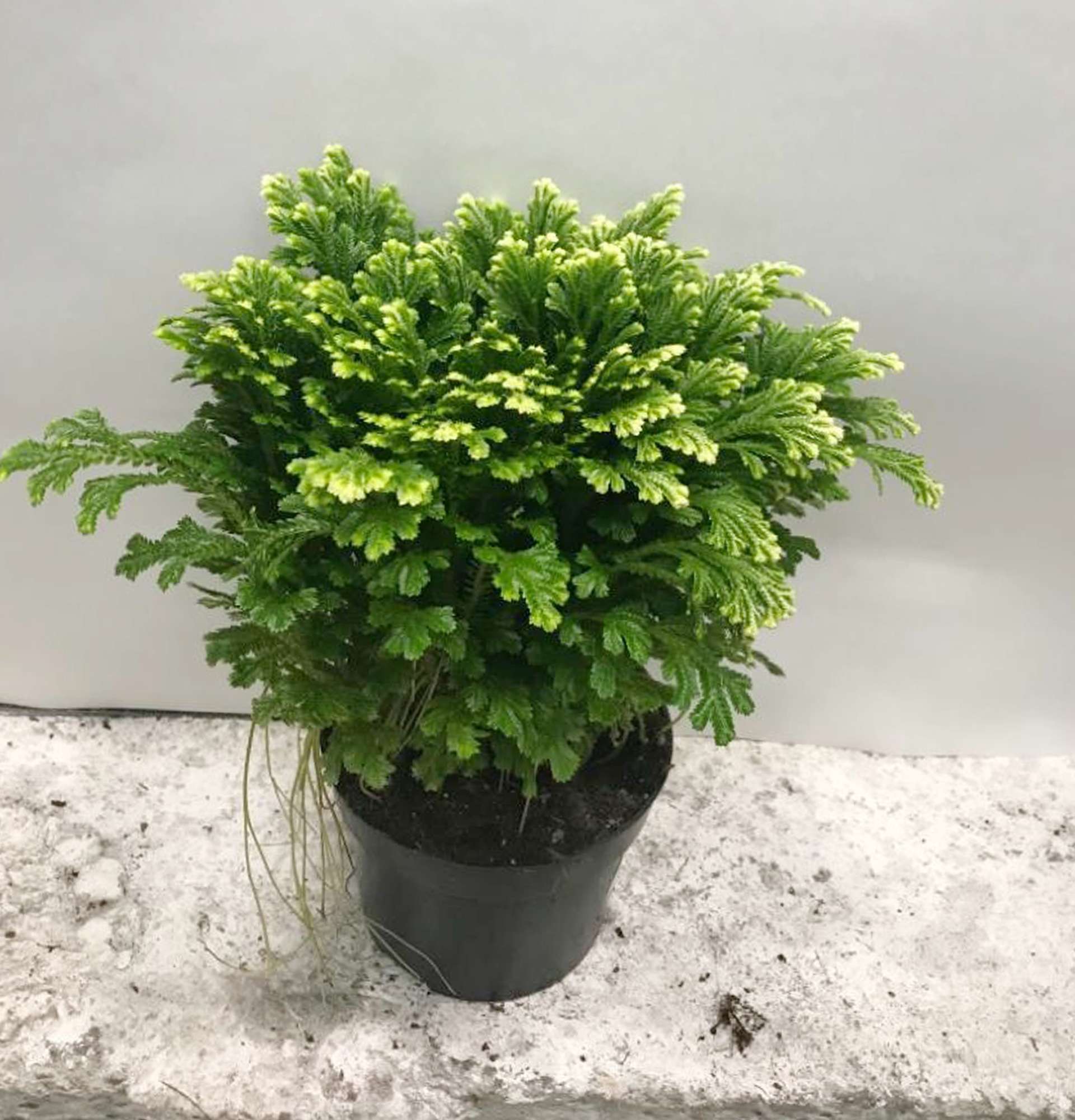
One of the most popular species, which is in demand for growing by flower growers in indoor conditions. An effective ground cover plant, the bush of which reaches a height of up to thirty centimeters. It mimics a miniature indoor fern with amazing fronds, which are covered with small, light green, two-row leaves that are tightly attached to the stems. The plant has aerial roots.
Selaginella martensii care for this heat-loving and moisture-loving tropical plant involves proper placement in bright areas with diffused light, regular watering, and maintaining a constant temperature.
Selaginella martensii is an excellent choice for a bright kitchen or bathroom, where it will thrive.
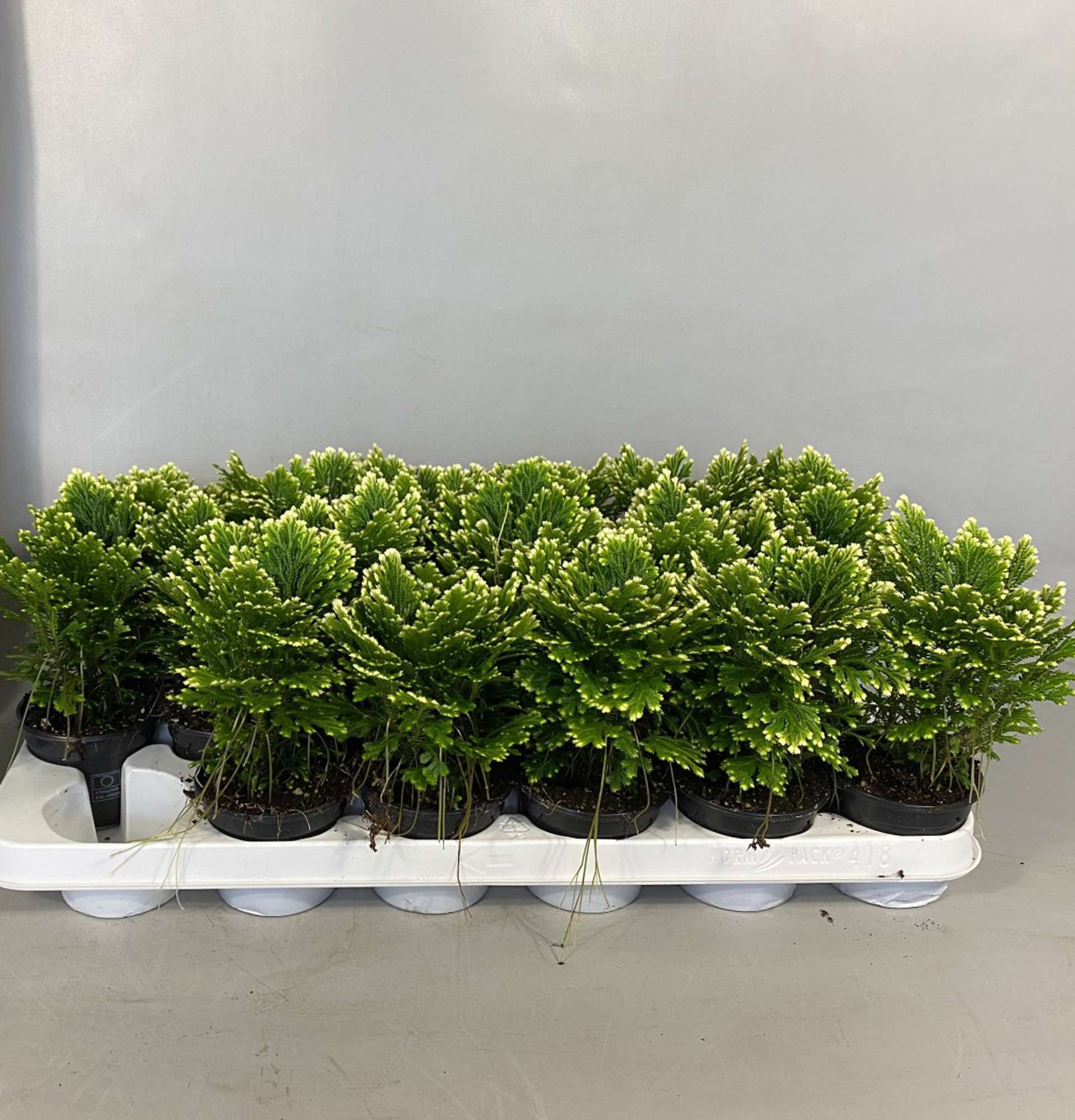
The very popular variety Selaginella martens 'Yori' or Selaginella 'Jori' has a particularly decorative appearance. It is a very compact plant, up to twenty centimeters high, with light green, straight stems that have a golden border. The surface of the leaves is decorated with white speckles.
Selaginella lepidophylla
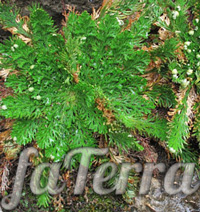 This amazing and unusual plant is most often found in the tropical deserts of Chihuahua in Mexico, which are its native habitat. In the hot, arid natural environment, the ground cover flower selaginella manages to adapt and survive, no matter what. In extreme conditions, the plant's life processes stop, and the lush, spectacular bush becomes a dry ball, waiting for favorable conditions, even if it has to wait for a hundred years. When the necessary moisture appears, the ball transforms. The stems, up to ten centimeters in size, come back to life – covered with small green leaves, and the flower becomes beautiful again. For this unique ability to regenerate, it is called "Jericho rose" or "resurrection flower."
The Jericho rose is a very hardy plant that adapts well to indoor growing.
Selaginella selaginoides
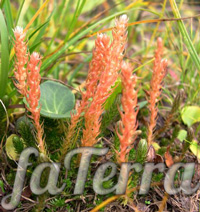 This very attractive flower has straight, low stems, up to ten centimeters high, on which thin, triangular, green, brown, or pink leaves are densely arranged. The stems branch profusely at the bottom, resembling ears of corn.
The places where this variety of selaginella grows are the Far East, Europe, Africa, and North America. Well-lit, mossy swamps with a mild climate are ideal for the beautiful growth of this delicate exotic clubmoss. This ground cover plant looks very beautiful in open areas in gardens and parks in temperate zones.
Selaginella apoda
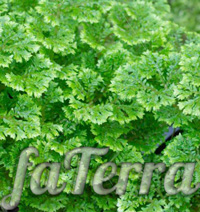 The native habitat of this low-growing, perennial herbaceous plant, which spreads on the ground and delights the eye with a dense, spectacular carpet, is Canada.
The height of this exotic wonder, which resembles a tufted moss, does not exceed twenty centimeters. The plant has short stems that are densely covered with very thin, emerald green, heart-shaped leaves with serrated edges.
In indoor floriculture, this unpretentious, effective, moisture-loving variety of Jericho rose has become popular since the twentieth century. It looks very beautiful in hanging pots as an ampelous plant.
Selaginella care in the home
The Jericho rose is a demanding and short-lived flower. But if you create the right care for this tropical wonder and provide a microclimate similar to its natural habitat, the indoor plant will reward you with a magnificent bush that will decorate any interior. The desire of the exotic plant for increased humidity is easily satisfied in terrariums, aquariums, bottle gardens, and greenhouses.
Choosing a location and temperature regime
East- and west-facing locations, where diffused sunlight falls, will be the most optimal for the Jericho rose. If the plant is on a north-facing window, the lack of light can be compensated for with LED lights and phyto-lamps.
Remember! Direct sunlight can harm the plant, and the clubmoss will lose its decorative appearance.
The ideal stable temperature for indoor clubmoss is between 18°C and 23°C. The minimum acceptable temperature is 12°C. The Jericho rose can tolerate short-term temperature fluctuations. The main thing is that there is no prolonged exposure to extreme heat or cold. These extreme conditions can quickly worsen the appearance of the leaves. The growth of selaginella slows down when the temperature drops below 18°C.
Remember! This heat-loving flower, selaginella, does not like drafts.
Humidity and watering
The queen of the tropics, the Jericho rose, loves high humidity in the room, more than 60%. You can regulate this level of humidity by regularly spraying the plant and the area around it, at least three times a day. You can also place a bowl of water near the plant or place the pot with clubmoss in a tray with wet pebbles or peat. Self-watering flower pots are also an ideal option for maintaining high humidity. The most interesting option for indoor selaginella is to create a "bottle garden," aquarium, or terrarium.
It is important to know! Dry air in a room with high temperatures is not suitable for clubmoss.
Selaginella care depends on high-quality watering. We take soft, settled water for three days and slightly warm it. You can control the quality of watering by the moisture content of the soil. Water should not stagnate in the pot. You can add water to the tray. In summer, we water more often, and in winter, every three days.
Important! The soil in the pot should not dry out, as this can cause the leaves to curl and die.
Soil and fertilization
Light and slightly acidic soil should be loose and well-drained. You can easily buy soil for selaginella or begonia in a flower shop. You can also prepare the substrate for this exotic guest yourself with peat, sod soil, wood charcoal, and chopped sphagnum moss. All ingredients should be taken in equal quantities. Disinfect the mixture by heating, steaming, or freezing. An interesting mixture would be: peat, loamy soil, and crushed pine bark in a ratio of 2:1:1.
In the autumn-spring period, every two months, we feed our indoor selaginella with liquid fertilizers diluted three times, which are intended for leafy-decorative plants. You can also feed the clubmoss with ready-made fertilizers for orchids. Do not forget to loosen the soil during feeding.
Transplanting selaginella
Clubmoss does not like frequent transplants. It is not necessary to stress it with this procedure unnecessarily. Spring transplanting, when the roots of the plant fill the entire volume of the pot, can be done no more than once every two years. At the bottom of a shallow, wide pot, it is necessary to put a thick layer of drainage, which can be small pebbles or expanded clay. We transplant the flower using the transshipment method. You can divide the bush into several parts, water it abundantly, and create a mini-greenhouse with a bag for better rooting.
The indoor Jericho rose loves regular loosening of the soil in the pot.
Propagation of selaginella
It is easy to propagate indoor clubmoss by dividing the bush, transplanting the plant. You can also easily propagate the plant with stem cuttings with aerial roots, about three centimeters long, in water or in well-watered soil. It is desirable to create a mini-greenhouse environment.
Diseases and pests
The indoor selaginella flower is quite resistant to pests, and these unpleasant uninvited guests rarely visit this exotic tropical beauty. Sometimes, the indoor clubmoss is visited by a spider mite in a too humid environment. When small insects are found on the curled leaves, covered with a thin web, it is necessary to immediately wash the flower with a soap solution or garlic tincture. If this does not help, it is necessary to treat it with an actellic.
Problems that may arise
- The leaves curl, and the tips of the stems dry out – the air in the room is too dry.
- The leaf plates darken, begin to die, and fall off – it is too hot in the room.
- The growth of the plant slows down, the stems turn brown and begin to rot – the temperature is too low.
- The shoots stretch out, and the leaves turn pale – the plant does not have enough light.
If you properly follow the growing conditions of this wonderful indoor tropical queen, this beauty will decorate any interior and delight its owners with its beautiful appearance for many years.
Write comments
Comments