



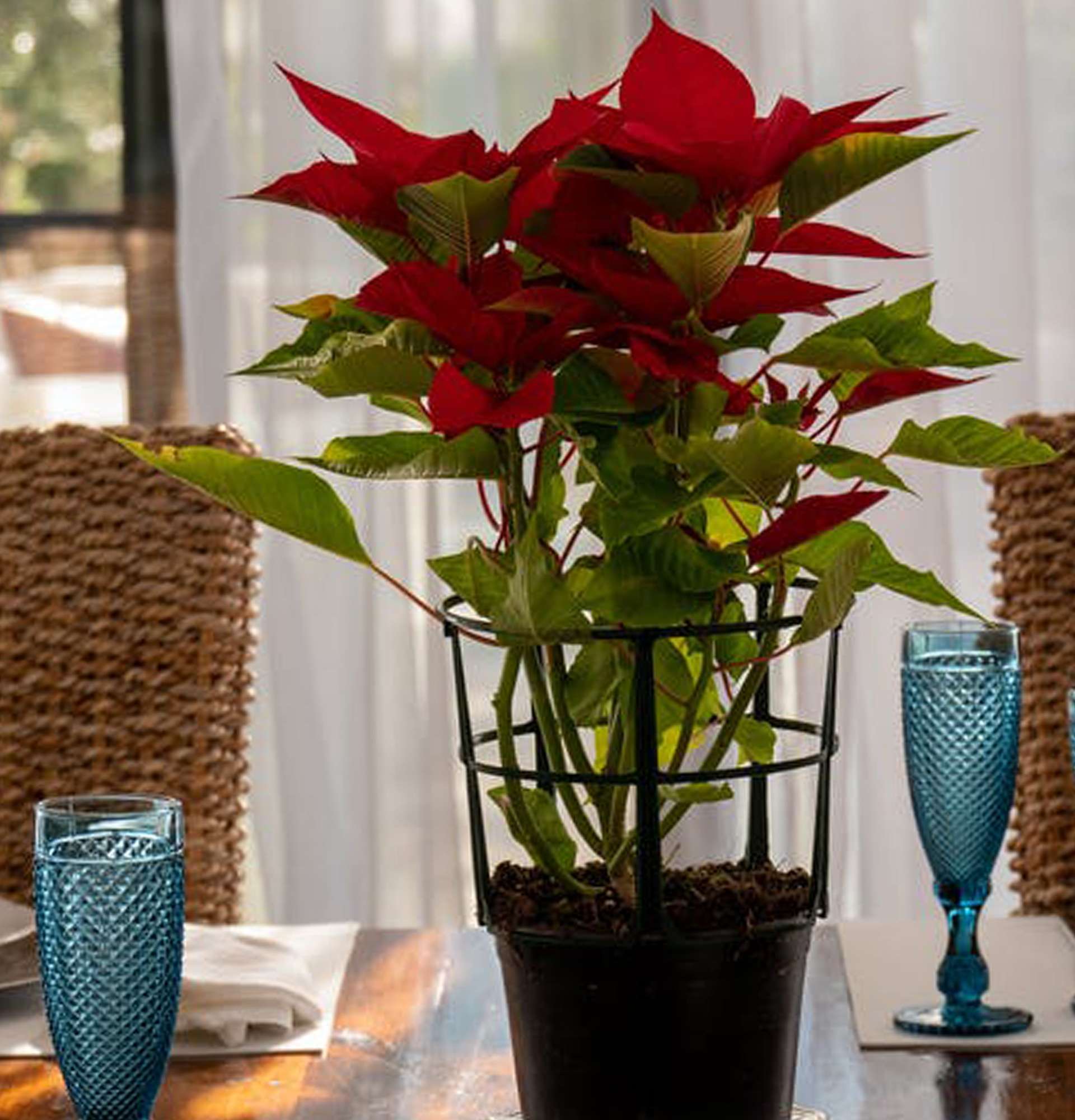
Latin name: (Poinsettia)
Category: perennial evergreen shrubs
Origin: Central America, Mexico
Poinsettia Christmas Star – the queen of the New Year holiday
Poinsettia (Poinsettia), or Euphorbia pulcherrima, is considered a representative of the genus Euphorbia in the vast family of Euphorbiaceae, which includes two thousand varieties of plants that have spread throughout the Earth.
The subtropics of Central America and Mexico are considered the homeland of the poinsettia plant.
Poinsettia flower is a very bright, colorful, beautiful evergreen perennial. In the wild, in the Mexican forest, the amazing and unique poinsettia plant can reach a height of four meters.
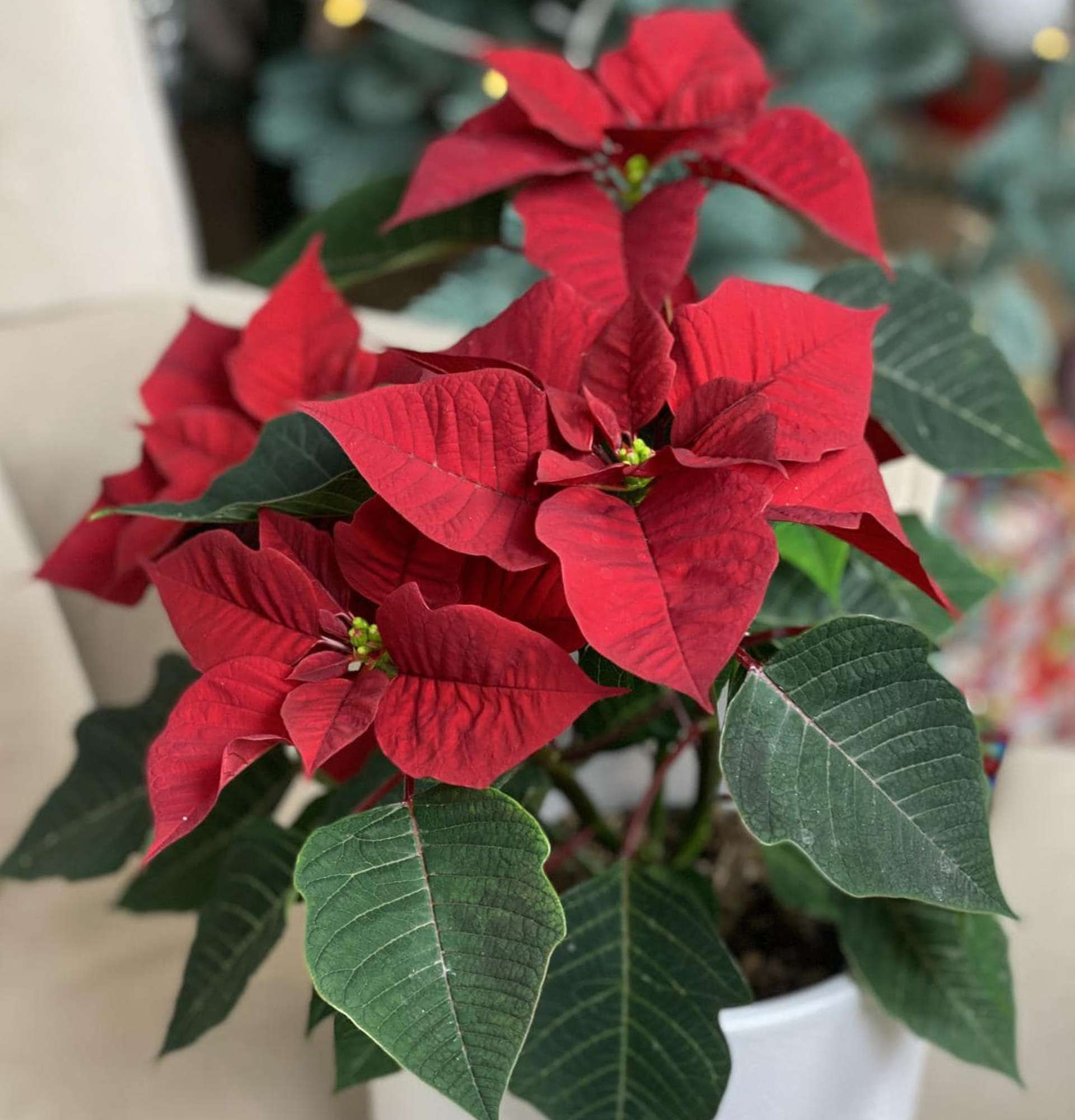
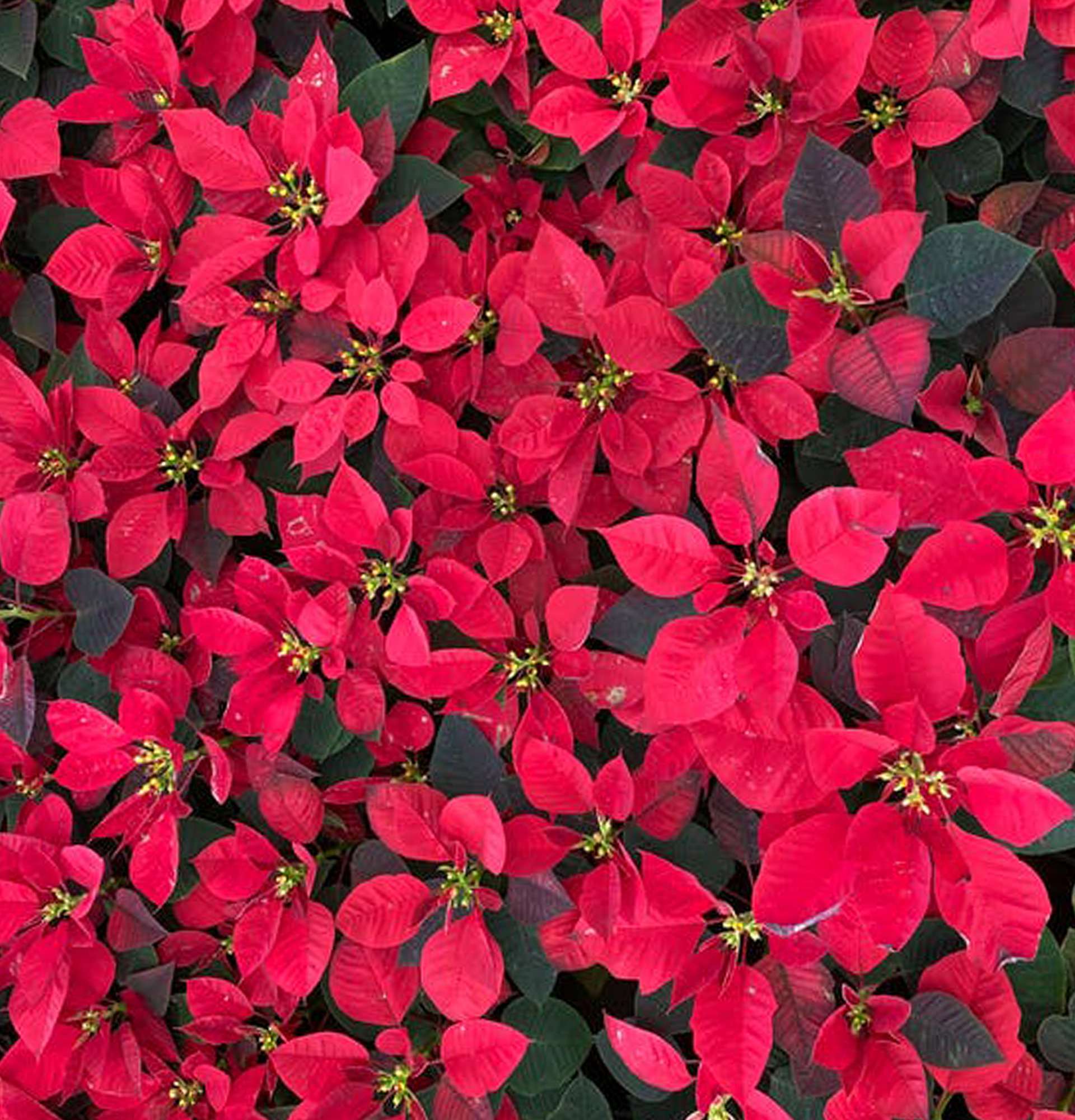
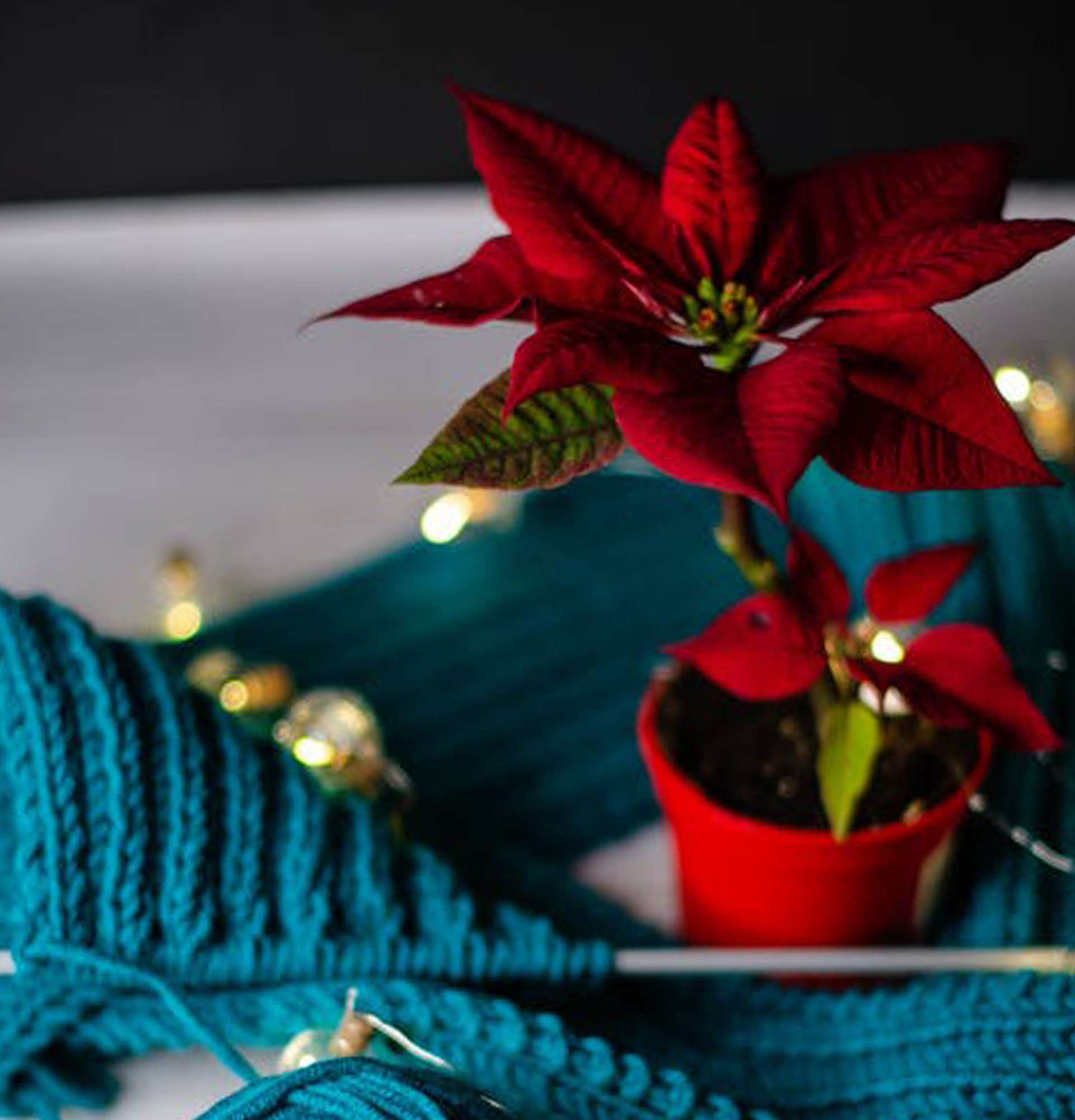
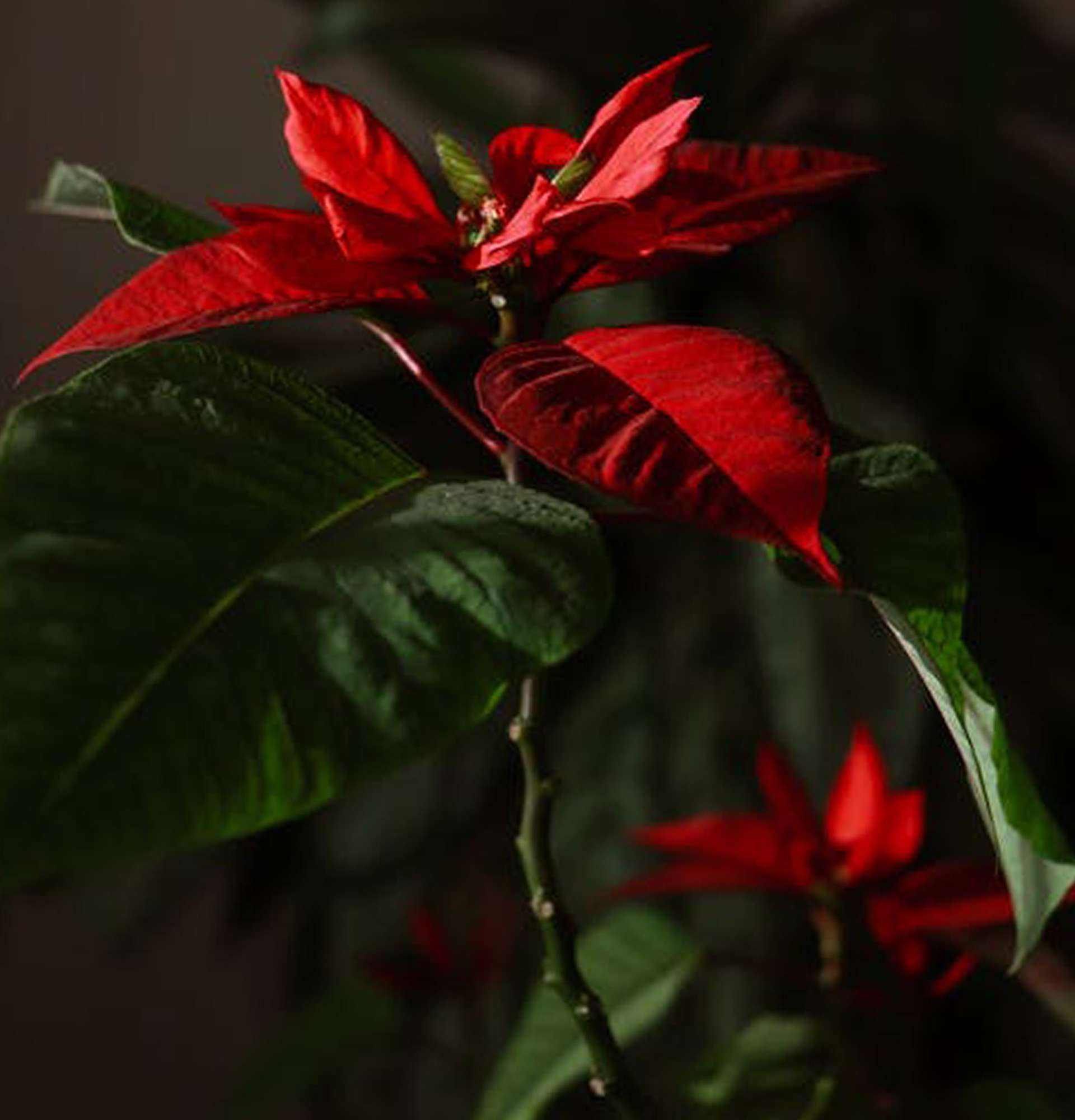
Indoor poinsettia does not often exceed half a meter in height. The Christmas poinsettia has fifteen-centimeter dark green leaves with serrated edges, and their shape resembles an ellipse. The flower is endowed with lobed roots and a dense crown. The indoor Christmas star plant pleases its owners during the winter holidays with inflorescence-rosettes. Small flowers of this wonder have a pale yellow hue and are framed by bracts of a rich red color.
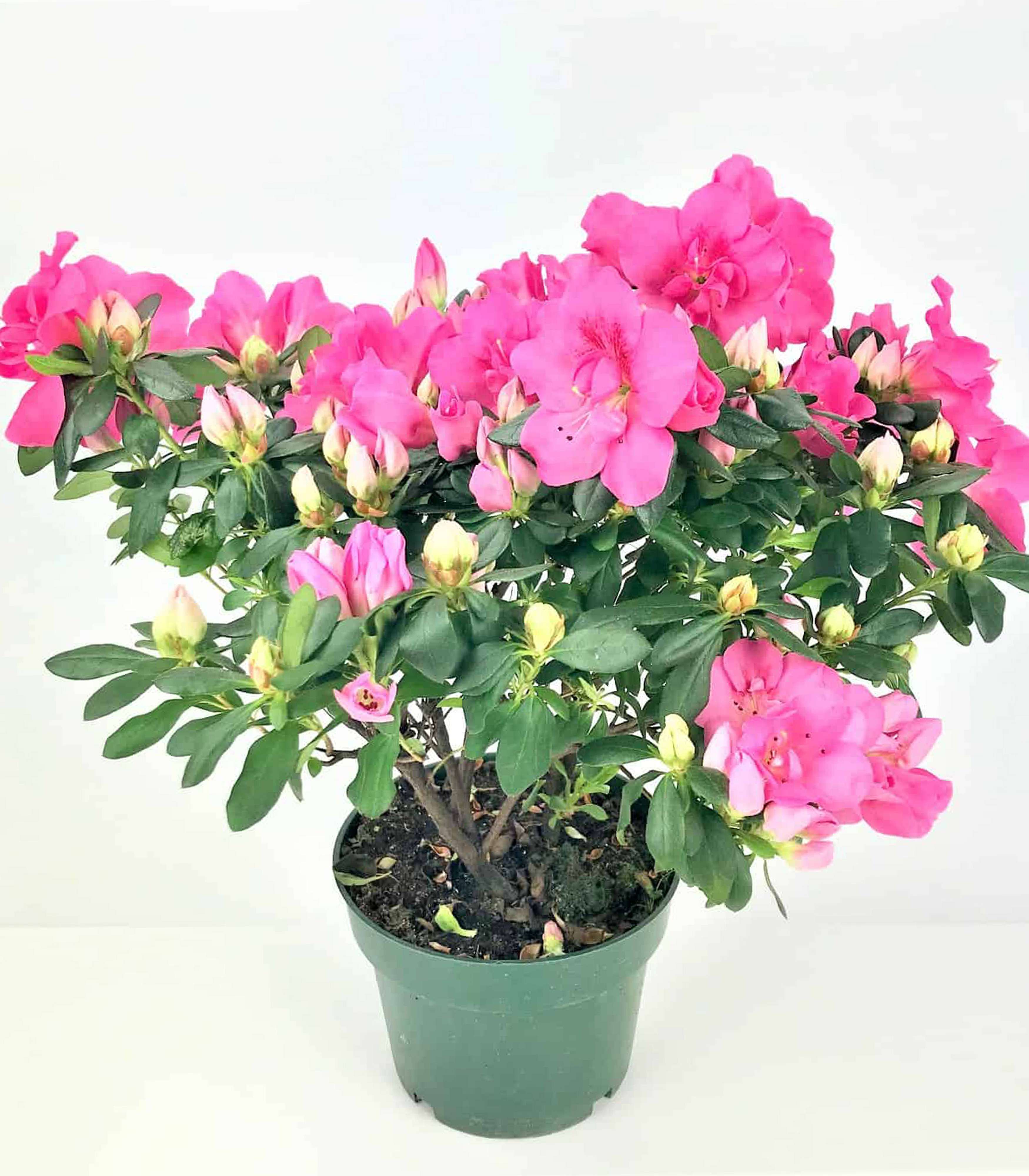
Poinsettia is a symbol of Christmas. Other bright and blooming plants during the winter period, which delight and amaze with their beauty, include azalea, schlumbergera, guzmania, vriesea, cyclamen.
The botanical name of the beautiful poinsettia was given by Joel Roberts Poinsett, the first Mexican Minister, who was fascinated by botany. He was very interested in and liked the beauty of the poinsettia, which he brought to the American Botanical Garden in 1825. This amazing plant became increasingly popular not only overseas but also in Europe, where it arrived in 1934. And the peak of the unsurpassed poinsettia's popularity is considered to be 1918, thanks to the florist Paul Ecke and his new variety "Oakleaf". A mix of poinsettias, planted with different varieties, will be a wonderful decoration for any interior.
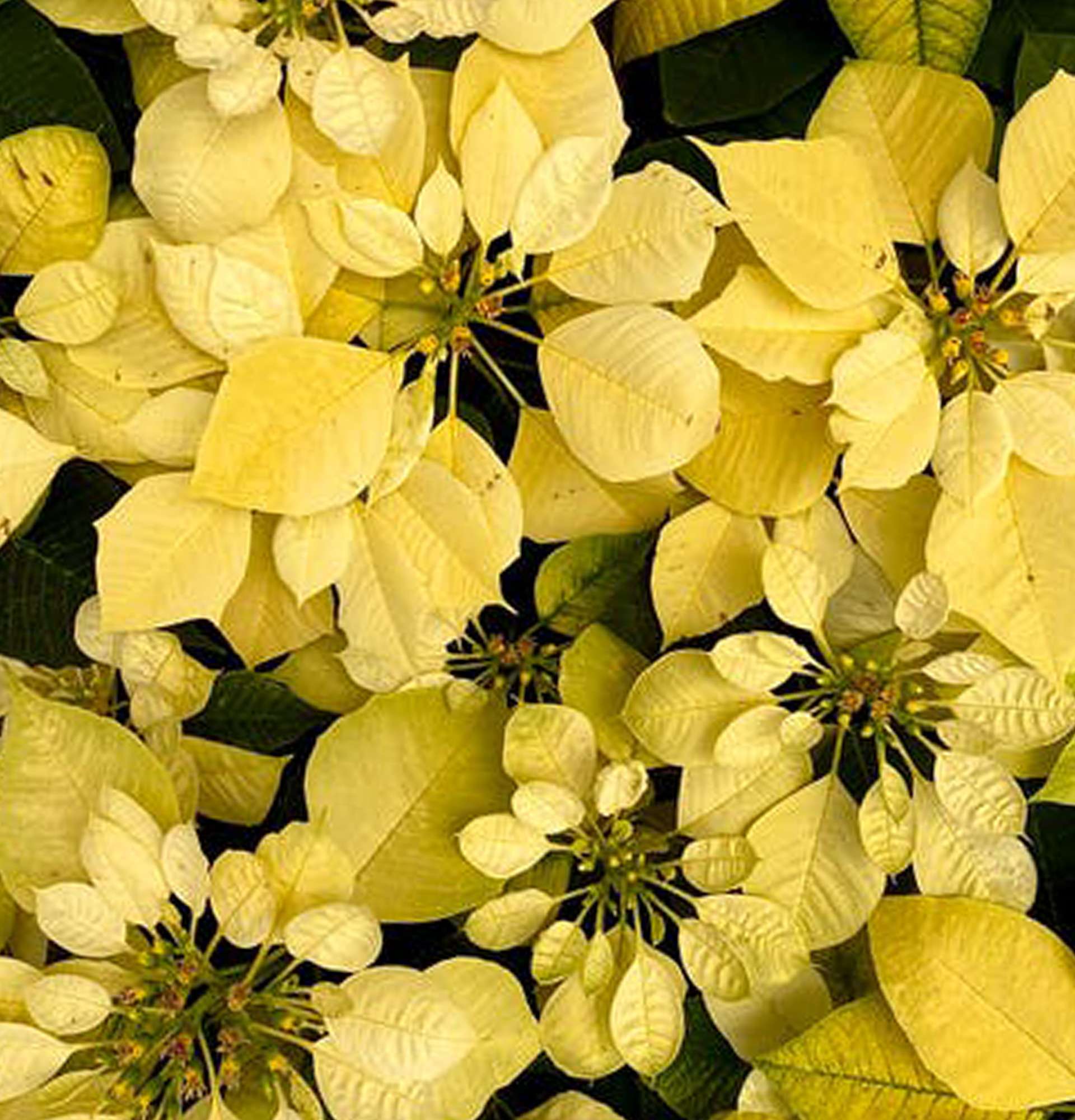
The painstaking and fruitful work of breeders has not gone unnoticed. Unlike the wild, bright red representatives of this wonderful plant, new varietal varieties have been bred that have white, pink, yellow, and even two-color bracts.
Poinsettia species and varieties
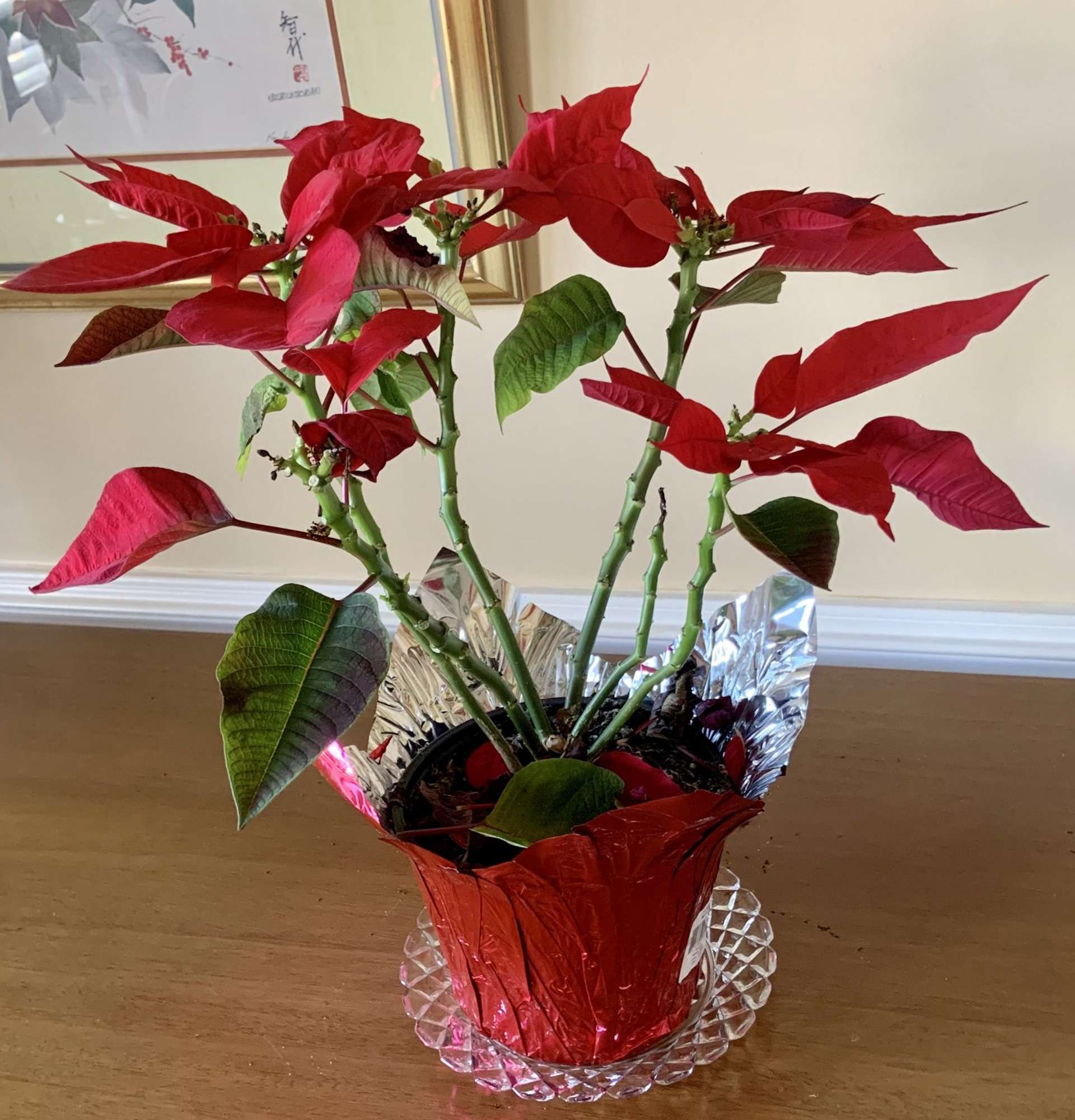
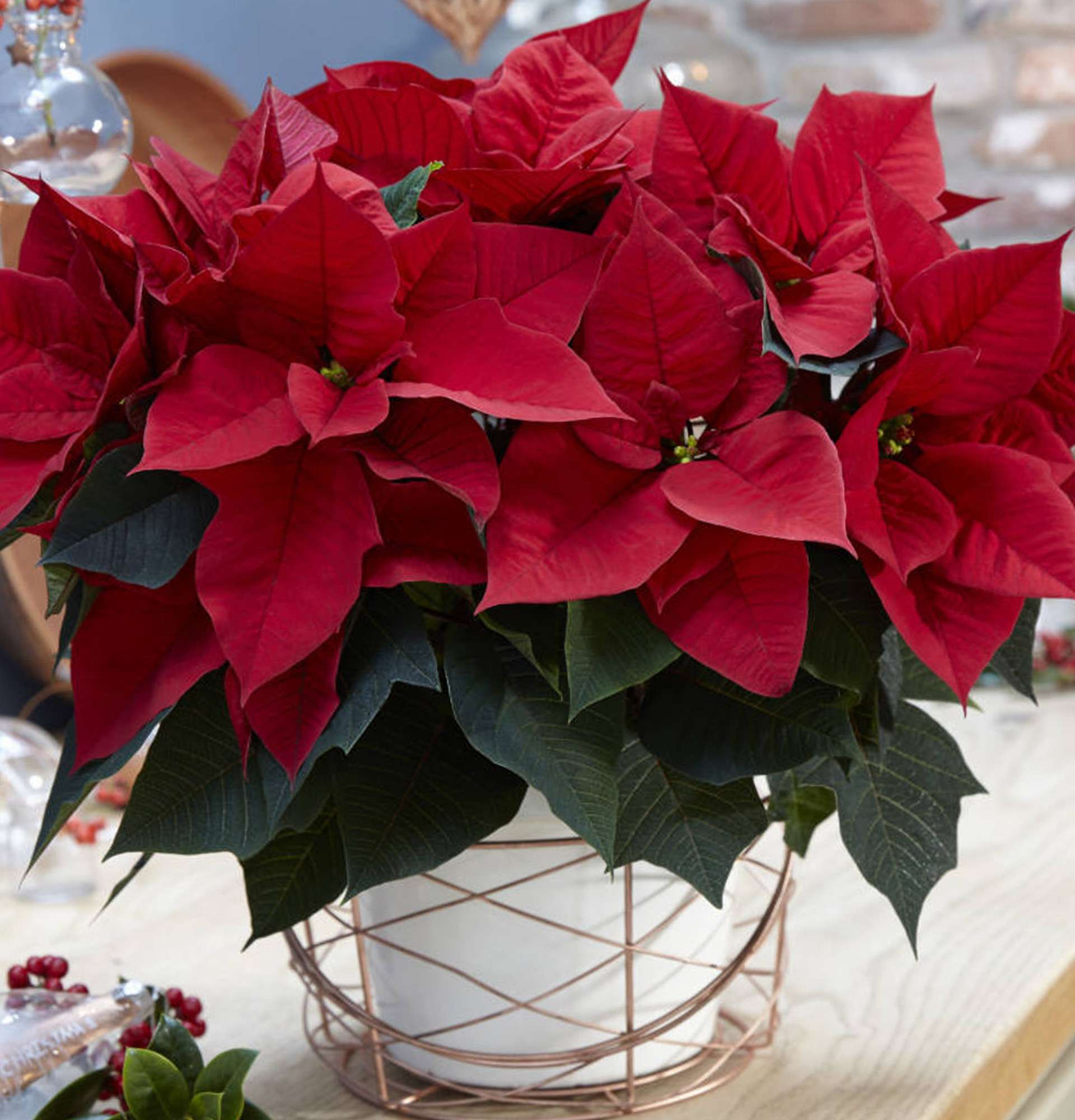
Red Poinsettia
Poinsettia Premium Red
 The Premium Red poinsettia with its bright red bracts can be considered an indispensable decoration for Christmas holidays. The central part is yellow-green. The leaf plates are pointed, wide, and lanceolate in shape. The poinsettia in a pot looks very beautiful.
 Poinsettia Cortez Red is a very interesting bush that attracts with its solemnity due to its red bracts. As the leaf plates grow, original veins of a dark green hue appear on them.
Poinsettia Cortez Burgundy
 For flower lovers who prefer rich shades and concise forms, you can purchase a very elegant and memorable variety – the Cortez Burgundy poinsettia. The apical crimson bracts decorate the beautiful bush.
Poinsettia most beautiful (Euphorbia pulchrrima)
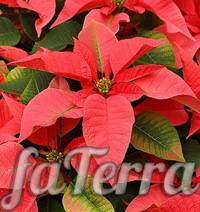 This variety has original apical red bracts that frame not very attractive creamy yellow flowers. The indoor plant can grow up to fifty centimeters in height. Large leaves with pointed ends, similar to maple leaves, are located on straight, hollow stems.
In the wild, this is a one and a half meter tall evergreen shrub.
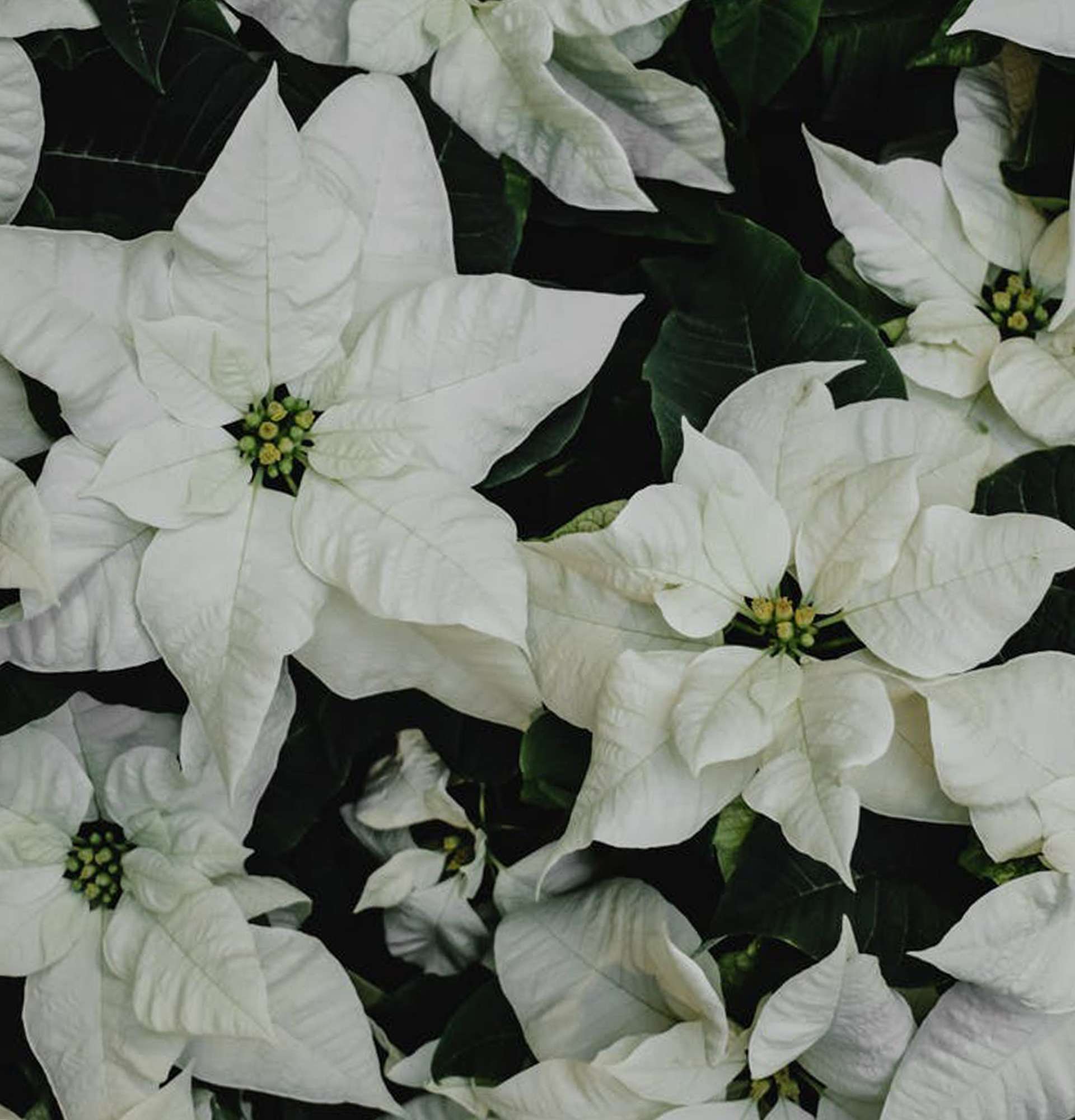
White Poinsettia
Poinsettia White Star
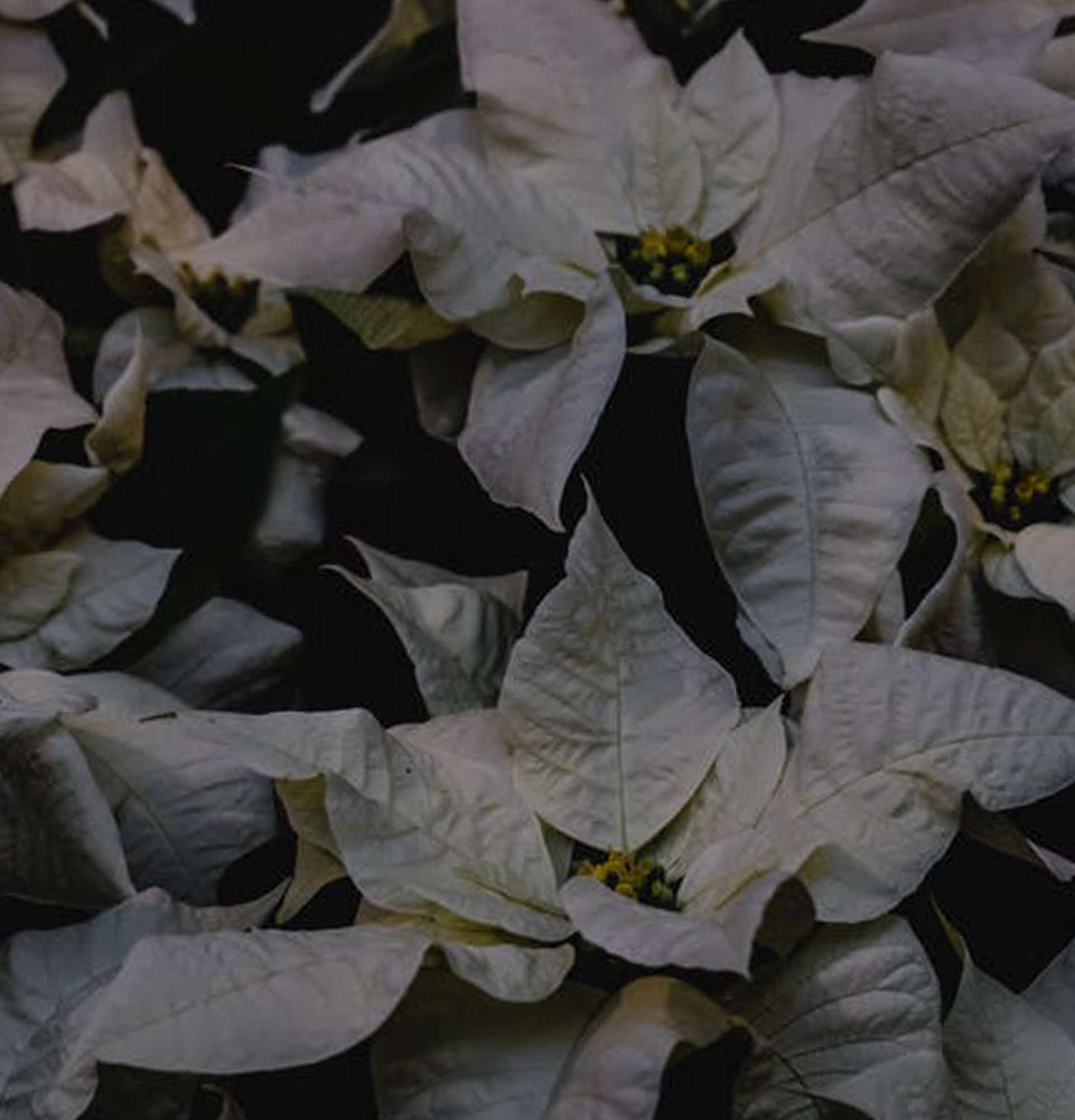
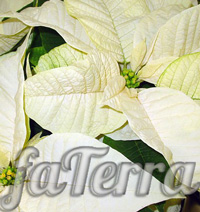 This variety, which has dazzling snow-white bracts, is wonderful and unsurpassed.
Poinsettia Winter Rose White
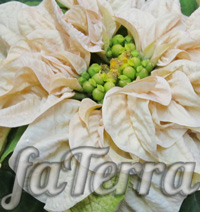 These are amazing and unique bushes with small green inflorescences, which are surrounded by fluffy white-milk bracts.
Poinsettia Sonora White
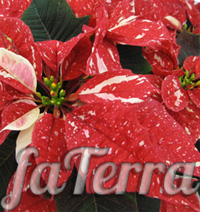 This white beauty can be considered very beautiful, exquisite, and incomparable with other poinsettias.
Many varieties with pure white bracts decorate and improve the interiors of offices and other public spaces.
Poinsettia care in the home
It is not difficult to grow a beautiful indoor plant. It is necessary to know how to care for a poinsettia flower. It is necessary to create comfortable conditions for it, trying to bring them as close as possible to natural ones. The care of the Christmas star flower in indoor conditions has its own characteristics, and the recommendations for improving the quality of cultivation, with the condition of obtaining a flowering indoor plant, will be considered in more detail.
Choosing a place and temperature regime
The Christmas star poinsettia, which loves sunlight, does not really like to be under its scorching rays, which can burn the delicate leaves. The most optimal places for an indoor plant will be west- or east-facing windows with access to bright, diffused light. In the warm off-season, the indoor Christmas star will gladly be in the fresh air in the garden, on the loggia, or on the balcony. Ventilate the room where the flower is more often.
Attention! Indoor poinsettia does not like drafts, and in winter, do not place the flower near heating radiators.
Acceptable temperature indicators for the successful cultivation of poinsettia will be a range of 15°C to 25°C. It blooms beautifully with a gradual decrease in temperature to 16°C, and the period of rest is within 13°C.
Remember! Sharp temperature changes negatively affect the growth of poinsettia.
Air humidity and watering
Indoor poinsettia needs high air humidity, at least 70%. This can be achieved by regularly spraying the plant itself and the areas near it with warm, settled, filtered water. Flower pots with automatic watering will be a very suitable option for maintaining high humidity.
And now let's consider how to water the poinsettia? Moderate watering with soft, warm water as the soil mixture dries out about one and a half centimeters. The approximate summer watering period is twice a week, and in autumn and winter, the intensity of watering is reduced to once a week. We monitor the condition of the soil.
Important! Both overwatering and drying out the soil can harm the plant.
Soil and its feeding
The soil mixture for indoor poinsettia should be water- and air-permeable with a pH of 5.6-6.5. The mixture should include turf, leaf soil in three parts, and peat and sand in one part.
Main! A good drainage layer is necessary for the flower.
Summer feeding of poinsettia with mineral fertilizers every two weeks will positively affect the growth of the plant. With the onset of autumn, you can use liquid fertilizers that are intended for beautifully flowering plants. You can use fertilizers that contain potassium and biohumus. In winter, the plant is not fertilized.
Poinsettia pruning
To form a beautiful bush, the indoor plant must be pruned twice a year. Spring pruning is done to a height of 15 centimeters. The next pruning is needed for the transplanted poinsettia to remove weak shoots.
How to repot a poinsettia?
After pruning, the plant is repotted in the spring, transferring it from the old pot to a new one, which is slightly larger. Do not compact the substrate too much. Cover the bottom with a layer of drainage.
Christmas star flower propagation
The answer to the question: how to propagate poinsettia is not difficult at all. This process is very easily carried out using apical cuttings in the spring. Cuttings up to ten centimeters in size with the lower leaves removed are kept in water for twenty minutes to remove the milky sap. We plant them in moist soil, create a mini-greenhouse environment with a temperature of 25-28°C. With regular ventilation and spraying, rooting occurs within three weeks.
Interesting! The rooted indoor poinsettia will delight you with its flowering in a year.
How does poinsettia bloom?
You can admire the blooming poinsettia in the cool period of the year, starting in mid-autumn and ending in mid-spring. Not very original small flowers form small inflorescence-rosettes that do not attract much attention. The main beauty of the poinsettia comes from the bright and colorful large star-shaped bracts of red, pink, yellow, and white colors. And how to make the poinsettia bloom? To do this, you need to follow all the conditions of cultivation, as described above. In the autumn period, for ten weeks, the plant is kept in a dark place to help the flower form new flower buds and beautiful bracts.
You need to be careful in communicating with your indoor pet. After all, your amazing and unique poinsettia is poisonous. You should be careful when the milky sap appears, which can negatively affect the health of people, causing vomiting, nausea, fever, allergic reactions, dermatitis, indigestion, or diarrhea. It is advisable to use personal protective equipment.
Whether it is possible to keep a poinsettia at home is up to each flower grower. After all, this indoor plant has its advantages and disadvantages.
The benefits and harms of poinsettia are known, so it is advisable to familiarize yourself with these properties before purchasing. This beauty has unique properties related to cleaning the surrounding areas, eliminating negative manifestations, and being able to bring joyful news to the house.
The Christmas star flower omens associated with it are mostly positive. This wonderful indoor flower helps to resolve conflicts in the family, strengthens the relationship between young couples, and can predict the early arrival of a baby. Poinsettia omens and superstitions indicate a deterioration in family relations if the flower begins to wither. The plant perfectly feels negative moments – disagreements, sadness, illness.
Poinsettia pests and diseases
Violation of growing conditions can lead to the spread of aphids, spider mites, whiteflies, or mealybugs on the flower. You can use a soap solution, and then rinse the flower in the shower. If there is no positive result, the unwanted guests should be fought with insecticides. You need to buy "Aktellik" or "Carbophos".
Difficulties that arise during cultivation
- Why does the poinsettia wilt? The plant needs to be watered.
- Why does the poinsettia lose its leaves? The temperature in the room is too low, and the lighting is poor.
- Why does the poinsettia not bloom? The plant is watered irregularly, and the air in the room is too dry.
- Why does the poinsettia not turn red? The indoor plant lacks light, and it is too cold in the room. The poinsettia does not turn red if its location is changed during the period when the buds were forming, which caused the flower a lot of stress.
If you follow the cultivation rules carefully, then the wonderful and unique indoor Christmas star will delight you and become an excellent decoration for the interior. How to care for a poinsettia is described in detail in the article. You can also learn about other interesting flowers by opening the catalog of indoor plants from A to Z.
Write comments
Comments
Света