



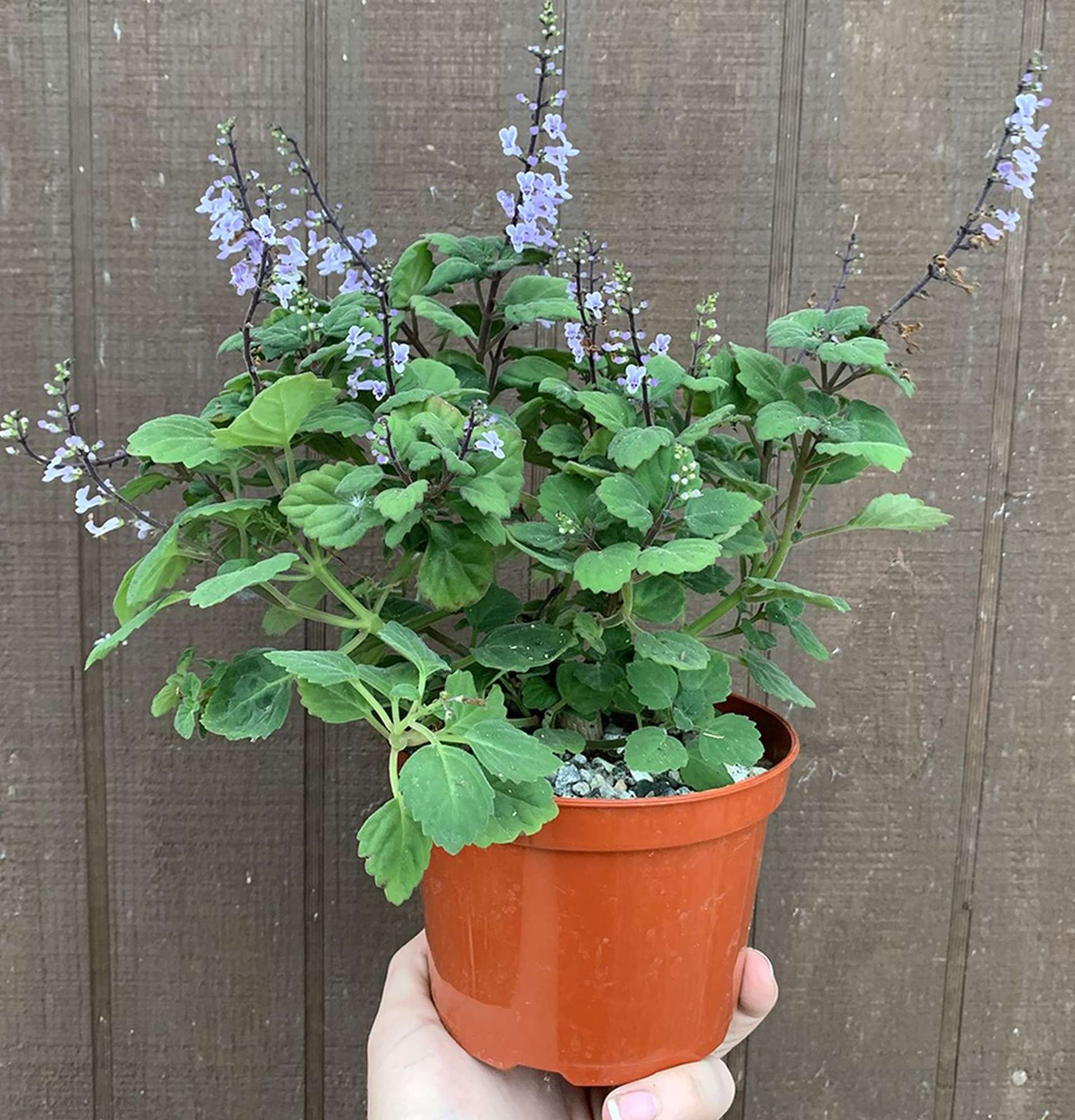
Latin name: (Plectranthus)
Category: annual and perennial herbaceous plants, semi-shrubs
Origin: South Africa, Australia, New Caledonia, India, Japan.
Elegant and delicate plectranthus
Plectranthus is a genus that includes about three hundred plants, consisting of perennial and annual evergreen species, represented by shrubs and semi-shrubs. It occupies a prominent place in the Lamiaceae family.
The genus name is derived from the Greek words "plectron," meaning "cock's spur," and "anthos," meaning "flower." Thus, it came to be known as spurflower. This pleasant and beautiful plant also has other names. It is called "fly repellant," "nettle," "cock's spur," or "molne tree." Scandinavians call the plectranthus flower "Swedish ivy."
The native habitat of this interesting and charming indoor flower is the subtropical regions of South Africa, near the Limpopo River. From there, plectranthus easily spread throughout the Southern Hemisphere. It also thrives on the island of Madagascar, the archipelago of the Pacific Islands, Australia, and India.
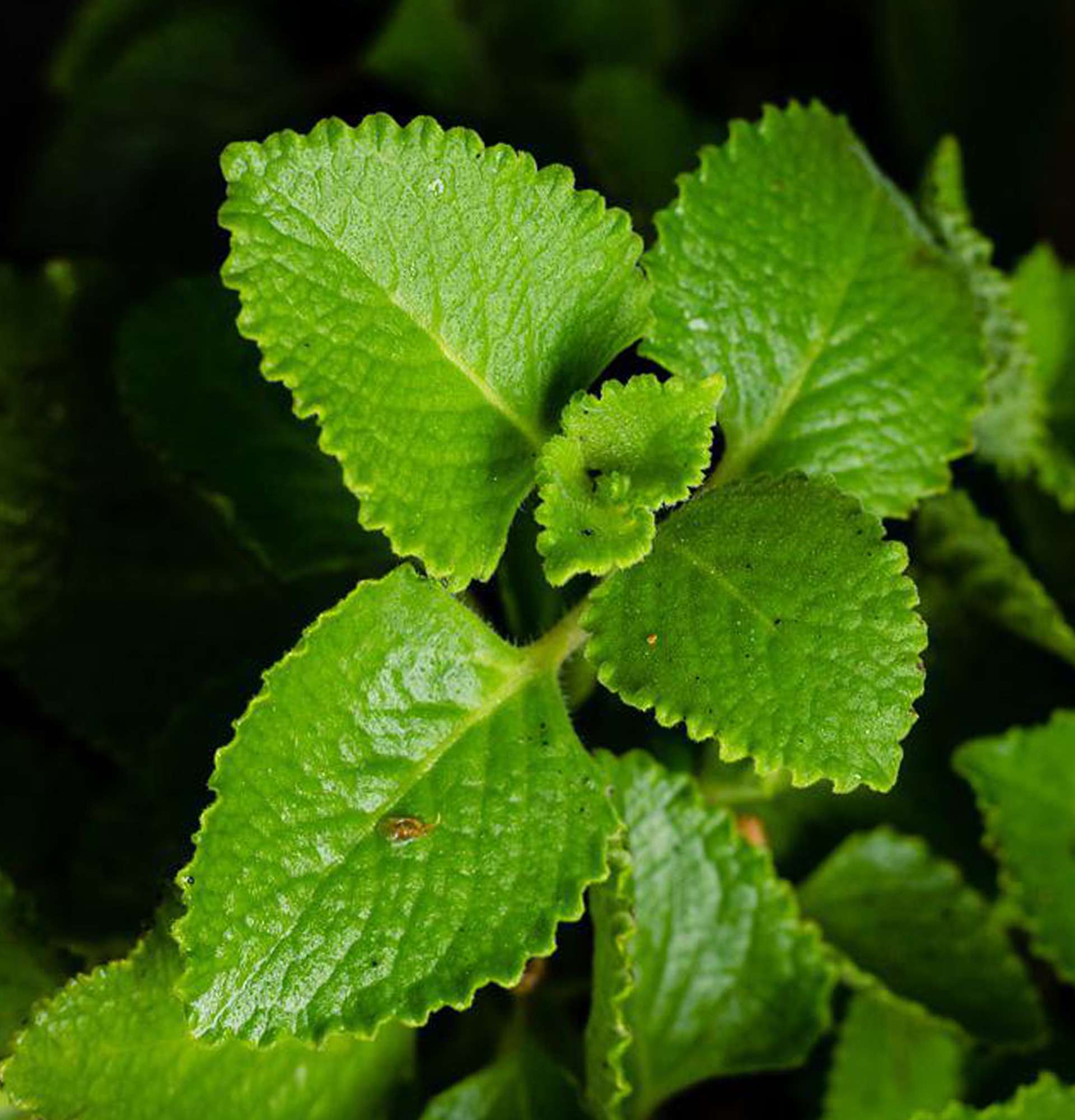
Mint plectranthus is an evergreen, fast-growing, herbaceous ornamental flower that reaches a height of one meter, with erect or semi-erect, stiff, four-sided stems. They are adorned with opposite, dense, and entire leaves, the edges of which are serrated, and the shape is rounded or elliptical. When the integrity of the leaf is compromised, a minty-lavender scent can be immediately detected. This mint oil aroma is also emitted by peppermint.
This scent is disliked by harmful insects, including moths.
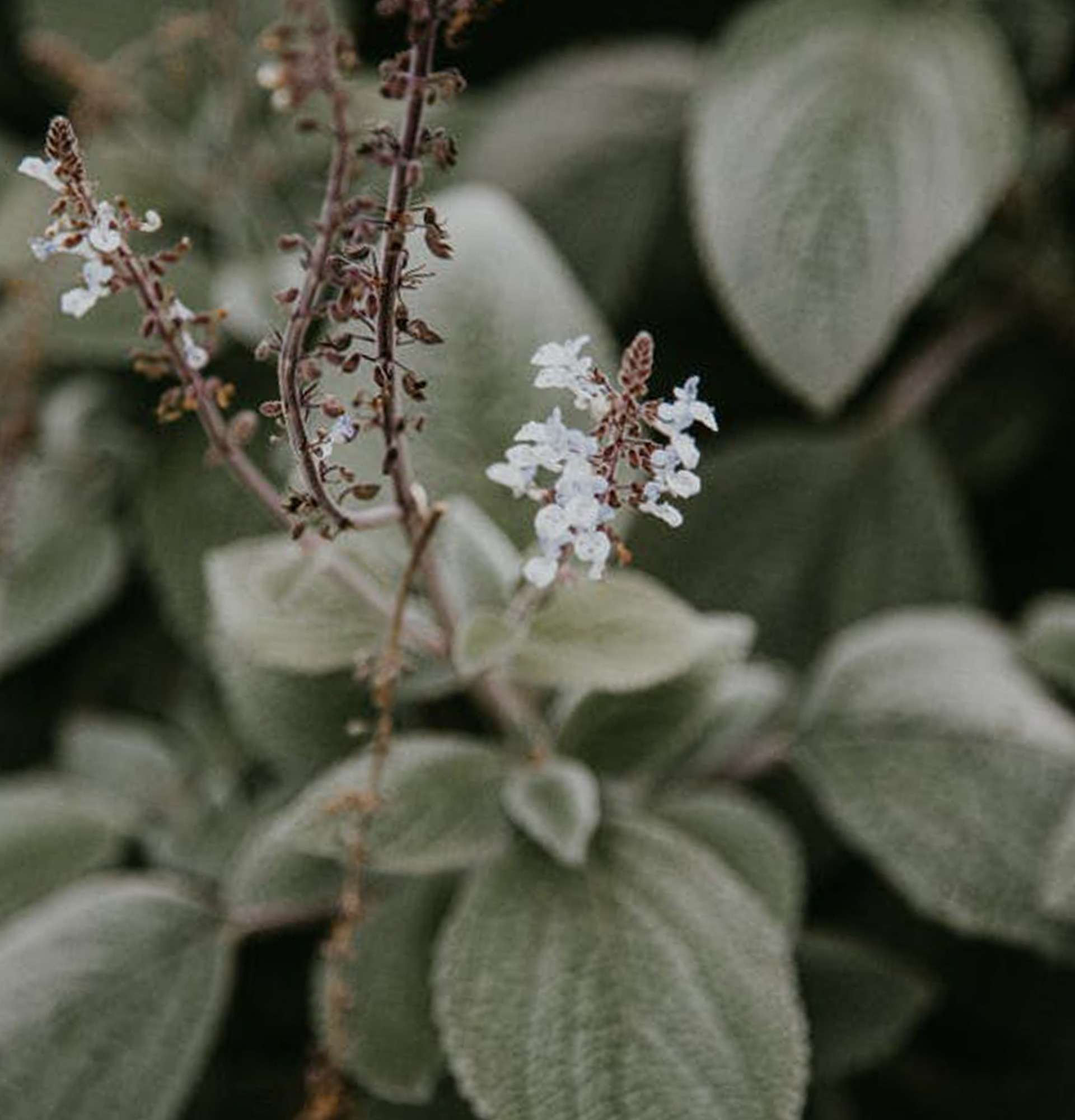
In the spring, small, pale flowers appear on the ornamental plectranthus. Their color palette is diverse – white, purple, blue, and lilac. They rise on tall, leafless flower stalks in the form of loose inflorescences, resembling umbrellas.
Plectranthus photos can be viewed and admired for their unusual beauty in the following sections of the article.
Plectranthus species
Fragrant Plectranthus (Plectranthus amboinicus)
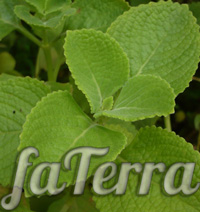 Africa is the homeland of this flower with fragrant leaves. Natural conditions allow fragrant plectranthus to reach a height of two meters. On the four-sided, purplish-green shoots, leaves are arranged in opposite order on pubescent petioles, shaped like a heart or ellipse, with a blunt or rounded apex. The fragrant spurflower blooms with white, lilac, or purple bell-shaped flowers that form inflorescences.
Plectranthus "Mona Lavender" (Plectranthus Mona Lavender)
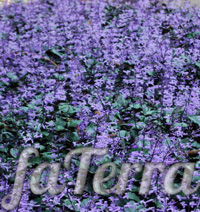 The popularity of this hybrid variety, developed by breeders in the 1990s, continues to grow. This indoor mint looks like a shrub and has extremely beautiful and original inflorescences, composed of large, tubular, lavender-colored flowers with a striking bluish hue.
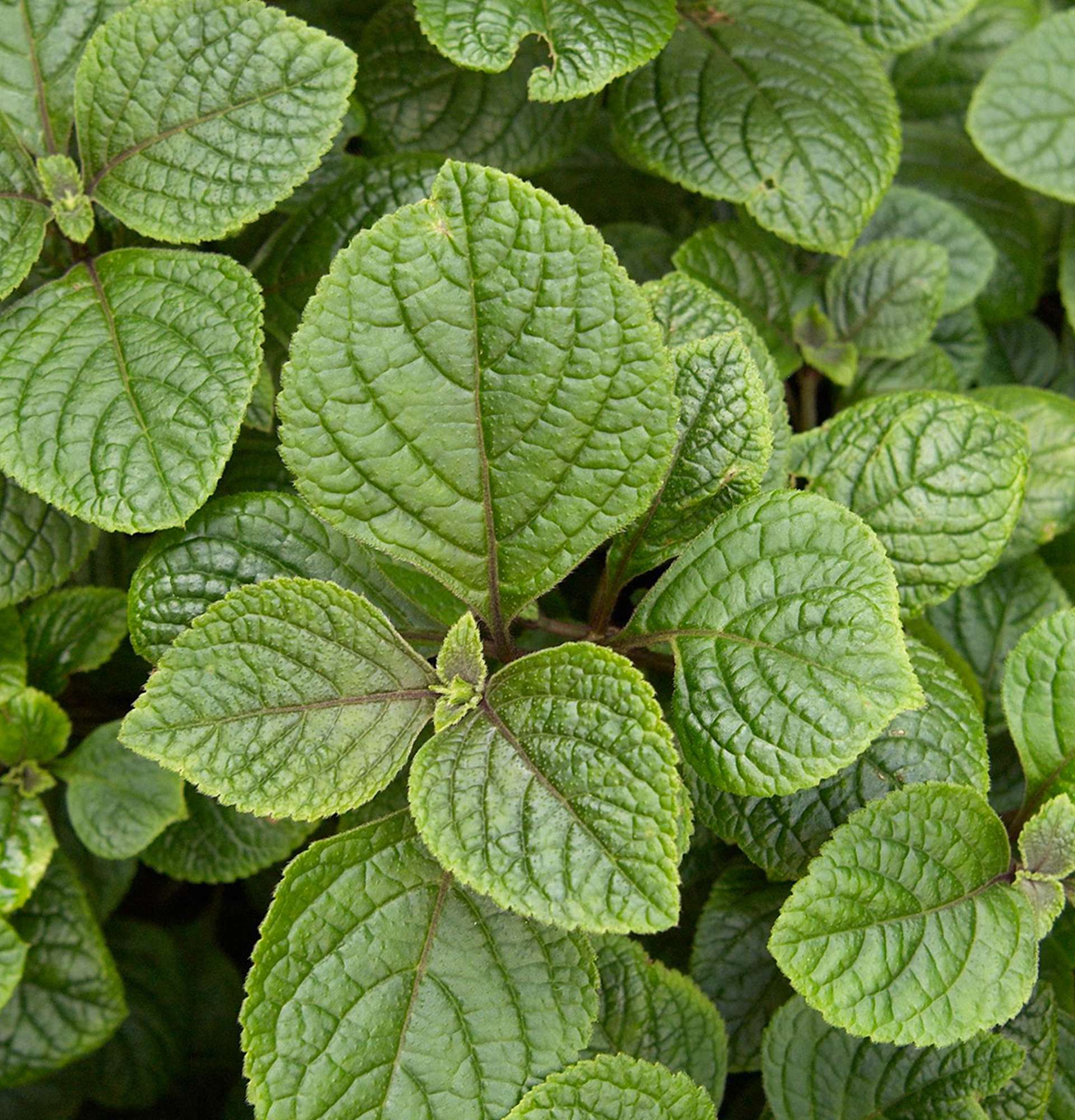
The brown-brown stems of this ornamental plant are populated by large, ovoid, dark green, glossy leaves. The underside has a velvety texture with a purple tint. Lavender plectranthus is very attractive and can be a decoration for offices, apartments, botanical gardens, and greenhouses.
Southern Plectranthus (Plectranthus australis)
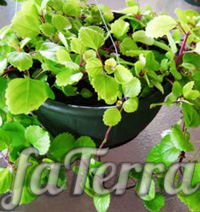 This amazing plant is completely unlike other varieties; it is also called whorled plectranthus, coin plant, Swedish ivy, or trailing plectranthus. These pots have bright green, glossy, smooth leaves on all sides, with rounded serrations along the edges. The decorative and original appearance of the leaves is enhanced by an illusory waxy texture. It has weak stems that reach a height of ten centimeters in an upright position and then droop and hang beautifully. With proper pruning, a dense crown of any shape can be obtained, resembling a green cloth on which sparse, small, inconspicuous white flowers occasionally appear.
Trailing plectranthus is used to decorate any living space.
Interesting! Whorled plectranthus differs from its relatives in the absence of strong odors.
Coleus-like Plectranthus (Plectranthus coleoides)
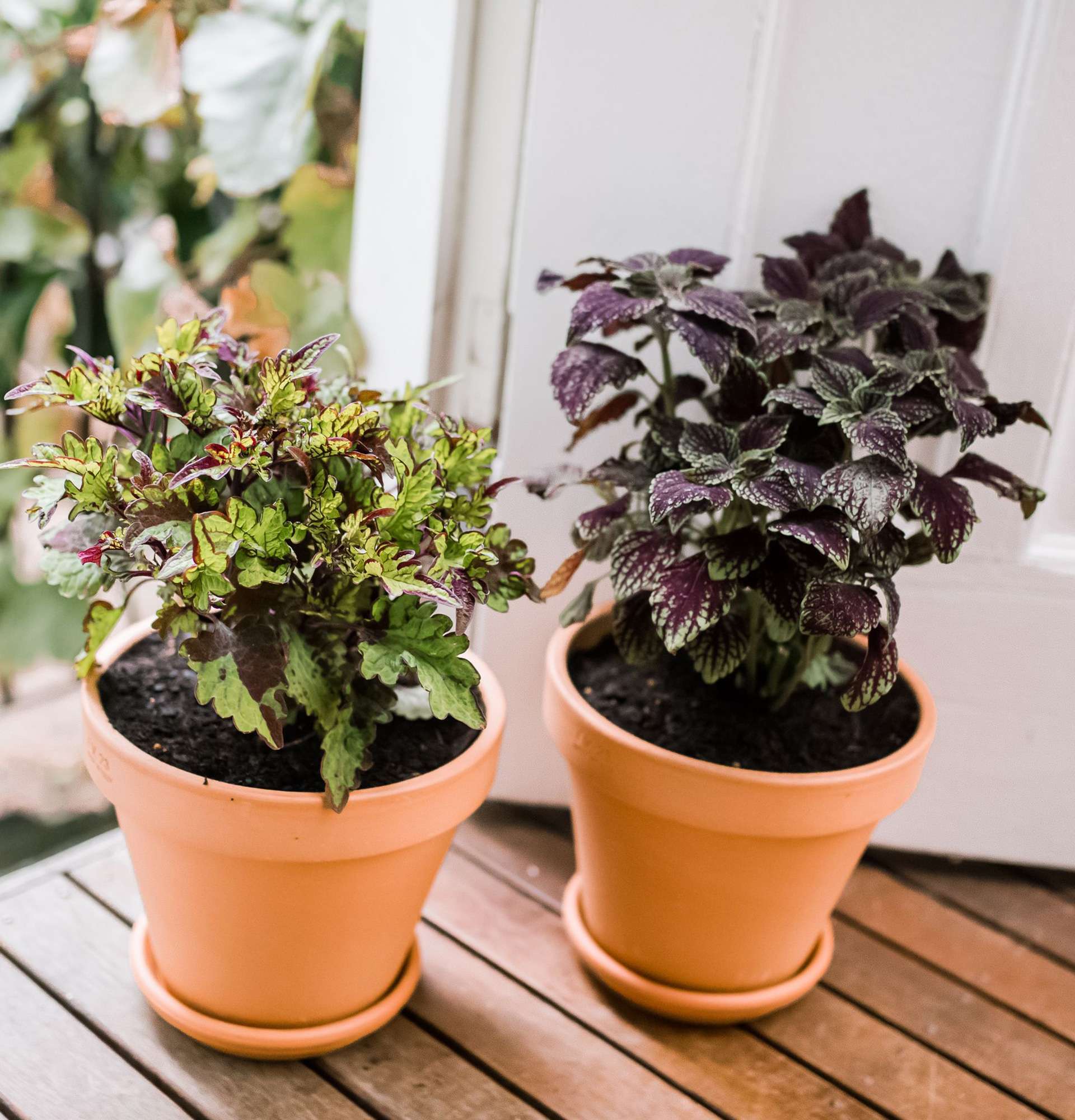
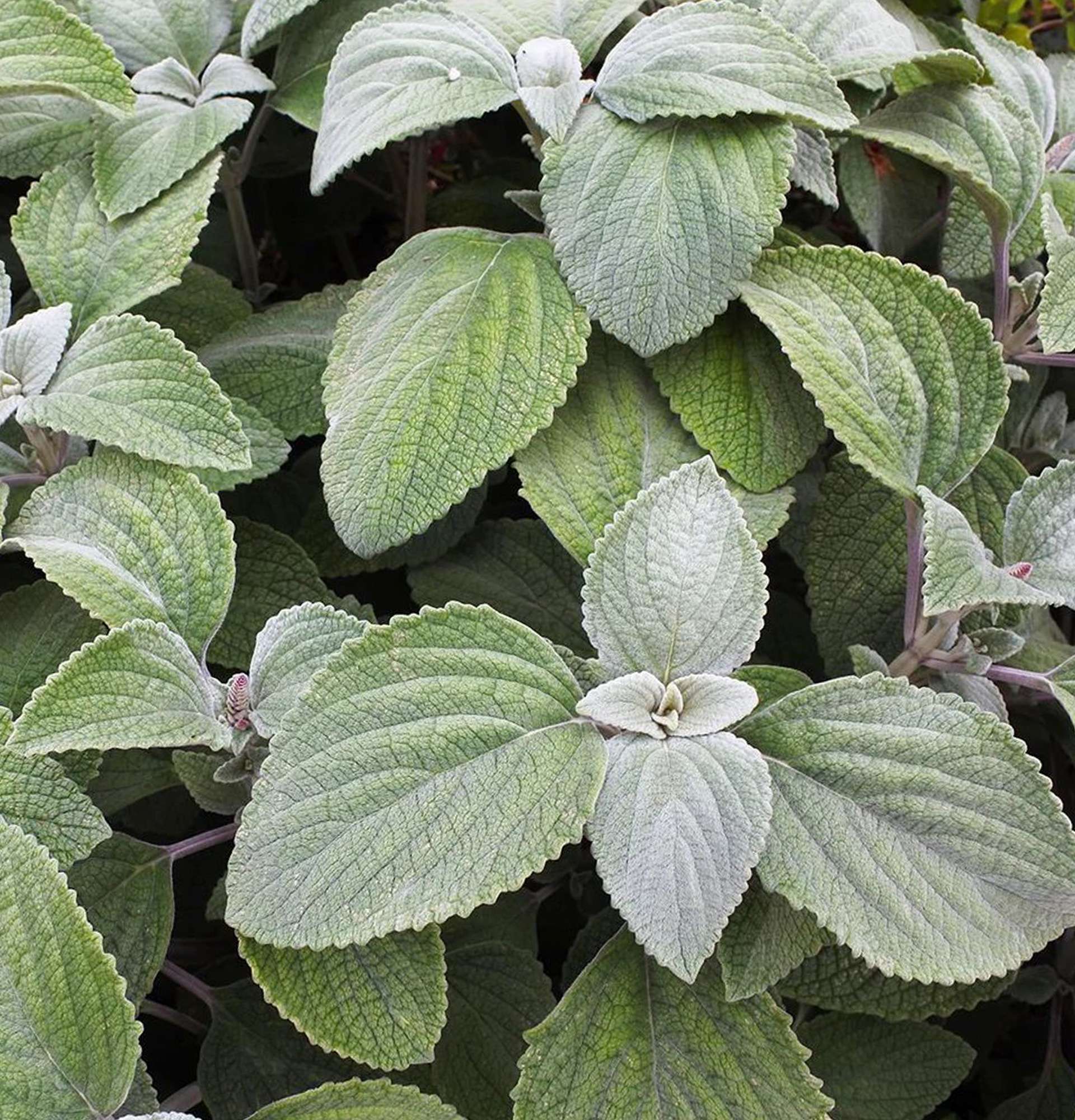
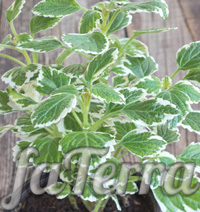 This species of indoor mint can be considered the most interesting for home cultivation. Large, eight-centimeter, very fragrant, velvety, elliptical leaves with serrated edges and a light green hue are arranged on fluffy, four-sided stems. The height of the plant can reach one meter. Due to its very strong, specific minty aroma, the plant is also called mint plectranthus.
Variegated Plectranthus (Plectranthus variegata)
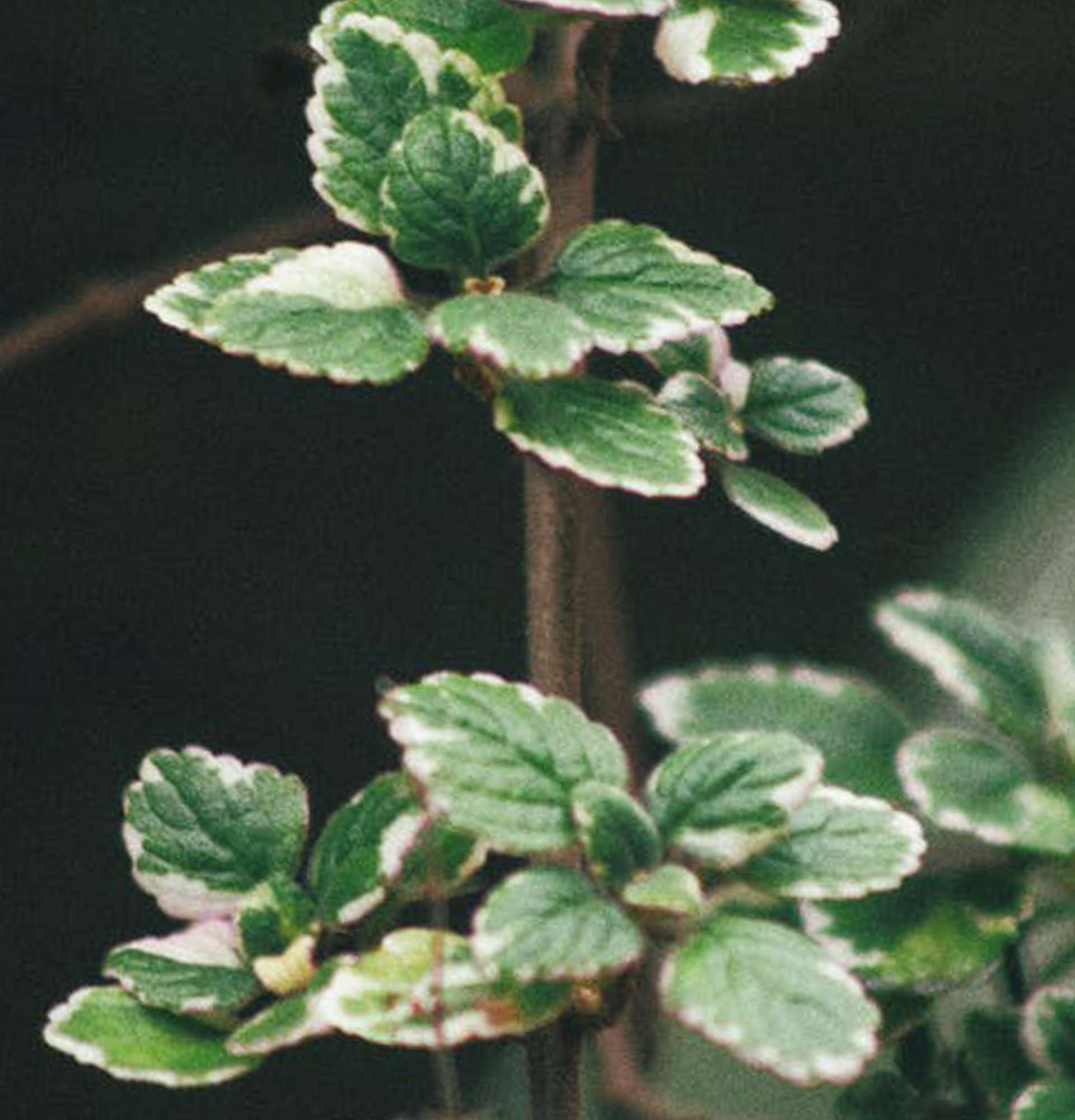
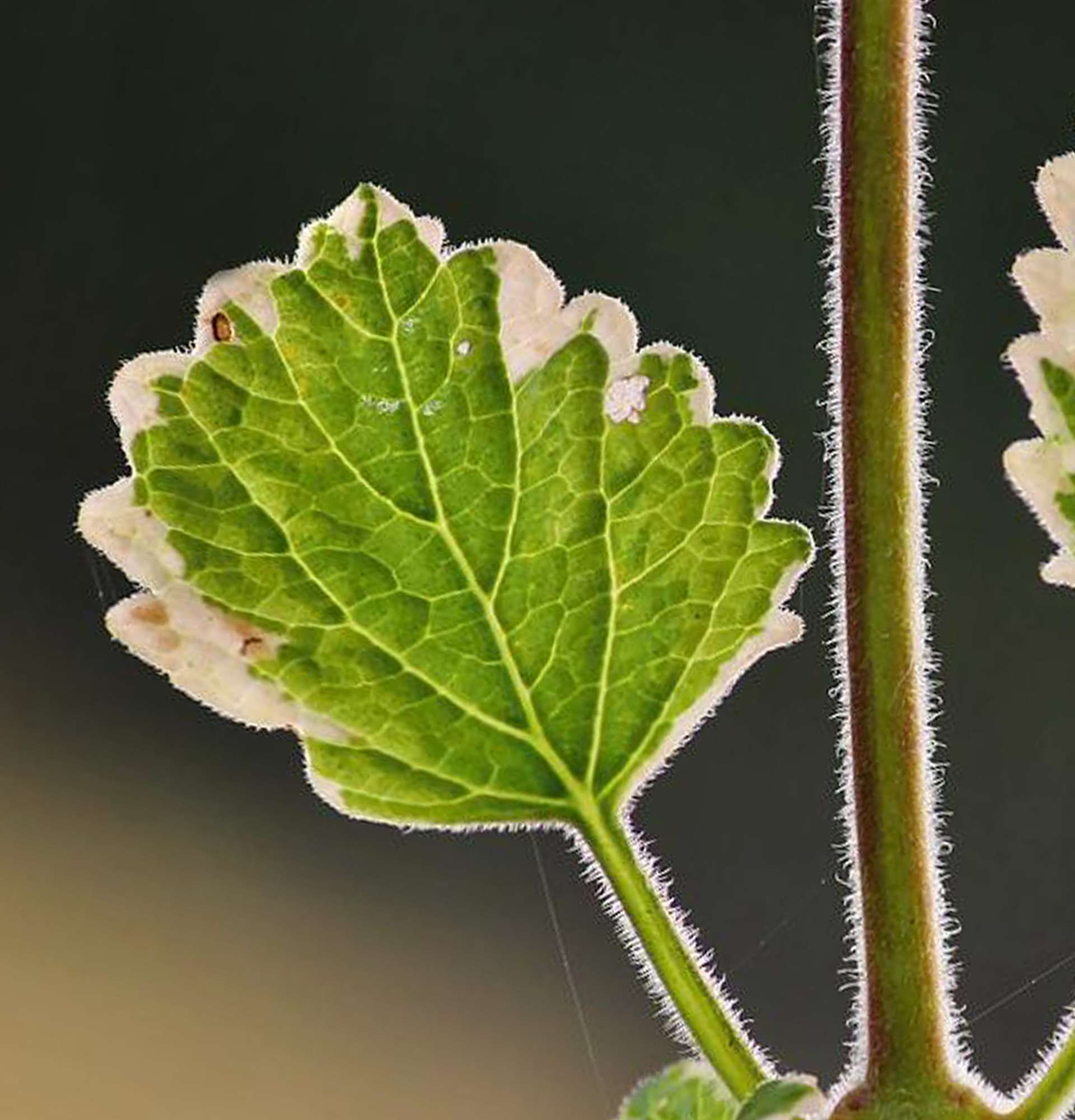
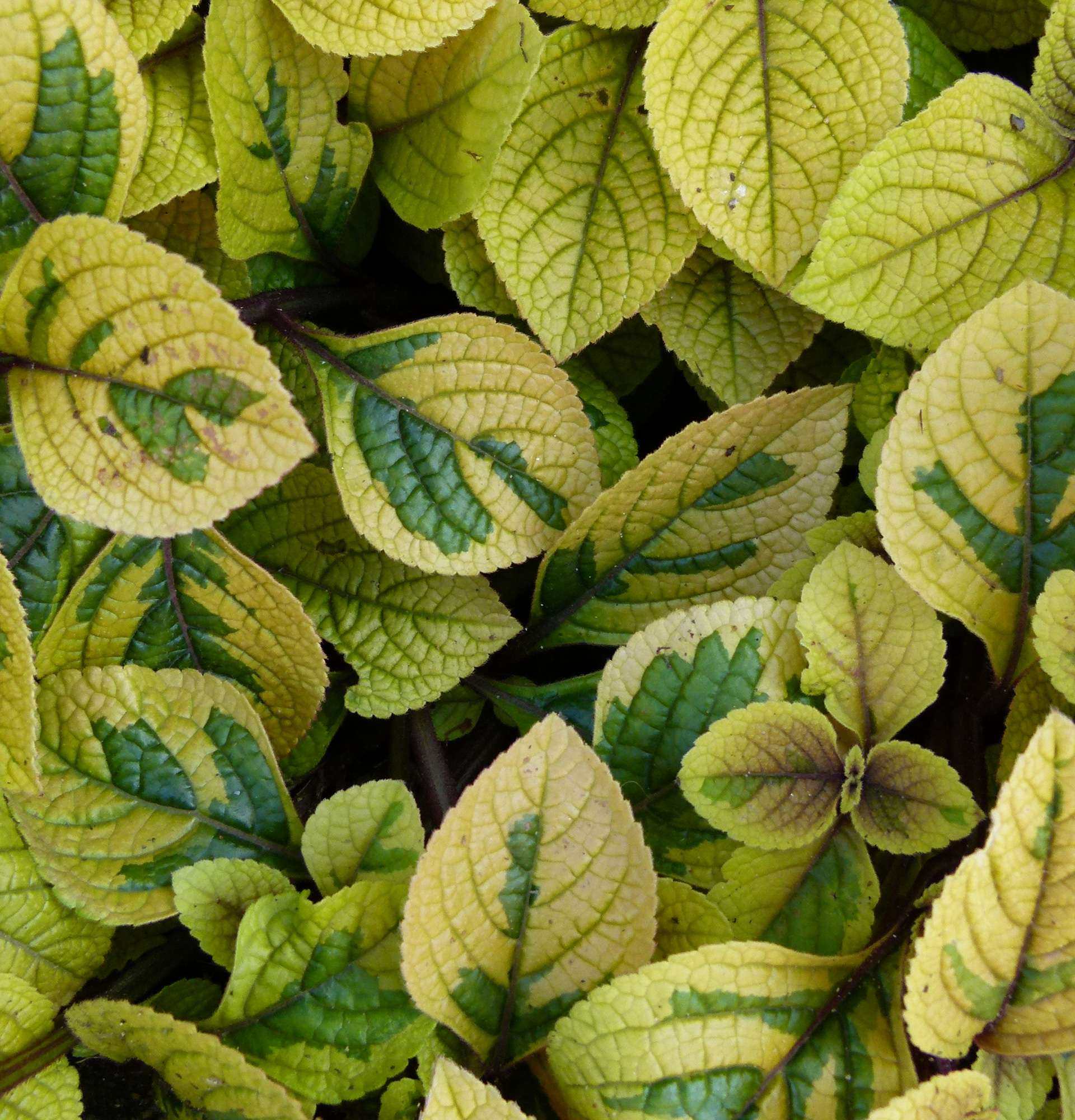
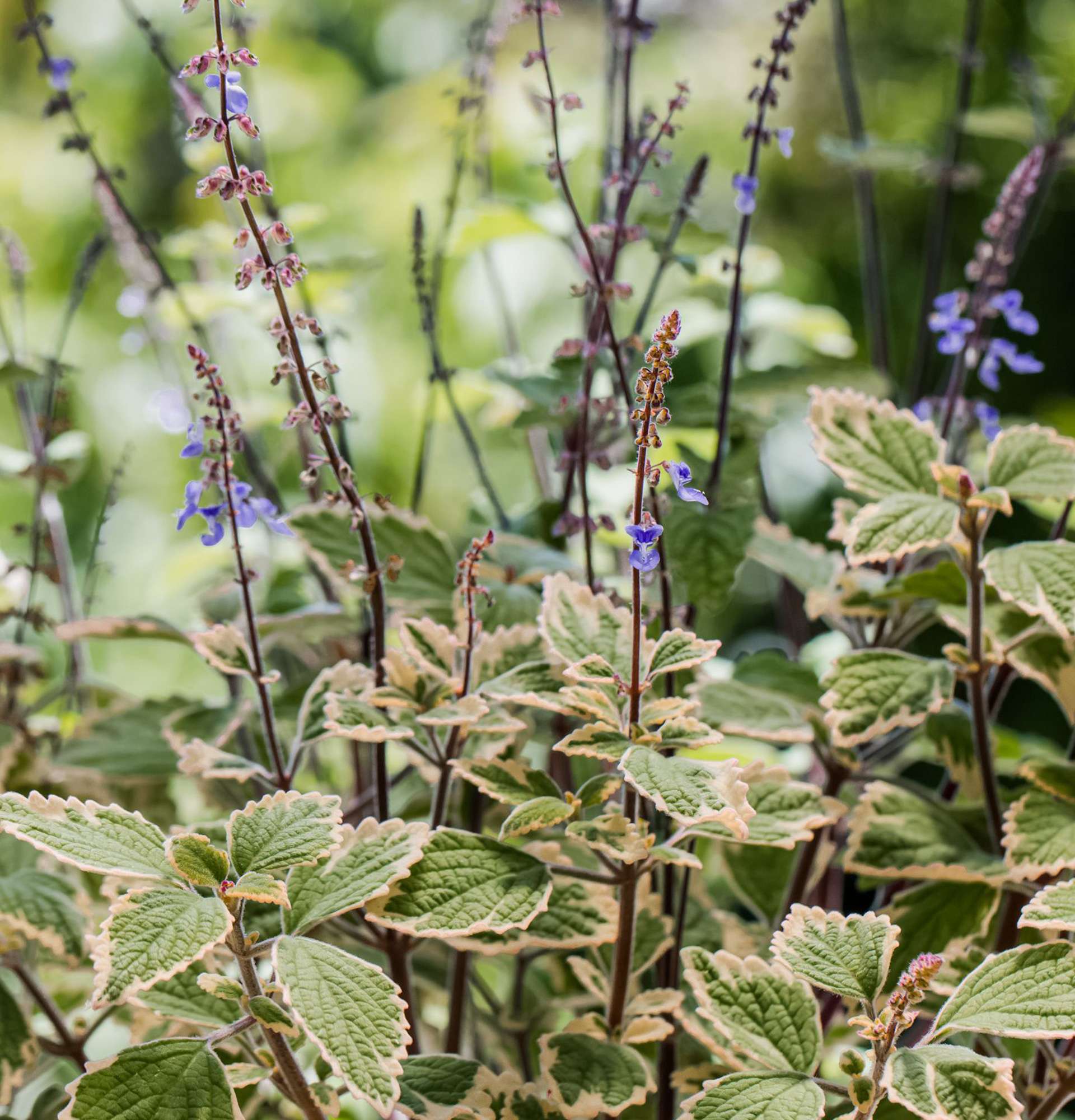
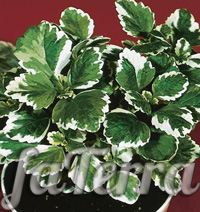 Pots of this trailing variety differ from the previous ones with their bright and variegated leaves. The edges of the green leaf blades are beautifully decorated with a white border.
Plectranthus Oenterdalii (Plectranthus Oenterdalii)
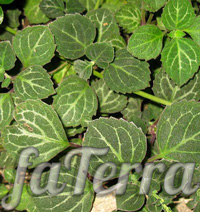 An effective herbaceous perennial. The creeping, forty-centimeter green stems with a beetroot hue are adorned with opposite, elliptical, serrated leaves of an original green-emerald color. The veins are highlighted with white stripes, and the underside of the leaf is covered with purple fluff. It blooms in winter, producing thirty-centimeter inflorescences composed of white or pale lilac flowers.
Plectranthus ciliatus (Plectranthus ciliatus)
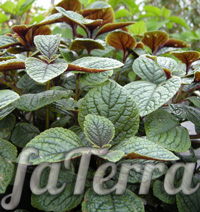 A creeping, sixty-centimeter semi-shrub, the stems of which are covered with purple fluff. The elliptical leaves are covered with stiff hairs on the outside, and the underside is purple, with fluff along the edges. White or pale purple flowers, either solitary or in inflorescences, are the decoration of the plectranthus.
Plectranthus venteri (Plectranthus venteri)
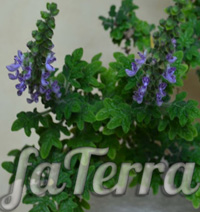 An amazing flower with a fleshy, upright stem. The leathery, serrated leaves resemble oak leaves. The dark green color clearly highlights the short, silvery fluff on the surface. When rubbed, the leaves have a strong, pine-like scent. Blue flowers with petals striped with dark purple form large inflorescences.
Plectranthus ernestii (Plectranthus ernestii)
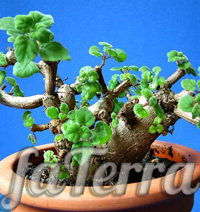 An original and unusual species of plectranthus, with a thickened, dense, gray-yellow, ten-centimeter stem – a caudex – in the lower part. The houseplant has the form of a perennial shrub, reaching fifty centimeters in height. The crown branches out with crystal-white shoots in the upper part of the bush. Heart-shaped leaf blades are purple on the outside and velvety green on the underside. In summer, it blooms with white or bluish-purple flowers, gathered in inflorescences. During the dormant period, the caudex plectranthus loses its original leaves.
Plectranthus care in the home
Caring for this houseplant is not difficult at all. The main thing is to create conditions as close as possible to its natural subtropical environment. It needs high humidity. The main thing is to provide fresh air, warmth, and good lighting.
Location and temperature regime
Indoor mint will be happy with bright, diffused light. Partial shade will be a very suitable option for the plant.
Attention! Avoid direct sunlight. It has a detrimental effect on the growth and vitality of indoor plectranthus.
In the winter interseason, indoor spurflower will appreciate windows facing southwest, and with the onset of spring, move the houseplant one meter away from the windowsill. The indoor fly repellant does not need additional lighting; it is satisfied with a few hundred minutes of bright daylight per day.
Decorative nettle feels good at room temperature in the summer, ranging from 18°C to 25°C. Indoor mint will not refuse to be moved to a garden, terrace, or balcony. Winter temperatures should not drop below ten degrees.
Air humidity and watering
Indoor Swedish ivy can adapt to moderate air humidity. It is desirable to regulate humidity levels by placing a glass of water next to the flower; sometimes, you can use a shower to remove dust from the leaves and nourish them with moisture.
Water the pots of indoor mint abundantly and frequently with soft, warm, settled water. Regularly check the condition of the soil – the top twenty millimeters of soil in the pot should be dry. This means it is time for the next watering. In winter, water less often and in smaller portions to avoid waterlogging, which can lead to fungal diseases.
Important! The soil should not dry out completely. The leaves will fall off.
Soil mixture and its fertilization
For the comfortable cultivation of indoor plectranthus, the soil must be fertile, of good quality, and not acidic. Anyone can prepare a useful soil mixture. The following ingredients are needed: leaf soil, coarse sand or perlite, and peat, all in equal proportions.
Decorative indoor mint will appreciate spring and summer feeding with liquid complex mineral fertilizers intended for indoor plants. You can also support your indoor molne tree with organic fertilizers.
Plectranthus repotting
Fast-growing indoor spurflower requires annual spring repotting. The pot should be of medium size with a drainage hole. At the bottom of the pot, place a good, thick layer of drainage.
Reproduction of indoor mint
Stem cuttings are the most convenient material for propagating the flower. Six-centimeter shoots root well in water or can be planted directly in the ground.
During repotting, you can propagate indoor spurflower by dividing the bush into several parts.
Diseases and pests of plectranthus
Indoor nettle is considered resistant to pests. If the growing conditions are not properly maintained, indoor plants may be affected by spider mites, whiteflies, scale insects, or aphids. To combat unwanted guests, it is necessary to use insecticidal preparations.
Important! Inspect your indoor mint more often, and pests will not dare to settle on it.
Difficulties in growing
- Yellowing leaves of indoor nettle and wilting, root rot – low ambient temperature, excessive watering, waterlogging.
- Pale leaves – the plant is exposed to direct sunlight; it needs to be shaded.
- Indoor nettle does not bloom – it needs urgent fertilization.
- Stems become elongated and sparse – the plant lacks light.
- The stems of the spurflower droop, and the leaves wilt – it is necessary to establish regular watering.
Plectranthus beneficial properties
Indoor subtropical Swedish ivy is widely known not only for its colorful appearance, unpretentiousness, original color, and amazing shine of the leaves but also for its ability to lift the mood, relieve insomnia, and distract from negative thoughts.
The plant contains glycosides and alkaloids, phenols and organic acids, essential oils, and tannins. Thanks to these enzymes, indoor nettle helps to relieve inflammation, soothe nerves, relieve skin irritation, and reduce headaches. It has a diuretic and sedative effect.
The magical aroma of fly repellant can fight moths and protect woolen items from this pest. Thanks to the fragrance of the essential oil, the air in the living space is refreshed, and harmful microorganisms are disinfected.
Interesting! Indoor mint is a home talisman of prosperity, good luck, and wealth.
Grow this useful and beautiful houseplant with love and care, because it is so easy and simple, and in return – such splendor and charm, represented by the unique beauty of its unusual leaves and their fragrance.
Write comments
Comments