



Latin name: (Peperomia)
Category: annual and perennial herbaceous plants, semi-shrubs
Origin: tropical America, Asia
Peperomia: Interesting Facts
The Peperomia genus, encompassing approximately one thousand varieties of plants with succulent qualities, rightfully holds its place in the Pepper family.
The name Peperomia, when translated from Greek, sounds like "peperi" - pepper, "homois" - similar. The plant's appearance played a major role in its naming. This indoor flower has a pleasant, characteristic scent when a leaf is cut.
The homeland of these beautiful and unique "peppers" is considered to be the tropical and subtropical regions of South America. Some species have African origins. Tropical India is also adorned with beautiful Peperomia. In the conditions of a tropical forest, they all occupy the lower tier, some of them being epiphytic plants.
Flower lovers in indoor cultivation are increasingly drawn to these cultivated, evergreen herbaceous plants. There are about fifty species, both leafy and flowering. They are represented by shrubby, semi-shrubby, and ampelous varieties. The Peperomia flower beautifully decorates multi-tiered flower arrangements, being a ground plant.
Interesting! The slowly growing Peperomia, with its not-so-powerful root system, will look great in one pot next to a Monstera, Dracaena, or citrus plants.
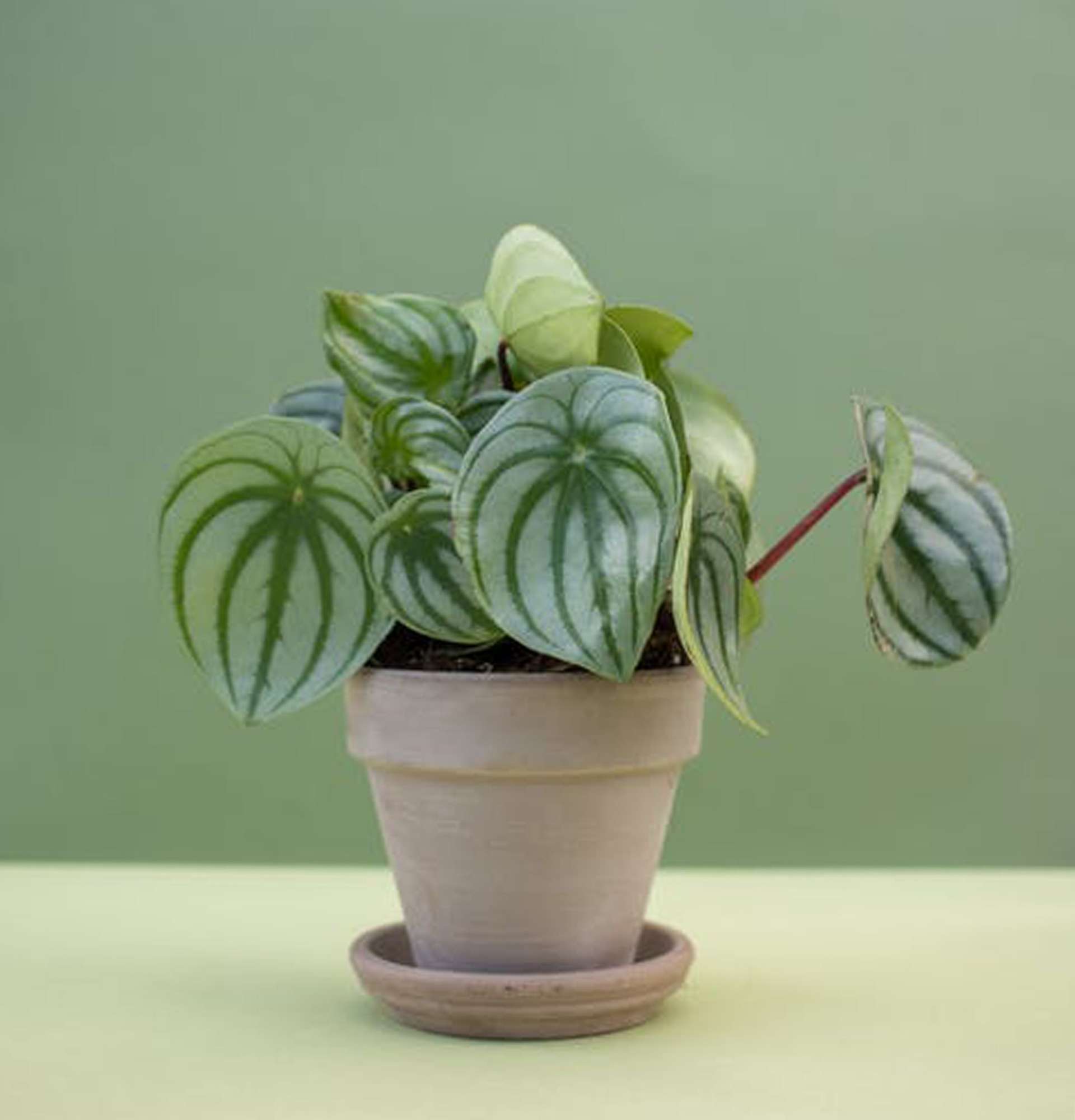
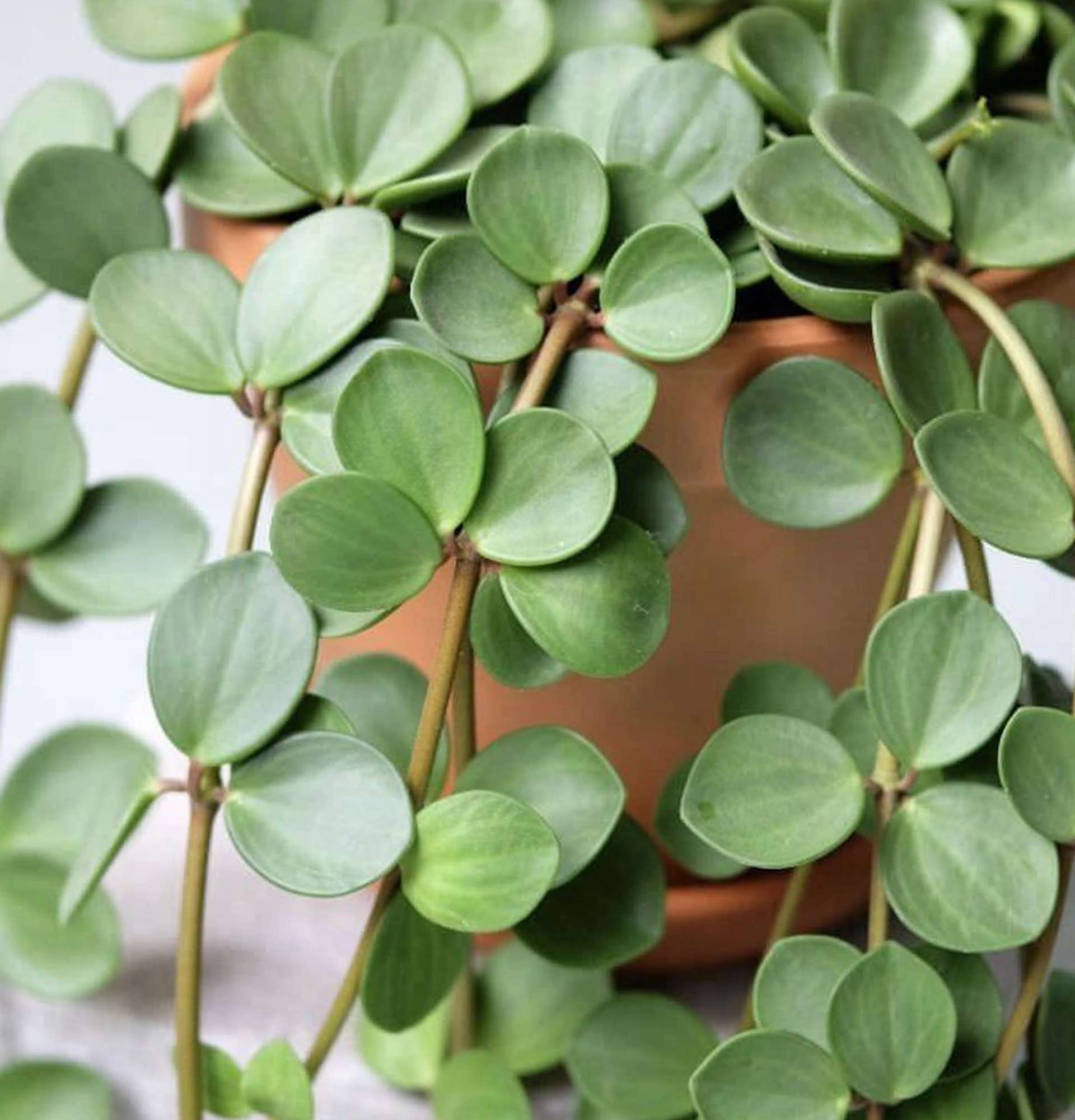
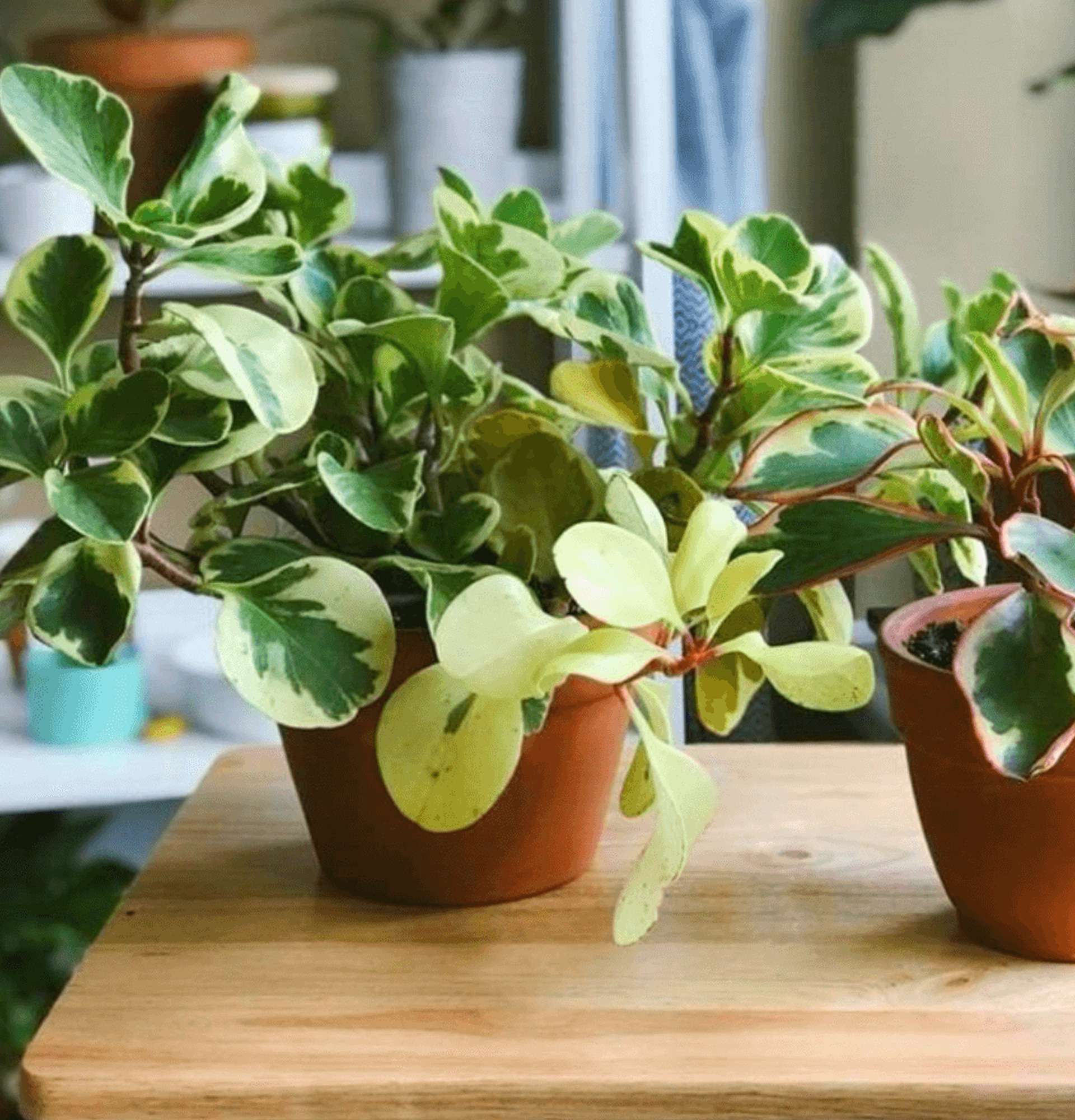
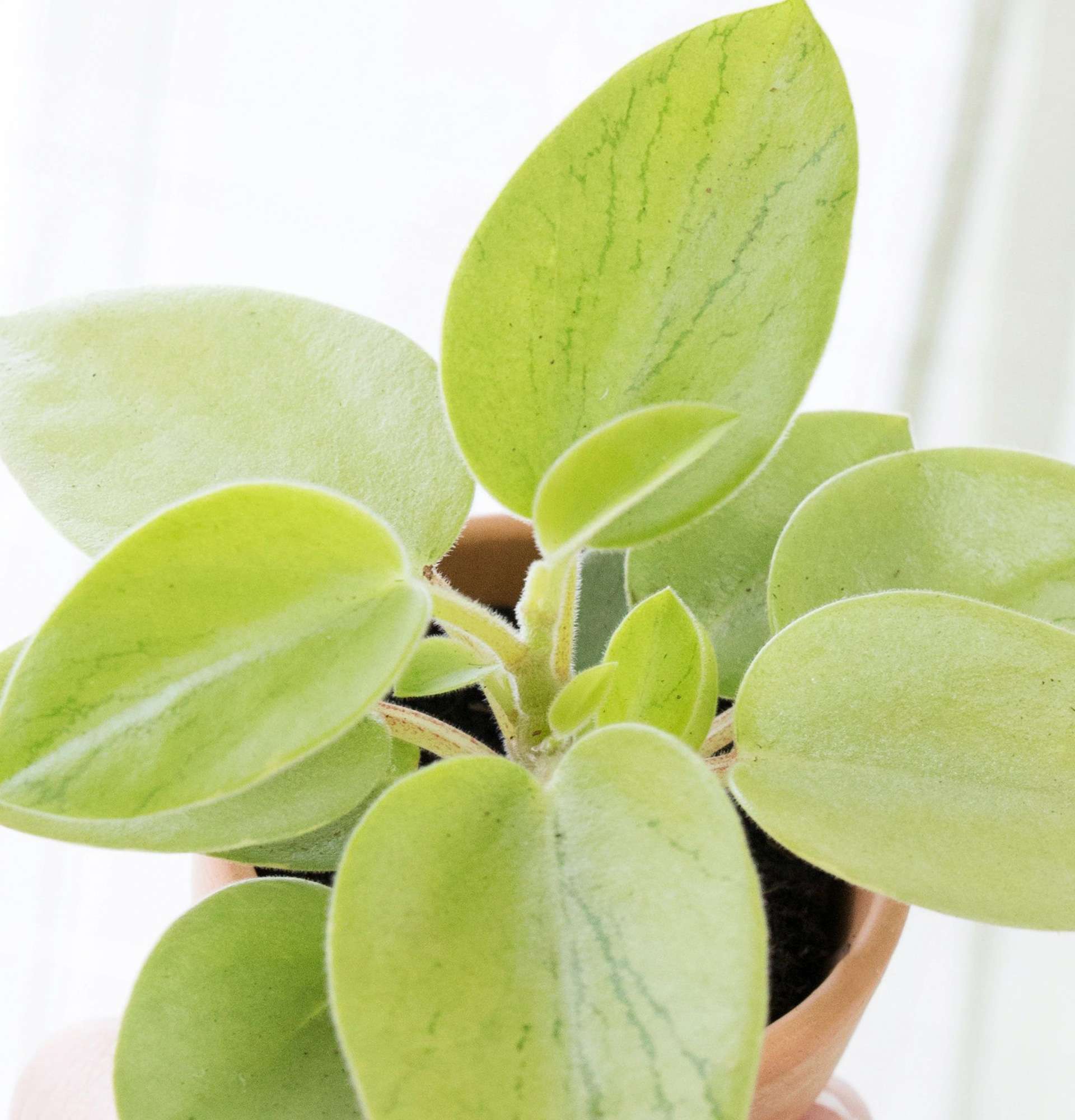
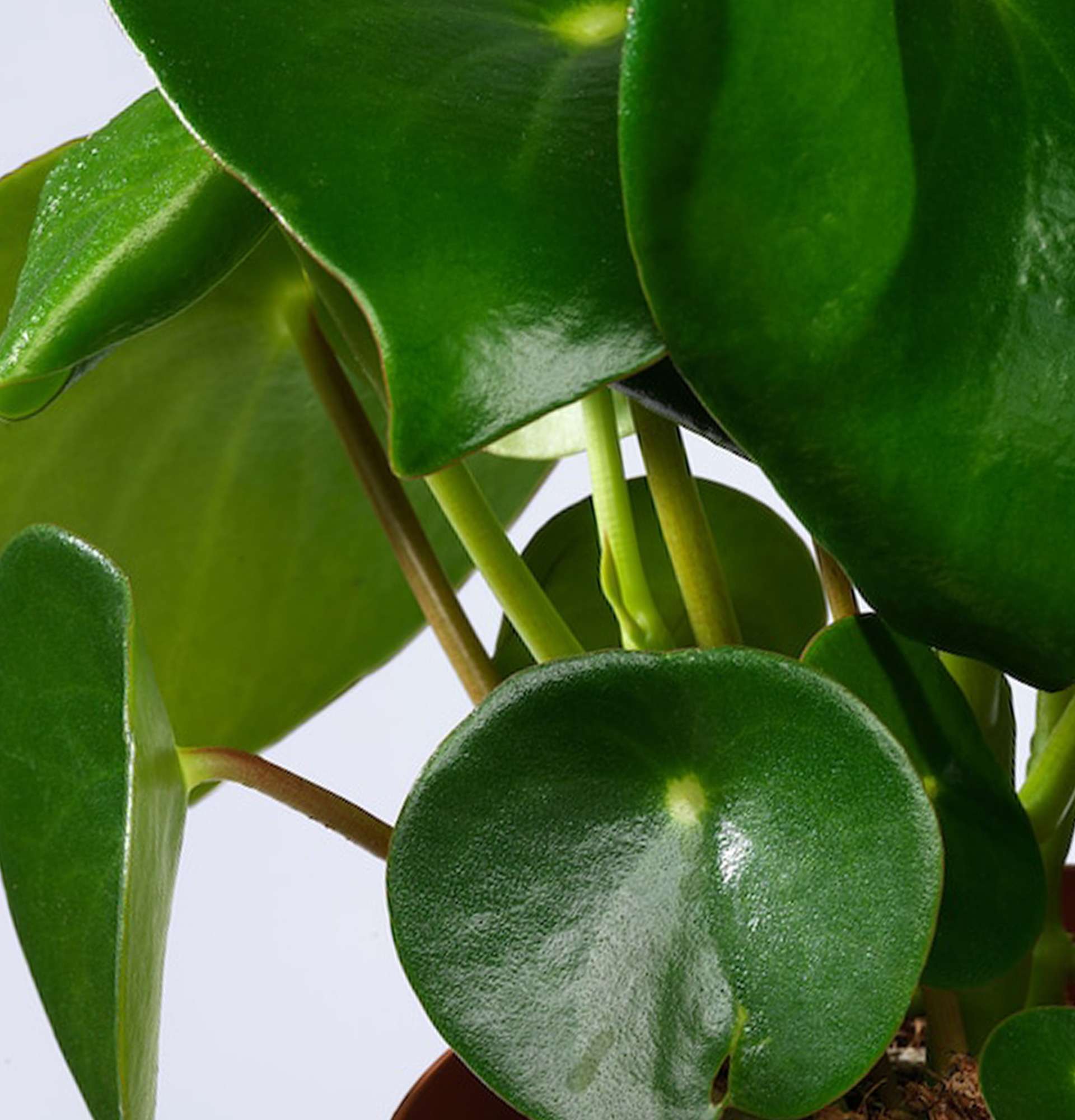
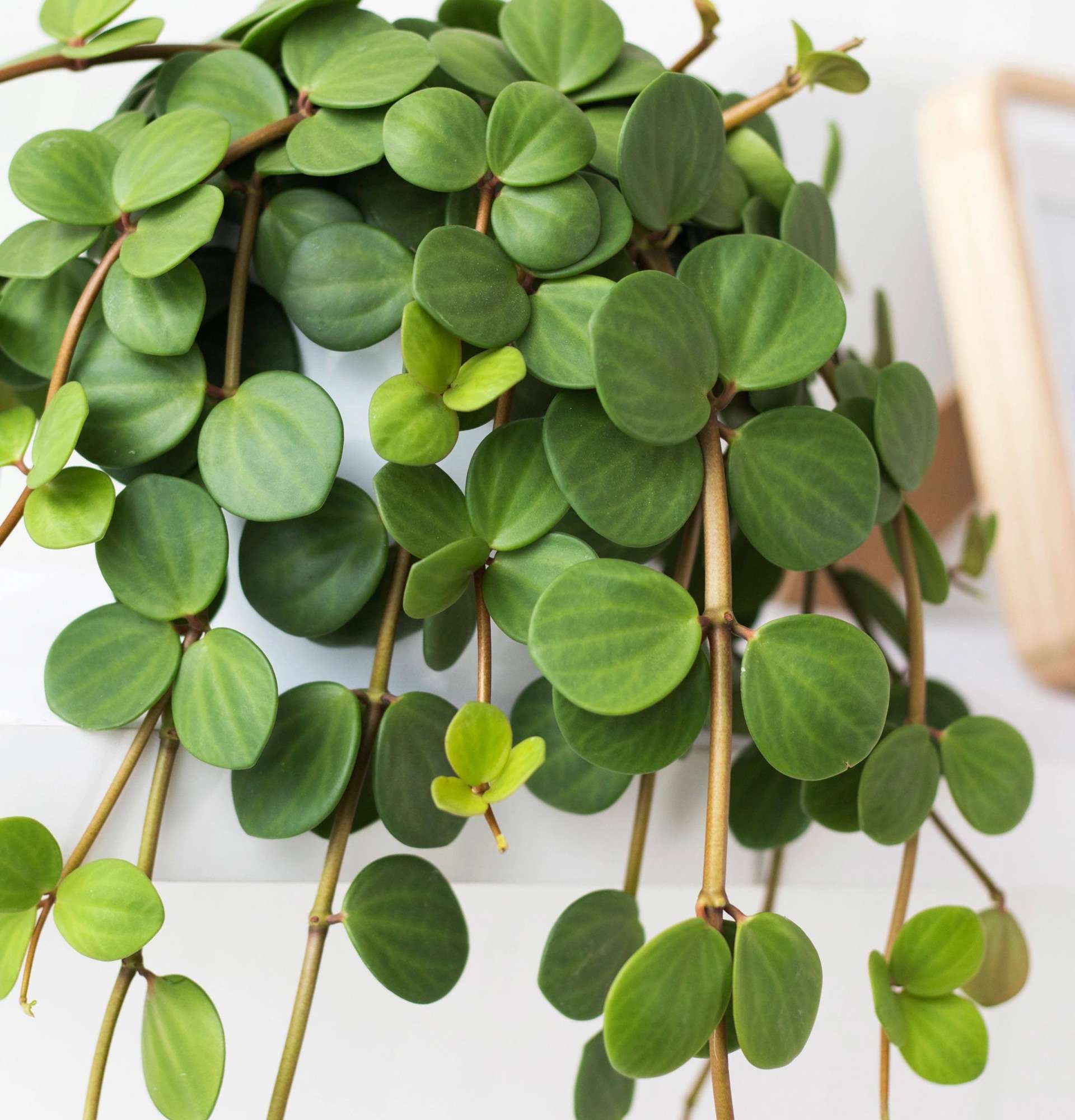
The Peperomia flower has the appearance of a low-growing plant with a dense crown, which, like a beautiful hat of leaves, green-glossy or red-velvety in color, hangs from the pot. The variety of sizes, shapes, and colors of the leaves is simply amazing. Their size ranges from one to fifteen centimeters. The shape can be round or heart-shaped. In terms of structure, the leaf blade is glossy, smooth-waxy, or velvety, with a relief or wrinkled texture. The color varies from dark green to dazzling salad, olive, purple, silvery, brown shades, the combinations of which can be numerous.
The general and only, mandatory similarity that all Peperomias have is their thick, fleshy shoots. For each species, they have their own configuration: upright, shortened, or creeping.
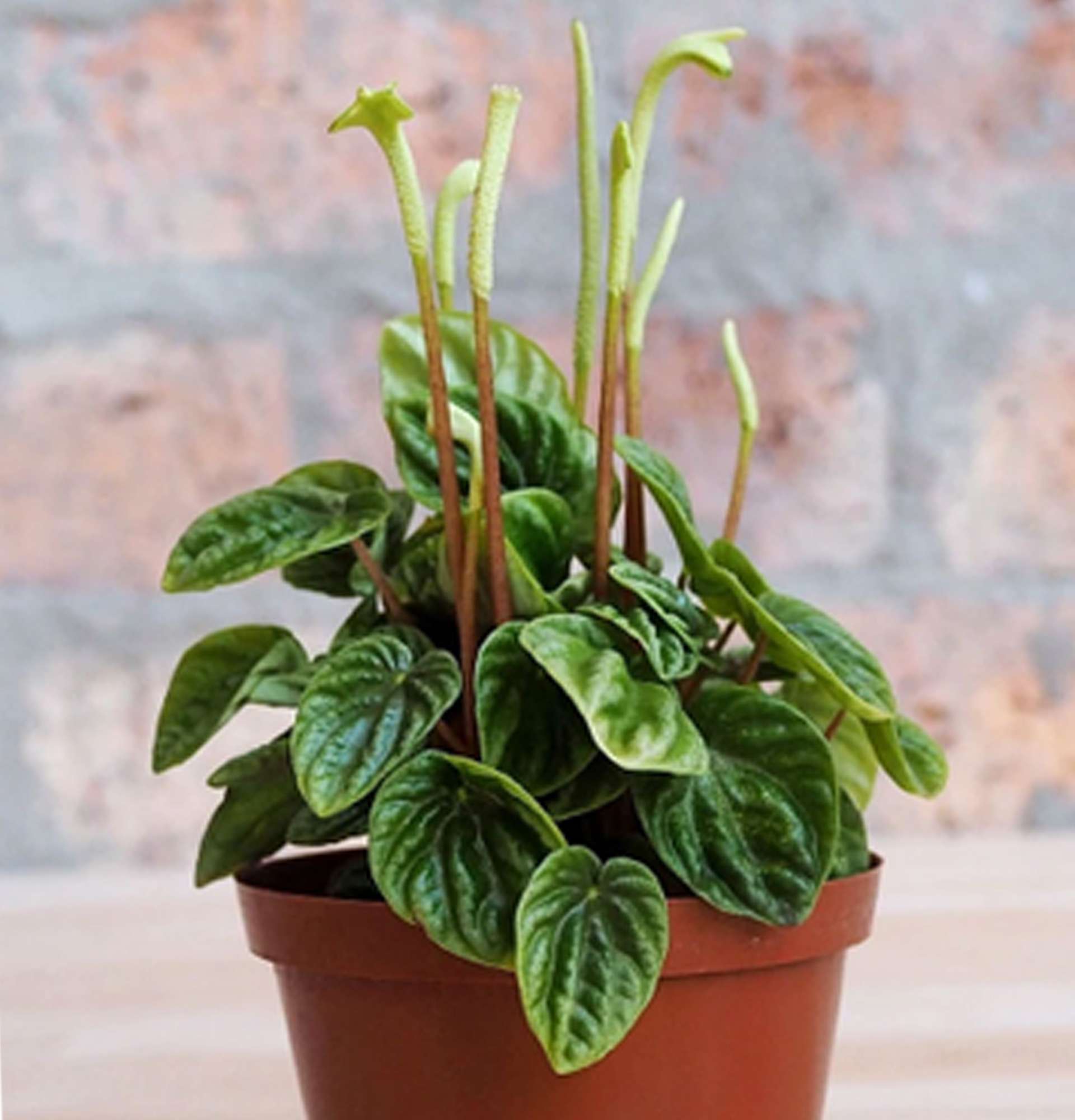
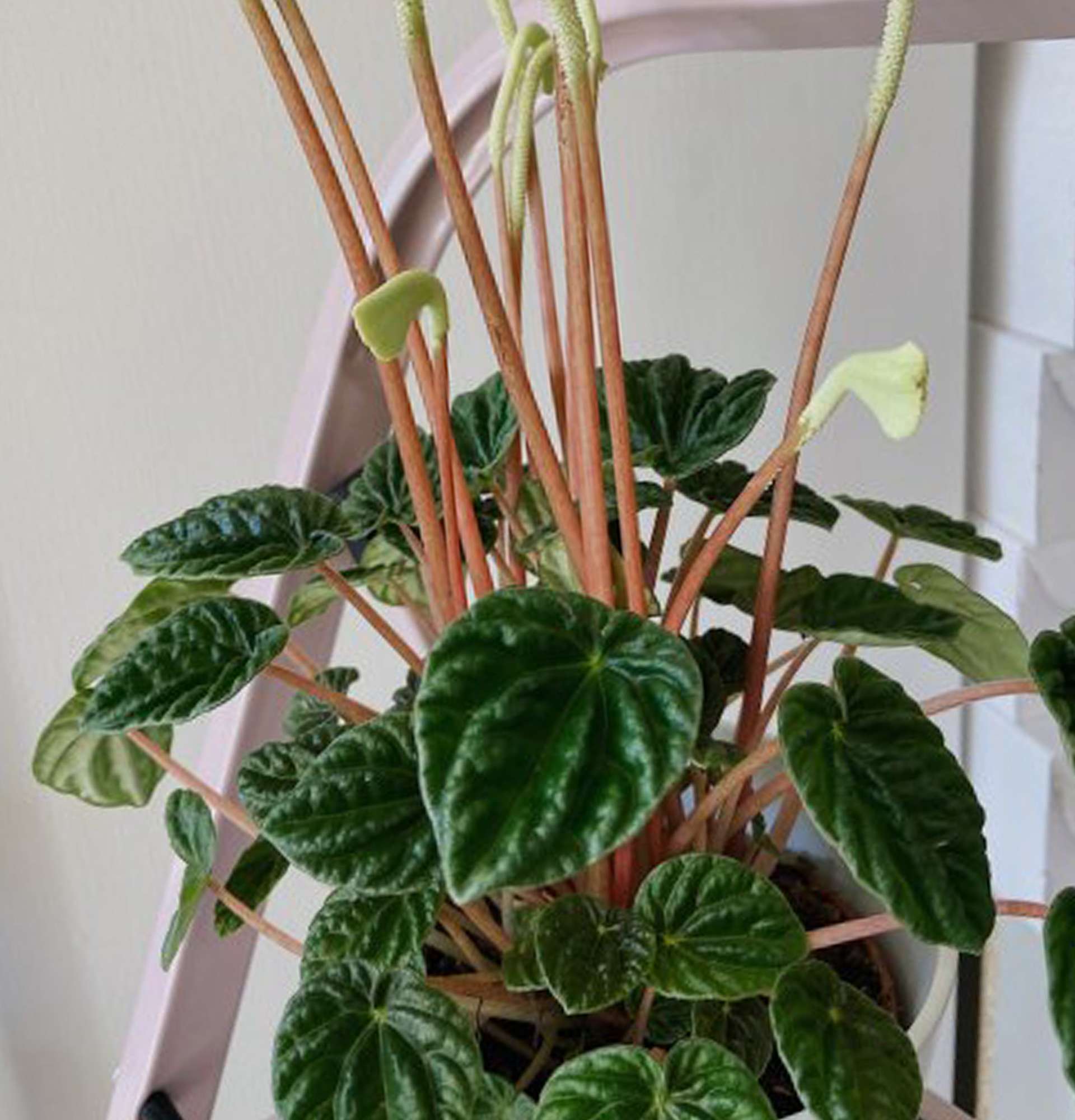
How does Peperomia bloom? The Peperomia mix plant can delight with its flowering throughout the year. Long flower stalks are majestically located among the leaves, with a dense, spike-like inflorescence, which consists of small, light, creamy or pale green flowers. The flowers themselves do not have any particular attractiveness. After flowering, the inflorescences are covered with tiny, dry fruits.
In apartment conditions, about fifteen varieties of these plants have adapted well. All this variety of indoor plants, scientists have been able to divide into three subgroups. They can be upright, bushy, and ampelous. A pot with Peperomia, a photo of which is placed in the next section of the article.
Peperomia species
Upright Peperomias
This subgroup of indoor beauties is distinguished by its high growth, up to half a meter, and has thickened, fleshy shoots.
Peperomia obtusifolia
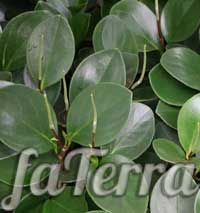 Elegance, amazing unpretentiousness, and the charm of a tropical exotic from the forests of South America have allowed it to rightfully occupy a prominent place among plants in apartments and houses, greenhouses, and offices.
The natural habitat of these herbaceous perennials can be both tall trees and ground cover. The dark green leaves have an elliptical shape with a blunt apex, narrowed at the base. They are attached to the stems in succession. The size of the dense, fleshy leaf plates reaches twelve centimeters in length and up to five centimeters in width.
Peperomia obtusifolia care in the home is not at all burdensome. It is unpretentious and hardy. It can be easily propagated and you can enjoy a beautiful, powerful, and original bush.
Peperomia magnoliaefolia
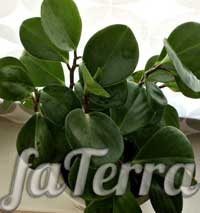 This Brazilian beauty, as it grows, takes the form of a compact bush, and it is also called a "friendly family." It is very similar to Peperomia obtusifolia. The only difference can be called the structure of the spikes and fruits.
Interesting! Peperomia magnoliaefolia cleans the air well and effectively fights harmful microorganisms.
Peperomia clusiifolia
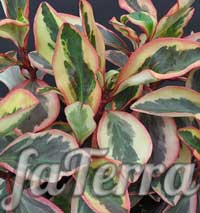 The homeland of this tropical beauty is Venezuela. Short, one-centimeter petioles are decorated with wedge-shaped leaves, up to fifteen centimeters long and eight centimeters wide. They are located at the lower nodes on the fleshy stem. As a result, we have a beautiful indoor plant with a rich and lush crown of leaves. Its decorative properties will perfectly decorate the interior of any room or garden.
Attention! Protect Peperomia clusiifolia from drafts.
Peperomia pereskiifolia
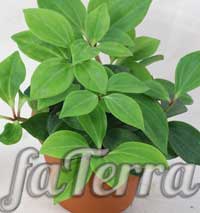 This indoor flower has small, green, five-centimeter, oval-shaped, rigid leaves, up to three centimeters wide, which are collected in beautiful rosettes.
Peperomia ferreyrae
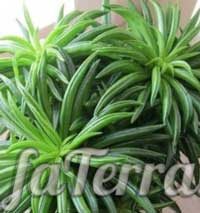 An original succulent epiphyte that perfectly stores water and loves to be next to larger plants. It adapts well both in free life and indoors. A distinctive feature is the long, green leaves with light and dark shades, folded in half. Their original location is on the upright stem. They form a rosette that looks like a star or snowflake.
Peperomia graveolens
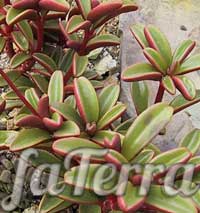 A very beautiful, twenty-five-centimeter succulent, resembling a sea coral. It has long, fleshy, slightly twisted, light green leaves. The underside of the leaf blade is red, burgundy, or ruby in color.
Peperomia dolabriformis
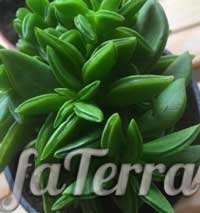 This succulent flower has thick and juicy leaves, as if collected from circles, folded in half. They are attached to a thick stem. On top, a rosette is formed, which resembles a star.
Peperomia polybotrya
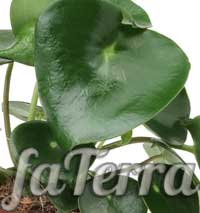 It is a rare, bushy indoor flower, the height of which reaches twenty centimeters. Green, heart-shaped leaves resemble a water coral. It blooms in early summer with white flowers, collected ten at a time on a whimsical, candle-shaped inflorescence. The blooming Peperomia polybotrya is very effective due to the contrast of green leaves and white flowers.
Bushy
Varieties of this subgroup are compact, flowering specimens with a lush crown, organized by soft and colorful leaves that grow on very juicy stems. Flowering, spike-like inflorescences rise above the crown of leaves.
Peperomia caperata
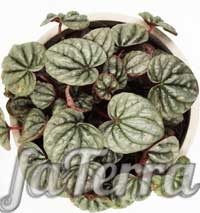 Peperomia caperata originates from southern Brazil. Lush, compact, fifteen-centimeter bushes are decorated with corrugated, heart-shaped leaves of dark green, burgundy-green, or purple-brown color, the decoration of which is thickened veins and a glossy, waxy coating on them. The juicy green of the leaves during the flowering period is under the clouds of snow-white spike-shaped inflorescences.
Peperomia lilian
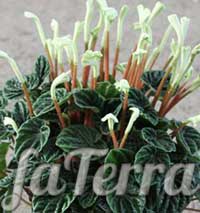 A very beautiful, low-growing indoor flower. Mexico is its homeland. It got its name because of the similarity of the flowers to lilies. The appearance is almost identical to Peperomia caperata. The difference is noticeable in the inflorescences, which rise on long flower stalks above the dense "cap" of leaves.
Peperomia caperata "Rosso"
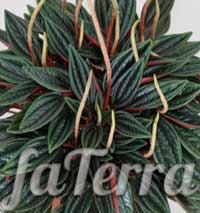 The tropical forests of South America and Asia are home to this flower - an epiphyte with large, elongated, brightly colored leaves, which form a star. The upper side of the leaf blade is dark green, and the underside is purplish-burgundy. The flowers are thick and long, but they delight the owners for a short time.
Peperomia argyreia
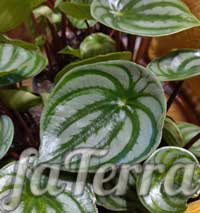 One of the most famous varieties from Brazil and Venezuela. This striped wonder is unpretentious in cultivation. On the purplish petioles are located ten-centimeter, light, silvery leaves with dark green veins. The leaf plates are located close to each other, forming a bright, luxurious rosette.
Ampelous
Peperomia ampelous is increasingly found in the collections of flower lovers.
Peperomia glabella
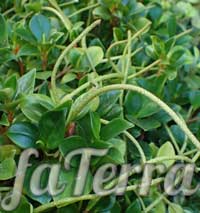 An interesting shape of the leaf blade, resembling a head, is directly related to the name of the flower. They are green, small, wide-oval in shape. They are often used to decorate flower arrangements. In bright light, the leaves turn pale, and the stems and petioles acquire a pinkish hue.
Peperomia rotundifolia
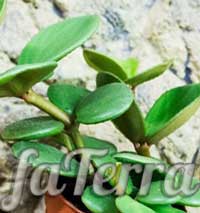 Peperomia rotundifolia is a refined and delicate beauty from South America, with small, round, coin-shaped, green leaves, one centimeter in size. It can be interesting for lovers of flower terrariums.
Peperomia verticillata
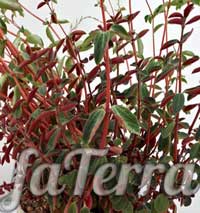 A sessile variety with gray-green, round or rhomboid leaves, which are beautifully collected in whorls. It blooms in early summer, decorated with long flower stalks.
Peperomia prostrata
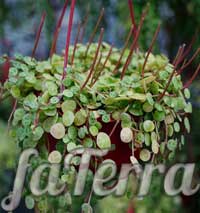 Peperomia prostrata is native to South America and Mexico. An ampelous specimen with small, one-centimeter, variegated, heart-shaped leaves. On them, silver or bronze spots are beautifully arranged. They are decorated on reddish stems.
Peperomia care in the home
Let's consider in more detail...
Choosing a place and temperature regime
Indoor Peperomia flowers love a lot of bright light.
Attention! Direct sunlight should not fall on the leaves.
Varieties with green leaves prefer shade more, and variegated varieties need bright lighting.
Important! Avoid sudden changes in temperature.
Comfortable temperatures will be 22-24°C. Winter temperatures are 16-18°C.
Humidity and watering
Indoor Peperomia flowers do not require a special level of humidity; this is not the main point in care. However, it is not harmful to regularly spray the plant, especially in summer.
Water the indoor flower with well-settled, warm water, without allowing the soil to dry out. The watering interval in the summer months is about three to four times a month, and in the cold period - no more than once every two weeks.
Transplanting Peperomia and suitable soil
Young plants should be repotted annually. After three years - once a year. The container for transplanting should not be large, only a couple of centimeters larger than the previous one. We cover the bottom of the pot with a drainage hole with a thick layer of drainage from expanded clay or broken brick, and then we lay out the soil.
You can buy a fertile soil mixture in a store that is suitable for saintpaulias. To prepare it yourself, you need to take equal proportions of leaf soil, sod, and peat, sand, and peat.
Peperomia propagation
You can propagate indoor flowers by dividing the bush.
It is convenient to propagate it with stem cuttings, at least two and a half centimeters long, or leaf cuttings. It is desirable to treat them with a root stimulator and root them in a mixture of sand and peat, creating a mini-greenhouse environment.
In the same mixture, seeds are sown for propagating Peperomia. The temperature should be about 25°C. We cover it with a glass, leave it in a dark place, and wait for the seedlings to appear. We transplant the grown seedlings when two leaves appear. We transplant the older seedlings to a permanent place.
Peperomia pests and diseases
If the care of the indoor flower is not correct, unexpected guests may visit it: spider mites, scale insects, mealybugs, thrips.
QUESTIONS / ANSWERS or difficult moments of cultivation
- Why does Peperomia shed its leaves? Insufficient watering, it is too hot in the room, or the temperature is too low.
- The leaves turn pale, become flabby, and wrinkled - there is too much light or direct sunlight.
- The ends of the leaves turn brown - sudden changes in temperature, exposure to drafts.
Peperomia signs and superstitions
When you see a beautiful Peperomia - a flower of love, you somehow want to show care for loved ones. According to popular beliefs, the presence of a "flower of love" in a living space brings friendliness, strong love, the absence of quarrels, and an influx of financial capital.
Peperomia removes harmful impurities from the air in the house: toxins and microorganisms. It improves the energy potential and prevents the occurrence of negative phenomena. When you touch the leaves, you can hear a pleasant aroma, which reduces headaches and improves mood, and helps to raise the vitality of a weakened immune system.
Love your Peperomia, and it will bring warmth, comfort, and constant delight with its unique, beautiful leaves, and original flowering into your home.
Write comments
Comments