



Latin name: (Pedilanthus)
Category: perennial herbs
Origin: America
Exotic tropical guest, pedilanthus
Pedilanthus (Pedilanthus) is part of the large Euphorbia family. It is an extremely beautiful succulent, a decorative flowering shrub, or a small tree. There are about fifteen species of these exotics, and they are united in the genus Euphorbia.
The homeland of pedilanthus is the tropical southern, northern, and central parts of the American continent. In its natural environment, pedilanthus reaches a height of three meters.
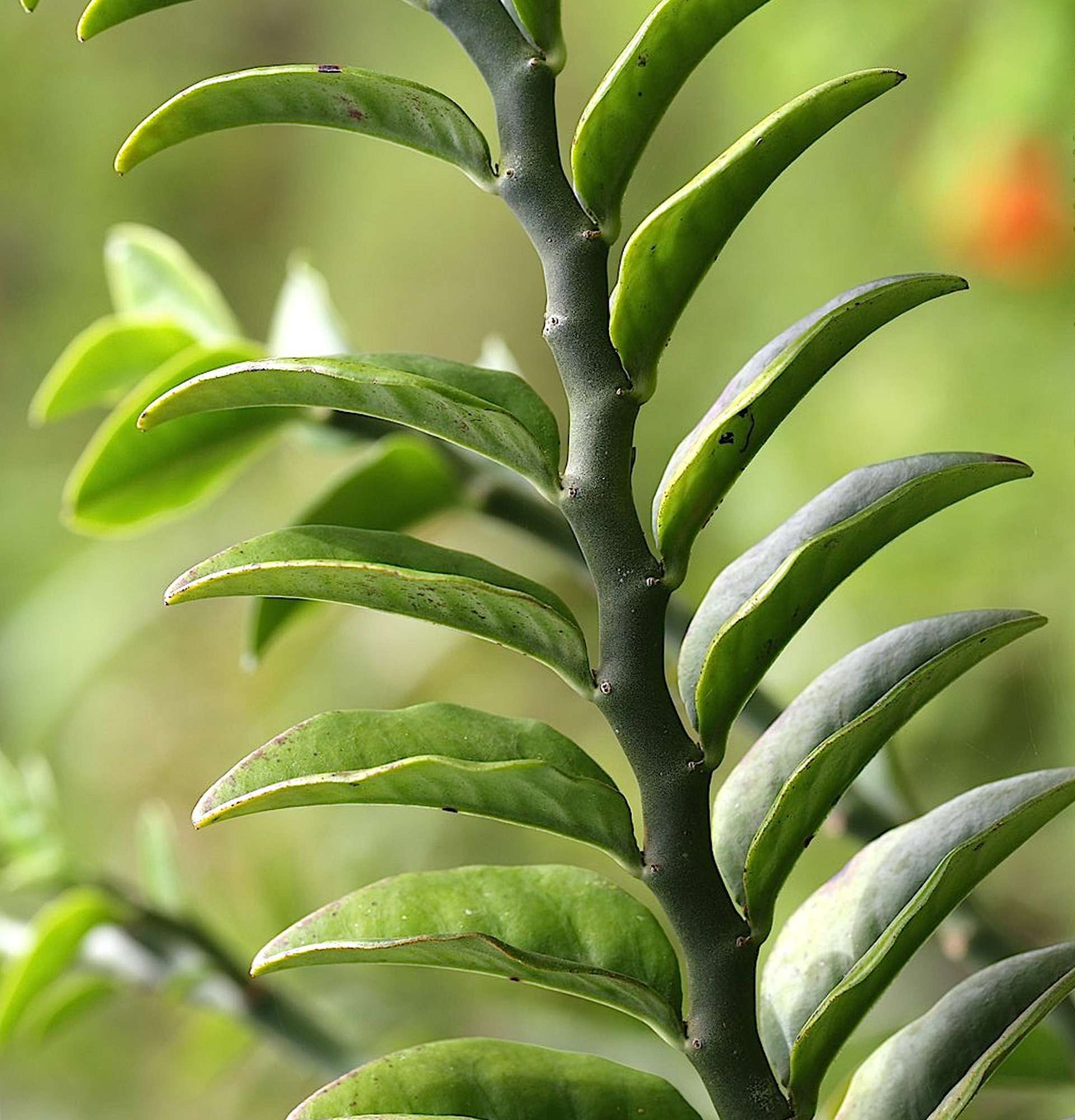
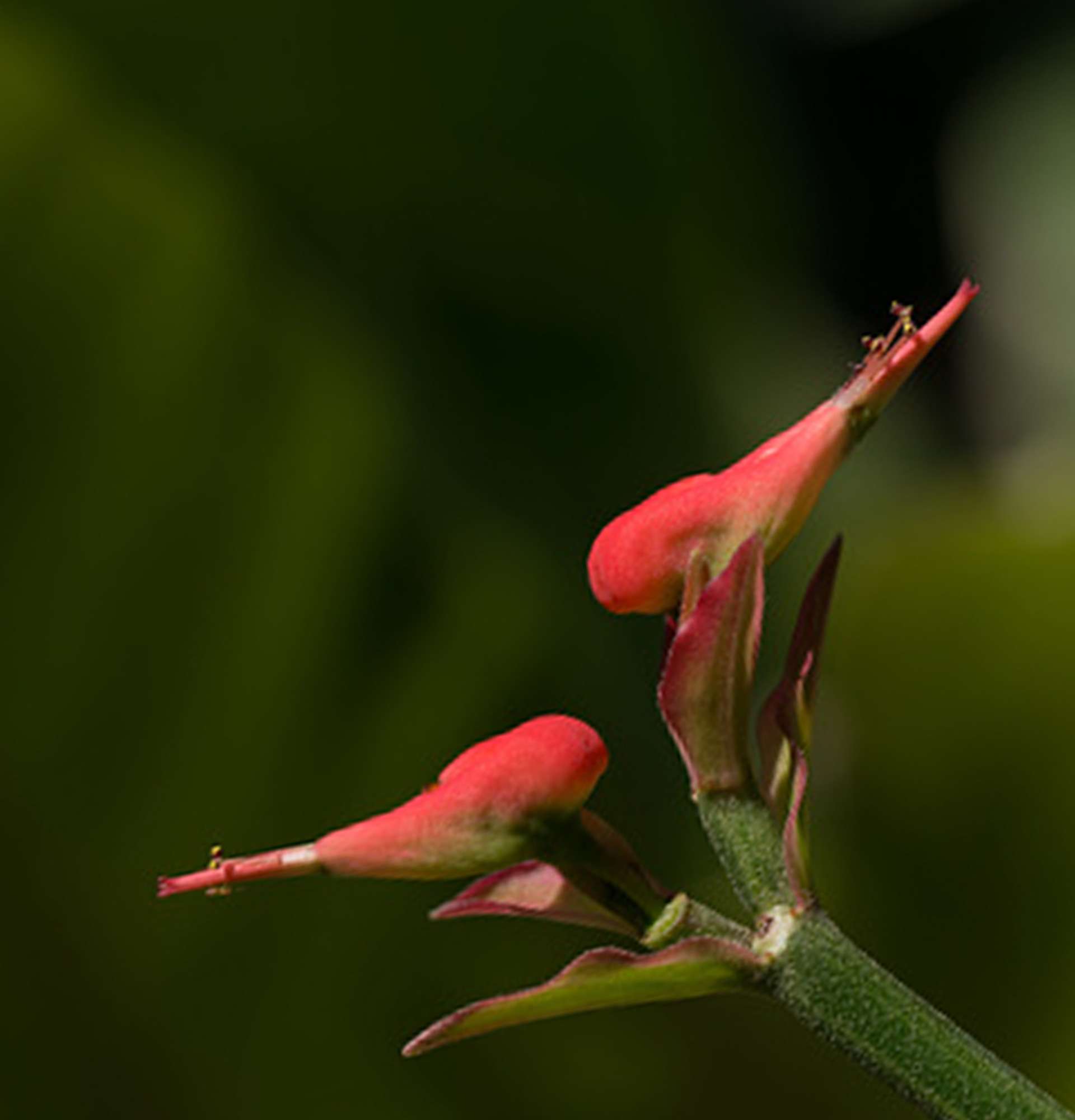
The shrub or tree has cylindrical, curved stems, which is why it was called the "devil's spine" by the aborigines. Europeans liked the name "Jacob's ladder." The botanical name, when translated from Greek, sounds like "pedilon" (shoe), "anthos" (flower). The reason for this name is the original inflorescence of pedilanthus, which resembles a fashionable women's pink ballet flat. Many miniature shoes adorn the flower. Thus, the name was born among the people - "fairy shoes."
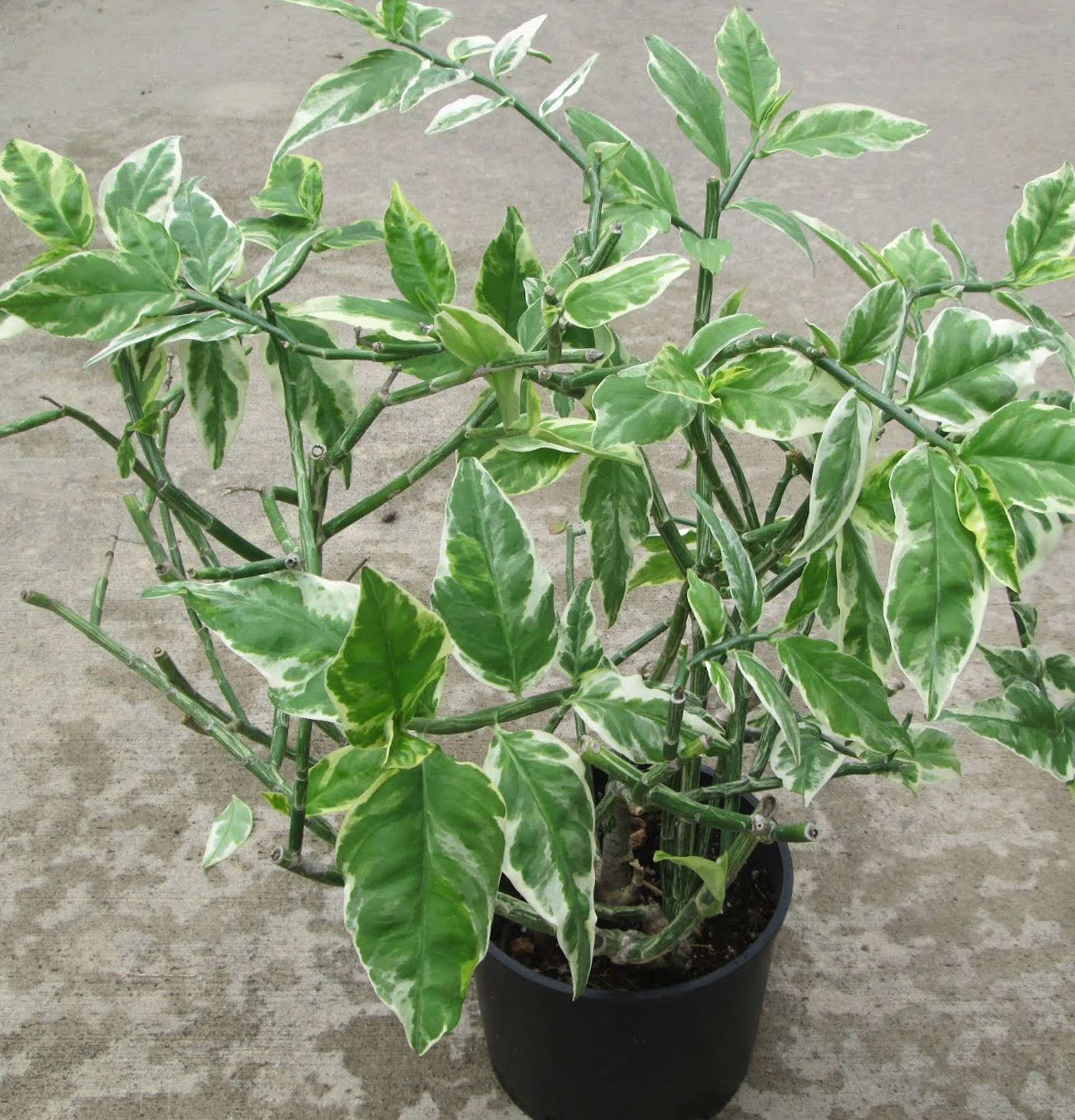
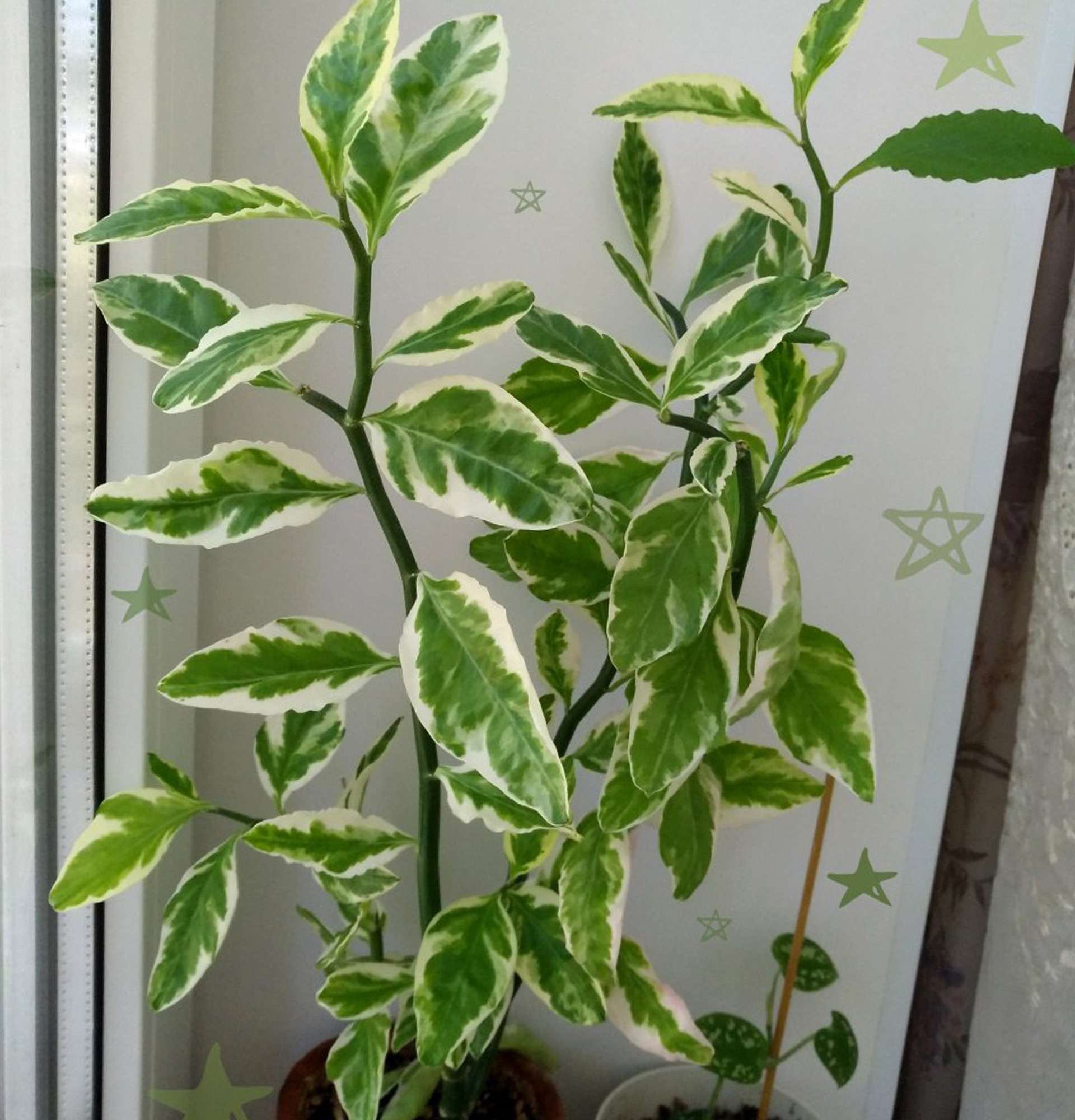
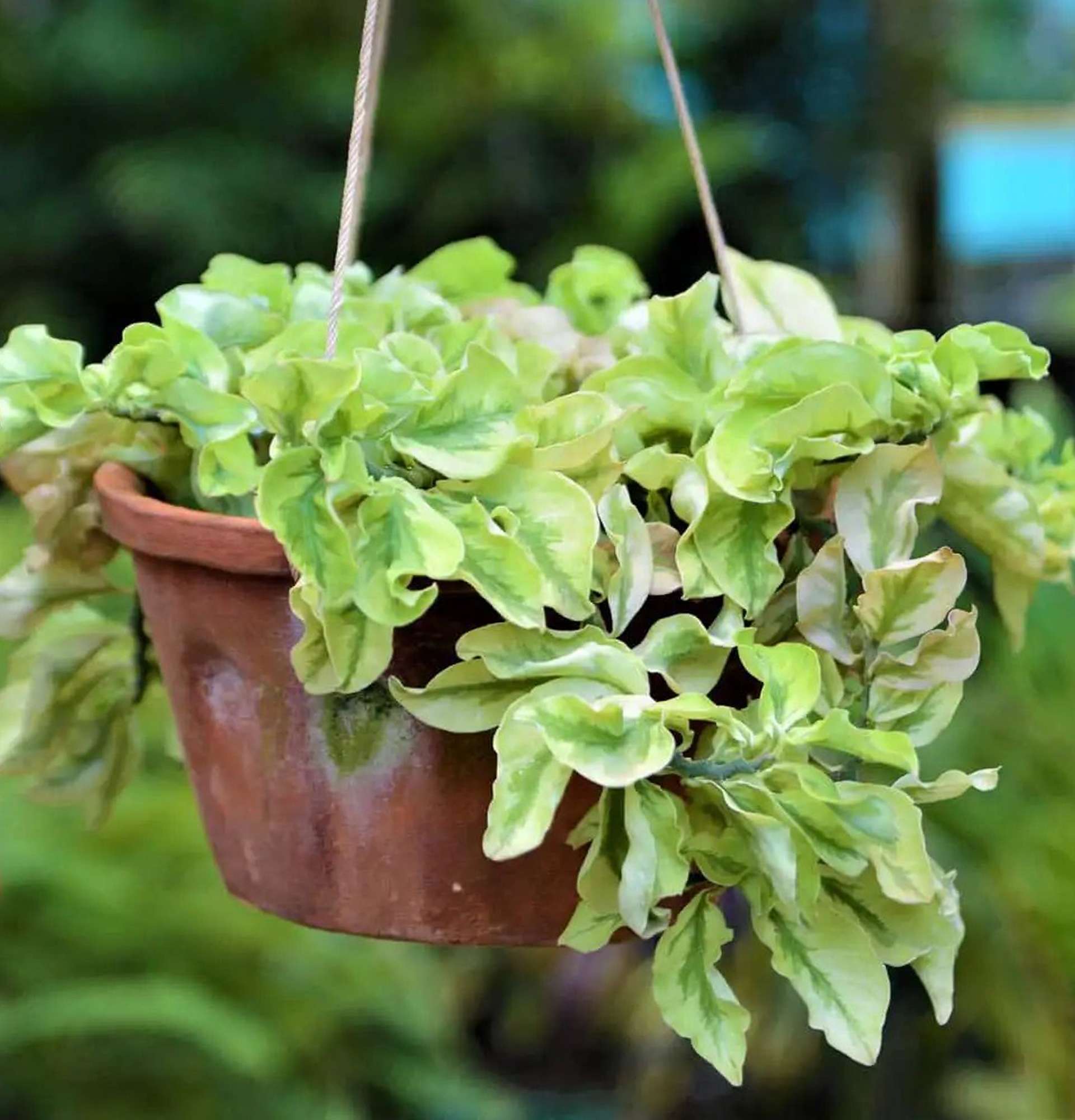
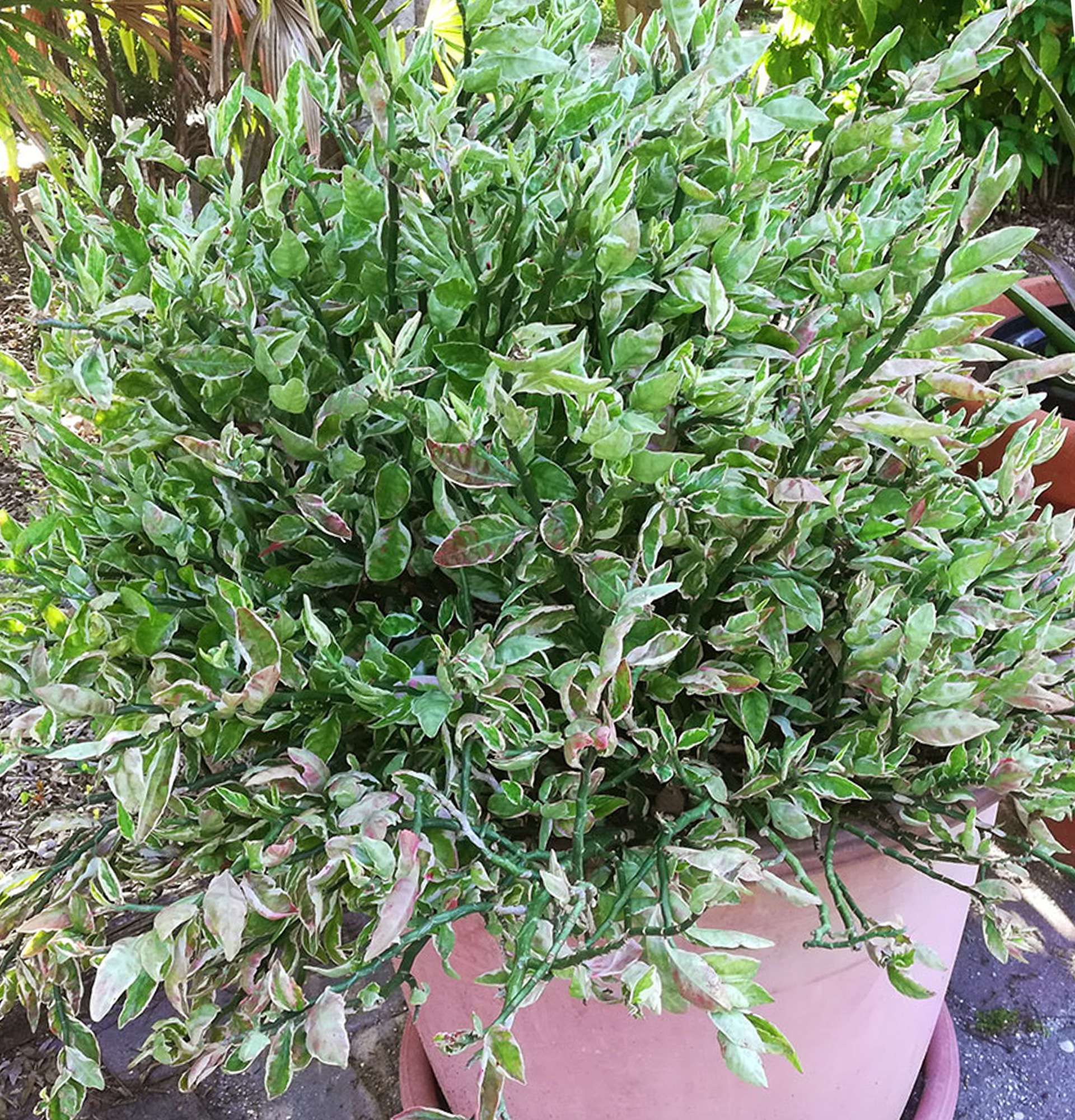
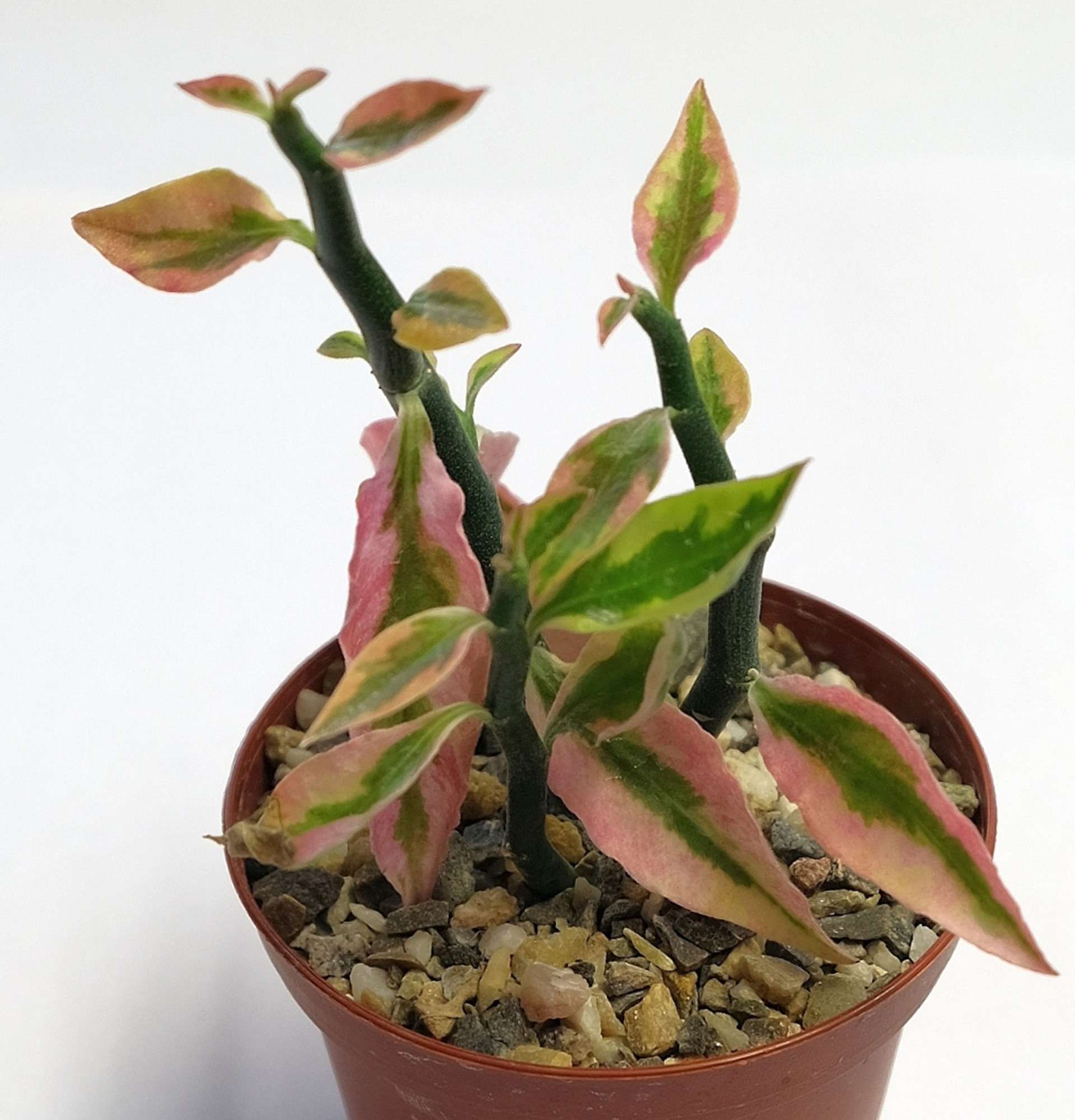
A cultivated pedilanthus flower can reach a height of two meters. Its dark green or gray-dull stems are cylindrical in shape. In cross-section, they reach a thickness of two centimeters. The stems are decorated with ovoid and wavy, narrowed to the ends, waxy, ten-centimeter leaves, the width of which reaches three centimeters. With abundant lighting, the leaves of the exotic plant are variegated with white edges, and if the room is dark, the leaves are pure green.
When does pedilanthus bloom?
Pedilanthus blooms in the fall if the growing conditions are met.
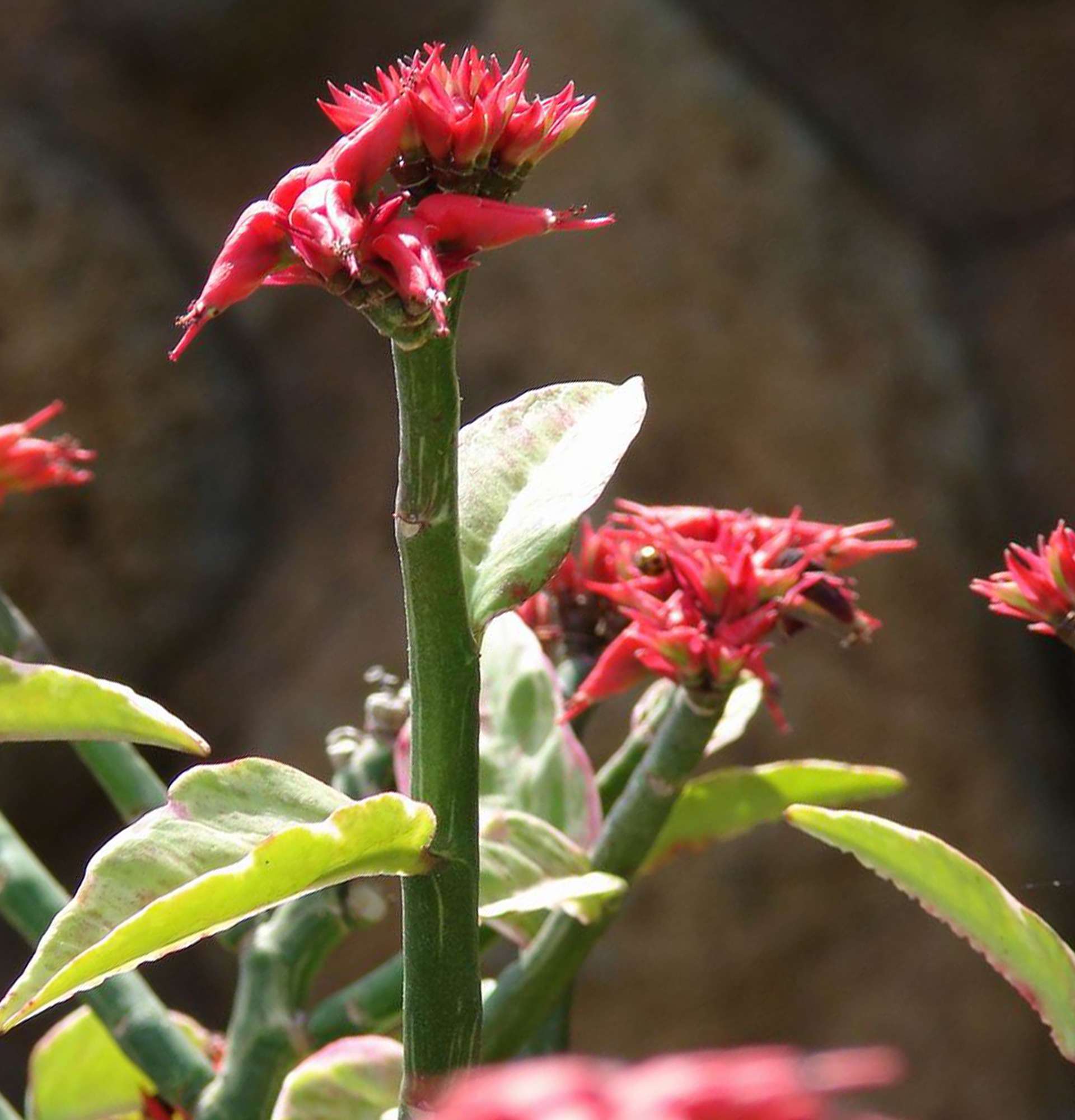
It will delight the eye with small flower-shoes of red or pink color, which are collected in umbrella-shaped, three-centimeter inflorescences. You will want to see such beauty in your home. Jacob's ladder will look great both on its own and with other flowering or decorative-leaved plants. A good companion for your pet will be croton or flowering anthurium.
When buying a plant, it is necessary to find out about the signs of pedilanthus.
Pedilanthus has the same signs as Benjamin's ficus. It is believed that young girls should not grow this flower in their own home. At work, the presence of pedilanthus will help improve career growth. It is a good sign to receive this beautiful flower as a gift.
You can look at the photo of pedilanthus and admire its beauty by familiarizing yourself with the varieties of this tropical beauty.
Types of pedilanthus
Pedilanthus tithymaloides
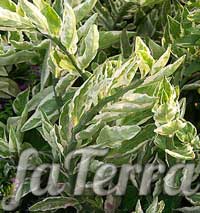 The wonderful "Jacob's ladder" or "devil's spine" has become a favorite decoration of the home space for flower lovers. This unpretentious miracle, with good care, can turn into an original bush with variegated leaves, as if covered in wax. The middle part of the leaf plate is dark green, and the edge is with a white border. How does pedilanthus bloom? This process can be observed if the plant has rested well, at the end of autumn or early winter. Flowers of red or pink color delight their owners and resemble both a bird and a shoe.
The juice of the flowers of pedilanthus tithymaloides is used to make a medicinal drug with antimicrobial properties.
The variegated pedilanthus (Pedilanthus variegantus) variety has variegated leaves in any growing conditions. Original stripes of white and pink color give the plant special beauty and attractiveness. This variety pleases with its flowering before the onset of winter. The tops of the stems are covered with red inflorescences.
Pedilanthus finkii
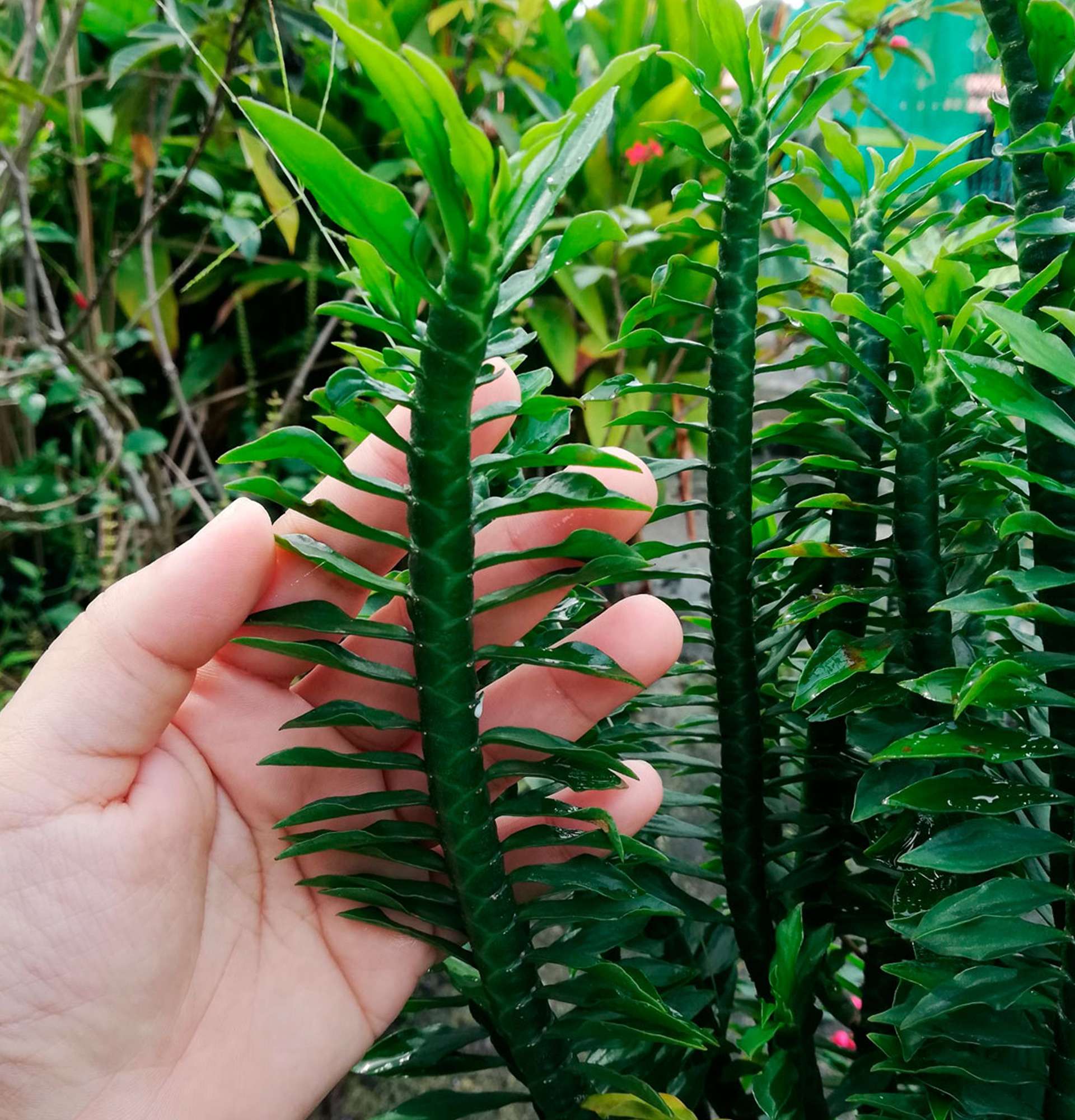
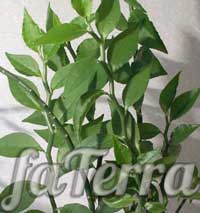 The tropical forests and undergrowth are the native home of this species. This variety of pedilanthus is completely different from other types of euphorbia due to its unusual zigzag-shaped stems with bright, glossy leaves in the upper part of the plant.
Attention! In indoor conditions, it is necessary to pay attention to the composition of the soil mixture. It should be light and loose.
Pedilanthus calcaratus
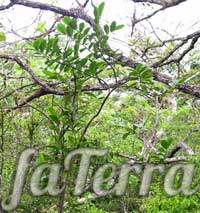 Green pedilanthus is a tree-like, beautiful evergreen flower with spiral-shaped stems completely covered with bright green, picturesque leaves. The natural conditions of the tropics allow the plant to reach large sizes. Flower growers need to know that to keep green pedilanthus, spacious areas and, most importantly, high ceilings are needed.
Important! Do not forget about abundant watering and regular spraying.
Pedilanthus nana
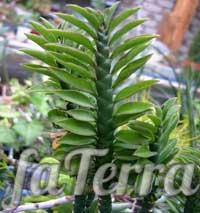 A bushy species of the tropics, where it wants to see tall trees as its neighbors. Green pedilanthus with thick stems and colorful opposite dark green leaves, with original broken shoots, resembles an artificial plant. In culture, pedilanthus will look good in greenhouses and botanical gardens with high humidity and loose soil.
Pedilanthus marcocarpus
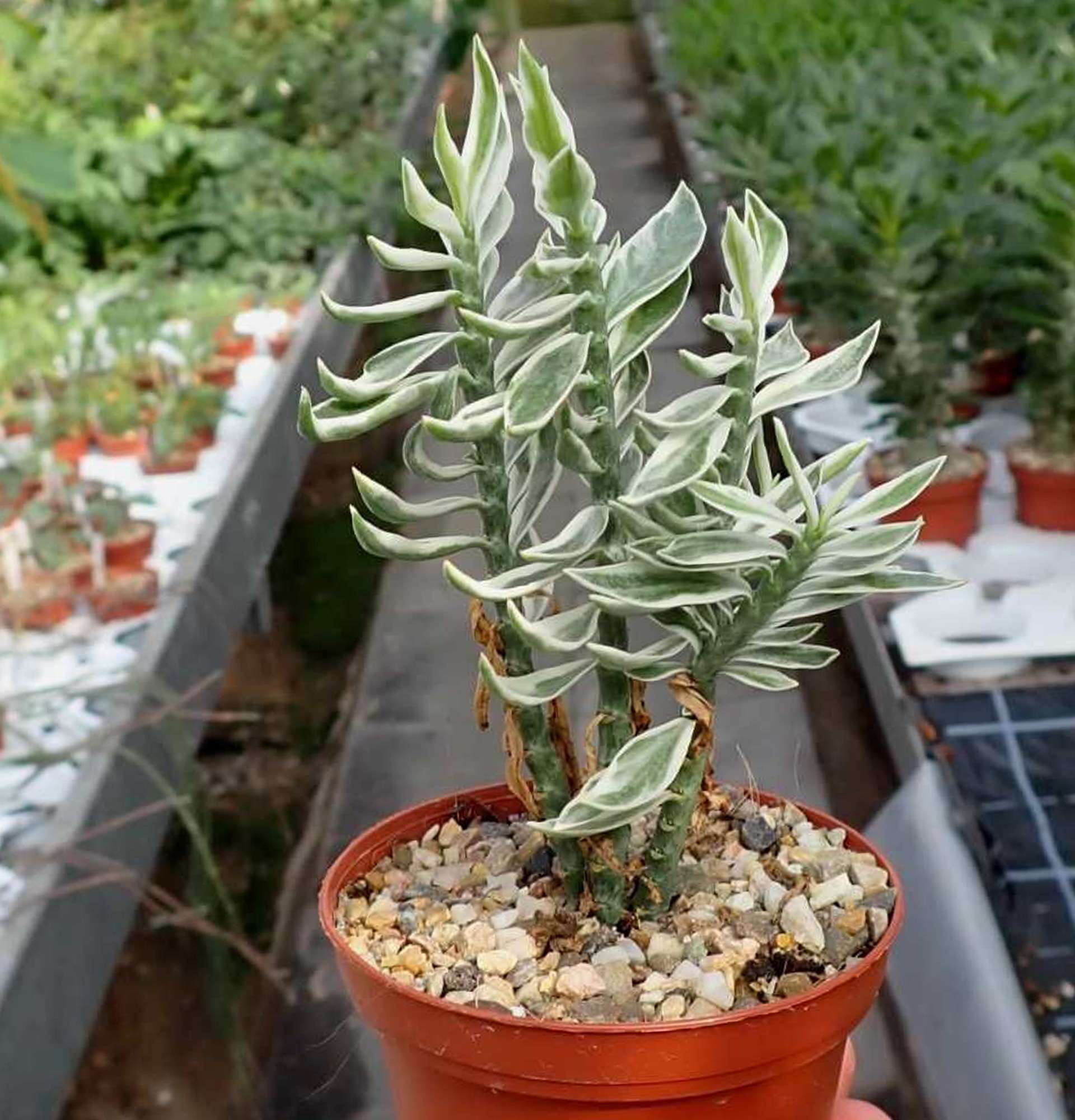
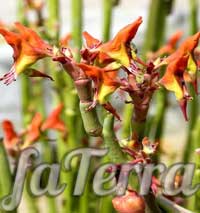 The desert areas of Mexico have created suitable conditions for growing a succulent, which is quite unattractive but original, pedilanthus marcocarpus. This plant consists of bare, fleshy, green stems with a grayish tint, which form dense shrubs. The leaves are almost invisible and represented by scales. Pink, red, or orange flowers form small groups in the upper part of the shoots, which resemble shoe-shaped inflorescences.
Pedilanthus care at home
It is not difficult to care for pedilanthus. It is very unpretentious and grows well on its own. To see your pet grow successfully and bloom regularly, let's take a closer look at the nuances of growing it. Here are the points:
Location
Diffused, but bright light throughout the year is the main condition for the plant to grow well. Pedilanthus will feel good on south, southeast, and southwest windowsills or near them. In winter, it is necessary to increase the daylight hours of your pet with artificial lighting. Regular ventilation is desirable.
Remember! Pedilanthus is afraid of drafts.
In the warm season, the flower will not mind being on the balcony, veranda, or loggia. In a shady garden under trees, pedilanthus will look great.
Temperature
It is desirable to maintain a temperature of 25 ° C for the heat-loving pedilanthus. In the cold season, 15-18 ° C will be acceptable for the plant.
Harmful! Heating devices near the plant can increase leaf fall.
Air humidity and watering
Pedilanthus does not have special requirements for air humidity.
In hot weather, the flower should be watered abundantly every other day, as the soil dries out. Sometimes you can spray the flower or use self-watering flower pots. In winter, water your pet no more than once a week.
Soil and its feeding
As with most succulents, pedilanthus needs loose, light, and breathable soil. It can be purchased in specialized flower shops. You can also pamper your beauty with a soil mixture of your own making. It's simple. Turf, leaf soil, and coarse river sand. Take all the ingredients in equal parts.
Feed the plant in the warm season no more than once a month. It is necessary to pay attention to the composition. Exclude fertilizers with nitrogen, which can cause the formation of rot, and there should be more phosphorus, iron, and calcium. Use mineral fertilizers for succulents and cacti.
How to propagate pedilanthus?
This can be done with apical cuttings and less often with seeds.
A ten-centimeter apical cutting is placed in warm water. Then, it is dried for a day in fresh air. We remove the leaves and root them in sand or perlite at a temperature of 20-25 ° C.
Caution! The sap of pedilanthus is poisonous. It is necessary to take precautions. Rubber gloves will be very useful.
Transplanting
We carry out this responsible procedure in the spring, if necessary. We change the small pot to a new one. We take into account the following nuance. The diameter of the pot should be equal to its height. At the bottom of the pot with a hole, we put drainage. Expanded clay should occupy at least a quarter of the pot to prevent water from stagnating during watering and reduce oxidation of the substrate.
Pedilanthus diseases and pests
Unexpected guests-pests may visit pedilanthus. These can be aphids, spider mites, and whiteflies. Small green or gray insects, aphids, are located at the top of the stems. Spider mites prefer the lower part of the leaf, and whiteflies make themselves known with sticky spots on the leaves. When unwanted guests are found, we give the plant a warm shower in the bathroom. The next step is treatment with an insecticide.
Possible difficulties in growing
- Why does pedilanthus not bloom? Perhaps the flower did not have a good rest period in winter.
- Why does pedilanthus lose its leaves? Perhaps the temperature regime is disturbed, the watering is poor, or there are drafts.
- The leaves wither and droop - the watering is insufficient.
Follow the above rules for growing a beautiful tropical plant, add a little love and care, and the pedilanthus flower will be a wonderful decoration of your home. You can admire its extraordinary appearance endlessly, and you can read about other indoor plants and their photos with interesting information on the website by opening the catalog of indoor plants from "a" to "z". Enjoy browsing!
Write comments
Comments