



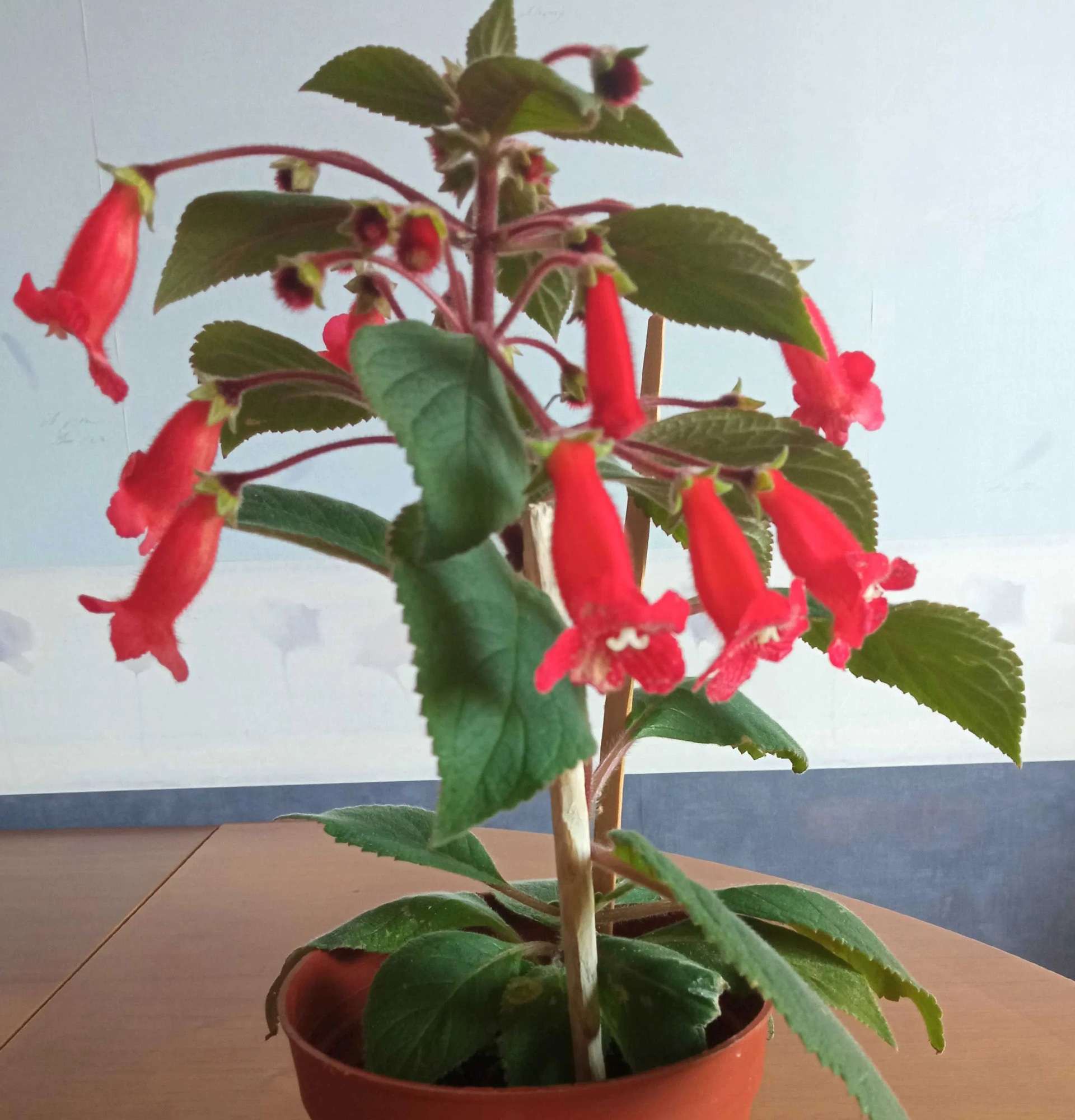
Latin name: (Kohleria)
Category: perennial herbaceous plants, semi-shrubs
Origin: Tropical America
Velvety, spotted bells of the Colombian beauty
Kohleria is a wonderful and unique exotic plant, with sixty varieties united in a genus that holds a prominent place in the Gesneriaceae family.
The native areas of distribution are the tropics of the American continent. The main growing areas are Colombia, the island of Trinidad, Central America, and Mexico.
The flower kohleria should be named after Michael Kohler, a Swiss professor of natural sciences. Sometimes this amazing fluffy creature is also called isoloma or tidea.
Kohleria looks like an attractive, perennial, herbaceous or semi-shrub, flowering plant with an interesting scaly root-bulb. It is called a rhizome, and it looks like a pine cone. The modest requirements of kohleria for growing conditions can be easily met by even an inexperienced flower lover. The original external characteristics of tidea make it possible to use it to decorate any interior in the form of various ampelous compositions.
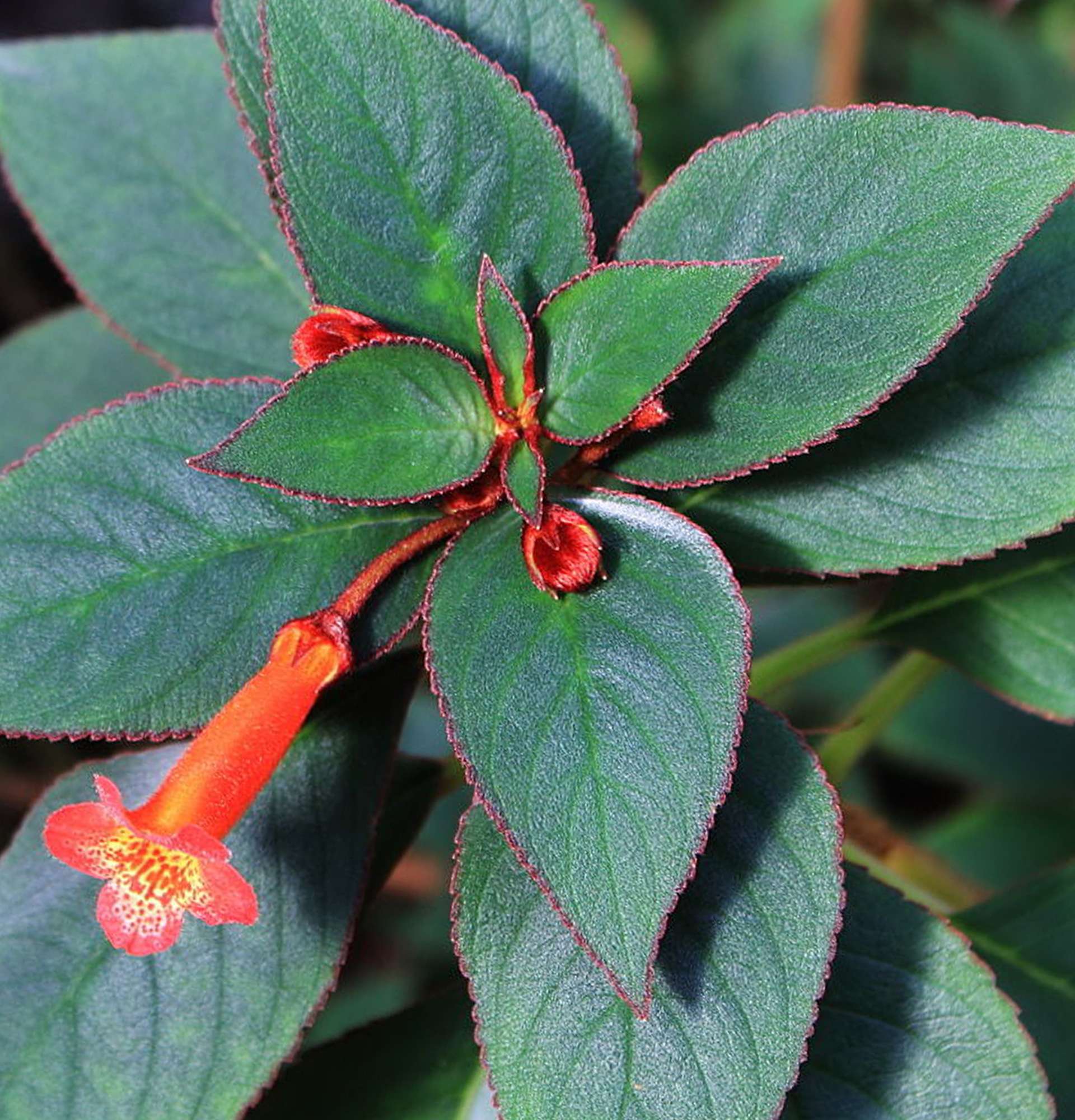
Kohleria has elongated stems. They are decorated with lanceolate, soft due to the velvety surface, long, oppositely arranged, serrated leaves. The size of the leaf blades varies from fifteen centimeters in length and eight centimeters in width. The color of the leaves is very diverse and depends on the variety of tidea. They all look great, both with dark green leaves and purple veins, and with olive leaves with a light vein in the center. There are leaves with a glossy and ribbed surface covered with reddish or whitish hairs. Hybrid varieties have leaves with a silvery or bronze tint.
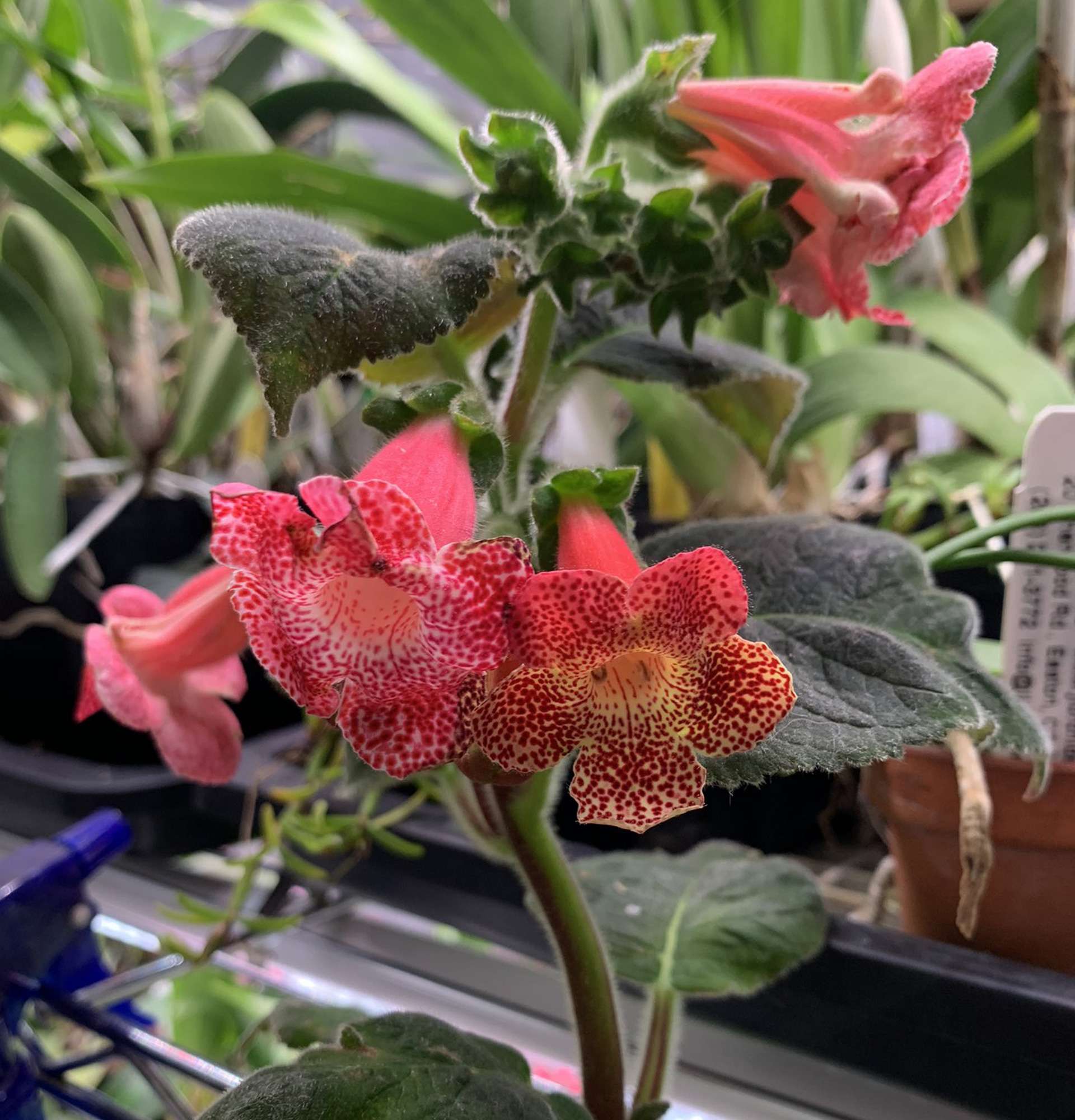
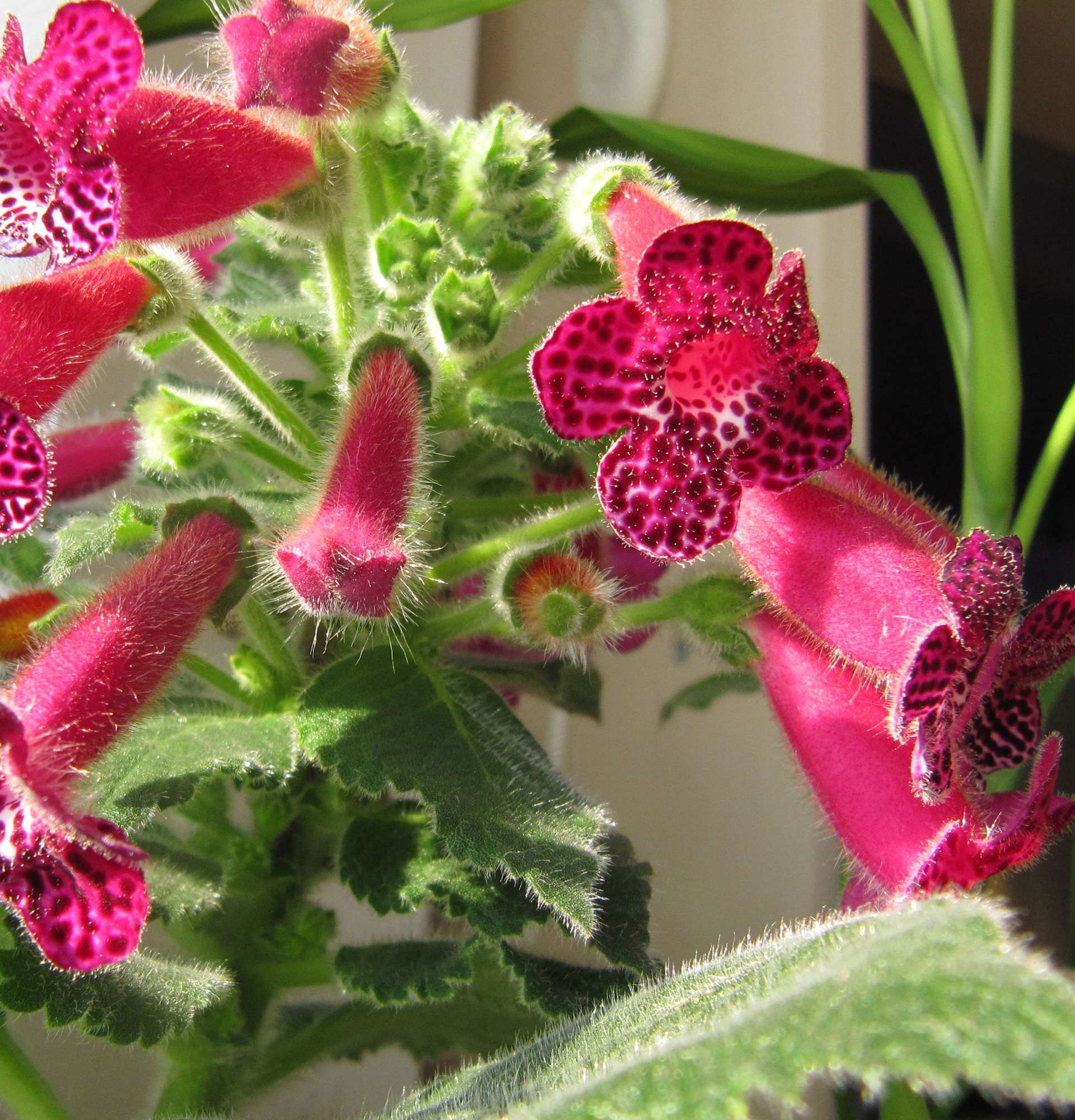
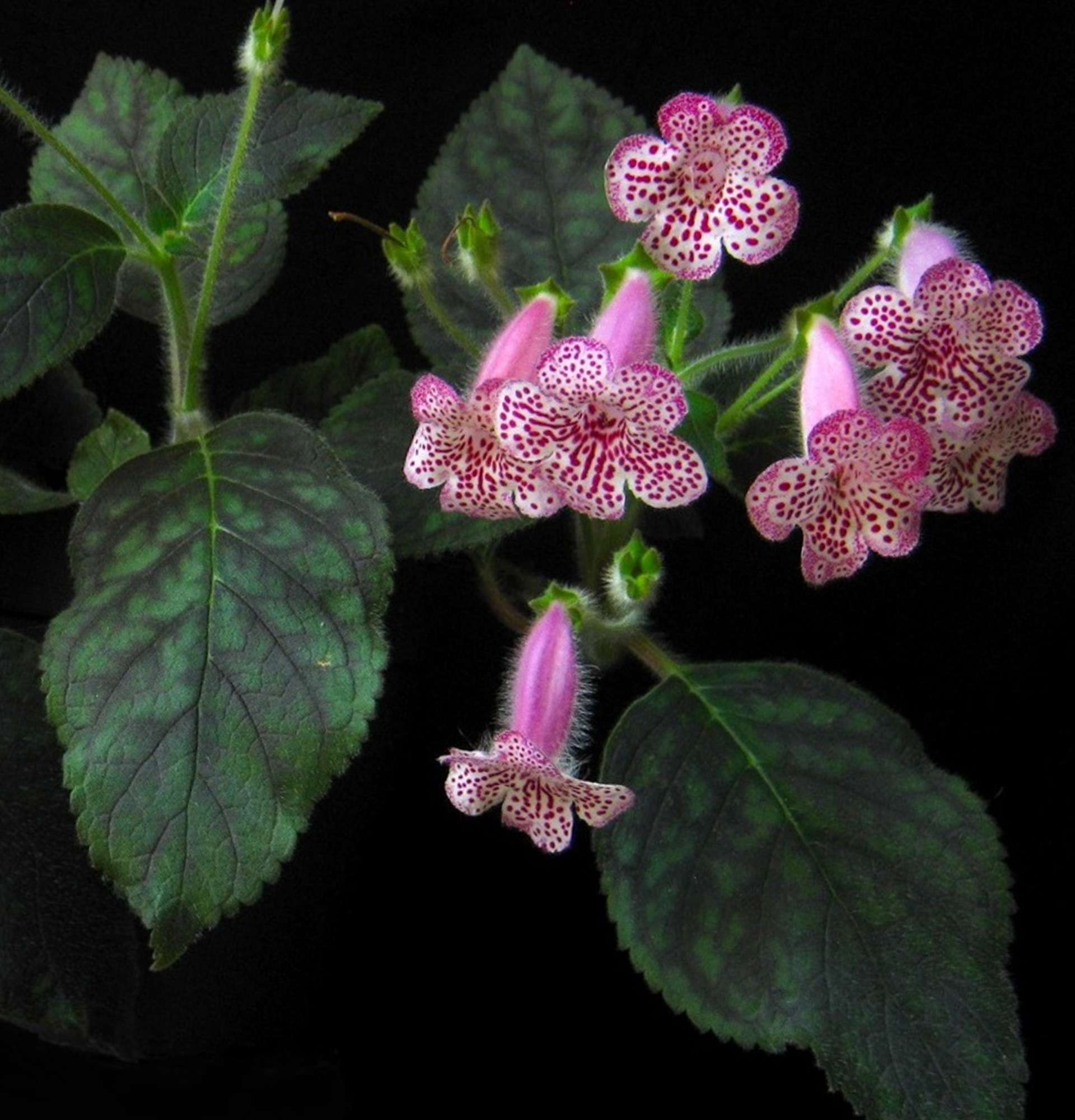
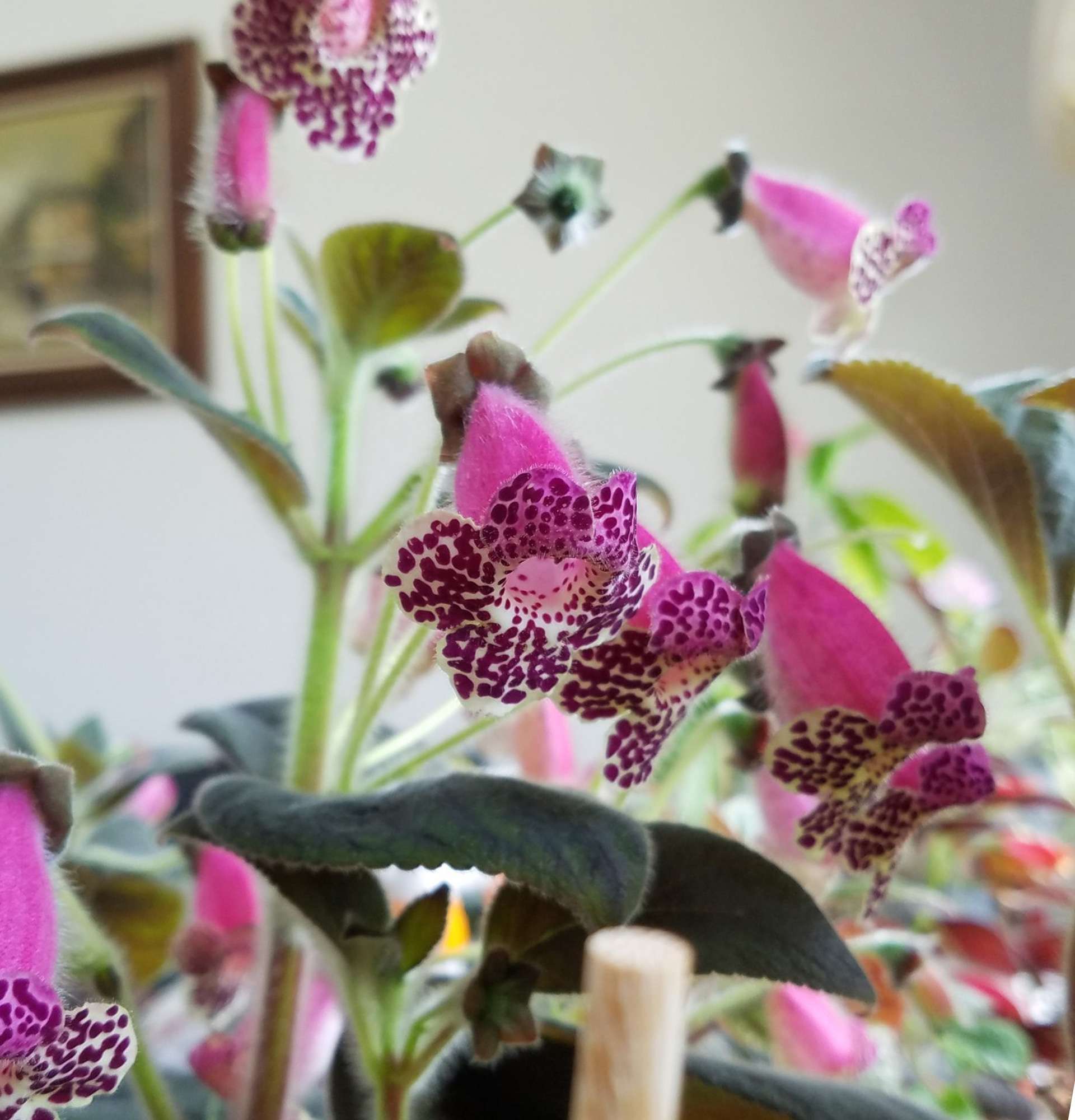
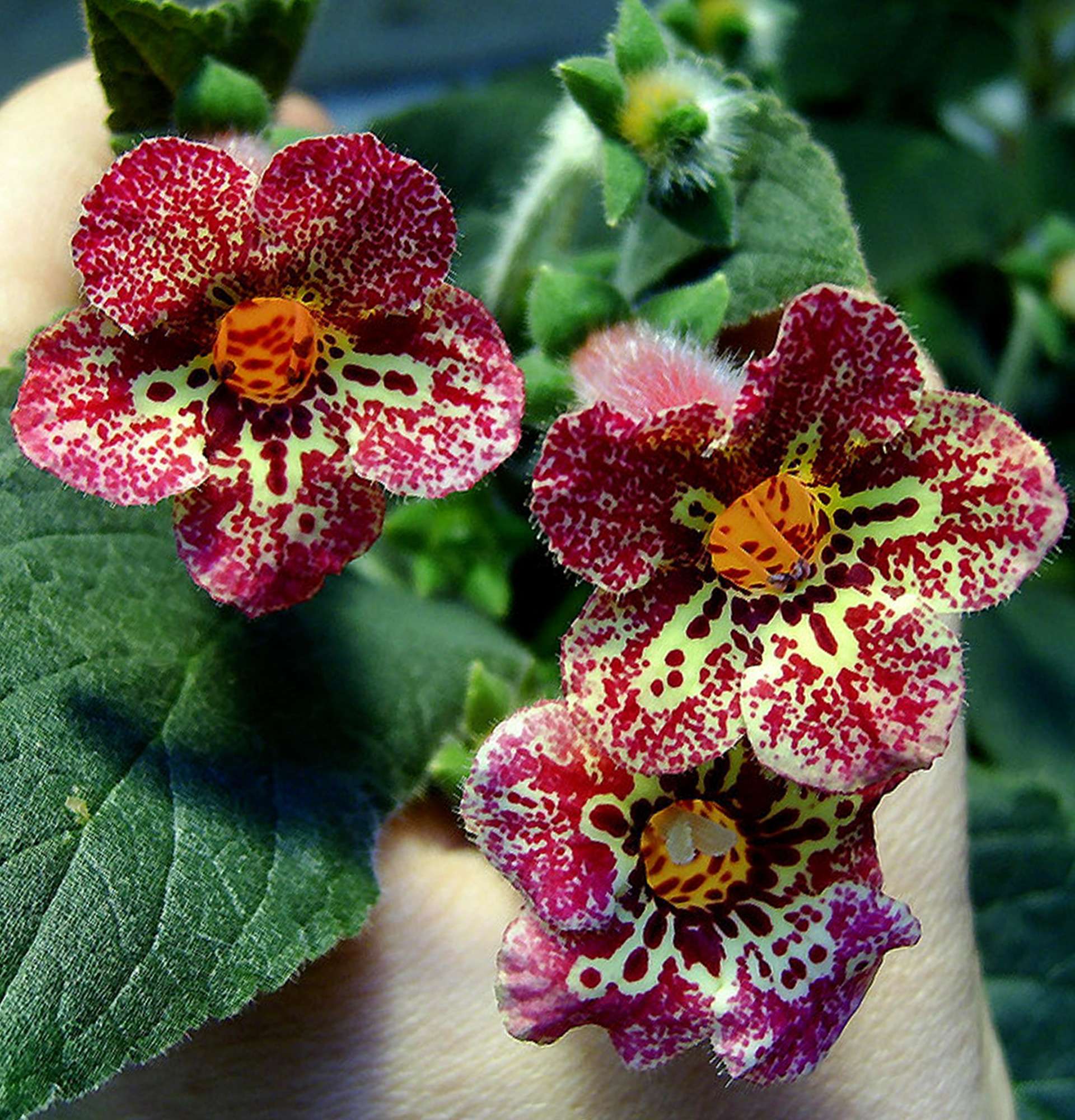
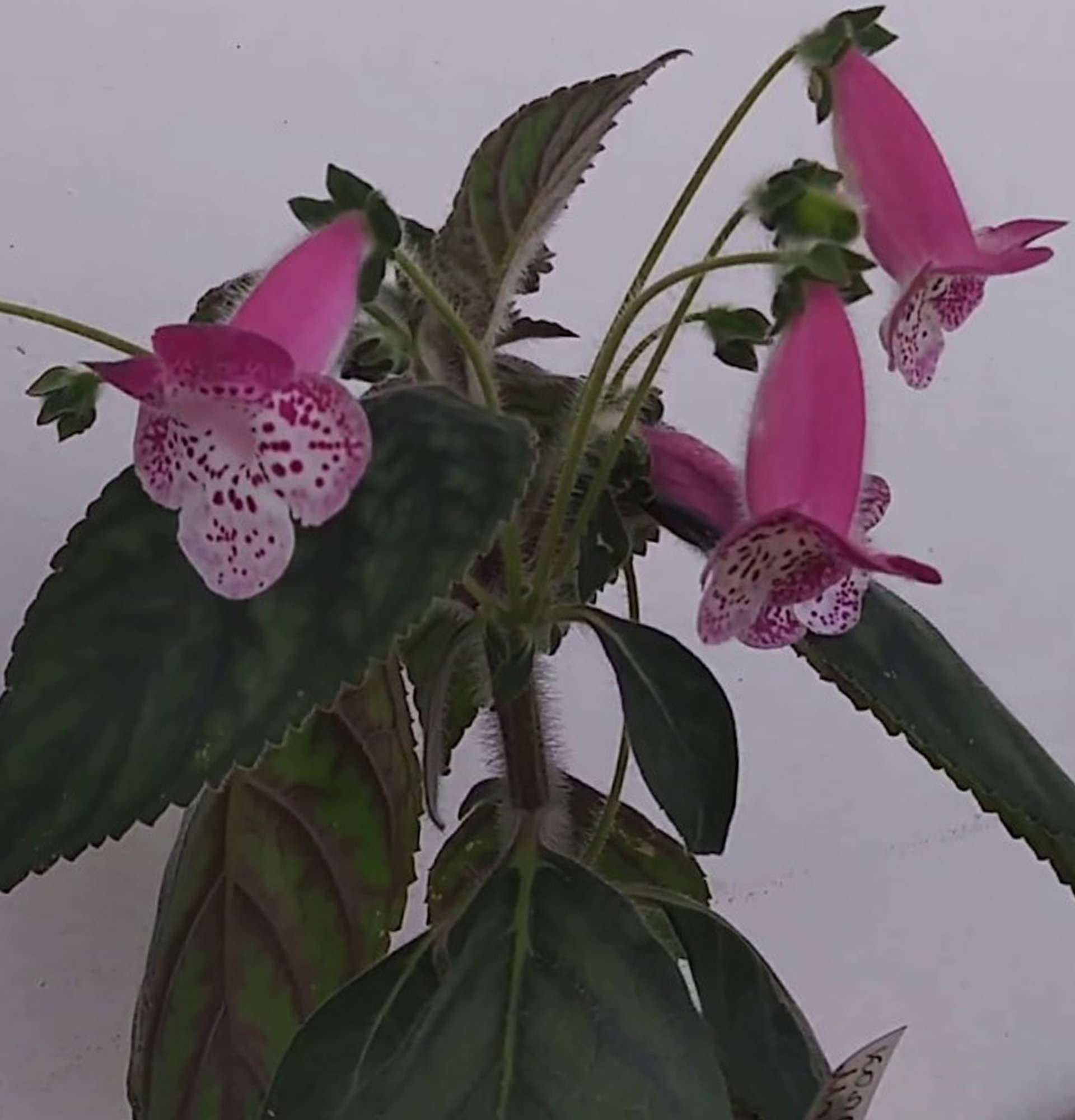
Kohleria, grown in a home environment, delights its owners with abundant, lush, and bright flowering. The wide range of colors ranges from white, pink, lilac, cherry, golden, and green. The bell-shaped flowers, up to five centimeters in size, bloom both singly and in groups of two or three on flower stalks that grow from the leaf axils. On the bright colors, patterns in the form of spots, small stripes, or dots are clearly visible.
If the tidea receives proper care in a home environment, especially with good artificial lighting, the plant will delight with flowering throughout the year.
We will describe the kohleria varieties in more detail and consider the kohleria photo in the next section.
Kohleria species
Kohleria amabilis
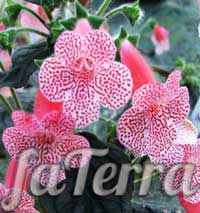 This high-altitude Colombian beauty, which prefers areas at an altitude of eight hundred meters above sea level, is represented by herbaceous perennials. On the sixty-centimeter reddish or greenish stems, framed by whitish hairs, grow oppositely arranged leaves. The leaf is egg-shaped, green or dark green with brown-red veins and silvery-white lines, up to ten centimeters long and seven centimeters wide, and rises on twenty-five-millimeter petioles. Throughout the year, the pink tidea delights with abundant flowering. The five-petaled, tubular pink flowers are gently covered with whitish hairs. Bright spots are located on the bent part of the flower. The kohleria flower photo of this variety looks magical.
Kohleria bogotensis
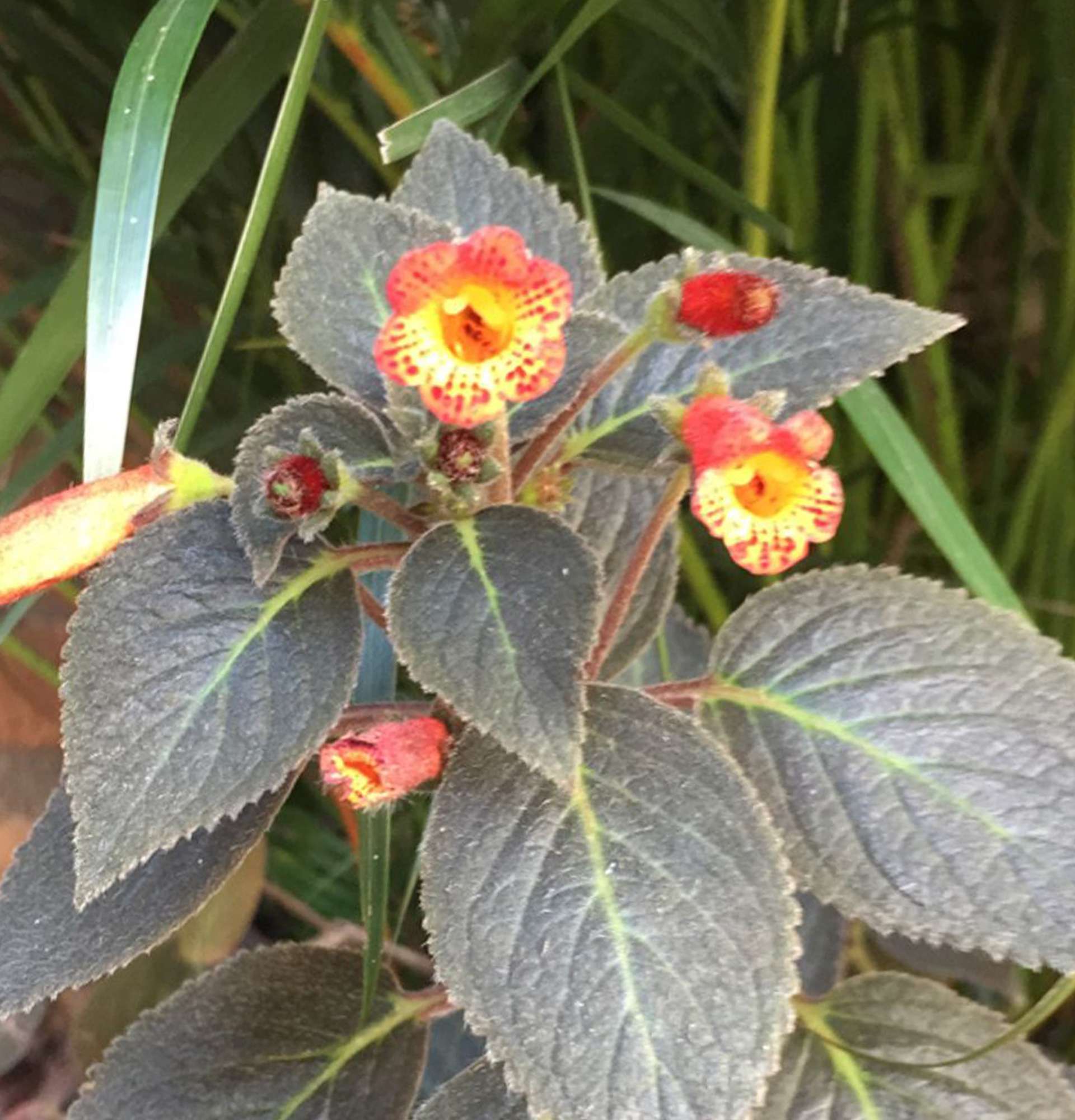
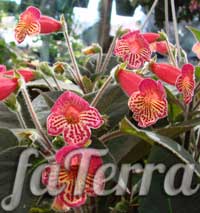 This species reaches a height of sixty centimeters. It differs from kohleria amabilis in the color of the flower. It is decorated with bright reddish-yellow bells, the inside of which is dotted with dark red dots and stripes.
Kohleria lindeniana
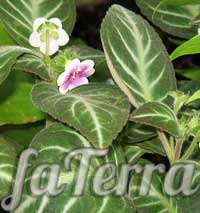 Ecuador, with its mountainous areas, is the homeland of the purple tidea. The thirty-centimeter bush is organized with original, egg-shaped, dark green, veined leaves. The upper side is covered with whitish hairs, and the underside is lighter green with a pinkish tint. With light purple, lilac, pink flowers, similar to bells, up to six centimeters in size, kohleria lindeniana delights the eye in the autumn period.
Kohleria lanata
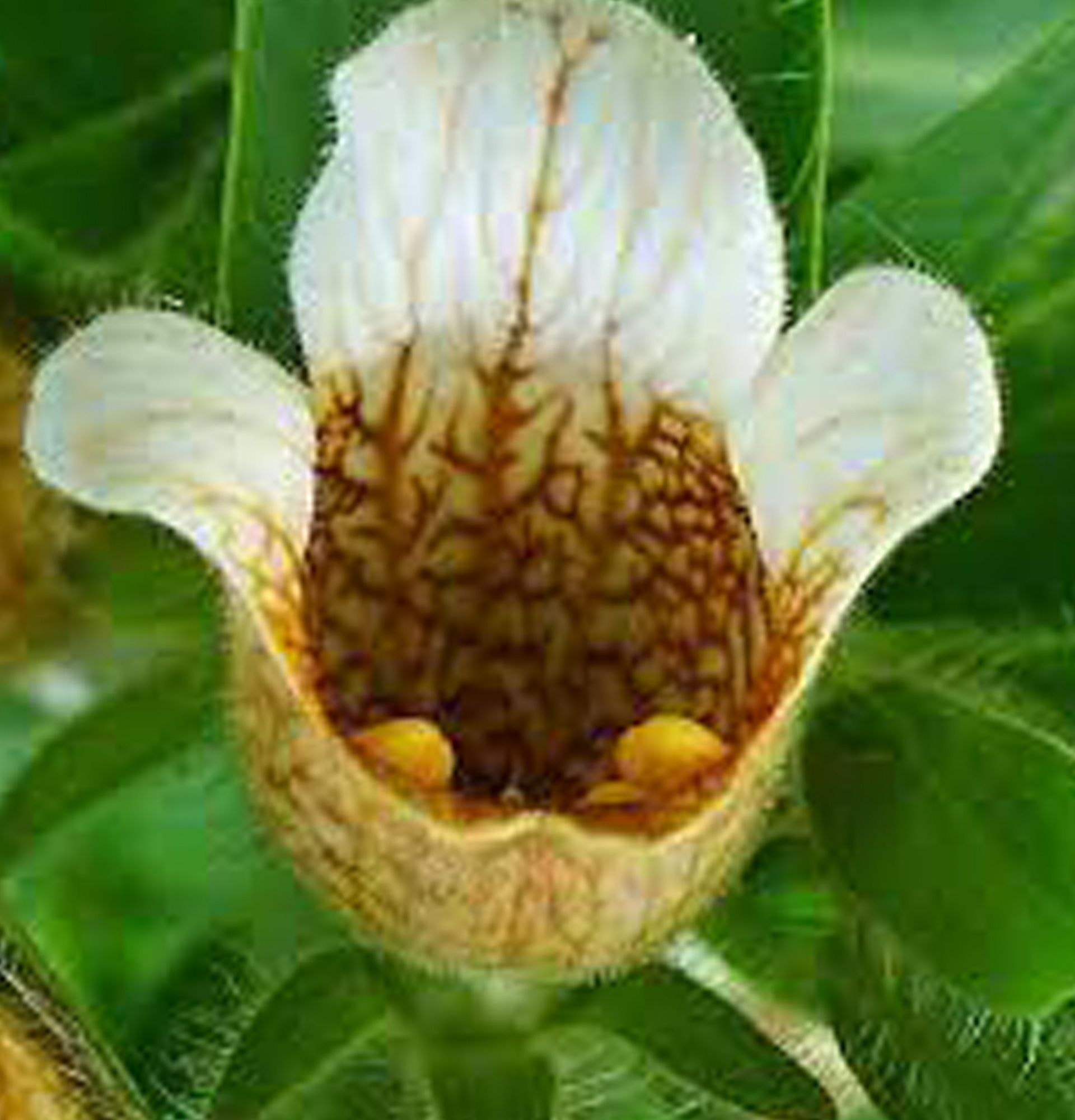 This Mexican beauty has a thick stem, small green leaves covered with light brown hairs, forming a half-meter bush. Beige bell-shaped flowers have brown veins, and the inside of the flower is white with yellowish stripes.
Kohleria Jardin de Monet
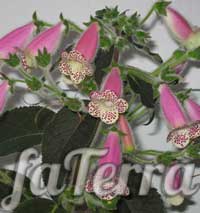 This is a large hybrid variety with pink flowers, a yellowish throat, and petals covered with spots.
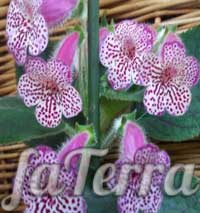 Kohleria Elvira is a wonderful variety with colorful white-pink flowers with original spots.
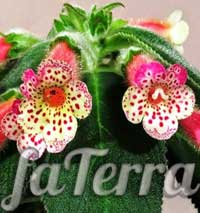 Kohleria Emma is an interesting variety with a red tube and a pale yellow throat with a burgundy spot.
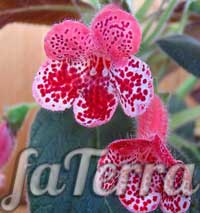 Kohleria Martha is a chic variety with white-raspberry color.
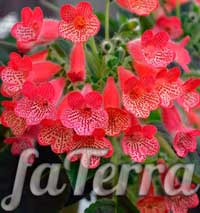 Kohleria red is a common variety that attracts flower growers with its red-black colors without patterns and beautiful dark green leaves.
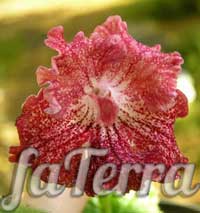 Kohleria vesnyanka has yellow-cream flowers. The two upper petals are red and spotted. The outer part of the tube is orange-red.
Kohleria photo - this variety of bell-shaped flowers looks very colorful, and you want to admire them again and again.
Kohleria care at home
Caring for kohleria in an apartment is not a burden. The main thing is not to forget that the kohleria flower is a tropical plant. It will not be possible to create a jungle in the house, but it is quite possible to create conditions close to natural ones. The main thing is to water correctly and regularly, provide bright sunlight, warmth, and protect the indoor flower from drafts.
Choosing a place and temperature regime
In order for the indoor flower to receive enough light and heat, the windows facing west and east are best suited. Bright sunlight should be shaded. Excessive light can cause the leaves to turn yellow and curl. If there is not enough light, the indoor kohleria will not bloom.
The acceptable summer temperature for the flower is 23-25°C, and in winter, the temperature should be maintained at least 15°C.
Attention! Indoor flower kohleria is sensitive to drafts.
Air humidity and watering
The air in the room where the kohleria is located should have a humidity of at least 60%. It is not desirable to spray the plant itself; you can spray water near it, without allowing drops to fall on the leaves and flowers. To increase the humidity of the air, place the pot with tidea on a stand with wet pebbles. You can also purchase a self-watering flower pot for your favorite plant.
Important! Keep your exotic plant away from heating radiators.
Water the kohleria with settled water at room temperature no more than once every four days. Overwatering is undesirable for the flower. Be sure to monitor the condition of the substrate in the pot. Before watering, it should be slightly dry to a depth of one centimeter.
Soil and feeding of kohleria
The soil mixture should be light, loose, airy, and low in acidity. You can buy soil for violets in a flower shop. To prepare it yourself, you need to take two parts of leaf soil, one part of peat, coarse sand, and sod soil. In order to prevent diseases, it will not hurt to add wood charcoal.
Fertilizers are applied only in the spring-summer period. Feed with liquid complex fertilizers, reducing the concentration by half of what is indicated in the instructions.
Kohleria transplant
Annual spring transplanting into a wide and shallow pot will not be superfluous for fast-growing kohleria. It should be transplanted using the transshipment method.
Attention! Good drainage of expanded clay, pebbles, or small stones is required.
Kohleria propagation
Tidea can be propagated by stem cuttings, seeds, and by dividing the rhizome during transplanting.
Place eight-centimeter cuttings from the stems in water. Roots will appear in about seven days. Carefully plant the seedlings in a small pot.
With the onset of January, you can start sowing kohleria seeds. Spread the seeds on the surface of a sand-peat mixture, create a mini-greenhouse environment, ventilate and water with a spray bottle. When the seedlings with small leaves appear, transplant them into separate pots. As the seedlings grow, they need to be pinched to form a crown.
Kohleria diseases and pests
Fluffy kohleria is not often attacked by pests, but in some cases, you can find scale insects, aphids, thrips, whiteflies, and spider mites. When unwanted guests are found, it is necessary to immediately start fighting pests with special insecticidal preparations.
Difficulties in growing
- The leaf plates of kohleria are covered with dark brown spots - cold water for watering and drafts cause such negative consequences, and can even provoke the death of the plant.
- Pale and yellowing leaves - too much fertilizer was applied.
- The stems of the indoor tidea are too elongated - the plant does not have enough light.
- The leaves of kohleria have curled and begun to fall off - the air is too dry, it is necessary to increase its humidity.
- Kohleria does not bloom - the plant needs to be fed and provided with more light.
Like all flowering indoor plants, kohleria needs a little love, attention, and care, taking into account all the small nuances. Then your beautiful Colombian beauty will delight you with its chic colorful velvety bell-shaped flowers and will harmoniously fit into any interior.
Write comments
Comments
Аяужан