



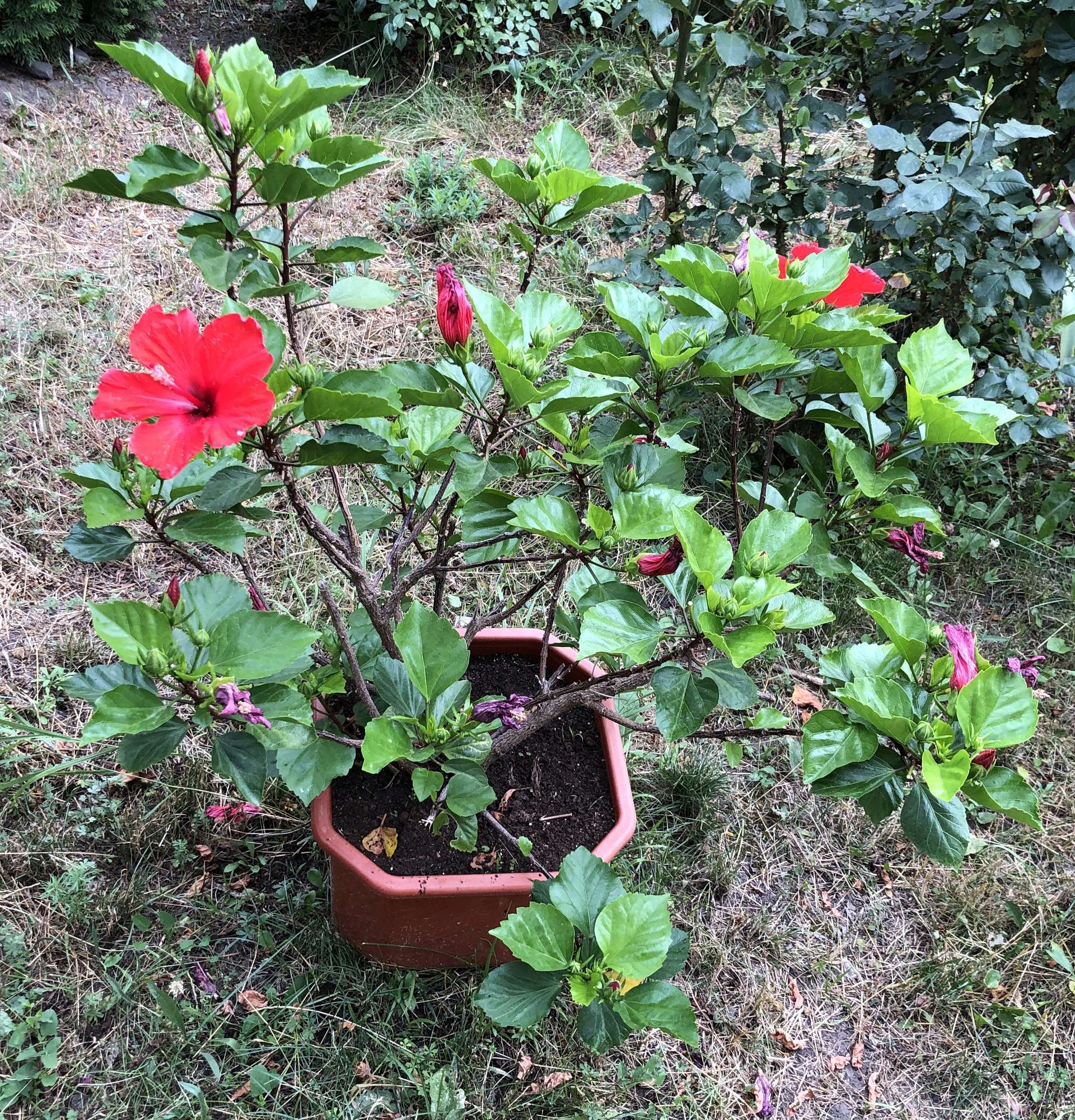
Latin name: (Hibiscus)
Category: evergreen trees, shrubs, perennial herbaceous plants
Origin: Southeast Asia
Amazing and unique Chinese rose – a "grandmother's flower" from childhood
Hibiscus (Hibiscus) is a significant genus of almost three hundred species of decorative flowering plants in the Malvaceae family. They are represented in the form of wild tropical and cultivated shrubs, trees, perennial and annual herbaceous plants.
Hibiscus originates from Southeast Asia.
It is easy to find this amazing plant in all tropical regions of our planet. The Chinese rose has long been a favorite and revered plant among the inhabitants of Southern China. The beautiful women of the Pacific islands decorate their hair with this flower.
Hibiscus has become a national treasure of Malaysia, and its image is depicted on money. The inhabitants of the Hawaiian Islands call it the "flower of beautiful women." In Brazil, "princess earrings" are a decoration of the personal space of most residents. Indians believe that hibiscus helps in career advancement, protects the house from evil spirits, and prevents depression in family members, and festive wreaths of Chinese hibiscus are made for young couples. Many varieties of hibiscus decorate the Crimean and Caucasian coasts, and these plants have also adapted to areas with a temperate climate, which are under the influence of high pressure, most often as greenhouse and indoor plants.
Various species of hibiscus differ significantly in size. In the wild, hibiscus grows as magnificent giant trees from ten to twenty meters high, as well as very small tropical plants up to twenty centimeters. The optimal size for a shrub or small tree is from three to five meters, and indoors – up to two meters.
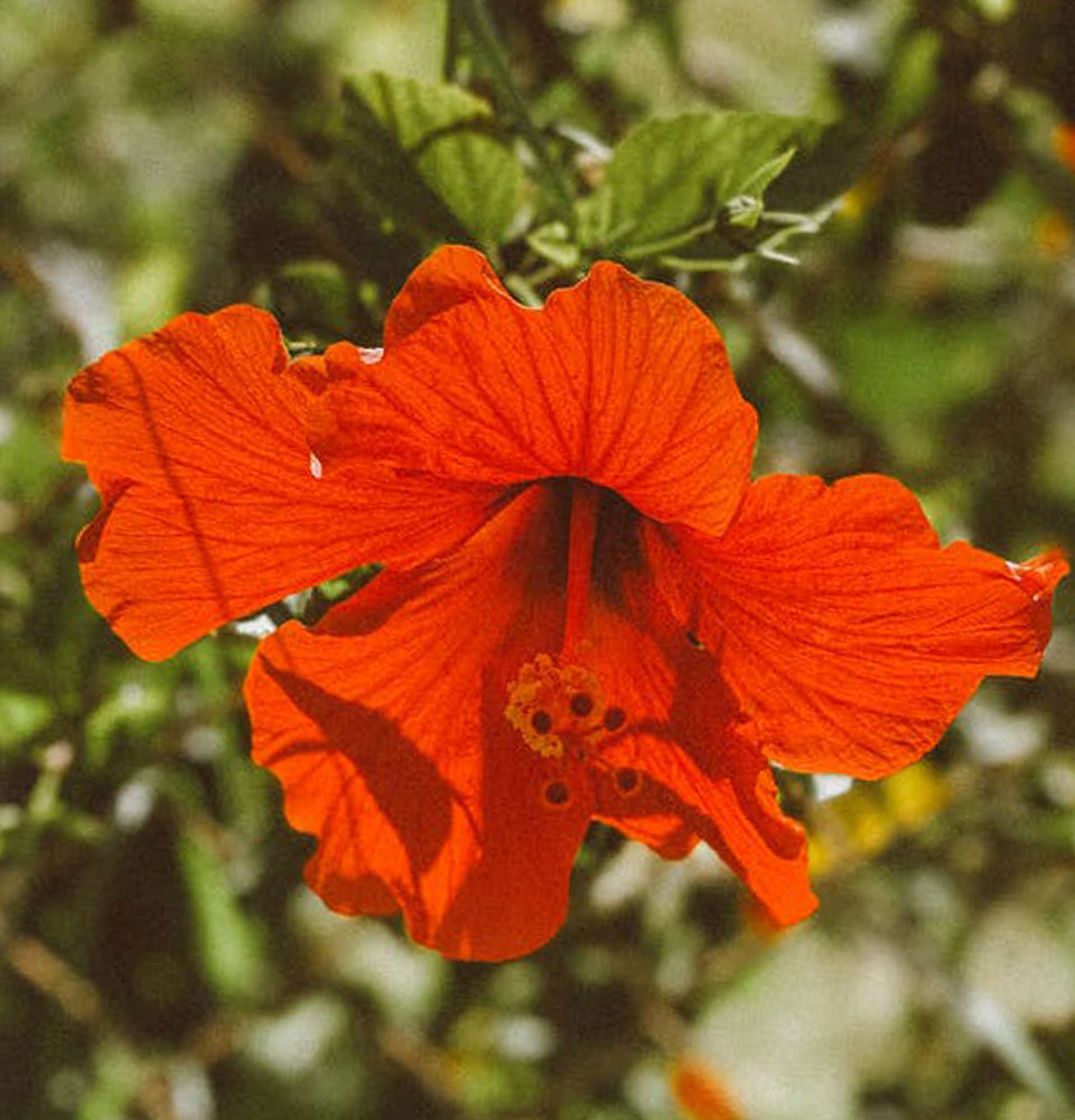
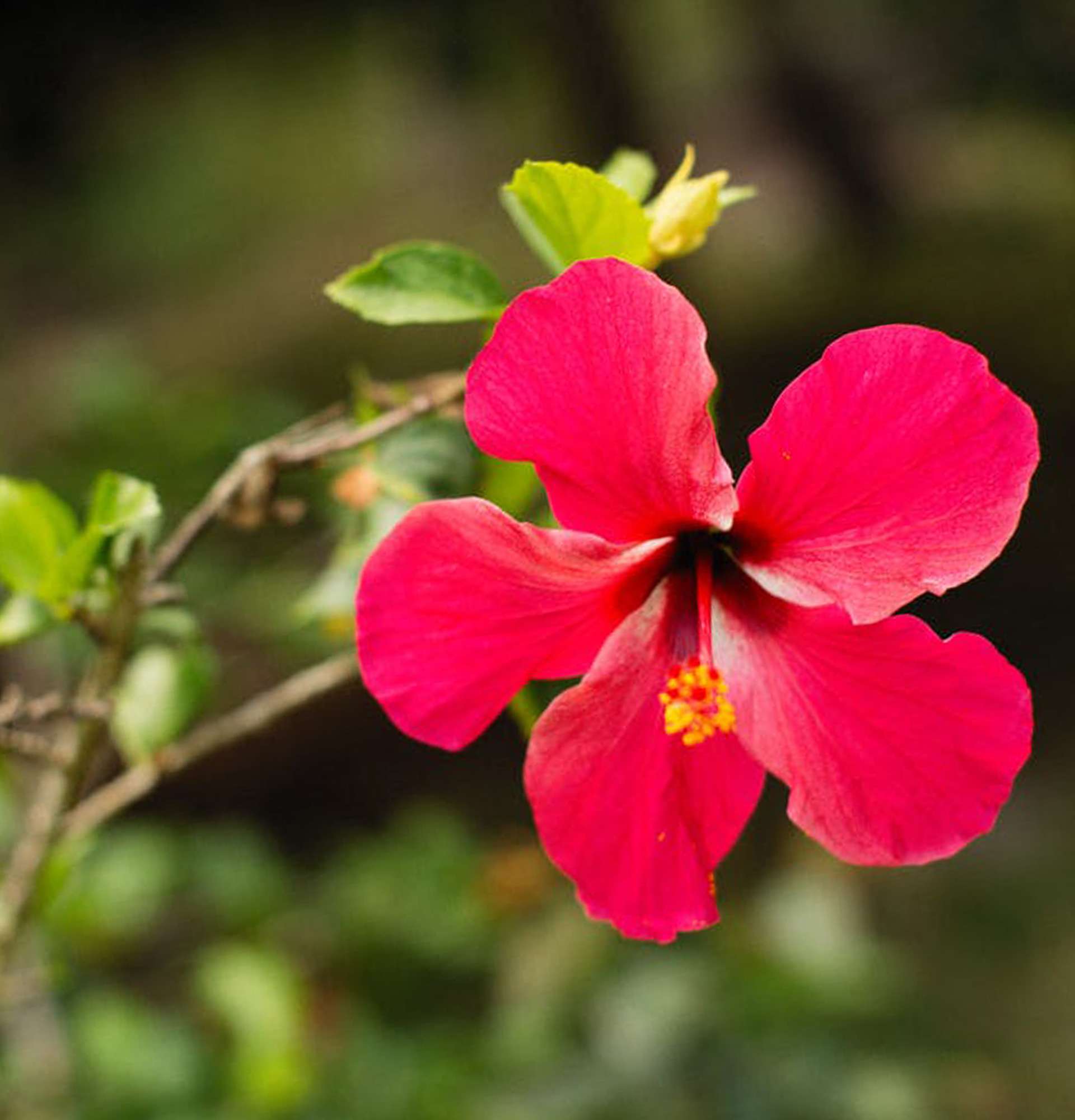
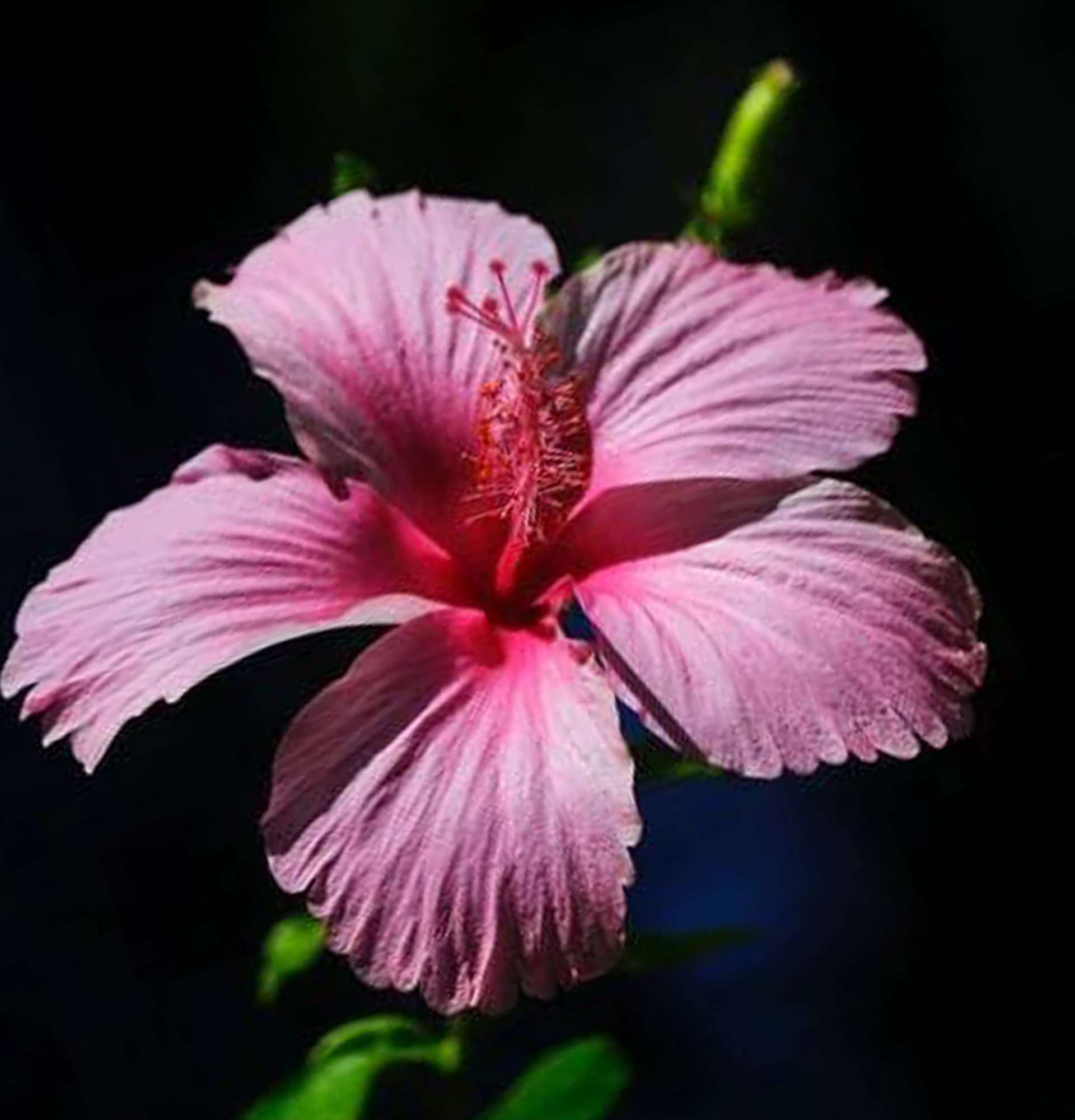
Amazing plants with spreading brown branches on dark trunks. Decorated with various, petiolate, shiny leaves. Hibiscus pleases with large, bright, simple, funnel-shaped flowers that bloom in turn. The size of the flowers ranges from five to thirty centimeters. After flowering, seeds appear, which are stored in pod-shaped fruits. The color palette is very diverse, and only black and blue tones are excluded. Hibiscus delights the eye with two-color, variegated, striped, and bordered specimens.
The painstaking and difficult work of breeders in different countries has not gone unnoticed. Many varieties and cultivars of frost-resistant, incredibly beautiful hibiscus have appeared for growing in gardens, as well as for growing indoors. Let's consider some of the most common varieties of this wonderful plant.
The most common types of hibiscus
Syrian hibiscus (Hibiscus syriacus)
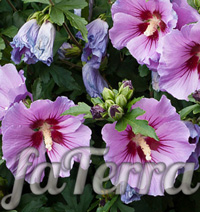 The native area of the common Chinese rose can be considered China and India. The local natural conditions allow these amazing deciduous shrubs to reach a height of six meters. And greater decorativeness is given to them by bright green, ovoid leaves, the length of which reaches ten centimeters, and single flowers of various shades.
The Chinese rose has become very popular among amateur gardeners. It grows slowly, with a lifespan of about one hundred years, and Syrian hibiscus can be a beautiful living hedge or fence, it looks wonderful in cottages, parks, squares and gardens, near the entrances of multi-story buildings. It is easy to prune and transplant. It can withstand frosts down to twenty degrees.
Attention! It will feel great in clayey, moist soils.
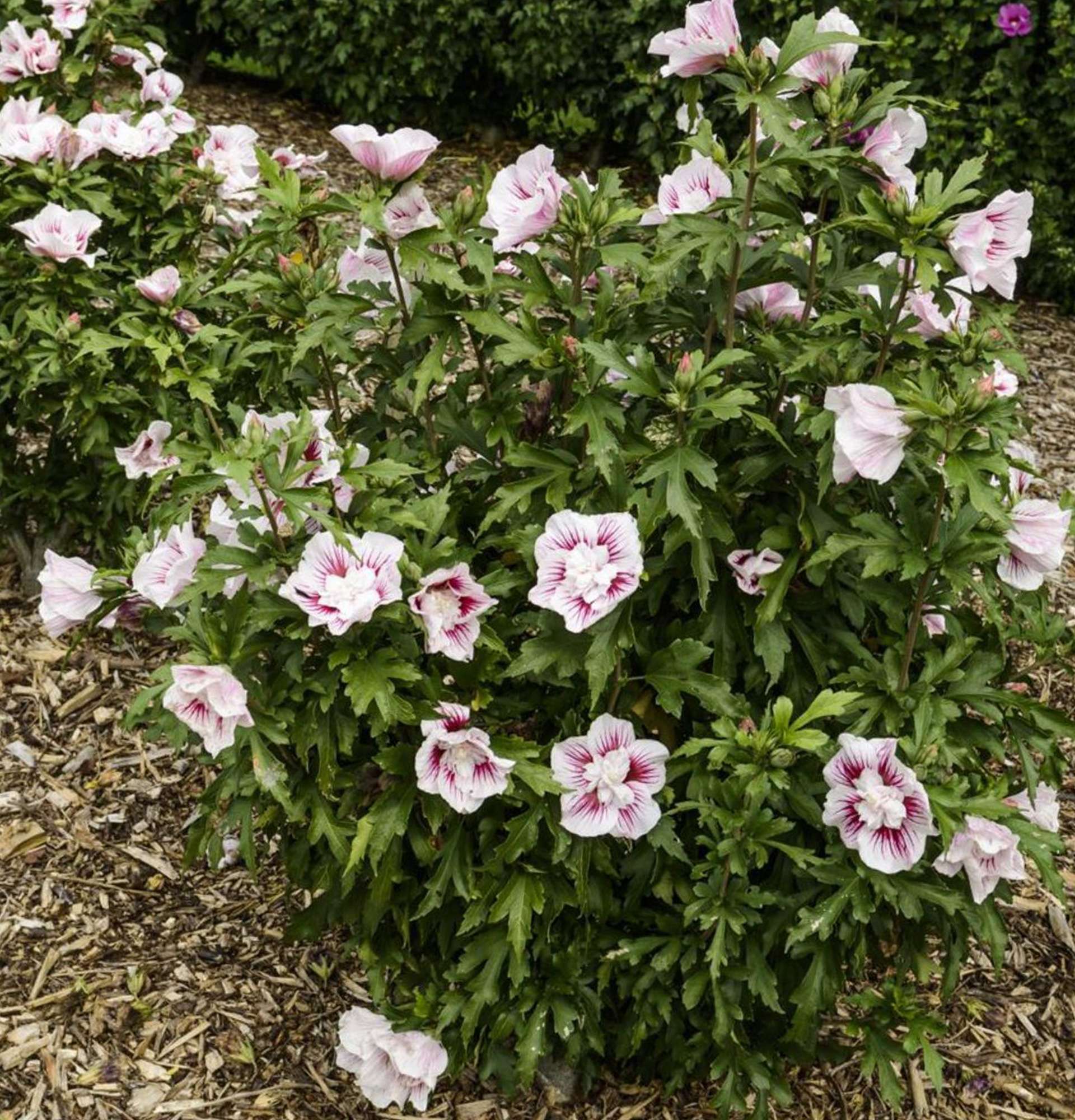
The Chinese rose, also called double hibiscus, has many interesting varieties. It is decorated with its attractive petals with a layered arrangement, which gives it a double effect.
Common varieties of Syrian hibiscus:
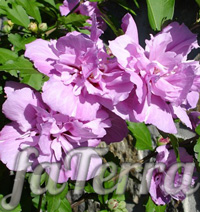 Hibiscus Ardens (Hibiscus syriacus Ardens) is a wonderful and unique exotic plant with spectacular double, purple or purple-lilac flowers. The center of the flower has a burgundy-red color. It pleases with its flowering throughout the summer.
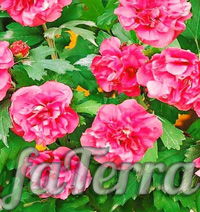 Hibiscus Duke of Brabant (Duc de Brabant) is a perennial, tree-like, leafy shrub with a magnificent crown. It blooms profusely with double, red flowers, the center of which is dark red. This cultivated variety is frost-resistant.
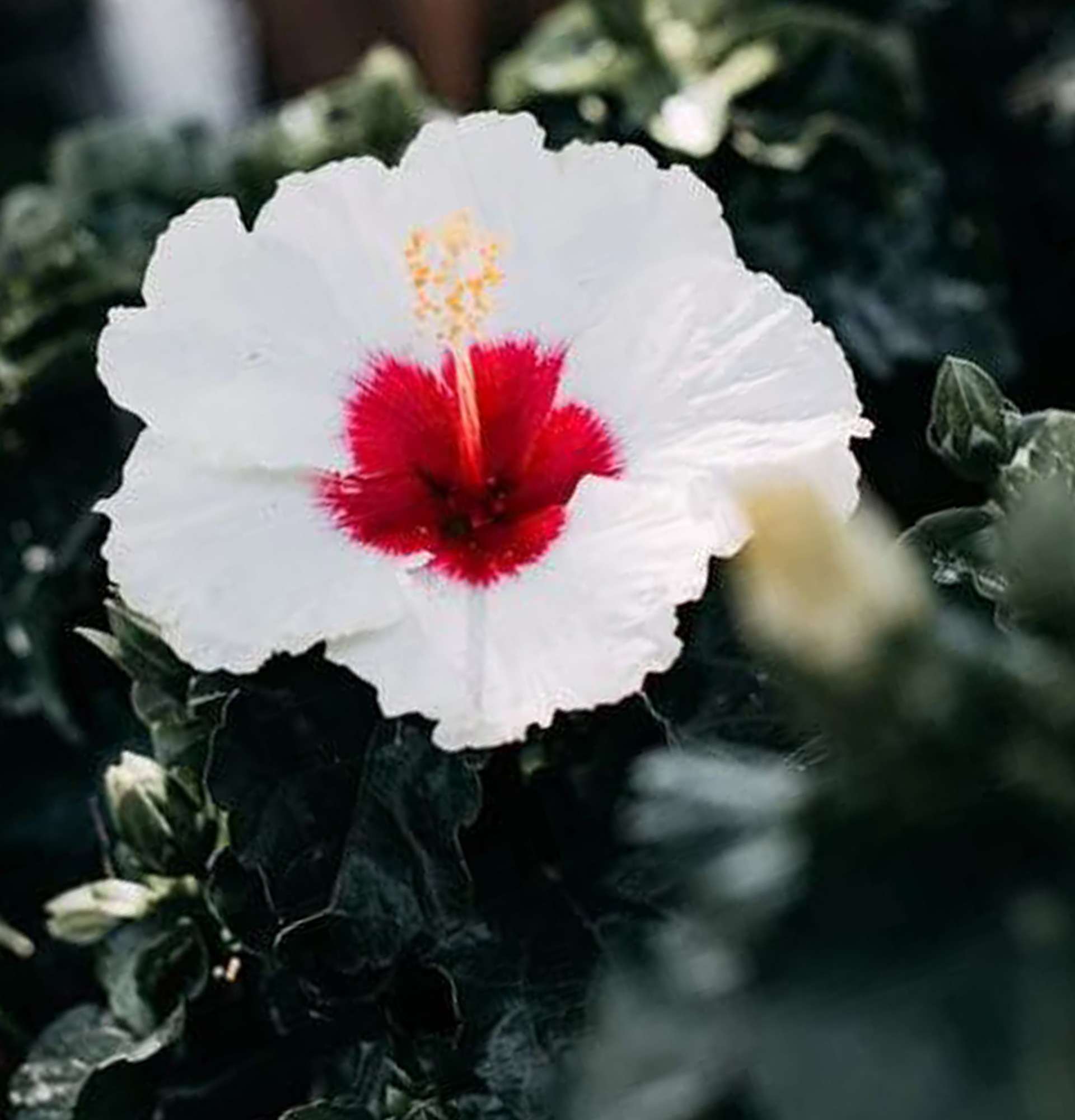
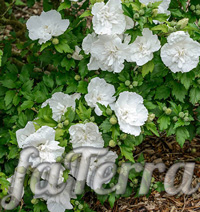 Hibiscus White Chiffon (Hibiscus syriacus White Chiffon). This is a very popular variety, which is decorated with huge snow-white flowers. It also has another name – Sharon's rose. This magnificent decorative wonder forms bushes up to one and a half meters in diameter and over two meters high. It is a light-loving and frost-resistant plant with carved green leaves.
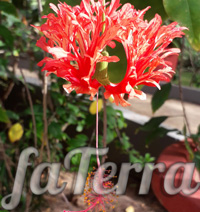 Hibiscus schizopetalus (Hibiscus schizopetalus). Native to Madagascar, hibiscus schizopetalus is considered one of the most beautiful species, and has proven itself well as an indoor and greenhouse plant. It is a shrub decorated with thin, drooping shoots. On them are located shiny green leaves. Unusual orange-red flowers with originally split and bent back petals. A long stamen that protrudes above the petals, a deep and uneven fringe on them, turns the flower into an exotic bird.
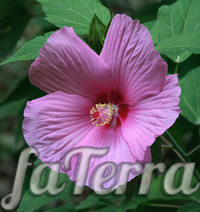 Hibiscus hybridus (Hibiscus hybridus). This is a herbaceous, moisture-loving, heat-loving, decorative perennial. Effective and large flowers up to 25 centimeters make it charming. It is a wonderful decoration for ponds, borders, and voluminous flower arrangements. Breeders have obtained many frost-resistant forms of incredibly beautiful hibiscus for growing in gardens, as well as for growing indoors. Let's consider some of the common varieties of this wonderful plant.
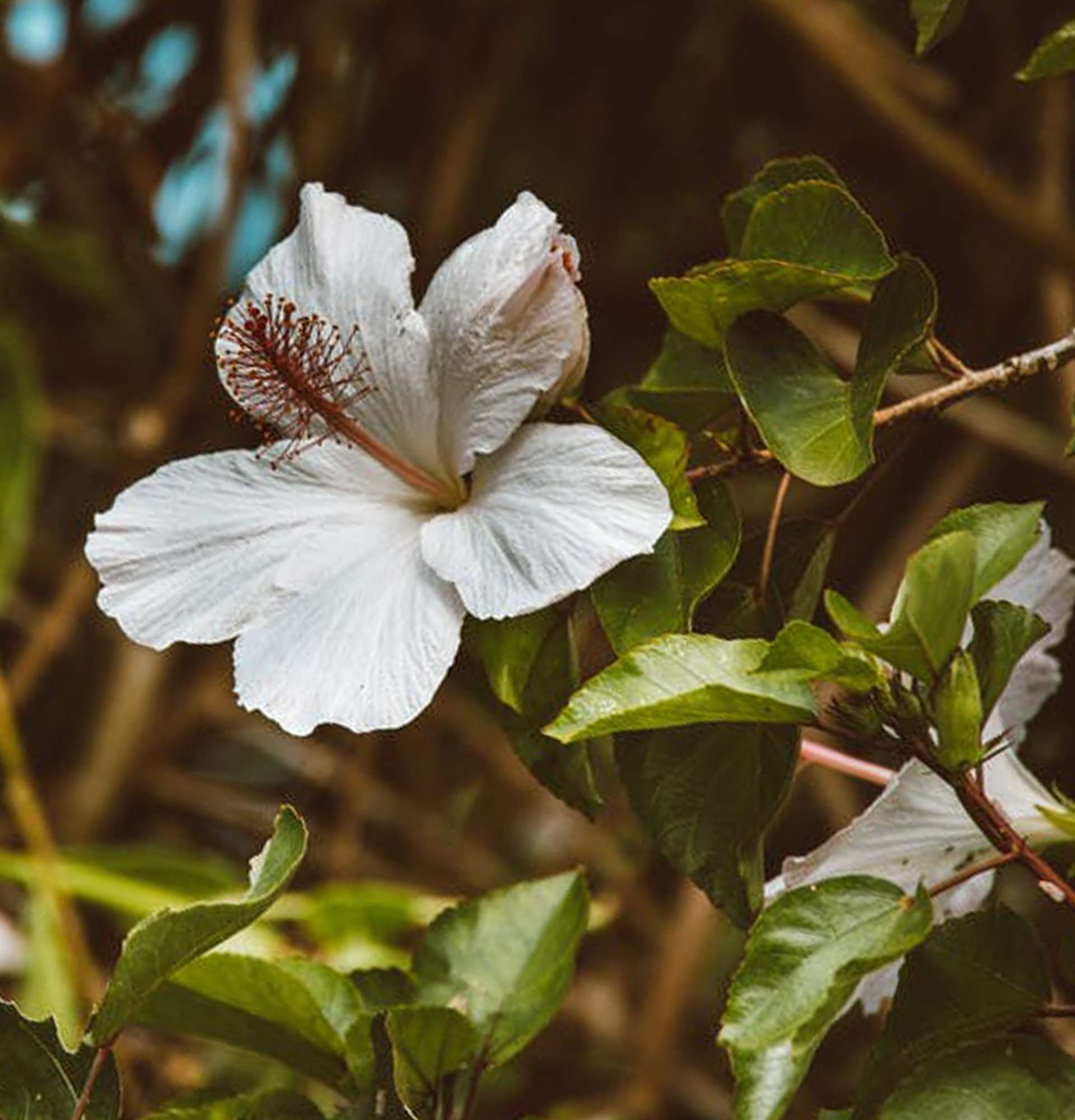
"Albus" – with white flowers,
"Diana" – white flowers with a wavy edge,
"Pink Giant" – a dark red center stands out on pink flowers.
"Tchaikovsky" – with lilac flowers.
"Ruby" – with red flowers.
"Kolkhosnitsa" – with raspberry flowers.
"Snowflake" – with white flowers.
Hibiscus herbaceous, also known as Musk (Hibiscus Moscheutos)
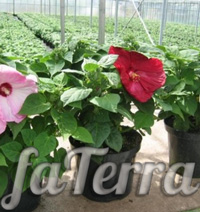 This variety of hibiscus has another name – "swamp hibiscus" or "pink mallow". There are many strange varieties and hybrids of this flower.
The natural environment for musk hibiscus is the tropics of America, Africa, and Southeast Asia.
Herbaceous hibiscus looks like a massive and sprawling shrub formed by thin and strong shoots. They are covered with shiny and glossy leaves. The shade of its green can be dark or light, depending on the varietal characteristics of the herbaceous hibiscus.
The bush can reach a height of three meters and a width of up to two meters. It is decorated with large and beautiful inflorescences, formed by funnel-shaped, bell-shaped or tulip-shaped flowers of various colors and structure, depending on the variety. The diameter of the flower can reach from ten to forty centimeters. The flower lives for only one day. You can enjoy the flowering bush from late spring to late autumn.
Popular varieties of herbaceous hibiscus are "Youth", "Late", pale pink, pink-porcelain, "Copper King", "Old Yellow", "Cranberry Crush".
Chinese rose "Angel Wings" ("Angel wings")
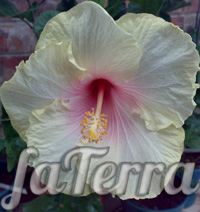 Lush and sprawling shrubs reach a height of up to forty centimeters. Small, bright green leaves decorate many branches. Abundant and long flowering with buds that reach a size of five to nine centimeters makes the plant charming. Pink or white flowers can be smooth or double-velvety.
Hibiscus tiliaceus (Hibiscus tiliaceus)
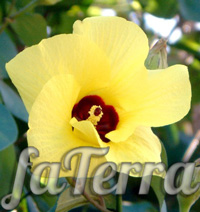 Very decorative and luxurious, unpretentious and frost-resistant single-stemmed hibiscus trees reach a height of six meters. They have large, heart-shaped, reddish-green leaves, which are somewhat reminiscent of linden leaves. Throughout the summer-autumn period, fast-growing trees delight with delicate, bell-shaped, yellowish or orange flowers.
Hibiscus variegated, or Cooper's hibiscus (Hibiscus rosa-sinensis var.Cooperi)
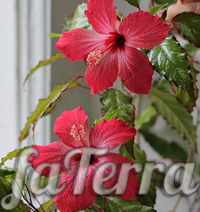 The main feature of variegated hibiscus is the presence of elegant leaves, the riot of colors of which has a wide range. You can find a plant with white, red, or green leaf plates. On one bush, there can be leaves of different colors and sizes. The size of the leaf can reach fifteen centimeters in length and seven centimeters in width. Bright red flowers of variegated hibiscus delight the eye throughout the day, and new ones appear to replace them. In rooms, hibiscus cleans the air.
There are many varieties of variegated hibiscus: "Cooper", "Carnival", "Rose Flake", "Snow Queen".
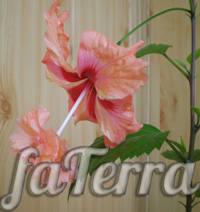 Hibiscus El Capitolio Tequila Sunrise (El Capitolio Tequila Sunrise)
This is a very interesting indoor decorative hibiscus, the flowers of which have an orange hue, against which a reddish center stands out, and the stamen is decorated with a lush frill. By regularly pruning the shoots that grow up to one meter in height during one growing season, you can create an original, lush bush.
Hibiscus carcade, also known as hibiscus sabdariffa (Hibiscus sabdariffa)
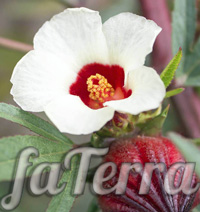 India is the homeland of this wonderful and unique Sudanese rose. Amazing beauty and decorativeness emanates from the leaves, the shades of which vary from dark green to pink and burgundy. Delicate pink flowers are decorated with variegated pink veins and a distinct dark center. The culmination of flowering is the process of seed formation, and the carriers of this miracle are dense, amazingly variegated pink fruits with a box of seeds inside. Wonderful, vitamin-rich tea from the dried fruits of hibiscus carcade is the "drink of the pharaohs" of a ruby-red hue, and its fruity taste is extremely pleasant and fragrant.
Hibiscus carcade has adapted well in home conditions as a beautiful, fast-growing, unpretentious plant. It looks great in halls, winter gardens, offices.
Hibiscus care at home
It is absolutely not difficult to care for this unpretentious Chinese rose. Even a novice in floriculture can easily cope with the plant's requirements. Hibiscus is not afraid of drafts, sudden changes in temperature, and is not picky about watering and feeding. But everything in moderation.
Remember! The Chinese rose, which grows quickly, loves a spacious room.
Choosing a place and temperature regime
The Asian beauty – the Chinese rose – wants a lot of light, with the exception of direct, scorching sunlight. It will feel comfortable and bloom well on a windowsill or near a south- or west-facing window.
Important! Do not move the flowering hibiscus. This can cause the buds to fall off.
The comfortable temperature in the warm season is 16-25°C, and in the cold season – 14-16°C. If the temperature changes sharply and drops below 15°C, the Chinese rose will shed its leaves.
Air humidity and watering
Hibiscus will be happy with high air humidity. It loves frequent spraying. For hygienic purposes, you can pamper it with warm washing to remove dust and dirt from the leaves. The Chinese rose will not refuse to place its pot on a tray with wet expanded clay or pebbles. A great way to humidify hibiscus will be a self-watering flower pot.
In order to avoid the question: why is the Chinese rose not blooming? It is necessary to adjust the correct watering of the plant. The leaves and roots of the plant are the main consumers of moisture.
Remember! Do not pour water on the flowers. This can cause them to fall off.
Water at room temperature for watering should be settled and filtered. It is permissible to allow the top layer of soil to dry up to two centimeters, but it is desirable to keep it slightly moist. A three-day watering interval will be sufficient. In winter, we water less often.
Soil and feeding of hibiscus
How to plant a Chinese rose? For this, you need loose, well-drained, structured soil. You can buy a ready-made mixture in a specialized store, and if necessary, add sand or peat with perlite. In a home environment, we take equal proportions of garden soil, sand, peat, and compost. A pinch of lime and wood charcoal will not hurt.
We feed in the spring-summer period with complex mineral fertilizers, alternating with organic fertilizers. An alternative option is the use of slow-release granular fertilizers. Variegated hibiscus is fed with fertilizer without nitrogen.
Hibiscus transplant
How to transplant a Chinese rose? Up to six years old, annual spring transplanting is desirable, and then – with a four-year interval. In sufficiently adult specimens, you can limit yourself to annual renewal of the top layer of soil – no more than three centimeters.
Attention! A good drainage layer is required at the bottom of the pot – broken brick, expanded clay, clay shards, small pebbles.
To maximize the preservation of the roots, we transplant the hibiscus into a new pot that is a couple of centimeters larger than the previous one.
You need to know! In a pot that is too large, you may not wait for the hibiscus to bloom.
Propagation of Chinese rose
The answer to the question: How to propagate hibiscus? It is not difficult at all. You can use the vegetative method – cuttings. Cuttings taken in the spring, about ten centimeters long, are an excellent material for this procedure. For rooting, water, moist sand, peat, or perlite are perfect. After a month, the rooted specimens can be planted in a permanent place.
Soak the seeds in Kornevin, plant them in mini-greenhouses, and after a week, small sprouts will appear. They need to be transplanted into separate pots. As the seedlings grow, we form the crown, and the tips of the shoots need to be pinched. Now we know how the Chinese rose propagates.
Diseases and pests
Sometimes, uninvited guests may visit the Chinese rose – aphids, scale insects, spider mites, mealybugs. A sign of the disease may be a sticky coating on the leaves. We immediately start fighting. For starters, with a soap solution, and if this procedure is not effective, we use special insecticidal agents.
Difficult moments of cultivation
- The leaves of the hibiscus turn yellow and fall off – it is necessary to control the quality of watering, the water should be free of chlorine and calcium impurities.
- The leaf plates are pale – the pot is too small, the soil needs to be fed with nutrients.
- Pink spots appear on the leaves – there is not enough sunlight, there is an excess of fertilizer.
- Lack of flowering, oppressed state of hibiscus, small leaves – the soil mixture is not chosen correctly, it is necessary to transplant the plant. The fertilizer should contain copper, potassium, magnesium, and iron.
- Buds that have not yet opened fall off – this can happen when moving a flowering hibiscus, sudden changes in temperature, insufficient feeding, too much or too little water, or drafts.
- Why do the leaves of the rose curl? We increase the humidity in the room, spray water near the plant, and moisten the leaves. We feed the hibiscus with microelements. We protect it from the scorching sun and prevent drafts.
- Why does the Chinese rose not bloom? The plant does not have enough light; the watering is not of good quality; in winter, the hibiscus is in a room with high temperatures; there is too much nitrogen fertilizer in the soil.
Hibiscus indoor, signs
The Chinese rose is a very simple and unpretentious plant that is a decoration of public places, classrooms in schools, work offices, and living rooms. The plant has some features, due to which there is a version that hibiscus is a flower of death. To figure this out, let's consider the ancient European negative and positive signs.
- If hibiscus blooms outside its usual period, it can lead to the death of a resident. It is better to throw away or burn the plant.
- It is not advisable to keep hibiscus in the bedroom.
- The Chinese rose can attract men to girls, and at the same time – repel men.
- If hibiscus blooms regularly, it is a sign of joyful events and happiness in the life of a couple.
- A flowering Chinese rose is placed in office premises for successful and fruitful negotiations.
- It is believed that the presence of a Chinese rose makes people more creative and hardworking, less lazy, and less tired. An atmosphere of activity is created around the hibiscus.
Having learned about the signs, each person will decide for himself whether it is possible to keep a Chinese rose at home.
Despite all the superstitions, the Chinese rose is very loved and popular among flower growers. After all, the flower is not toxic, not poisonous, and absolutely not harmful to residents. There is evidence that indoor hibiscus can release phytoncides that destroy pathogenic microorganisms. It is very useful to grow a Chinese rose at home.
Hibiscus benefits and harms
The Chinese rose is rich in useful microelements for the body – anthocyanins, flavonoids, fruit organic acids (malic, citric, tartaric). Tea from hibiscus flowers is good for the stomach, fights toxins, constipation, cleanses the body of cholesterol and toxins, boosts immunity, fights worms and colds, normalizes blood pressure, relieves spasms, and helps maintain the body in good shape.
In order not to harm yourself with internal and external use of the Chinese rose, it is necessary to remember that such a variety of vitamins can cause allergies. If a person has an ulcer, increased acidity of the stomach, gallstones or kidney stones, it is better not to use hibiscus internally. It is necessary to consult a doctor for this.
In gratitude for good care, attention, and care, a beautiful indoor hibiscus will delight you with its amazing and unique flowering bush.
Write comments
Comments