



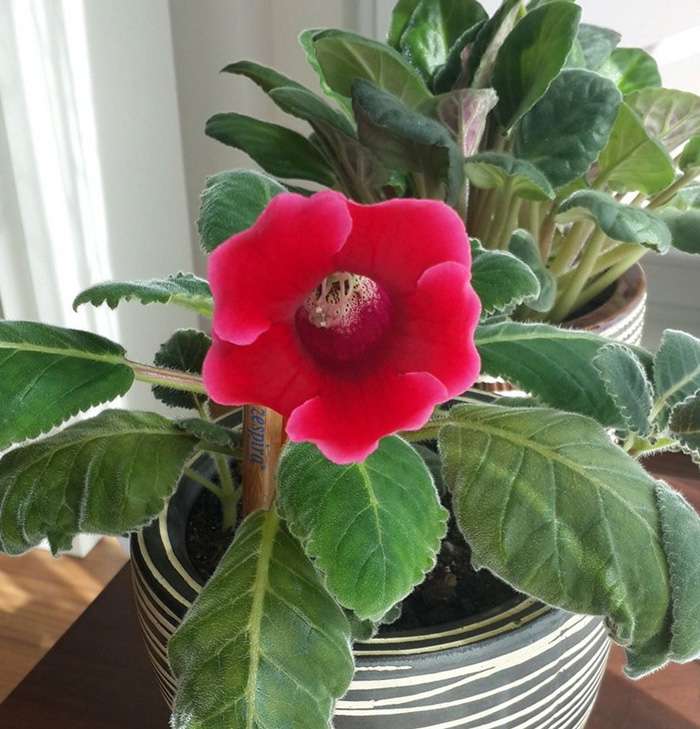
Latin name: (Gloxinia - Sinningia)
Category: perennial herbaceous plants
Origin: South, Central America
Gloxinia – a unique and vibrant velvet charm
Gloxinia is a genus of amazing and unique exotic semi-shrubs and tropical perennial herbaceous plants, belonging to the Gesneriaceae family.
The native habitat is considered to be the tropics of the American continent. The forests with loose soil from Brazil to Mexico, as well as the Andes, have become comfortable for gloxinia. From the Brazilian forests, in 1739, the beautiful gloxinia was brought to Europe. England was the first country to become acquainted with the oldest greenhouse culture.
Gloxinia owes its name to the German doctor and botanist Benjamin Peter Gloxinia. Another beautiful name for this unusual flower is Sinningia, named after the outstanding breeder Wilhelm Sinning, who dedicated his life to breeding and developing hybrid varieties of gloxinia. Thanks to this talented gardener at the university in the small, quiet town of Bonn, domestic varieties and hybrids of this flower appeared.
In the wild, gloxinia is represented by twenty-five different species, has tubular flowers, and has light, elongated, scaly rhizomes.
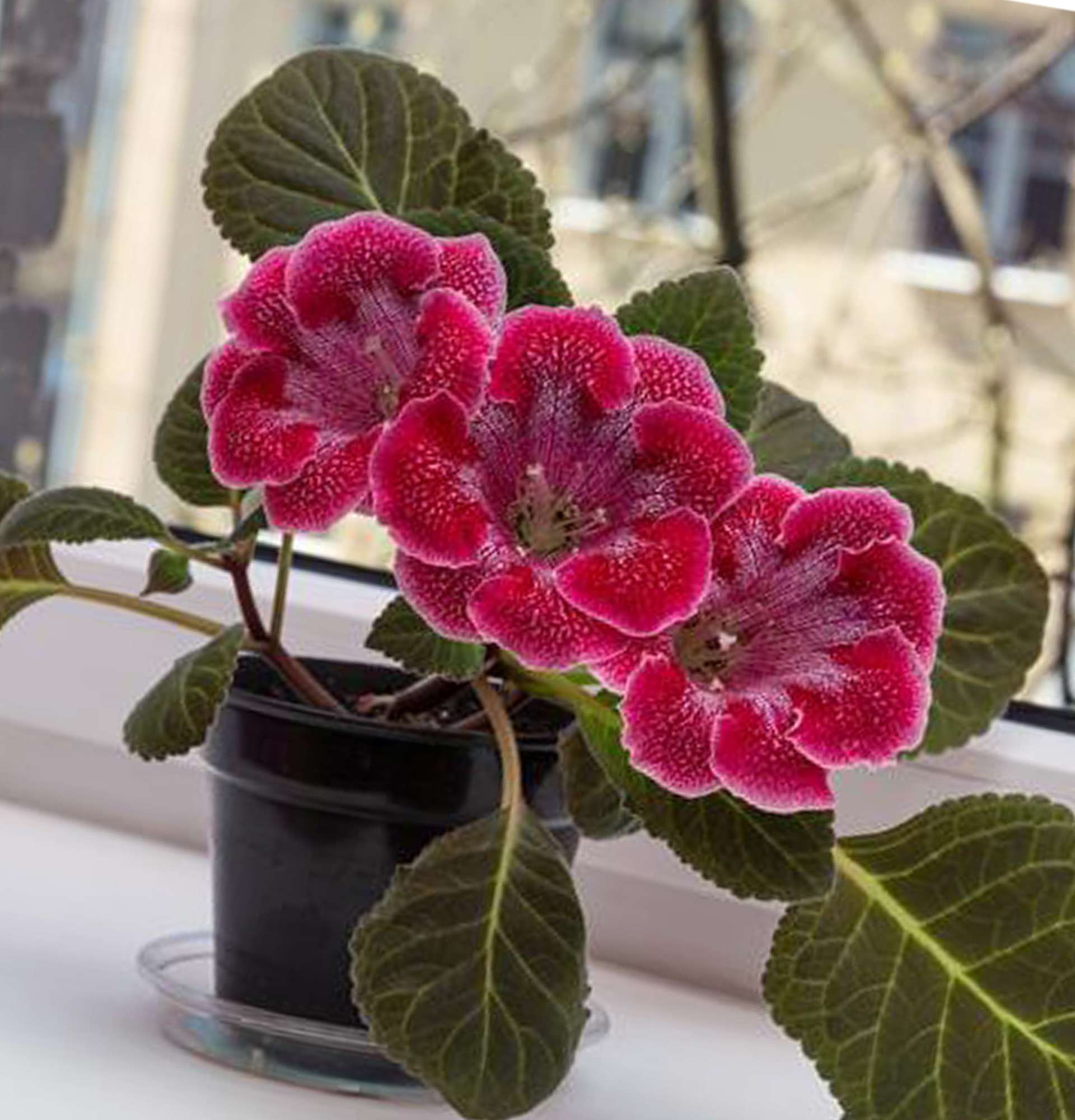
Indoor gloxinia is a perennial tuberous plant. Gloxinia sinningia has short shoots, which are a platform for bright green, large, rounded or serrated, velvety leaves with opposite, alternate arrangement. This amazing indoor plant is famous for its bell-shaped or funnel-shaped velvety flowers, which delight the eye in the spring.
The variety of varieties also speaks of the enormous diversity of inflorescences, both simple and double.
The wide range of color shades of these unusual bells, which reach a width of seven centimeters and a length of up to five centimeters. They can be red, purple, lilac, white, pink, two-colored, speckled.
After flowering, very small seeds appear, collected in capsules. The sinningia flower has an interesting feature, namely a pronounced growth phase and a dormant phase. Having spent enormous energy on abundant beauty, the flowering indoor gloxinia flowers begin to fade, dry out, and die. From this moment begins the period of rest of the plant from the second half of autumn to the beginning of spring. When storing the bulbs correctly, it is also necessary to know how to awaken the gloxinia bulb so that with the onset of spring warmth, you can again see the flowering plant that pleases those around it with its beauty.
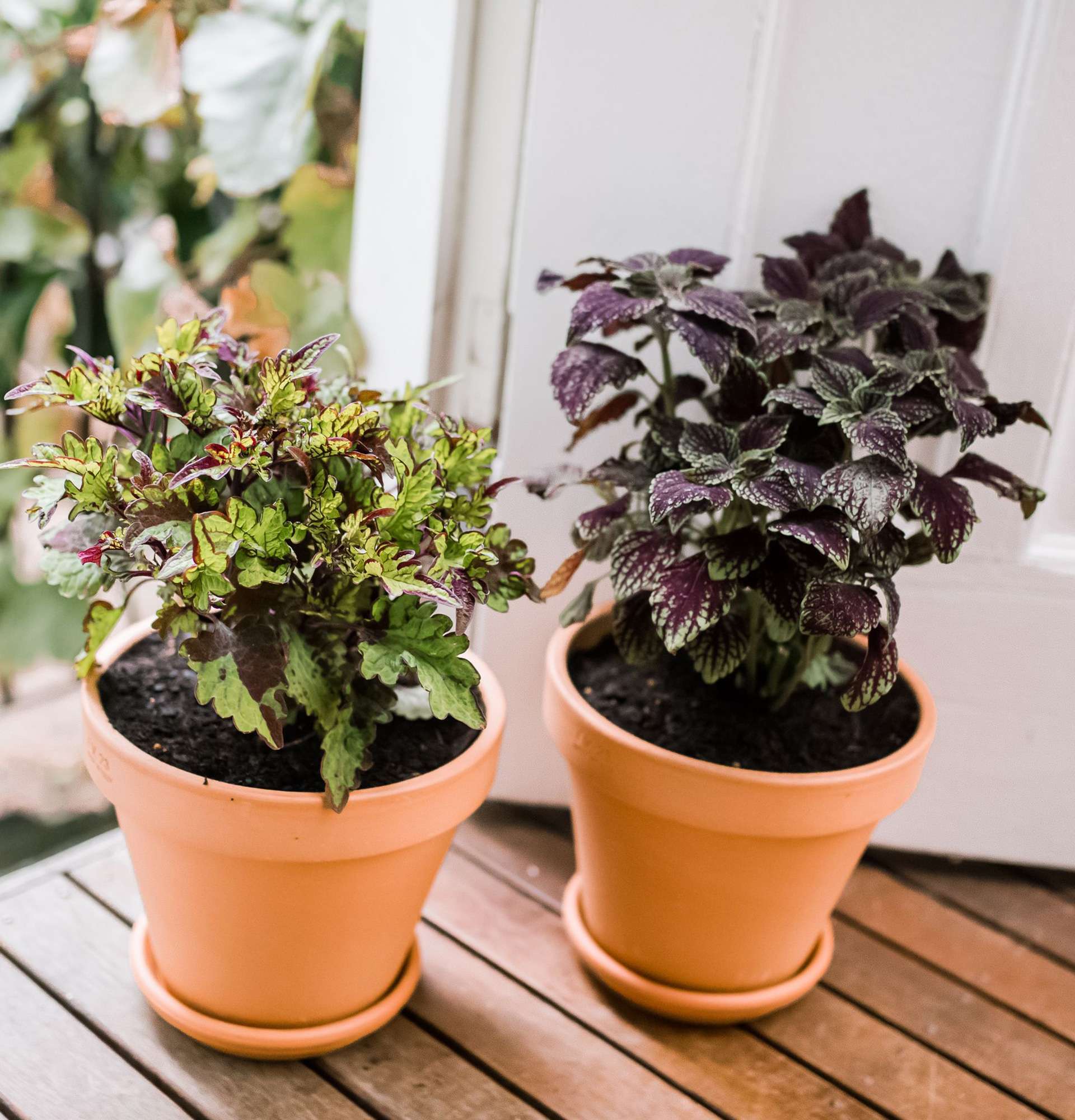
The closest relatives of sinningia are coleus, saintpaulia. Gloxinia and tidaea are also very similar, but tidaea is a rhizomatous indoor plant.
Types and varieties of gloxinia
Gloxinia Shagane (Gloxinia Shagane)
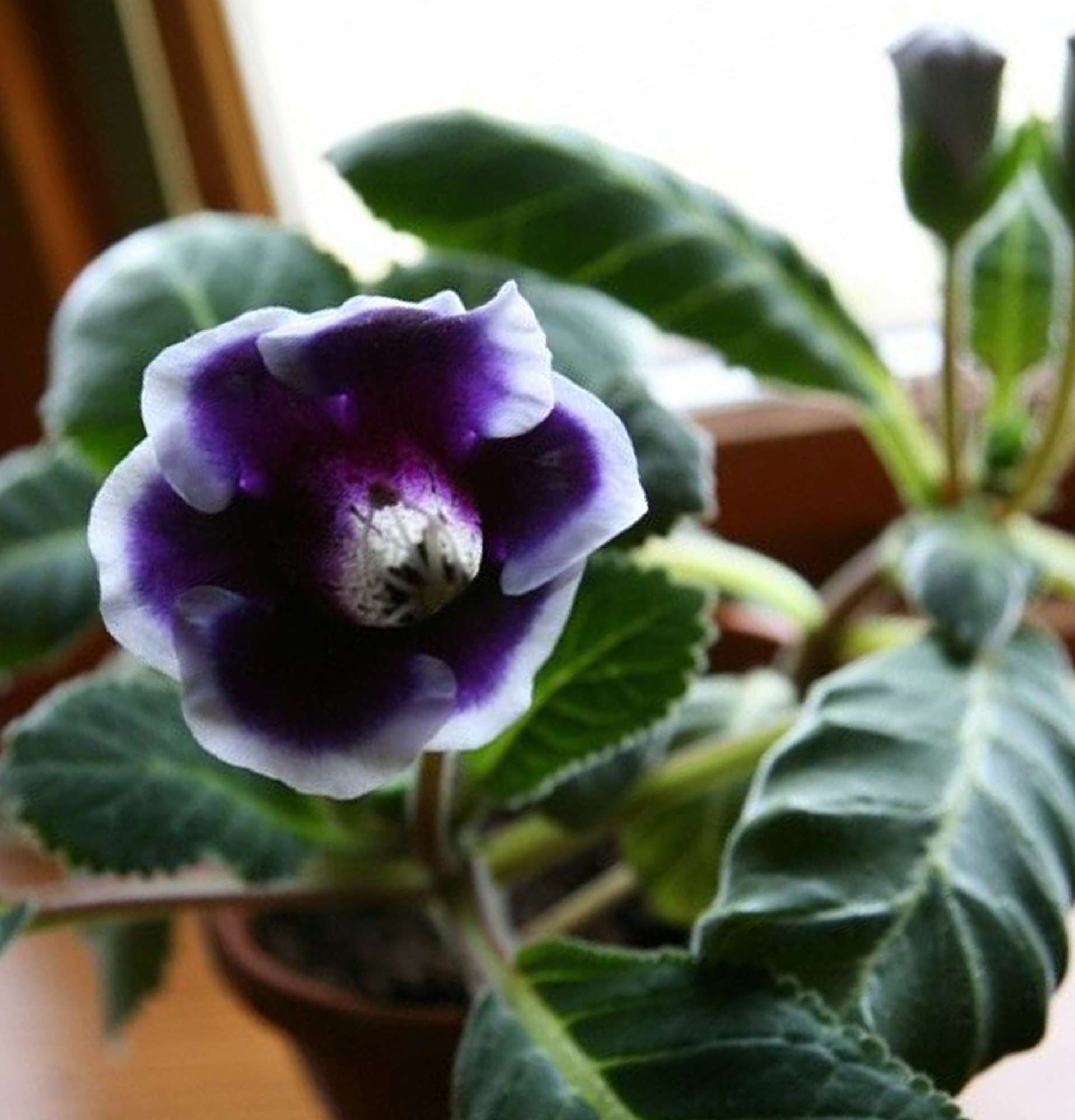
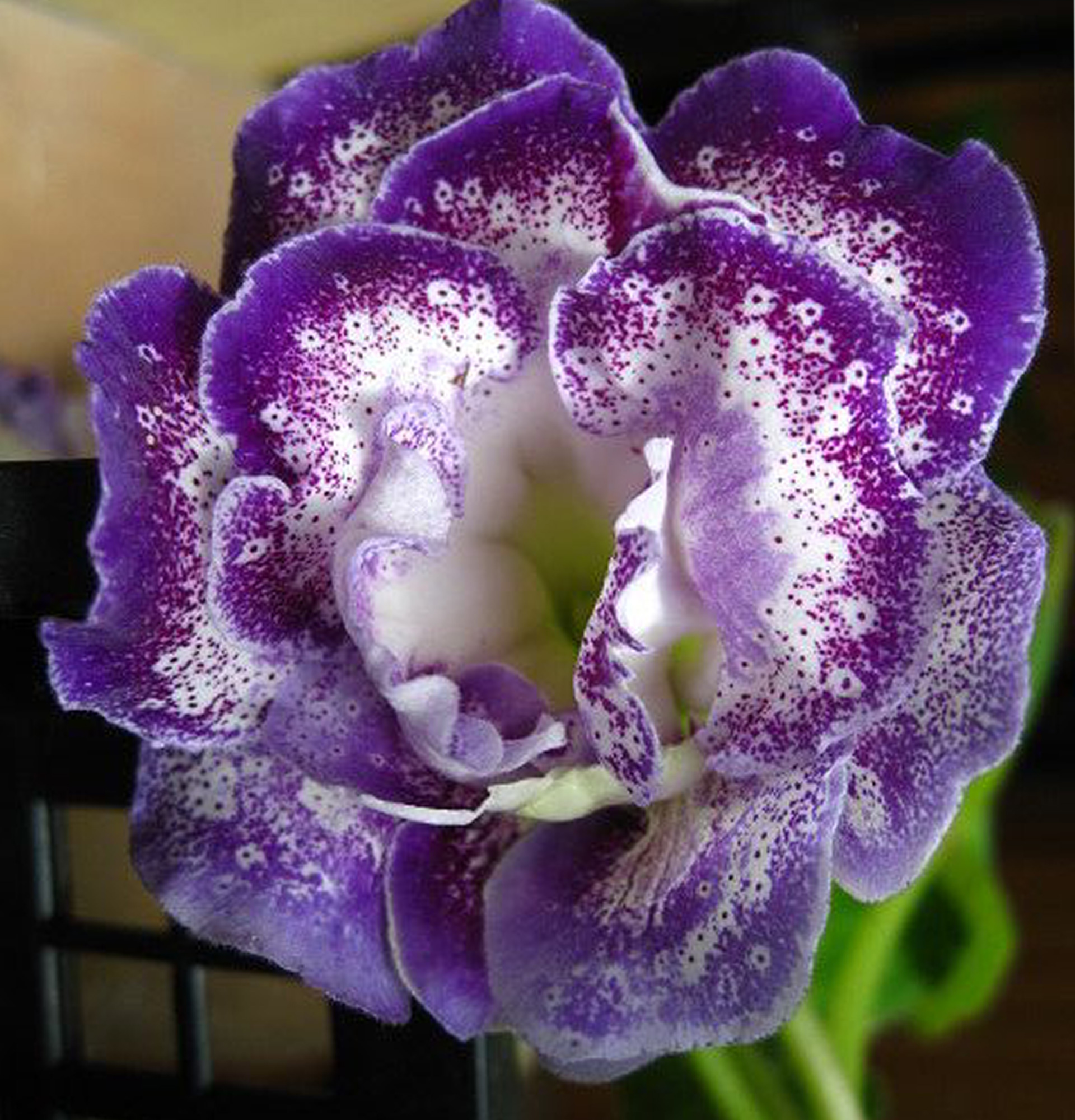 This unique variety is a tuberous hybrid perennial indoor plant with an extraordinary color. The variety of shades of the petals ranges from dark purple to bluish, and also covered with small dots that mimic stars. The petals, as if with a border, are decorated with a lilac edging, forming lush buds, arranged in four rows. About 15 buds, up to ten centimeters in diameter, decorate the adult bush and emit a pleasant aroma. Oval green leaves form rosettes.
Gloxinia Defiance (Gloxinia Defiance)
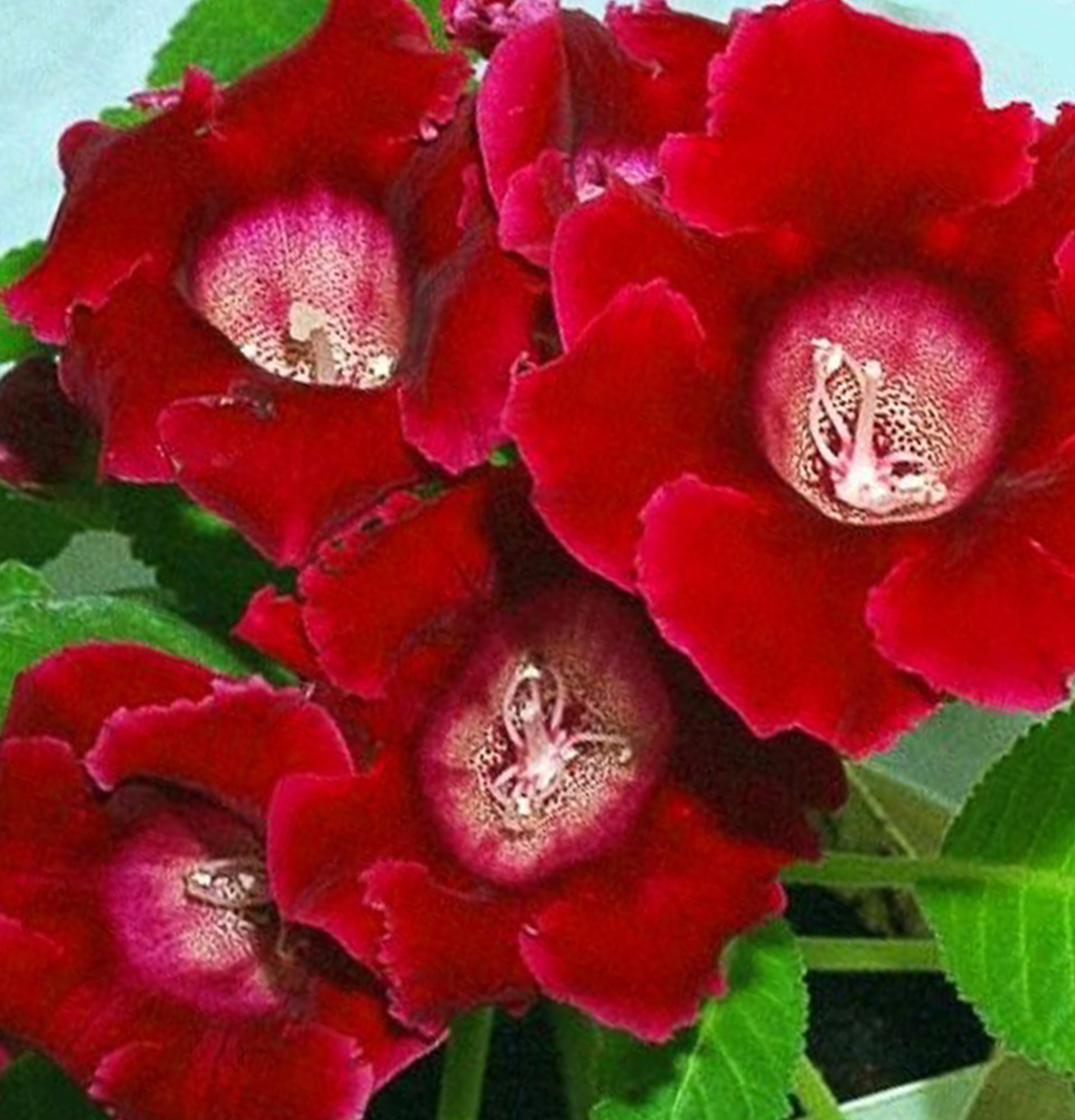 Indoor flowering tuberous plant, sun-loving, perennial of compact size. An adult bush reaches a height of thirty centimeters. It has dark green, juicy, wide, pubescent, oppositely arranged leaves. During the summer, it blooms profusely with beautiful, red, large, eight-centimeter, velvety bells, emitting a delicate aroma.
Gloxinia Avanti (Gloxinia Avanti)
 Tropical plant, native to South and Central America. A low indoor plant up to twenty centimeters high, and its diameter does not exceed twenty-five centimeters. It has wide-oval, but small leaves. Gloxinia Avanti blooms early in the spring with nine-centimeter bright flowers of various colors. In summer, it will look great in hanging pots to decorate gazebos, gardens.
Gloxinia Hollywood (Gloxinia Hollywood)
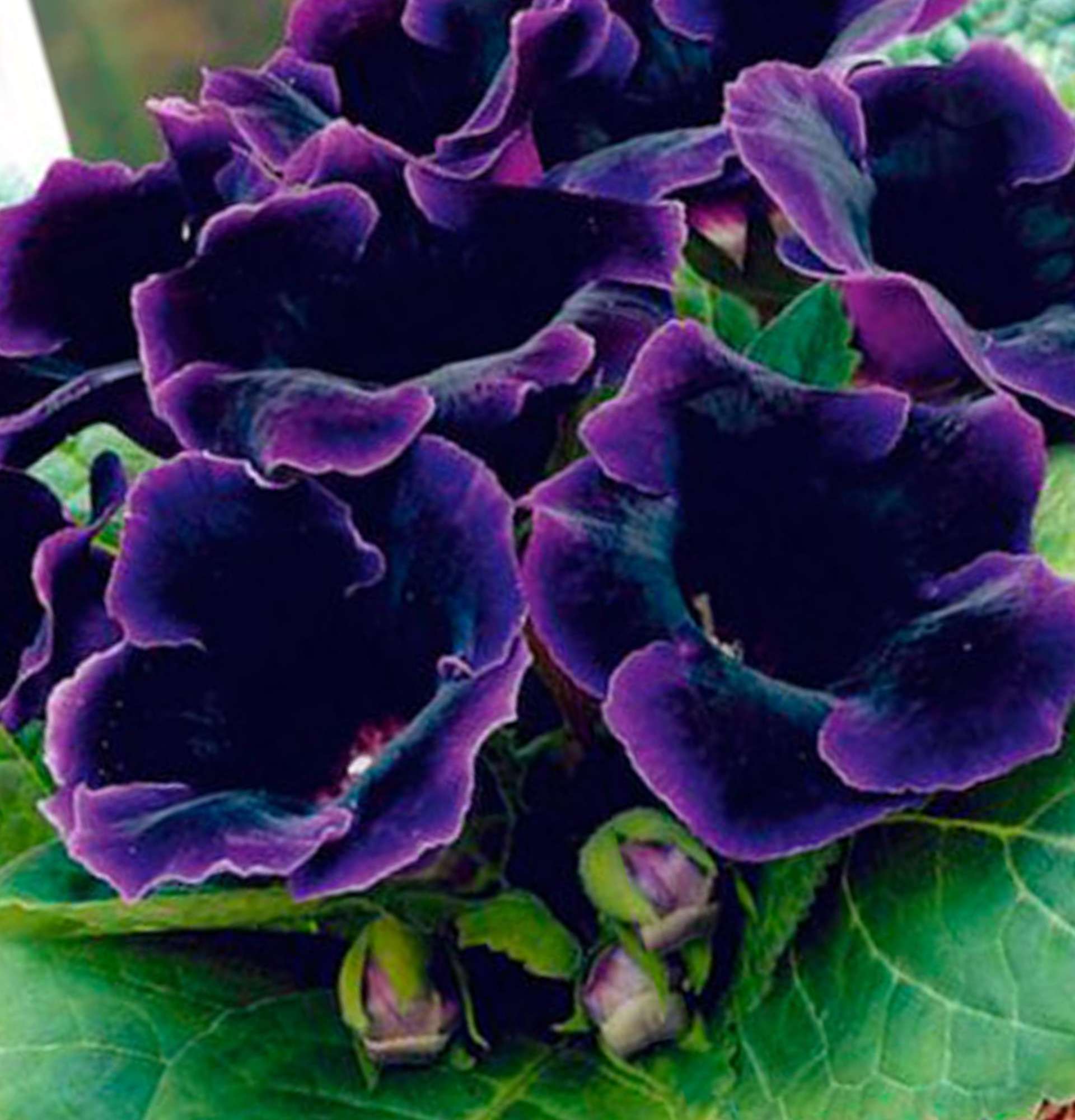
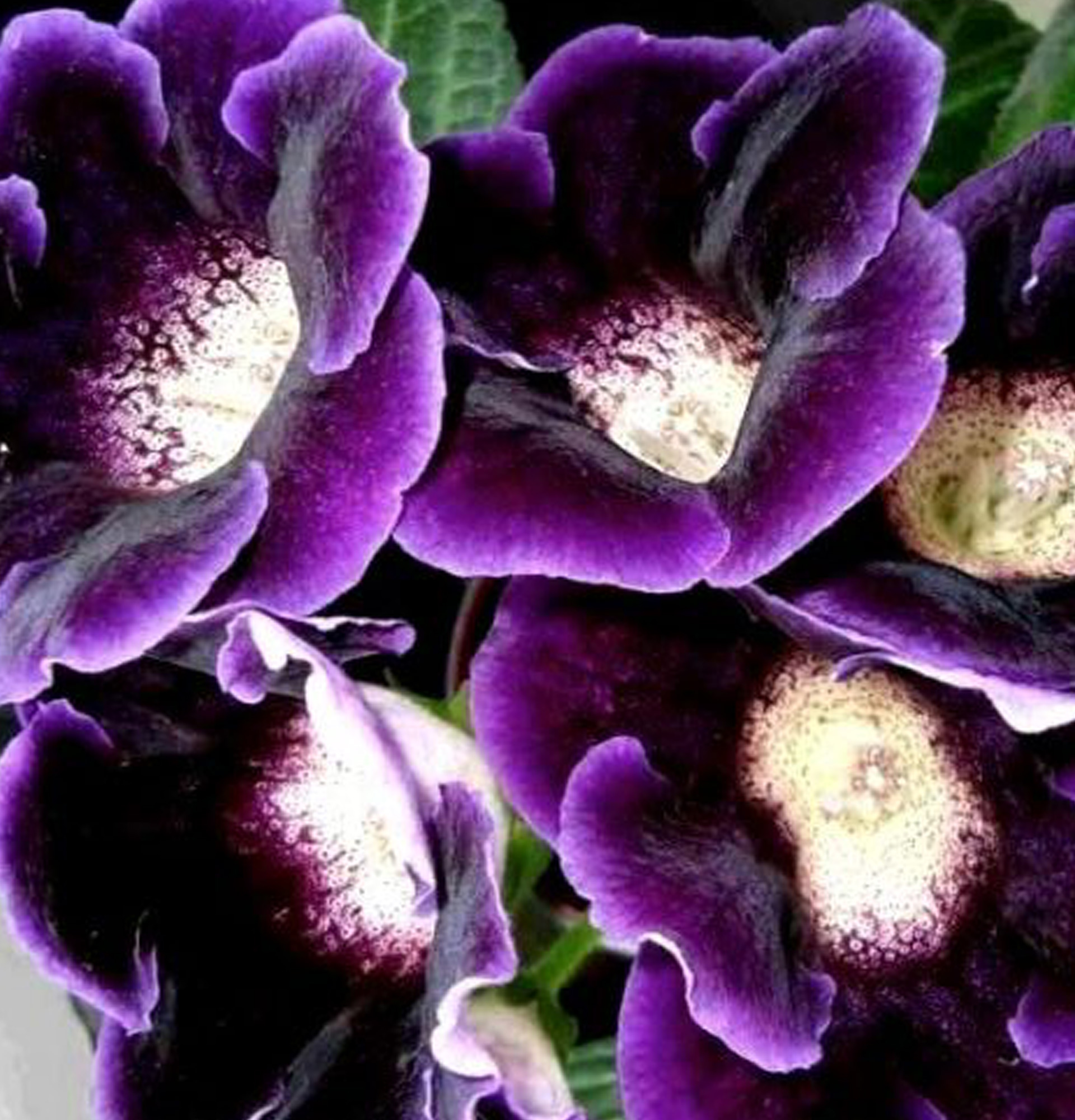 Dutch beauty has become a favorite of amateur flower growers. Gloxinia Hollywood is a flowering indoor plant with special, deep purple tones, close to black, depending on the lighting. The uniqueness of the flower is that it is velvety. These chic bells, up to eight centimeters in size, are located on a fifteen-centimeter bush. Silvery fluff on the velvety green leaves gives them a special charm.
Gloxinia Brocade (Gloxinia Brokada)
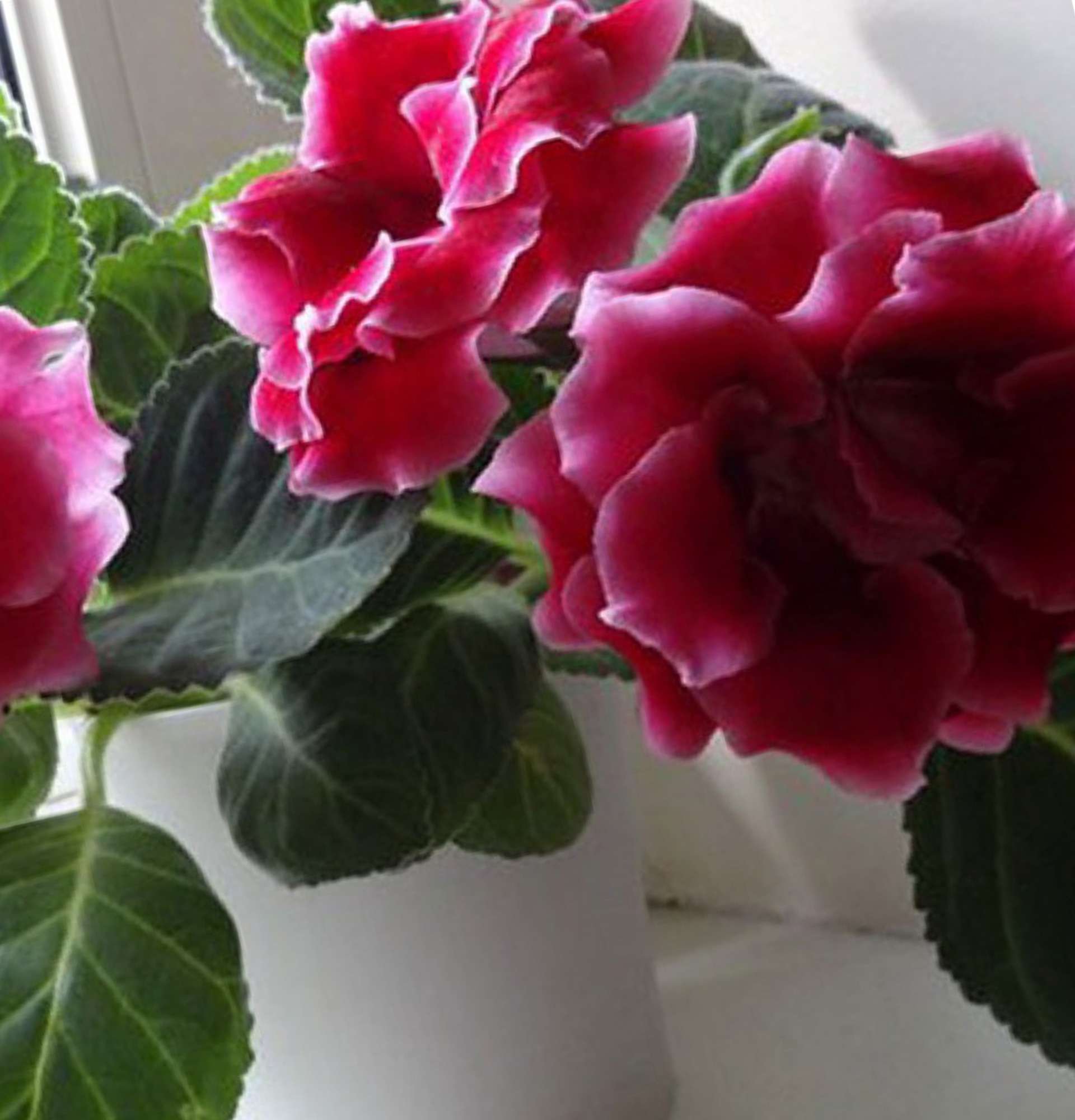
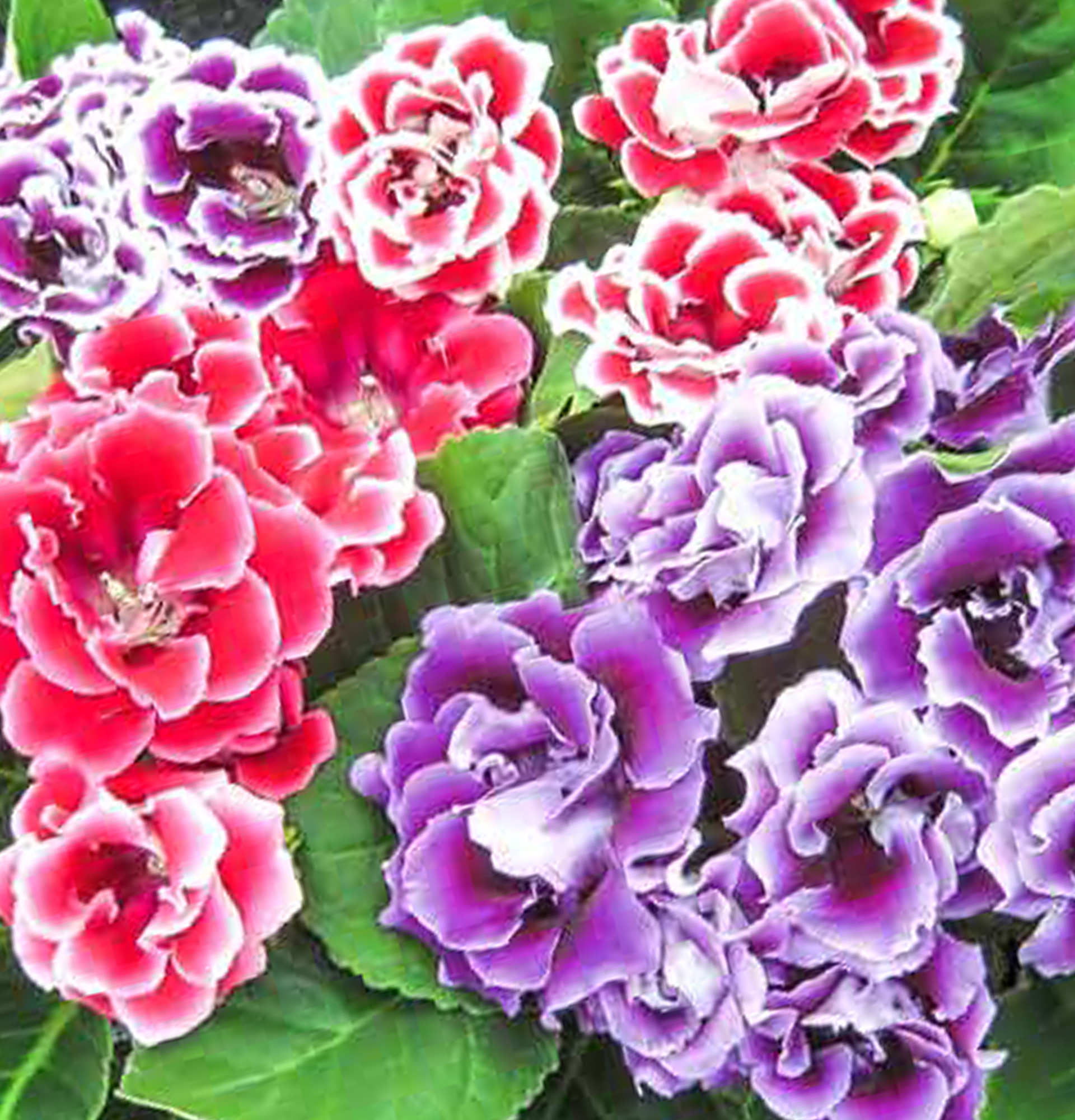 This variety is attractive due to its double-floweredness. Its color range is diverse. Blue, red, calico, tiger - each flower is attractive in its own way. The spherical shape of the bright buds is formed by the petals. Up to twenty-five inflorescences can be located on the bush. Green or dark green leaves have a variety of shapes. The height of an unpretentious indoor plant can reach twenty centimeters.
Gloxinia Blanche de Meru (Gloxinia Blanche de Meru)
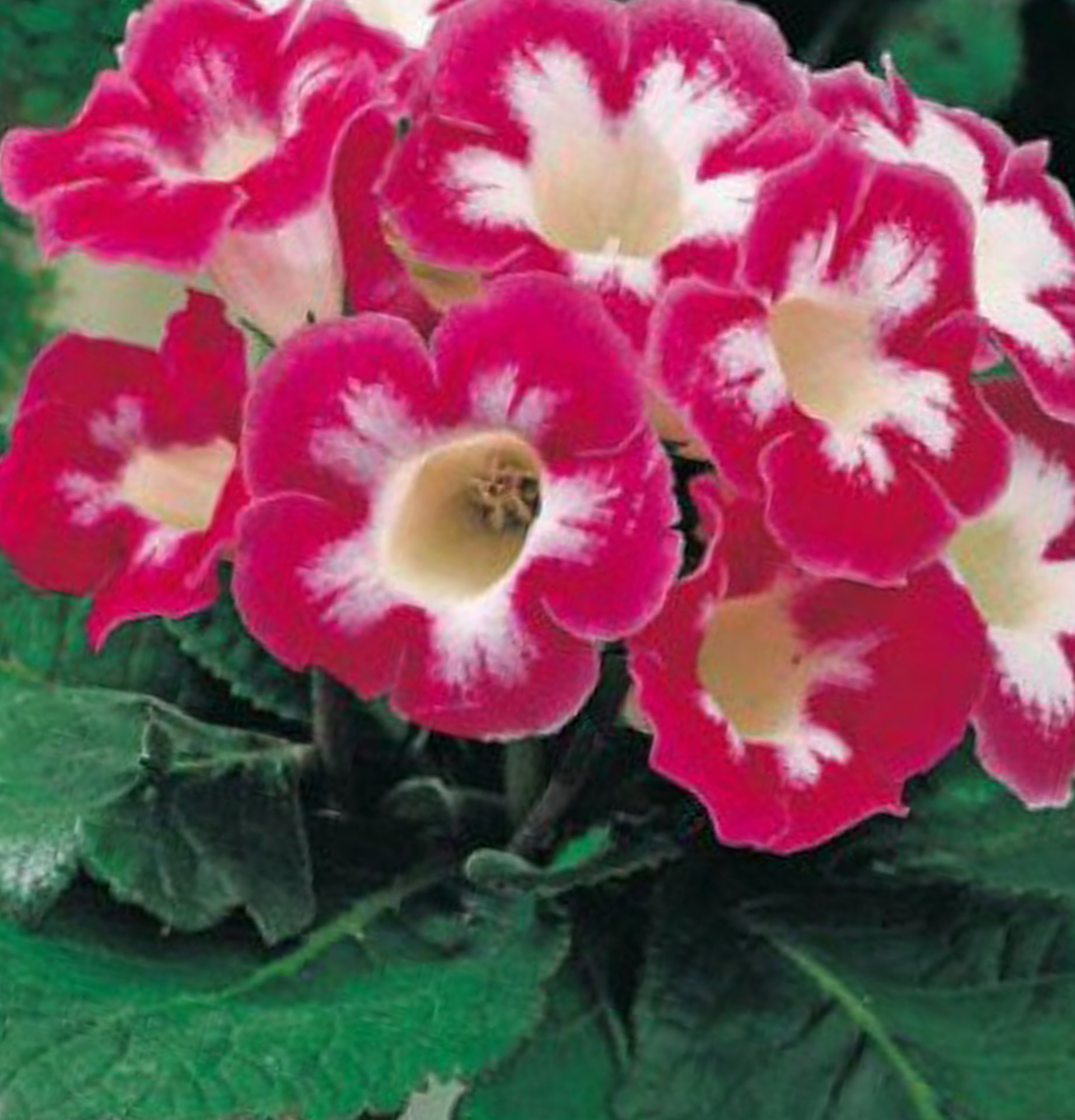 Unpretentious tuberous perennial plant, reaching a height of 25 centimeters. Sun-loving indoor plant with green, oppositely arranged, pubescent leaves. In the summer, the bush is decorated with eight-centimeter velvety, bell-shaped white flowers with a red border. It will look great in greenhouses and flower beds.
Gloxinia Prince Albert (Gloxinia Prince Albert)
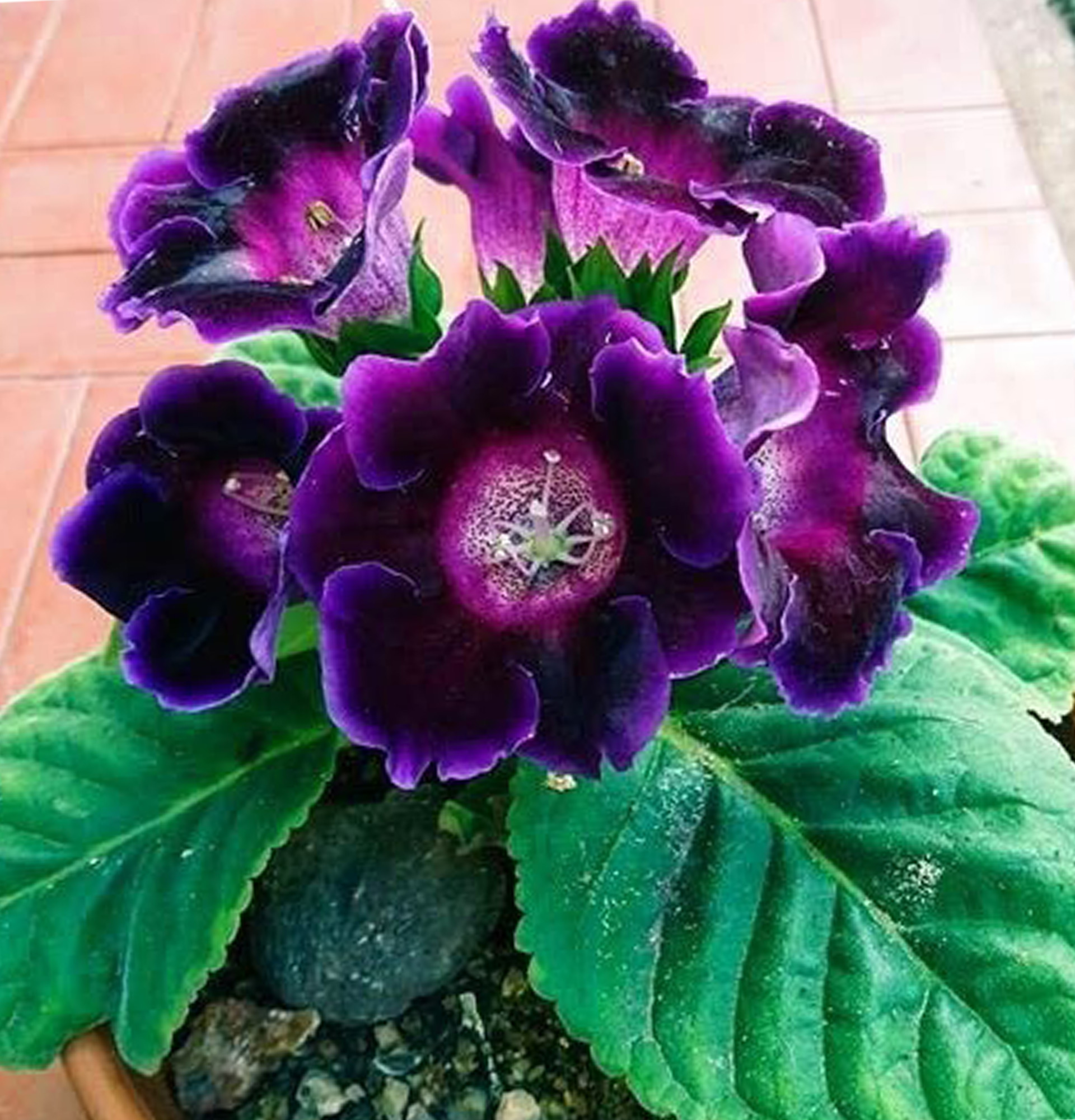 Wonderful indoor tuberous plant with dark purple-blue large funnel-shaped flowers. The intensity of the color depends on the amount of light and its duration. In order for the plant not to stretch out, there were more buds and the color was brighter, the daylight hours should be at least fourteen hours. In the autumn-winter period, the plant is at rest.
Gloxinia Talisman Lyubvi (Gloxinia Talisman Lyubvi)
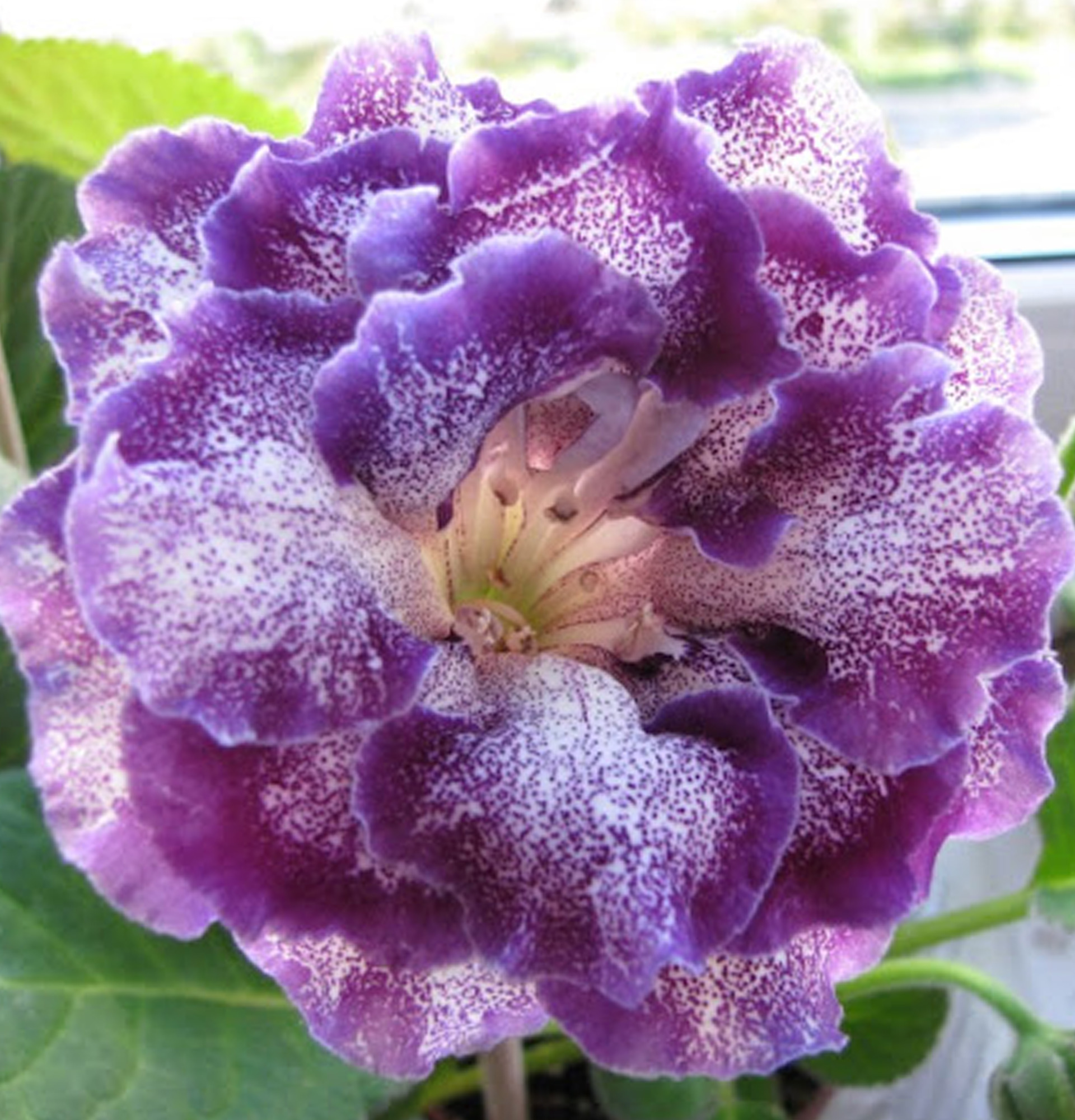 This amazing miracle has massive white double flowers with an original waviness, located on short peduncles. The surface of the petals is covered with small, dark blue-violet dots. The edges of the flowers are decorated with a purple edging.
Gloxinia Tigre Blue (Gloxinia Tigre Blue)
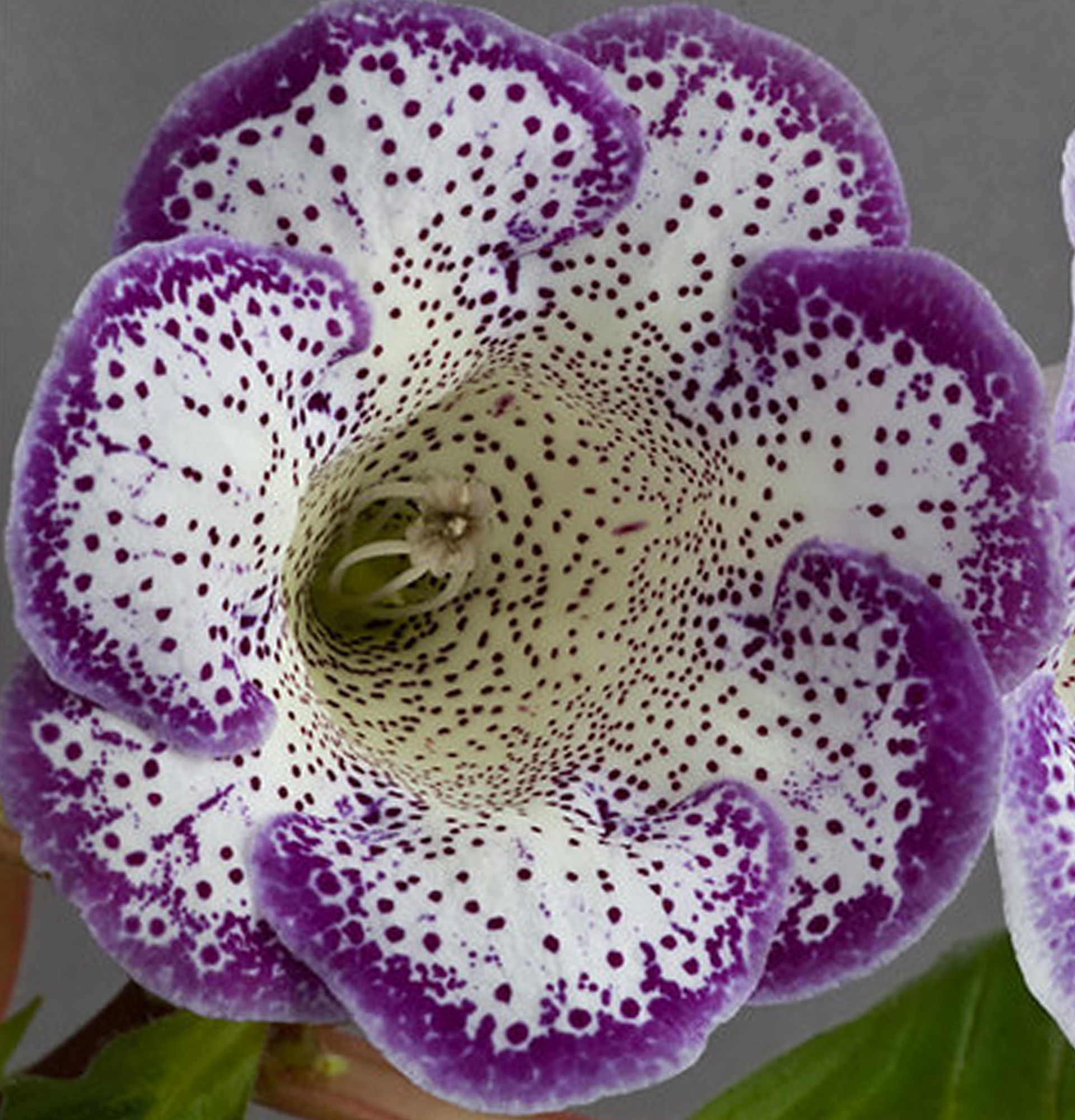 An interesting herbaceous indoor plant with wide leaves, on which a distinct vein is visible. It is a bush up to thirty centimeters high, which looks like a beautiful bouquet. The main decoration of the area where the pot with gloxinia is located is large white flowers. Wavy semi-circular petals of blue-violet hue are decorated with a double edging and small dots. The inside of the flower is yellow with dots.
Gloxinia Tigrina Blue (Gloxinia Tigrina Blue)
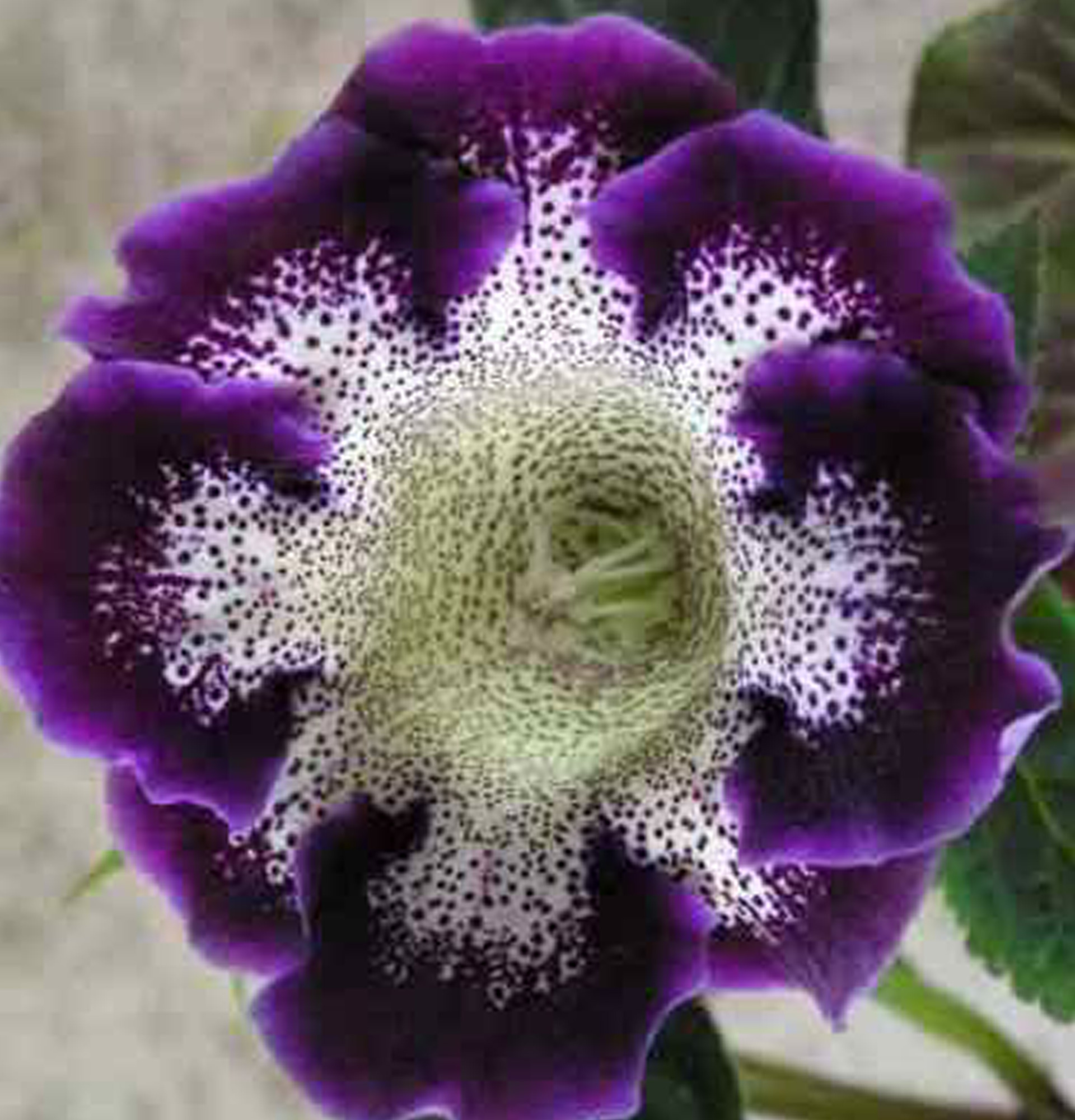 Brazilian beauty with dark green, juicy, velvety, patterned leaves. Ten-centimeter white bell-shaped flowers with purple-blue dots and a wide velvety edging emit a fragrant and delicate aroma.
Gloxinia Zhozefina (Gloxinia Zhozefina)
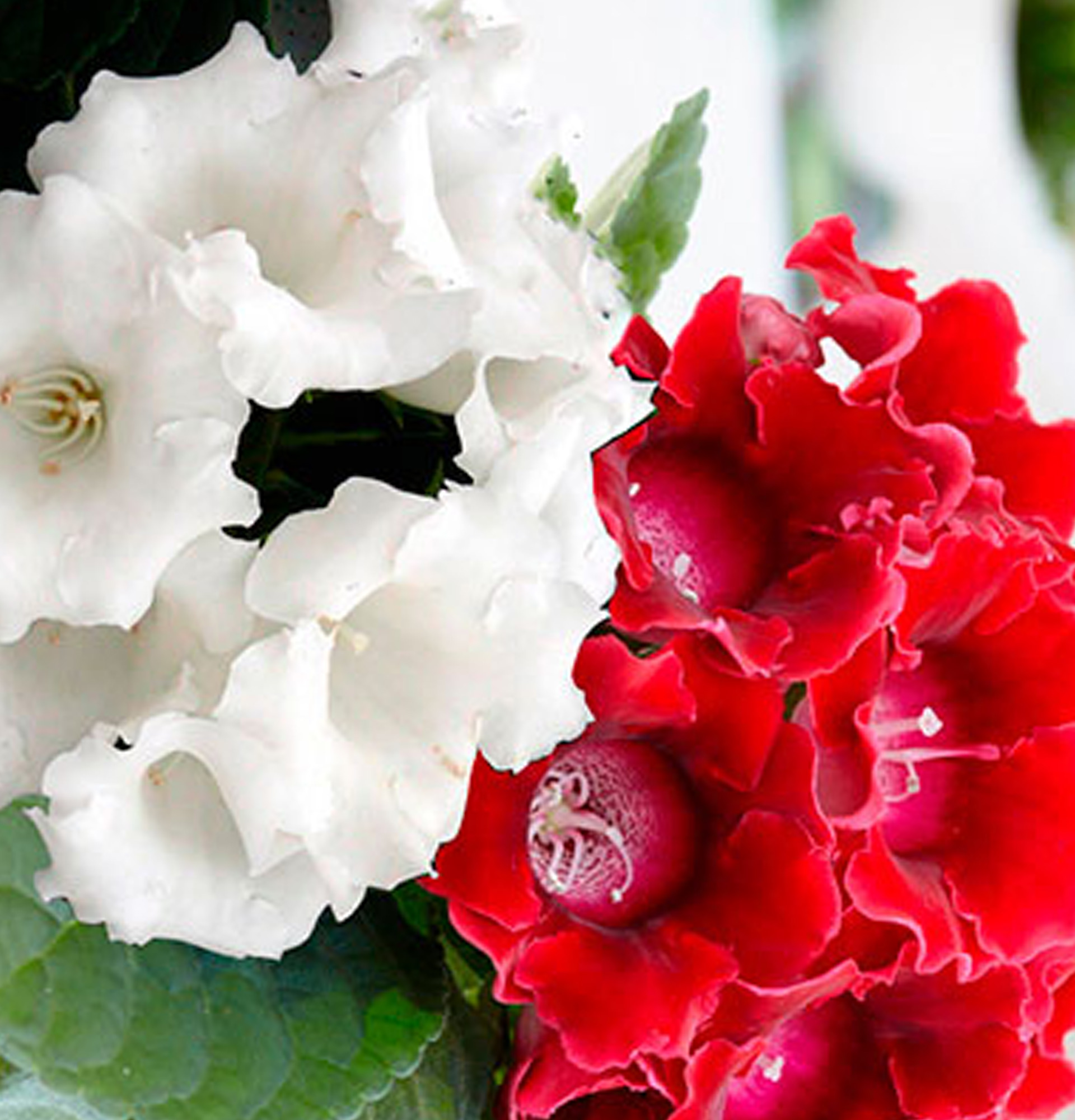 A colorful variety that is popular among flower lovers, it does not differ in double-floweredness. It blooms with large gramophones of red or white color. The number of flowers that bloom on the bush can reach twenty.
Gloxinia Charm (Gloxinia Charm)
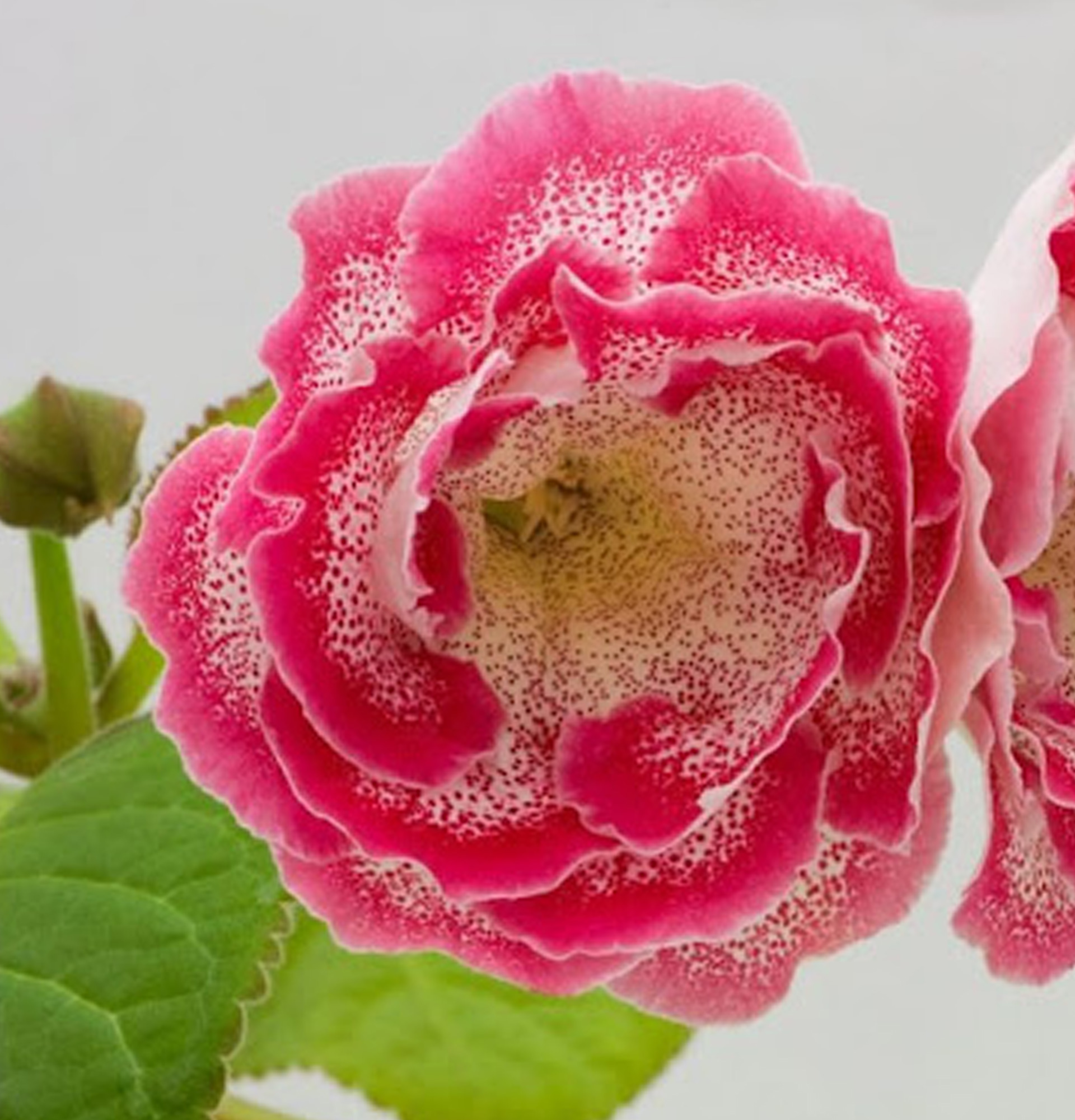 Large white flowers with a milky hue are located on medium-length, strong peduncles that appear on compact, neat bushes. The edges of the petals are framed by bright pink edging. Bright pink small speckles add a special charm to the flower.
Gloxinia Tigre Red (Gloxinia Tigre Red)
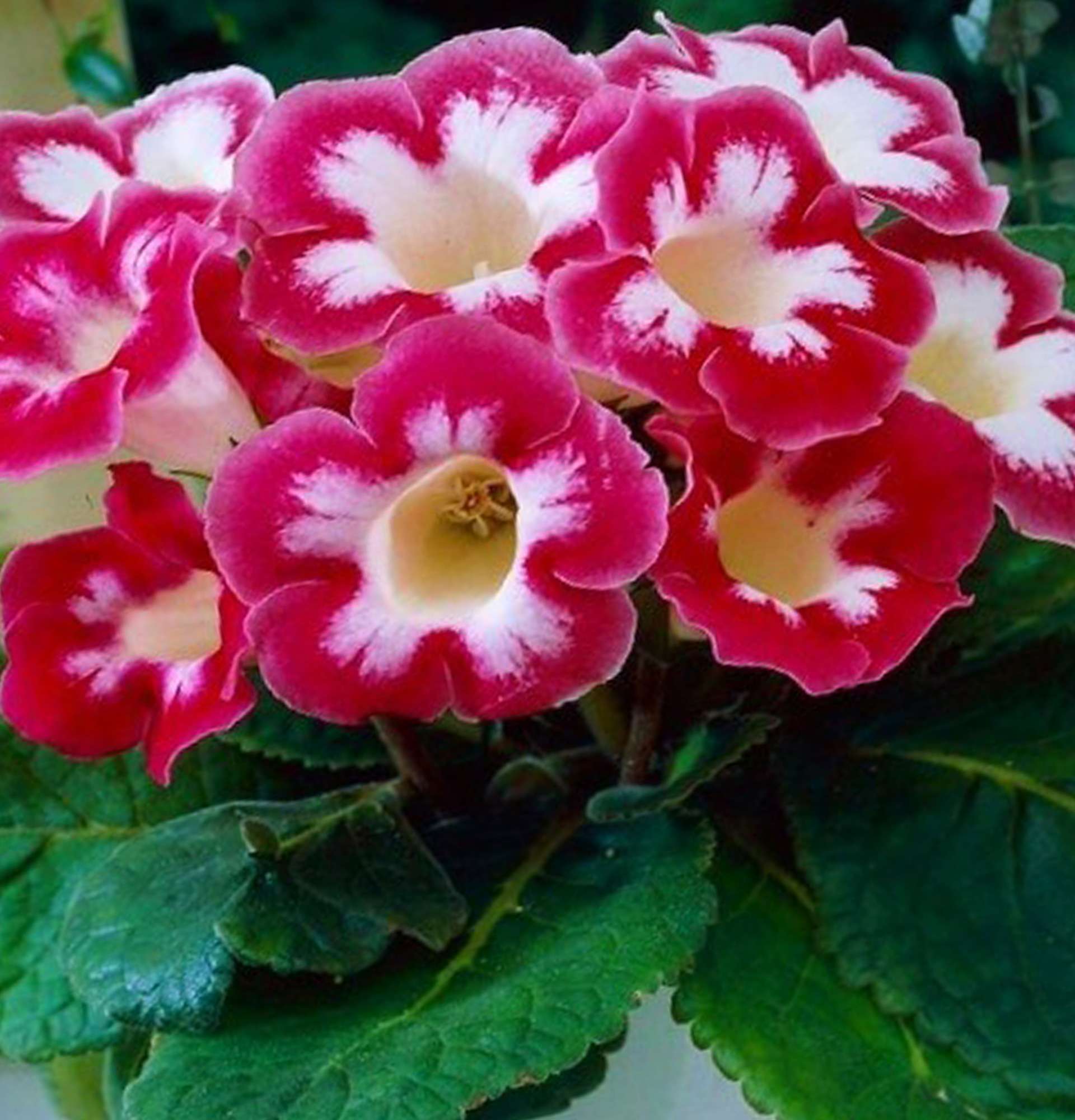
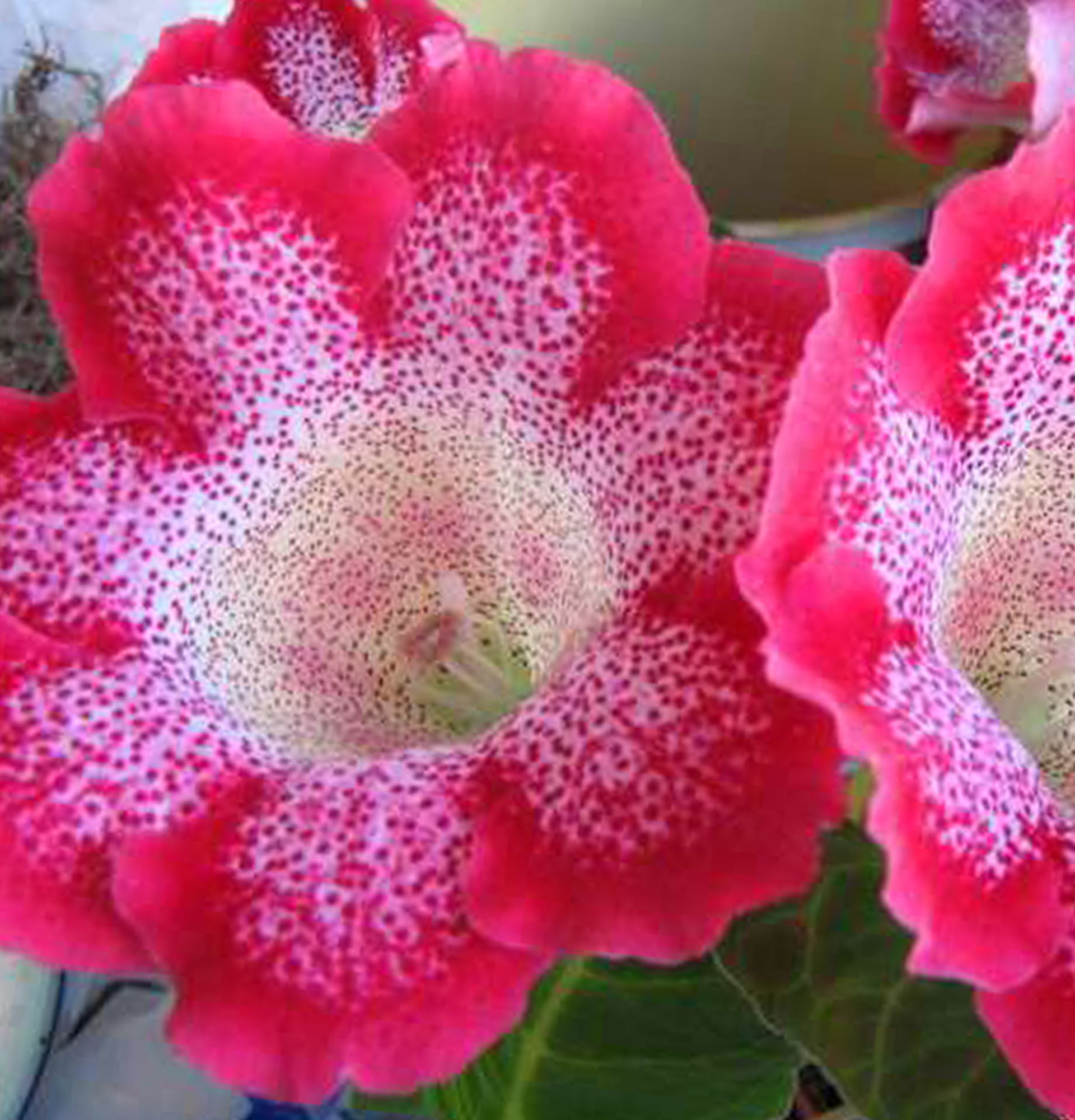 Flowering indoor plant grows up to twenty-five centimeters, has voluminous dark green, colorful, wide, large leaves. The flowers are velvety bells of considerable size, up to ten centimeters in diameter, white in color with a red edging. It blooms profusely in the summer.
Sinningia care in the home
Caring for gloxinia at home is not difficult, but you need to remember that it is a tropical plant. It is desirable to try to bring the growing conditions in the room as close as possible to natural ones. Properly organize watering, long daylight hours, eliminate drafts. And the grateful sinningia gloxinia will delight you with its presence in any interior.
Choosing a place and temperature regime
In order for unpretentious indoor plants of gloxinia to receive plenty of warmth and light, it is desirable to place them on windowsills on the east or west side. In the south, it is necessary to provide bright diffused light without direct sunlight. Excess light can cause the leaves of the indoor flower to turn yellow or curl. With a daylight duration of less than twelve hours, flowering indoor sinningia flowers may not bloom at all, or the flowers will be weak.
Gloxinia does not have toxic properties, so it will be a suitable place for both a children's room and a kitchen.
The desired temperature for gloxinia in the warm season is 20˚C - 25˚C, and in the cold season - at least 15˚C.
Protect the flowering indoor plant from drafts.
Humidity and watering
High humidity of the environment for a tropical flower of about 70% will be comfortable. Spraying the leaves and flowers of gloxinia is not recommended. It is better to moisten the area adjacent to the bush with a spray bottle. A stand with wet expanded clay will be an effective option, you can purchase and use flower pots with automatic watering.
For watering, gloxinia requires soft, settled, filtered water, slightly warmer than room temperature. The approximate interval for abundant watering is four days. We water the flowering indoor plant more often, monitor the condition of the soil, without allowing it to dry out too much and water to get on the flowers and leaves. In the autumn, we reduce watering to a minimum.
Soil and its feeding
The substrate for the sinningia flower should be light, airy, loose, slightly acidic. You can buy a mixture in a flower shop that is suitable for violets and begonias. You can prepare the soil mixture yourself, which will include two parts of leaf soil, half as much river sand and peat. Perlite will also not hurt.
In the warm season, during active growth, the flowering indoor plant needs to be stimulated with liquid complex fertilizers designed for flowering ornamental plants. We reduce the dose of the drug by half of what is indicated on the label.
The main thing is not to overdo it with fertilizers. An excess of them will do more harm to the plant than a lack of it.
Sinningia transplant
After a rest period in the autumn-winter period, the fast-growing indoor plant needs an annual spring transplant. A shallow and wide pot, slightly larger than the previous one, is needed for this procedure. The method of transshipping the bulbs together with the soil will be appropriate. The transplanted indoor gloxinia will delight with new leaves and beautiful flower stalks. Sometimes the question arises: how to plant gloxinia from a leaf? This procedure is not difficult. The leaf is buried in the soil, watered, and after a while it takes root and forms tubers - a new plant appears.
A drainage layer of at least one centimeter is needed at the bottom of the pot. It is necessary to take expanded clay, small pebbles or stones.
Sinningia flowering
Despite the chic green of the indoor plant, the main attraction of gloxinia is its incomparable flowering. When and how long does gloxinia bloom? This depends on the size of the bulb and, of course, on the correct implementation of the growing conditions. And you can see this beauty from April to the end of summer. The earlier the first buds appear, the more likely it is to see a re-blooming bush.
How does gloxinia reproduce?
There are several ways to obtain a new indoor plant: propagation of gloxinia by cuttings, propagation of gloxinia by leaf fragments, by seeds.
After the inflorescence withers, the peduncle must be broken off and placed in water. In about thirty days, you can see small roots and a small bulb. Planting the seedling in moist soil to a depth of about two centimeters will allow you to soon see a wonderful indoor sinningia.
Leaf fragments can be propagated in water or planted directly in the soil.
You can start propagating sinningia flowers by seeds from December. The seeds are laid out on a moist peat-sand mixture, creating mini-greenhouse conditions for them with regular ventilation and spraying. Seedlings with two leaves that appear in a couple of weeks can be planted in separate pots.
Pests and diseases
Velvety and attractive sinningia can sometimes be affected by thrips, whiteflies, cyclamen mites or spider mites. It is not difficult to detect these uninvited guests on an unpretentious indoor plant. Without delay, we treat the bush with insecticides. It is necessary to take Carbophos, Aktellik, Aktara, Fitoverm.
Aphids on indoor flowers is a rare occurrence, but sometimes it attacks gloxinia.
Difficult moments of cultivation
- Dark brown spots appear on the leaves and flowers of sinningia - cold water during watering, its попадание on the plant, will be the cause of this situation.
- The leaf plates turn pale and turn yellow - excessive application of fertilizers, the plant fell under bright direct sunlight.
- The leaves of the sinningia flower curl and begin to fall off - the humidity in the room is low, too much fertilizer was applied, or the plant was exposed to drafts.
- Why does gloxinia stretch out? The indoor plant does not receive enough light, it is necessary to increase the duration of daylight with phyto-lamps.
- Lack of flowering in sinningia or it is very poor - the light-loving culture does not receive enough light; it is possible that it is too cold in the room; when applying fertilizers, too much nitrogen compounds were used, which are a growth stimulant for the green part of the plant and an inhibitor for the appearance of flowers.
- The leaves and flowers are covered with a gray coating - the seedling is affected by gray rot. Then the spots turn brown. How to reanimate gloxinia? It is necessary to start by removing the affected parts of the bush. Immediately apply a fungicide.
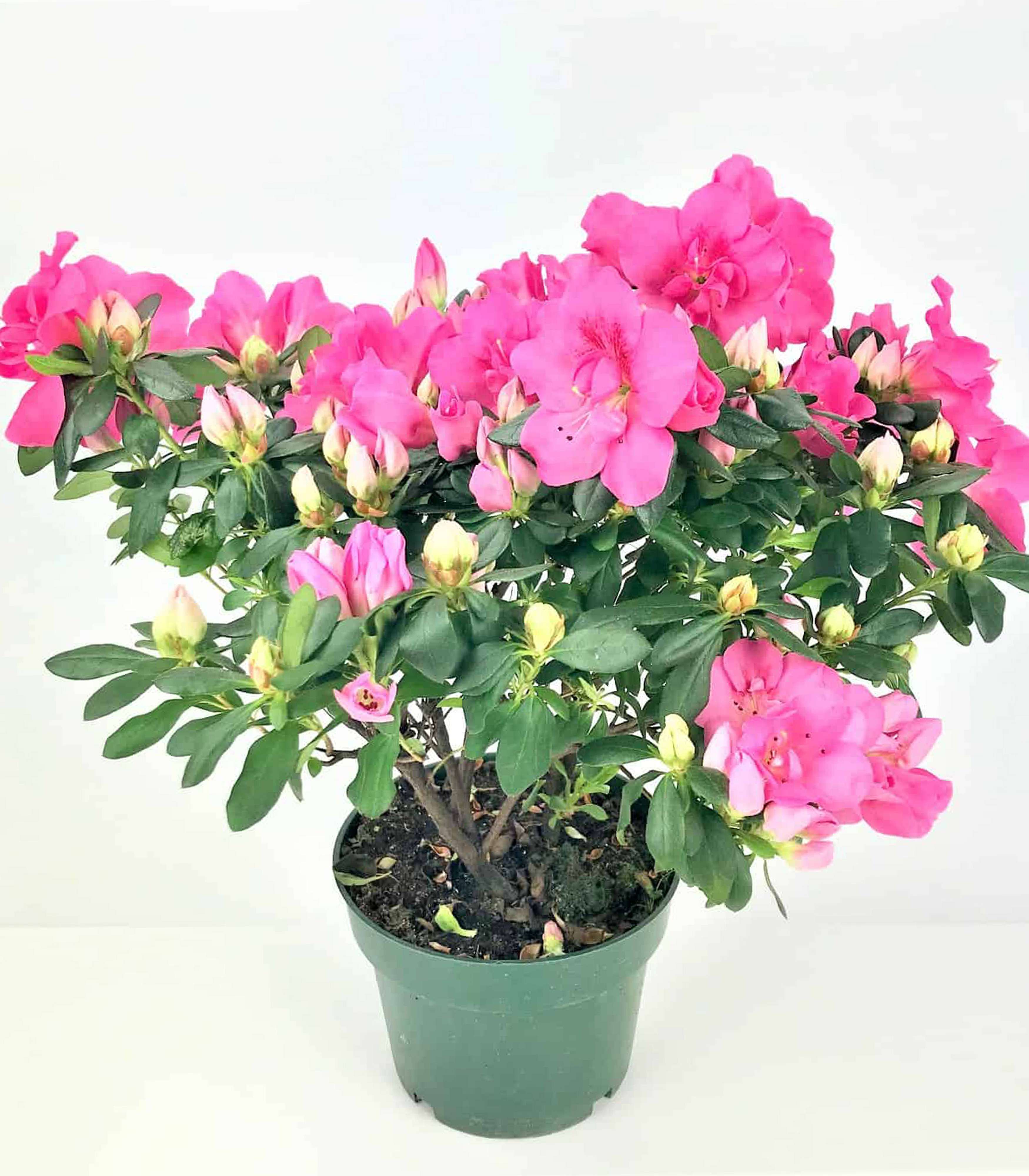
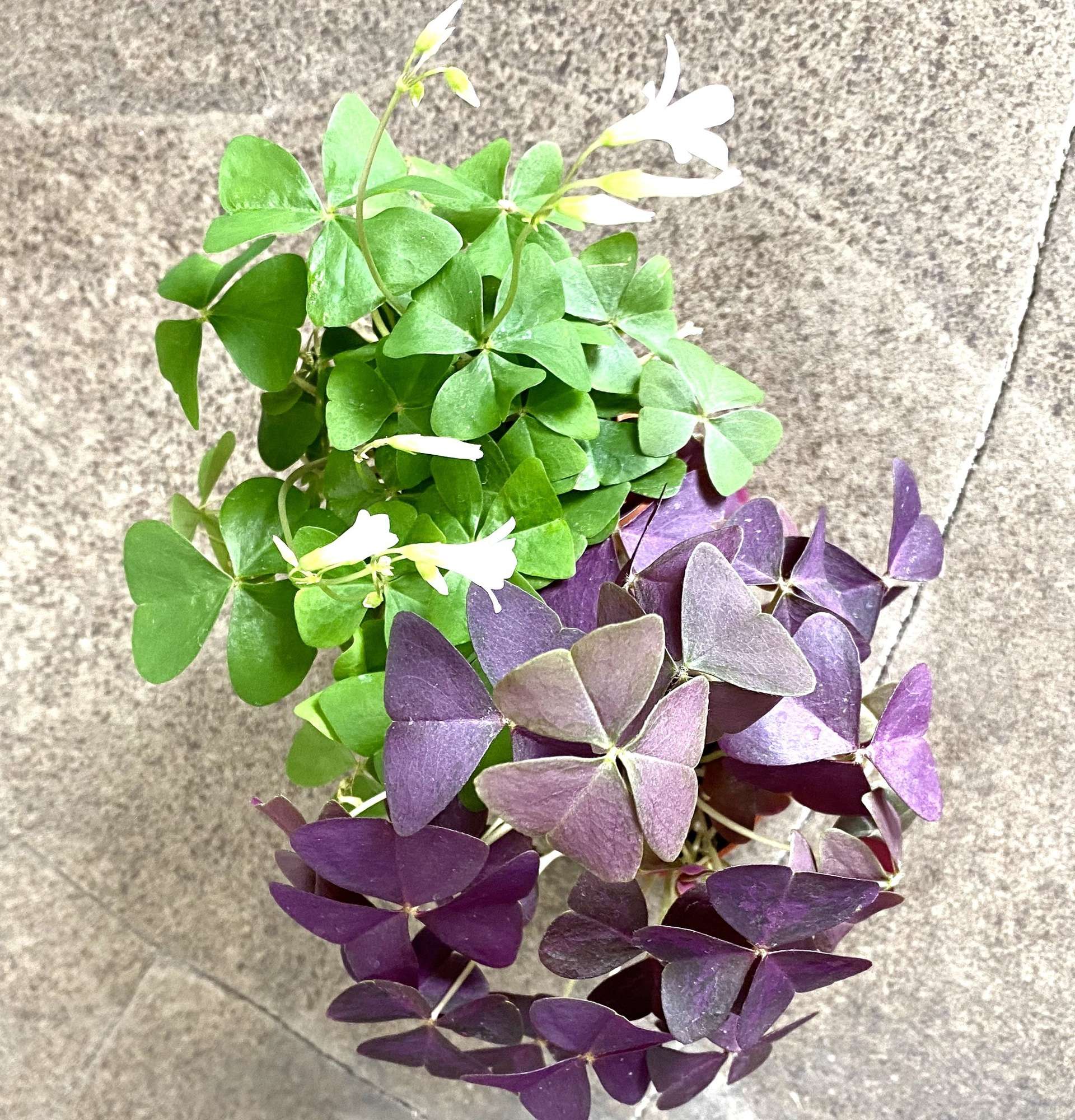
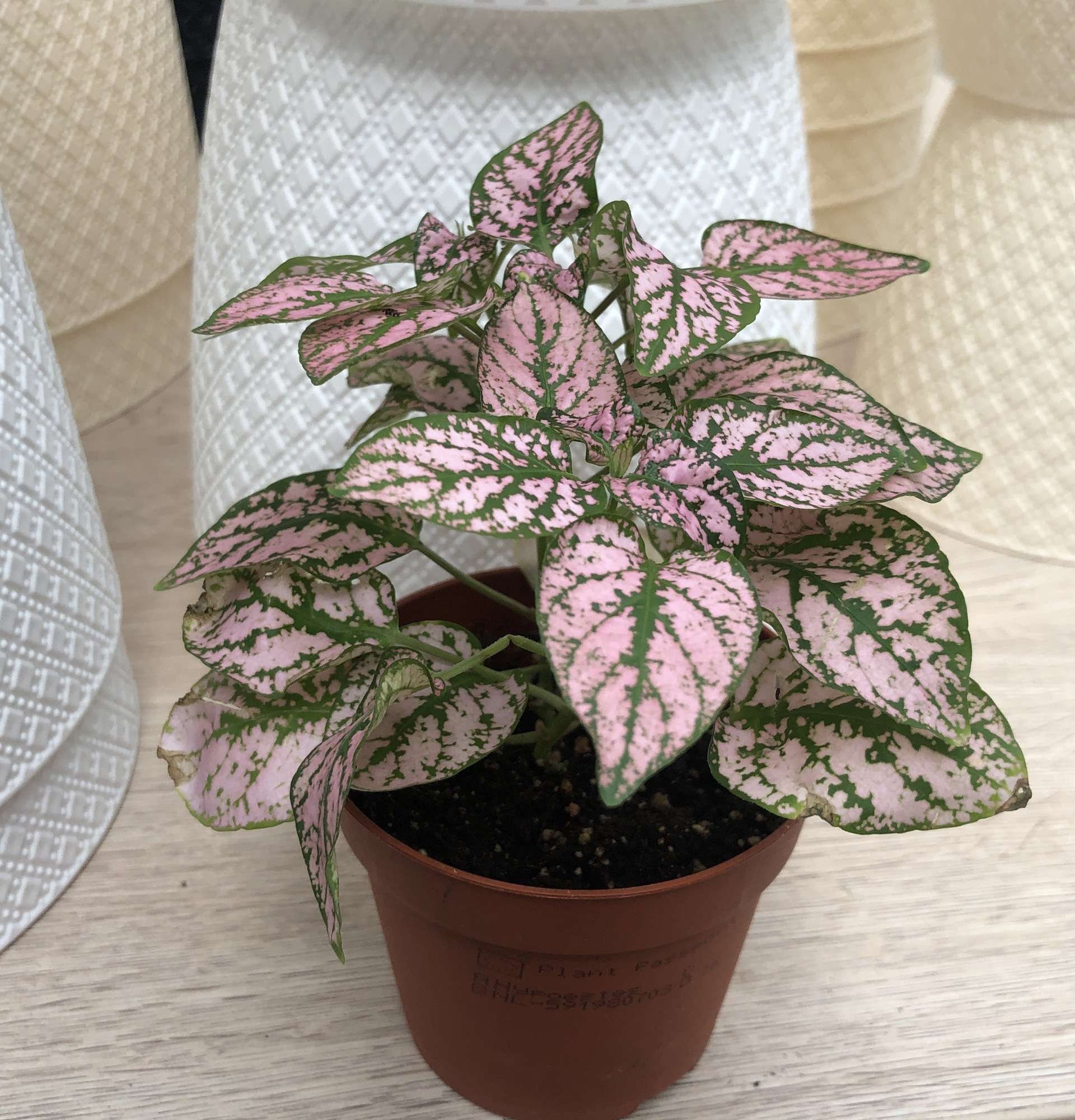
If the basic rules of care are followed and all the small nuances of growing a flowering indoor plant are taken into account, with the addition of love and attention, then your amazing tropical beauty, sinningia, will delight you for at least ten years with its beautiful velvety bells, decorating any interior with its presence. Gloxinia will not mind if there are such chic unpretentious indoor plants as tradescantia, oxalis, chlorophytum, viola, hibiscus.
Write comments
Comments