



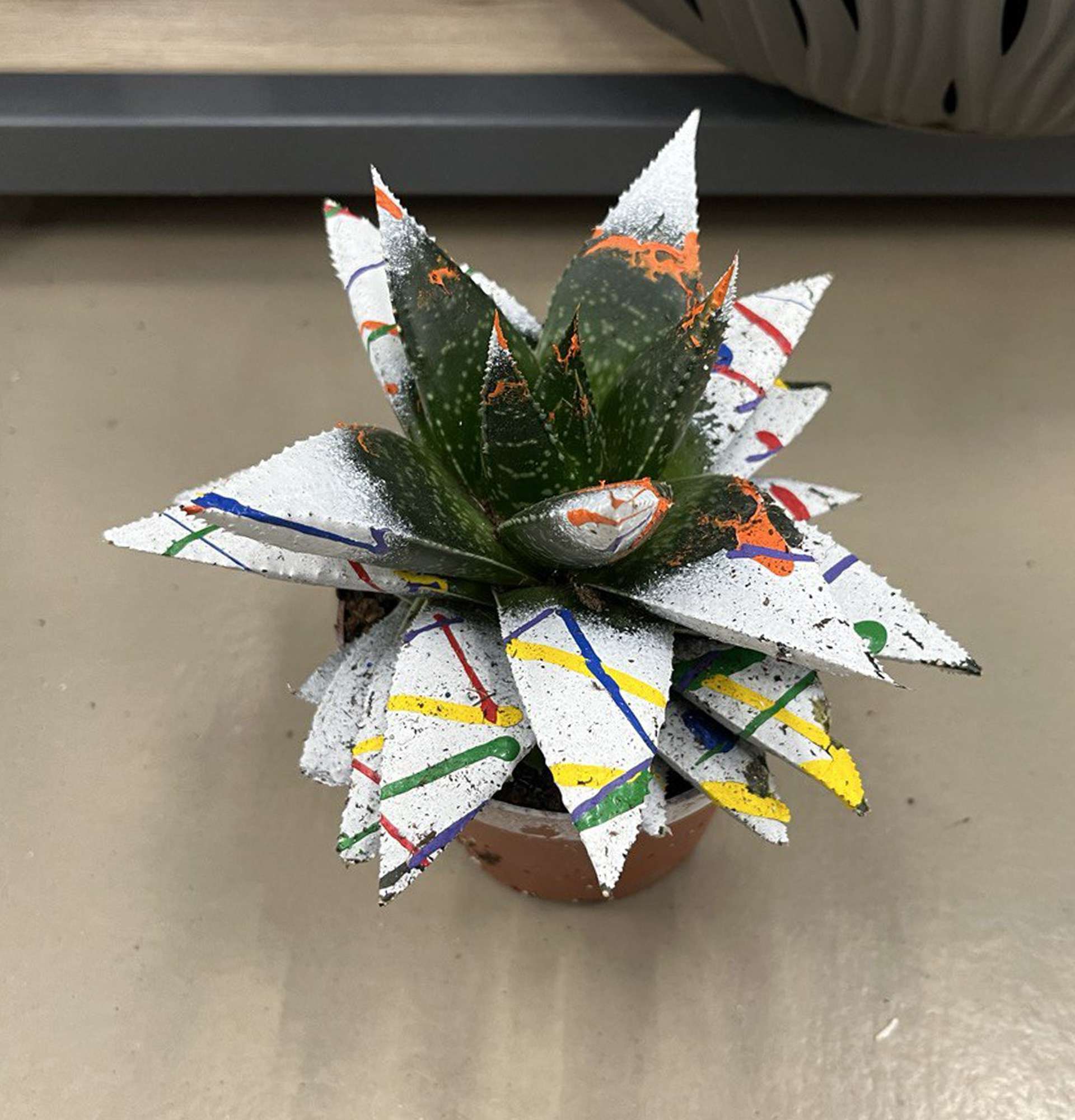
Latin name: (Gasteria)
Category: perennial succulent plants
Origin: South Africa
Miniature beauty Gasteria – extravagance and graphics
Gasteria (Gasteria) comprises twenty-six varieties of magnificent, perennial, leafy, herbaceous succulent species, belonging to the Asphodelaceae family. The Gasteria flower has many similar qualities to related species such as Aloe and Haworthia, which are grouped in the Aloe tribe.
The botanist, a prominent physician from France, Henri Auguste Duval, discovered and described this genus in eighteen hundred and sixty.
Gasteria acquired its name due to an interesting small swelling on the perianth tube, as a result of which the configuration of the flower resembles a stomach. According to the Latin language, "galstron" means "puffy vessel." This name for the gasteria plant is sometimes found in folk mythology.
The South African territories are native to the gasteria succulent. Here, in the Cape Province, in Namibia, the gasteria plant is a local landmark that beautifully adorns rocky areas, desert sandy regions of the savannah, and beautifully decorates its small thickets on the banks of rivers and other bodies of water. Even in this dry, hot, extreme environment, the gasteria succulent thrives, feels great, and propagates very well vegetatively.
The gasteria flower has a phenomenal ability to cross with plants of its species, which allows the plant life of the South African continent to diversify its ranks with new hybrid varieties.
This amazing, beautiful, unpretentious, slow-growing plant, aloe gasteria, has proven itself well in indoor floriculture. Amateur flower growers enthusiastically appreciated this small, twenty-centimeter-long African plant, which has the property of improving the interior of a room. Often, this fantastic beauty can be seen in offices, study rooms, living rooms, and bedrooms.
This unique plant is able to enrich the area around it with oxygen at night.
Many believe that the amazing gasteria brings good luck to the house, and its energy properties positively affect people born under the sign of Cancer. Designers, when creating complex decorative compositions, often turn to the most reliable, highly decorative, simple, and elegant succulents, such as gasteria, eonium, crassula, stapelia. You can plant several different varieties of this amazing flower and enjoy their beauty, which is called gasteria mix. Resistant to temperature changes and bright lighting, gasteria can often be seen in a terrarium.
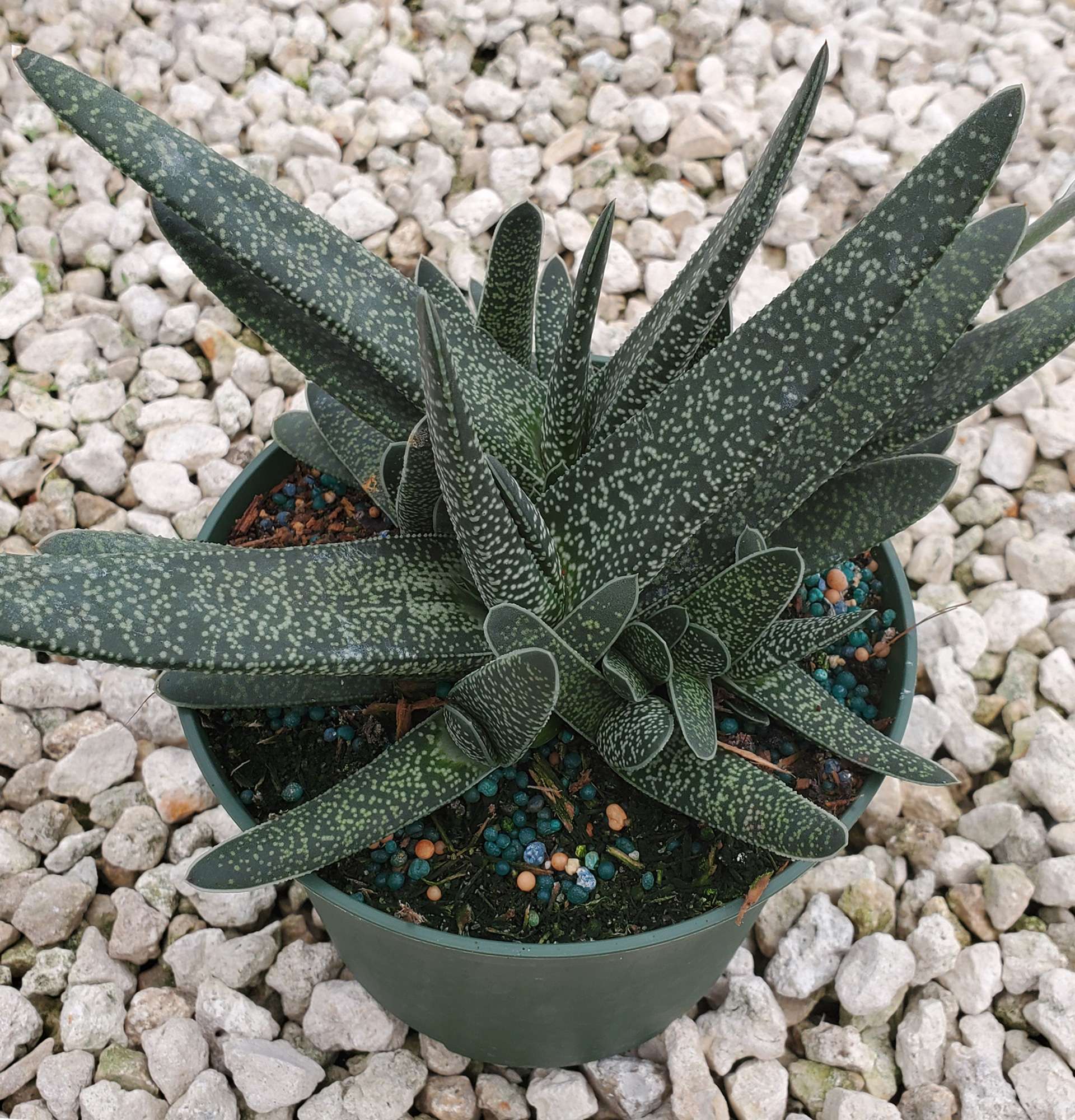
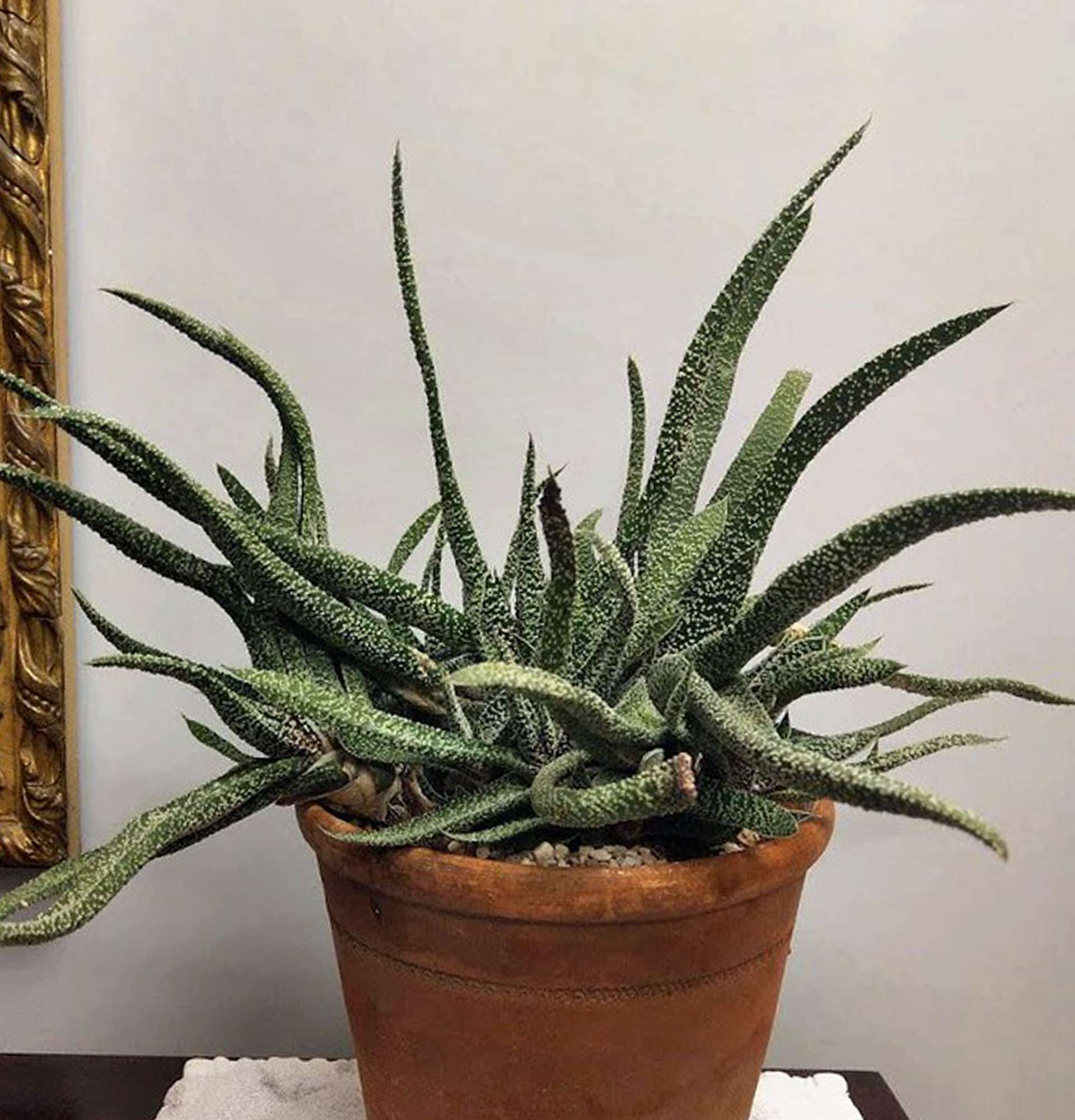
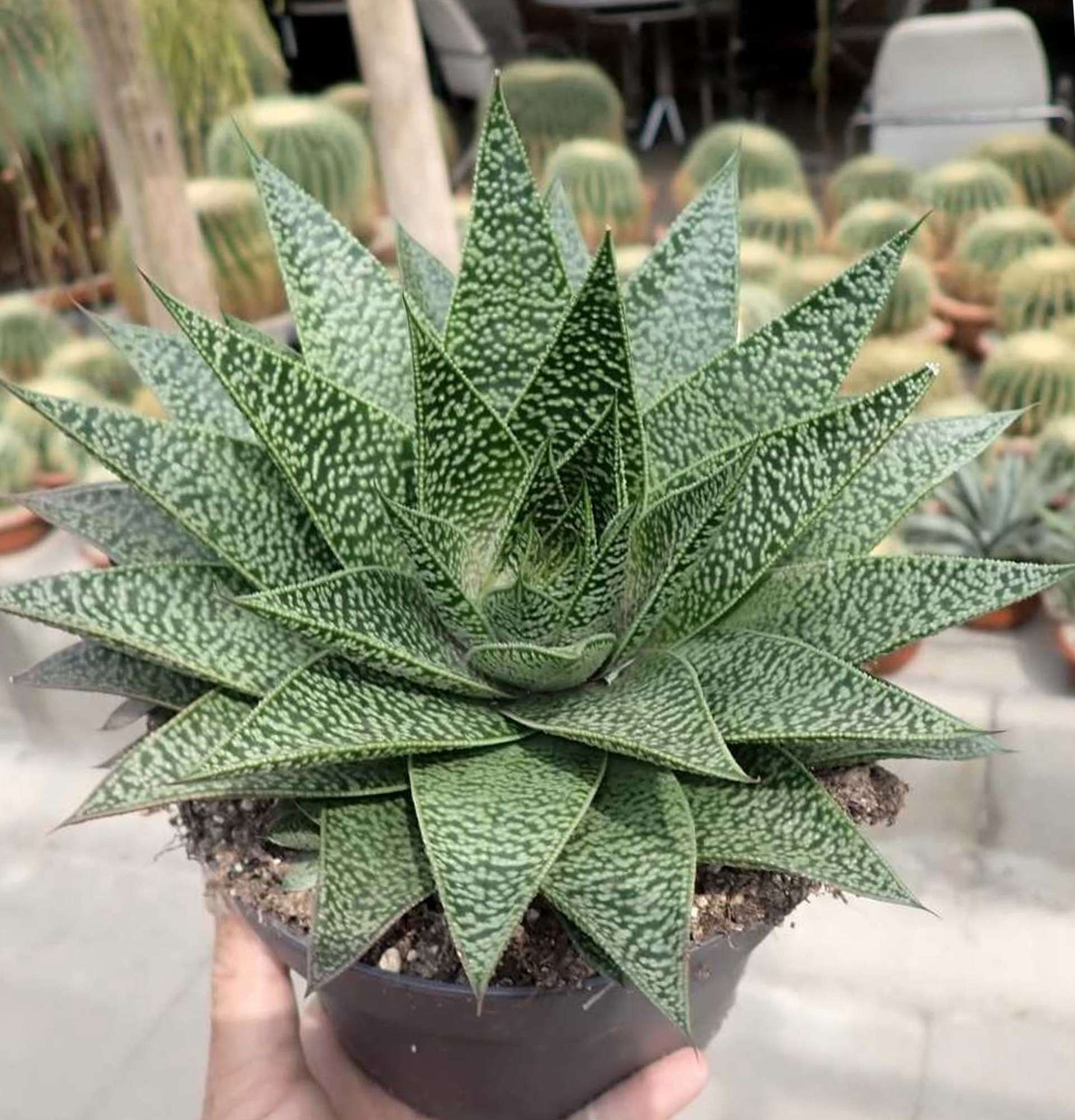
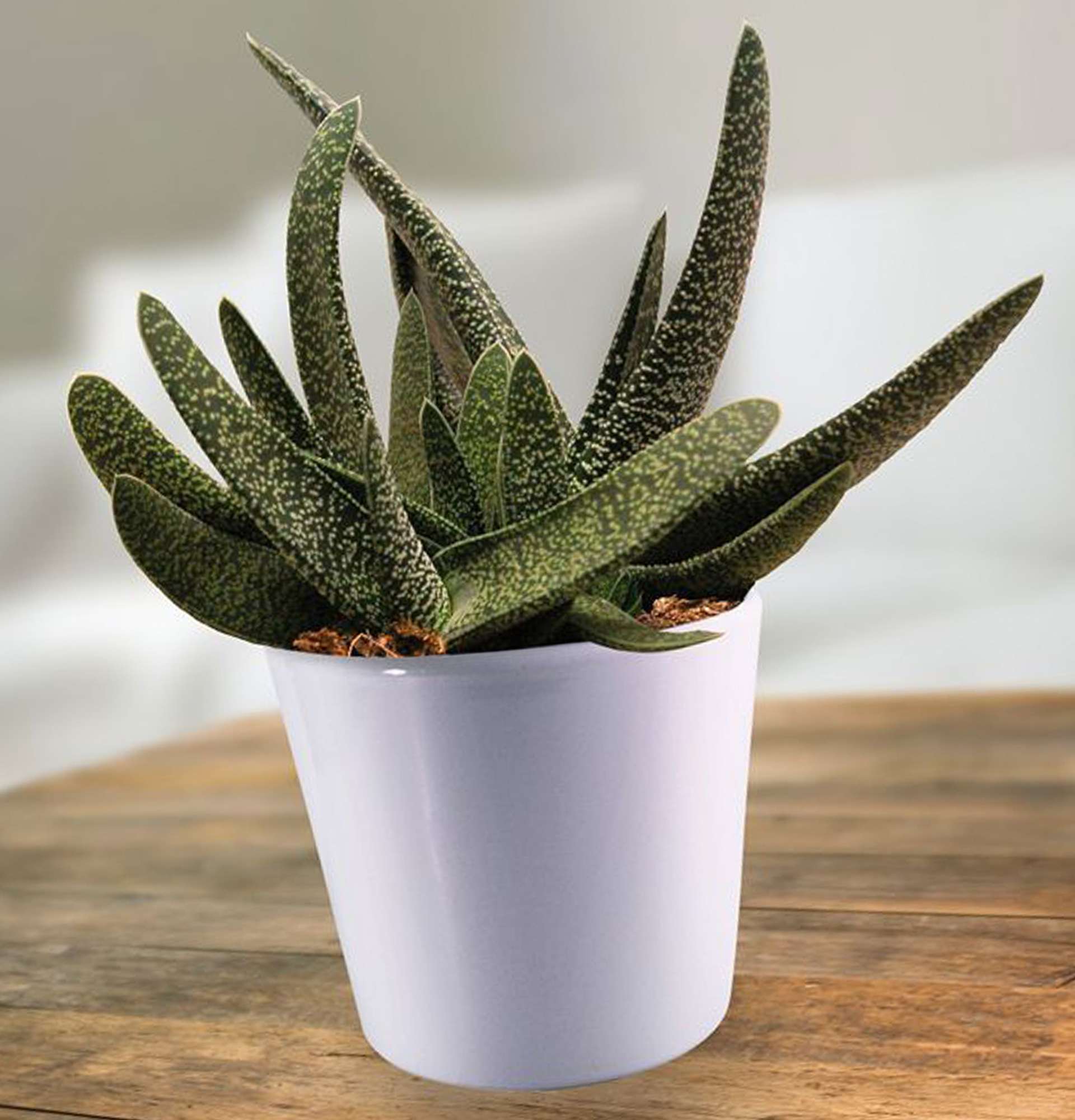
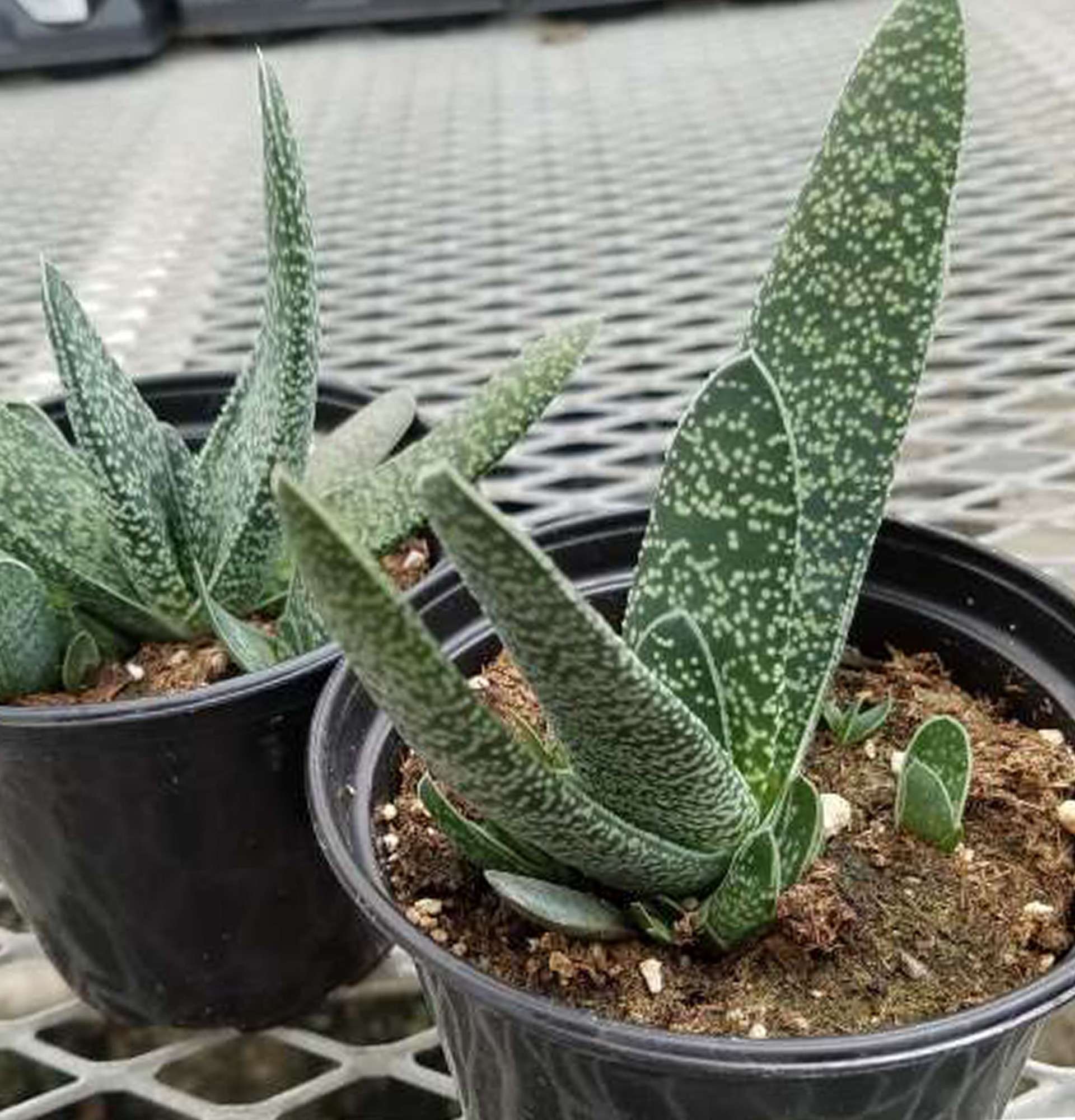
The indoor gasteria plant is represented by a dense rosette located on a very short, thick stem. This unusual succulent wonder is organized by dark green, sometimes speckled or striped, hard, fleshy leaf plates with a variety of configurations, characteristic only of a particular variety of the plant.
The arrangement of the leaves can be either two-row or multi-row. The triangular, lanceolate shape of the leaves makes each bush unique. These small, beautiful leaves range in size from three to twenty-five centimeters in length and can be smooth or rough, flat or concave, which gives the bush a unique individuality. Most often, gasteria is a variegated culture. Depending on the variety, the leaves are multi-colored and mottled.
How gasteria blooms can be seen with the onset of spring warmth. And this will be a very magnificent sight that lasts at least thirty days. During this period, the plant acquires high flower stalks, the maximum height of which can reach one meter, located between each row of leaves.
A one-sided, loose cluster is formed by very beautiful and original, small, insignificant pink, yellowish, orange, red, green flowers. An unusual swelling at the base of the flower makes it look like a jug, bottle, or bell. The self-pollinating flowers of gasteria form original capsules after flowering, in which powdery seeds ripen and are successfully dispersed by the wind.
Gasteria species
Gasteria verrucosa
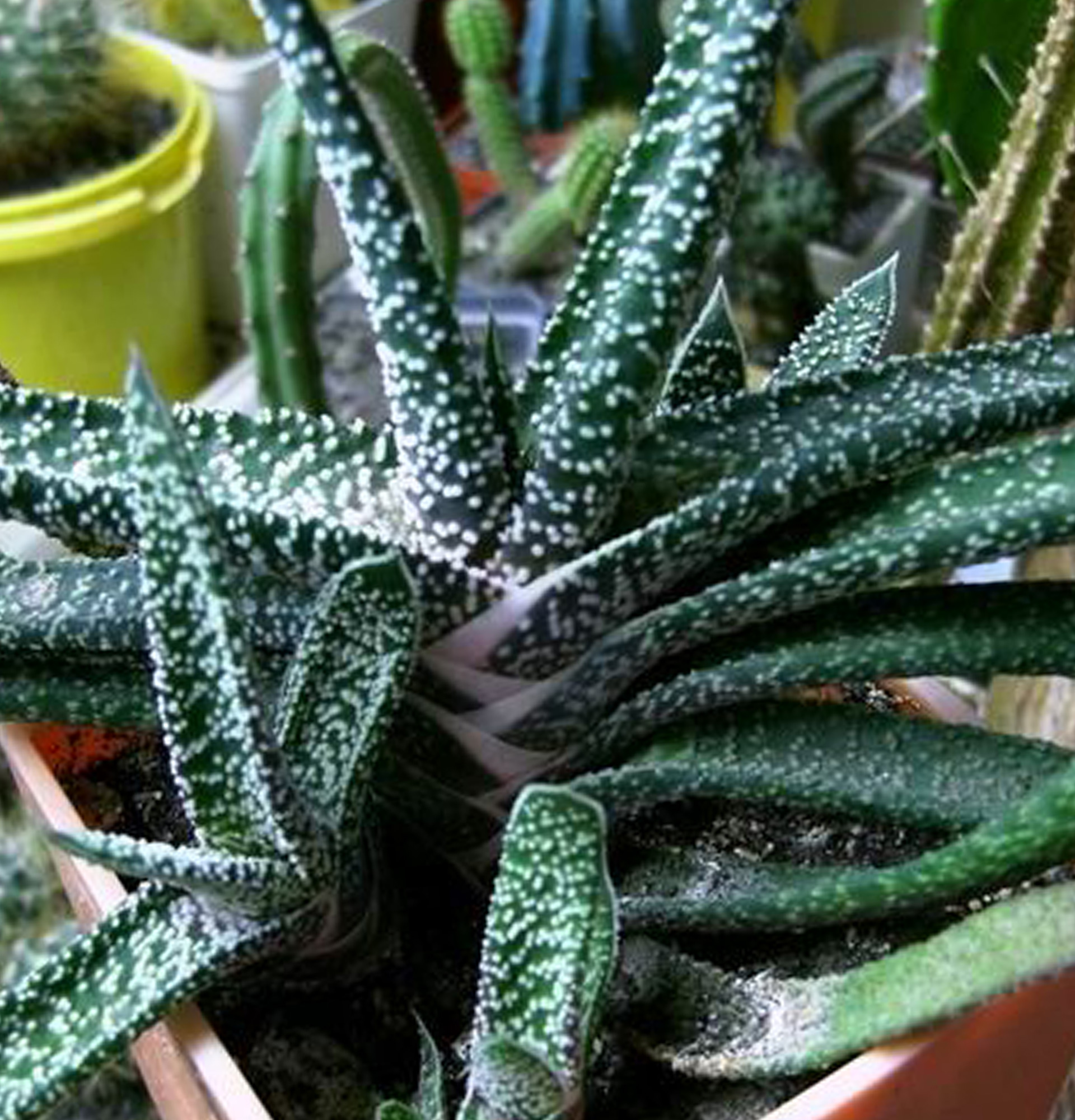 This variety of gasterias is the most beautiful and attractive succulent beauty, which is very often found in flower growers and beautifully improves the interior of any room. A perennial rosette bush, which has no stem, can reach twenty centimeters in height. Leaf plates with pointed ends and a rough texture create this beauty, with an elongated, tongue-shaped configuration.
Small white tubercles make the leaves unique. The color of the leaf plates tends to change depending on the season. In the cold off-season, you can admire light gray or dark gray-green leaves, and with the onset of spring, sunlight adds a pink hue to them.
Its flowering begins with the onset of March thaws with the appearance of a flower stalk, which rises to a height of eighty centimeters. Small, two-centimeter flowers with a slight swelling at the perianth, pink and red in color, are densely located on the flower stalks.
Gasteria maculata
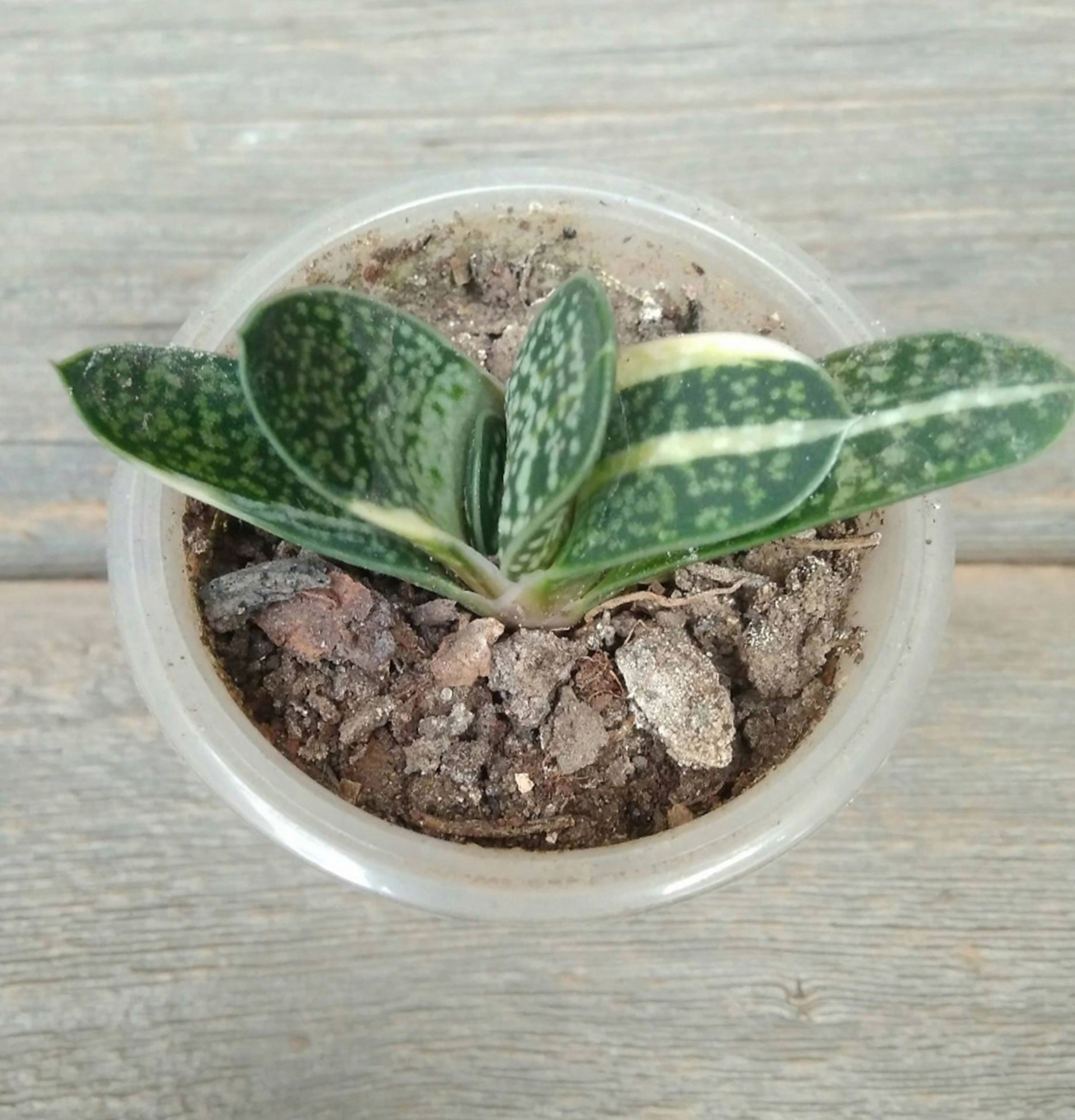 Gasteria maculata has mottled or striped, triangular leaves that are arranged in a two-row spiral on a short stem and form an original rosette. The stripes and spots on the leaves can be silvery, dark green, or brown. The length of the leaves can reach twenty centimeters, and the tops are decorated with a thorn. On small clusters, red flowers with a green border are nestled.
Gasteria batesiana
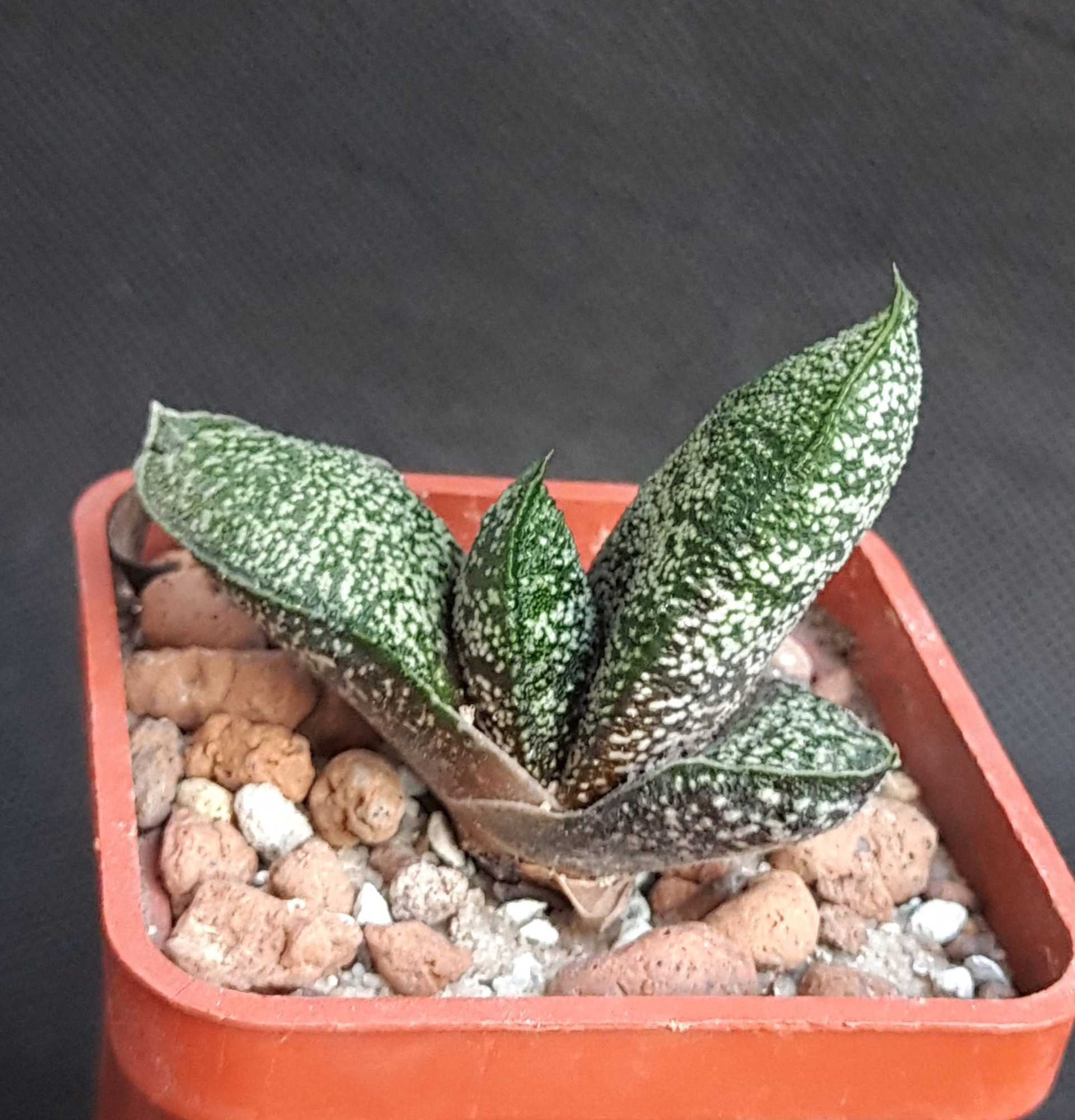 The Limpopo province of the Republic of South Africa is the homeland of this miniature, interesting flower, which reaches a height of ten centimeters. The favorite places for growth are rocks, in the plains among higher cultures, and also the savannah. Lanceolate-triangular leaf plates can reach a length of eighteen centimeters. Gasteria bates blooms in the spring-summer period with orange-pink tubular flowers.
Gasteria carinata
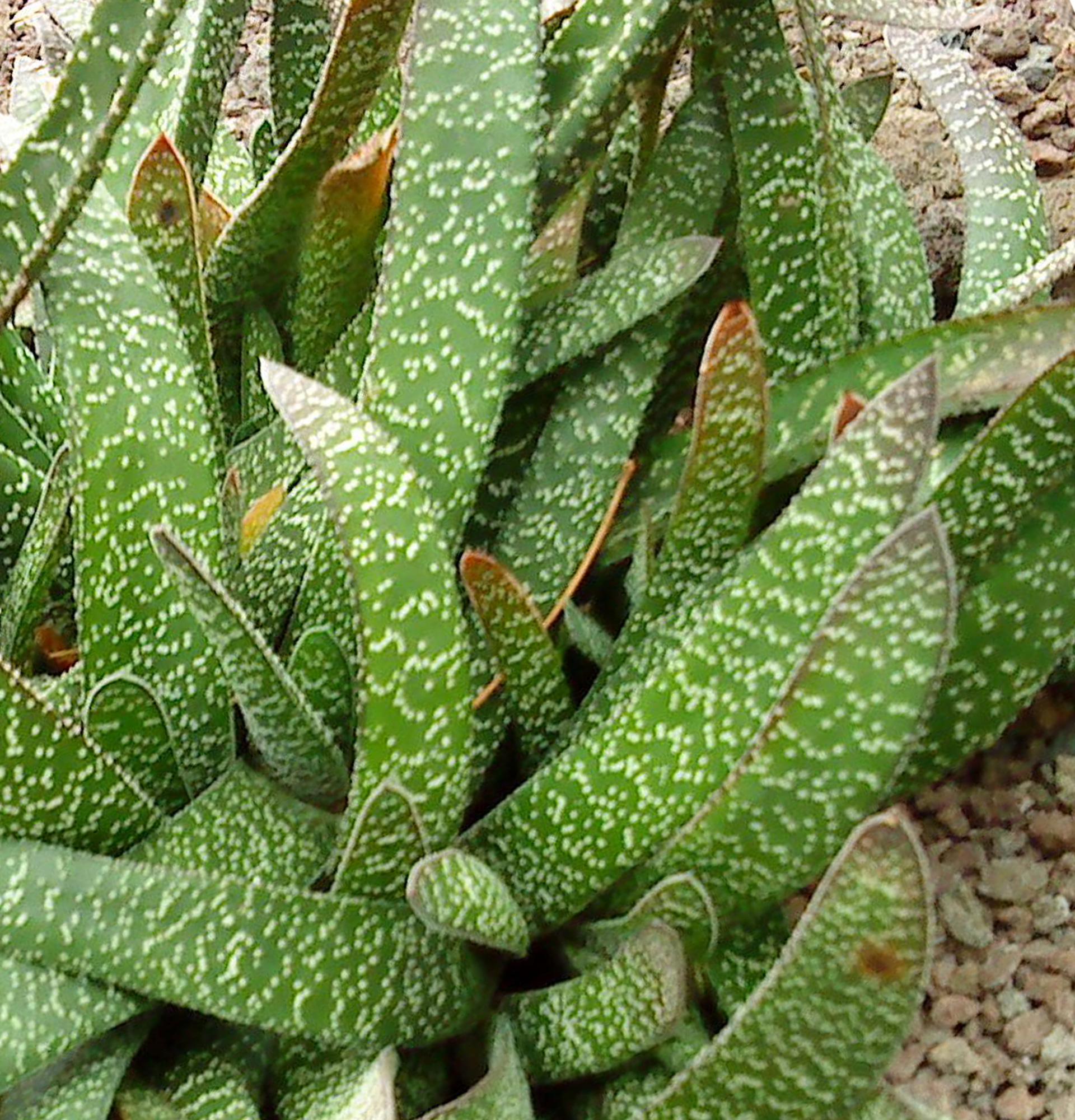 Gasteria carinata has spirally arranged leaf plates, about fourteen centimeters long, which form an original rosette. The highlight of the species is the absence of a stem, and the back of the leaves has a beveled and very sharp thorn, which is why this species has such a name. Greenish-brown leaves are decorated with light spots, and rough tubercles are located on the thorn and along the edge of the leaves.
Gasteria acinacifolia
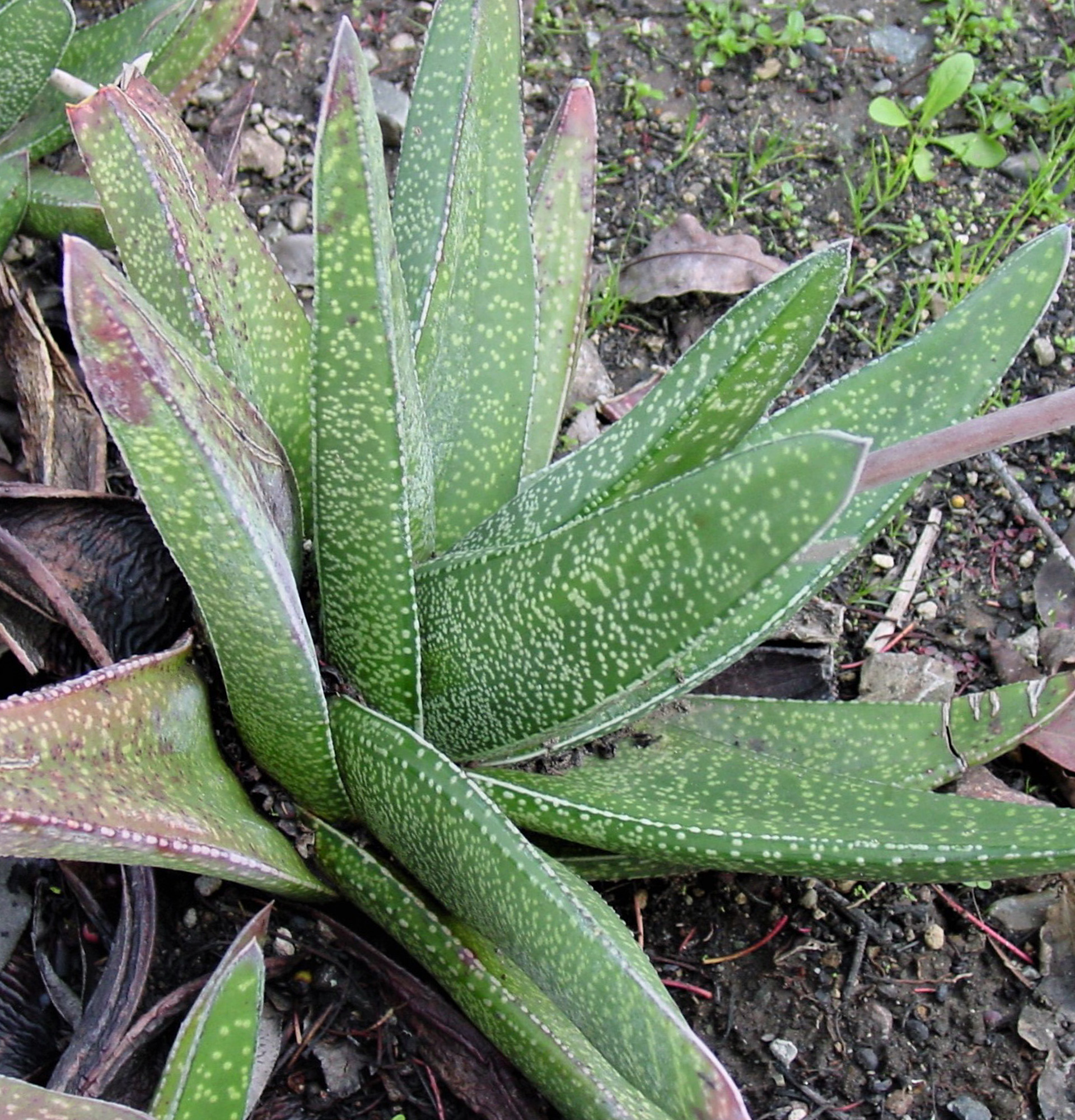 The large rosette of this species of gasteria is formed by thirty-centimeter-long leaf plates of a sword-shaped configuration. Green glossy leaves are covered with large light spots. Meter-long flower stalks are beautifully decorated with bright red, five-centimeter flowers.
Gasteria Little Warty
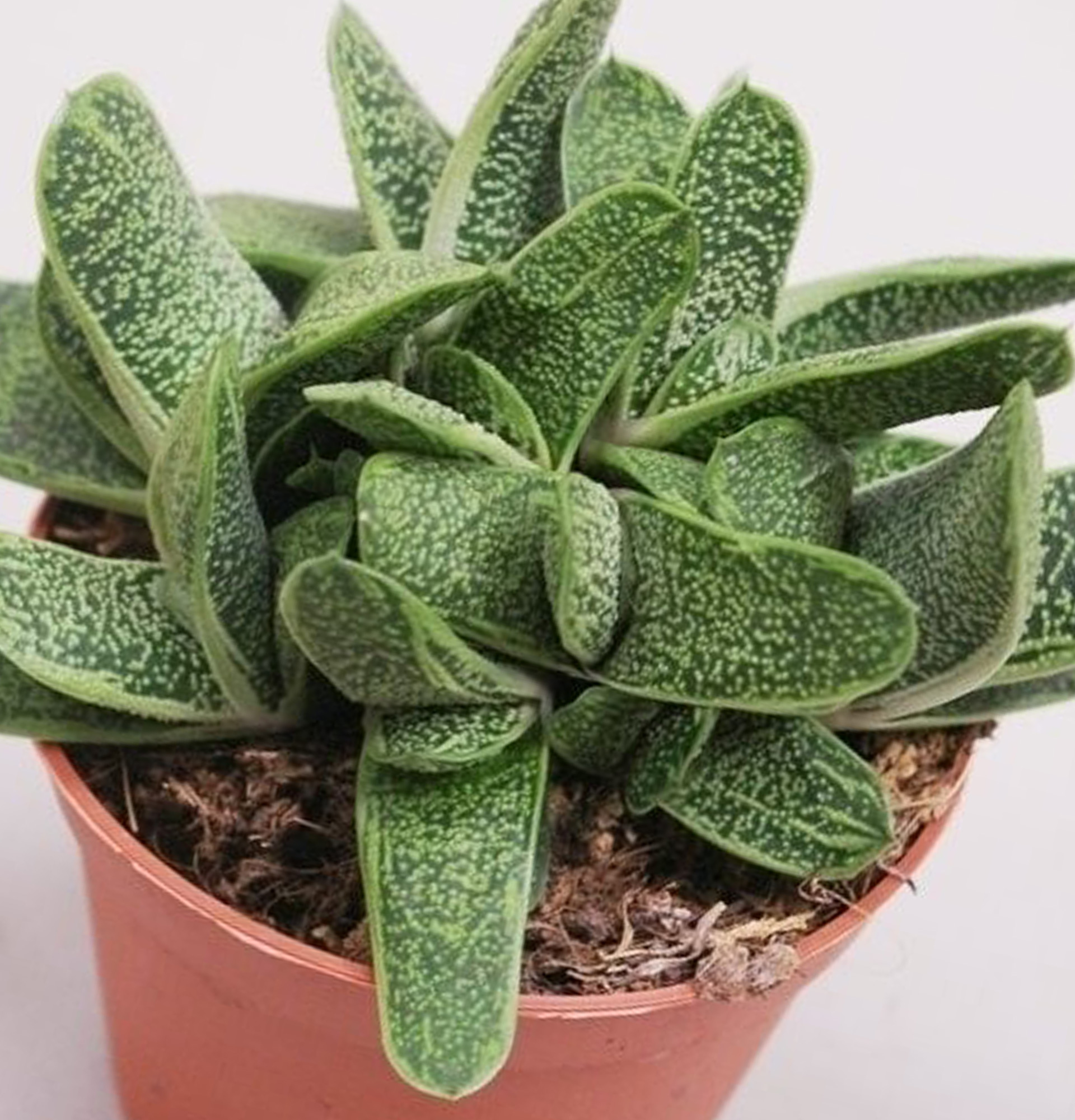 A wonderful, miniature, interesting variety of gasteria with fleshy, elongated, slightly pointed, multi-row green leaves. Stripes with small stripes make the bush original and attractive. It is not for nothing that many flower growers are delighted with it. In the spring, Gasteria Little Warty blooms with unusual flowers that gradually change from yellow to orange. But it attracts not only with its beauty. It has useful properties; at night, the plant produces oxygen. An indoor plant with white-green leaves will feel great in the bedroom and bring benefits to the environment.
Gasteria Tiga
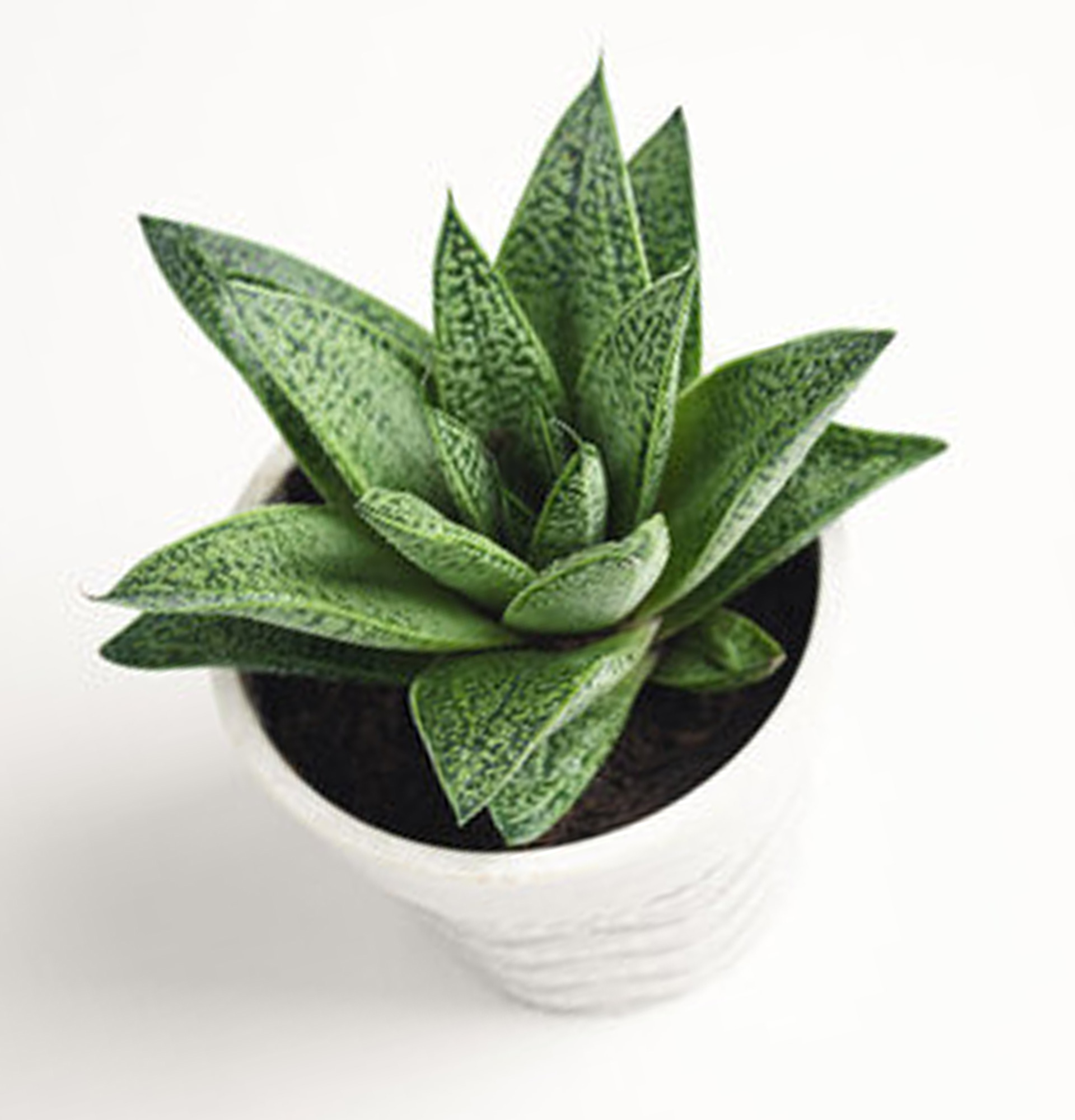 A graceful, very interesting indoor plant with correct geometric shapes, located on a short stem. It looks great in collections with other succulent indoor plants, such as echeveria, agave.
Gasteria Minor
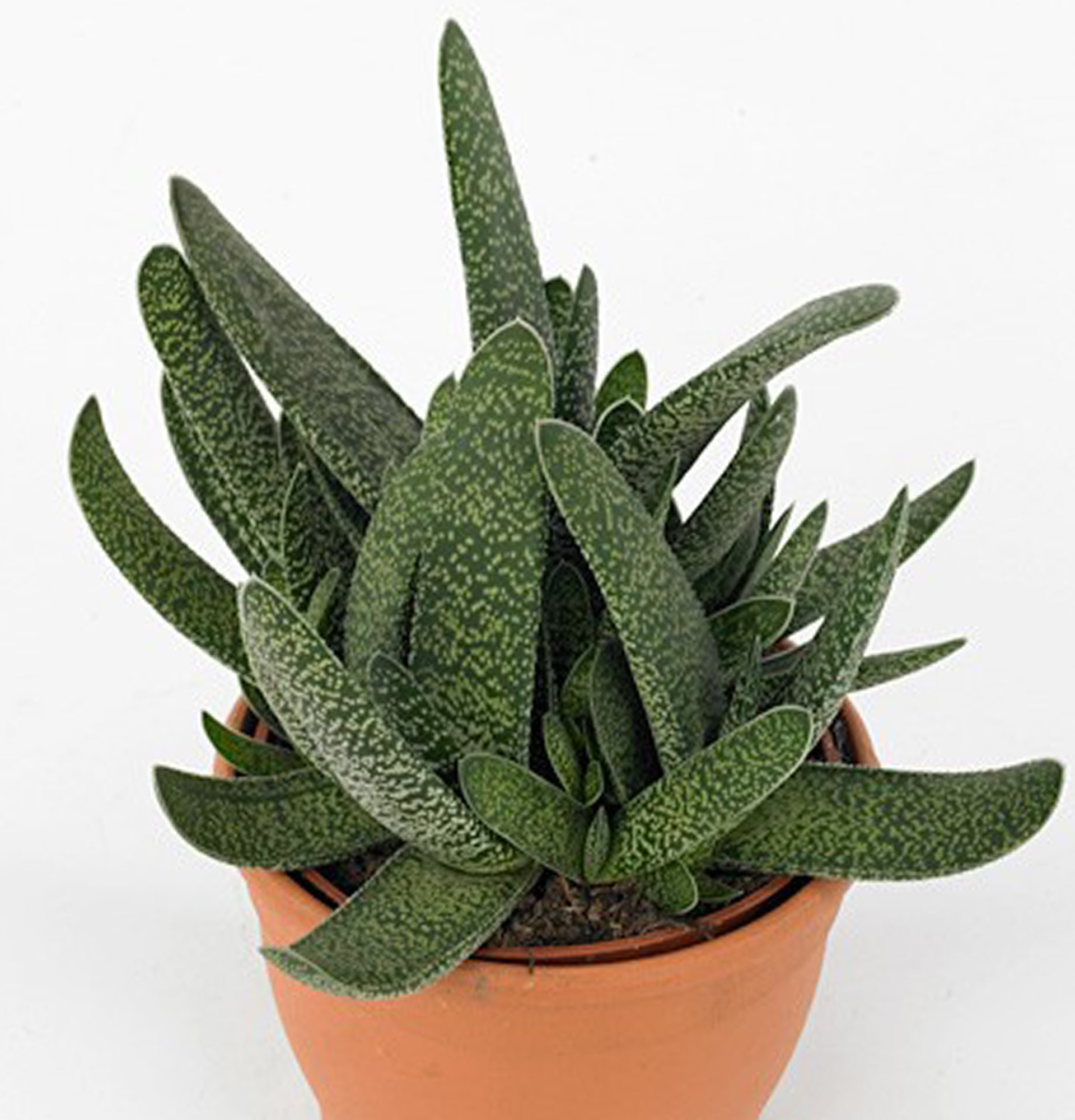 A perennial, herbaceous, stemless, unpretentious subspecies of gasteria verrucosa from South Africa. An indoor plant has large, linear, dark green leaves and can reach half a meter in height. This unusual beauty is very popular with flower growers.
Gasteria care in the home
Caring for this unique, flexible, and hardy African beauty is not difficult at all; it does not have any special requirements. But in order to see the beauty of the juicy leaf plates that shimmer with emerald shades, the plant must be provided with comfortable growing conditions.
To give the tropical indoor plant a luxurious decorativeness, you need to choose the right soil mixture, water and fertilize the plant regularly, transplant it, and find a good place for it.
Choosing a place and temperature regime
Easy-to-care-for indoor plants, gasterias, do not mind bright, diffused light. Such pleasant places will be windows facing east, west, or south. Since direct ultraviolet rays can do more harm than good to the indoor flower, it is desirable to shade it in the south. In the warm off-season, it is desirable to take the gasteria out into the fresh air: into the garden, onto the balcony, onto the veranda, or terrace.
Drafts and precipitation have a negative effect on gasteria.
In summer, the acceptable temperature for gasteria will be a range of twenty to twenty-five degrees. The lower winter temperature can drop to ten degrees. This temperature difference allows the gasteria to lay flower stalks and prepare for spring flowering.
In winter, the pot with gasteria should be placed as far as possible from heating appliances.
Humidity and watering
Gasteria does not have any additional requirements for humidity in the room. It is not necessary to spray the flower, but in order to see the decorative qualities of the flower, it is necessary to regularly wipe the leaves.
In the warm off-season, unpretentious indoor flowers for lazy people, gasterias, are watered regularly after the top layer of soil in the pot dries out. The water for watering should be settled, slightly warm. An excess of water in the soil will negatively affect the condition of the indoor plant. Winter watering should be minimized to once every thirty days, while observing the condition of the soil.
When watering, water should not get into the center of the rosette and on the leaves.
Soil and its feeding
The soil mixture for gasteria should be well permeable to air and moisture. A neutral or slightly acidic reaction in the soil will be acceptable for the plant. Such a composition will be a ready-made universal soil in a flower shop, intended for cacti or succulents. Individually, you can prepare the soil, which includes leaf soil, peat, sand (2:1:0.5). It will not be superfluous in the mixture to add small pieces of brick.
During the period of vegetation, indoor gasteria should be periodically fed once every fifteen days. The plant does not need feeding in winter. A complex mineral fertilizer, which is used to feed cacti and
Write comments
Comments