



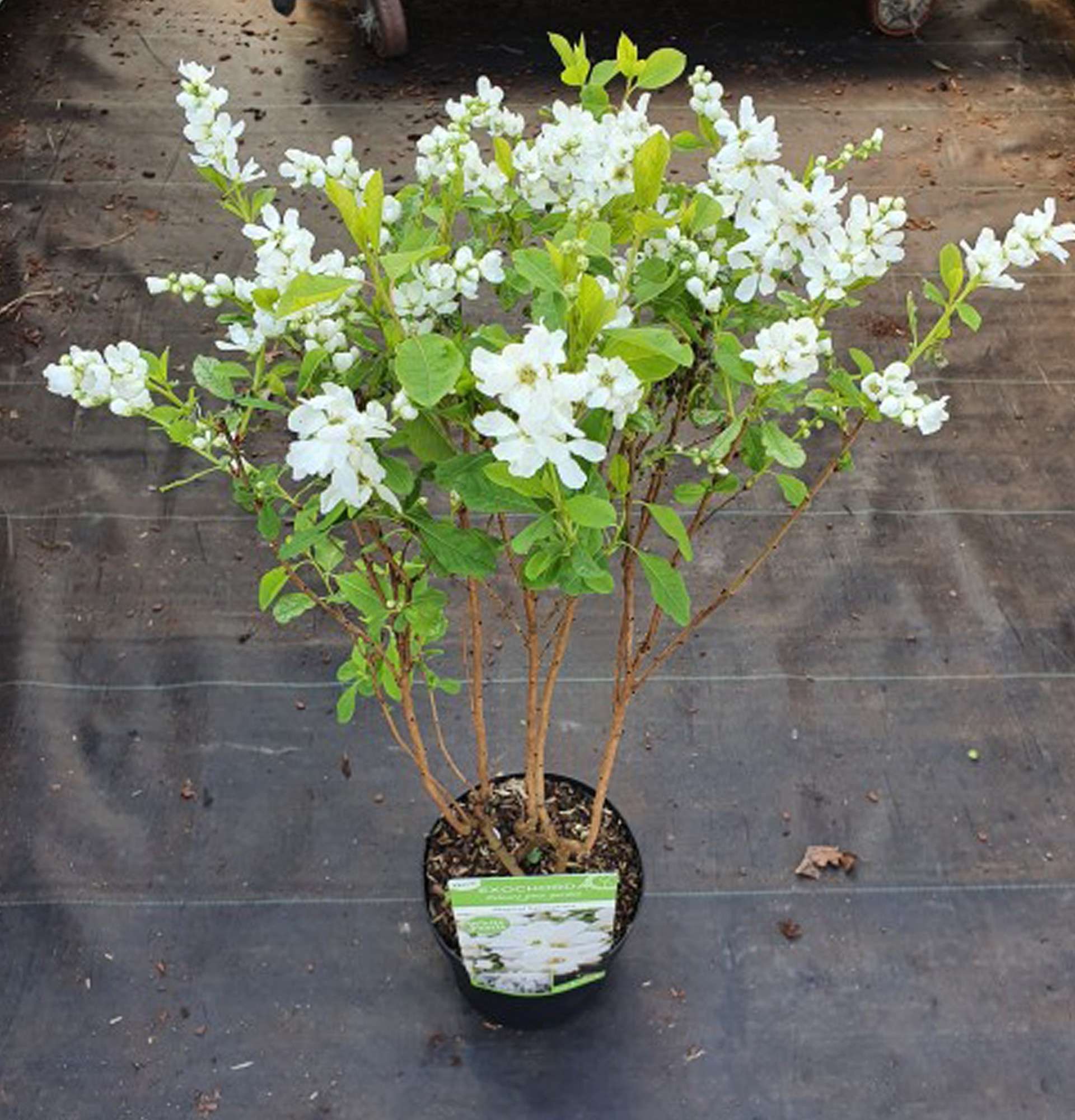
Latin name: (Exochorda)
Category: decorative deciduous flowering plants
Origin: Central and East Asia
Exochorda – a stunning beauty in a wedding dress
Exochorda (Exochorda) is a genus of seven very colorful decorative plants, represented by flowering shrubs that perfectly fit into the Rosaceae family with their charm.
Two Greek words became the prototype for the very unusual name of an unpretentious flowering shrub. "Exo" can be translated as external, and "chorde" as a string. As a result of this translation, the plant, due to its cotyledons, which are intertwined with fibers, also has an interesting name - follicle. The main representatives of this genus of plants are deciduous shrubs, which are characterized by abundant, long, stunning beauty of unusual flowers. They have an original resemblance to pearls. In the people, the beautiful shrub is called "pearl bush".
This unique plant was described by the prominent botanist from England, John Lindley.
The native territories for exochorda are mountainous areas, as well as forest glades and high-mountain regions of East and Central Asia. This wonder can be found in Korea and China. Here, in natural conditions that are well suited for decorative flowering shrubs, exochorda can reach a height of four meters and delight the eye of those around it with its charming lush appearance.
The genus of these flowering shrubs, perennials, has not spread far from their native territories. But gradually this discrimination is ending. The wonderful exochord shrub, which blooms all summer, was brought to Europe. Now it can be found more and more often in our climate zone. Amateur gardeners who were able to get acquainted with the exotic exochord shrub will continue to spread it and decorate gardens, squares, and parks with it, and will never give up this wonderful flowering beauty.
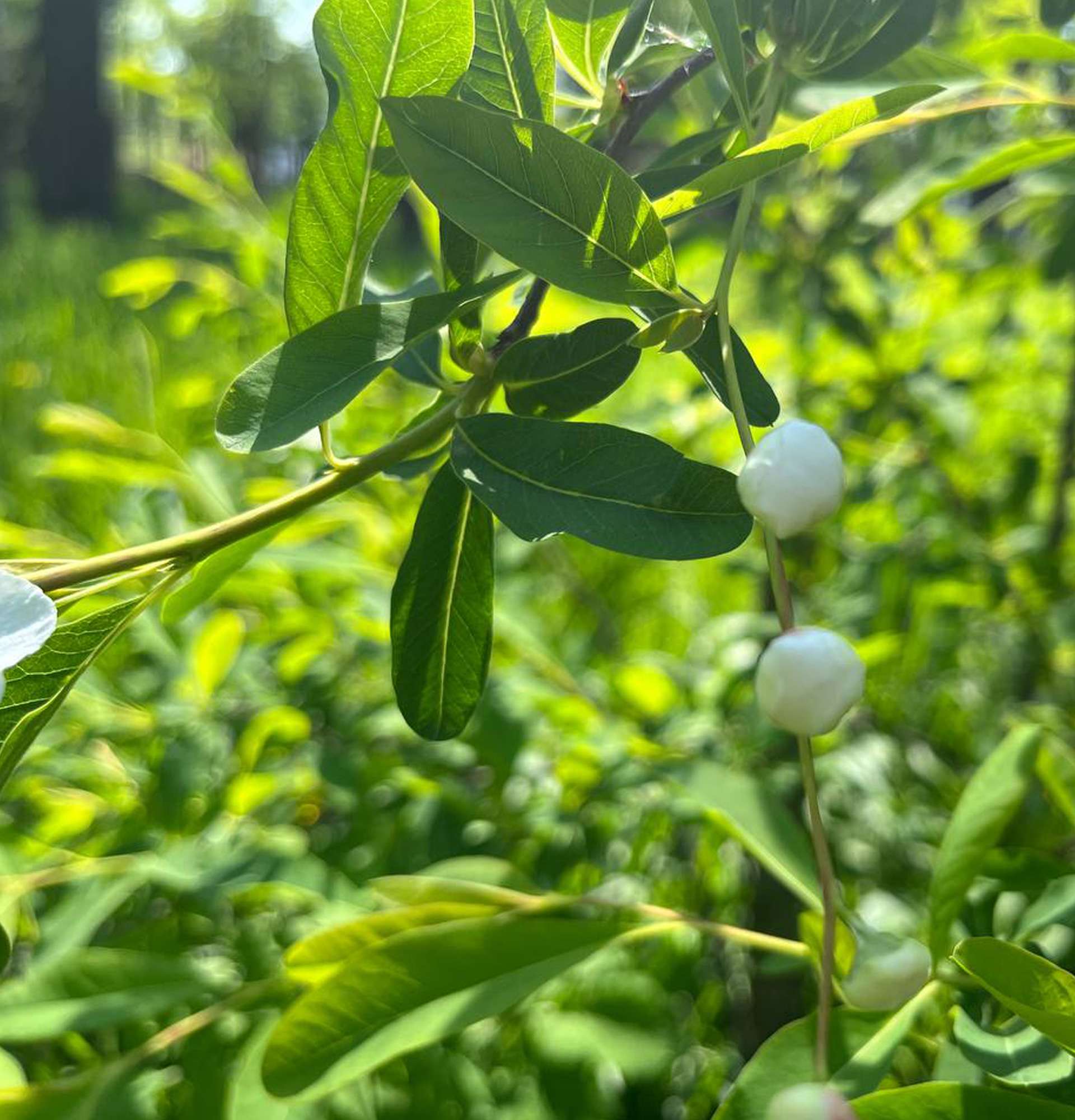
The exochord bush has bright green, elliptical leaf plates. In some varieties, the leaves have a bluish tint due to a slight waxy coating, which makes them particularly attractive.
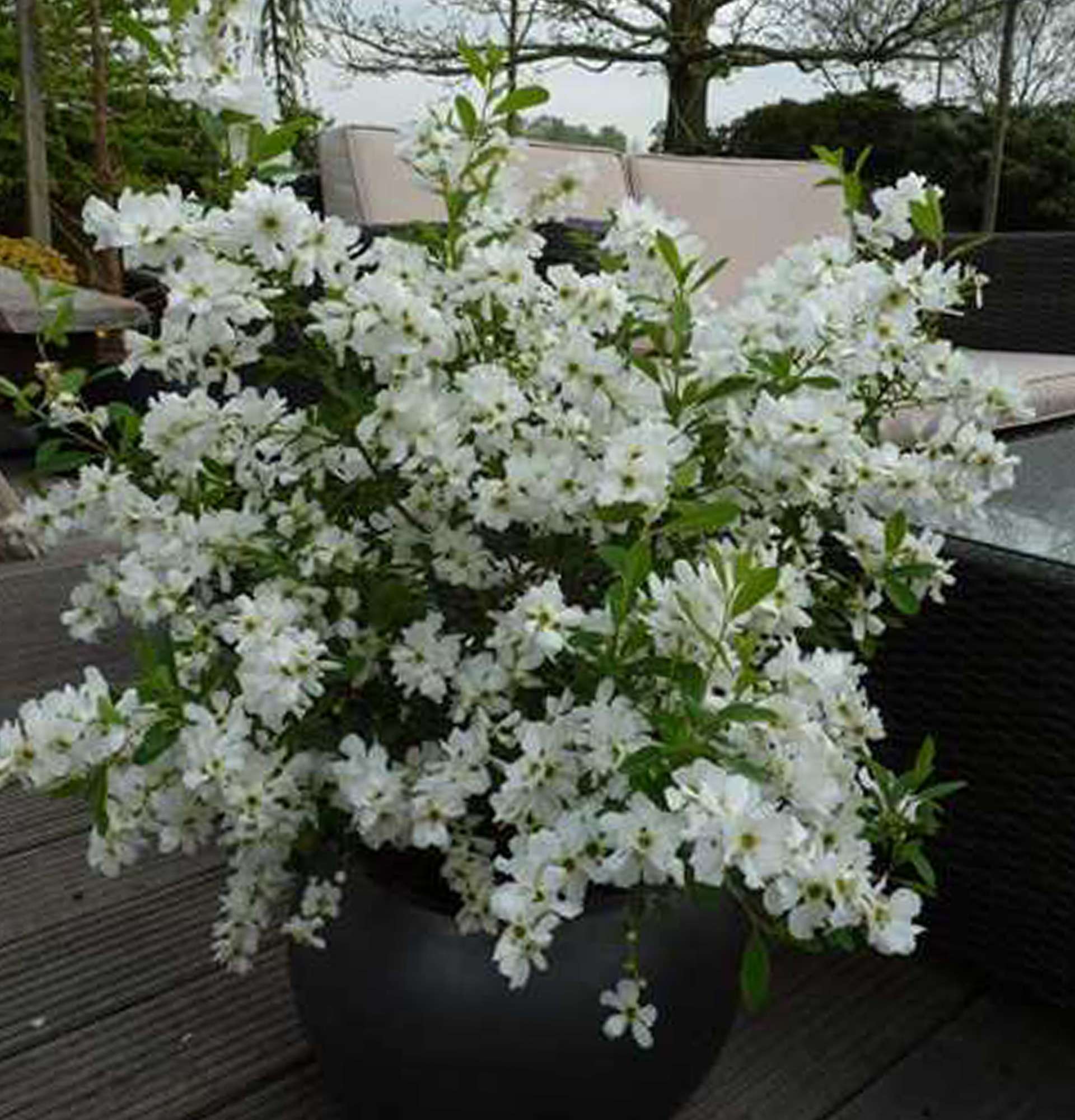
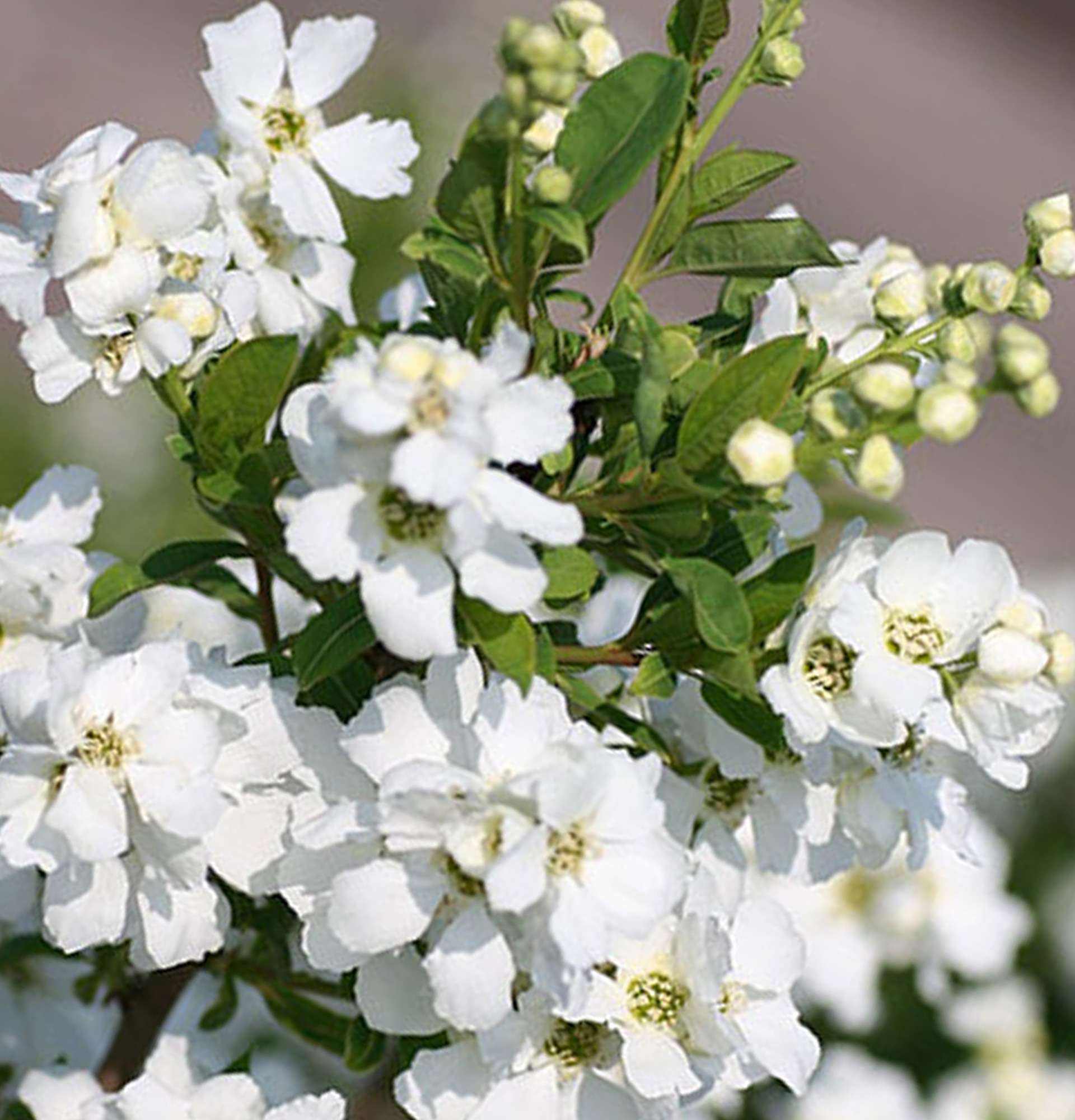
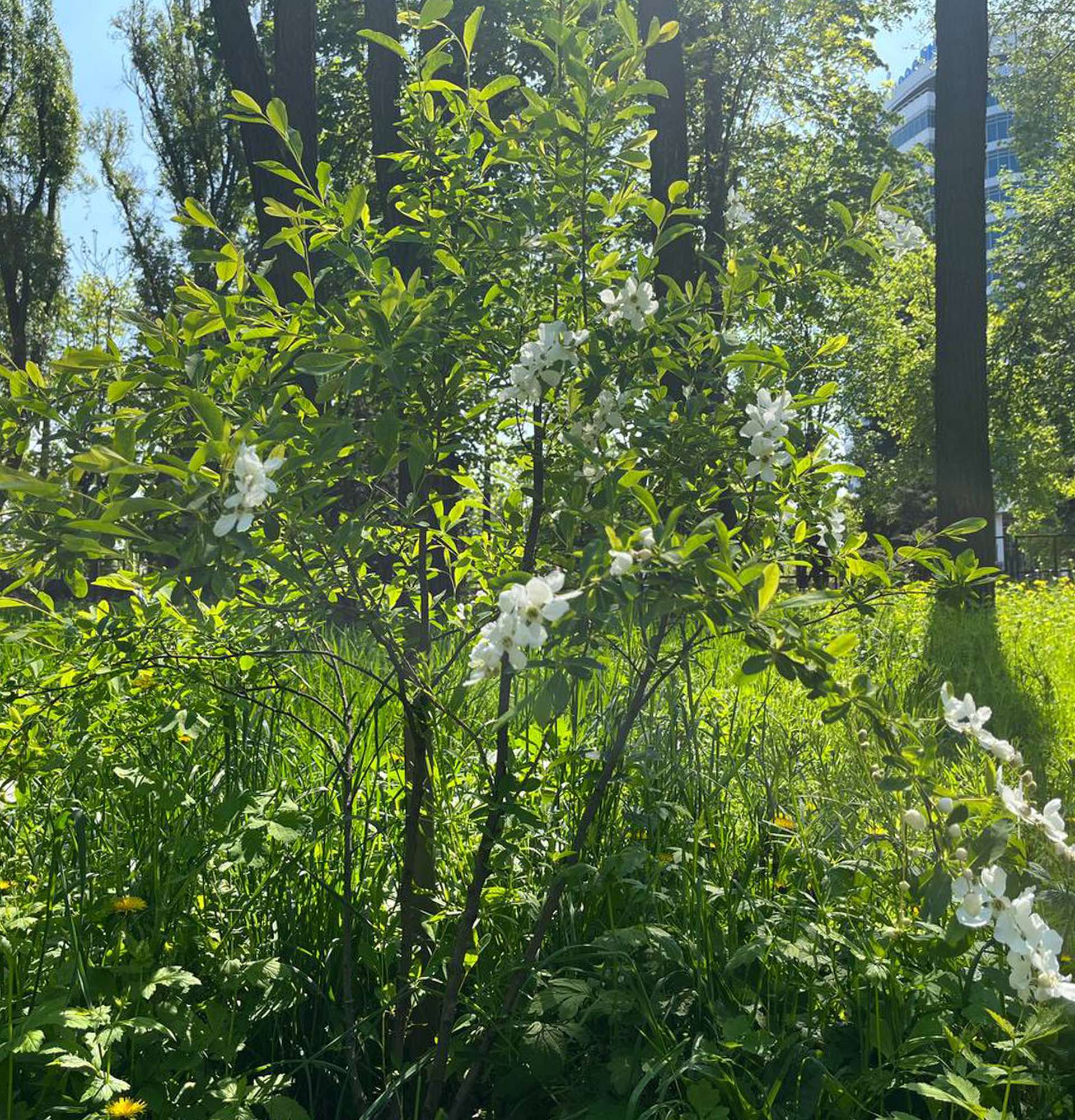
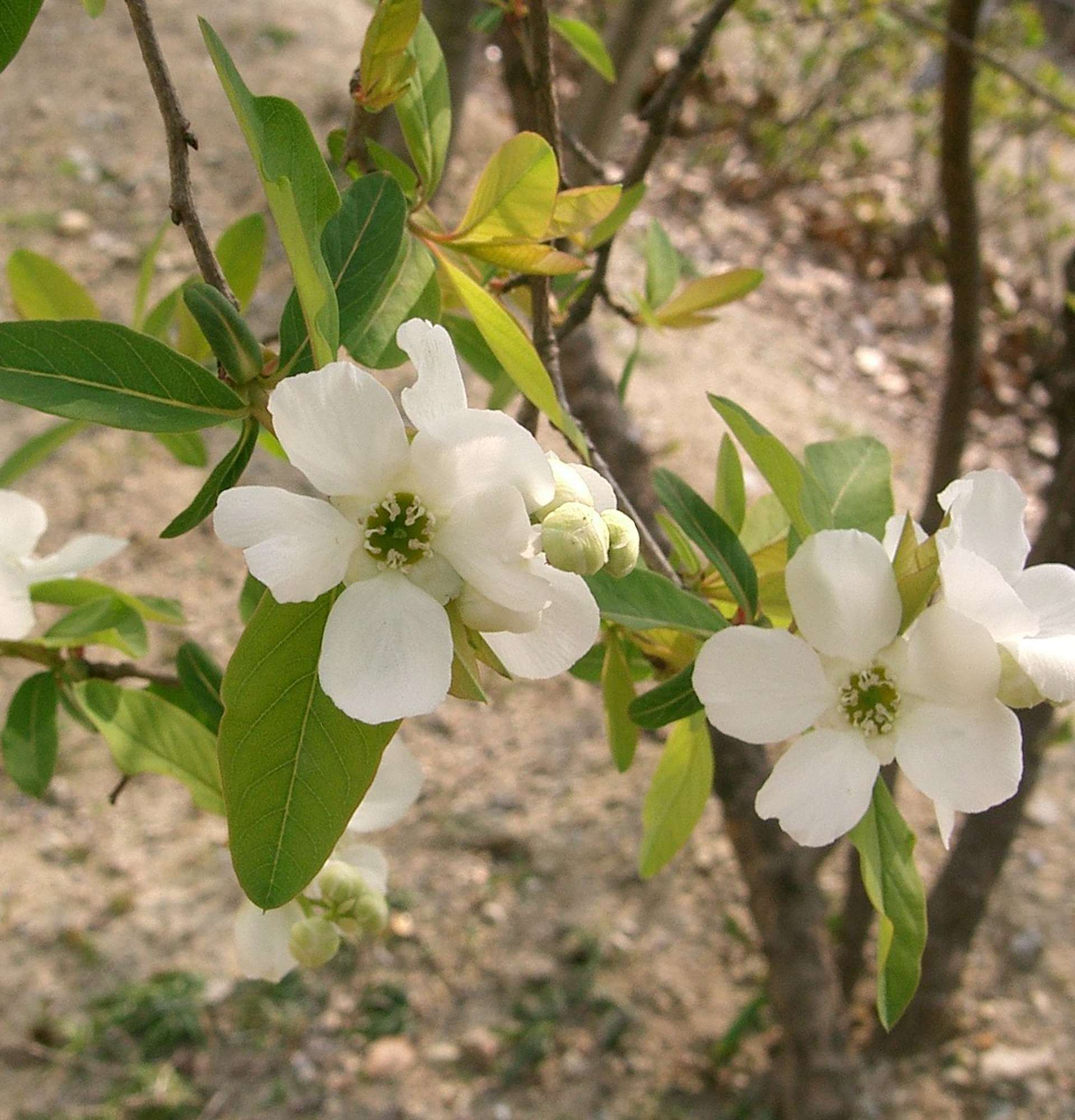
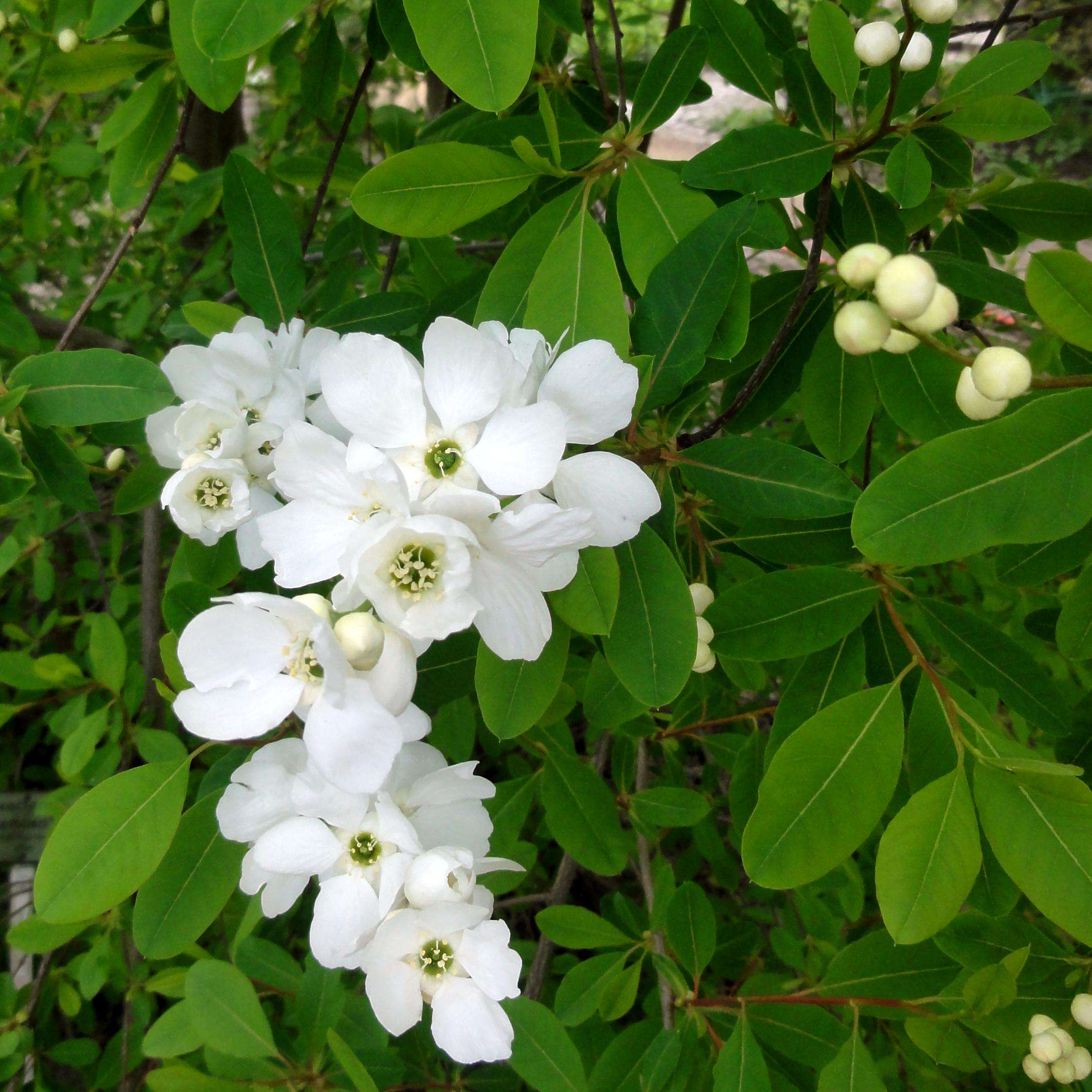
These unpretentious flowering shrubs attract attention with their extraordinary charming beauty from May. On the voluminous, racemose inflorescences, located at the ends of the branches, there are many large, white, five-centimeter flowers of an unusual shape.
They do not have a special aroma.
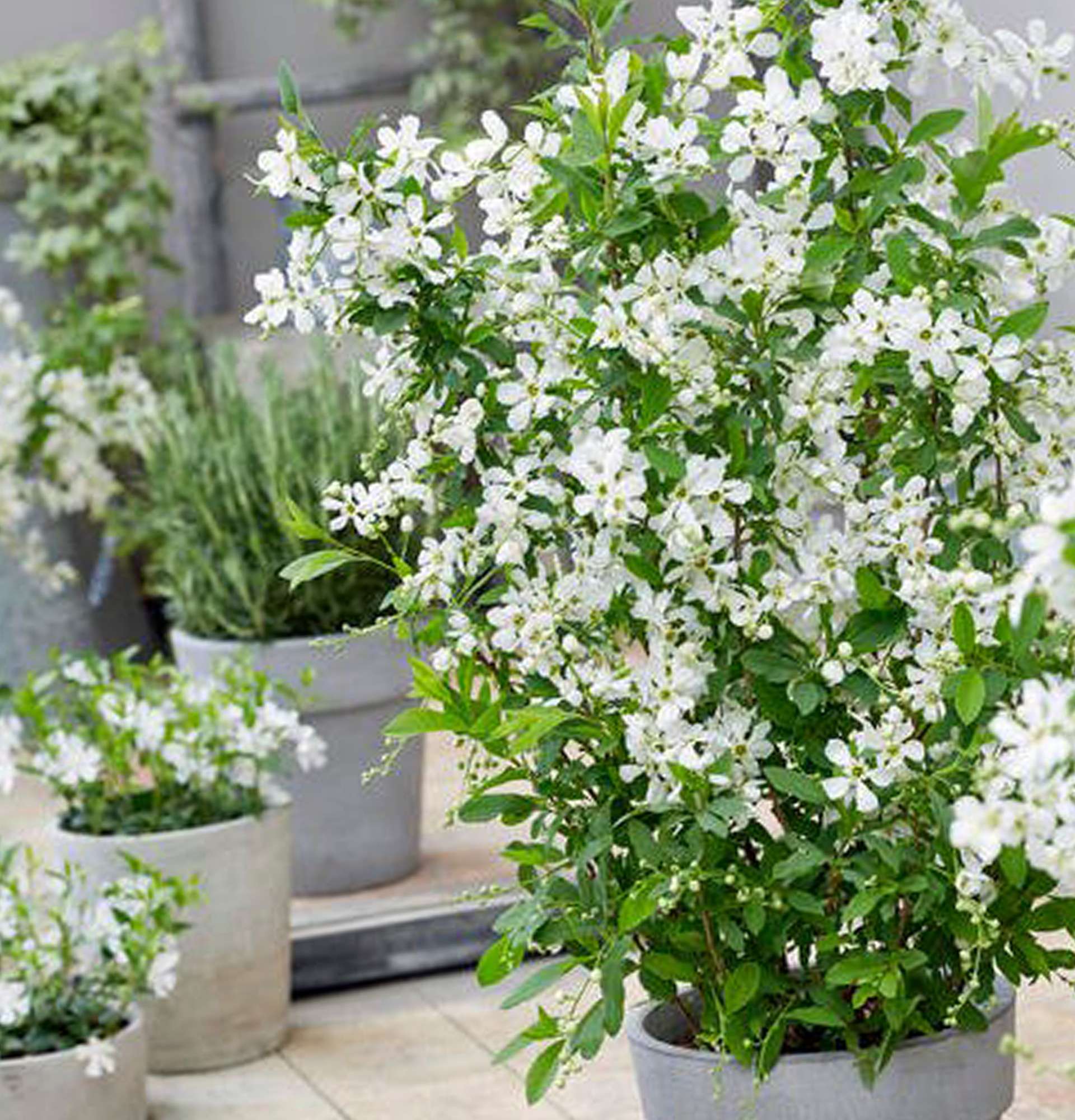
Due to abundant flowering, the lateral branches droop, and the exochord bush can be imagined as a cascade, which is formed by white flowers. Emerald green, oval-rounded leaves are not visible under the luxurious veil of the exochord bride. Such additional exoticism is created by flowering shrubs for the garden or summer cottage during the spring month.
The result of such lush flowering is the appearance of fruits. They are represented by five fused carpels, which ripen, dry out and crack, releasing one or two seeds.
Exochorda species
Exochorda racemose (Exochorda racemosa)
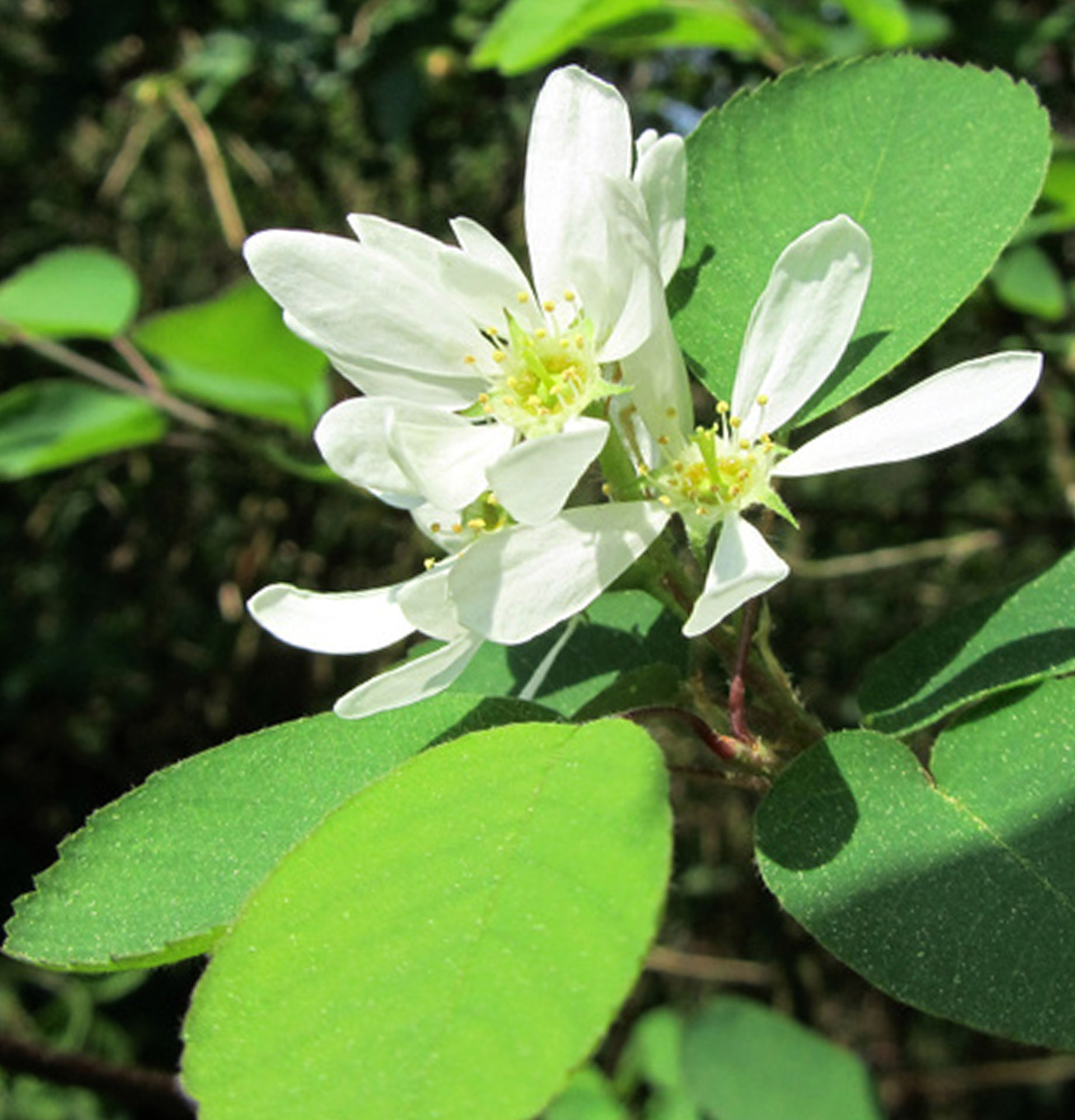 Exochord racemose is native to the rocky areas of China and Japan. It is a very original decorative flowering shrub with vertically growing shoots, reaching a height of three meters. Ovate leaf plates of green color reach six centimeters in length, and their edges are slightly serrated.
It delights with its luxurious lush flowering of four-centimeter white flowers, collected in racemose inflorescences. They have some resemblance to the color of a pear. Exochord racemose belongs to plants with medium frost resistance.
This variety will look good as a living fence, decorating squares and parks. Exochorda racemose is a very original flowering shrub for the garden. Even in winter, this wonder will be an ideal decoration of the garden plot, when it changes its wonderful green leaves to a purple-brown color.
Exochorda Korolkov (Exochorda Korolkova)
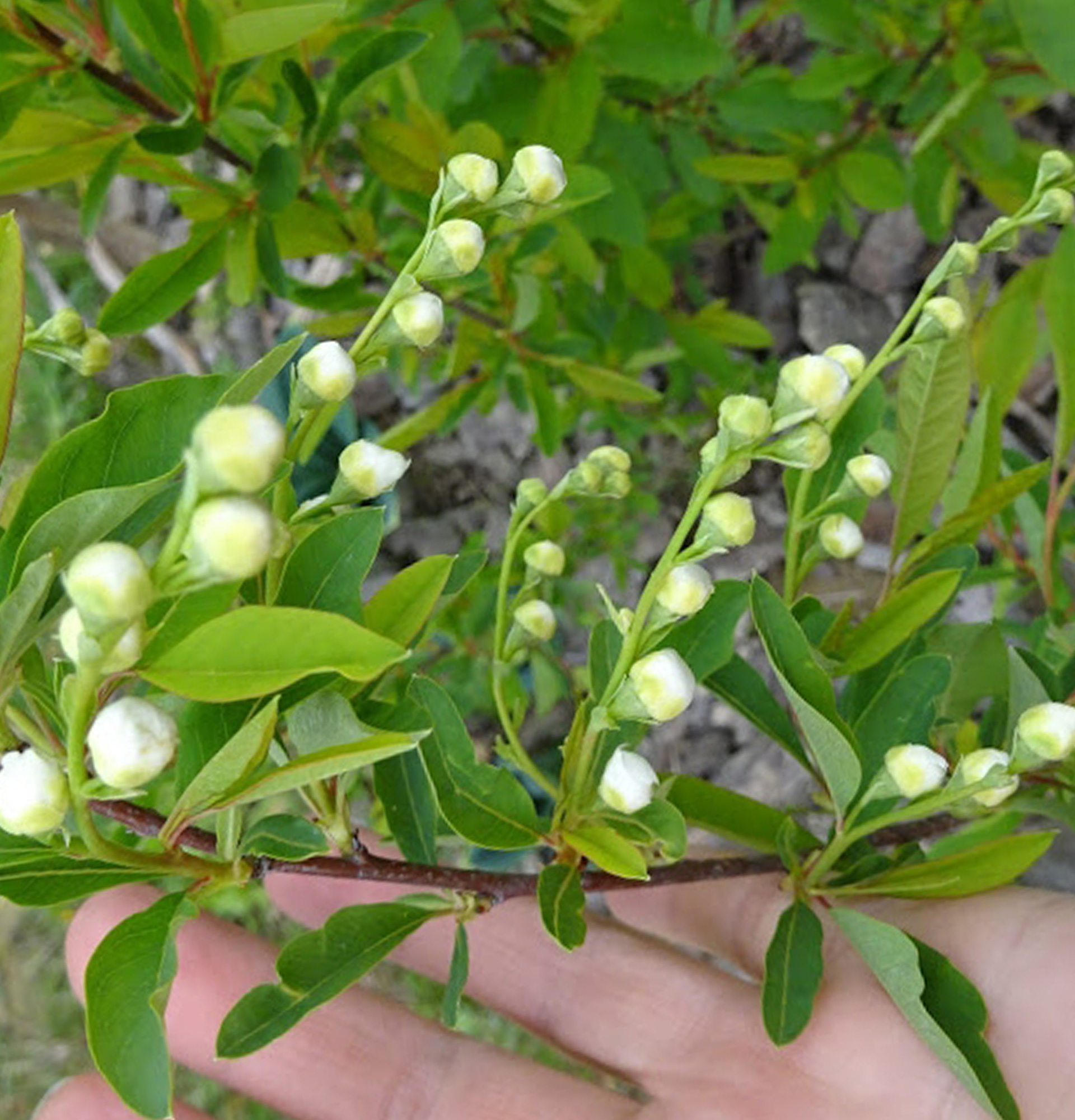 Turkestan is the homeland of this variety of exochord. It grows on the northern slopes of the mountains. It is not afraid of even a height of 1.5 km above sea level. Exochorda Korolkov is a representative of this plant, which can withstand frosts down to thirty degrees. Here, the original shrubs exceed three meters in height. They have straight shoots covered with green, elliptical, ten-centimeter leaves with a smooth surface and serrated tops.
This species is not distinguished by very abundant flowering. White flowers, four centimeters in diameter, are grouped in inflorescences. The leaves located close to the flowers are smaller and have a solid edge.
Exochorda grandiflora (Exochorda grandiflora)
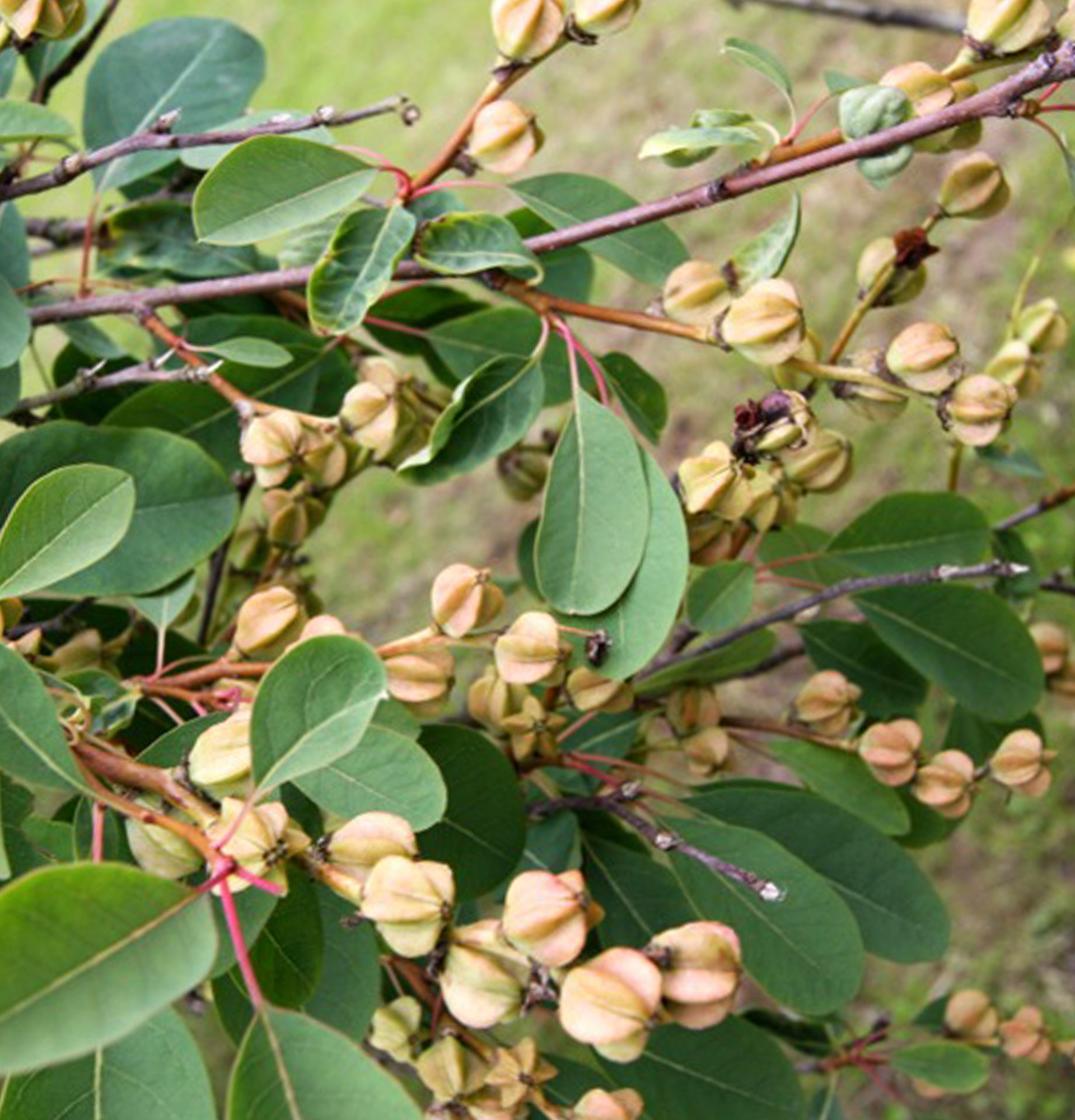 A very decorative species with strongly branching shoots and a dense, wide crown. It can reach a height of one and a half meters. It has light green, oval leaf plates. White flowers abundantly cover the bush from May. These flowering shrubs for the garden or summer cottage are very decorative and in demand among landscape designers.
Exochorda grandiflora The Brite (Exochorda grandiflora The Brite)
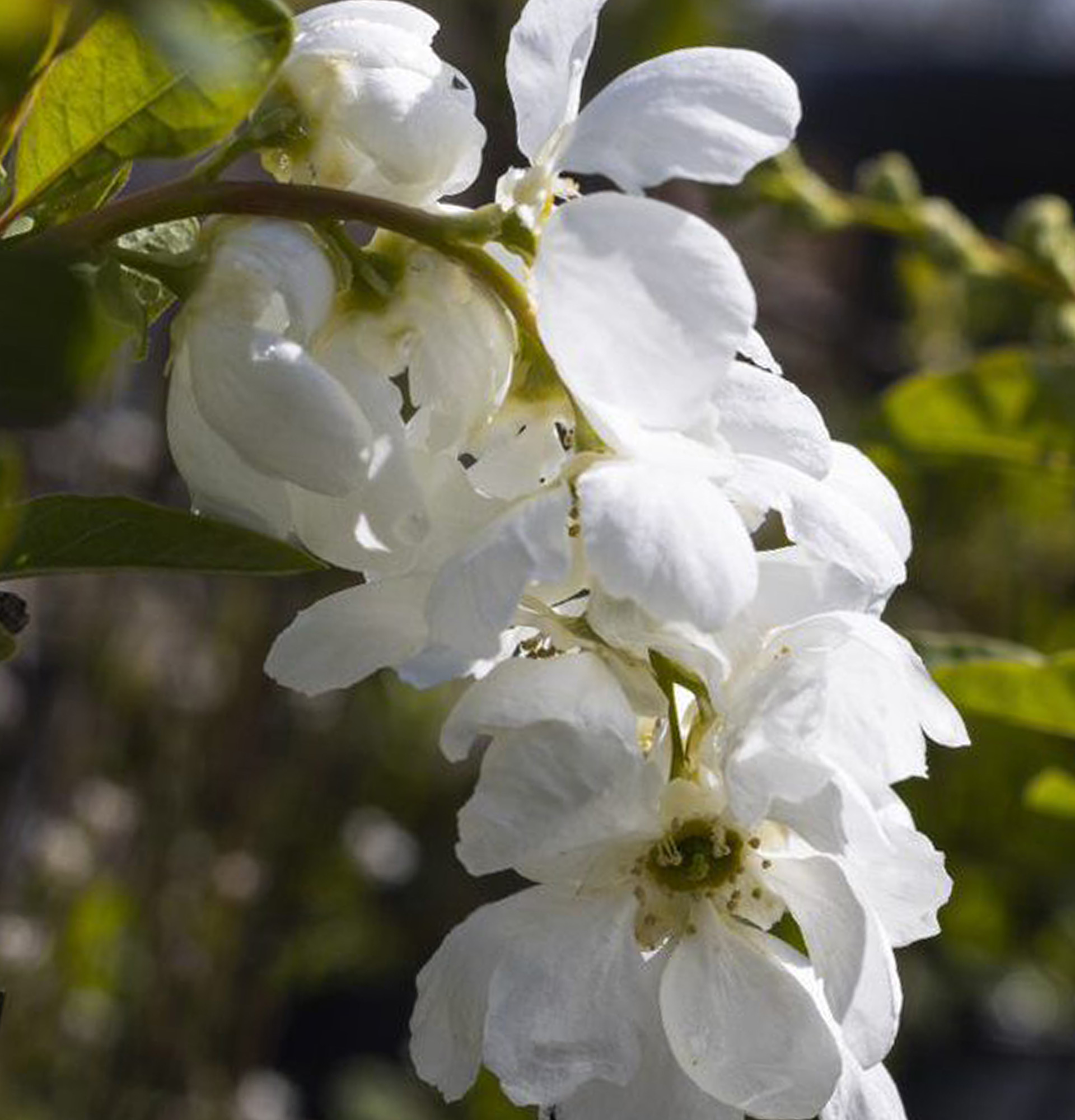 The variety exochord the bride can reach a height of two meters. This flowering shrub is called exochord bride. It is considered a popular garden hybrid of follicle. The shrub tolerates low temperatures well. In winter, the drooping branches should be tied to the trunk to prevent snow avalanches from weighing them down. The shrub loves fertile soil and bright areas. Exochord the bride blooms very abundantly with the onset of summer heat. It is a very unpretentious plant.
Exochorda serratifolia (Exochorda serratifolia)
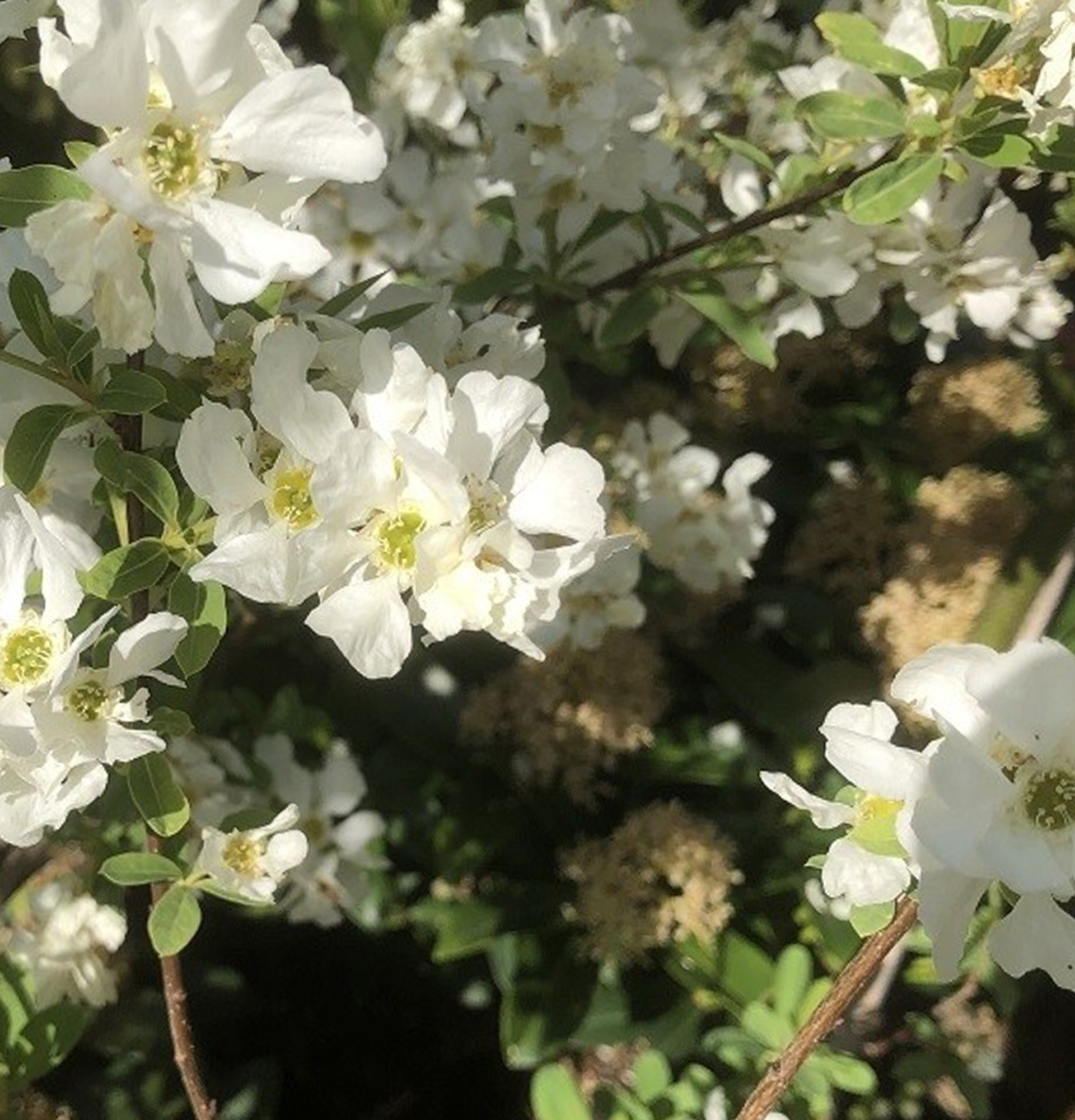 Manchuria is the native territory for this species, which in natural conditions reaches a height and width of two meters. The spherical, dense shape of the crown makes this shrub particularly attractive. In spring, this beauty blooms with three-centimeter white flowers, collected in inflorescences. It is a very light-loving, frost-resistant species. Since the last century, these flowering shrubs for the garden have been very popular with gardeners.
Exochorda Niagara (Exochorda Niagara)
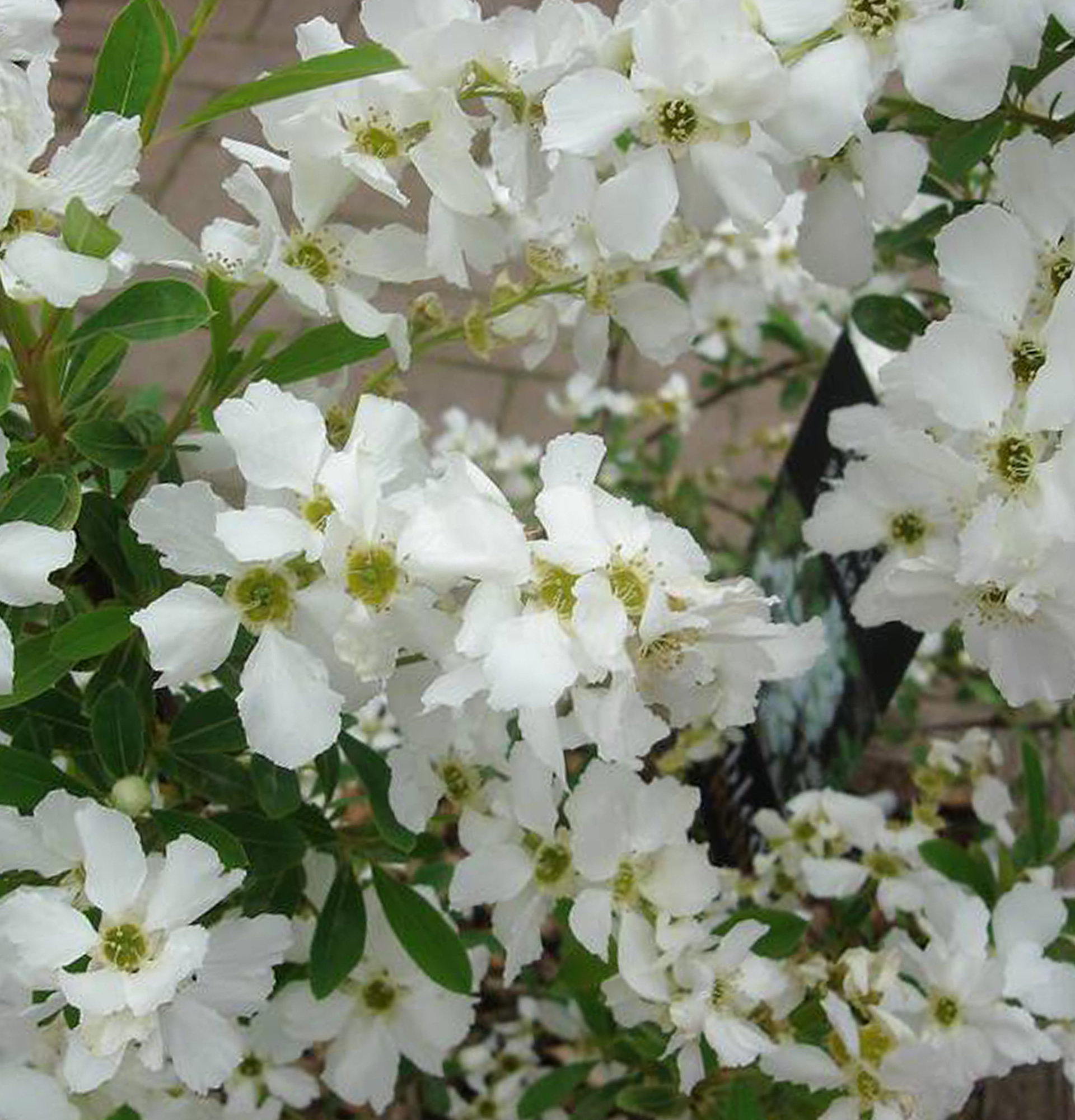 Exochorda racemose was the main material for obtaining the hybrid variety Niagara. As a result of selection, a frost-resistant, effective, decorative, bushy plant, which grows very slowly, was obtained, up to one meter in height.
Exochord Niagara withstands thirty-degree frosts with dignity. It is a dense, bushy, compact culture. It looks like a fluffy cloud during abundant flowering, forming loose inflorescences. This species is one of the most popular among gardeners when growing garden plants in the country, in the garden, on the street, on the flower bed.
Exochorda Magical Springtime (Exochorda Magical Springtime)
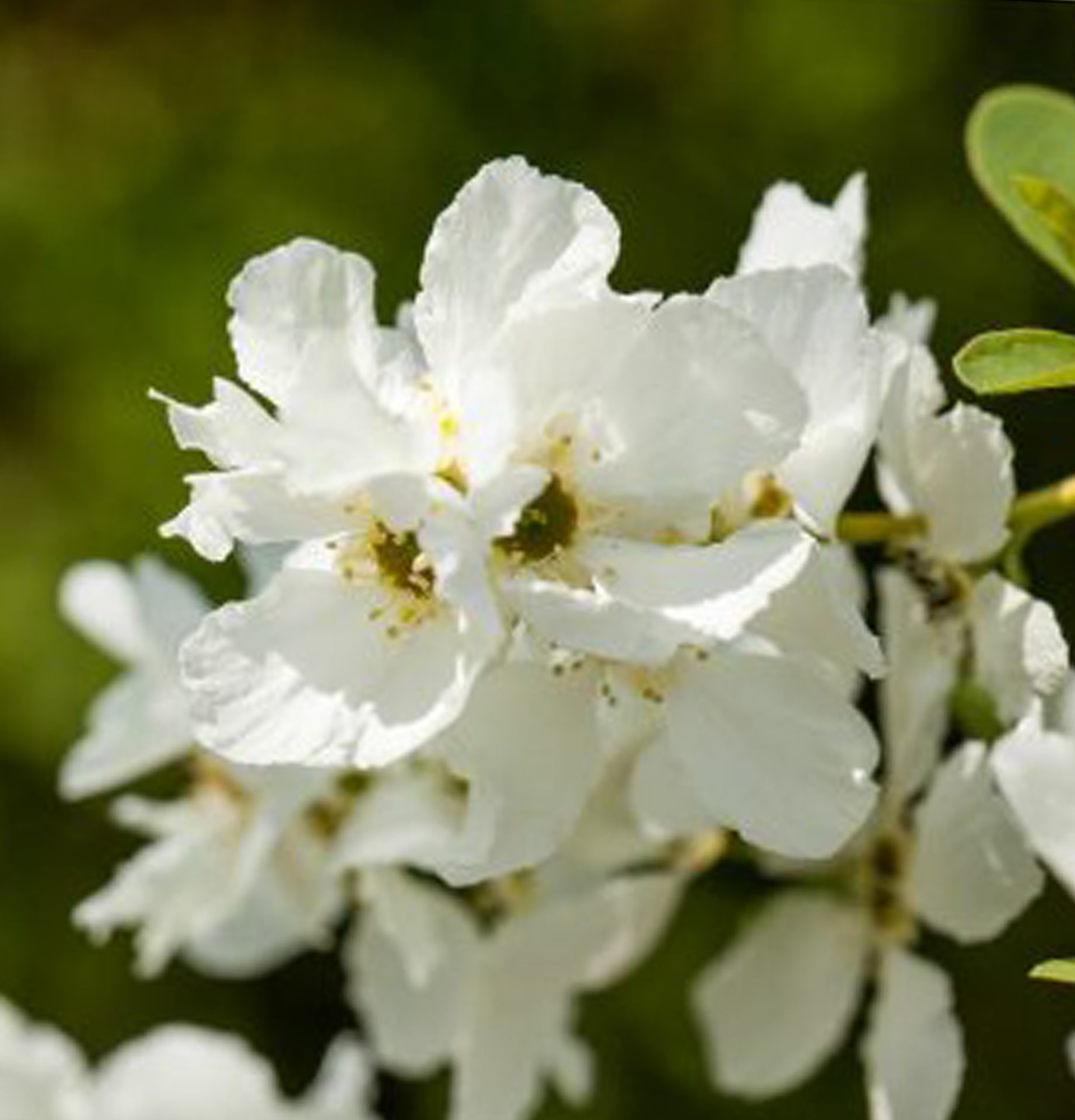 It looks like a very luxurious decorative bush, which can reach a height of one meter. Charming white, wide-open flowers appear even on the shoots, starting from the bottom from the ground and bloom along the entire branch to the top. You can admire these beautiful shrubs for a long time.
Exochorda planting
The main attribute of the correct planting of this light-loving shrub, which grows very quickly, is the correct selection of the territory for its active growth and the formation of buds. Since exochord prefers mountain slopes, it will like small, hilly, bright places with sufficient sunlight. Slightly shaded areas will also be pleasant for the shrub, but it is important to exclude drafts and strong winds.
Exochord does not have special requirements for the soil, but its high-quality, harmonious and healthy development, growth and decorative properties will develop better in fertile, loose, well-drained soil with good water permeability and low or neutral acidity.
At the bottom of the prepared planting pit for exochord, it is necessary to lay a good layer of drainage from small pebbles, broken bricks or expanded clay.
When planting, the roots are placed evenly and covered with a soil mixture mixed with organic fertilizers, watered from above, and covered with mulch to protect the root area of the plant from direct sunlight.
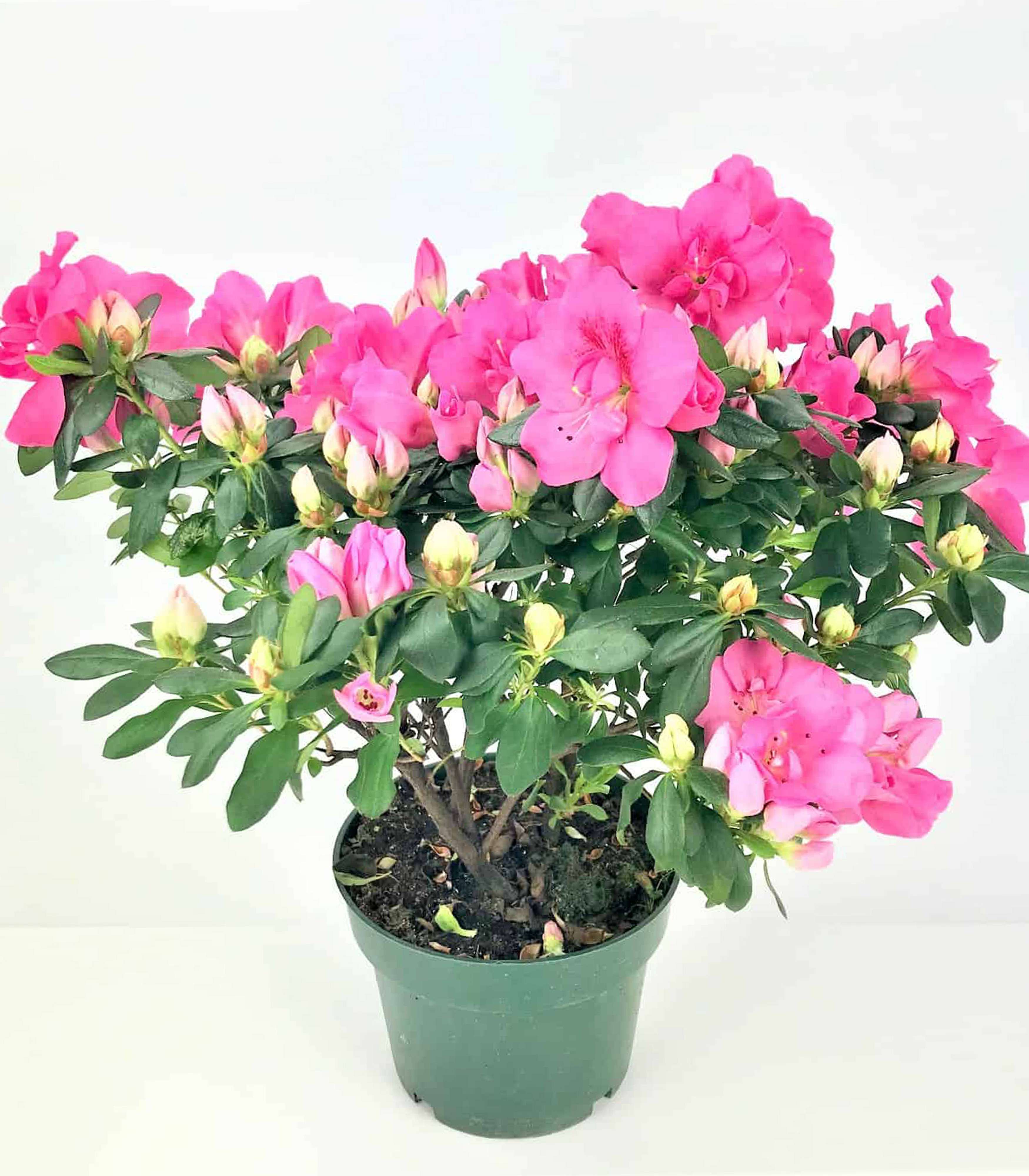
Flowering shrubs, perennials, exochord look original next to azalea, agave, lilac.
Exochord care and cultivation
The minimum fulfillment of the not very complicated requirements of the flowering shrub will be enough if they are carried out regularly and with love after planting.
Follicle watering
Despite the fact that exochord can be attributed to drought-resistant crops, it will never refuse high-quality evening watering with settled water, excluding chemical impurities, with a temperature close to the ambient temperature. The most suitable option would be watering with rainwater. It is easy to regulate the watering process by monitoring the condition of the soil, which should be slightly dry before the procedure.
Exochord feeding
The follicle needs both organic and mineral fertilizers. For organic matter, you can use compost, cow dung or bird droppings with a low concentration. Fertilizers containing phosphorus compounds help the shrub to grow green mass, and fertilizers with potassium contribute to the abundant formation of buds on the bush and their luxurious flowering.
It is desirable to feed during the growing season, the flowering plant will be very grateful for the support in restoring beauty. It is not necessary to pamper exochord with frequent feeding, their frequency can be once a month. Excessive feeding will affect the active growth of green on the bush, which can harm the flowering process.
Follicle pruning
For active growth and good flowering, exochord must be involved in the pruning procedure at least twice a year. After flowering, the shrub is pruned, cutting off all faded flower stalks, so as not to lead to the formation of fruits, which will take a lot of strength and energy from the plant. The length of the shoots is adjusted by about a third to better form the crown by growing new, healthy branches.
A shrub pruned closer to winter becomes more resistant to low temperatures.
A decorative flowering shrub that has overwintered needs sanitary pruning and cleaning of branches damaged by frost and old branches.
Exochord wintering
Each varietal variety of follicle has its own qualities in terms of temperature indicators. Frost-resistant exochord shrubs can successfully withstand cold down to thirty degrees. More care should be taken with young seedlings up to four years old, and, if possible, cover the branches with coniferous trees, sawdust or mulch with peat.
Exochord propagation
It is not difficult to propagate this shrub. Seeds, layering, cuttings are used. The seed method is very long, and you can wait for a flowering bush in about ten years. It is necessary to lay and bury the lower branches in the ground, press them down a little with wooden or metal brackets, water them periodically. After a few months, roots will appear on the layers, they will become independent bushes, which in the fall can be planted in a separate area.
Ten-centimeter cuttings are cut, treated with Kornevin, planted in pots with a mixture of peat and sand, and conditions for a mini-greenhouse are created. Regular watering and ventilation are required. After a year, the young seedlings can be planted in the open ground in a permanent place.
Pests and diseases of the follicle
There are practically no unwanted pests on exochord if the rules and conditions of cultivation are properly followed. Then, on a strong and well-cared-for bush, there will always be beautiful white flowers that you can admire for a long time and get additional positive emotions.
Difficult moments in cultivation
- The leaves on the bush have become less elastic and less decorative - the soil near the exochord is too waterlogged.
- The shoots are too elongated, very rare flowering - the shrubs have been in the shade for a long time. It is necessary to change the place for your exochord.
The decorative qualities of exochord allow it to decorate various houses, fountains, lawns. With the help of this wonderful flowering shrub, you can beautifully decorate borders, a living fence, and, if desired, grow it as a standard tree. In any case, exochord will be a wonderful decoration for any landscape.
Write comments
Comments