



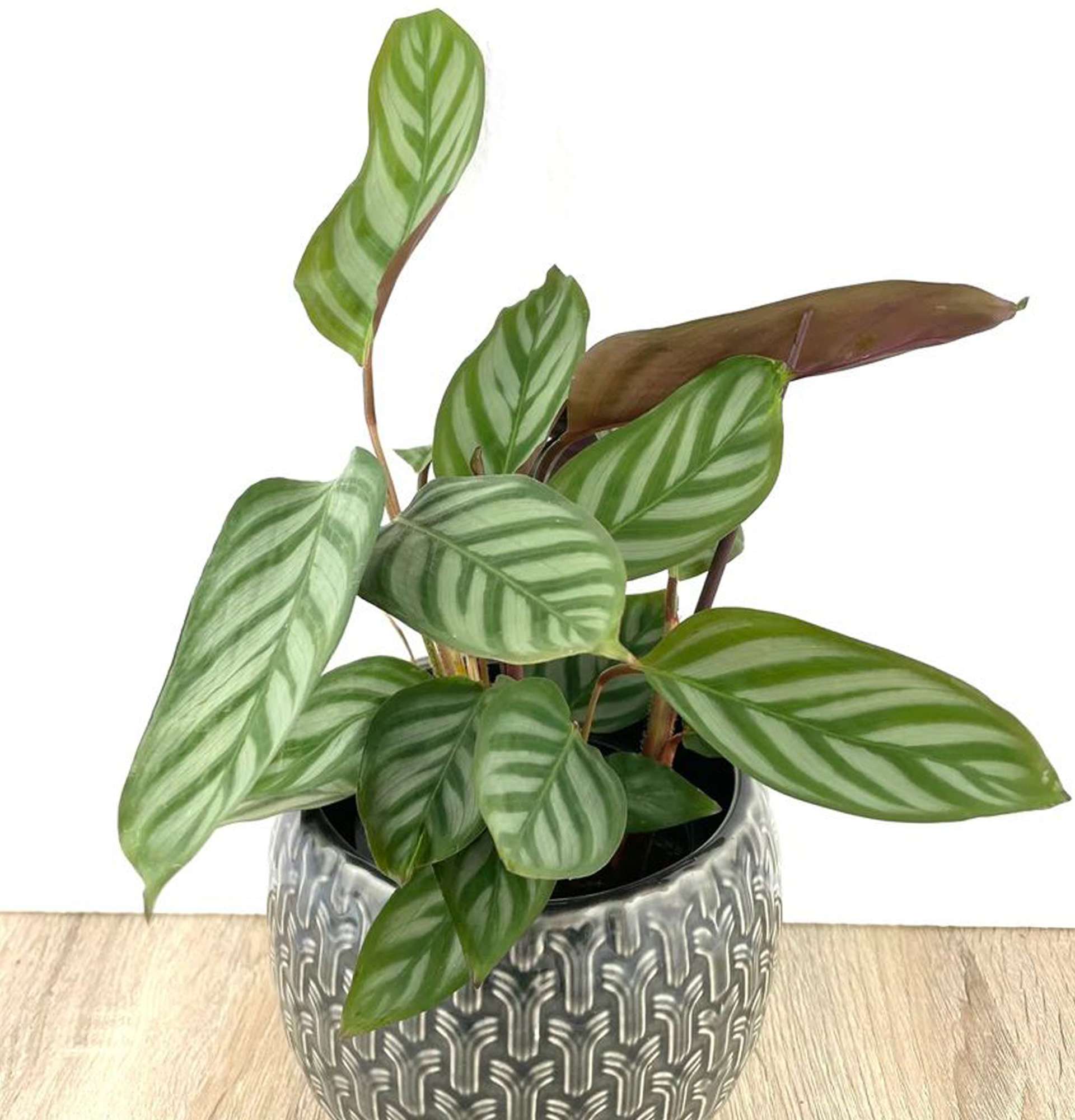
Latin name: (Ctenanthe)
Category: perennial herbaceous plants
Origin: tropical forests of South America
Brazilian exotic beauty Ctenanthe
Ctenanthe is a small genus that includes fifteen species of very bright and elegant representatives of the large Marantaceae family. Mostly, these are variegated plants.
If you translate the name of the genus from the Greek language, ctenos means "comb," which is why it is called a comb flower.
Ctenanthe is native to Brazil, although it is constantly colonizing the tropical forests of South and Central America, where it loves to occupy swampy areas under the canopy of large tropical trees.
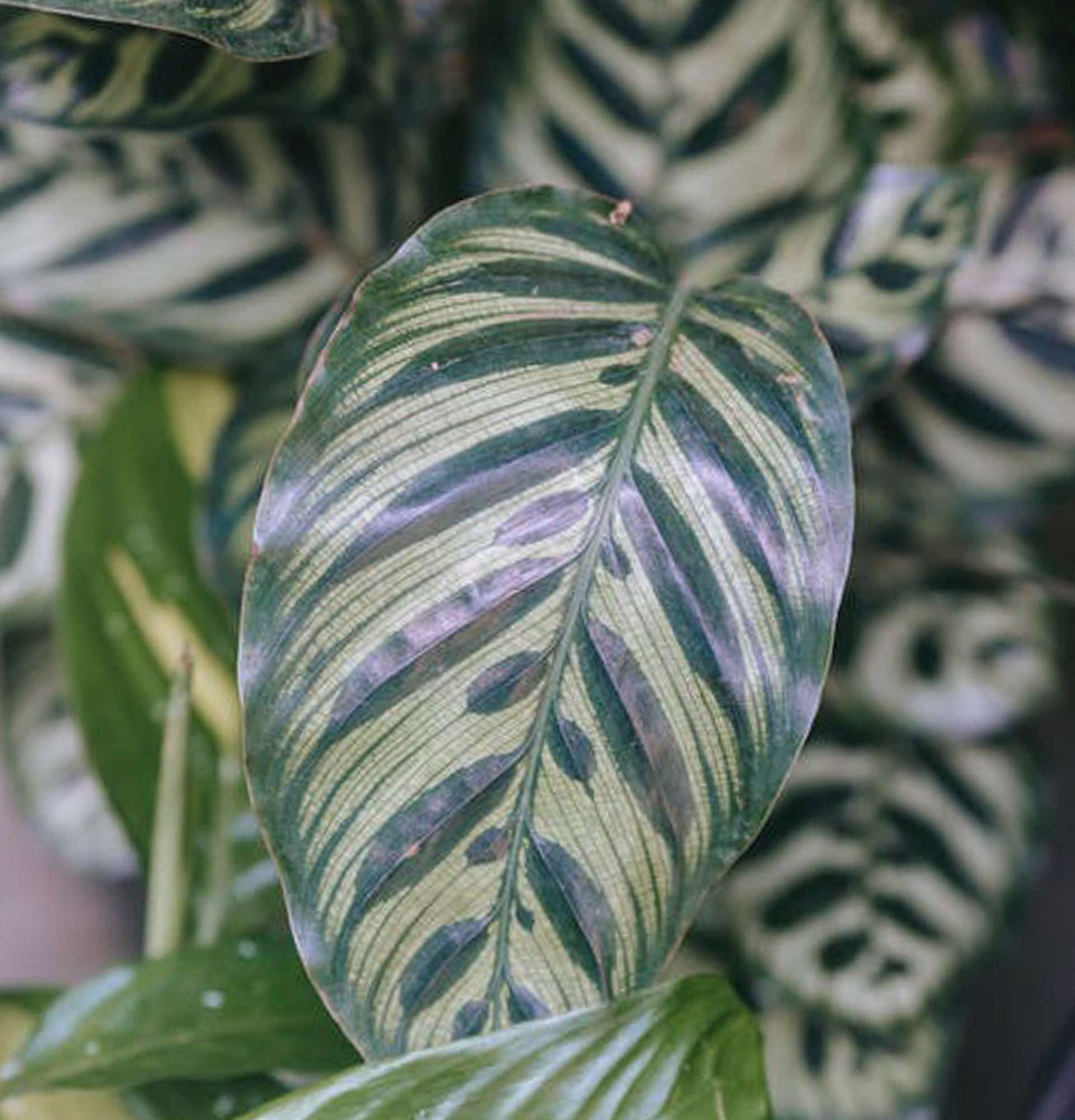
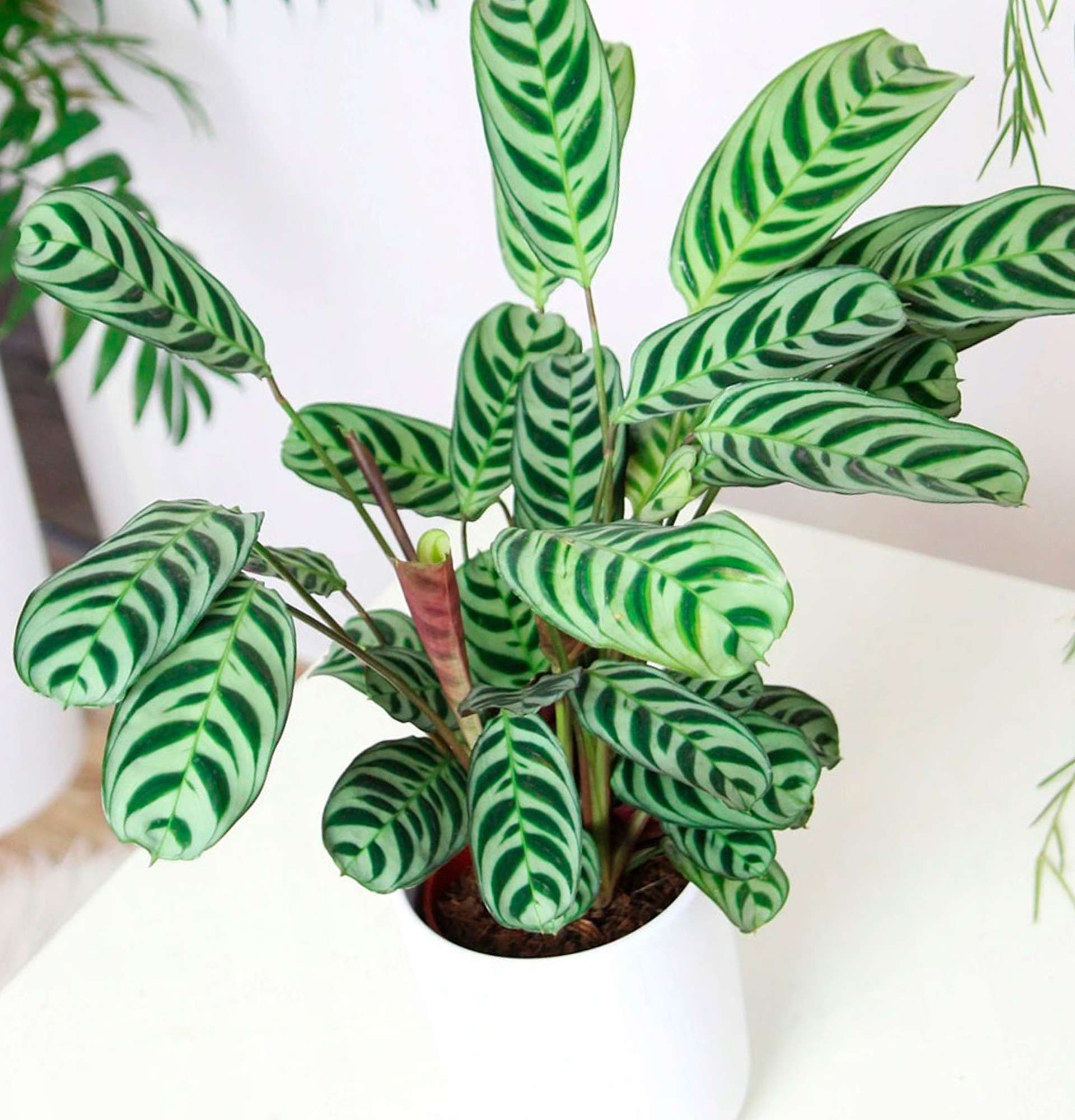
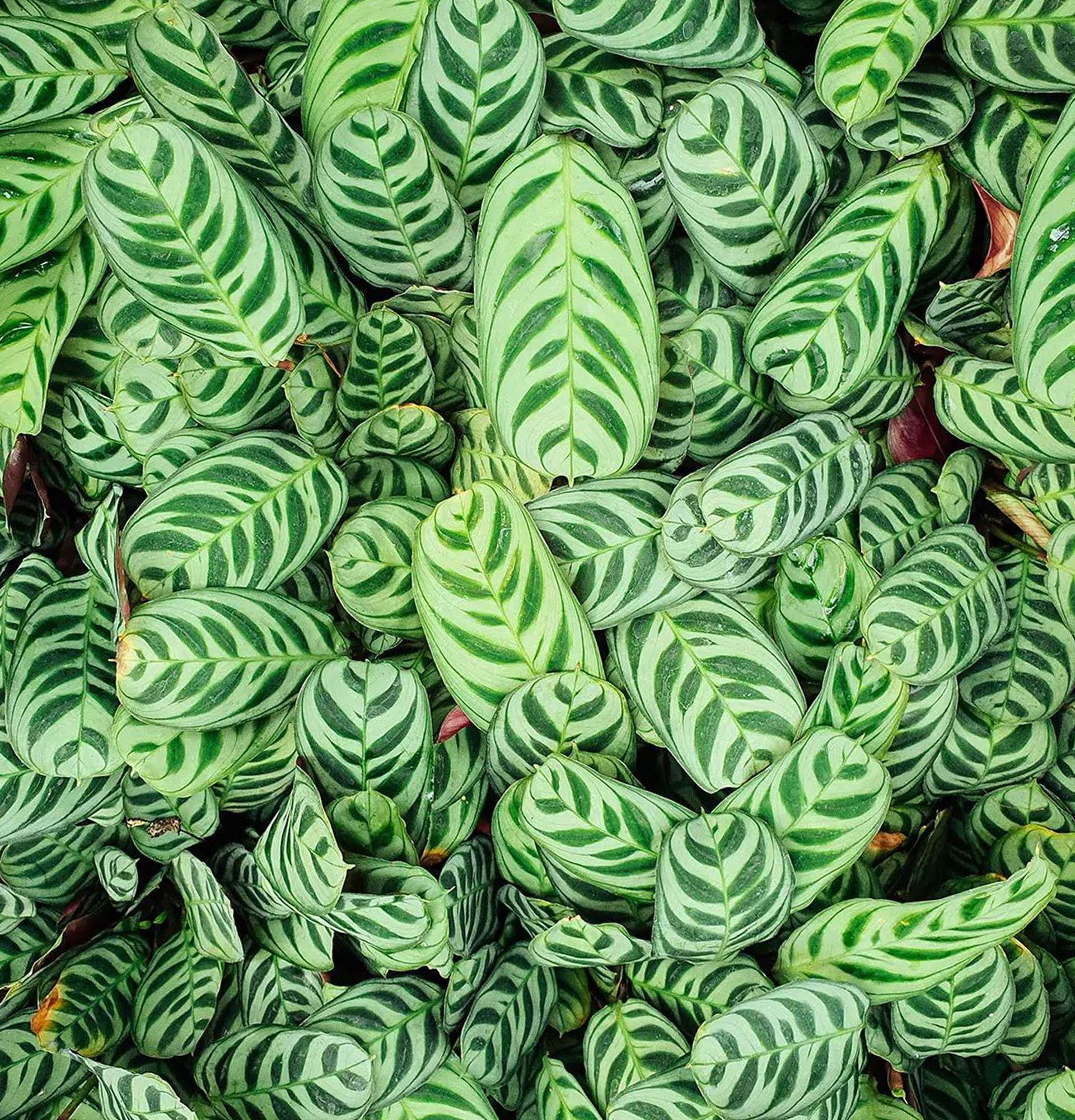
In its natural environment, this perennial wonder with thirty-five-centimeter leaves reaches a height of two and a half meters. Large, elliptical, thin, semi-transparent leaves with pointed tips rise on long petioles, creating the impression of a comb or fan. The color of the leaves varies depending on the variety. Bright green or dark green leaf plates are decorated with stripes of light green, yellow, or silvery color that diverge from the base of the central vein to the edges.
The leaves of Ctenanthe move slowly – in the morning, they look down, and in the evening, they raise their heads up, curl, make a faint rustling sound, and constantly turn towards the sunlight.
The closest relatives of Ctenanthe are Calathea, Stromanta, Maranta.
You can see photos of Ctenanthe when looking at the different varieties.
Ctenanthe species
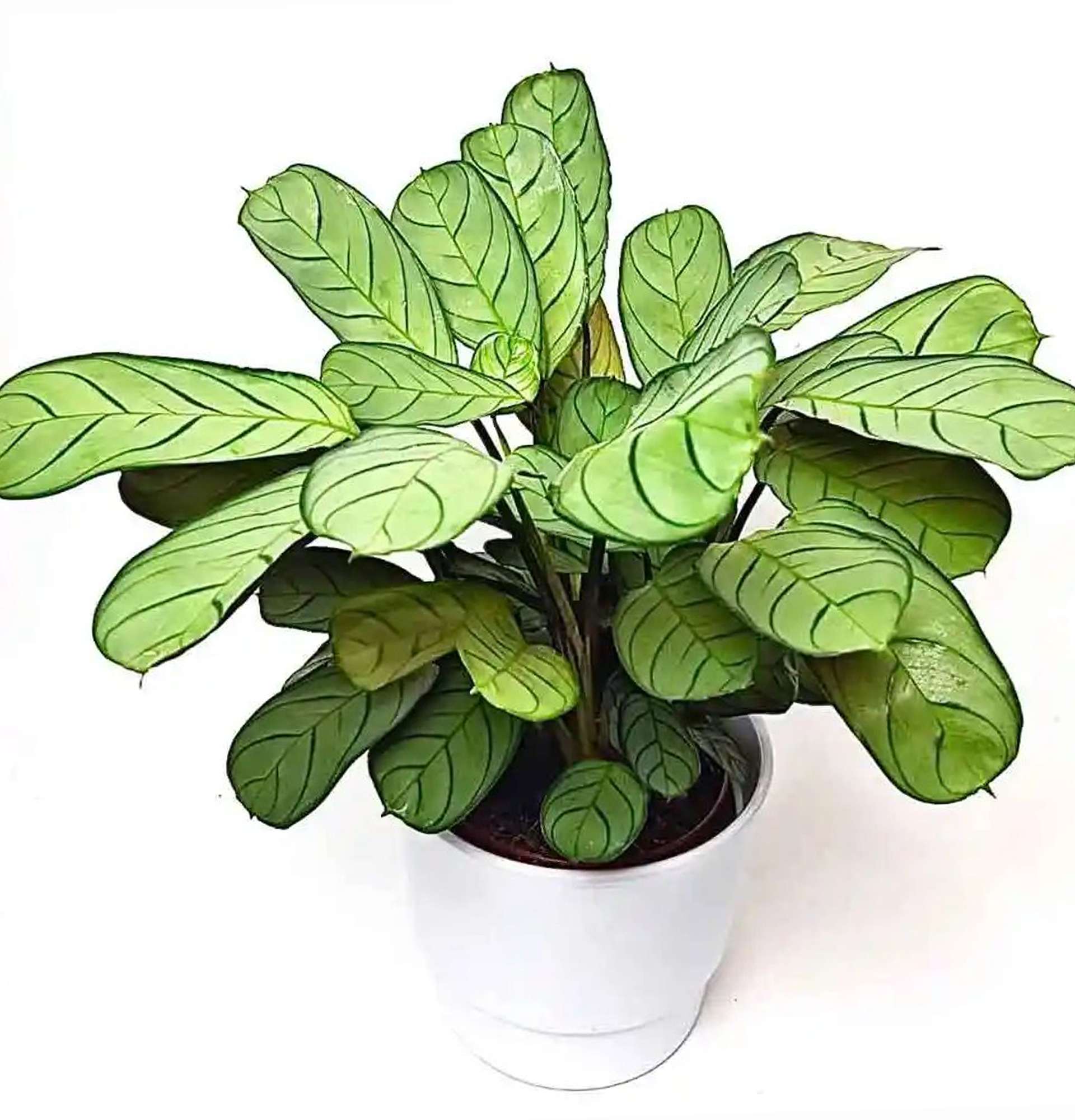
Ctenanthe Oppenheimiana
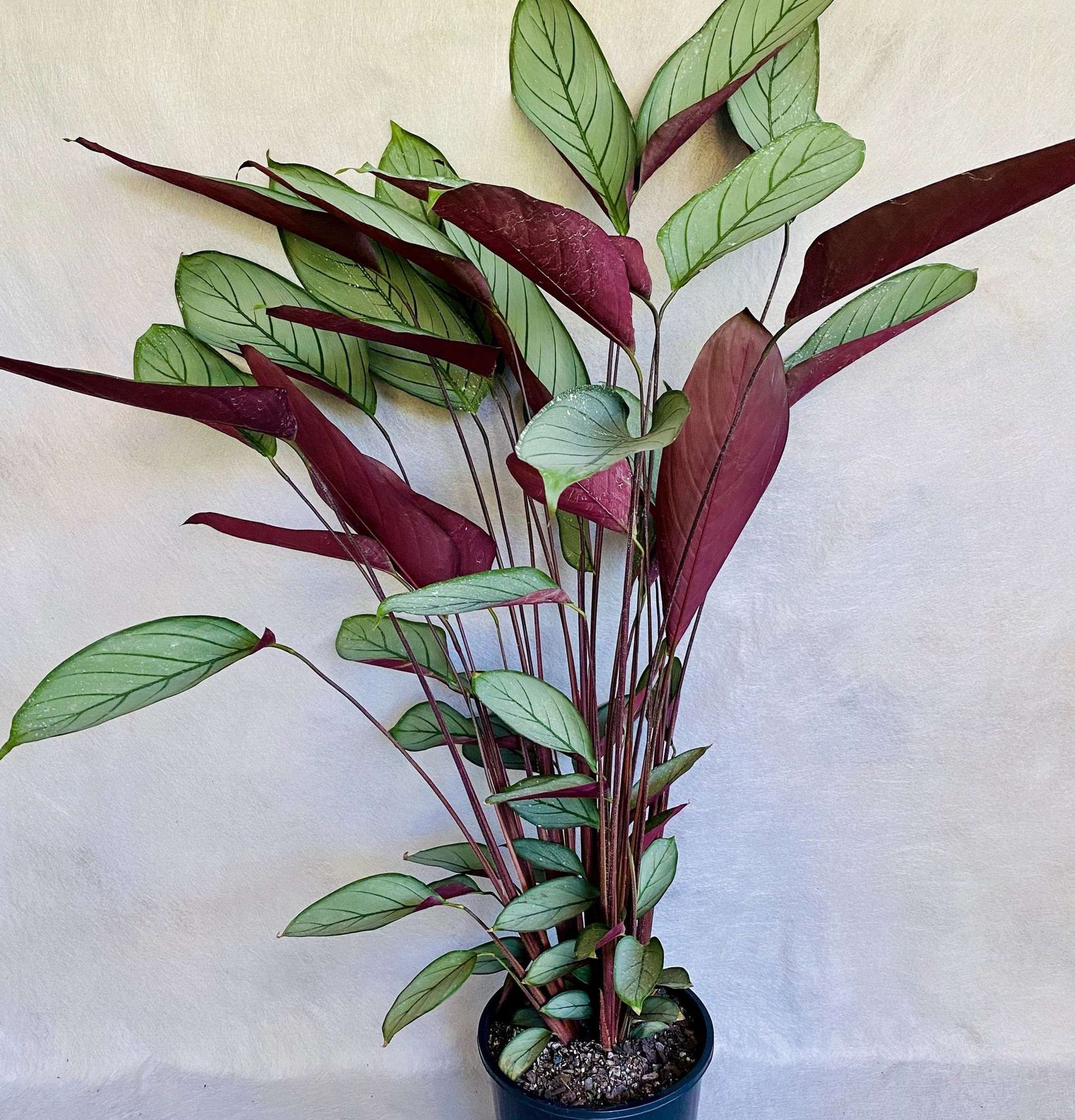
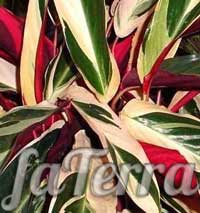 This is one of the most respected species of Ctenanthe among flower growers. Long, elegant petioles raise spear-shaped patterned leaves up to ninety centimeters in height, which reach forty centimeters in length. Asymmetrically painted dark green leaf plates with stripes of pale green or silvery-cream color give the flower a special individuality. The underside of the leaf is purple.
Indoor Ctenanthe Oppenheimiana looks like a charming bush.
Ctenanthe Lubbersiana
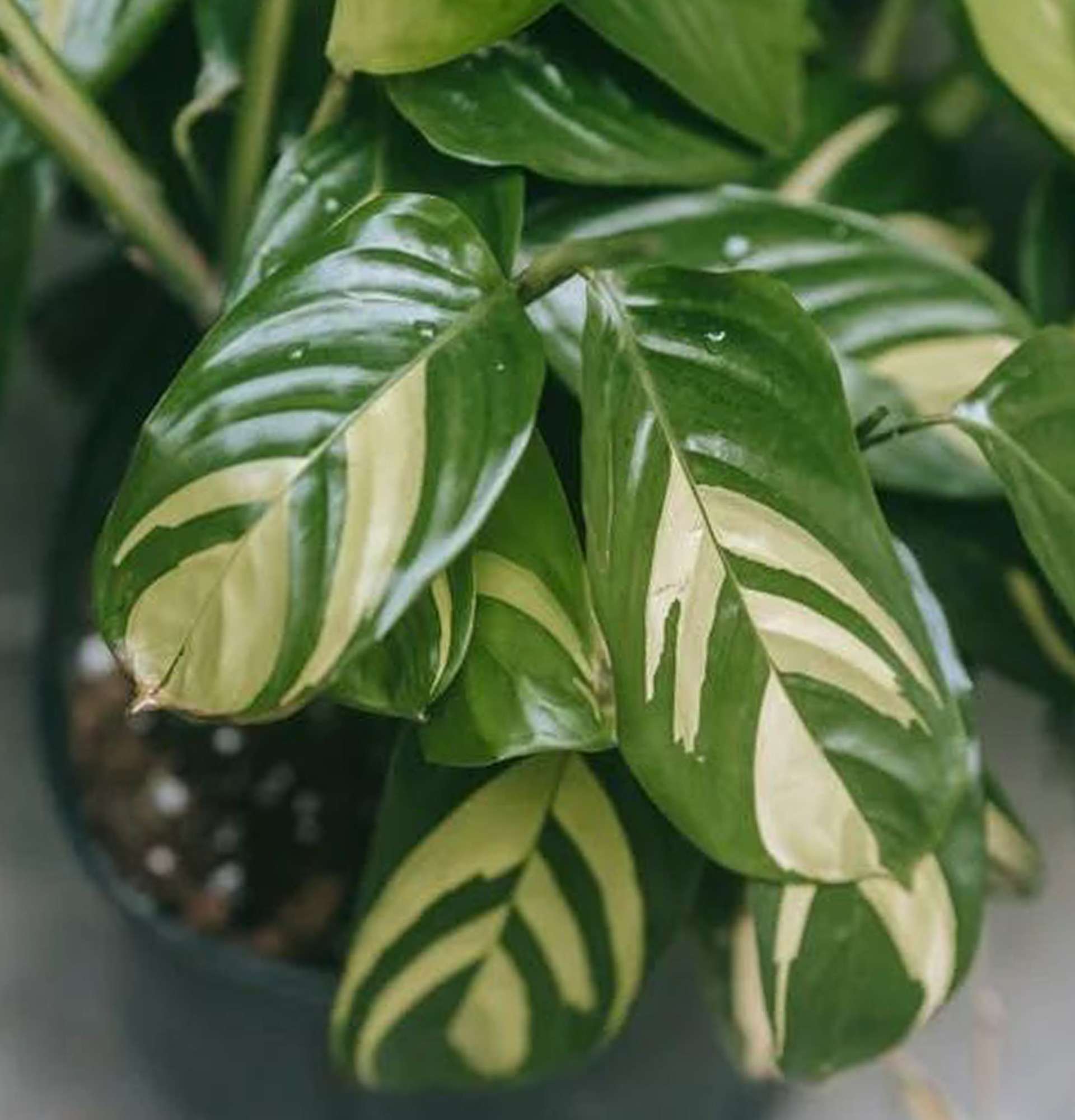
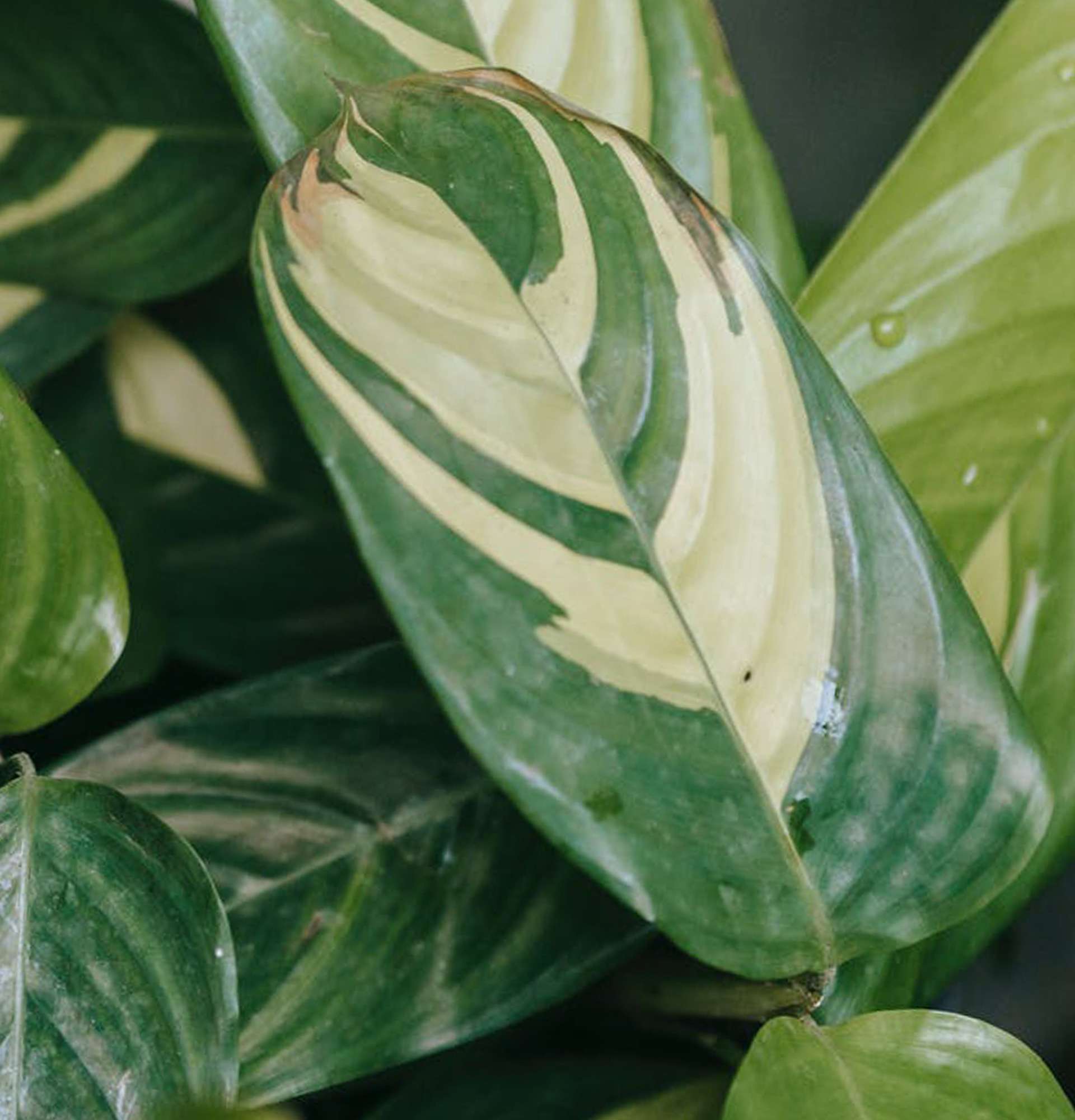
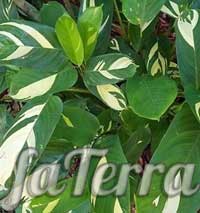 This is a very interesting species with bright green oval leaves, decorated with patterns similar to yellow or light yellow feathers. The lower part of the leaf plate is green. A compact bush of Ctenanthe Lubbers can reach eighty centimeters in height.
You can endlessly admire the photos of Ctenanthe Lubbers, enjoying the rich colors of this flower, even if there is no natural light. There are also new varieties of popular hybrids of this species:
Golden Mosaic – with oblique stripes and spots on the leaves;
Variegata – veins edged with cream, yellow, and lime stripes.
Ctenanthe Burle-Marxii
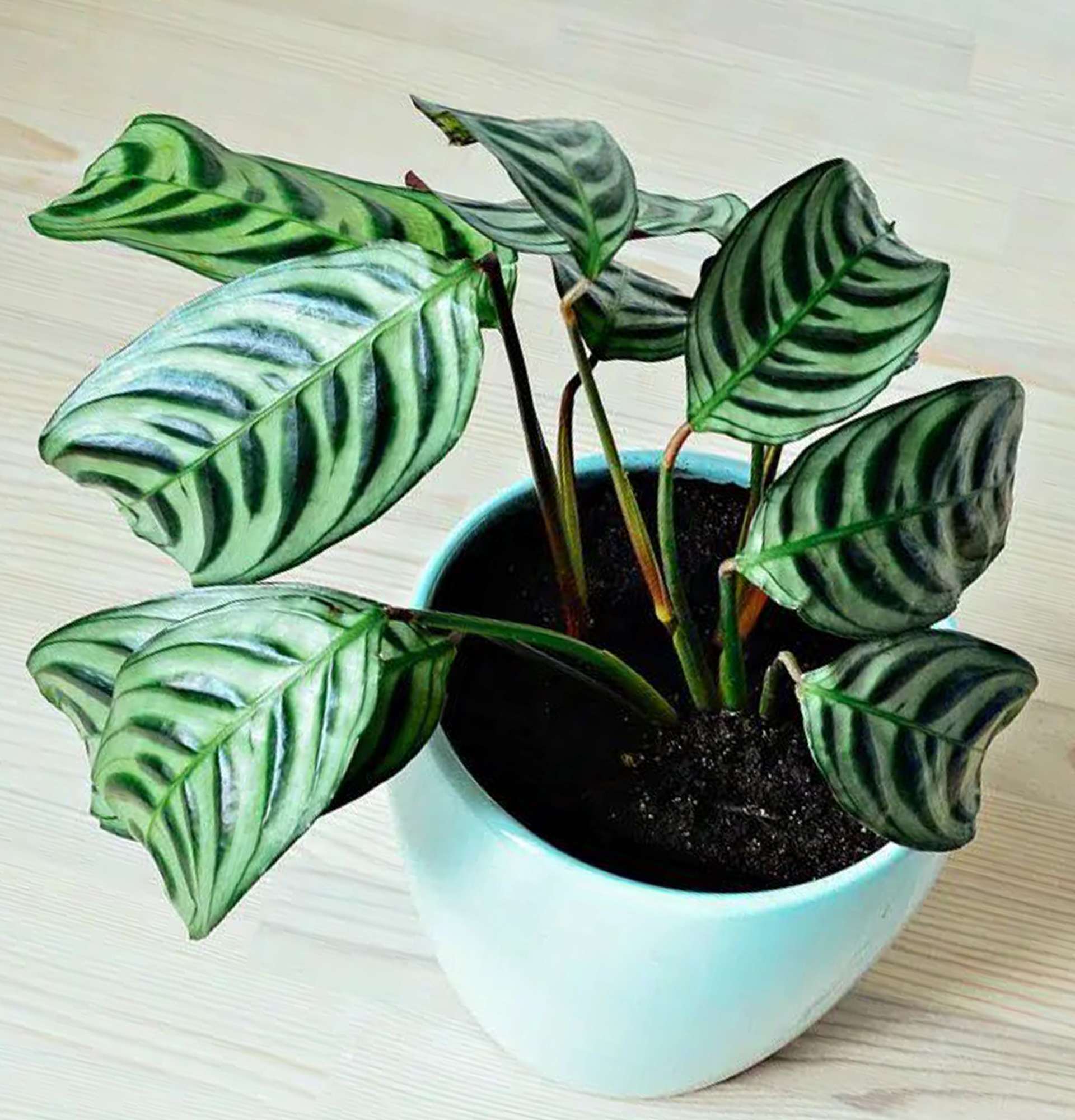
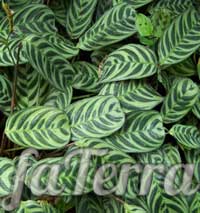 Brazilian miniature beauty Ctenanthe reaches up to forty centimeters in height and has an original leaf pattern. Elongated, ten-centimeter light green leaves, up to six centimeters wide, have a pointed tip, are bare with dark green stripes on the lateral veins. The underside of the leaf plates is dark purple. How does Ctenanthe bloom? Small, white-cream flowers are located at the tops, forming inflorescences. After flowering, fruits ripen in elliptical, pubescent capsules. February is the flowering period for Ctenanthe Burle-Marxii.
Ctenanthe setosa
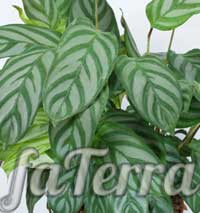 Ctenanthe setosa is decorated with ovoid, slightly elongated dark green leaves with stripes of light green or bluish color, reaching a height of eighty centimeters. The underside of the leaf has a contrasting bright purple color. With proper watering, a comfortable location, and a decent pot, the Ctenanthe setosa flower quickly turns into a luxurious bush.
Ctenanthe compressa
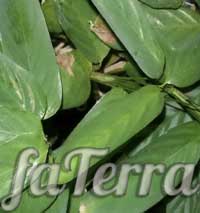 This is the most compact variety of Ctenanthe, reaching a height of forty centimeters. It is also characterized by its resilience and unpretentiousness. It tolerates dry soil and insufficient lighting well.
Ctenanthe compressa differs from other species by its solid leaf color.
Ctenanthe care in the home
Caring for the whimsical and demanding, light-loving and heat-loving Ctenanthe, which is accustomed to the conditions of the lower level of a humid tropical forest, is not so easy in the house. To create comfortable growing conditions, we create similar or close to similar conditions for the flower. The grateful Calathea Ctenanthe will delight you with its picturesque appearance, decorate compositions, collections, exhibitions, and winter gardens. Let's consider in more detail how to care for Ctenanthe.
Choosing a location and temperature regime
The demanding Ctenanthe loves well-lit areas throughout the year, but it is necessary to avoid direct sunlight, which can negatively affect the condition of the leaf plates. It will not refuse additional lighting on short winter days. It will feel comfortable on east- and west-facing windowsills. You can also place the flower near a south-facing window with the necessary shading.
Remember! Ctenanthe does not tolerate drafts.
The heat-loving Ctenanthe is sensitive to significant temperature fluctuations, especially to cold air. Acceptable temperature ranges for comfortable Ctenanthe growth are 18-25°C.
Remember! The air temperature during the day and at night should be approximately the same.
The Ctenanthe flower does not require walks in the garden or on the balcony, even with good weather.
Air humidity and watering
One of the most important life parameters for the Ctenanthe flower is high humidity, about 70-90%. Stromanta is also a lover of humid air. Regular spraying with a fine spray bottle of clean, warm water will be pleasant for Ctenanthe. If this procedure is not enough, place the pot with the plant in a tray with wet pebbles or expanded clay. A shower will also not harm the tropical beauty. The bathroom is a suitable area with a humid microclimate for Ctenanthe.
We water our favorite with settled and filtered water. Regular watering with an interval of four days, winter watering – every seven days. The main criterion for watering is the condition of the soil in the pot. It should not be too dry or too wet. For more comfortable plant care, you can purchase a flower pot with automatic watering.
Transplanting and suitable soil
Young Ctenanthe need annual spring transplanting. Adult specimens should be repotted no more than once every three years, with the appearance of roots from the bottom of the pot. For Ctenanthe with a superficial root system, we buy a low and wide pot.
Important! Good drainage is essential.
Soil for azaleas and marantas will be a suitable option for the comb flower. You can buy it in a flower shop.
You can also prepare the soil mixture yourself. It should be loose, well-draining, and well-aerated. The mixture must include leaf soil, peat soil, sand, and half the amount of sod soil. Wood charcoal will not be superfluous in the mixture.
Ctenanthe propagation
During spring transplanting, you can easily divide the bush, plant it in a sandy-peat mixture, and create mini-greenhouse conditions.
You can also propagate Ctenanthe with apical rosettes with three leaves. We place the prepared specimens in water or miniature greenhouses with peat soil.
Feeding
To stimulate the growth of Ctenanthe, a month after transplanting, it should be fed with a liquid complex fertilizer every twenty days. Take half the dose indicated by the manufacturer.
Ctenanthe diseases and pests
If the growing conditions are not observed, Ctenanthe may be visited by unwanted guests in the form of scale insects, spider mites, and mealybugs. When pests are detected, the flower must be treated with insecticides – actellik or carbophos.
Difficulties in growing Ctenanthe
- The plant grows slowly, and the tips of the leaves dry out and turn brown – the air humidity is too low.
- The stems rot and become unstable – the soil is too wet, and the air temperature drops below 14°C.
- The leaves turn pale, wrinkle, and curl – there is not enough moisture, and the plant is exposed to direct sunlight.
- New leaves grow small – insufficient lighting.
If you care for the whimsical and demanding Ctenanthe conscientiously and carefully, this tropical exotic will delight you with its incredibly beautiful bright and original leaves all year round and will be a wonderful decoration for any living space.
If you wish, you can familiarize yourself with other indoor plants, find a lot of interesting information, and discover the catalog of indoor plants on the site. Happy browsing!
Write comments
Comments
Aalex77