



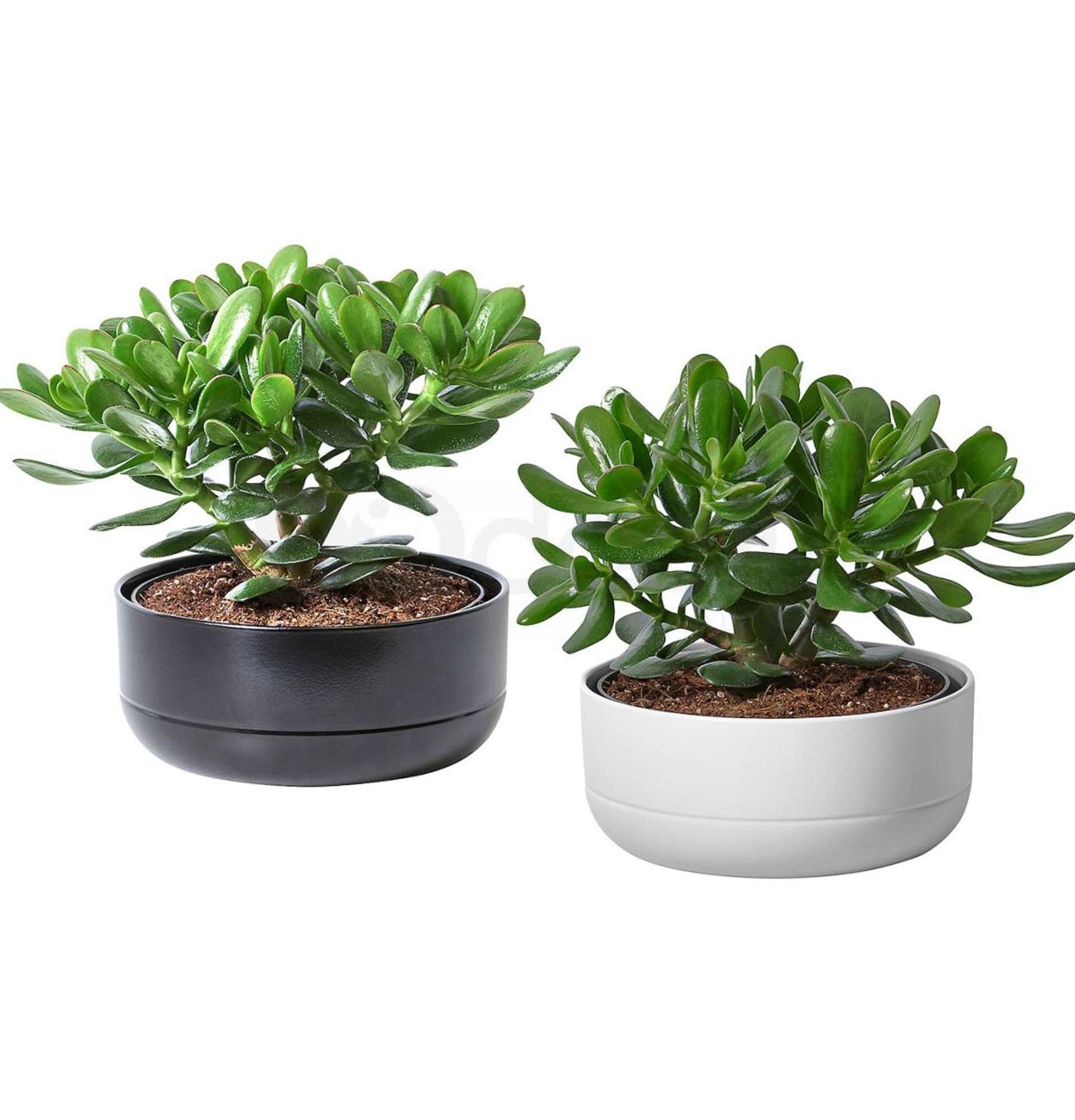
Latin name: (Crassula)
Category: annual and perennial herbaceous plants, woody shrubs
Origin: South Africa
Amazing Crassula, Money Tree
The Crassula genus (Crassula) or Money Tree is a large genus with over three hundred species, a diverse group of plants, some of which even live in aquariums. These succulents, including annuals, perennial herbaceous plants, and shrubs, are all part of the Crassulaceae family.
The scientific name for the plant is Crassula, which refers to the thickness of the shoots and the fleshy structure of the leaves of most members of the genus. In Latin, "crassus" means "thick." There are also many common names for the Money Tree, such as the tree of love, the tree of happiness, and the money tree.
The climate of the Southern Hemisphere allows the Crassula plant to thrive in the wild without human intervention. The Money Tree is native to South Africa, tropical Africa, and Madagascar, and also adorns the Arabian Peninsula, particularly its southern part.
The closest and most popular relative, as well as a bright counterpart to the herbaceous and shrubby succulents, is the Aeonium.
The "mix" Crassula flower is very popular and loved by flower lovers for its resilience, unpretentiousness, and ease of cultivation.
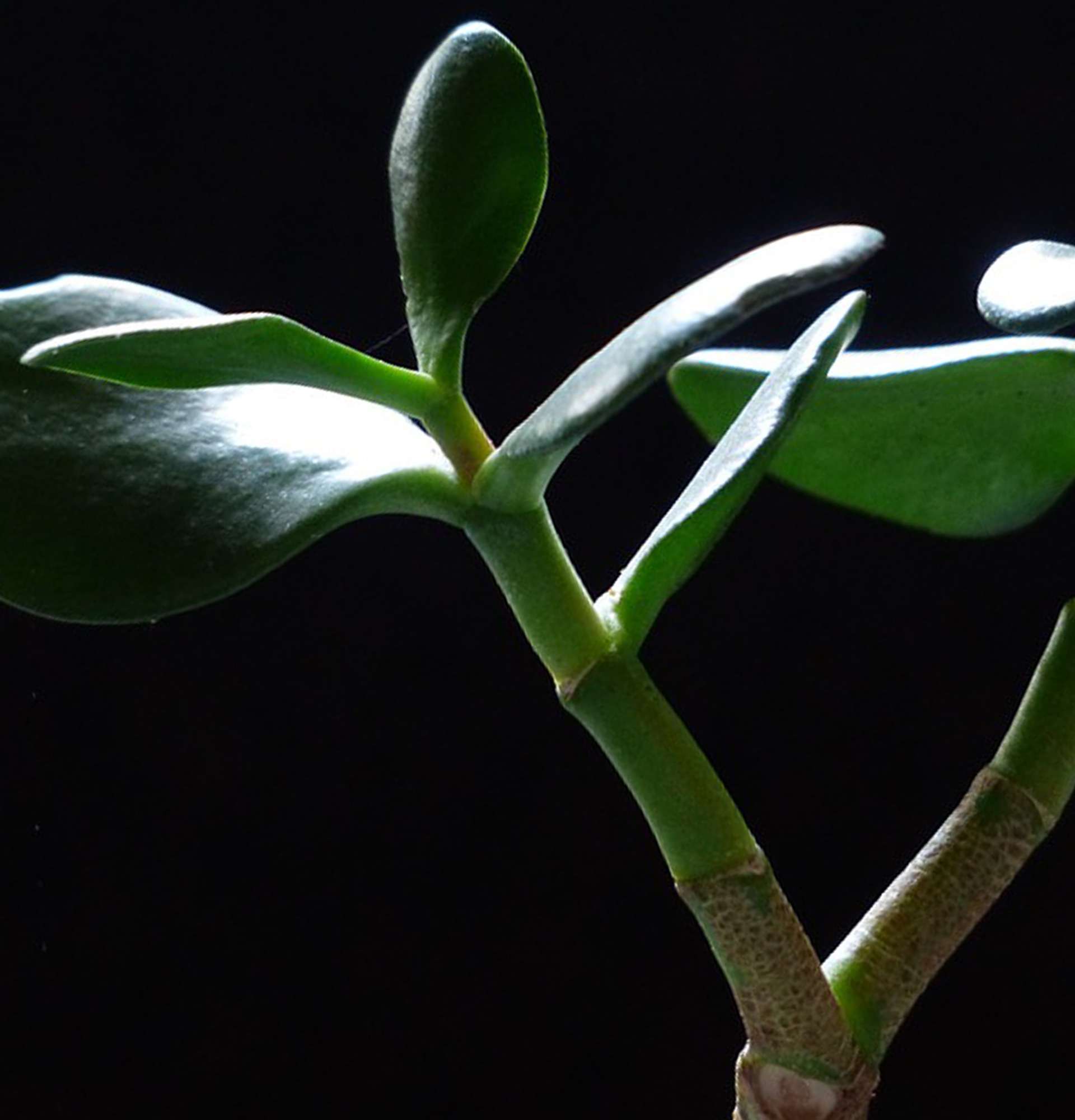
Most varieties of the beloved Money Tree have fleshy leaves, with a wide variety of shapes. The leaves can be oval, lanceolate, or pointed. They are located on thickened shoots, where they look beautiful. The flowering of the Money Tree can be fully observed only in its natural habitat.
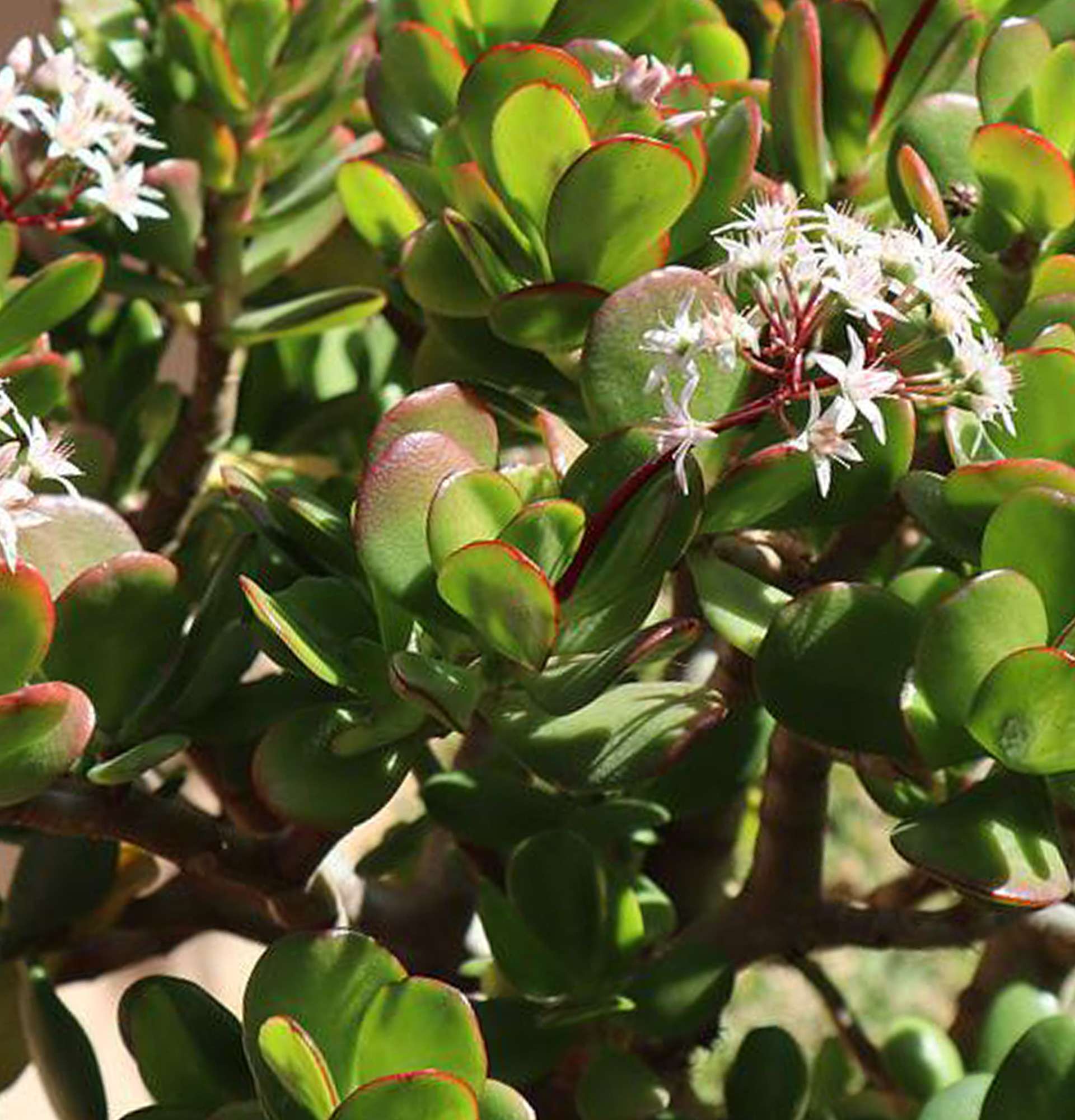
The native territories with their suitable climate contribute to the charm of this process. Local residents observe how the Money Tree blooms. The magnificent trees are adorned with white, yellow, blue, or red flowers, thanks to the large number of small and delicate, incredibly beautiful umbrella-shaped or bell-shaped flowers with curved petals, located on the stems.
Remember! The delicate colors of the tree of love contain a certain amount of arsenic, enough to be poisonous. Do not taste the beautiful flowers of Crassula.
Medicinal Properties of the Money Tree
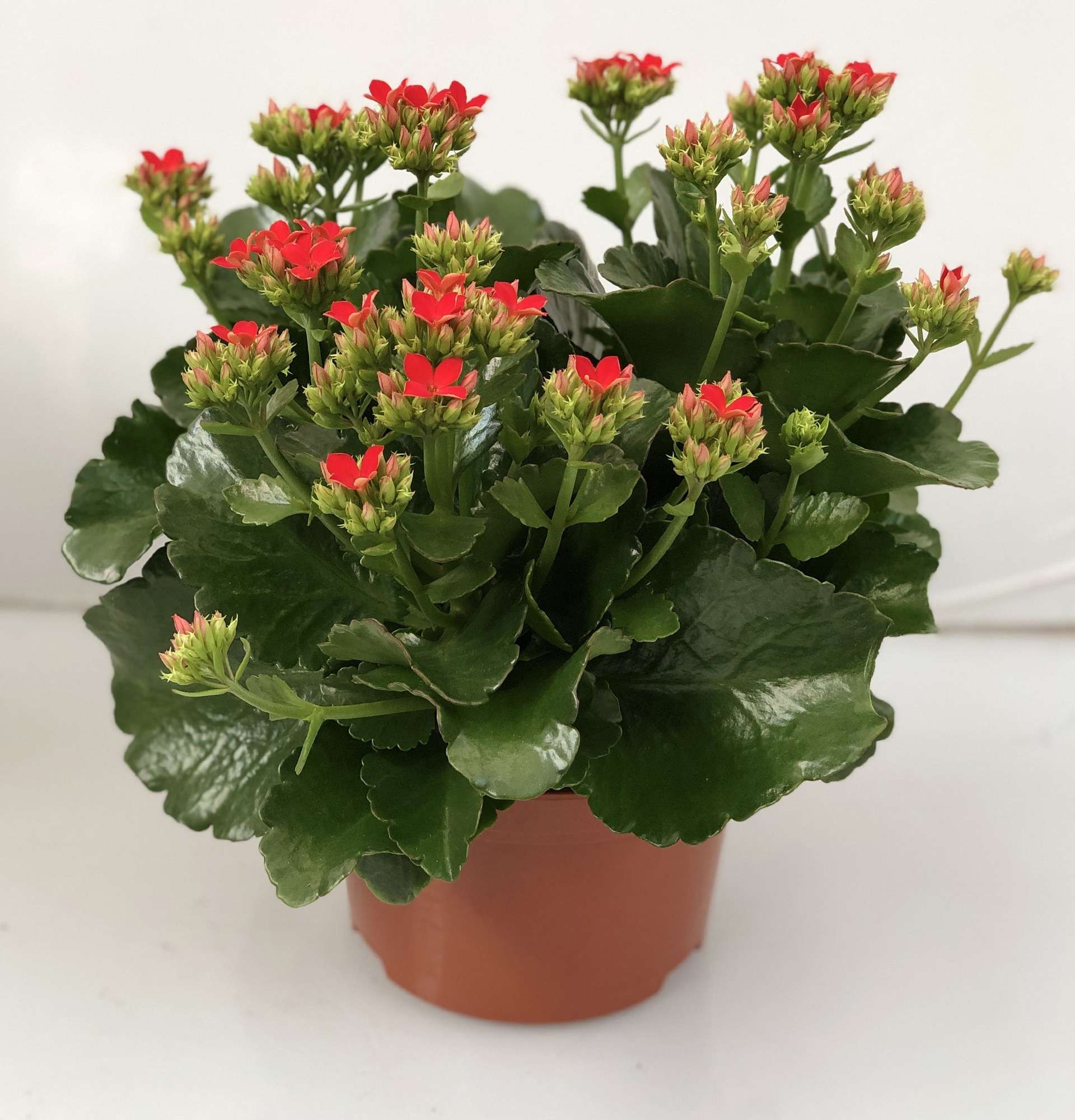
The medicinal properties of the Money Tree are widely studied in traditional medicine. The healing power of the plant lies in the juice from its fleshy leaves. Another useful houseplant is the Kalanchoe.
One of the main priorities of this home healer is its ability to fight viruses and microbes in the room and purify the air. The medicinal properties of the Money Tree have a wide range of anti-inflammatory, antibacterial, and antifungal effects. This allows the "mix" Crassula to effectively treat many diseases, such as varicose veins and joint diseases: arthrosis, gout, and arthritis. When used externally, the leaves can cure calluses, herpes, hemorrhoids, and insect bites.
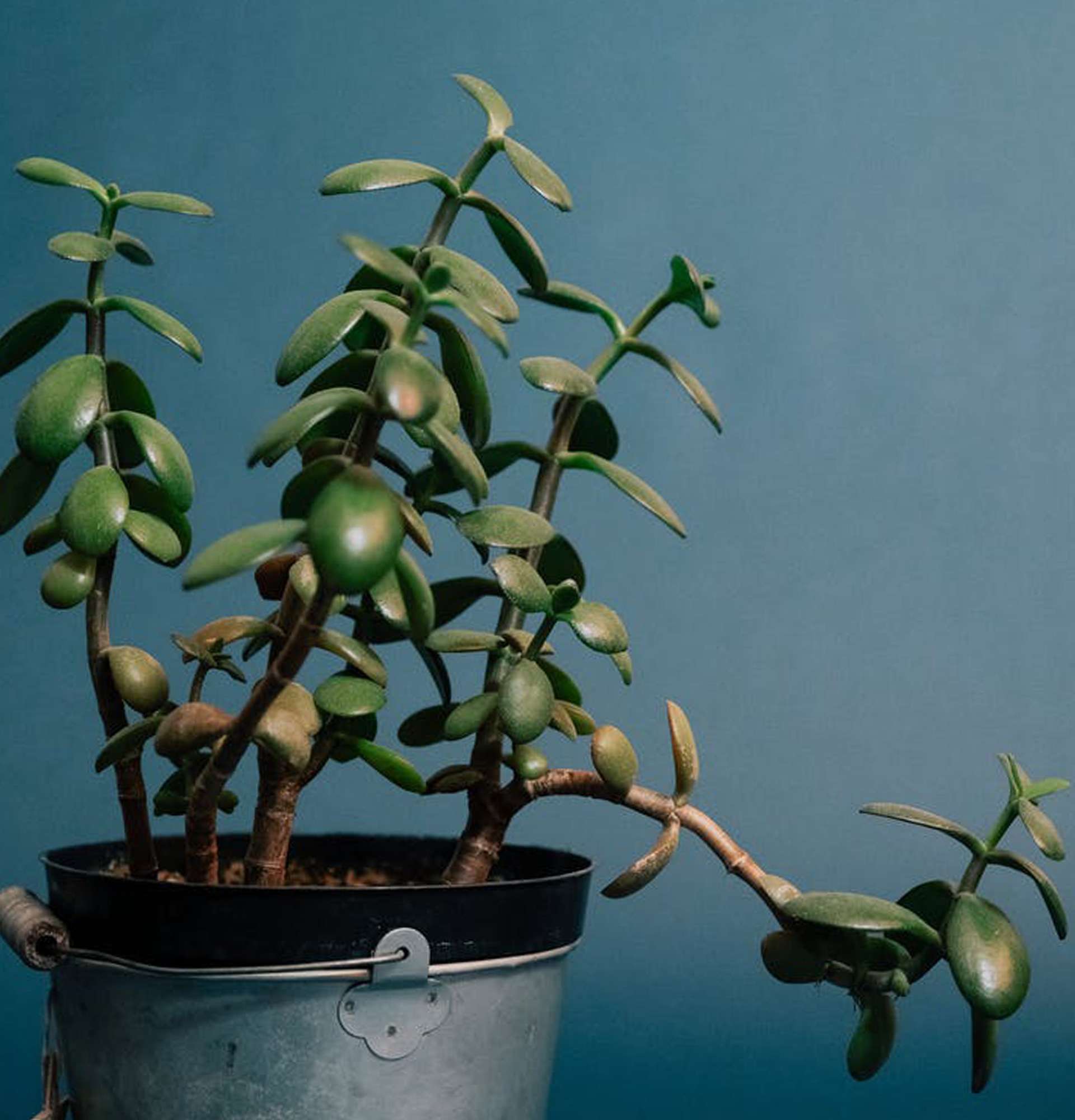
You can see the Crassula photo and learn more about the varieties of this charming and unusual flower.
Crassula species
Crassula ovata
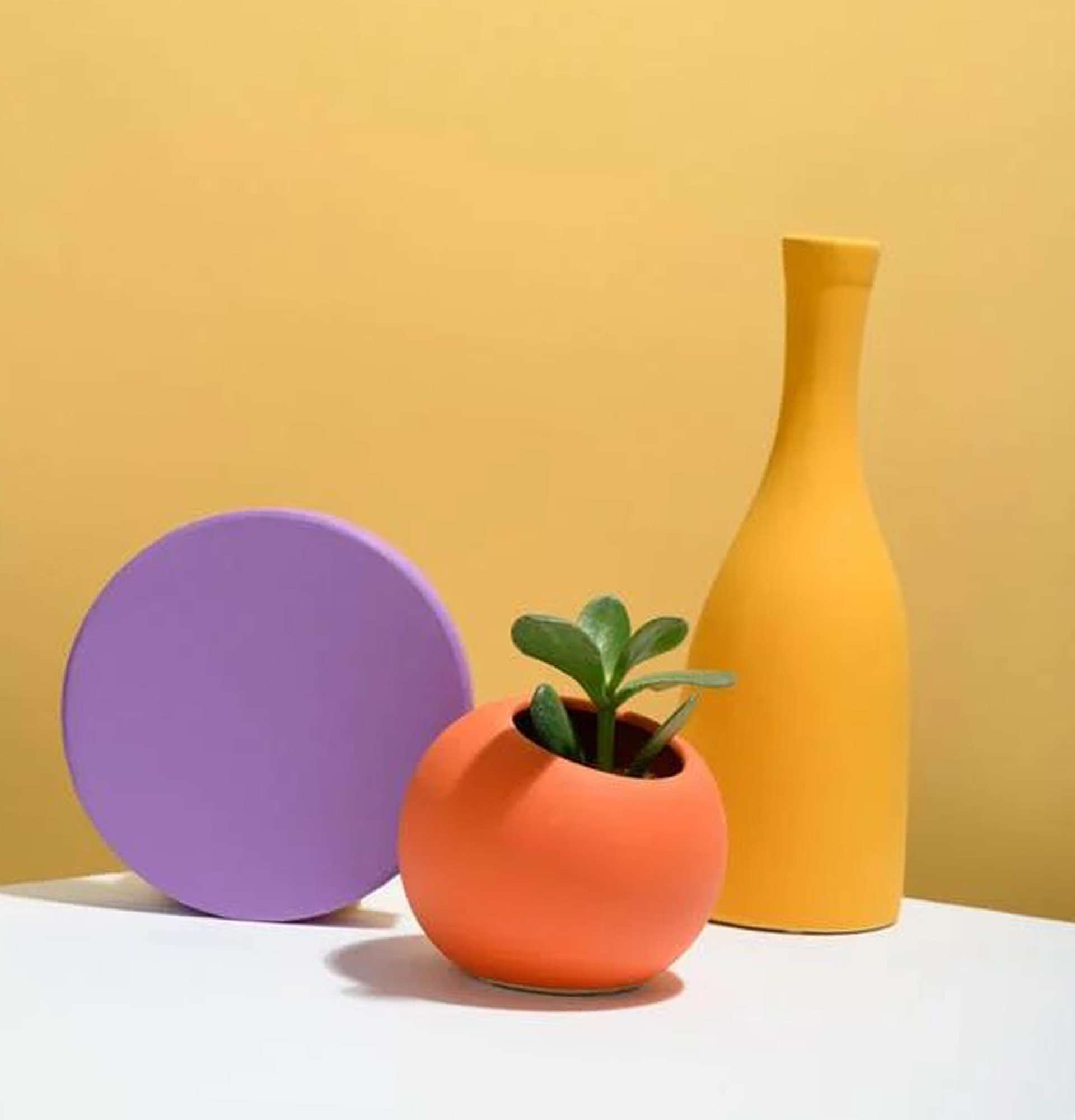
 The Money Tree is the most popular variety of the Money Tree. The arid southwestern territories of the African continent are its native land. Here, the plant reaches a height of three meters. Local people can see the flowering of the Money Tree.
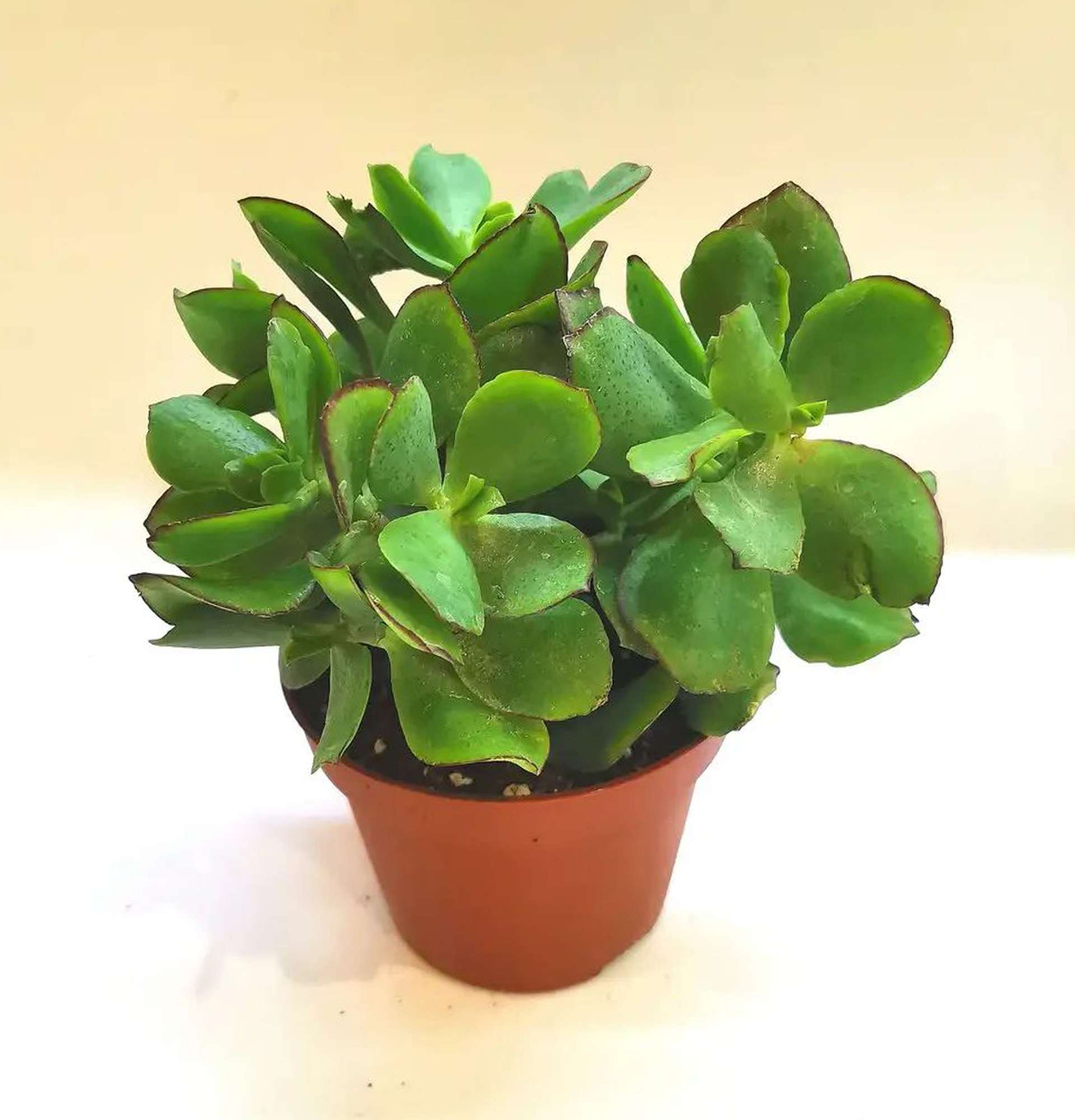
In home conditions, Crassula ovata can reach a height of one and a half meters. The main thing is to know how to properly plant the Money Tree. Then, with good crown formation, it can delight those around it with the appearance of a miniature tree. A large number of shoots are covered with shiny, fleshy, silvery-gray or green leaves in the shape of an oval. With good care, it can delight with small white or pink flowers, gathered on the tops of the stems in umbrella-shaped inflorescences.
The Crassula ovata is the most shade-tolerant specimen.
Interesting! This variety has a huge lifespan. The ability to root is inherent in a single leaf or any piece of stem.
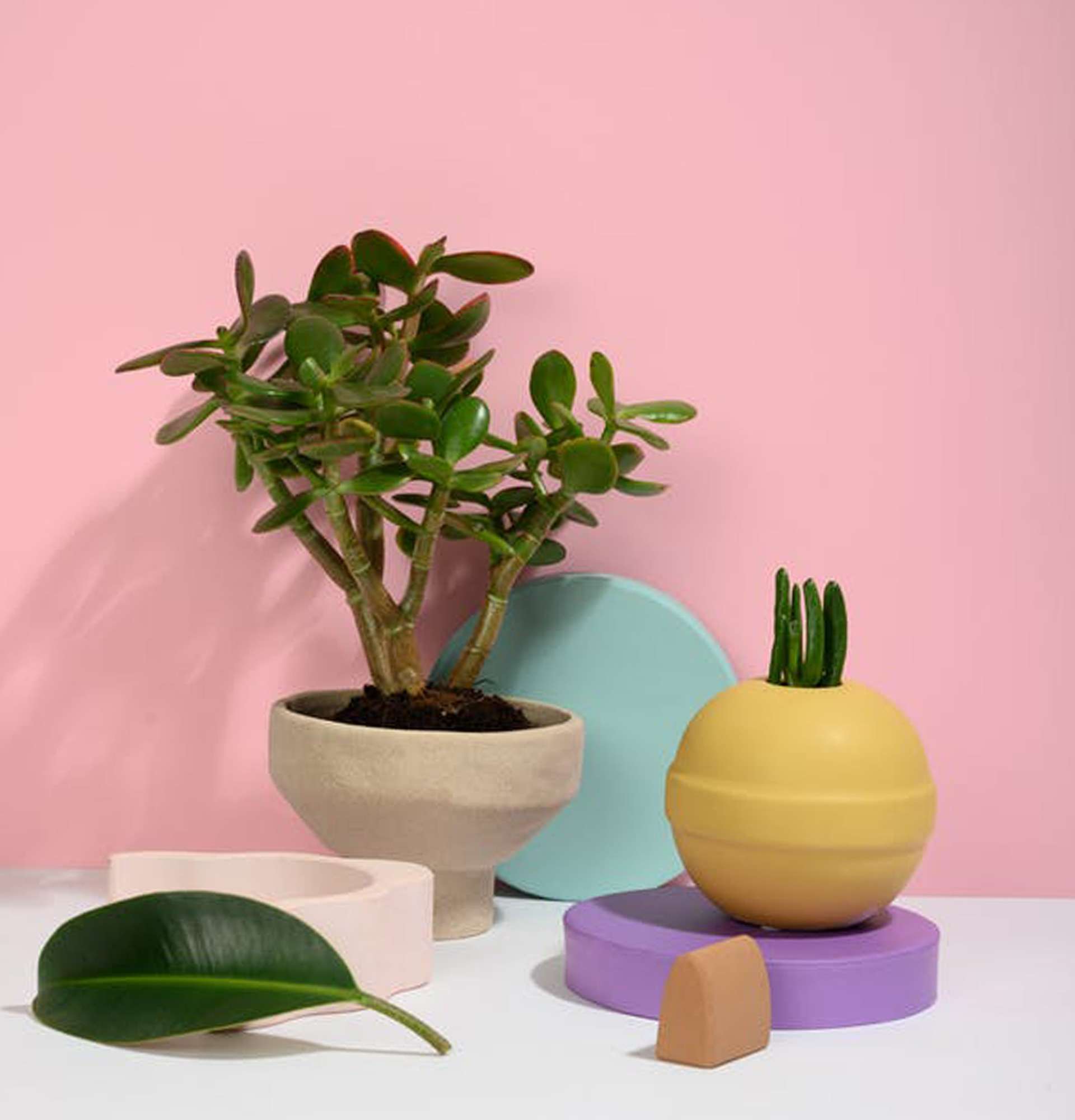
It will look great both in solitary splendor and in various compositions with other plants. Excellent neighbors will be the bright Dieffenbachia, as well as the beautifully flowering Rebutia. The Crassula ovata photo looks very beautiful.
Crassula ovata is an excellent material for scientists, thanks to which a huge number of new varieties of plants have been bred. We will get acquainted with some of them.
Crassula ovata Minor
 A very small and neat tree with bright and juicy leaves, with a smooth and glossy surface, located on the stems opposite each other. Their size varies from one and a half centimeters in length and one centimeter in width. In bright light, the edges of the leaves turn red.
Crassula ovata minor grows slowly and will be a wonderful decoration for mini-gardens in an original composition with interesting succulent plants.
Crassula ovata Hobbit
 The Crassula Hobbit got its name from the famous book "The Lord of the Rings," which was popular in the 1970s. It was during this time that breeders in America bred an exotic flower - a monster.
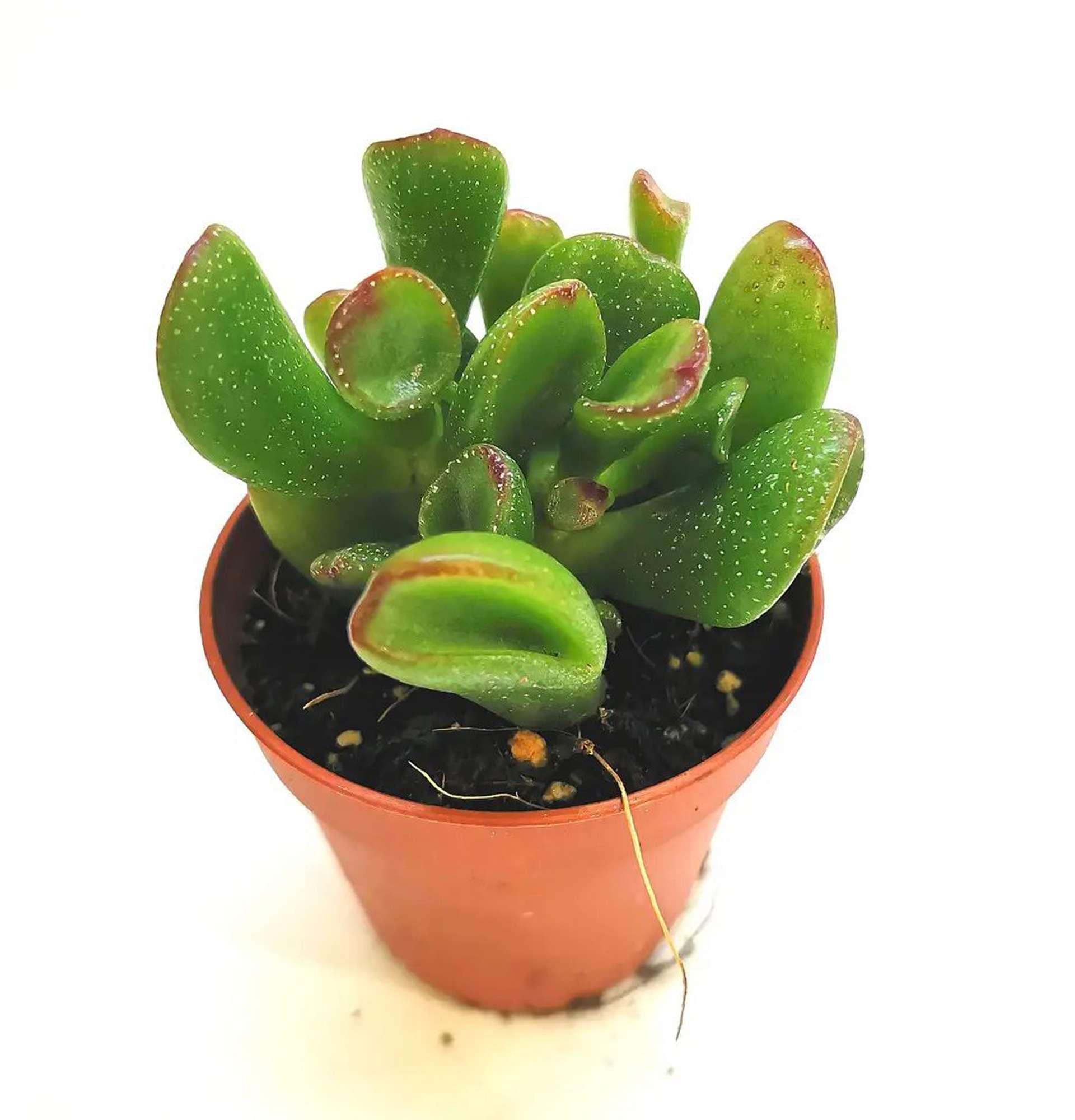
The unusual shape of the leaves, turned outwards, resembles a funnel, making the plant unique. The Money Tree blooms in winter with small white star-shaped flowers. Crassula Hobbit care does not require any effort. In the summer, the plant looks especially chic. It is necessary to constantly prune the side shoots so that the Money Tree grows a dense crown.
Important! To form a beautiful crown, regularly turn the flower towards the sun.
Crassula Hobbit photo reflects the beauty of an unusual exotic.
You can find more interesting information in the video.
Crassula ovata Gollum
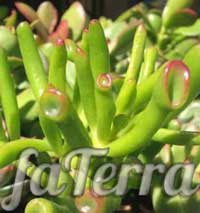 Crassula Gollum differs from the previous variety only in its leaves, which are completely folded into tubes with funnel-shaped expanded ends, resembling "Shrek's ears."
Bonsai can be grown from these very decorative hybrid varieties of Crassula Gollum and Hobbit.
Crassula lycopodioides
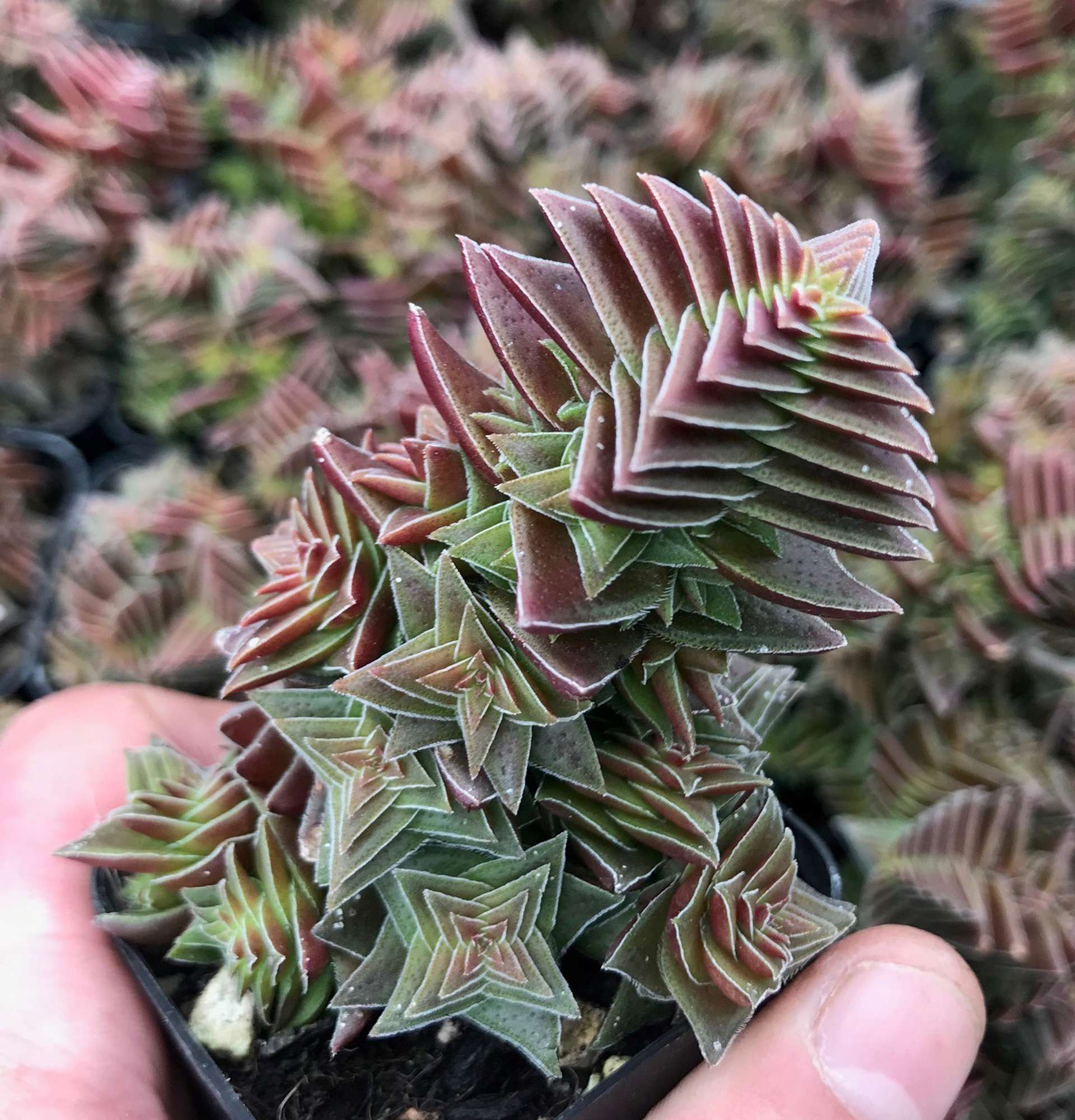
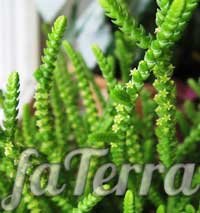 It looks like a miniature shrub, reaching a height of up to 25 centimeters. It consists of flexible stems up to 5 cm in diameter. They are covered with four vertical rows of small green leaves, which makes them four-sided and gives them a unique decorative appearance. Small yellow solitary flowers grow from the leaf axils. It is unpretentious, fast-growing, and easily rooted. It looks great in large pots with other succulent companions, creating a beautiful decorative background. Crassula lycopodioides is a long-lived plant and can be an ideal decoration for your windowsill for many years.
Crassula perforata
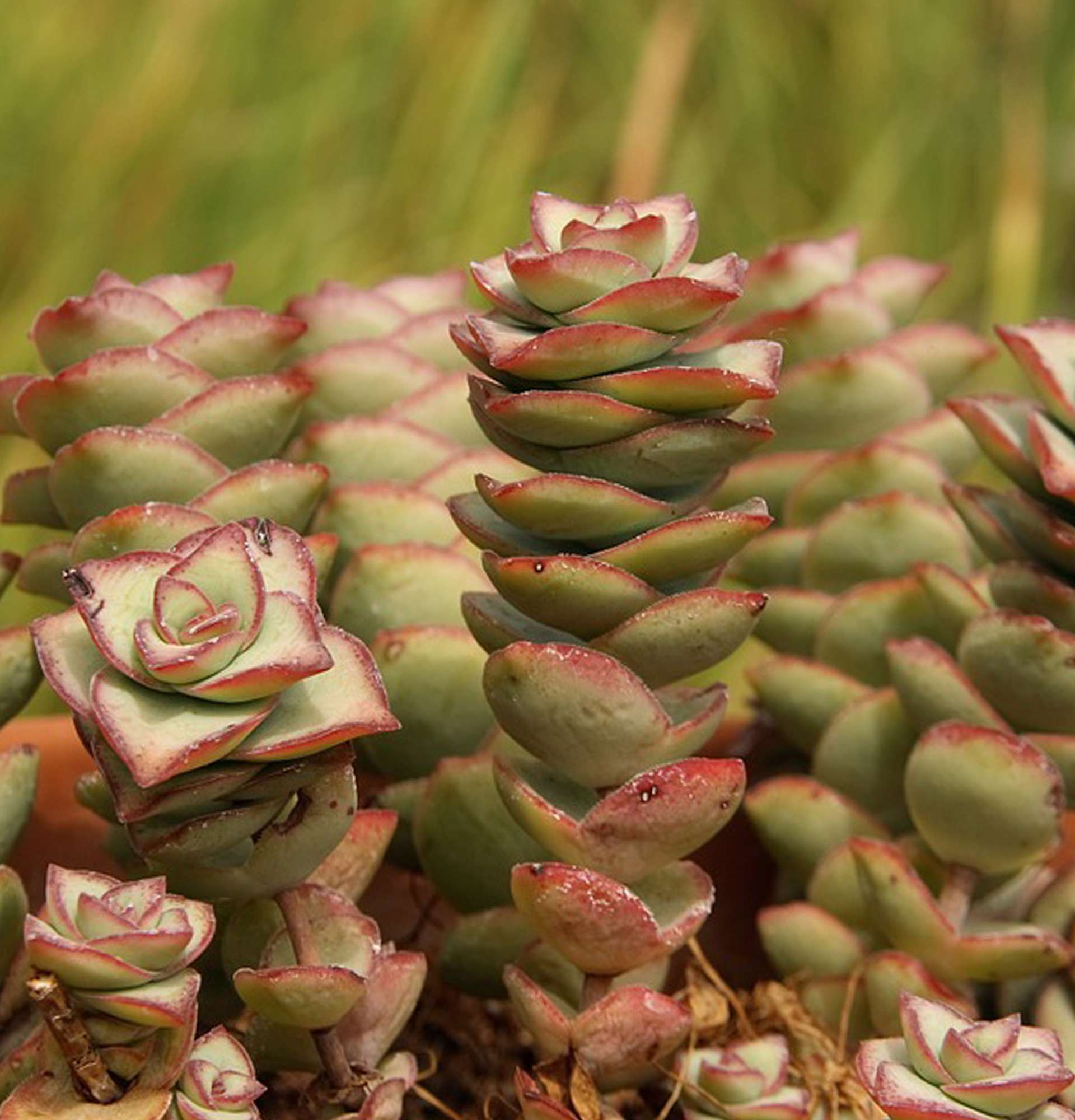
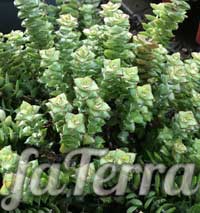 An original flower with diamond-shaped, two-centimeter leaves, located in pairs on a twenty-centimeter rigid stem. The top of the stem takes on the appearance of a rose. The leaves are light green, and the bluish coating gives the leaves even more charm, with the edges outlined in red. In winter, Crassula perforata delights the eye with a large number of small white flowers, located on the tops of the stems in dense inflorescences.
Main! Crassula looks great as an ampelous plant.
It should be planted in low pots, several pieces at a time. As the plants grow, they hang over the edge of the pot and turn towards the sunlight. They look great.
Crassula marne
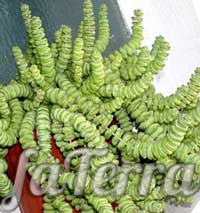 A unique dwarf perennial succulent shrub that does not exceed 20 centimeters in height. A slowly growing miracle with fleshy, plump, round, bluish leaves, oppositely arranged on thin stems. Star-shaped flowers, gathered in umbrella-shaped inflorescences, appear on the upper parts of the stems of Crassula Marne in winter.
The largest genus of plants is Crassula, the species of which grow even in aquariums. It is impossible to consider all of them in the article. To grow a beautiful specimen, you need to know how to care for the Money Tree.
Money Tree care at home
Description below.
Choosing a place and temperature regime
The best place for Crassula will be windows facing southeast or southwest. In the warm season, the plant will be happy to move to a balcony, terrace, or garden.
The heat-loving Money Tree will feel comfortable with a maximum temperature of 28°C and a minimum of 7°C. The winter temperature range is 10-15°C.
Humidity and watering
The flower Crassula does not have any special requirements for air humidity. The succulent adapts well to various home conditions and will not refuse to wipe the leaves from dust.
Main! You can't overwater the Money Tree.
In summer, water abundantly with an interval of seven days. The next watering is after the top layer of soil dries out by a couple of centimeters. In the cold season, water no more than twice a month. Monitor the condition of the soil.
Soil and its feeding
Crassula needs a light, well-draining soil mixture for succulents. It is sold in flower shops. You can add a little sand. You can prepare the mixture yourself: turf soil, leaf soil, and sand. Add a little ash.
Feed the Money Tree after watering during the growing period every fourteen days. For this procedure, you can use special fertilizers for succulent and cactus plants. Take half the dose.
Money Tree propagation
It is easy and simple to propagate Crassula with apical cuttings up to 10 cm long when thinning the crown. They root well in a sandy-peat mixture. The leaves that have fallen on the ground also root very well without any help.
Crassula seeds can be sown in pots with a mixture of sand and leaf soil. Create a mini-greenhouse environment. After a couple of weeks, seedlings will appear. They are transplanted and kept in a bright place. As the seedlings grow, they are transplanted into pots, and a temperature of 16-18°C is maintained for good rooting. They are placed in a comfortable place for Crassula.
How to repot the Money Tree?
Repotting the Money Tree is not a difficult procedure. If the roots have filled the entire volume of the pot, the plant is repotted into a slightly larger container. There should be a thick layer of drainage at the bottom. Before planting, it is advisable to slightly shorten the roots that are too long. Then, the plant is transplanted into a new container, and new soil is added. If you want to keep your plant miniature, the repotting of the Money Tree should be postponed indefinitely, just add some fresh soil. We have considered some of the nuances of how to properly repot the Money Tree.
Crassula pests and diseases
Spider mites, mealybugs, and rootworms are insects that can harm Crassula. How to save the Money Tree? First, wipe the leaves with a cotton swab dipped in alcohol.
Main! It is better to wipe the plant with a cotton swab.
The next step in eliminating these troubles is treatment with insecticides. You need to take Actellik or Fitoverm.
Difficult moments in growing
- Why do the leaves of the Money Tree fall off from the bottom? There is no need to worry about this. It is permissible for the lower leaves to fall off during the growth process.
- Why does the Money Tree shed its leaves? The plant is too hot.
- Why is the Money Tree wilting? The pot is too small, or the watering is incorrect.
- Why is the Money Tree shedding? Perhaps the plant is exposed to drafts.
- Why is the Money Tree not growing? The plant needs feeding, little light, or poor-quality watering.
Crassula care in the home has been carefully considered. Follow the above growing rules with love, and then your tree of happiness and love will be the perfect decoration for your living space.
Write comments
Comments