



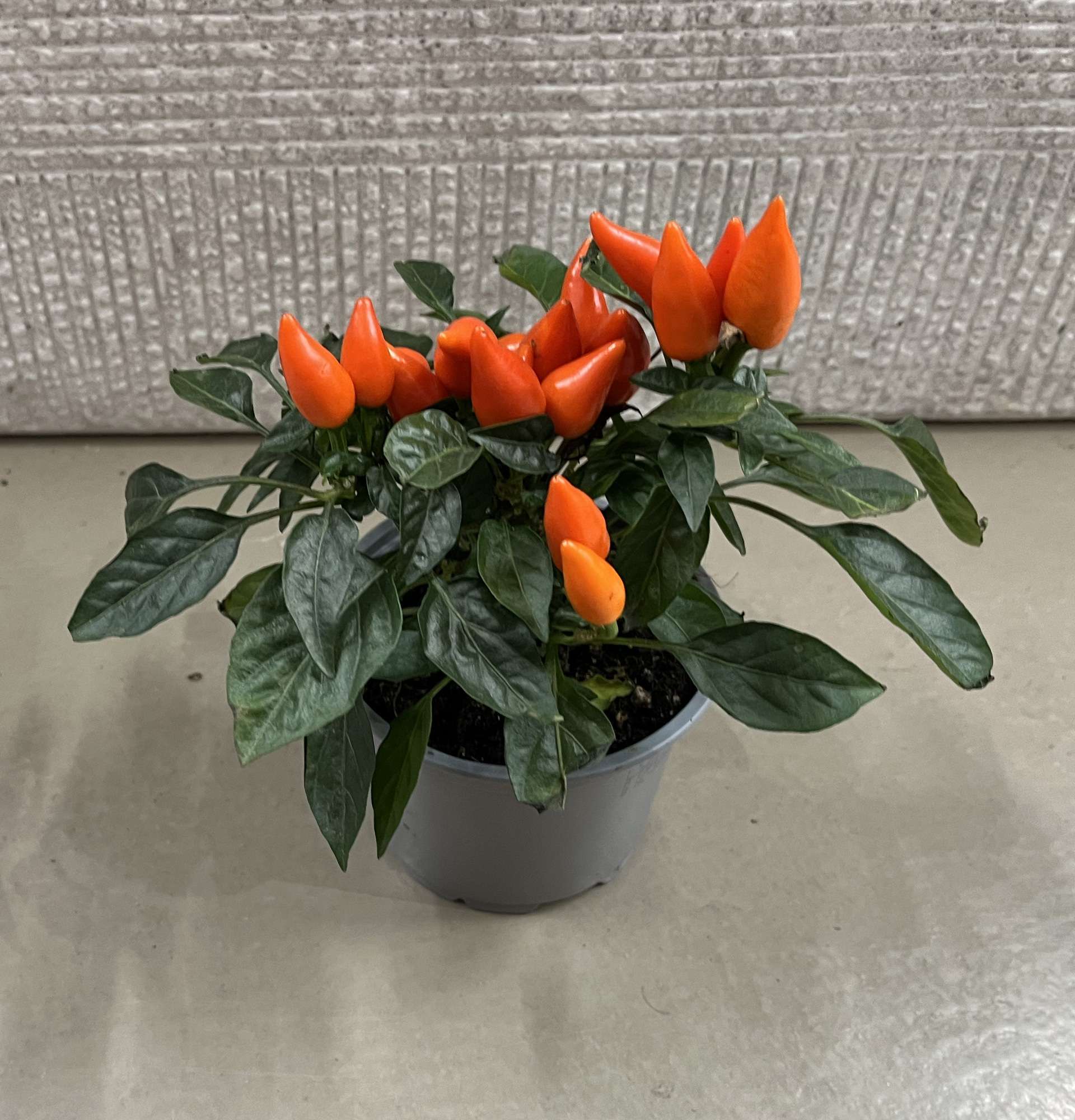
Latin name: (Capsicum)
Category: annual and perennial herbaceous plants
Origin: South America
Capsicum – a wonderful decorative bright spot on the windowsill
Capsicum (Capsicum) is also known as ornamental pepper, sweet pepper, or vegetable pepper, and belongs to the genus of crops that are placed in the tribe Capsiceae of the Solanaceae family. This family affiliation is often confused with representatives of another genus, Peppers (Piper), which is in the Piperaceae family. In fact, the similar crops only share a name.
The native range of these unique and wonderful annual or perennial shrubs is considered to be the territories of South and Central America. The most comfortable conditions for capsicum pepper are found in the subtropical regions of Mexico and Guatemala. Here, in Latin America, the local Aztec, Inca, and Maya peoples domesticated the pepper long ago. Even then, they positively answered the question: can capsicum be eaten?
The fruits of the plant have found wide application in cooking. Even now, the name "Mexican pepper" is most often used. European countries became acquainted with ornamental indoor pepper in the fifteenth century, thanks to Portuguese sailors who brought this wonder to Europe. During this period, this magnificent plant spread to all continents.
The Latin name of the capsicum plant comes from the phrase capsa ae f. – a bag, which resembles the fruit in appearance. This interesting crop has other names – annual paprika, Mexican pepper, Christmas pepper.
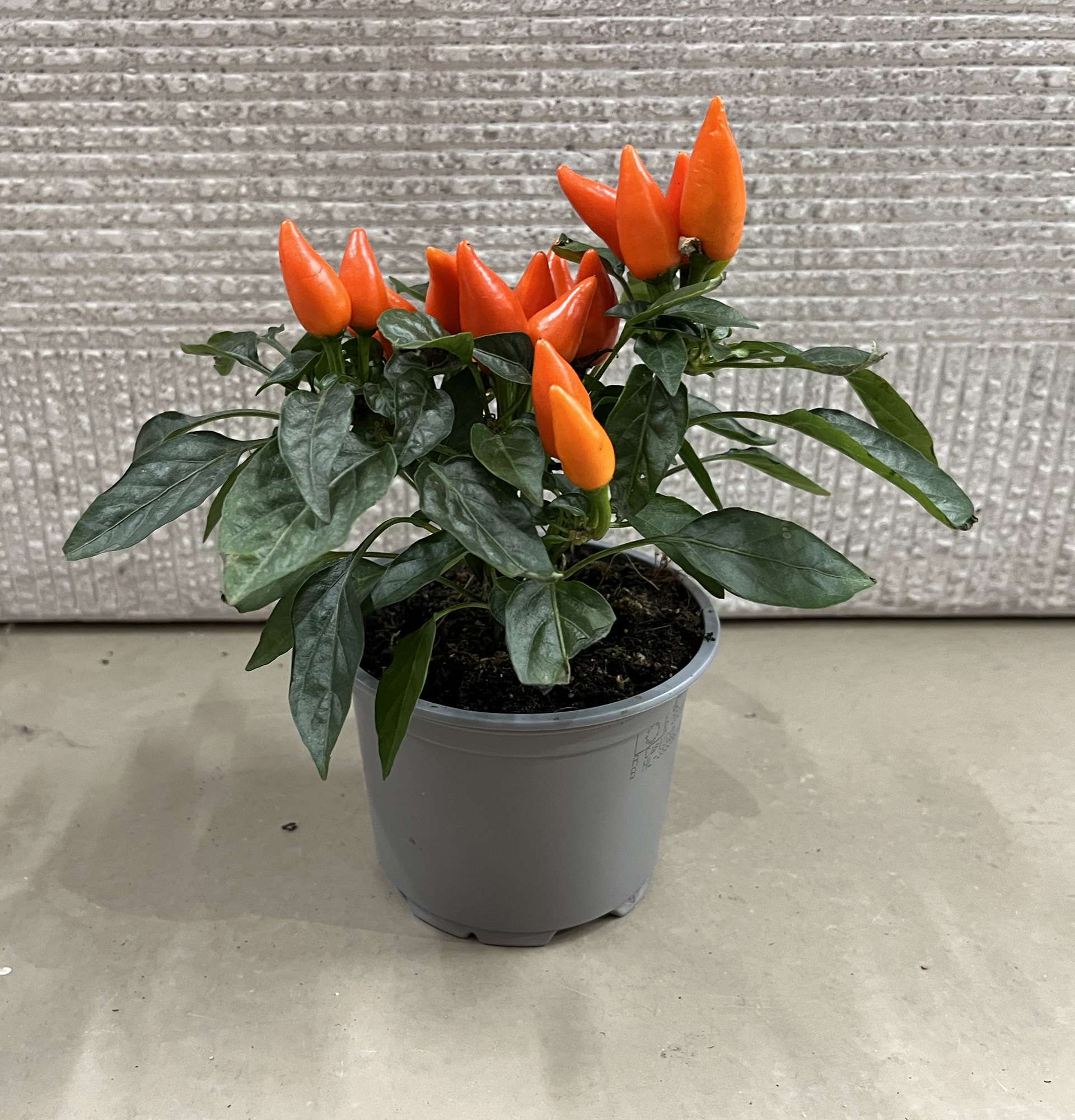
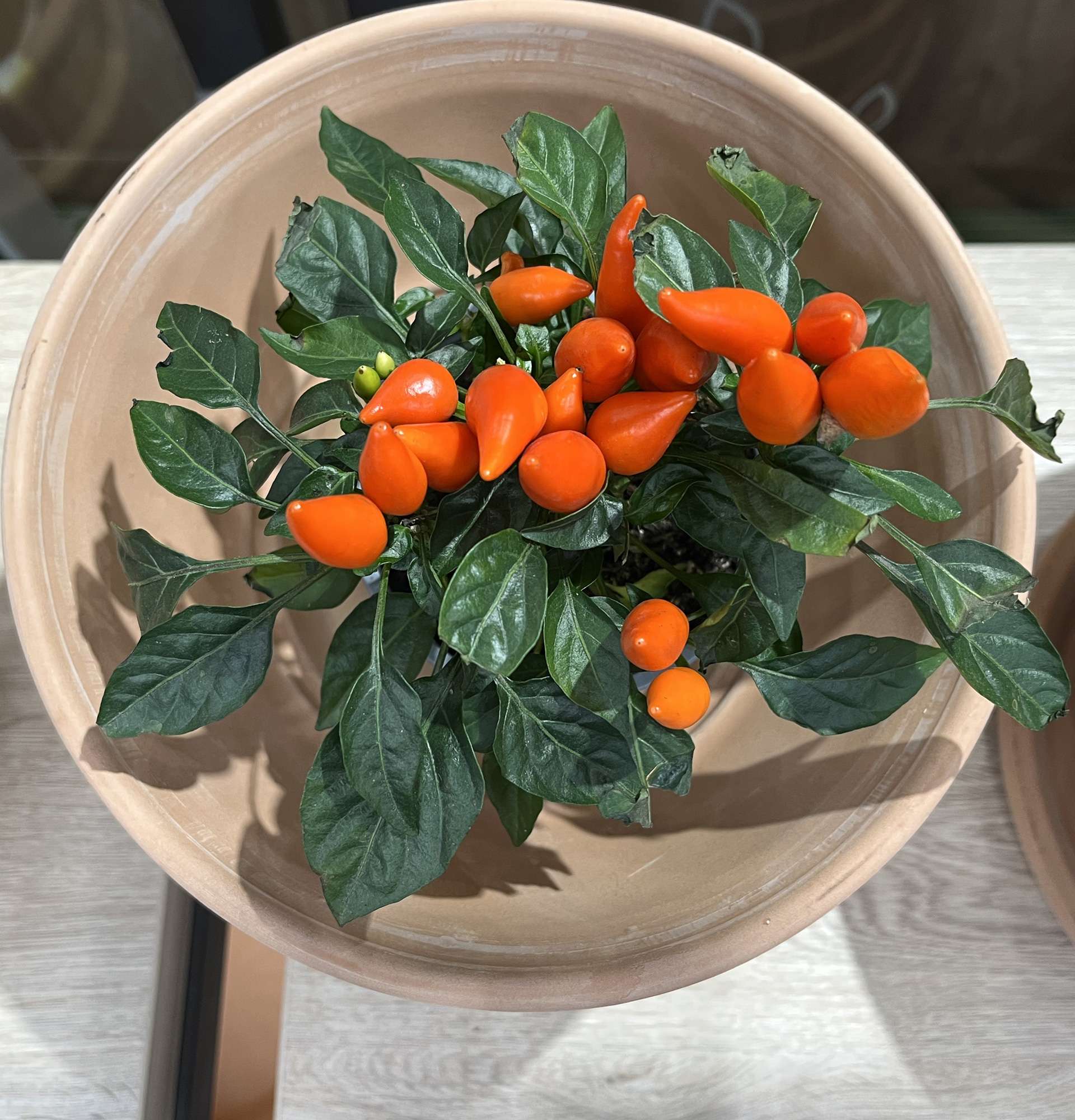
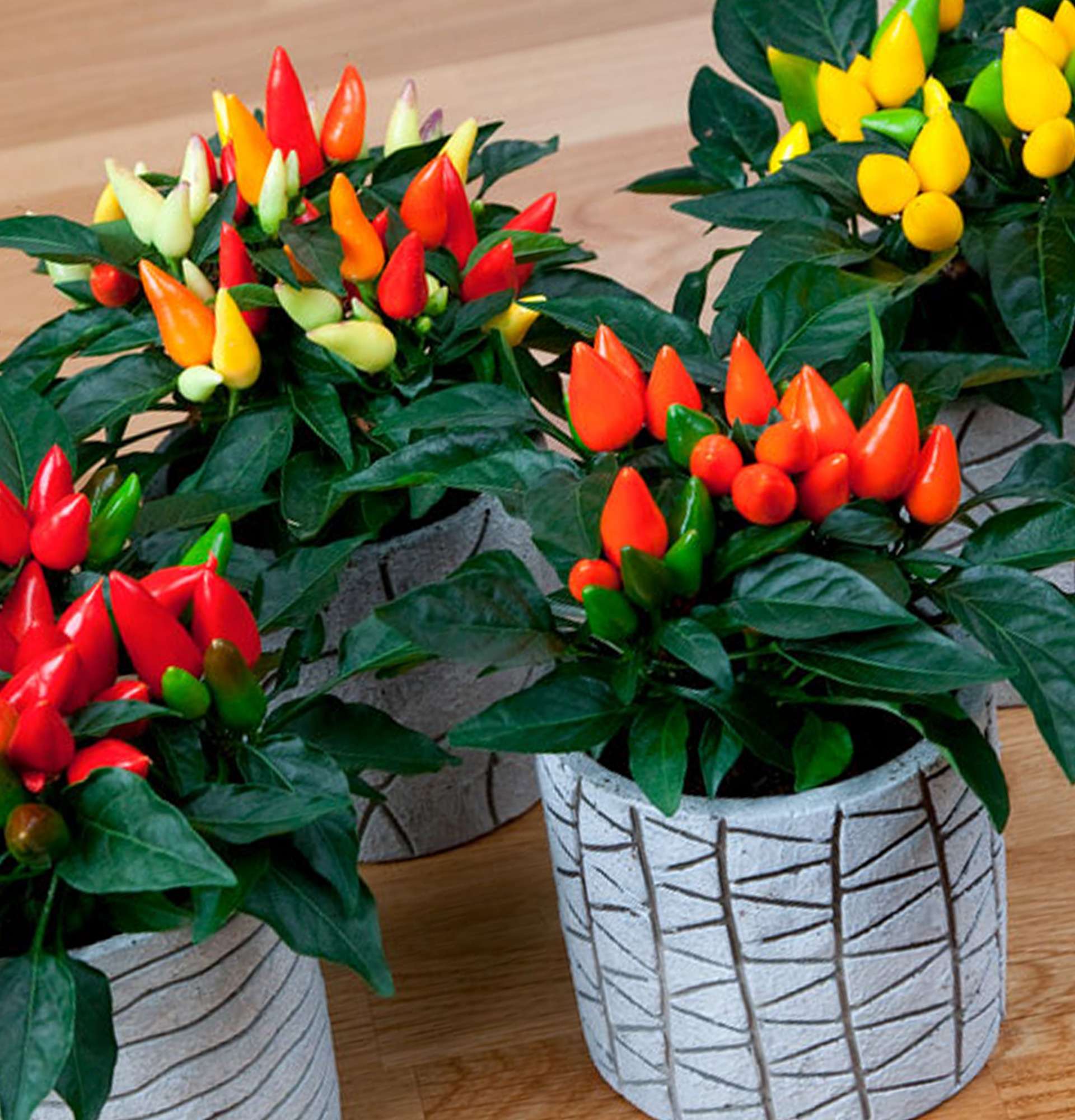
Ornamental indoor pepper has the appearance of small, compact, highly branched bushes. They do not even reach fifty centimeters in height. The rich green, glossy leaves have a solid, carved shape. Purple or white flowers that grow in the branches of the leaves can be single or double.
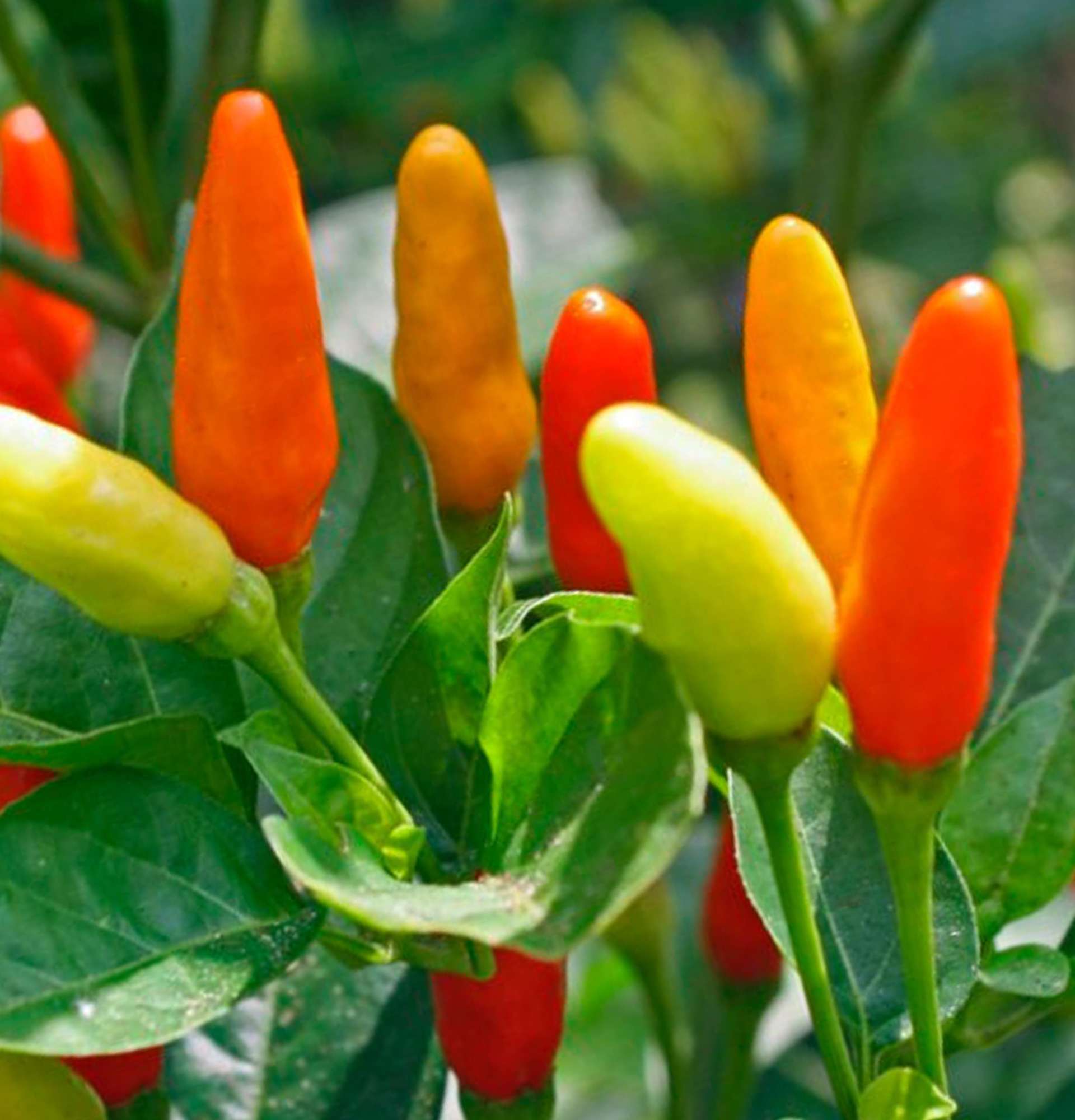
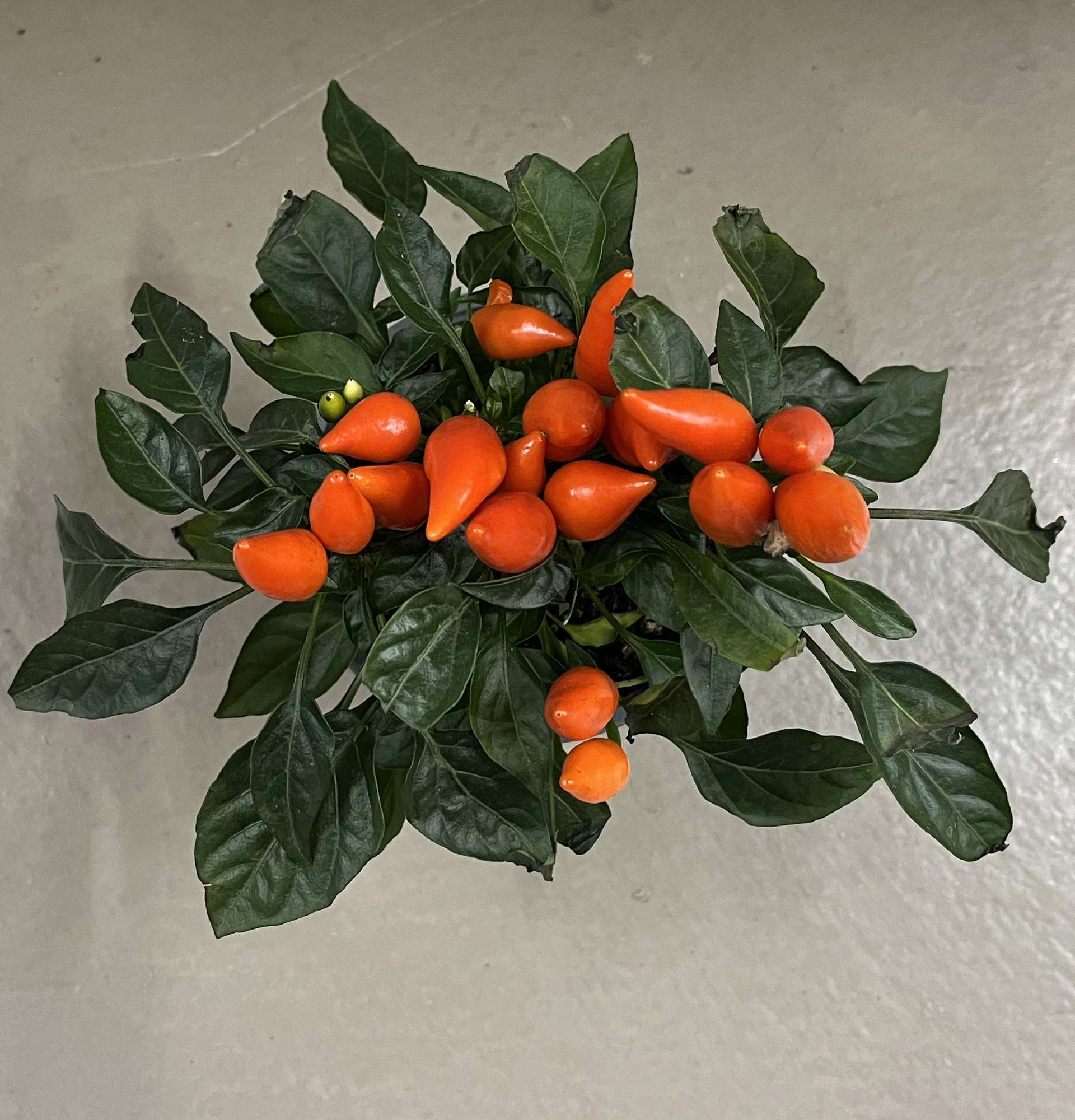
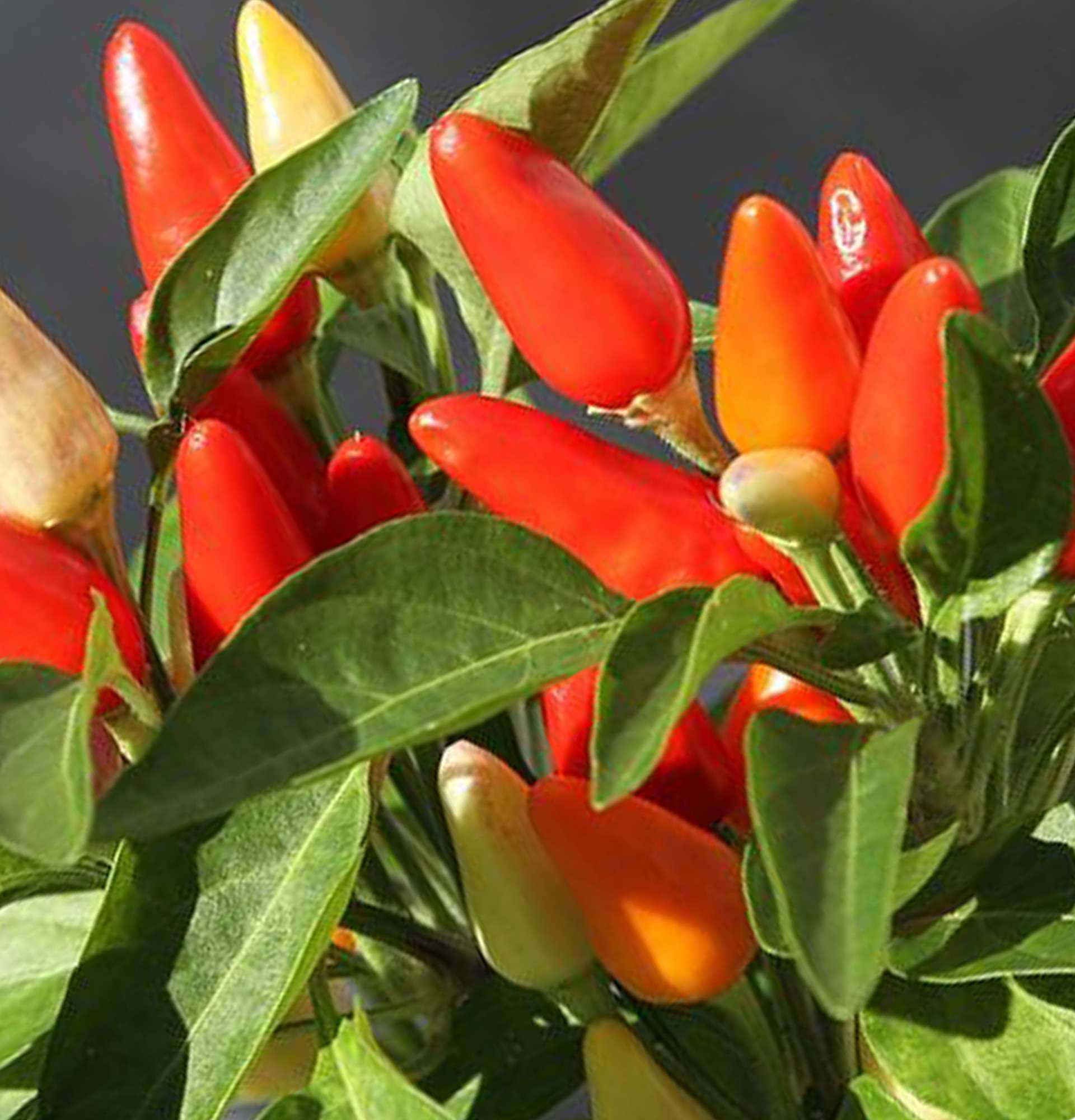
The miniature, colorful, bitter peppers of various shapes, with pointed or blunt ends, which are characteristic of each variety, look especially great. The berries are found in spherical, cylindrical, flat, curved, and pear-shaped forms. The peppers can be arranged either hanging down or raised up.
This crop has many varietal varieties, which are divided into two opposite subgroups. Some have a bitter taste, while others are sweet. The taste is due to the alkaloid capsaicin, which depends on its amount in the berries.
The leaf plates and stems of ornamental pepper are poisonous.
Ornamental pepper in a pot, like nightshade, often decorates the interior of an apartment, balcony, or office. These unpretentious indoor plants do not require special care, but it is still desirable to create conditions that are as close as possible to natural for the comfort of your pet.
These tropical indoor plants, which belong to the Solanaceae family, attract not only with their beauty but also with their beneficial properties. And when the question arises: is ornamental pepper edible? Undoubtedly, it can be said that in small quantities or as a spice, it is a completely useful product.
The importance of the Solanaceae family for humans is very broad. People constantly use vegetable crops that belong to this family. Potatoes, eggplants, peppers, and tomatoes are vegetables that are simply indispensable in everyday life.
You can endlessly admire the beautiful petunias, and tobacco has also found its use. Sometimes the question arises: why did the Solanaceae family get its name? In short, it is because…
All Solanaceae plants have one thing in common – they are poisonous, some more so than others. Even edible plants are poisonous to some extent. That is why they are called Solanaceae.
The medicinal properties of capsicum are well known. Medicinal preparations made on the basis of an extract from this ornamental plant have a warming and analgesic effect, improve digestion, and increase appetite. Its tincture is used in ointments, which are used to treat frostbite. It helps to improve blood circulation in the frozen parts of the human body.
Capsaicin is a component rich in hot pepper, which can burn fat, allowing you to lose weight quickly. Capsicum is also used in homeopathy to treat acute and chronic otitis. An oleoresin tincture, an aerosol preparation for self-defense, is made on the basis of an extract from hot pepper.
Capsicum species
Sweet pepper, or annual (Capsicum annuum)
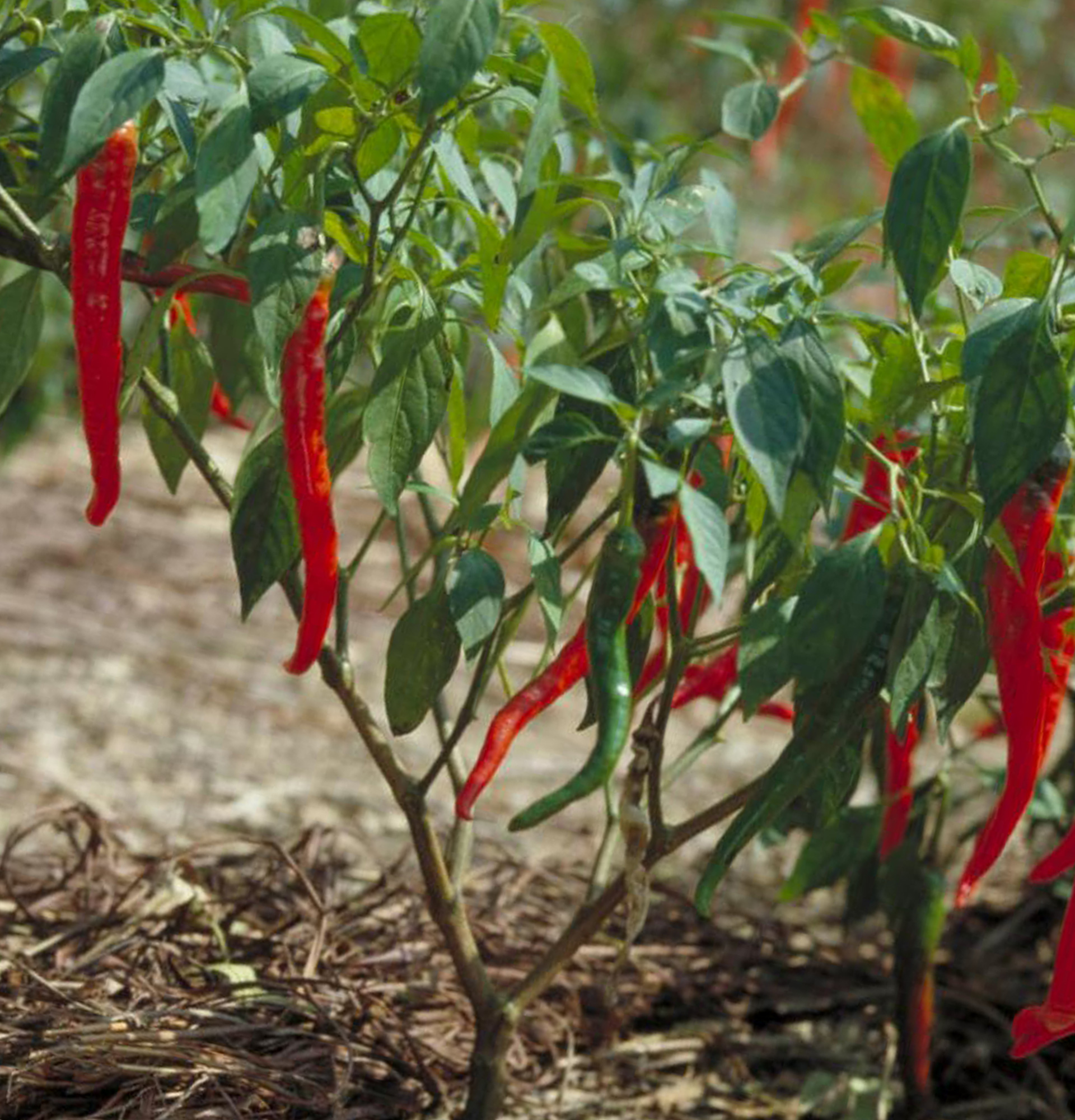 This perennial crop, which branches strongly, grows up to one and a half meters in height under good growing conditions. The green, cone-shaped leaves can reach up to twenty-five centimeters in length. The leaves form a green rosette or grow individually. White flowers, sometimes decorated with purple stripes, form original rosettes or bloom individually.
The sweet pepper in a pot looks especially beautiful when very original peppers appear on the bush. Their appearance is varied. They can be spherical or narrowed. The color range of the peppers varies from green to yellow, orange, and red.
This variety of capsicum has a huge variety of varieties with beautiful, spicy or sweet fruits.
Capsicum Salsa (Capsicum Salsa)
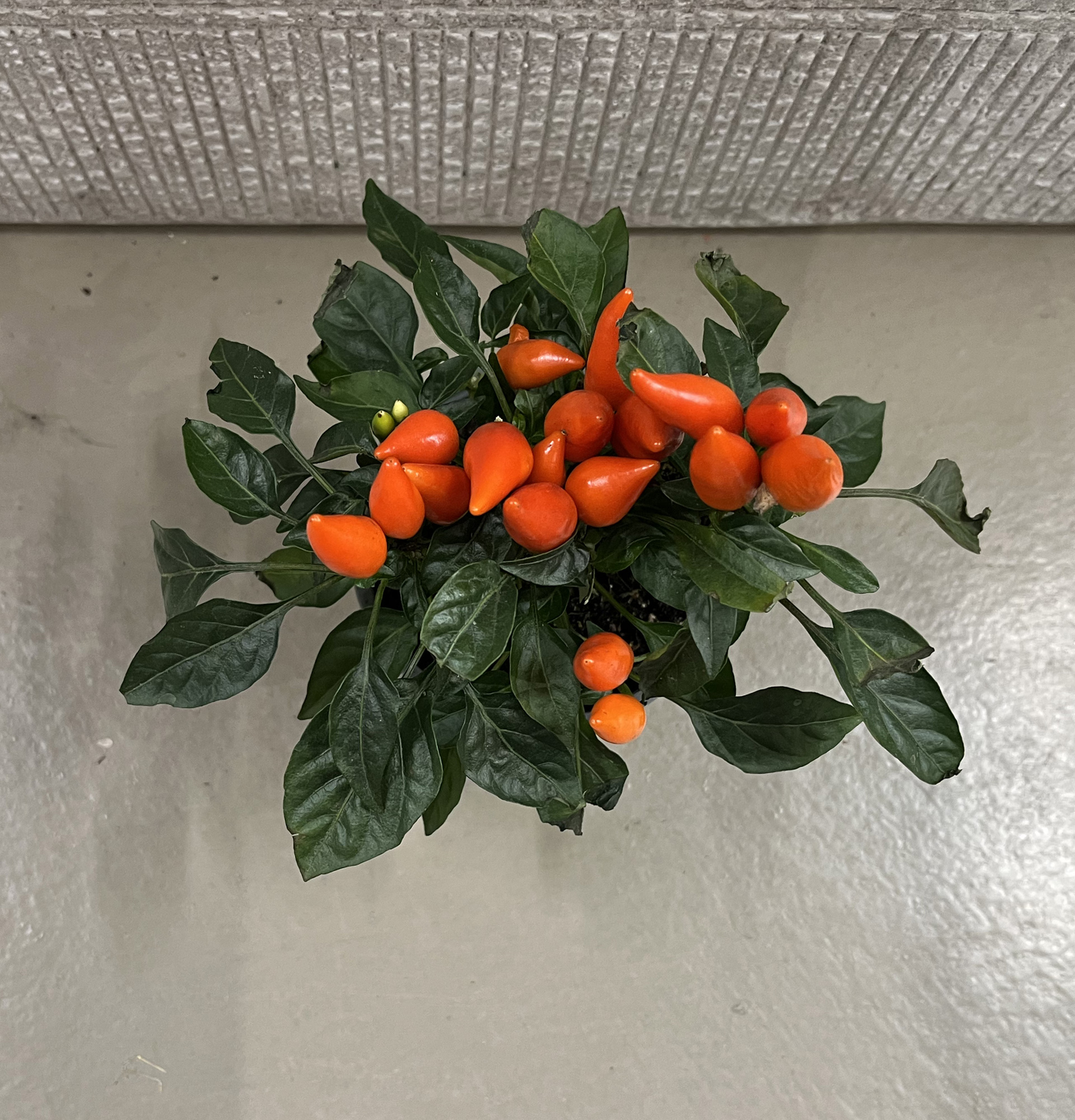 This variety has high decorative value. The perennial bush reaches fifteen centimeters in height. The decoration of this unusual and attractive plant is miniature green, yellow, purple, and red peppers. The vegetative period of fruit ripening lasts about three months. They are not edible, but they decorate the interior of the room very luxuriously.
Capsicum shrub, or Cayenne (Capsicum frutescens)
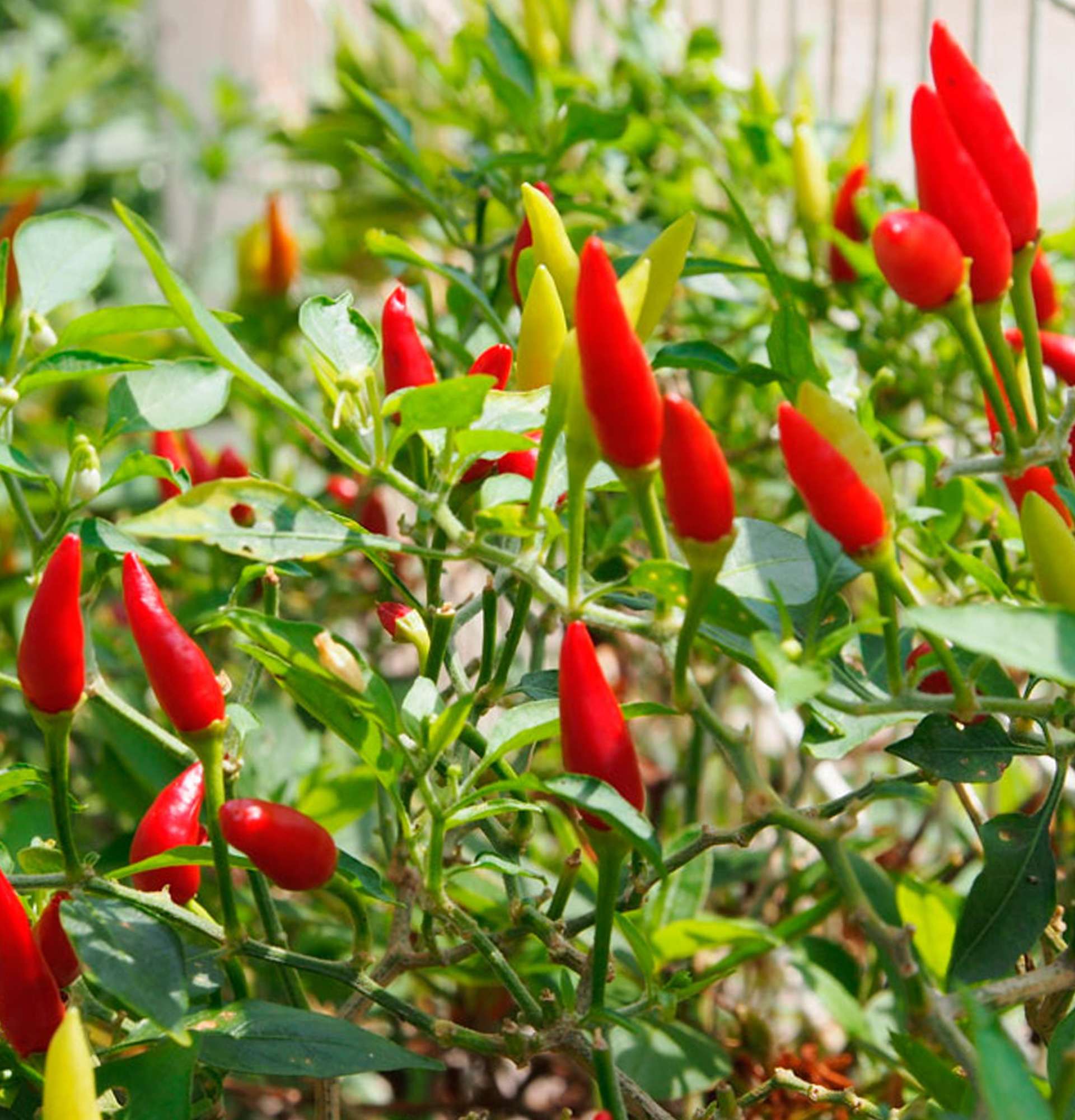
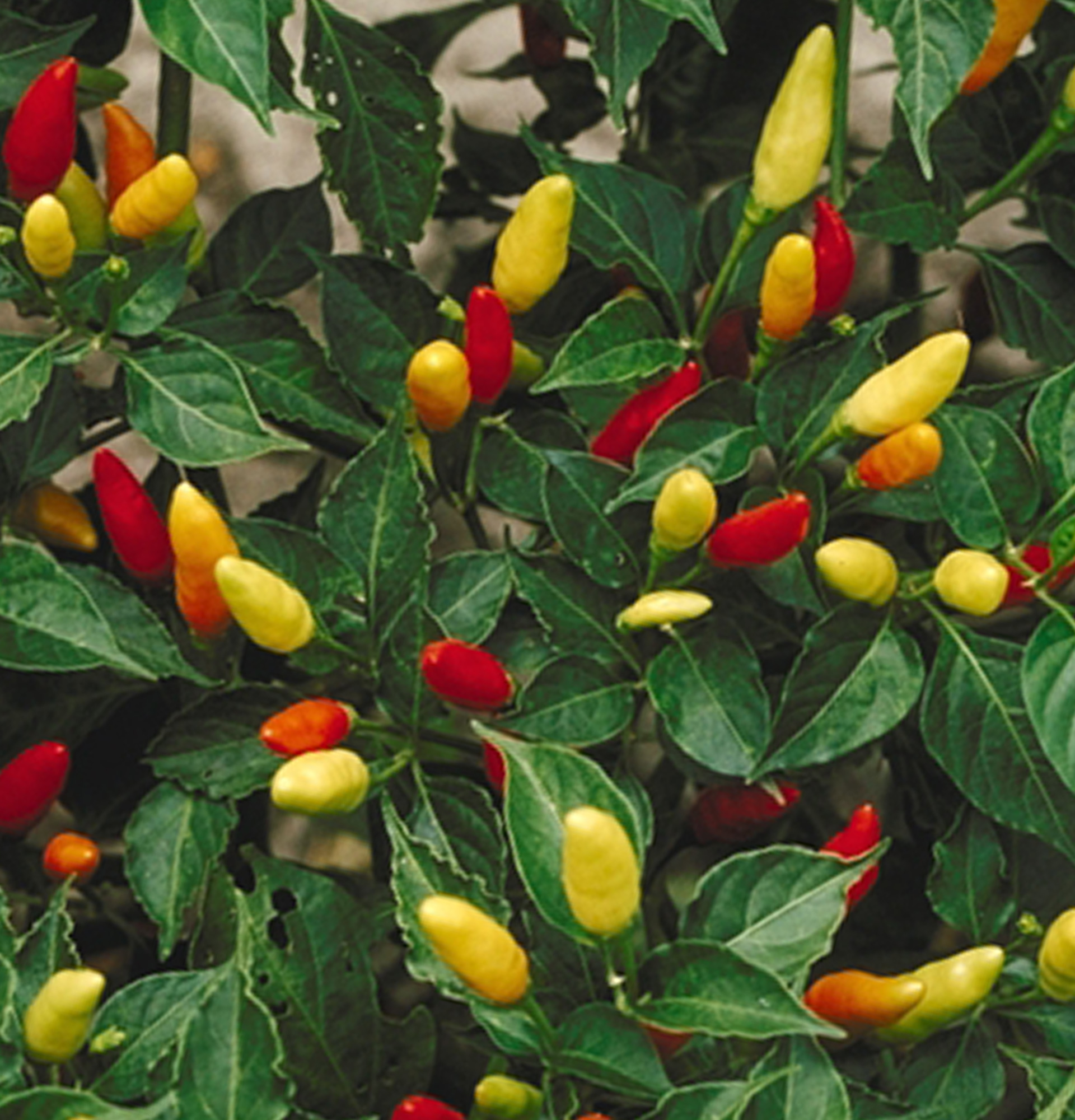 Bushy, dense, small-fruited perennial crops grow from fifteen to forty-five centimeters. Glossy, elliptical leaves with distinct veins are decorated with a dark green color. Small and narrow, up to five mm long, spicy peppers of yellow, white, red, or purple color are arranged vertically on the bushes.
Capsicum berry (Capsicum baccatum)
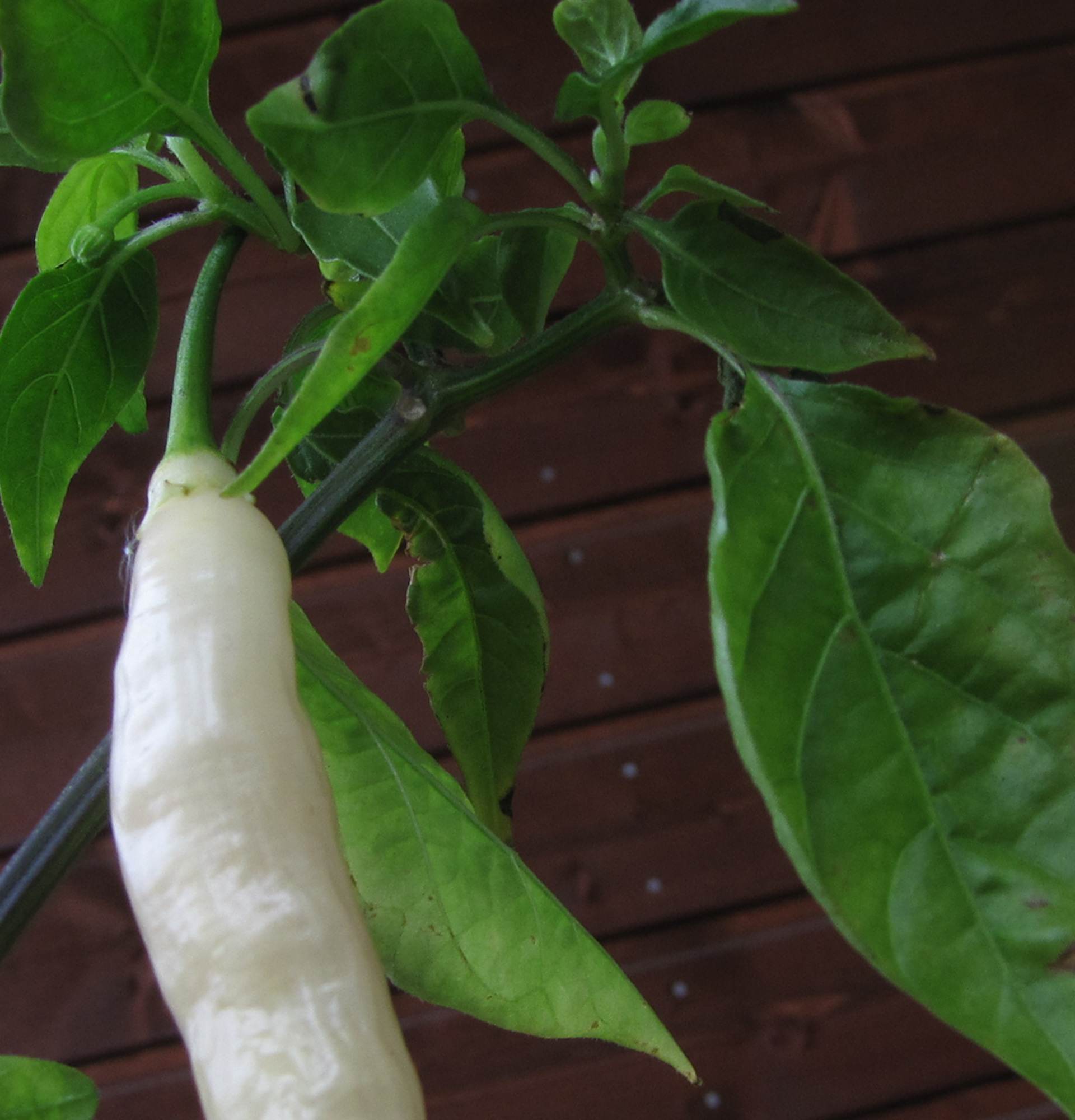 This variety of perennial capsicum is the tallest crop. Almost two-meter bushes, densely decorated with dark green leaves, reaching thirty centimeters in length. Single pale green flowers are sometimes decorated with brown or yellow spots.
Yellow, brown, or orange-red peppers are round or elongated and pointed. Young berries are directed upwards, and large ones gradually hang downwards. The fruits have a fruity or citrus aroma and a spicy taste.
Capsicum Chinese, or habanero (Capsicum chinense)
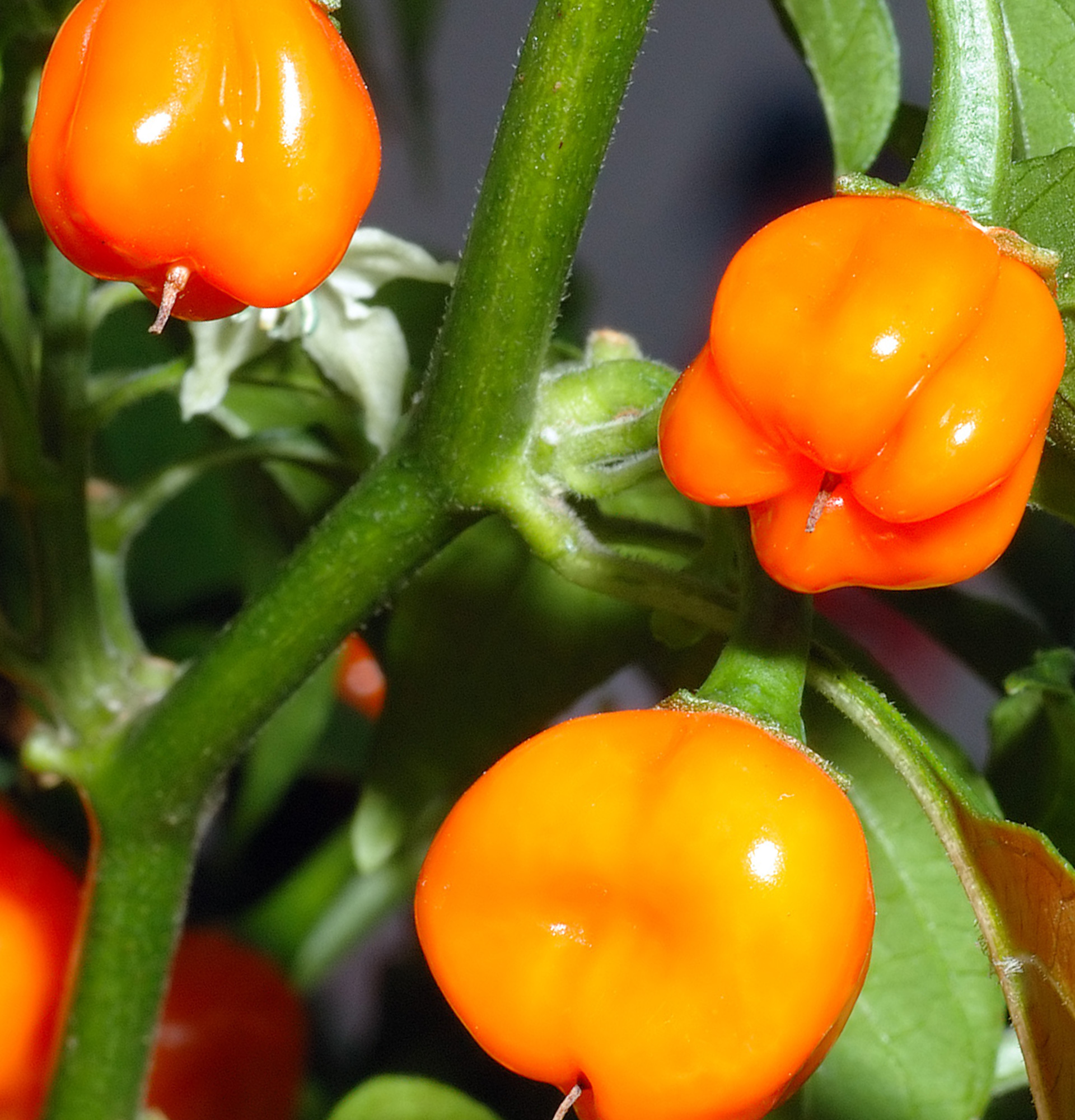 A bushy perennial that grows slowly, reaching a height of fifty centimeters. Light green leaves are slightly wrinkled and have an ovoid shape. Small greenish-white flowers bloom individually or in bunches. The peppers grow in various shapes and red shades.
Capsicum pubescent, fluffy (Capsicum pubescens)
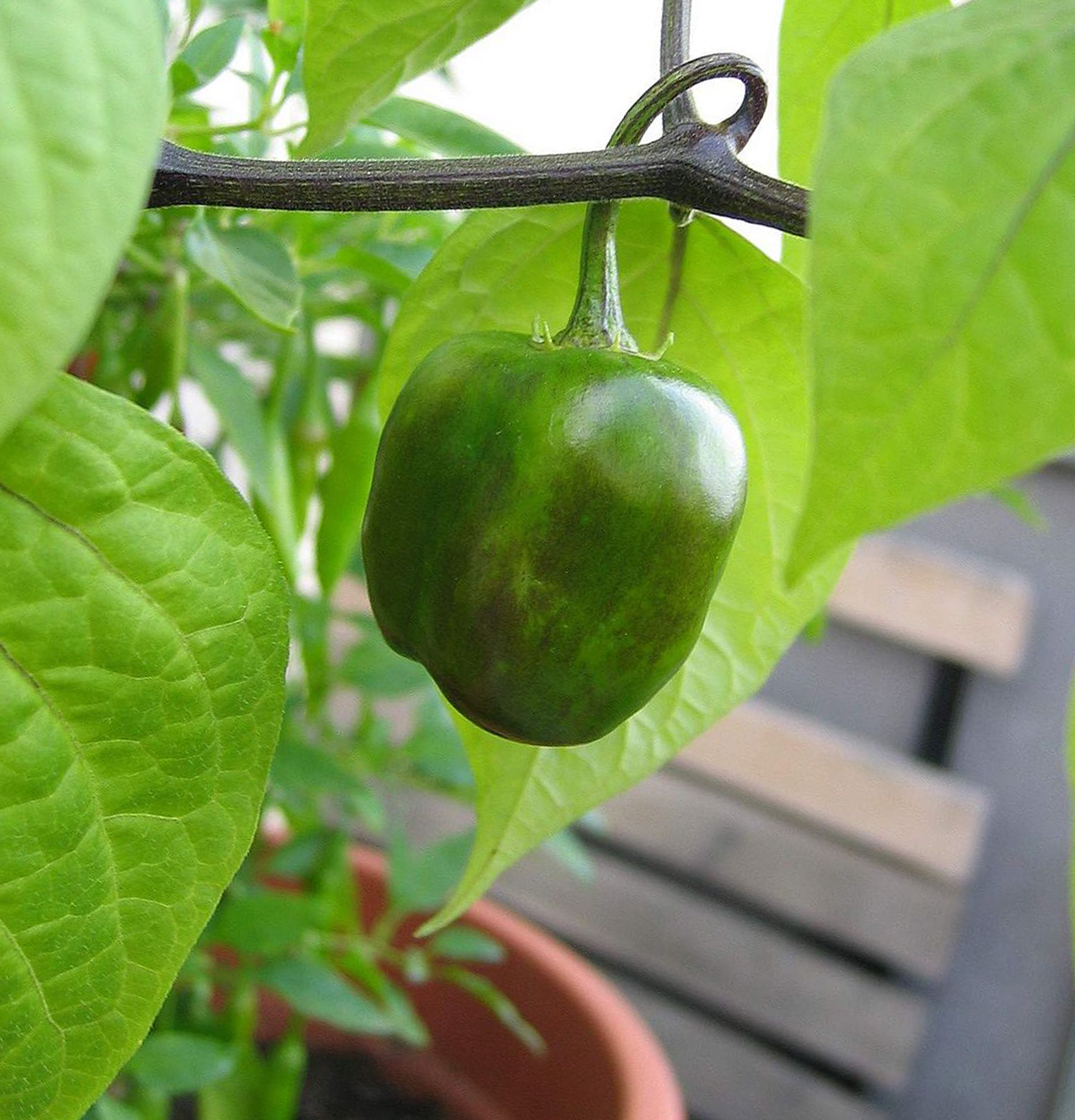 A very tall variety of capsicum, it reaches four meters in height in the open ground. The slightly pubescent stems have a tendency to become woody. On them are located ten-centimeter pubescent ovoid leaves. It blooms with purple double or single flowers. Short peppers with blunt ends turn yellow, orange, dark red, brown, and eventually black as they ripen. The fruits have a very spicy taste. They are useful when eaten raw.
Capsicum care in the home
Capsicum, like all Solanaceae crops, is hardy and not demanding on growing conditions. To create comfortable growing conditions for this exotic tropical plant, it is necessary to create living factors that are as close as possible to natural and to know the answers to the questions: how to care for indoor pepper? To do this, it is necessary to familiarize yourself with the following information.
Location and temperature regime
Bright, diffused light for twelve months is preferred by indoor ornamental pepper. Comfortable places for ornamental pepper in a pot will be windows facing west, southwest, or south. After all, for a light-loving crop, direct sunlight is essential for at least four hours a day and access to fresh air.
It is desirable to avoid drafts and precipitation.
Then the lush bush will develop well and bear fruit well.
Acceptable temperature indicators in the summer are 18-25°C, and in the cool season – 12-18°C.
Humidity and watering
High humidity of the surrounding space, up to 70%, will be comfortable for a tropical indoor plant. This result can be achieved by periodically spraying the bush with water. Maintaining humidity is also possible by placing the pot on a stand with wet expanded clay or pebbles. Self-watering pots are an effective regulator of air humidity. Then there will be no question: why does ornamental pepper shed its leaves? After all, high temperatures and dry air can affect the loss of leaf mass by this spectacular Solanaceae.
In the warm season, abundant watering of capsicum will only be beneficial.
It is important to avoid waterlogging in the pot to prevent root rot.
The water for watering should be not cold, settled, soft, and free of salt impurities. The dry upper layer of the soil mixture in the pot is a regulator of the frequency of watering. Do not allow the soil to dry out completely – this oversight will lead to the loss of flowers by the bush, and the peppers will lose their turgor. In winter, Christmas pepper is watered less often, but the soil should not dry out more than two centimeters.
Soil and its feeding
Sweet pepper does not have high requirements for the composition of the soil mixture. It should be loose, light, and nutritious. You can buy a universal mixture in a flower shop. A high-quality mixture of individual preparation can be obtained by taking one part of sod, leaf soil, and peat, and half the amount of coarse sand.
In order for capsicum to actively bloom and bear fruit abundantly throughout the year, it must be fed in the warm season every fifteen days. For this procedure, it is necessary to take liquid complex mineral fertilizers intended for flowering crops.
Transplanting
Annual spring transplanting of Mexican pepper by repotting into a new pot is simply necessary, although this is a very stressful situation for it.
A good drainage layer is essential.
Ornamental pepper propagation
The indoor pet is propagated by seeds and cuttings.
At the end of winter or early spring, the seeds are sown shallowly in soil, pre-treated for an hour in a weak solution of potassium permanganate. Pots with sown seeds should be placed in a well-lit place and create conditions for a mini-greenhouse with regular ventilation and a temperature of at least 25°C. Humidity should be high. After a month, young shoots will appear. Then comes the process of picking and planting in a permanent place with regular pinching of the tops.
It is very easy to propagate Mexican pepper with apical cuttings. The prepared material is placed in a soil mixture. Comfortable conditions with a temperature of about 25°C will be pleasant for rooting and further good growth.
Ornamental pepper diseases and pests
Violation of growing conditions leads to the appearance of unwanted spider mites or mealybugs. When unwanted guests are detected, insecticides such as Aktellik, Aktara, or Fitoverm should be used.
Difficulties that arise during cultivation
- Capsicum grows very slowly and the leaves are very small – the plant needs feeding and better lighting.
- Indoor pepper flowers fall off, the peppers wrinkle, and they become sluggish – the indoor plant should be watered regularly and the humidity in the room should be increased.
By following all the care steps for the exotic plant, you can achieve good results. And this wonderful picturesque bush with beautiful bright peppers will be a wonderful decoration for any interior.
Write comments
Comments