



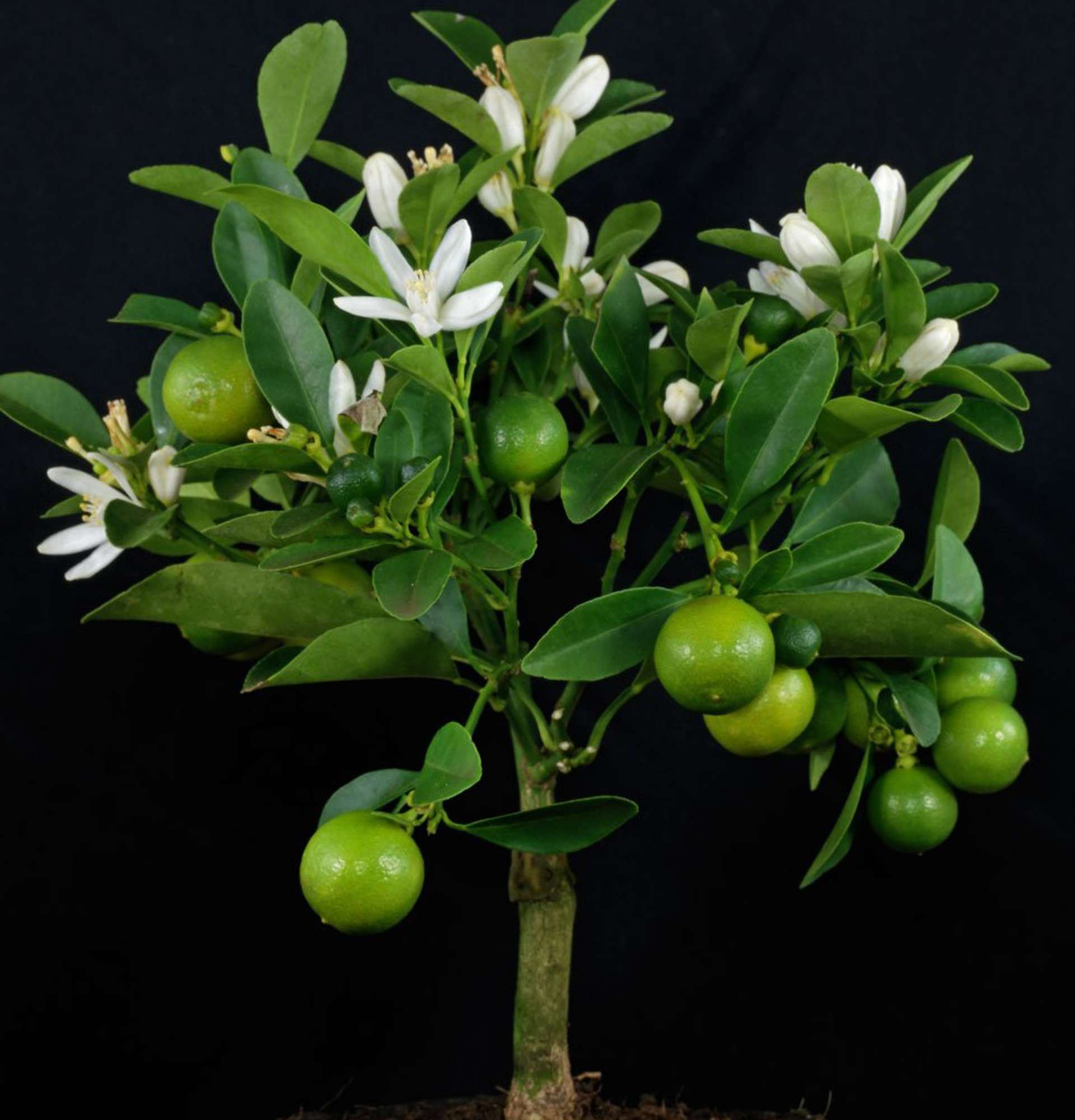
Latin name: (Calamondin)
Category: hybrid citrus tree
Origin: Southeast Asia
Calamondin tree – the ideal dwarf orange
Calamondin, also known as citrofortunella, belongs to the Rutaceae family. This unique marvel appeared as a result of successful breeding, where mandarin and kumquat (also known as fortunella) were crossed. The result was not long in coming – a magnificent domestic indoor plant, the calamondin citrofortunella, with excellent yields, which was very much appreciated by amateur gardeners. This exotic plant looks great and is a decoration for the interior of an apartment, office, or greenhouse. It can also be found under the names golden orange or indoor mandarin.
This wonderful citrus tree not only decorates the interior but can also affect the emotional state of the home. Omens and superstitions have already spread to this wonderful indoor citrus.
Many believe that the well-being of the family will improve if the decorative citrus indoor plant is placed in the northeast corner of the apartment. To strengthen marital feelings and attract a cloudless and long family life, it is desirable to place the calamondin citrus in the bedroom. Before an important meeting or business event, to ensure its successful completion, it is necessary to rub a leaf of citrofortunella between your fingers. Believing in omens and superstitions is a matter of individual choice. The main thing is that the citrus tree pleases and brings joy.
The calamondin tree considers Southeast Asia to be its native land. Natural conditions allow the plant to reach a height of up to seven meters.
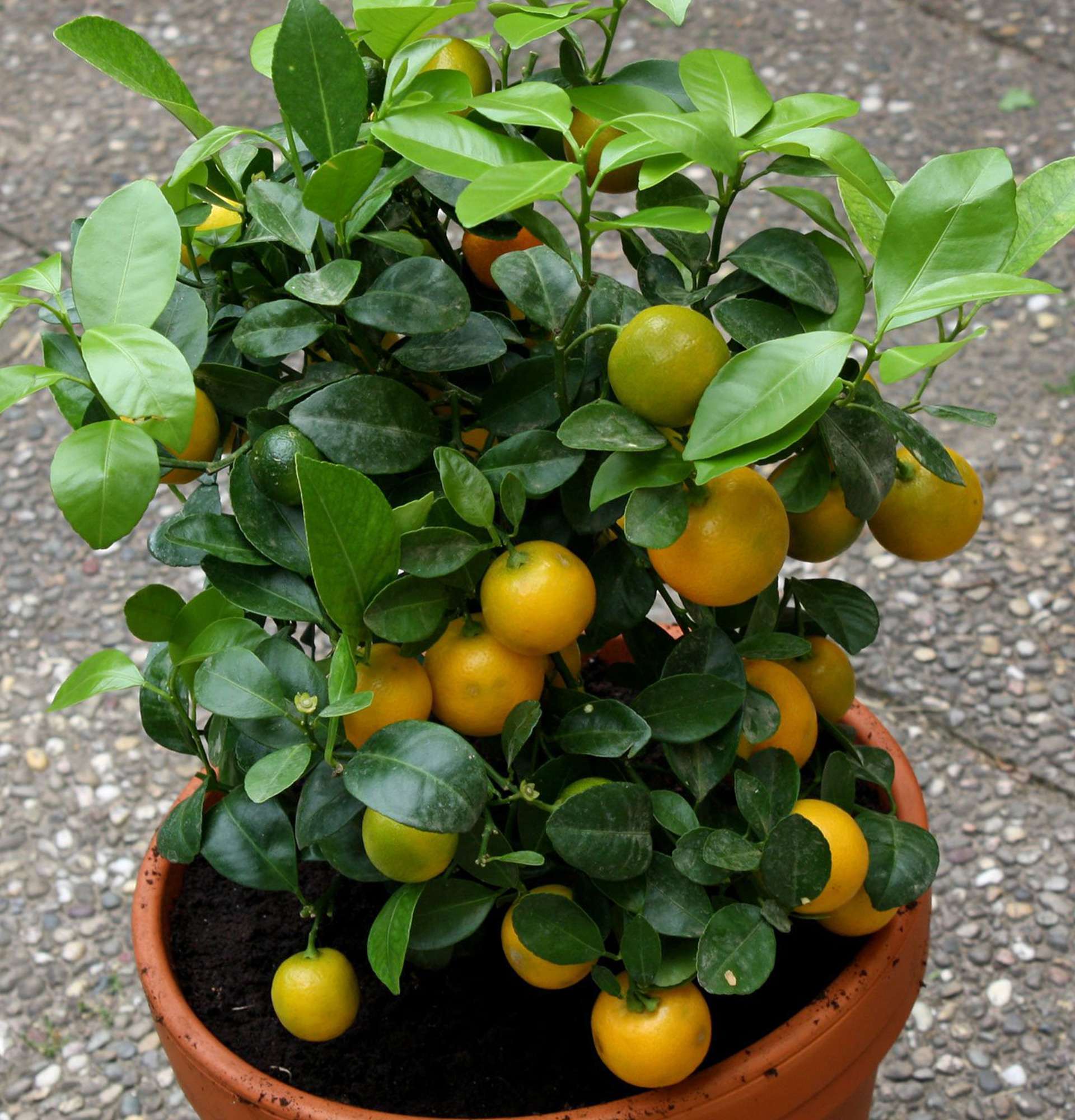
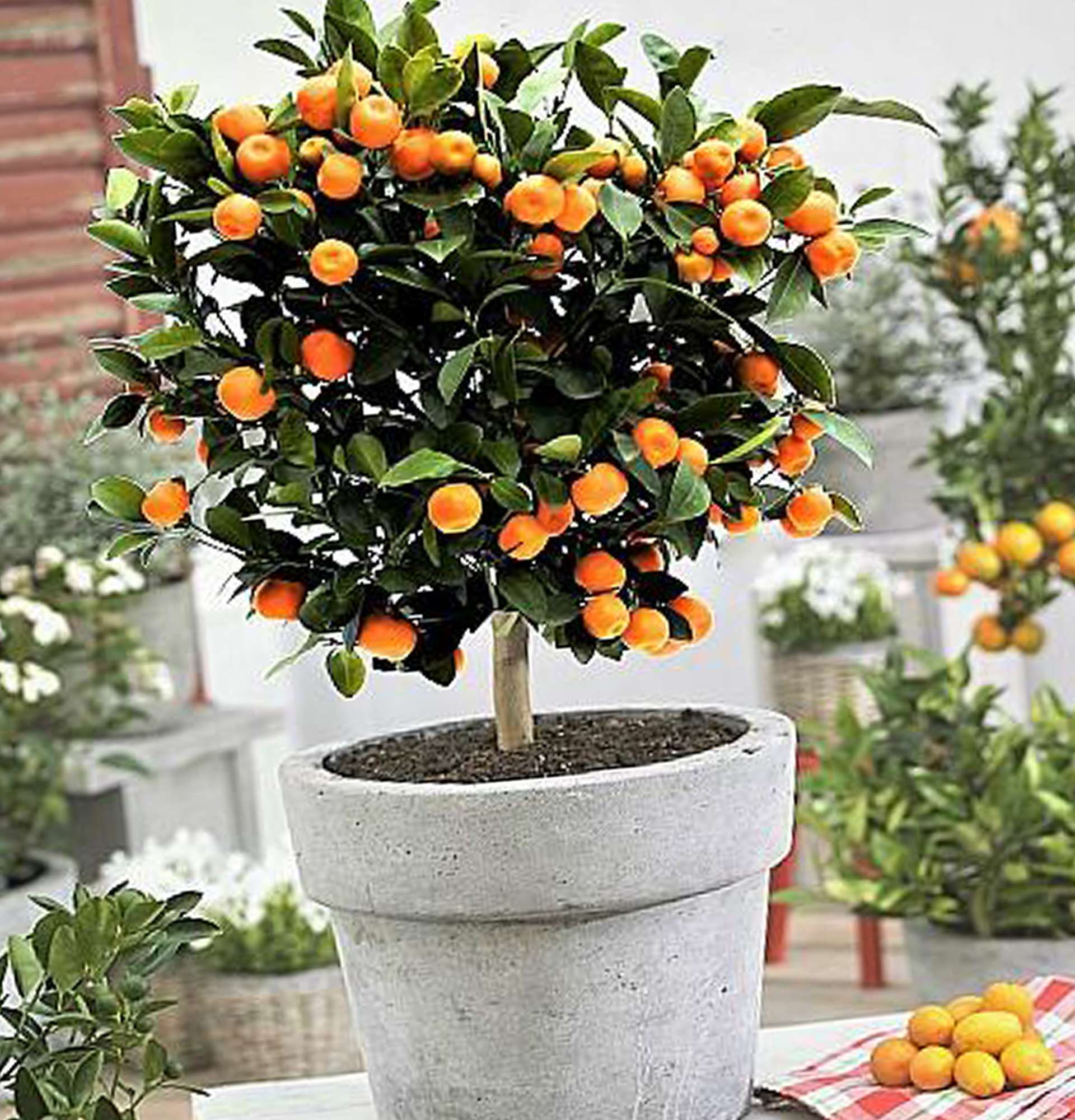
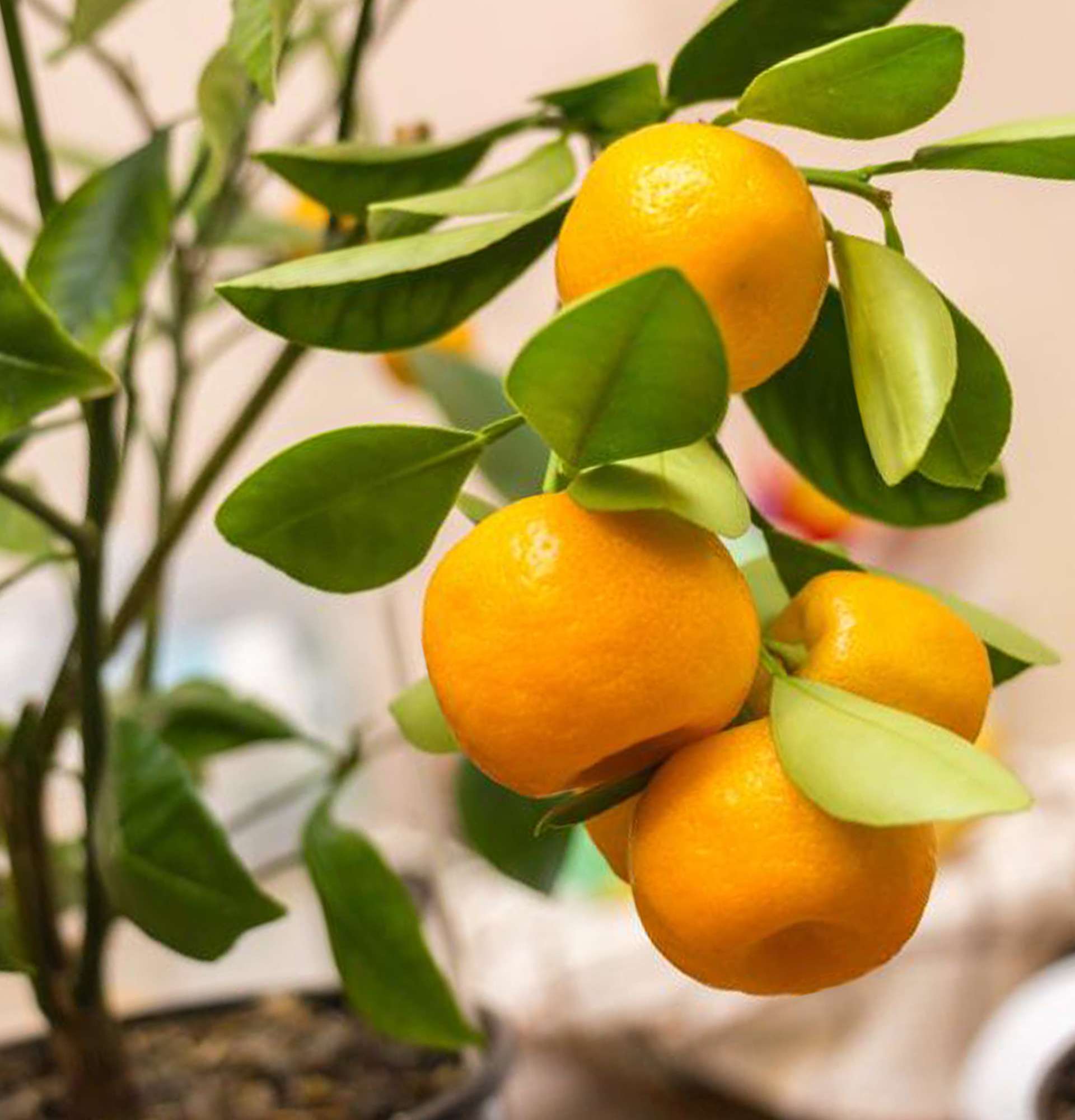
In a home environment, the citrus tree forms a wonderful decorative bush, reaching a height of just over one meter. It not only has a unique, beautiful, and bright appearance but also has a pleasant citrus aroma, abundant year-round fruiting, and is relatively easy to grow, which will be interesting for beginners in this process.
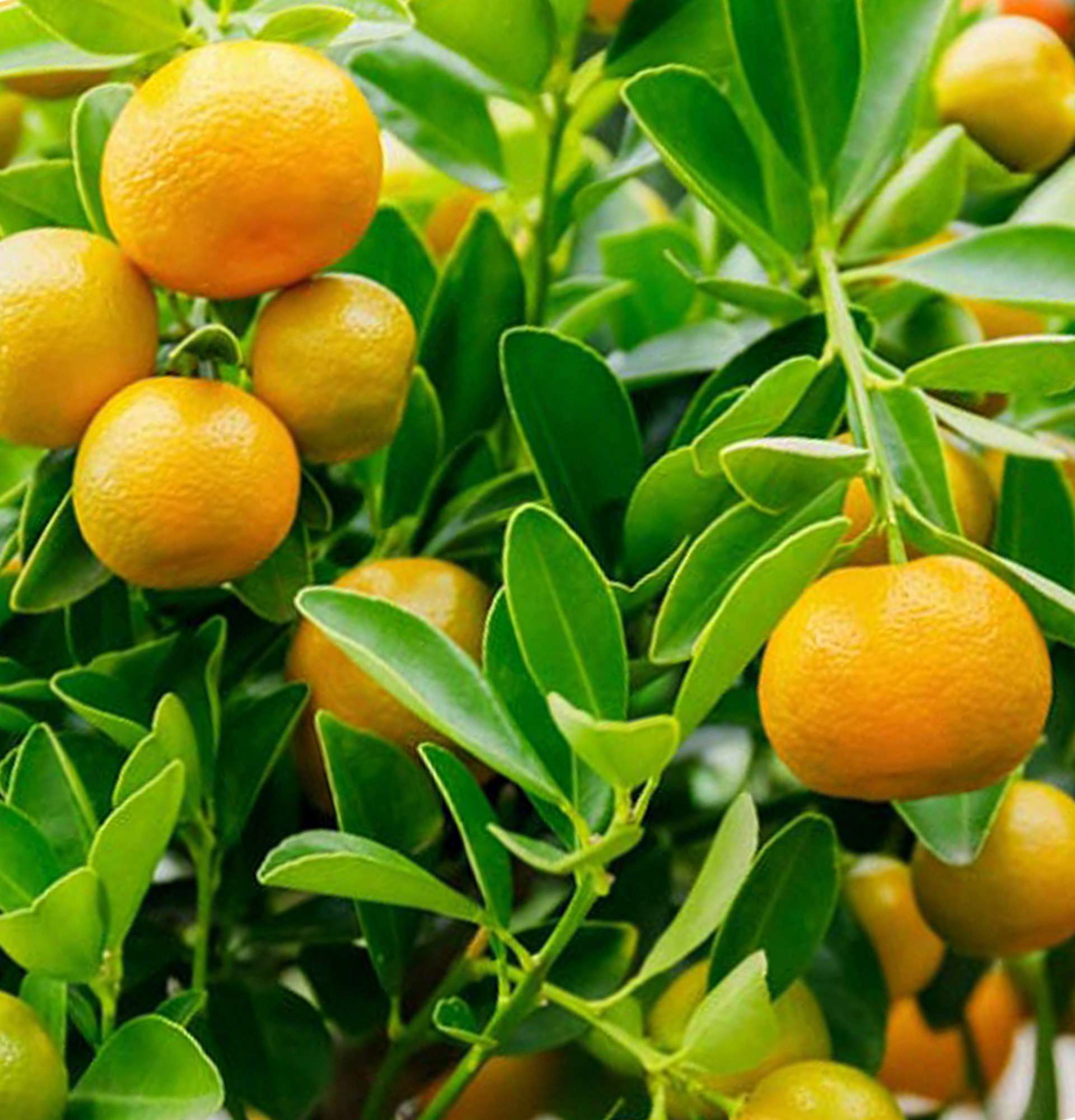
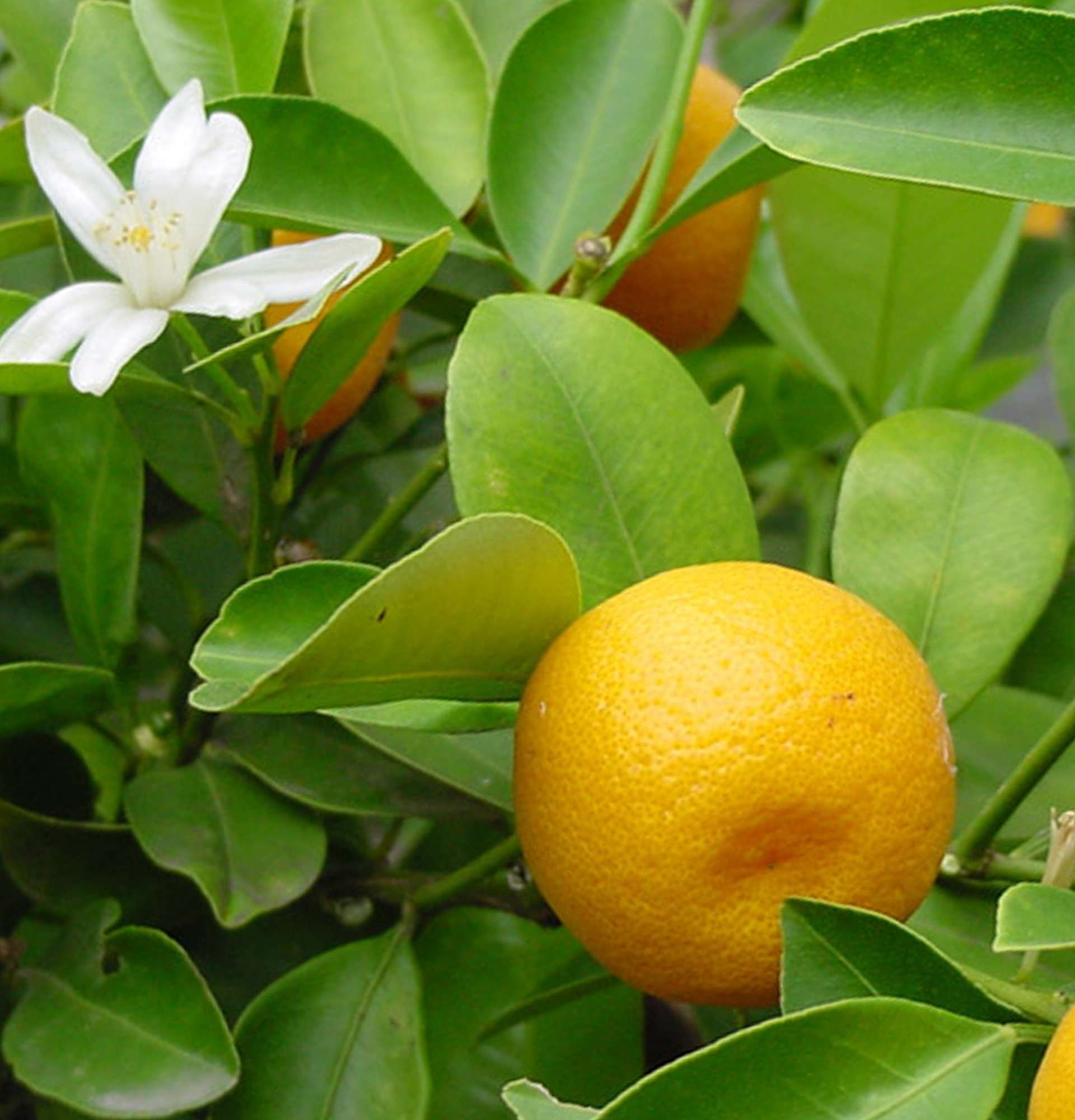
The calamondin citrus is a light-loving and heat-loving, unpretentious indoor plant with glossy, dark green, dense, oval leaves located on thornless branches. With the onset of spring warmth, small white flowers with a star-shaped configuration and a very pleasant aroma appear on the citrus tree. The flowers can be solitary or gathered in clusters of four.
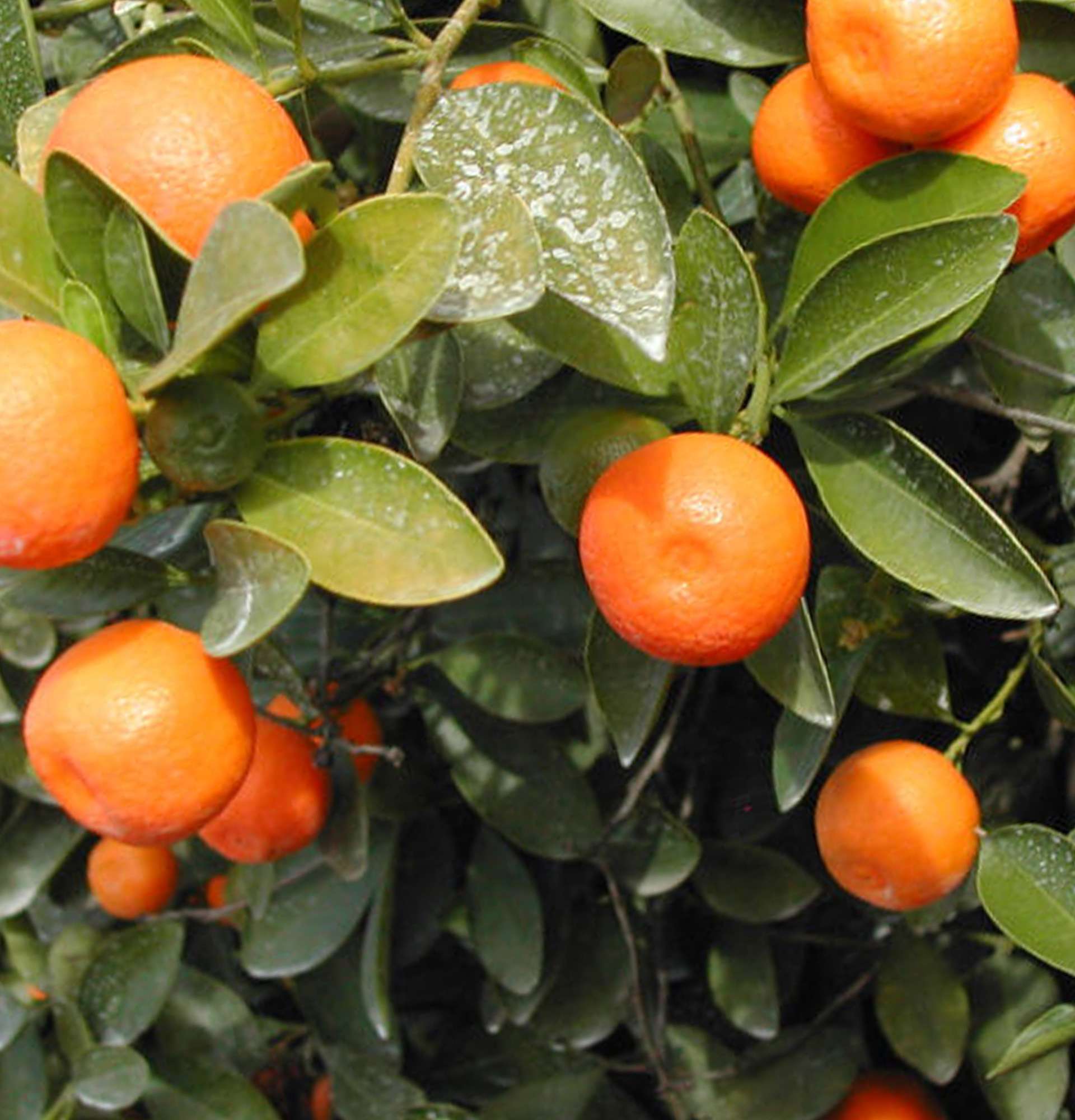
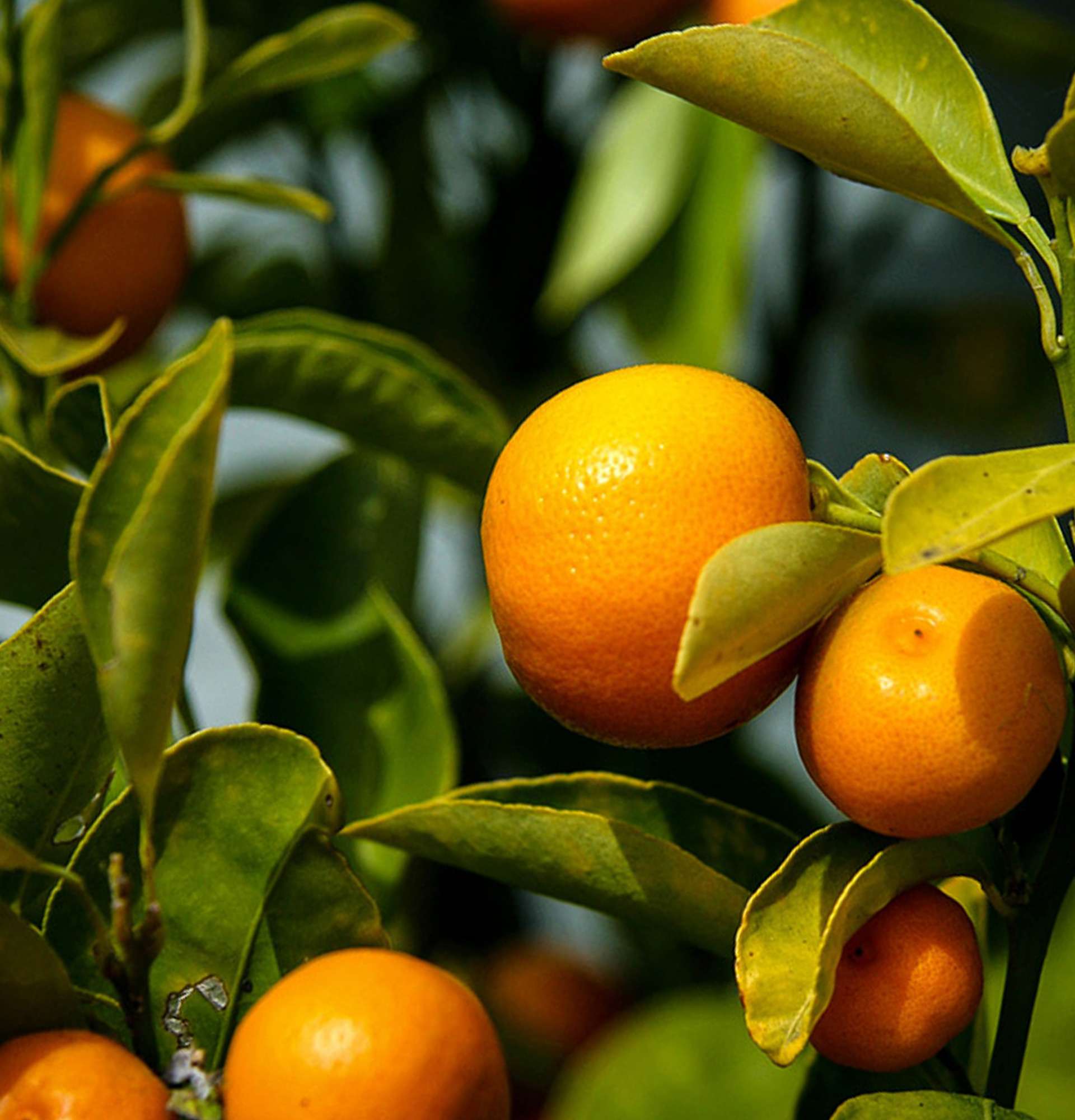
The process of artificial pollination for calamondin using a soft brush is essential. Then, the abundant flowering of the mandarin tree gradually turns into the ripening of small, round fruits, no larger than a walnut, weighing up to twenty grams. Ripening occurs with a gradual change in the color of the fruit from dark green shades to bright yellow-orange or yellow. And if the question arises: can you eat calamondin fruit? The answer will be positive.
The fruits are edible, but not everyone likes the taste.
They have a slightly sour-bitter taste and a large number of small seeds, but the peel is thin, sweet, and very fragrant. In order for citrus indoor plants to delight you with delicious fruits, they must be properly cared for and provided with appropriate climatic conditions, close to natural ones, namely, there must be enough warmth, light, and humidity.
The hybrid plant citrofortunella microcarpa cannot boast of a wide variety of varieties. Let's consider some interesting varieties bred by breeders.
Varieties of calamondin
Citrofortunella Lemon
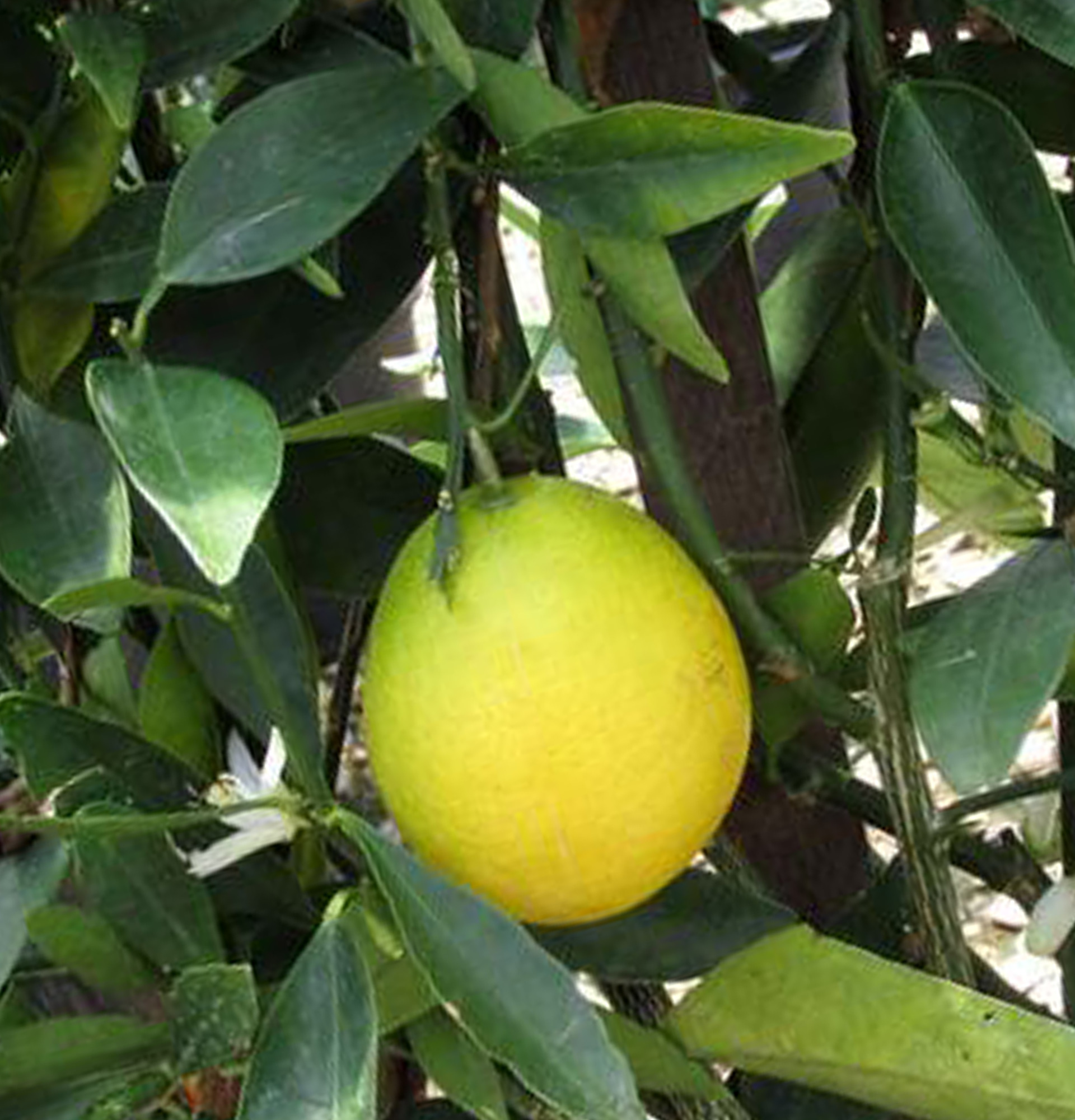 This evergreen, decorative, fruit-bearing citrus plant can reach a height of one and a half meters in indoor conditions. The compact tree has glossy, leathery, dark green leaves. The citrus is prone to high humidity and should be sprayed daily. In the warm season, the lemon citrofortunella should be fed.
Calamondin Variegata
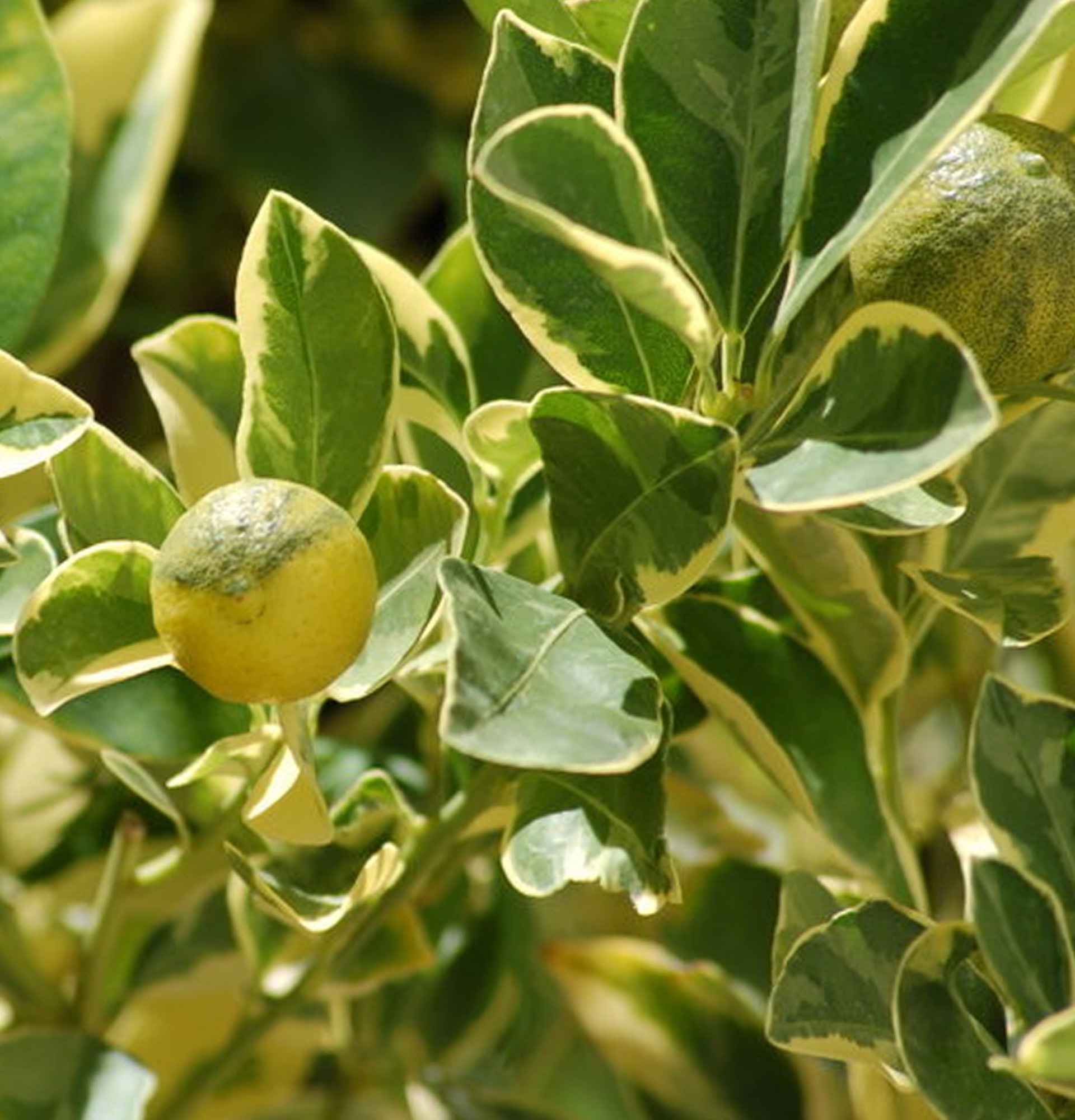 This variety has extremely decorative leaf plates. The unripe fruits look very original. They resemble striped watermelons. During ripening, the fruits gradually change their color and become fiery yellow-orange.
Drafts are very harmful to the citrus tree.
Citrofortunella Japonica
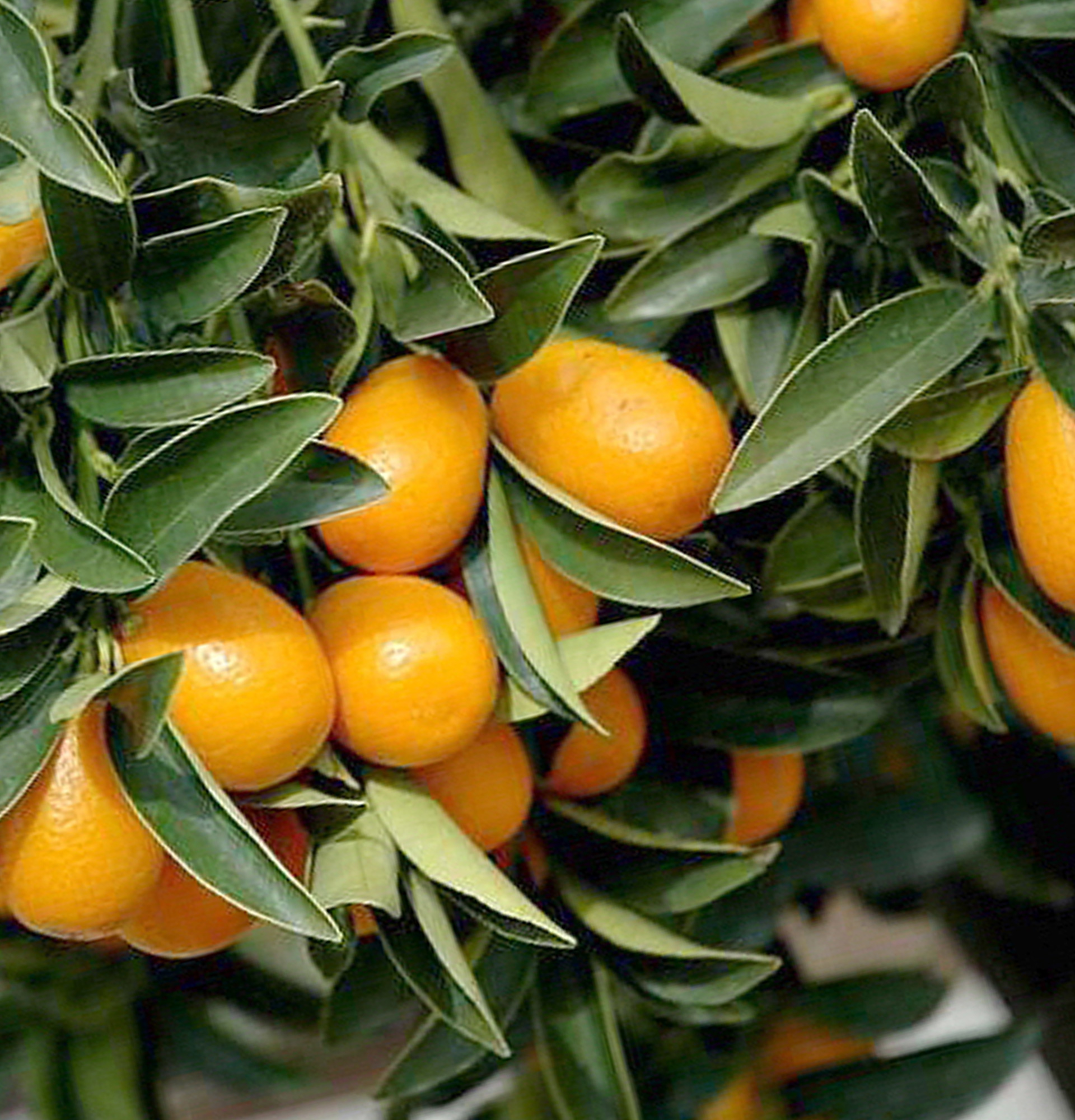 This variety of calamondin is native to China. It is loved and known there as the golden orange, and the Japanese call this exotic plant the golden apple. This amazing and very popular variety of citrus was brought to Europe in the middle of the nineteenth century by the English botanist, traveler, and collector Robert Fortune.
In indoor floriculture, the citrus tree Kumquat can reach a height of one and a half meters. This exotic marvel has a dense, branched crown with shiny, small, dark green leaves. The stems are usually thornless. In the summer, the indoor citrus delights with fragrant flowering, and then with wonderful edible fruits. But for this, the light-loving indoor plant must be provided with comfortable conditions.
Citrofortunella floridana
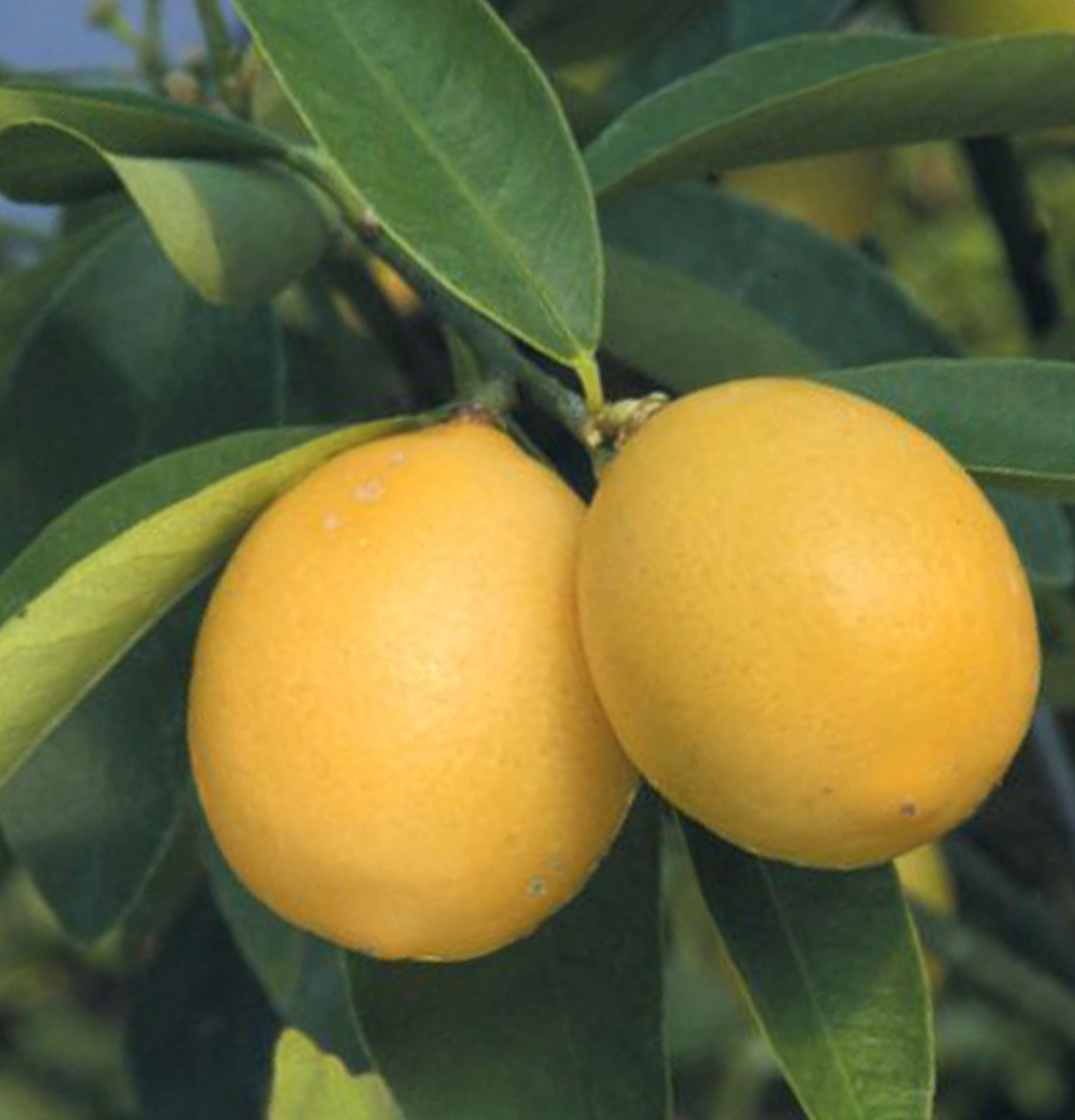 This variety has the appearance of a woody, perennial, evergreen citrus plant. This wonderful culture was obtained by crossing Fortunella and lime. The fruits that grow on this tree can be eaten without waste. They are small, oval, yellow-green in color. The peel has a slightly sweet taste. The pulp is sour with many seeds.
Citrofortunella care in the home
To successfully grow a light-loving citrus indoor plant with regular flowering and abundant fruiting, it is necessary to have knowledge and correctly apply these simple conditions and rules of care. Let's consider the care of citrus in stages.
Choosing a location and temperature regime
The eastern or southeastern areas in the house are considered the most suitable for the growth of citrofortunella. After all, calamondin citrus loves a lot of bright, diffused light without prolonged exposure to direct sunlight.
Sunburn can not only damage the leaf plates but also harm the entire citrus tree.
To obtain an ideal, even crown, the bush is periodically turned towards the light source, but not too often. The pot should not be turned more than 15° within seven days.
A flowering indoor citrus should not be turned.
For comfortable growth, the heat-loving calamondin needs to maintain a temperature of 20°C. If you also want to have delicious fruits on your indoor plant, the care of the calamondin citrus in the home should be aimed at this goal, and in the winter off-season, do not spoil it with warmth, but maintain a temperature of 12-15°C.
Air humidity and watering
Citrofortunella is very demanding on air humidity, which should be at least 70%. This can be achieved by performing simple manipulations. Regularly spray the citrus tree with a spray bottle with warm, settled water, at least three times a day. If you neglect this process, you may be left without the desired fruits. You can place a container of water next to the pot or use moistened expanded clay or pebbles in the tray, where you place the pot with the citrus. You can purchase a self-watering pot.
During the active growth period, the calamondin citrofortunella needs abundant watering. But overwatering can lead to disruption of the root system – its decay. Ideally, the substrate should be slightly dry three to five centimeters before watering. If it dries out too much, the leaves of the citrus tree may turn yellow and fall off.
The water that has collected in the tray must be drained.
In winter, the frequency of watering is reduced. Water with warm, settled, soft, boiled water.
Soil and its feeding
The citrus tree needs nutritious and water-permeable soil with a neutral acidity. The ideal and simplest option is to purchase a special substrate in a flower shop, which is intended for citrus, fruit, or container plants. An individual soil mixture can be prepared from leaf, sod soil, coarse sand in a ratio of (3:1:1), with the addition of biohumus or compost.
Calamondin needs to be fed during the active vegetation period, with the onset of spring. Regular feeding with complex fertilizers intended for citrus or flowering plants, once every seven days, will be very beneficial for the calamondin tree.
The citrus will also not refuse feeding, which includes ammonium nitrate (0.5%) and potassium chloride, two grams per liter of water. You can use special foliar dressings. They can be sprayed directly onto the leaves with a spray bottle. In the winter off-season, citrofortunella can be fed into the soil no more than once a month.
Calamondin transplanting
Experts recommend transplanting calamondin grown from seed or cuttings to a permanent location when the seedlings reach a height of twenty-five centimeters. How to transplant calamondin depends on its age. Annual spring transplanting is beneficial for young citrus. A citrus tree that has reached three years of age can be pampered with a transplant with an interval of one year. It is desirable to use the method of transshipment. For a large indoor citrus, it will be a pleasant process to replace the top layer of the soil mixture.
During transplantation, it is necessary to take into account the following factors. The pot should be purchased five or eight centimeters larger than the previous one.
A good layer of drainage is essential.
During transplantation, it is necessary to control the location of the root neck in the new pot. It should be located in the same position as in the old pot.
Citrofortunella propagation
Calamondin citrus can be propagated by cuttings, seeds, and grafting.
Calamondin from seed has proven to be the easiest method of propagation, but the process of waiting for delicious fruits may be long.
The main thing is to take planting material from high-quality, ripe fruit.
The seeds are planted to a depth of one centimeter in a loose, fertile soil mixture. After abundant watering, conditions for a mini-greenhouse are created. A period of one and a half months is enough for the appearance of young shoots. When five young leaves grow on the seedlings, they can be planted in separate pots in a permanent location.
Apical cuttings with two or three buds are placed in the soil mixture to the lower leaf, after pre-treating the lower cut with a root stimulator. On top, a greenhouse is created using a plastic bag or a jar, which is regularly opened for 15-20 minutes for ventilation. A temperature of 25°C and greenhouse conditions will be suitable for rooting the seedlings within twenty days.
How to properly prune calamondin
Annual spring pruning, before the start of the growing season, is very beneficial for the citrus tree. During this process, a beautiful rounded or other shape of the bush is formed, if desired, and its sanitary condition is also improved. To do this, it is necessary to remove dry and damaged branches. A lush citrus tree will look beautiful if the tops of all branches are pinched, as well as asymmetrical and overly elongated shoots.
Pests and diseases
If you carefully follow the rules of cultivation, there will never be unexpected guests on the citrus tree. If, during the inspection of the plant, the presence of scale insects, spider mites, or mealybugs is found, it must be urgently saved. You can use a soap solution. If this procedure is not enough, insecticides must be used. You can use Aktellik, Decis, or Carbophos.
Difficult moments of cultivation
- The branches of the calamondin dry out and the leaves fall off – the watering regime is violated, there is not enough light. In winter, leaf fall is a permissible process.
- Why does the calamondin not bloom? The reasons may be poor lighting, lack of nutrients, insufficient watering, or a small pot.
- The calamondin citrus loses its green fruits – the substrate in the pot is dry, the plant needs to be fed.
By following the above recommendations for caring for the citrus tree, you can grow it strong and healthy, which will not only decorate the interior of the room but also delight with its beautiful fruits.
Write comments
Comments