



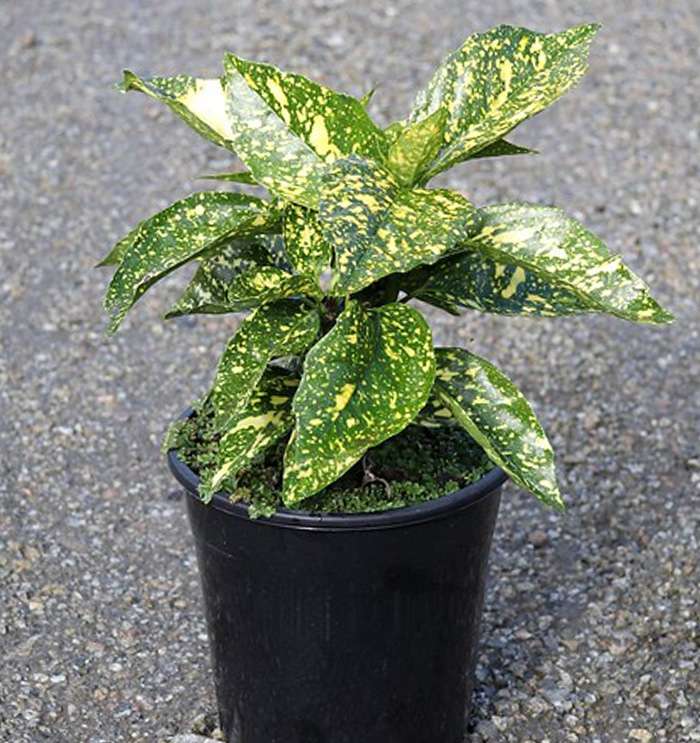
Latin name: (Aucuba)
Category: perennial evergreen shrubs and trees
Origin: Japan, East Asia
Aucuba, the golden tree – a mysterious guest from Japan
Aucuba is a small genus consisting of three to ten species of heat-loving, shade-tolerant plants, represented by low-growing, evergreen, ornamental trees and shrubs that decorate the Garryaceae family with their beauty. According to various classification systems, the aucuba genus was assigned to other families. For example, in the Cronquist taxonomic system, developed by the American botanist Arthur Cronquist, aucuba was found in the Cornaceae family, and in the Takhtajan classification system, the genus was separated into a separate Aucubaceae family.
The native habitat of aucuba is undoubtedly Japan. The favorable natural conditions of the subtropical forests of northern Indochina, the Korean Peninsula, and China allow these tree-like plants to easily overcome the two-meter barrier.
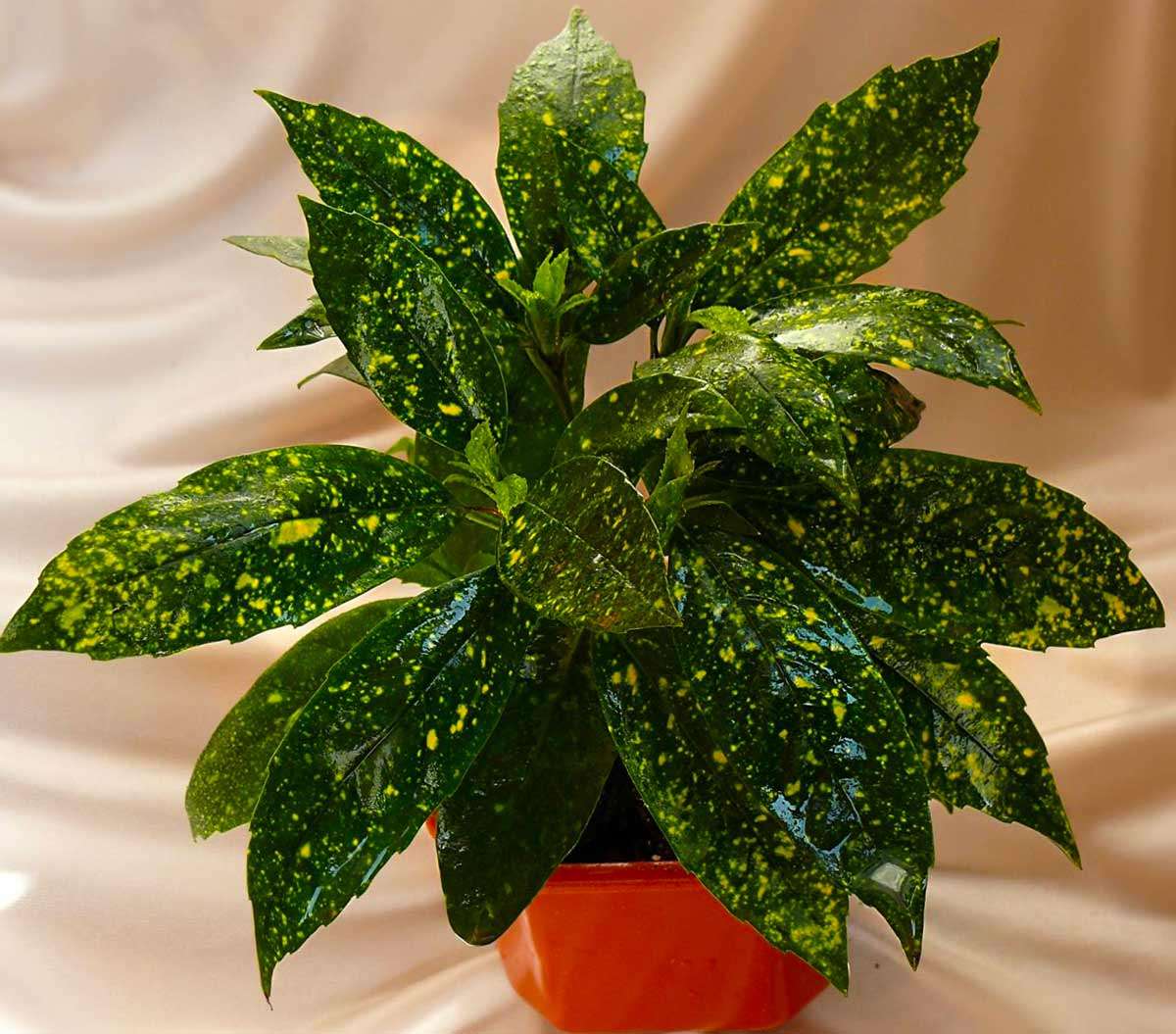
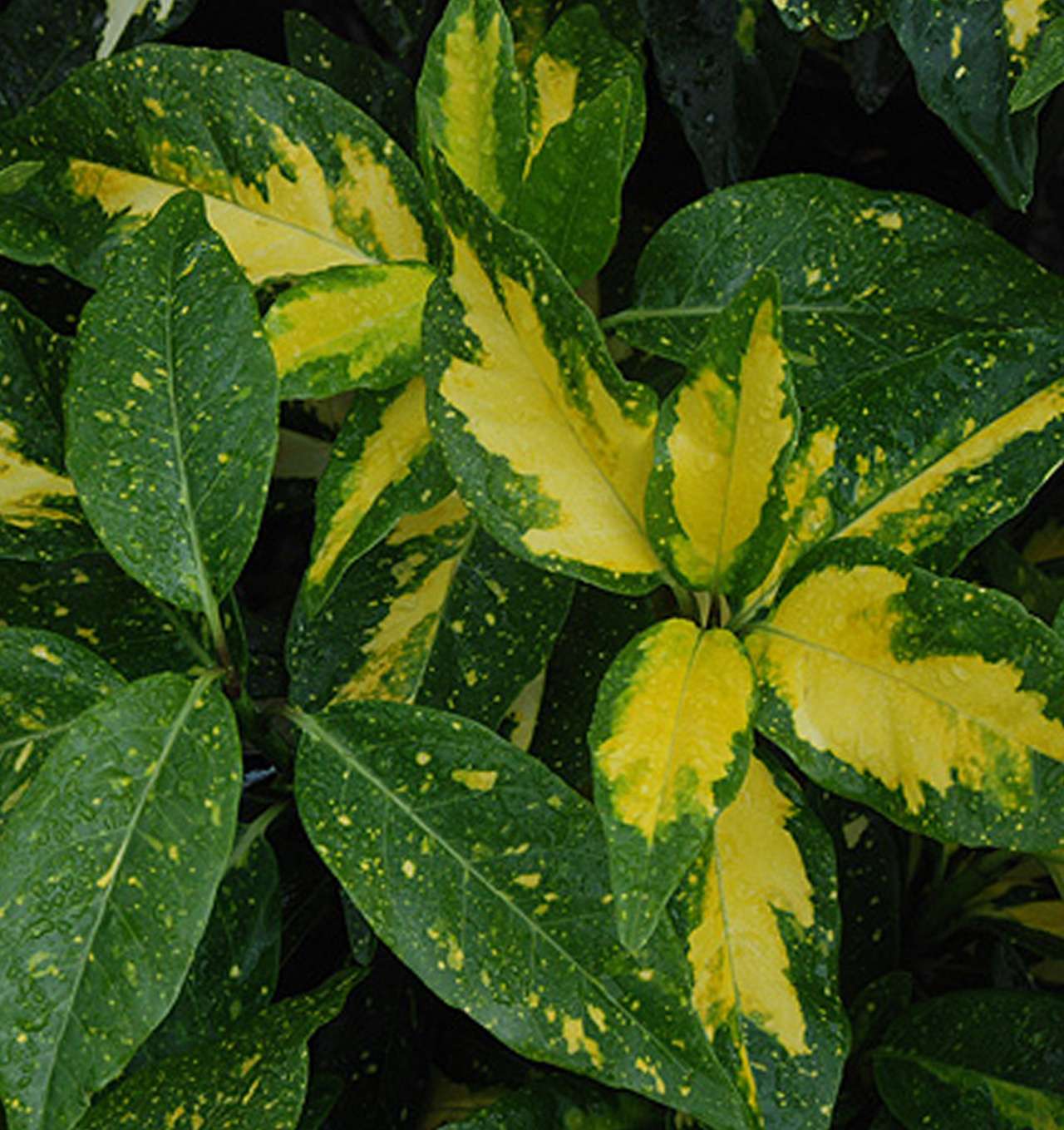
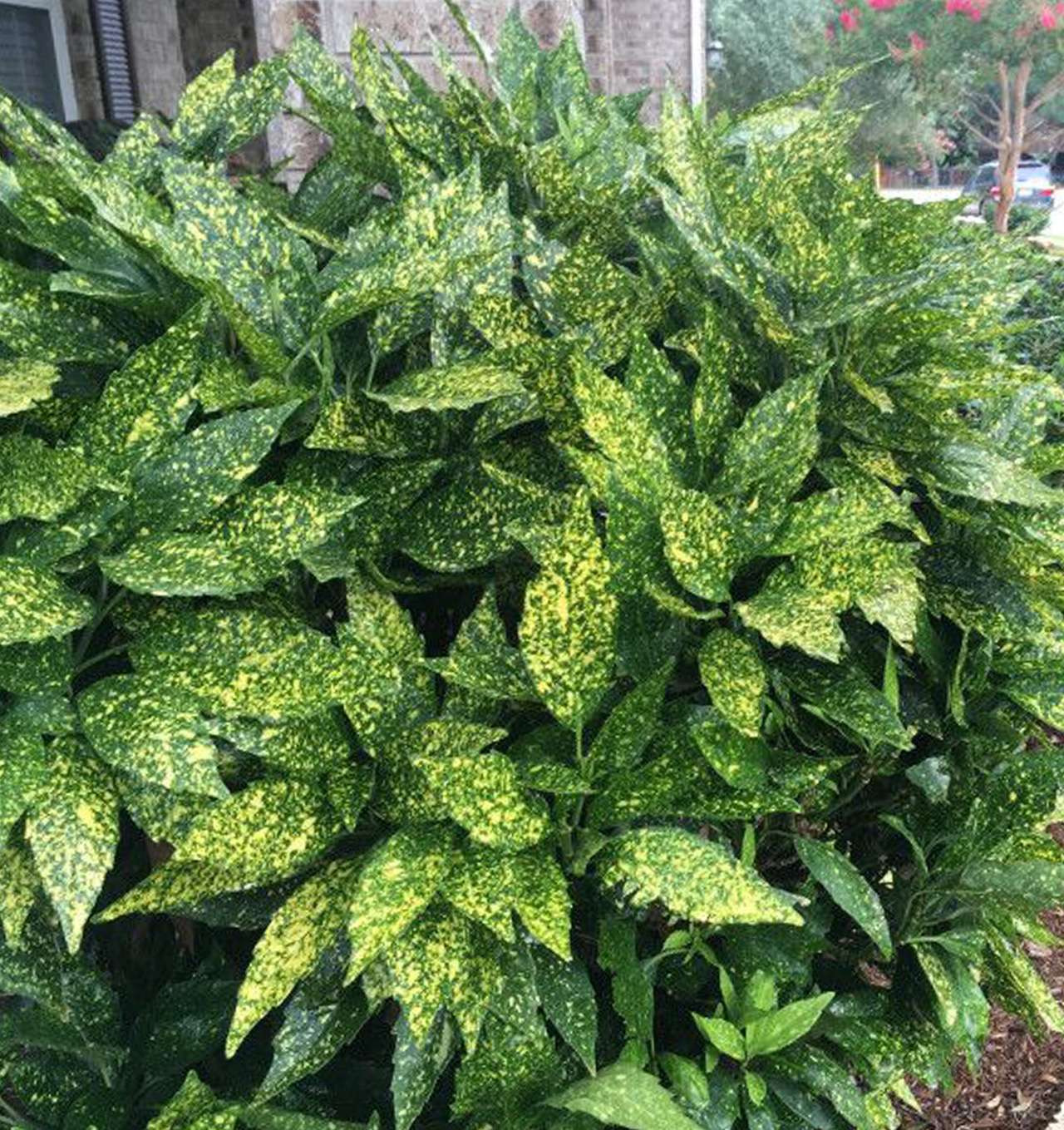
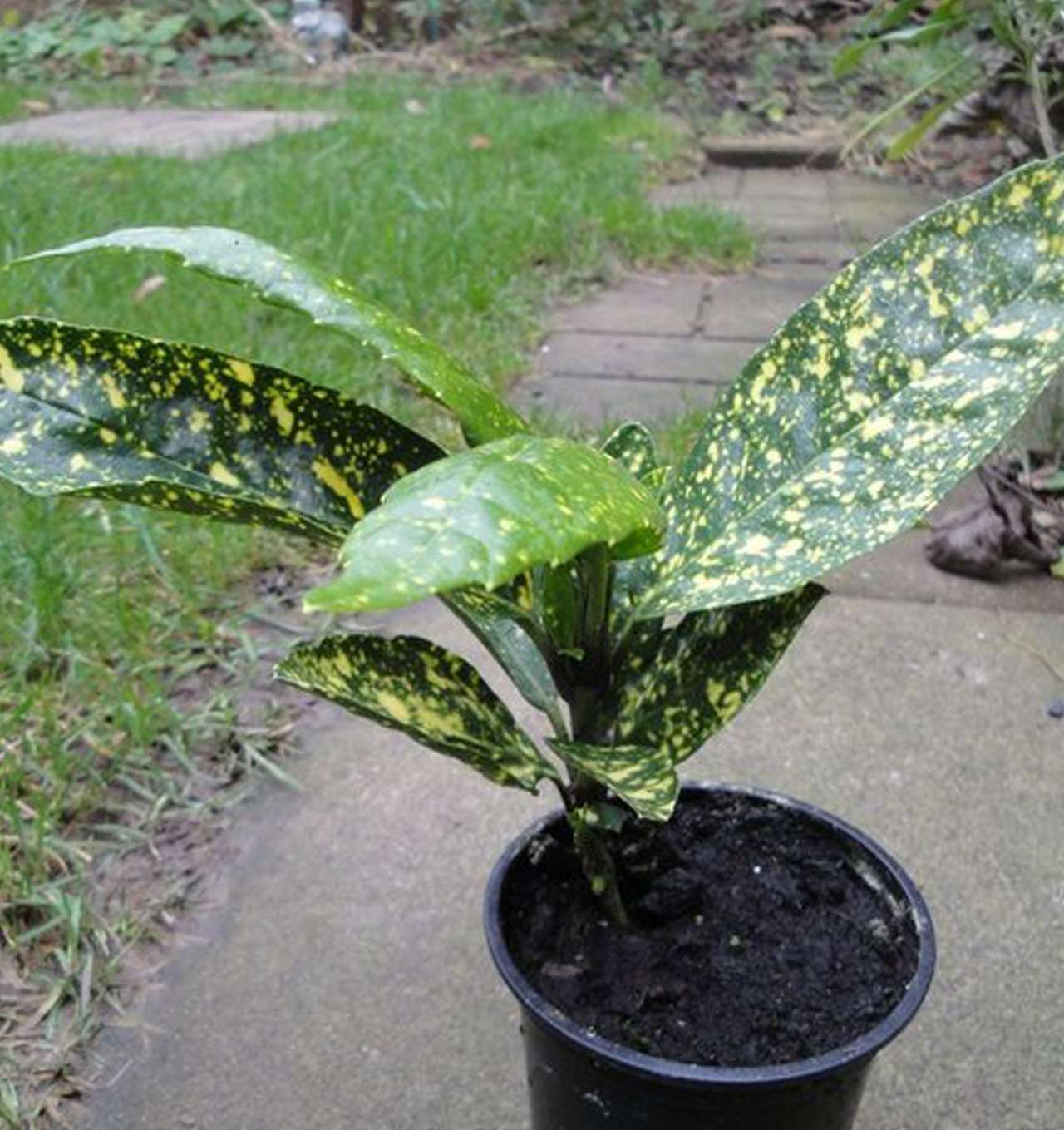
This evergreen shrub is a true gift of nature, with straight, branched stems adorned with leathery, serrated, smooth, oval or lanceolate leaves. Each variety has either a solid or variegated color. The leaves are the main attraction of aucuba, decorated with bright yellow spots that resemble gold nuggets. Hence the popular name – aucuba, the golden tree, or sausage tree, due to the similarity of the leaf plates to sausage slices. Europeans called aucuba the sausage tree because the Japanese used its branches to smoke meat products.
This tropical exotic blooms with small, not very attractive flowers, gathered in large bunches. After flowering, it pleases the eye with red or orange berries.
Therefore, it is not surprising that the prudent and thrifty Japanese have long hidden this amazing beauty. Only the local inhabitants of the country had the opportunity to admire the picturesque charm of these powerful evergreen shrubs, which decorated gardens and parks. This is where travelers could get acquainted with Japanese aucuba, which they wanted to have in their homes. But a ban was imposed on taking aucuba out of Japan, and Asians frightened those who wanted to have spotted indoor plants with strong magical properties. And yet, Japanese aucuba made its way to Europe. However, it had to be brought twice. After all, these fast-growing indoor plants are dioecious. The first time, a female specimen was brought, which needed to be pollinated, and it took decades to acquire male seedlings. This was facilitated by the botanist from England, Robert Fortune. The indoor plant with yellow-green leaves became the result of the enormous and painstaking work of breeders. The result was amazing. Many cultural, varietal varieties of indoor golden tree appeared.
Aucuba has many similarities with croton. Breeders have created aucuba-like croton, which resembles a golden tree. These flowers are fast-growing indoor plants, popular with amateur gardeners, and beautifully decorate the interior of any room; they can be kept at home, but precautions must be taken when handling them, as aucuba and croton are poisonous plants.
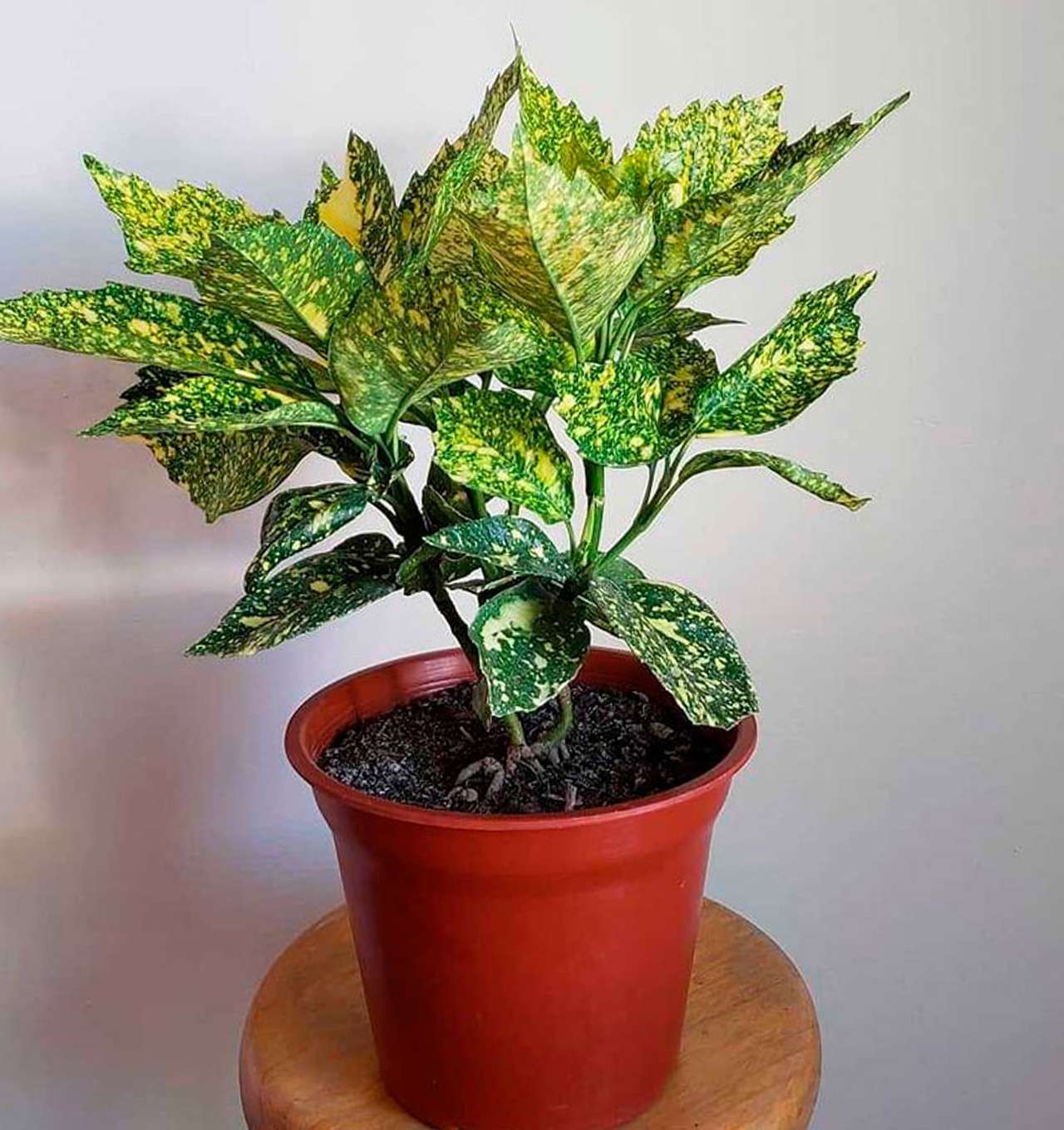
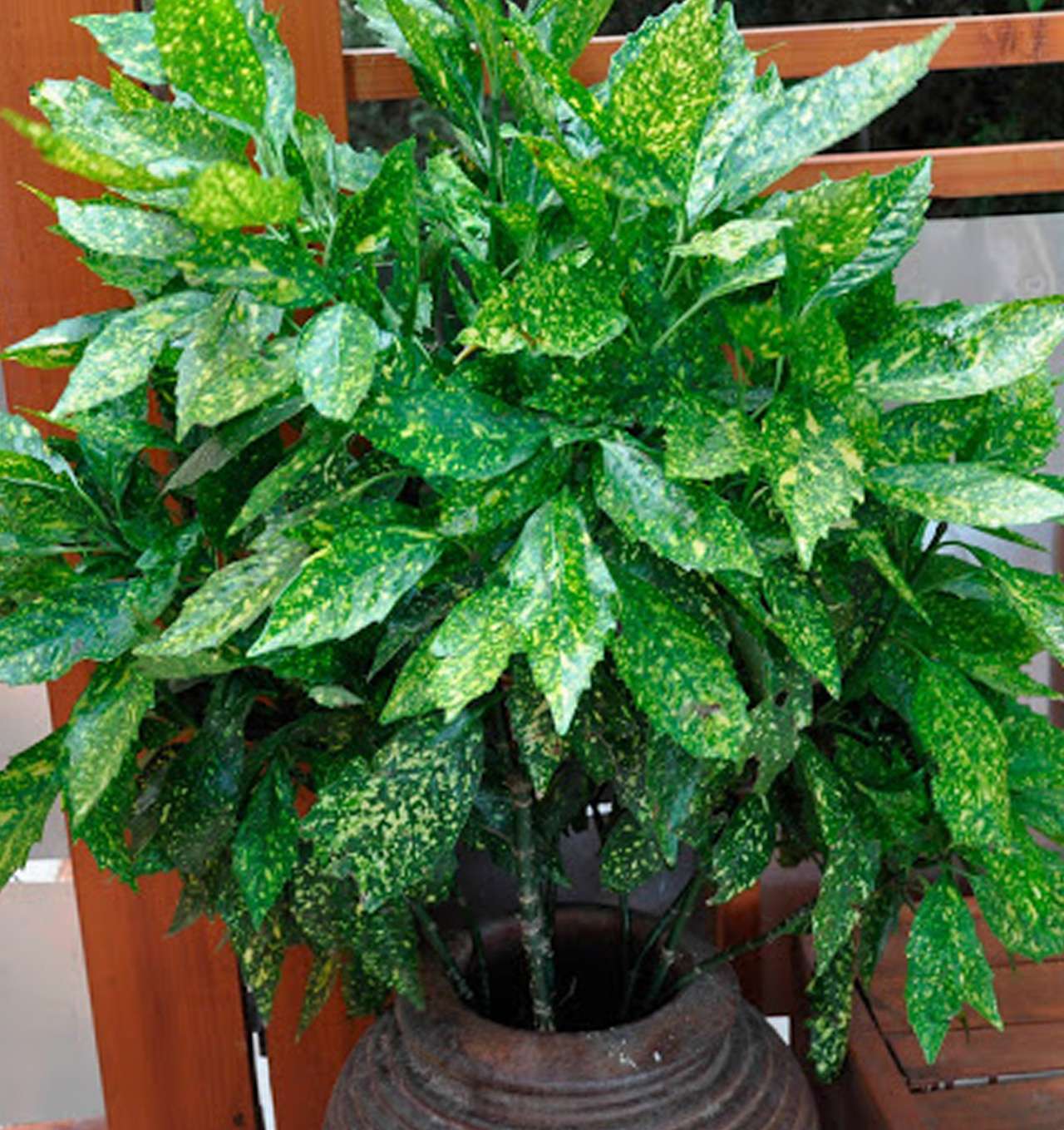
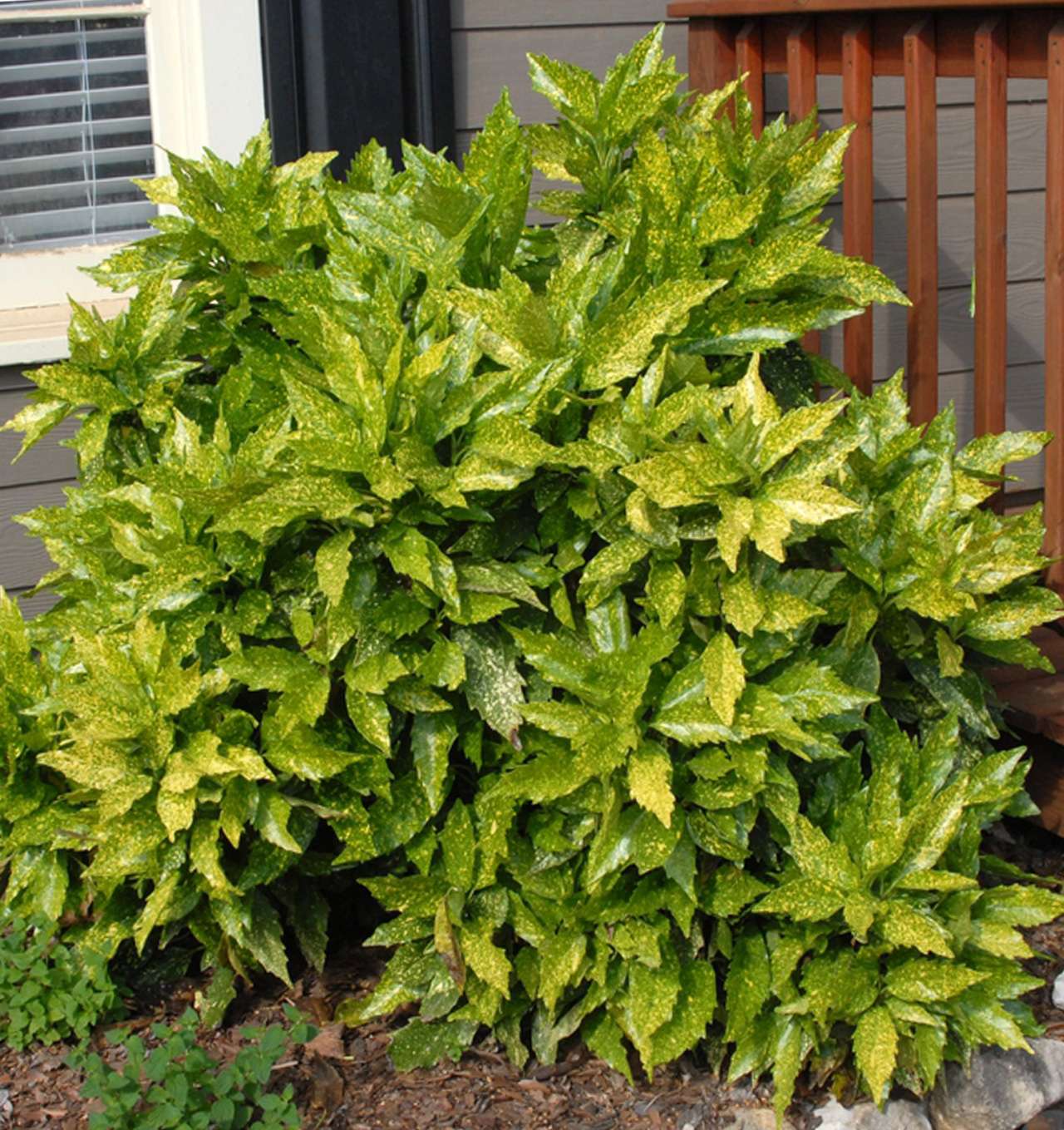
The sausage tree, a photo of which can be viewed to admire the beauty of this wonder.
Types and varieties of aucuba
Japanese aucuba (Aucuba japonica)
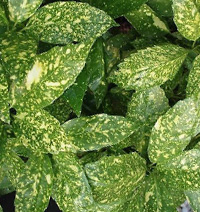 The Korean Peninsula, with its tropical terrain, is the homeland of Japanese aucuba. Here you can find both variegated specimens and evergreen shrubs with green leaves. This varietal species has many forms with different sizes of yellow spots and a variety of their arrangement on the leaves. Green stems are decorated with leaves that grow in opposite order, glossy, serrated at the edges, leathery, oval-elongated in shape, which lack petioles. They reach up to twenty centimeters in length and about six centimeters in width.
It blooms in spring with small, inconspicuous, purple flowers, gathered in spike-shaped inflorescences. The result of flowering is poisonous berries of red, white, or green color.
It looks very beautiful as a separate bush in a single specimen. Japanese variegated aucuba is also great for offices, halls, and ordinary city apartments. In spring, it is necessary to regularly prune the plant, which will allow you to create the desired shape of the bush, which will decorate any interior.
Even in the Victorian era, the British decorated parks and greenhouses with variegated Japanese aucuba.
Aucuba Gold Dust
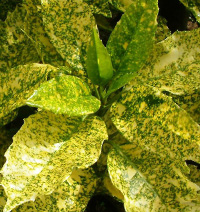 Breeders have done a great job and pleased with a popular variety with yellow leaves and small, speckled bright green spots. It looks great as a living fence. Bouquets made by florists with the addition of branches of aucuba Gold Dust are always in high demand.
Japanese aucuba Dentata (Aucuba japonica Dentata)
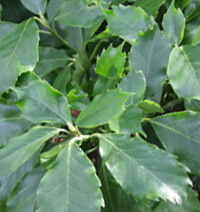 This variety has glossy, green leaves of an oval shape, with clear teeth along the edges.
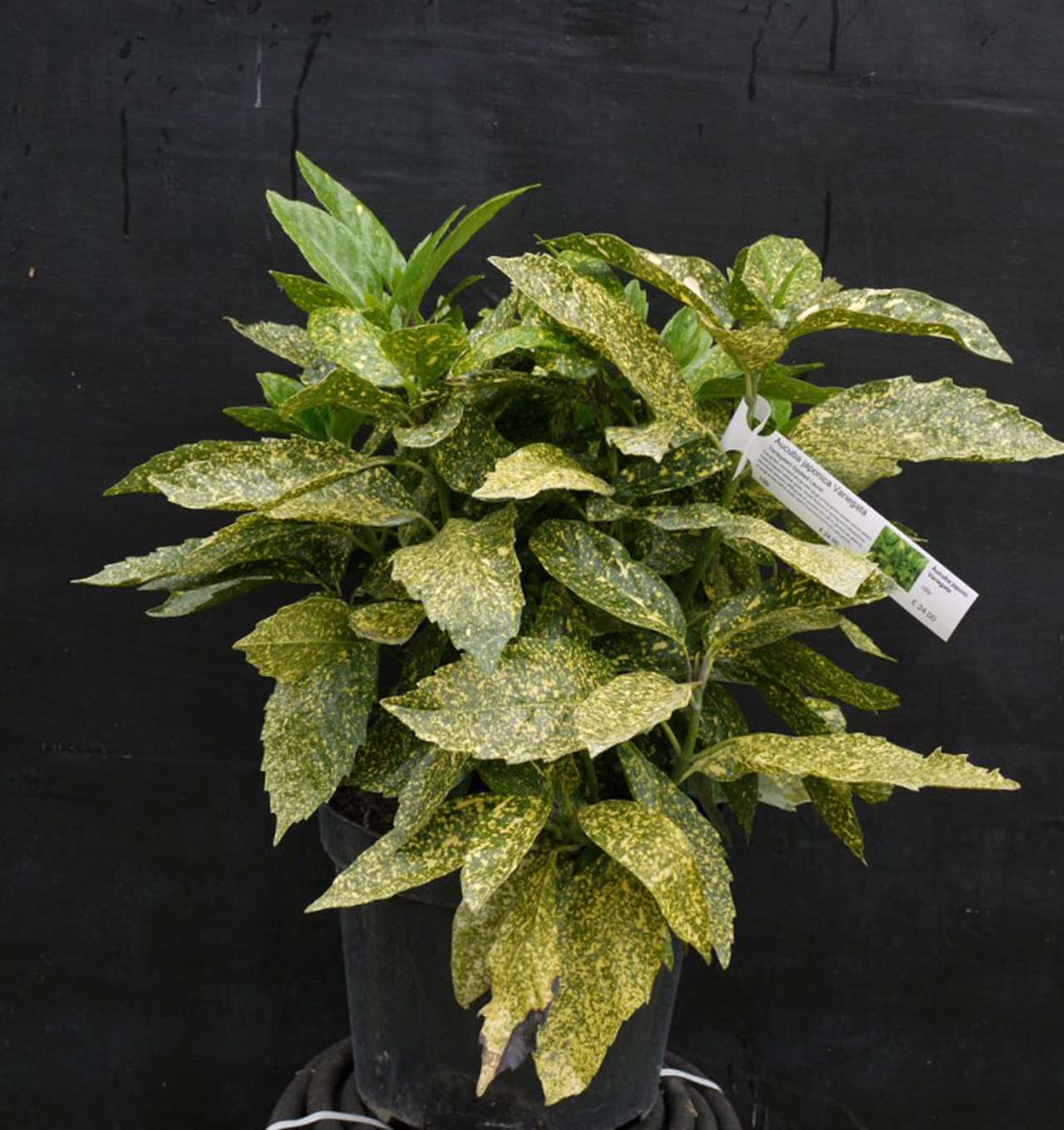
Japanese aucuba Variegata (Aucuba japonica Variegata)
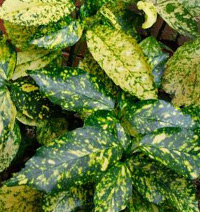 A very original varietal variety with large, bright green leaves. This wonderful juicy background is decorated with golden-yellow spots of various sizes.
Japanese aucuba Picturata (Aucuba japonica Picturata)
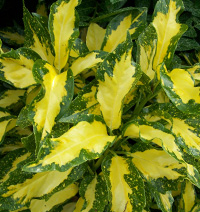 A unique variety with dark green leaves with a clearly defined bright yellow center. The rest of the leaf has small yellow spots.
Japanese aucuba Crotonifolia (Aucuba japonica Crotonifolia)
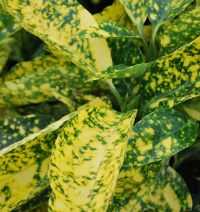 This specimen is represented by a tall, lush, evergreen shrub, the diameter of which can reach three meters. The glossy leaves reach twenty centimeters in length. They are decorated with yellow spots of various shapes, which create simple patterns on the leaves. Crotonifolia aucuba is a dioecious plant, and to bloom and obtain red, elongated fruits, it is necessary to have two types of shrubs, both male and female.
Japanese aucuba Hillieri (Aucuba japonica Hillieri)
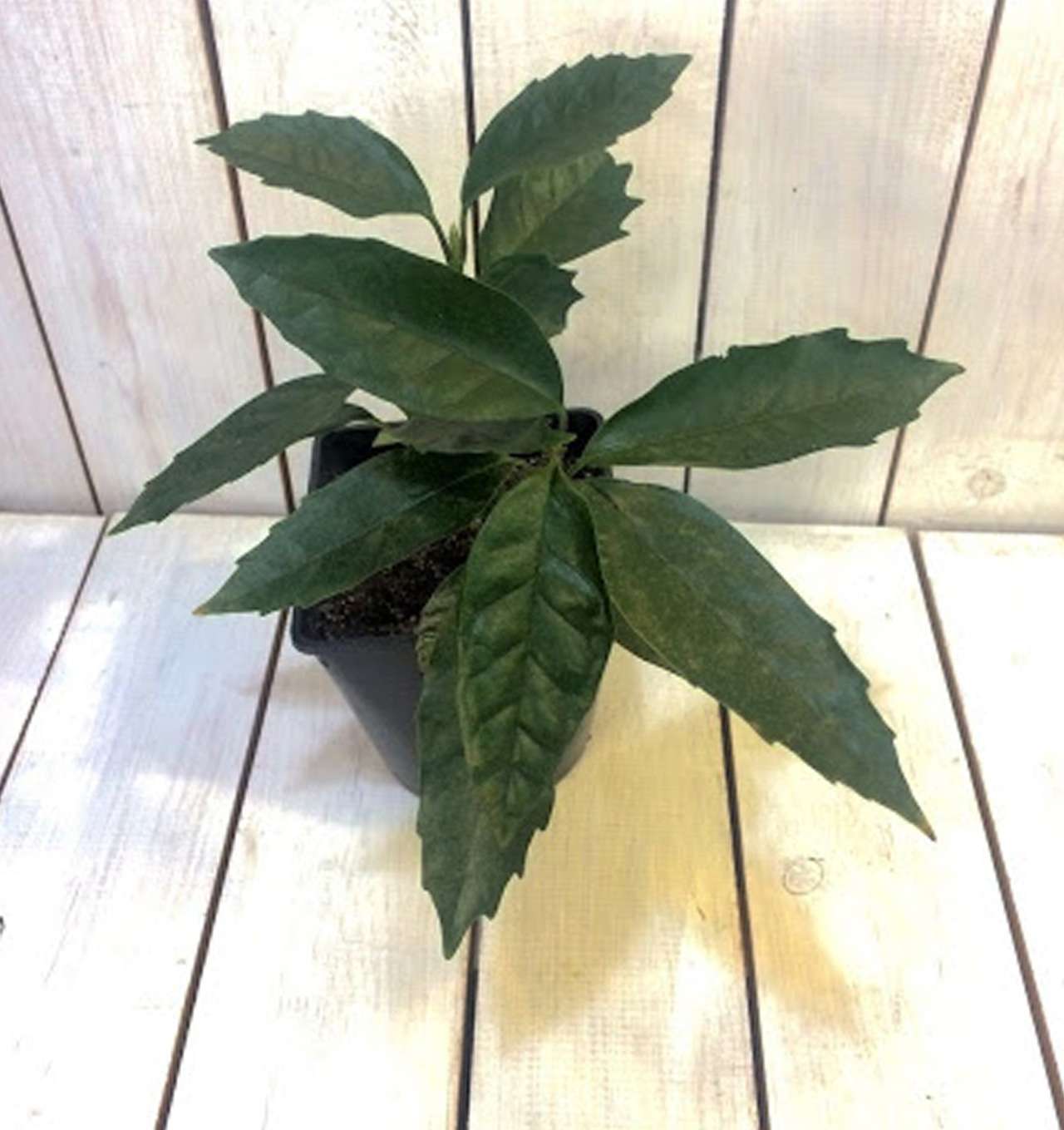
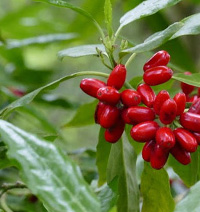 A peculiar variety of the golden tree, which has narrow, dark green, solid leaves with serrated edges.
Himalayan aucuba (Aucuba himalaica)
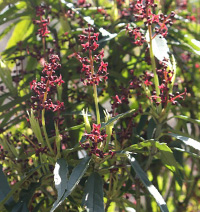 The eastern Himalayas are the homeland of this amazing dioecious shrub. Natural conditions allow it to reach a height of four meters. It has dense, leathery, elongated, dark green, lanceolate leaves with a pointed tip. The evergreen shrub blooms in spring with small, inconspicuous, completely non-decorative flowers. The process is followed by the formation of juicy, bright red berries.
Japanese aucuba care in the home
The domestic flower aucuba is not a particularly whimsical plant when grown. These attractive, fast-growing indoor plants have won the hearts of flower growers with their unpretentiousness and resistance to air pollution; they perfectly improve the interior, as well as chlorophytum, they perfectly clean the air in the premises and look great in apartments, offices, and other social institutions. And for a long, happy life and to reveal bright natural colors, the golden tree needs to create conditions close to its natural habitat. Let's consider the main, unpretentious rules of caring for this fast-growing indoor plant.
Choosing a location and temperature regime
For the shade-loving evergreen shrub aucuba, low light is less dangerous than exposure to bright, scorching sunlight. The golden tree will be satisfied with diffused light. Variegated varieties need more light, and in winter, even artificial lighting with phyto-lamps, so that the flower does not lose its bright and beautiful patterns on the leaves. A north-facing window is not suitable for aucuba. In the warm season, the sausage tree will be happy to spend in the fresh air in the garden, on the balcony, or veranda.
It is necessary to avoid drafts, precipitation, and direct sunlight.
Acceptable and comfortable temperature indicators for the golden tree are 18-20°C. A sharp increase in temperature can lead to loss of pattern, wilting, and leaf fall. In the cold off-season, it is desirable to maintain a temperature difference of 6°C to 14°C.
Air humidity and watering
Moderate air humidity is comfortable for the indoor golden tree. It can enjoy dry air for some time, but it will not refuse periodic spraying and ventilation.
Regular, moderate watering in the warm season with an interval of seven days, and in the cold period – fourteen days. It is necessary to monitor the condition of the substrate in the pot, it should be dry for three or four centimeters before the next watering.
Excessive moisture can harm the sausage tree – its leaves may turn black.
Soil and its feeding
For aucuba, it is necessary to prepare a loose and light soil mixture, the main components of which will be: sod soil, leaf soil, coarse sand or perlite, humus or peat. The ingredients can be taken in equal proportions.
In the spring-summer season, weekly feeding with complex fertilizers intended for decorative leafy plants will allow aucuba to delight the surroundings with beautiful colors of leaves with bright, original patterns on them. Once every thirty days, pamper your golden tree with organic fertilizers. You can use granular fertilizers.
To avoid burning the root system, the soil mixture in the pot should be moist before adding fertilizer.
Aucuba transplant
The domestic flower does not need frequent transplants. Its delicate, fragile, and thin roots require great care in this process. It is not worth disturbing the adult plant more than once every three years or when the roots fill the entire volume of the pot. Young aucuba will not mind a spring transplant every two years.
The presence of a drainage layer at the bottom of the pot is mandatory to prevent the substrate from becoming waterlogged.
Pruning aucuba
To obtain an exclusive, effective domestic golden tree, it is necessary to carefully communicate with the plant in the spring. Cut off all the elongated shoots and those that grow crookedly and unevenly. This material can be used for propagation. In young aucuba, the tops are pinched to stimulate branching and obtain a lush bush.
Aucuba propagation
You can get a new, young golden tree by using seeds or apical cuttings.
The seeds are sown in a sand-peat mixture, and a mini-greenhouse is created. After a month or two, seedlings will appear. The third leaf that appears on the seedling gives permission to plant it in a separate pot. A disadvantage of this method of propagation is the loss of varietal characteristics of the plant by the young seedling.
Apical cuttings with three leaves are planted in sandy or peat-containing soil, and the top is slightly torn off. At a temperature of 22°C, stable greenhouse conditions are created. When roots appear, the seedlings are transplanted to their permanent location in separate pots.
Pests and diseases of aucuba
If you do not regularly inspect the golden tree, you may miss unwanted guests: spider mites, scale insects, thrips, mealybugs, whiteflies. Start fighting them immediately. Wash the flower with running water, then with soapy water. If this procedure is not enough, treat with insecticides.
Possible difficulties in growing
- The leaves on the golden tree turn pale, and their ends and edges begin to dry out – too much light, the soil is too dry, and in winter, the air in the room is too dry.
- Young leaves grow small – the plant needs regular feeding.
- The leaves lose their patterns – the area near the flower is not illuminated enough; it needs to be moved closer to the light source.
- Aucuba loses its leaves – sharp temperature fluctuations, dry air in the room, and also, the soil in the pot is too dry; it is necessary to adjust the watering of the plant.
- The leaves are covered with black spots – in winter, the room is hot, and the air is dry, and the soil mixture is too wet.
With quality, conscientious care and love, you can admire a beautiful plant that will radiate beauty and brightness.
It is never necessary to forget that there is also a dangerous side to the medal. After all, the golden tree is poisonous. It is necessary to take precautions when working with the plant, and also limit access to the flower for pets and children.
Despite its toxicity, aucuba is known for its positive medicinal properties, which are often used by traditional healers.
You can get rid of burns, wounds, and bruises by applying crushed leaves to the affected area. The leaves of the golden tree contain useful substances that can absorb harmful bacteria and cleanse the air in the room. Fast-growing evergreen aucuba has a beneficial effect on a happy family atmosphere, helps maintain positive relationships, attracts good luck and well-being. Indecisive and shy friends will be grateful to receive such a beautiful flower as a gift.
In nature, there are a huge number of amazing, unique plants. You can see indoor plants in alphabetical order on the website by opening the catalog of indoor plants.
Write comments
Comments