



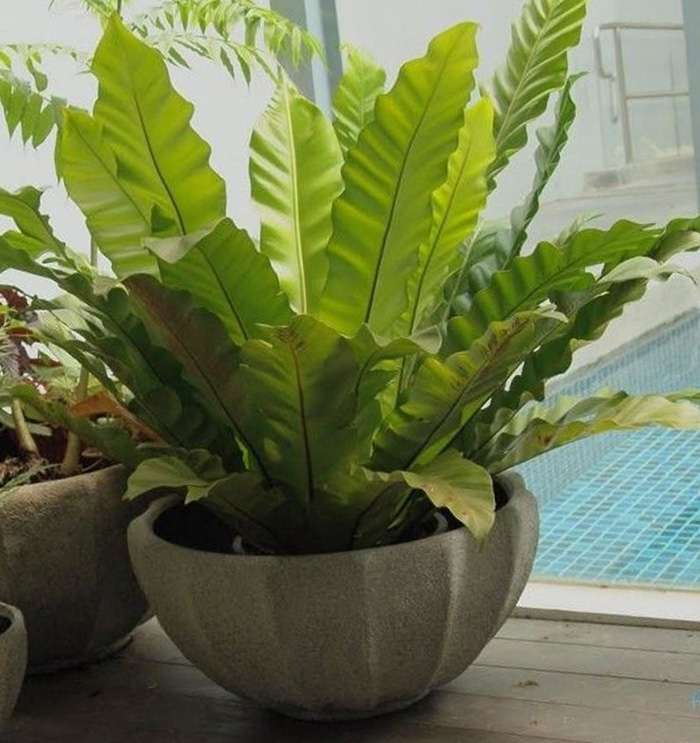
Latin name: (Asplenium)
Category: perennial ferns
Origin: Australia, Southeast Asia, Malaysia
Asplenium fern – a delicate, spectacular, and unpretentious wonder
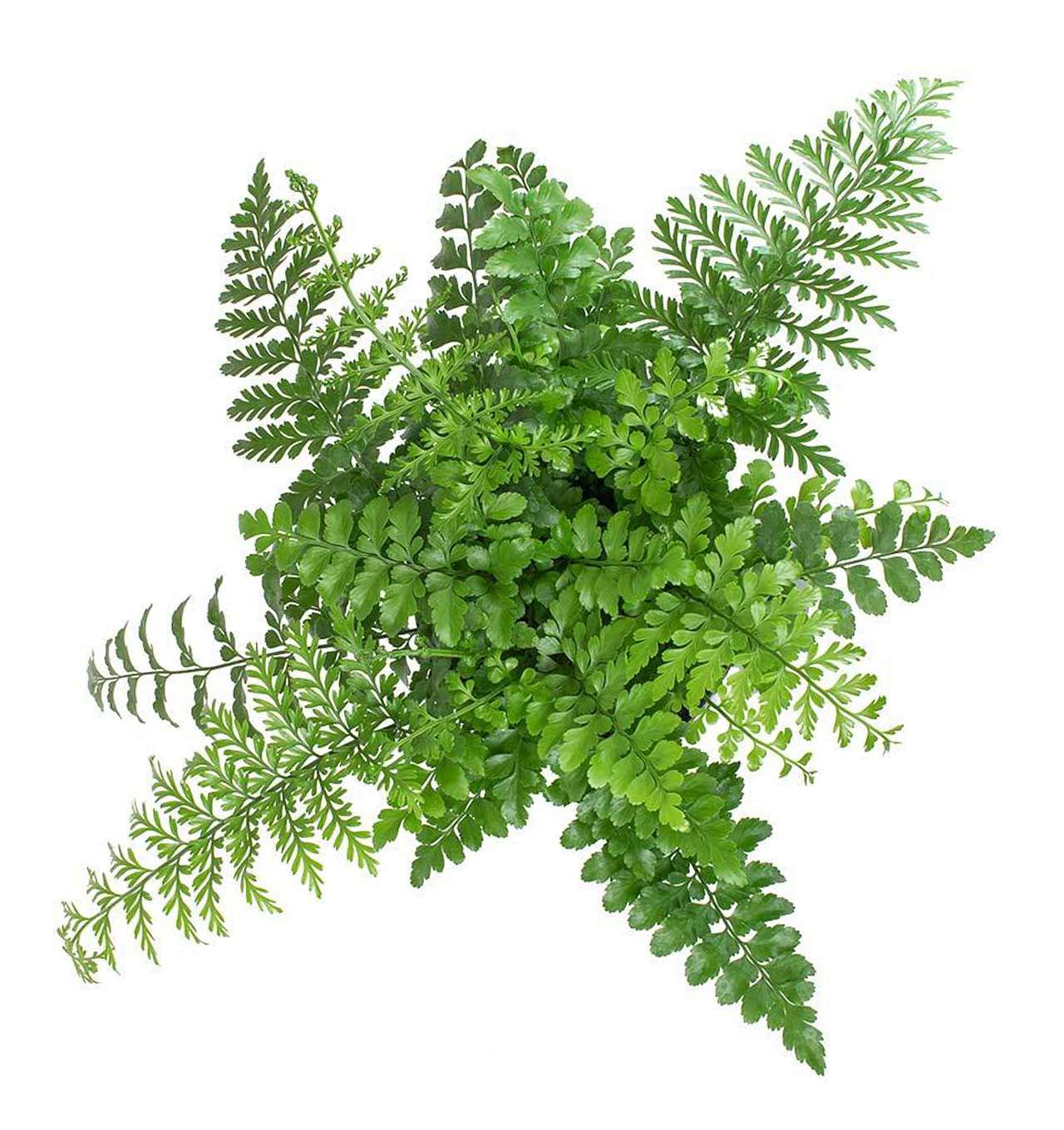
Asplenium is a genus of amazing and unique perennial herbaceous compact fern-like plants, comprising seven hundred varieties in the Aspleniaceae family. These unique plants are represented as epiphytes that grow in the axils of twigs, on the trunks of large trees, on rocky surfaces, as well as terrestrial ferns. Most of them have been cultivated and are successfully grown in offices, shops, and other public places by indoor plant enthusiasts. The indoor asplenium fern also has popular names. You can often hear it called spleenwort, bird's nest, or centipede.
Representatives of the genus were described as early as 1753 by the famous naturalist Carl Linnaeus.
Asplenium considers Southeast Asia, Australia, and Africa to be its homeland. Tropical regions on all continents with increased humidity of the surrounding environment, created by amazing shady forests, rocky formations that shield the rays of the bright sun, are comfortable and perfectly suitable for ferns to spread and grow in dense groups.
In the natural environment, there are various examples of fern-like plants, which are characterized by perennial vegetation periods, both evergreen and deciduous species. Ferns that live in the wild reveal all their beauty, which can only be seen here, where they can reach a height of two meters. Each variety has its own unique and original appearance.
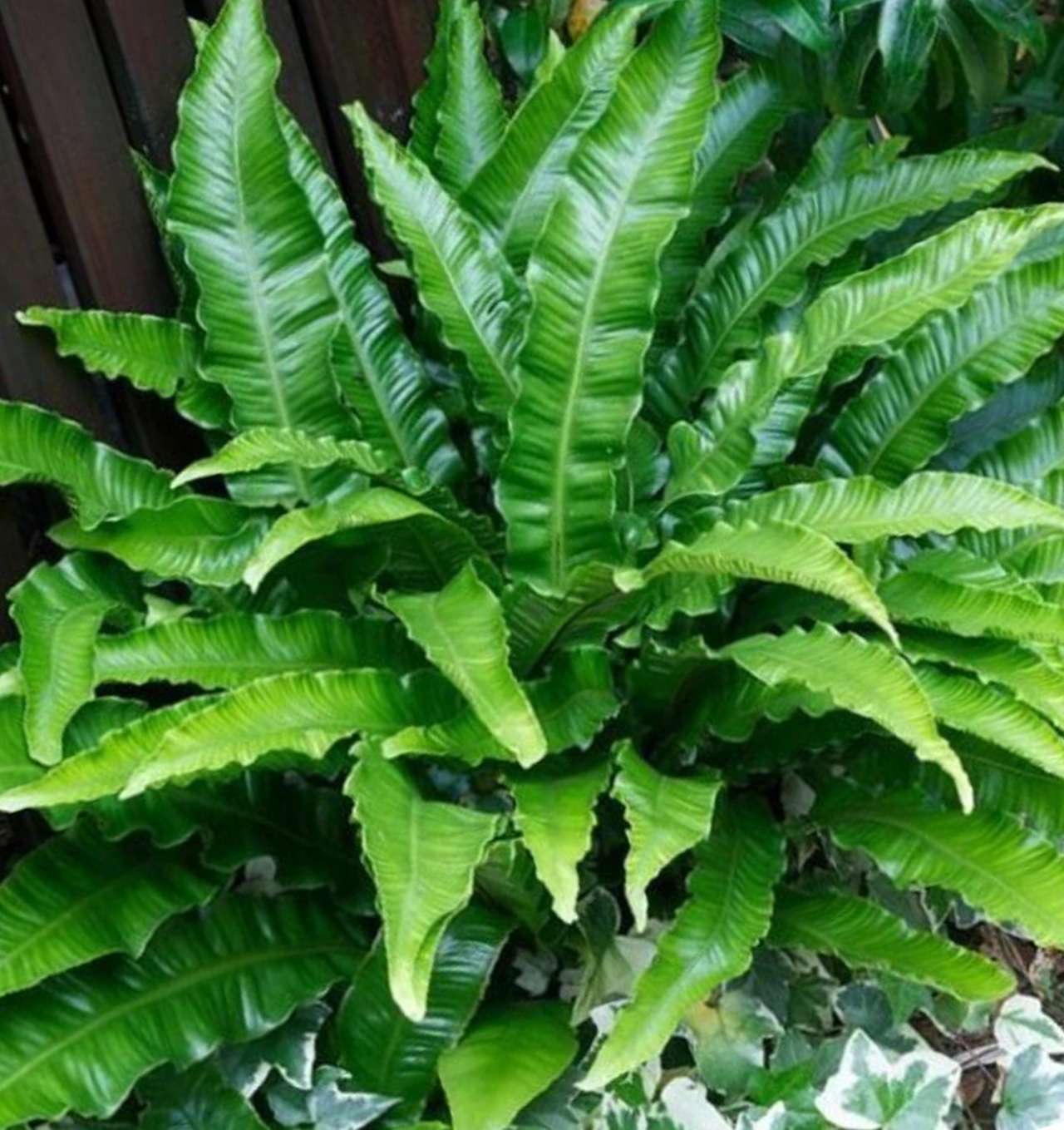
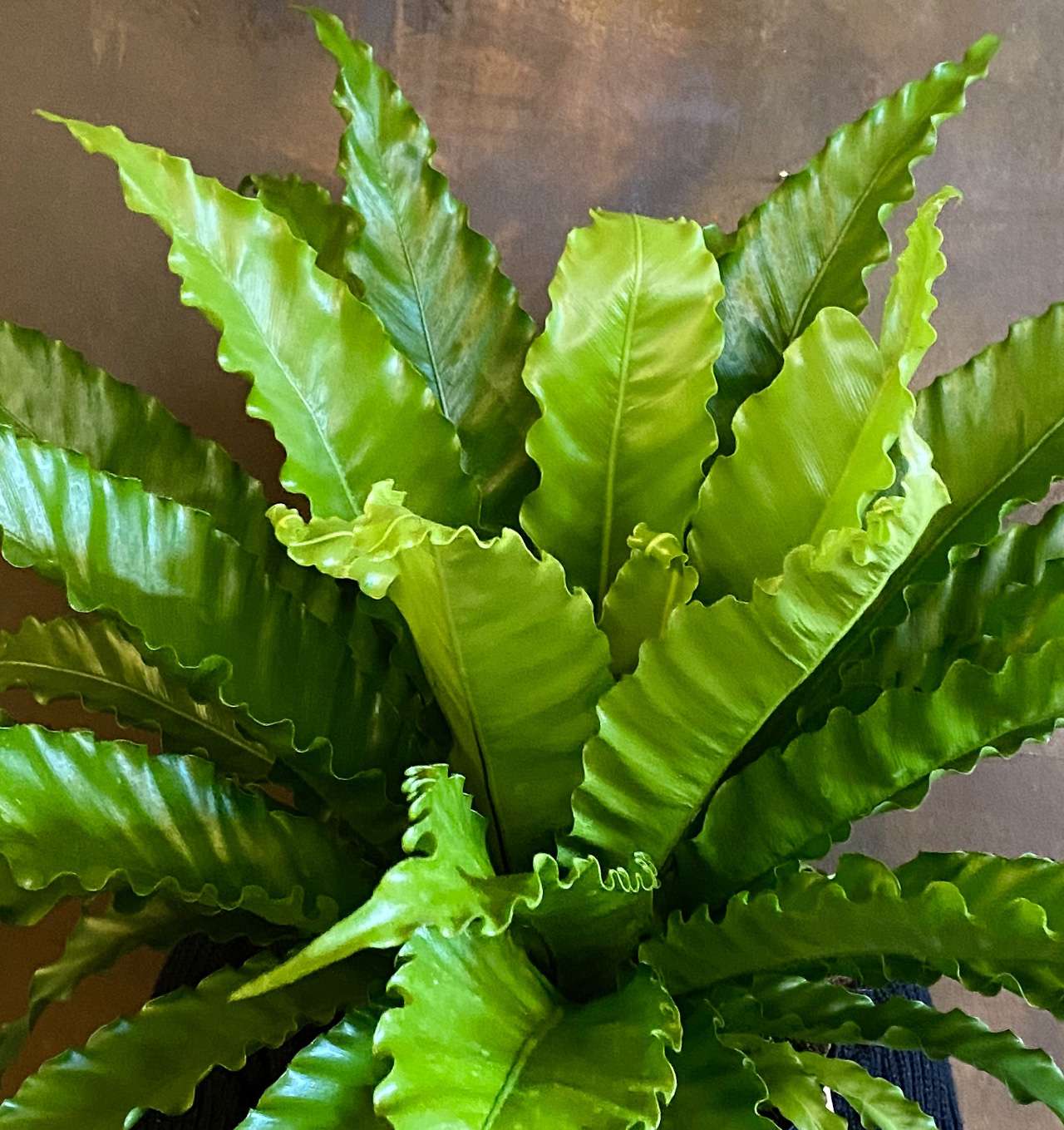
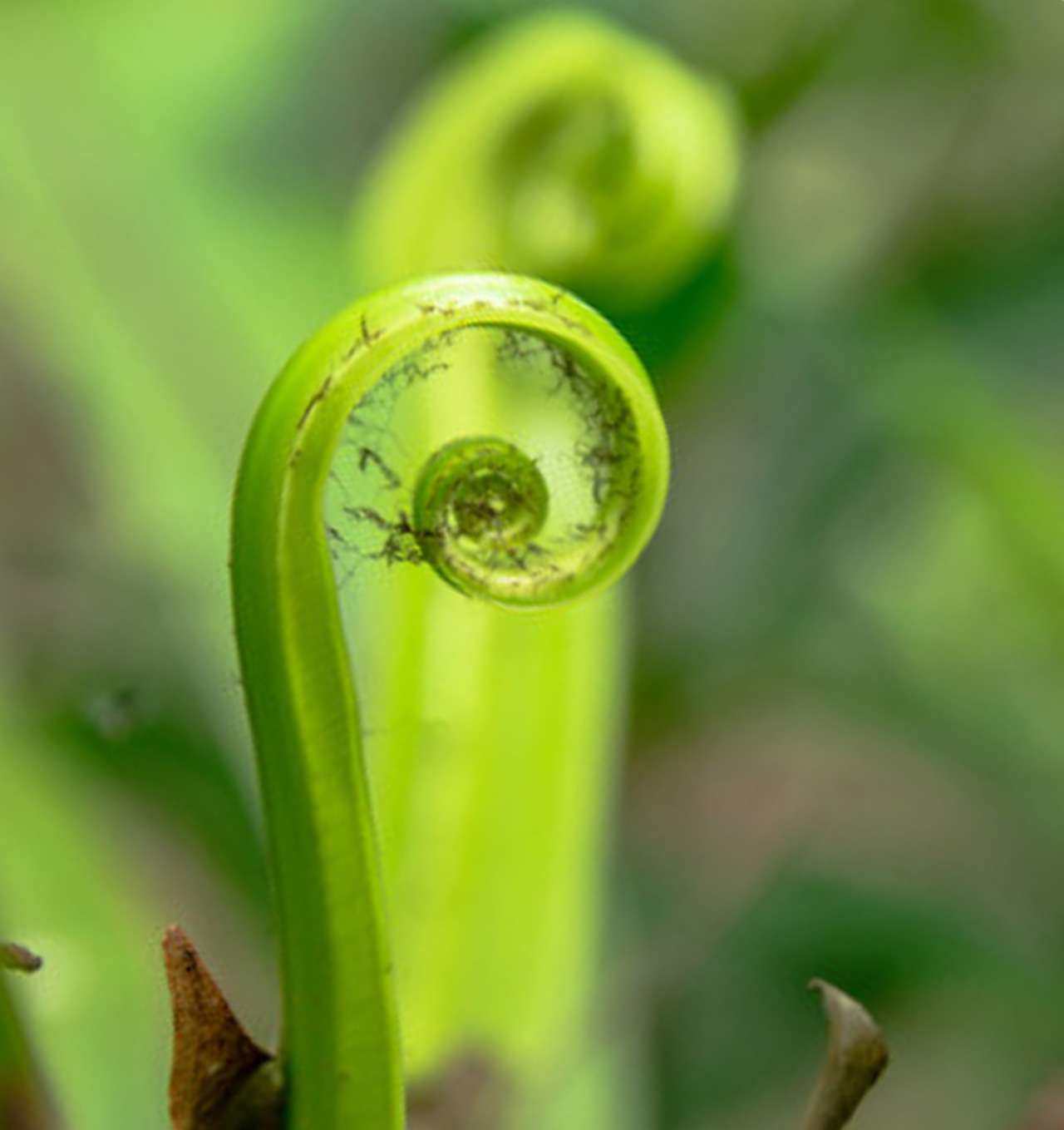
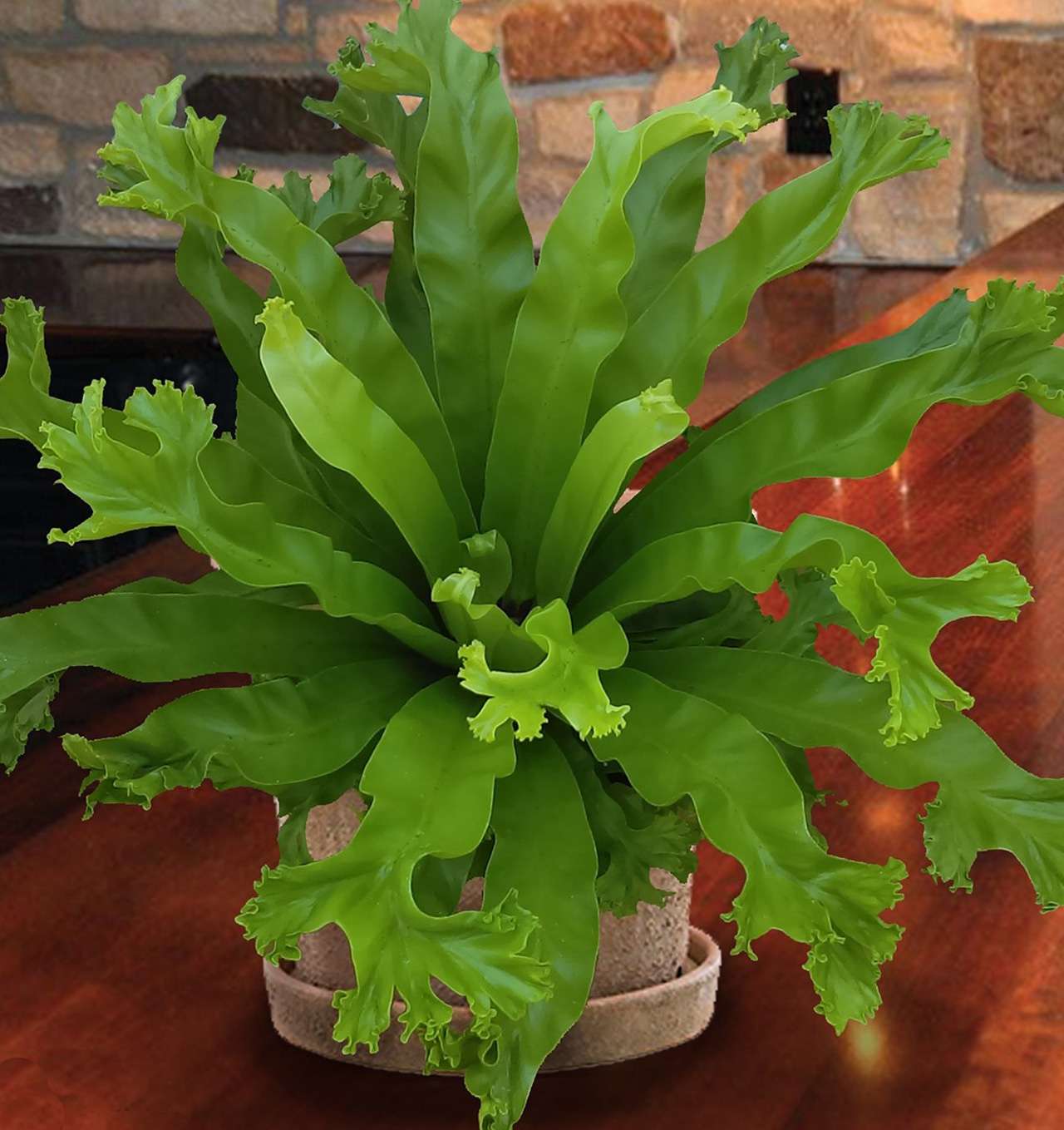
Asplenium is distinguished by a creeping, superficial, tufted root system. The scales on the roots make them spongy, which helps the plant absorb enough moisture. The main distinguishing feature is the shape of the leaves. Spleenwort has sword-shaped fronds of bright green color with wavy edges, which are formed by dissected or whole leaf blades. The leaves are smooth and glossy on the outside, and their underside has dark brown stripes arranged in different directions from the longitudinal vein, which is intended for the development of sporangia. This creates a very unique pattern of sporangia stripes, which is why the flower is called "centipede." The leaves grow from the stem on stiff, dark petioles, which have green, brown, and even purple hues. The beautiful fronds create a bowl that resembles a bird's nest. According to the English interpretation, the name asplenium means "bird's nest."
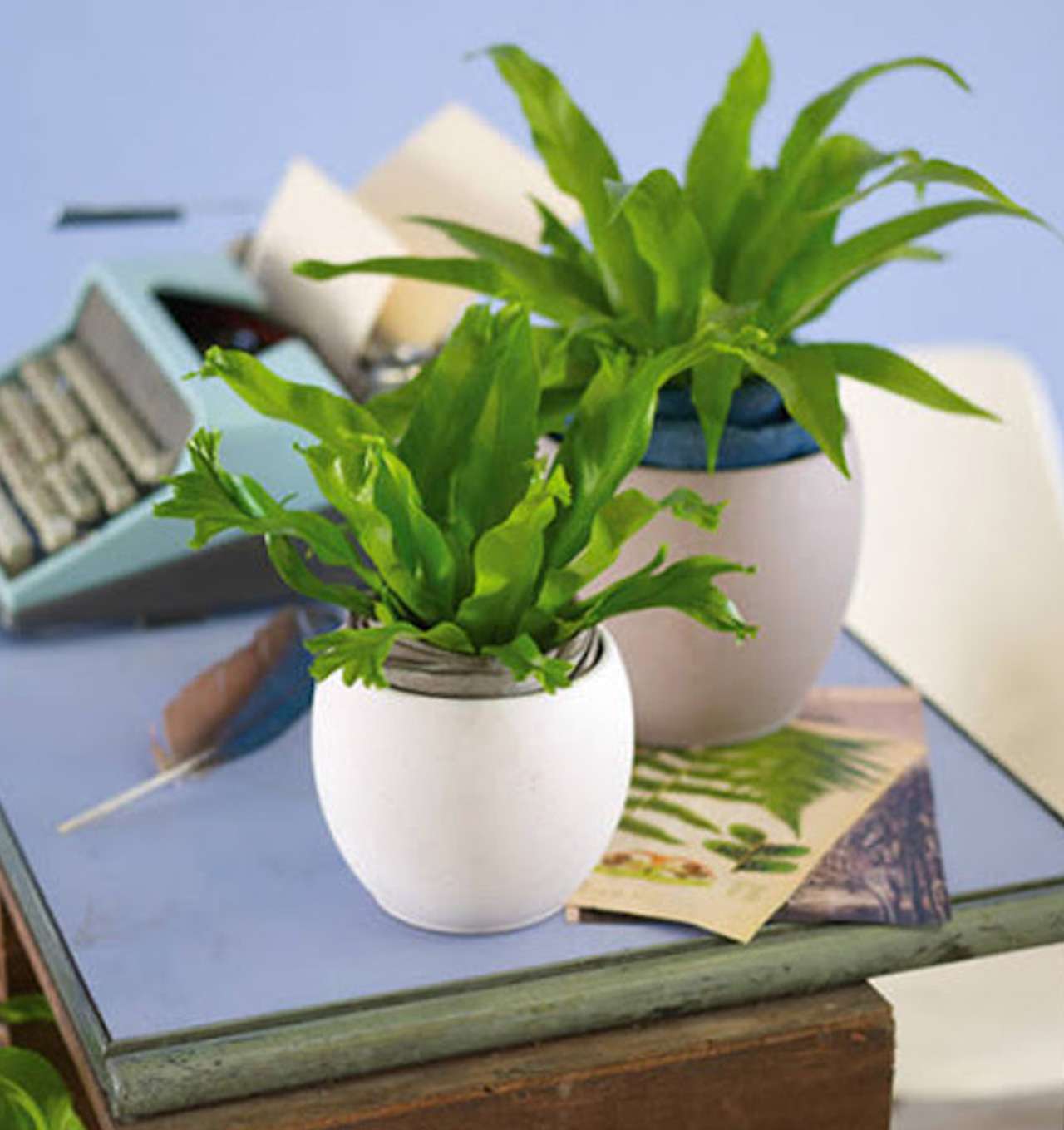
These shade-loving, bright green indoor asplenium ferns will decorate the interior and also create interesting floral masterpieces in groups with chamaedorea or dieffenbachia.
The moisture-loving, heat-loving spleenwort can perfectly adapt to artificial lighting and create a feeling of a favorable microclimate in the bathroom.
Types of asplenium
Asplenium nidus (Bird's Nest Fern)
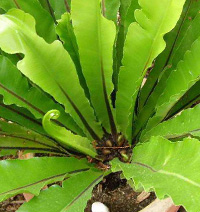 The wild nature of the tropical forest allows this perennial herbaceous epiphytic fern to decorate the branches or woody trunks of large trees.
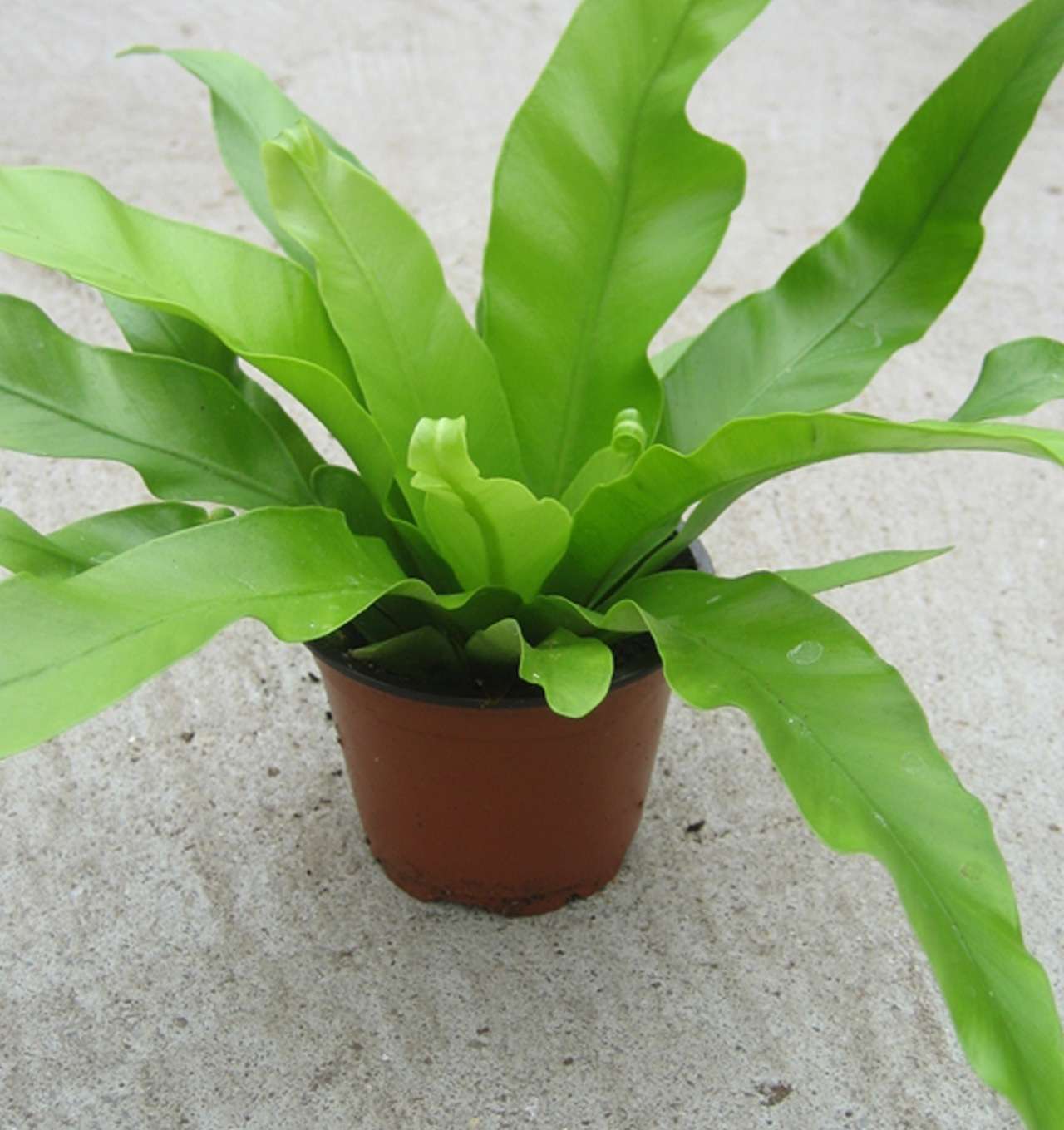
Asplenium nidus has thick, scaly rhizomes that absorb moisture, which creates lush greenery in the form of a dense rosette that resembles a bird's nest. It also serves as an excellent place for accumulating moisture and organic nutrients that are beneficial for the growth of the nest-like asplenium.
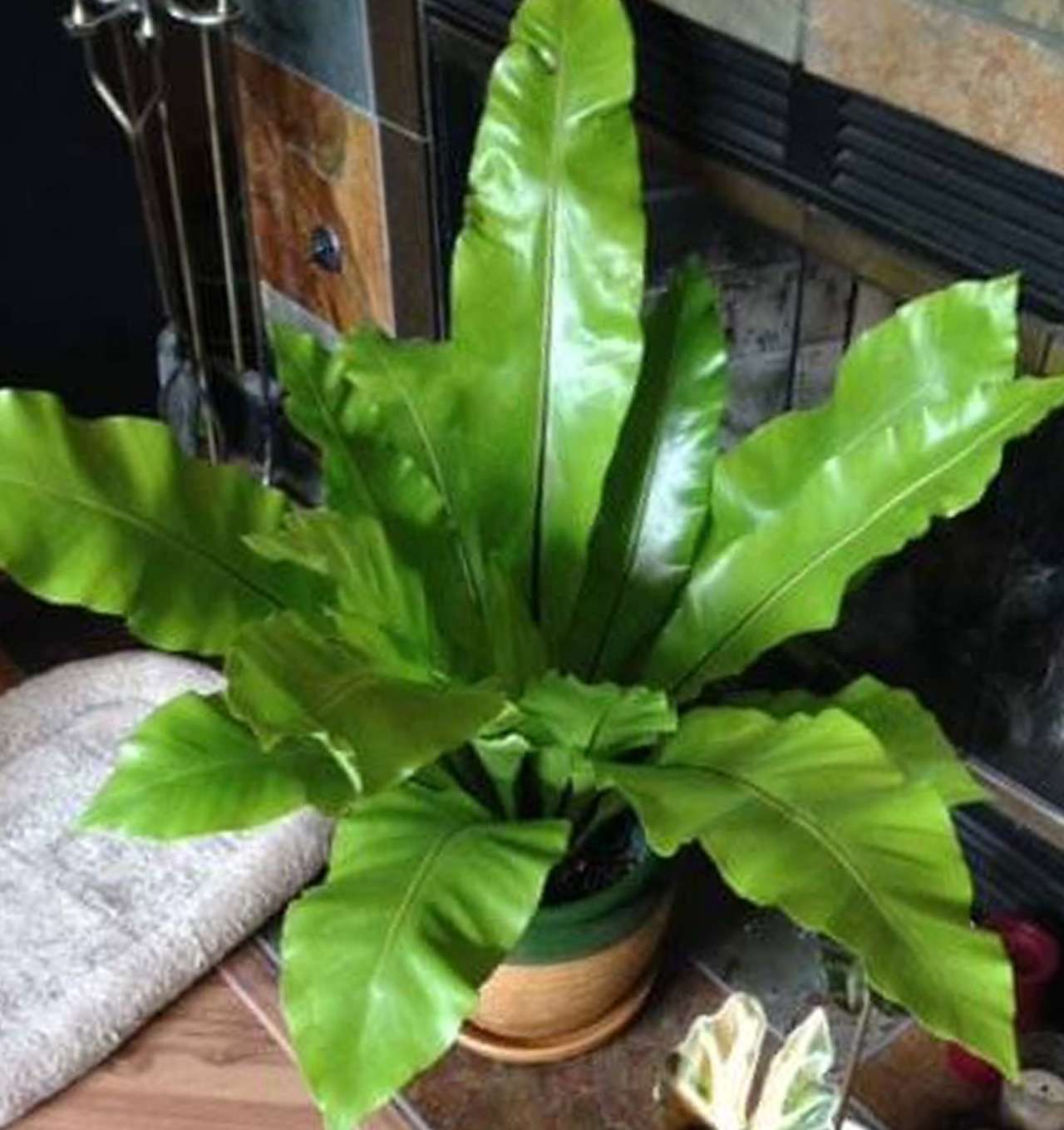
This widely open rosette is made up of whole, leathery, bright green fronds that reach a length of seventy-five centimeters. The central dark brown vein divides the leaf blade into two halves, and the small veins are directed from the center. The underside of the leaf is equipped with sori with sporangia, thanks to which the fern reproduces.
And how to prepare the bird's nest fern is known to the inhabitants of Taiwan Island. The dish prepared from small pieces of asplenium shoots with the addition of garlic and chili pepper is popular among the population. The medicinal properties of spleenwort are widely used by traditional healers. With the help of asplenium tinctures, folk healers fight bad breath, ulcers, asthma, and muscle ailments.
In a home environment with proper care, you can get a wonderful, spectacular, fast-growing indoor fern with wavy, curved fronds that resemble a fountain. This beautiful indoor plant, which loves shade, is an excellent decoration for the interior of offices, shops, and other public areas.
Asplenium Parvati
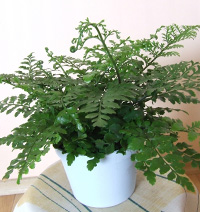 Among the vast variety of varieties of spleenwort, asplenium parvati stands out. This indoor plant, which loves shade, has a voluminous but short, thick, scaly root system. A green funnel-shaped rosette is formed by wide, up to ten centimeters, glossy leaves that reach a length of twenty centimeters. The double pinnate dissection of these delicate leaves with rounded ends makes them charming and similar to carrot leaves. This amazing centipede can reach a height of about forty-five centimeters, and the bush reaches a diameter of thirty centimeters. Spores are located on the lower part of the leaf and mature by the end of summer.
Asplenium Leslie
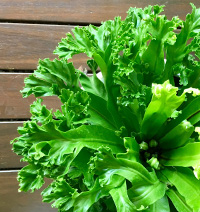 It is an attractive miniature herbaceous wonder, the height of which can reach twenty-five centimeters. The compact, original bush has a dense rosette, a lush crown. The appearance of asplenium leslie is similar to Savoy cabbage.
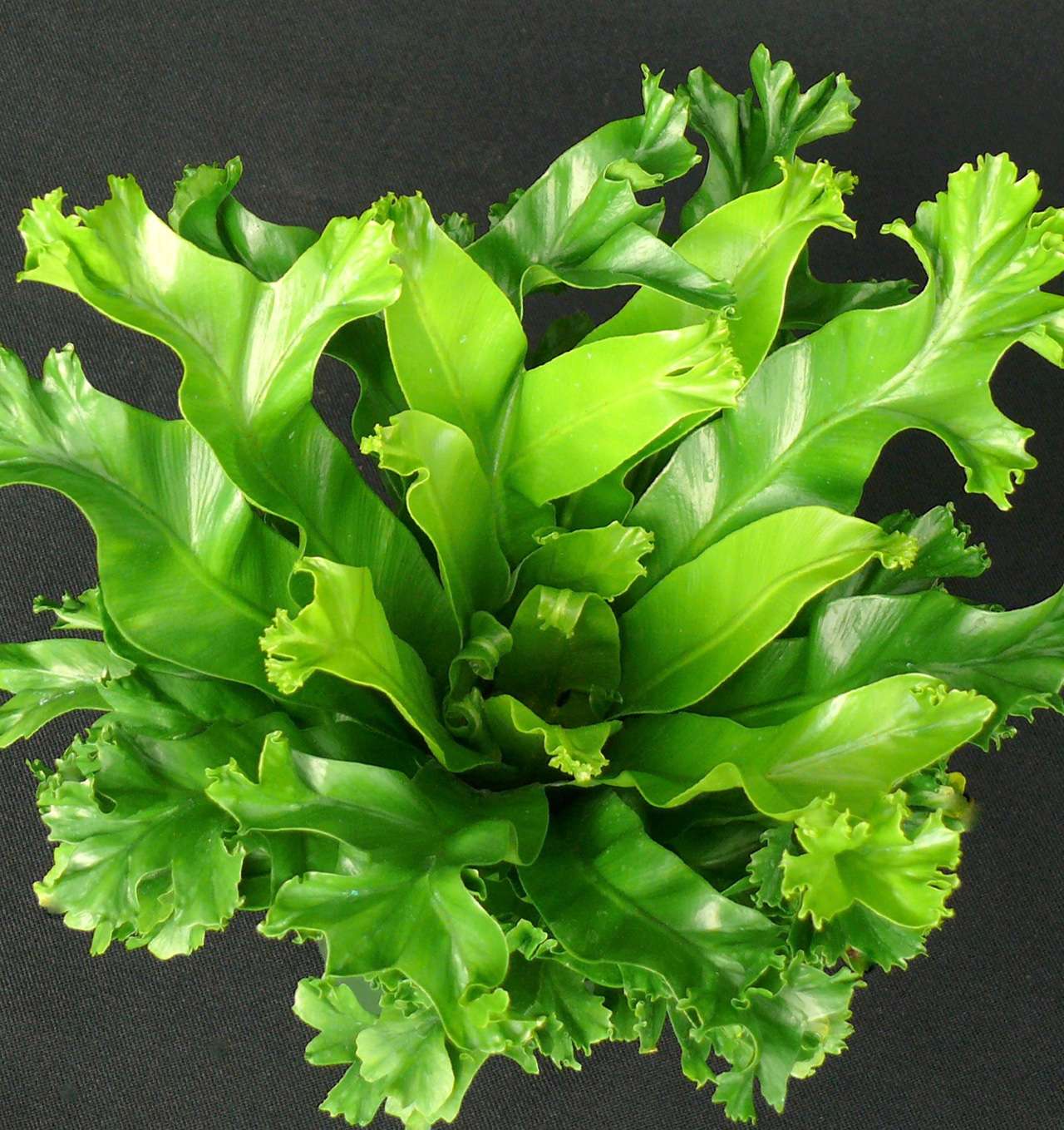
This amazing centipede has straight, glossy, smooth, dissected fronds of dark green color with lacy edges. The leaves are nestled on a thick, vertically located, scaly rhizome. The underside of the leaf blades is adapted to the maturation of sporangia in the summer.
Asplenium Osaka
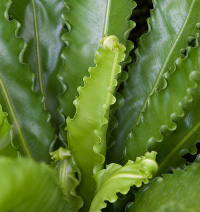 The native habitat for this interesting fern is the tropical regions of East Africa and Southeast Asia.
Indicators of asplenium osaka can be considered the presence of ribbon-like, straight, rarely wavy, glossy, bright green leaves with veins. Long, meter-long, shiny fronds form voluminous bushes with an original dome-shaped crown.
Asplenium Antiguum
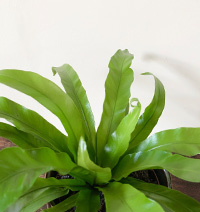 East Asia, Korea, China, Japan, and Taiwan are the homeland of this evergreen, unpretentious fern. Natural conditions allow the plant to reach a height and width of up to one meter. Unusual spiral-shaped leaves create the effect of a small tornado or vortex. The plant has amazing bright green, narrow, long leaves with wavy edges. The surface of this fleshy, amazing leaf is glossy.
The indoor fern antiguum has compact dimensions of a dense bush with a dense center, which is almost invisible. It will gladly be located on the windowsill, it gets along well with diffused sunlight and regular spraying in the summer.
Asplenium bulbiferum
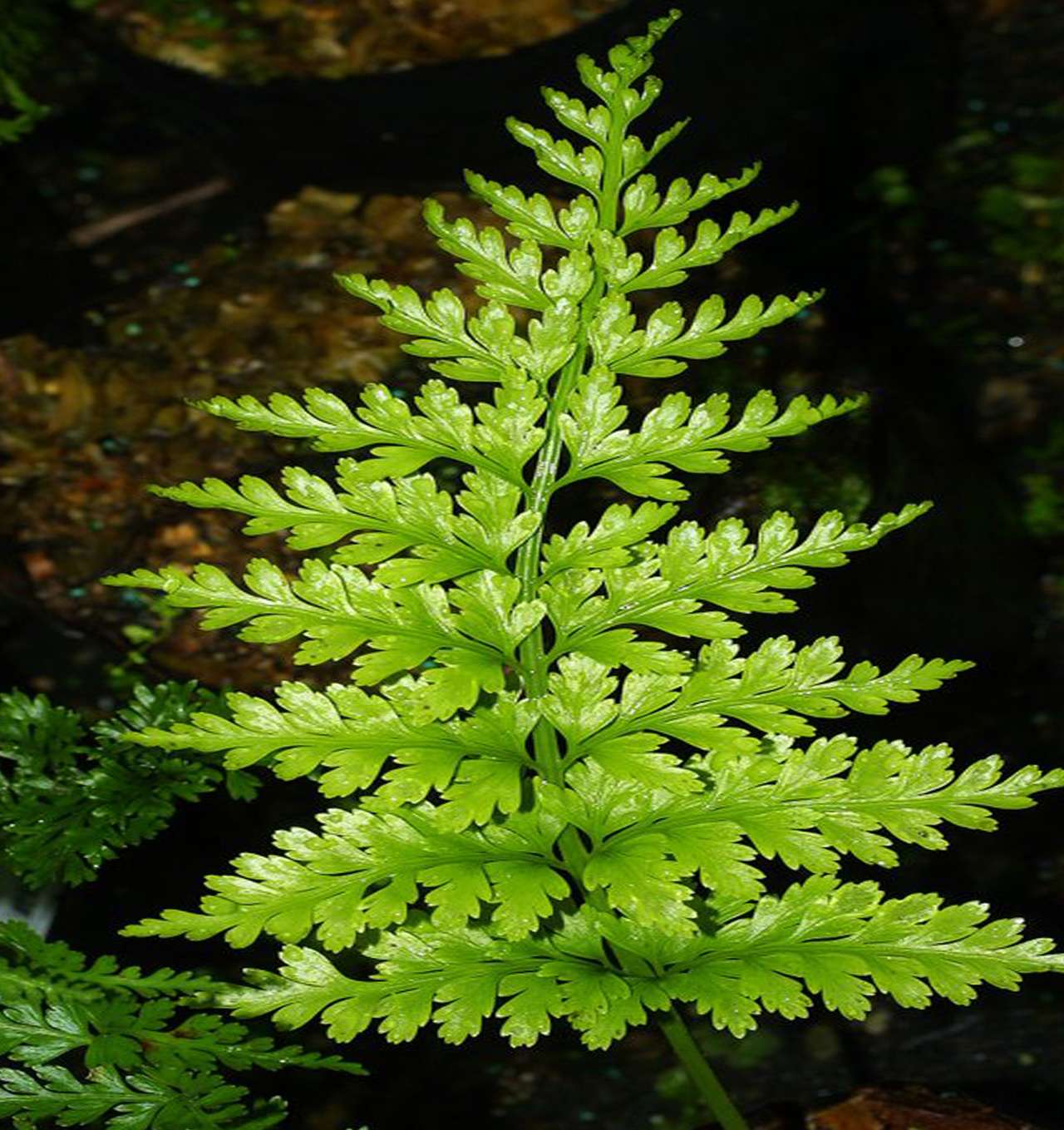
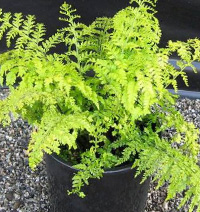 It is a highly decorative, viviparous fern with three-pinnate, elongated triangular sixty-centimeter leaves with bulbous buds. When they fall into moist soil, the buds-bulbils develop roots and give life to numerous fern offspring.
The homeland of asplenium bulbiferum can be considered New Zealand. In the wild, spleenwort prefers rocky areas with the presence of forests.
Like other fast-growing, unpretentious indoor plants, asplenium bulbiferum will perfectly decorate the interior of any public space.
Asplenium care in the home
Asplenium is not the most whimsical indoor fern, but in order to get an effective and lush bush, you need to care for the plant regularly and provide it with favorable conditions: high humidity of the environment and soil, constant comfortable shade for the plant, as far as possible from heating devices.
Let's consider in detail how to care for the unpretentious indoor plant asplenium?
Choosing a place and temperature regime
A comfortable area for spleenwort, which needs diffused lighting, will be the windowsills of the east, west, and northwest sides. If such options are not available, the unpretentious indoor plant can also be located in another place that is protected from direct sunlight.
Protect your centipede from drafts. This will directly affect the decorative qualities of the plant and can lead to various diseases.
It is desirable to maintain a constant temperature of 20°C to 25°C for its tropical pet in the summer, and the winter temperature should not drop below 13°C. At lower temperatures, the indoor plant may lose its leaves.
Air humidity and watering
The optimal level of air humidity for the bird's nest is at least 60%. Why do fern leaves curl? The answer to this question is directly proportional to the humidity of the environment. After all, lower indicators can lead to the drying out of the tips of the leaves. You can maintain these parameters by spraying, avoiding water getting into the rosette. A good humidifier will be a tray with moist moss or expanded clay. We buy flower pots with automatic watering - this will significantly increase the humidity of the environment.
Regular watering every three or four days in the summer is essential. At the same time, we observe the state of the soil in the pot. Its moist state without stagnation will be an indicator of the correctness of watering. In winter, we water it every seven days. The water for watering should be warm, soft, rainwater, or filtered.
Soil and its feeding
The soil mixture should be light, loose, and well-drained. Such soil for ferns can be easily purchased in a specialized store. You can prepare the soil mixture yourself from peat, sand, leaf, and sod soil, taking all the ingredients in equal parts. To improve the quality of the mixture, it can be diluted with sphagnum or wood charcoal.
In the warm season, the fern needs regular feeding with mineral complex fertilizers with the mandatory presence of potassium every thirty days.
The dosage is reduced by half, as indicated on the package, and combined with watering.
Transplanting
Fast-growing indoor fern, care for it primarily depends on proper transplanting.
Young specimens need annual spring transplanting. More mature spleenworts are transplanted every three years. The first indicators for an urgent transplant may be the appearance of roots in the drainage hole of the pot or their location on the surface of the soil. We definitely transplant our pet if it has slowed down in growth. When transplanting a plant from one pot to a new, larger one, we reduce the likelihood of damage to the fragile roots of the centipede. The transplanted bush needs moist air and good lighting. It is not desirable to over-water the soil mixture.
A mandatory good layer of drainage up to five centimeters is required. You need to take expanded clay or broken brick.
Asplenium reproduction
You can propagate an indoor fern by dividing the rhizome, by spores, or by bulbous buds.
An adult asplenium can be propagated by dividing the bush during transplantation. Each part of the bush is planted in a separate pot, and after a month, the plant will feel good in normal conditions.
A more lengthy and laborious method of breeding a new fern can be practiced with mature, dried spores. Prepared spores are sown on a moistened and sterilized soil or peat. They create conditions for a mini-greenhouse in a warm and dark place. They are regularly ventilated and watered. After a few months, small shoots appear, which can be planted out when they reach a height of five centimeters.
Viviparous varieties are perfectly propagated by bulbous buds. Small shoots grow from these bulbils, located on the underside of the frond, which must be planted in a prepared small pot with appropriate soil mixture. It is desirable to create greenhouse conditions for the indoor plant, covering it with a bottle, with regular watering and ventilation.
Pests
If the growing conditions are not observed and there is irregular contact with the indoor fern, unexpected guests in the form of scale insects, spider mites, mealybugs, or thrips may visit it. This misunderstanding can be prevented by treating the indoor pet with insecticidal preparations.
Difficulties in growing asplenium
- The fronds of the fern curl due to low temperatures in the room and the presence of drafts. It may be necessary to choose a more suitable place for your asplenium.
- Why does the fern dry out? The main factors of this misunderstanding can be considered excessive heat in the room and, as a result, the air is too dry from heating devices; poor-quality watering; it is necessary to inspect your bird's nest for the presence of pests.
- The leaves have become pale and lost their decorative shine - it may be too much sunlight, and the plant needs to be shaded; the indoor plant needs feeding.
- Yellowing of the leaf blades, the appearance of brown spots may indicate the beginning of the maturation of spores, the adult plant is preparing for sporulation.
Fern omens
Whether it is possible to keep a fern at home, each lover of flowers must decide for himself. And if such a question arises, then it is probably necessary to listen to the popular omens: is a fern in the house needed or not. After all, there are as many people as there are different opinions. There are many positive aspects due to which the presence of a fern asplenium is simply necessary in the apartment, especially in those areas where there is a TV, computer, or microwave.
The favorite flower with its beauty will help to optimize and bring harmony to the home atmosphere, smooth out conflict situations of family members of different generations, and find a compromise in relationships. The magical properties of the flower drive out evil spirits, attract money to the house, and protect against excessive expenses. But there are also contrasting, threatening omens that determine why a fern cannot be kept at home. According to these omens, the flower has energy vampirism, causes headaches and fatigue in those around it, and family members are more likely to experience bad luck, troubles, and illnesses.
This beautiful decorative, unpretentious indoor plant with proper care will be an excellent decoration for any interior.
Write comments
Comments