



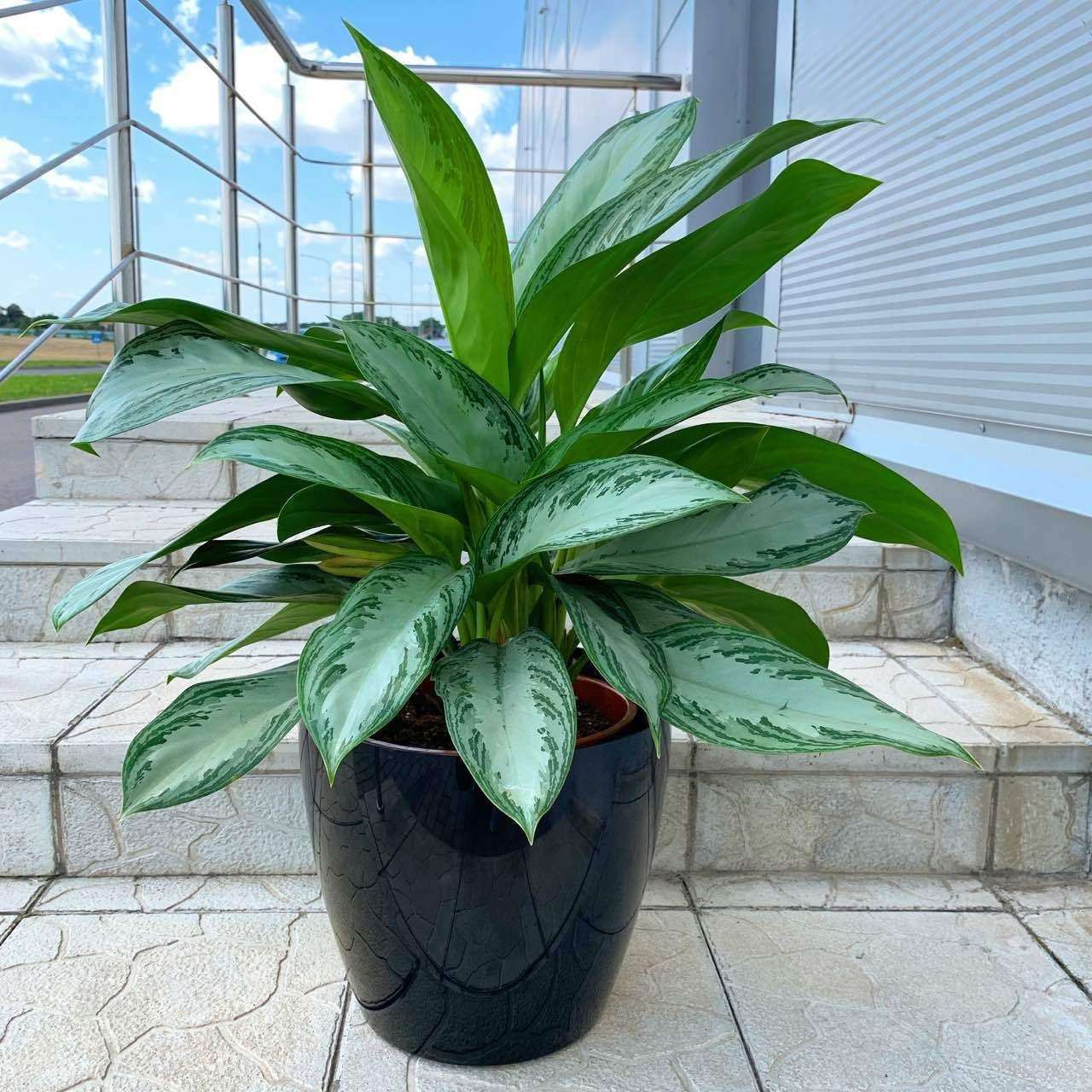
Latin name: (Aglaonema)
Category: perennial herbaceous plants
Origin: Southeast Asia
Modest grandeur of the whimsical exotic beauty of aglaonema
Aglaonema is represented by perennial herbaceous evergreen plants with exquisite, beautiful, and presentable forms, which perfectly fit into the Araceae or Aroid family. Various biological sources ambiguously state the number of varieties of these amazing plants in the genus, from twenty to fifty.
Since aglaonema is closely related to the wonderful dieffenbachia, we can talk about the similarity in the appearance of these exotic plants. But aglaonema differs from dieffenbachia in smaller size, narrower, more luxurious leaves, and significantly longer flowering.
In the family, along with the unique aglaonema, there are wonderful spathiphyllum, wonderful anthurium, powerful monstera, and beautiful syngonium.
The unusual name of this beautiful flower can be deciphered by combining two separate words of Greek interpretation: Aglaia, which means splendor, brightness, and nema, which can be translated as stamen, thread.
The natural habitat of the aglaonema flower can be confidently considered the rainforests of New Guinea and the Malay Archipelago. Southeast Asia, with its tropical climate, is the homeland of this plant, where the evergreen aglaonema flower adorns the banks of rivers and lakes, as well as the lowlands of plains and forests. It was in this tropical flora that the first representatives of this exotic genus were discovered back in 1880.
The green flora is brightly represented by interesting leafy specimens, among which aglaonema occupies a prominent place. This amazing evergreen shade-tolerant erect plant is represented by a herbaceous semi-shrub, which is formed by a fleshy, erect stem in adult plants, which is almost absent in young specimens. The stem is decorated with large, fleshy, dense, long, sword-shaped leaf plates, raised on long petioles.
With age, the lower leaves of the indoor aglaonema fall off, exposing the stem. In all varietal varieties, the color of the leaves is different, and the amazing variety of variegation and brightness is striking. Incredible stripes or spots of bright red, yellow, orange, or silver easily attract attention. The edges of the patterned leaf plates are solid. The middle vein on the outside of the leaf can be seen in a recessed position, and on the back, it is convex.
How aglaonema blooms can be seen both in natural and indoor conditions. Above its leaves, from their axils, inflorescences appear, ranging from one to a maximum of three cobs, which have whitish-green spathes that decorate the plant.
The originality of the cobs depends on the varietal affiliation: they can be thick, club-shaped figures up to four centimeters long and up to one centimeter in volume, or six-centimeter-long thin cylinders, no more than five millimeters thick. The flowering of aglaonema turns into the formation of a fruit that resembles a juicy berry, which contains only one white or bright orange seed. The ripening process of the berries lasts no more than six to eight months.
Aglaonema signs and superstitions, like other plants, are also inherent in this beloved indoor pet. The inhabitants of India and Malaysia consider it a flower that brings success and prosperity to the home.
And this amazing, slow-growing, unpretentious indoor plant attracts flower growers not only with its chic appearance. The benefits of aglaonema are also found in the beauty of its bright leaves, which helps to reduce tension and really helps to concentrate on performing work, as well as reduce the reaction to stressful situations.
Therefore, it is desirable to place this indoor flower with variegated leaves in offices, both for decorating the interior and for helping employees engaged in mental work to better concentrate on performing complex tasks.
The indoor plant aglaonema participates in improving the quality of the air, increasing the amount of oxygen and negatively charged ions. To some extent, this beautiful bush can filter out dust particles and fight toxins in the form of formaldehyde or tobacco smoke.
Aglaonema is poisonous.
Along with the beneficial properties, it is necessary to know that the indoor flower with mottled leaves has toxic juice, which can cause allergies and swelling of the mucous membranes upon contact. The fruits of aglaonema are also poisonous. It is necessary to prevent contact with the plant for small children and animals.
Aglaonema species
Aglaonema Maria (Aglaonema Maria)
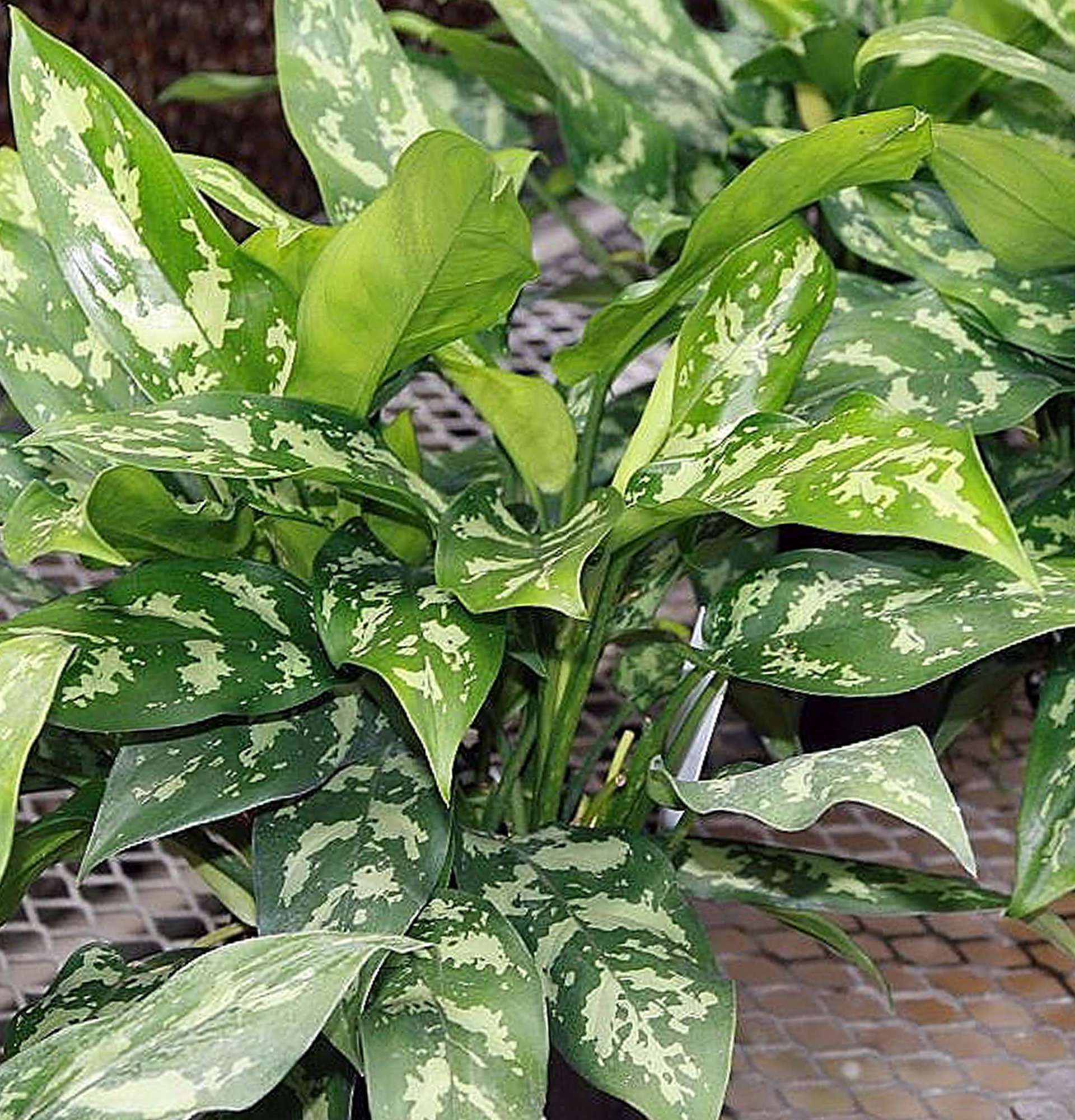
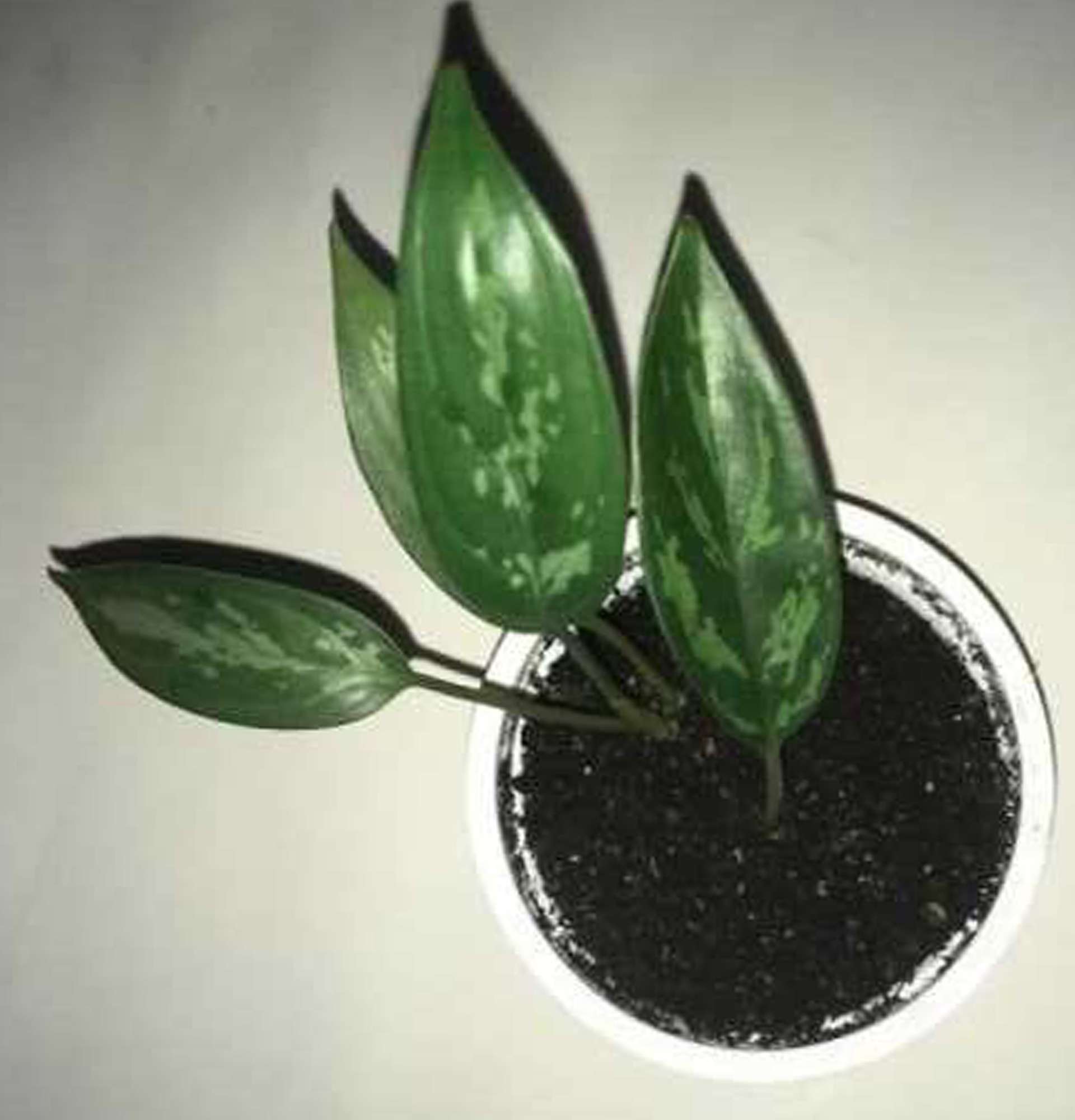
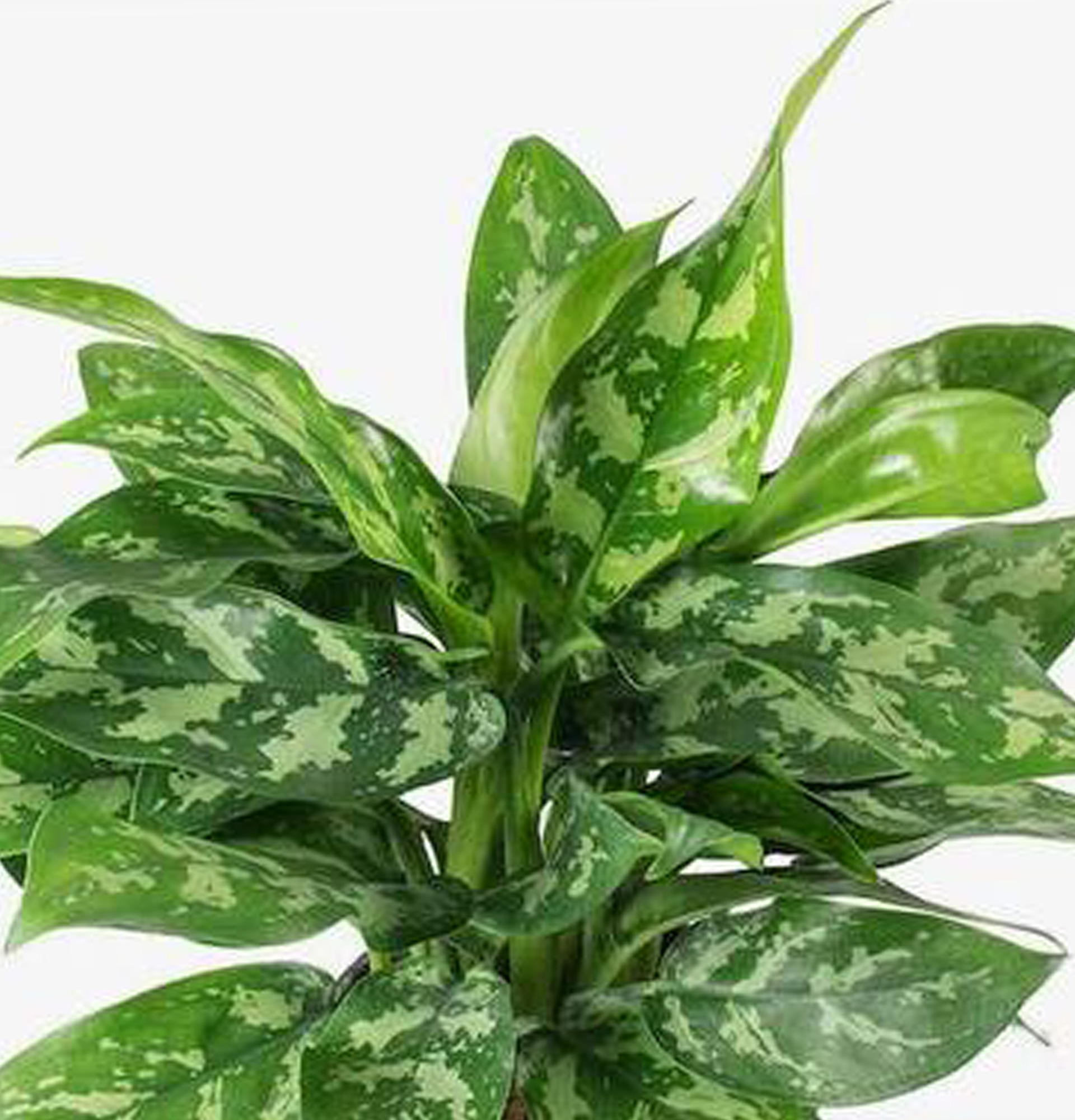 This emerald beauty, aglaonema Maria, is represented by a medium-sized, sixty-centimeter bush with a dense crown. This beauty is expressed in very interesting, twenty-centimeter-long dark green leaf plates, on which light green spots are located. This indoor flower with mottled leaves will be a wonderful decoration for any interior, whether it is an office or a home. These unpretentious shade-loving indoor plants look great even under artificial lighting and are not afraid of prolonged drought.
Breeders have bred aglaonema varieties that are recognized by amateur flower growers. The following specimen is considered a popular variety.
Aglaonema Maria Christina (Aglaonema Maria Christina)
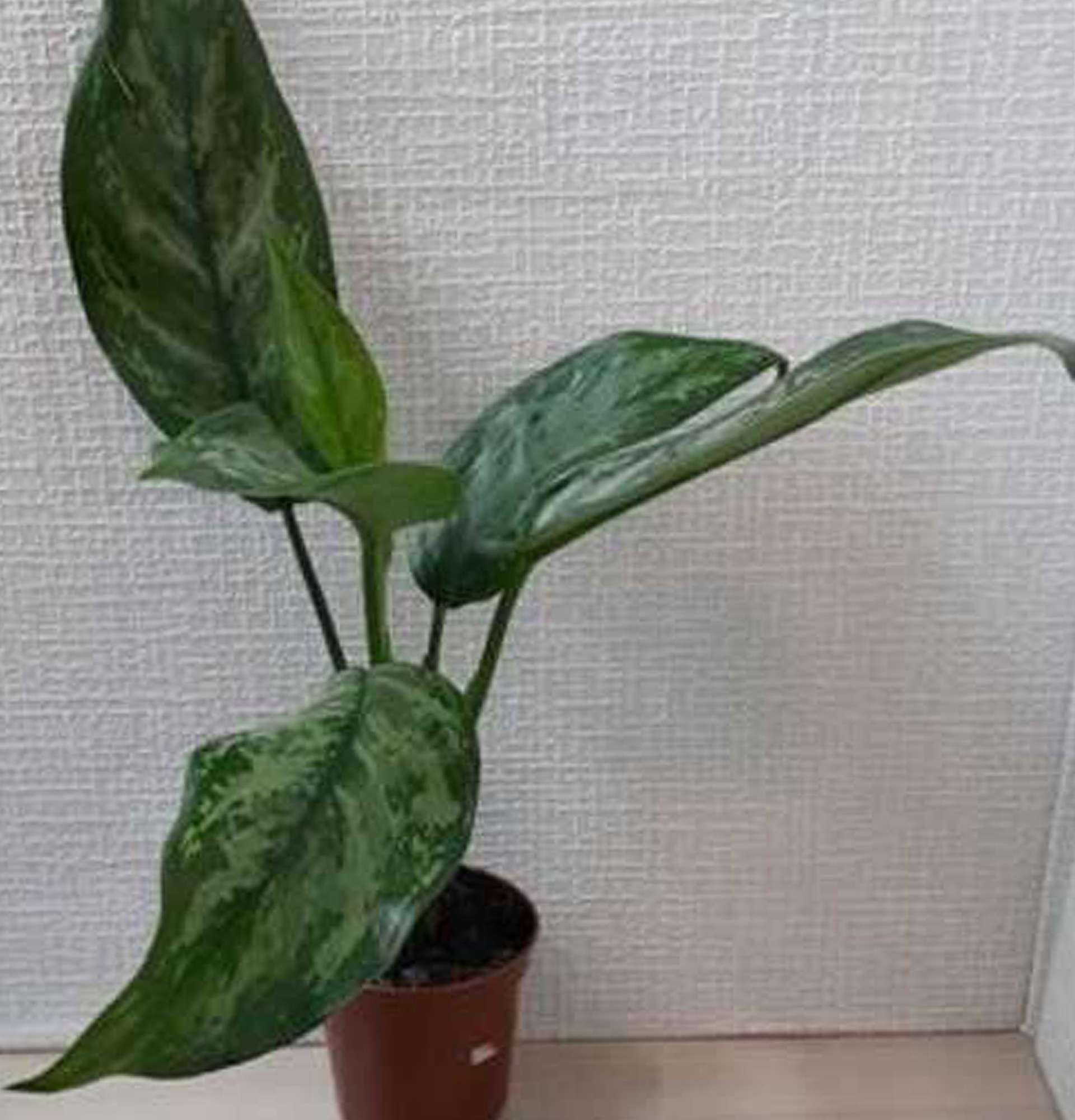
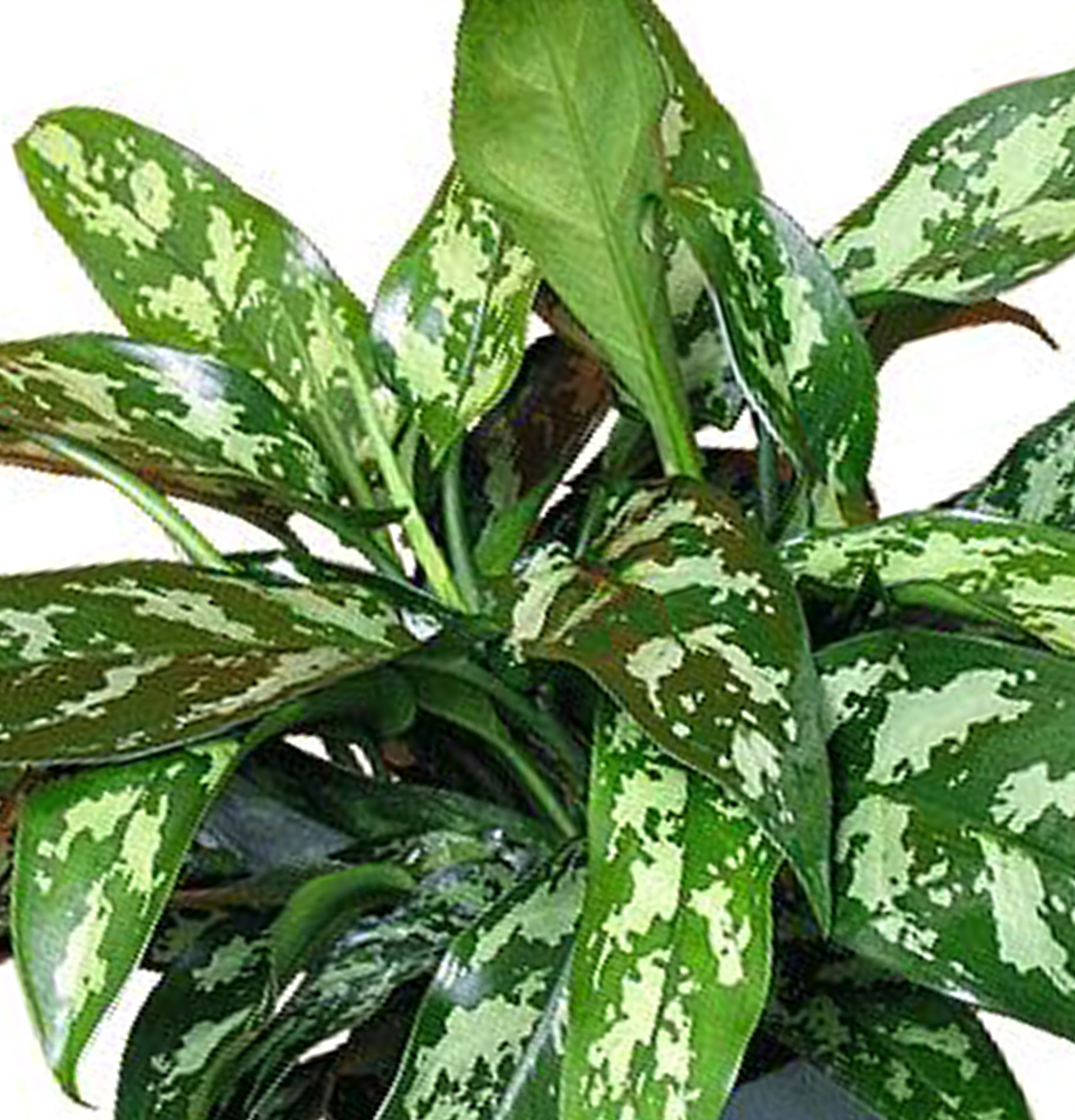 The charming name of this varietal variety is consonant with its appearance. The indoor plant with white-green leaves, with good care, can reach a height of about seventy centimeters. Large leaf plates are decorated with a wonderful marble pattern with greenish-silver pigment.
Aglaonema Crete (Aglaonema Crete)
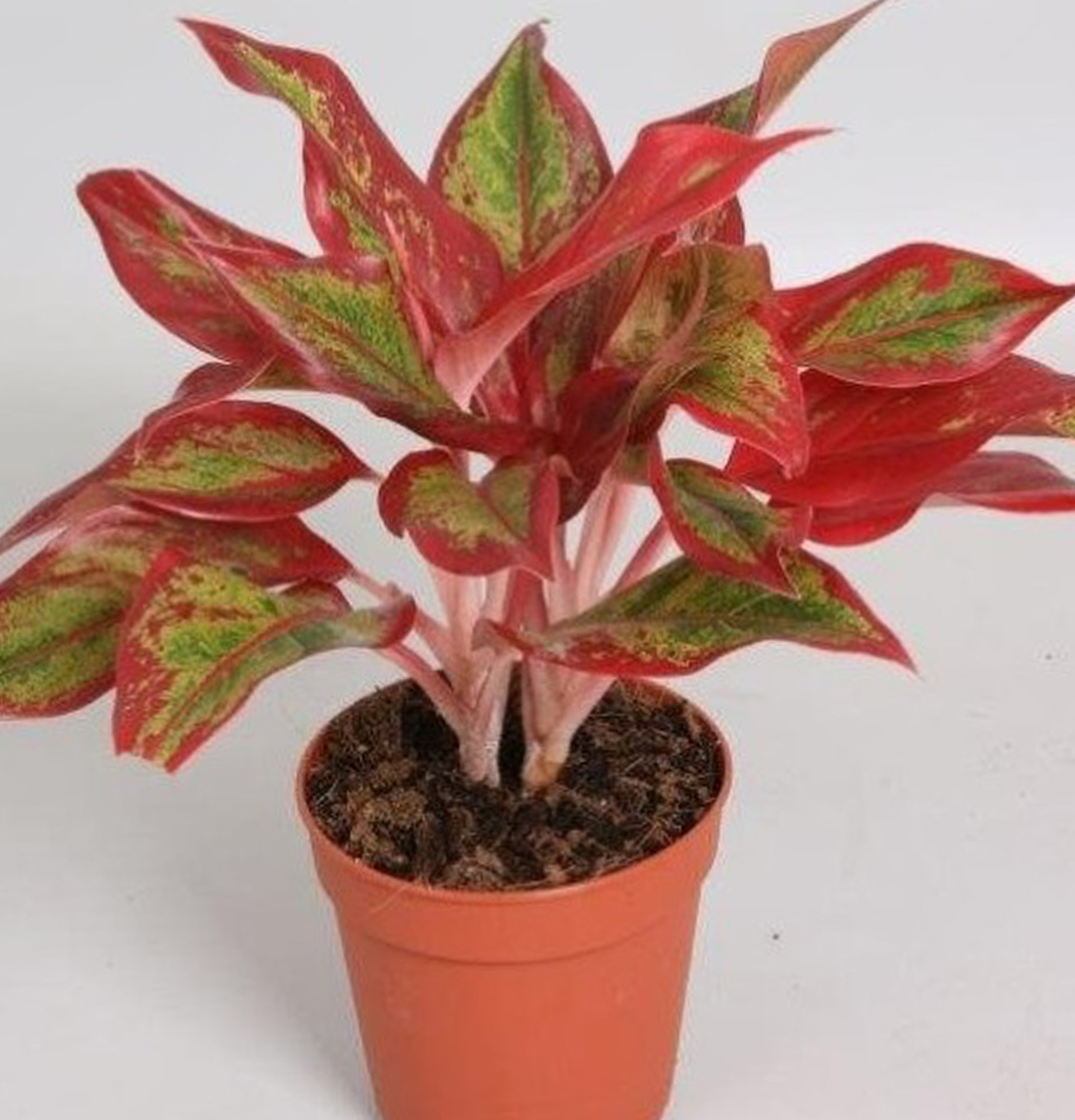 This amazing, slow-growing, shade-tolerant variety is in the group of bright red varieties and is called red aglaonema or aglaonema red. This wonderful indoor flower is equipped with bright variegated, fifteen-centimeter-long, long leaf plates with pointed ends. The entire front surface of the leaf is covered with spots, and the central vein can be better seen from the back of the leaf, framed in red. This indoor flower with variegated leaves grows up to seventy centimeters and is a decoration for any interior.
Aglaonema Red Zircon (Aglaonema Red Zircon)
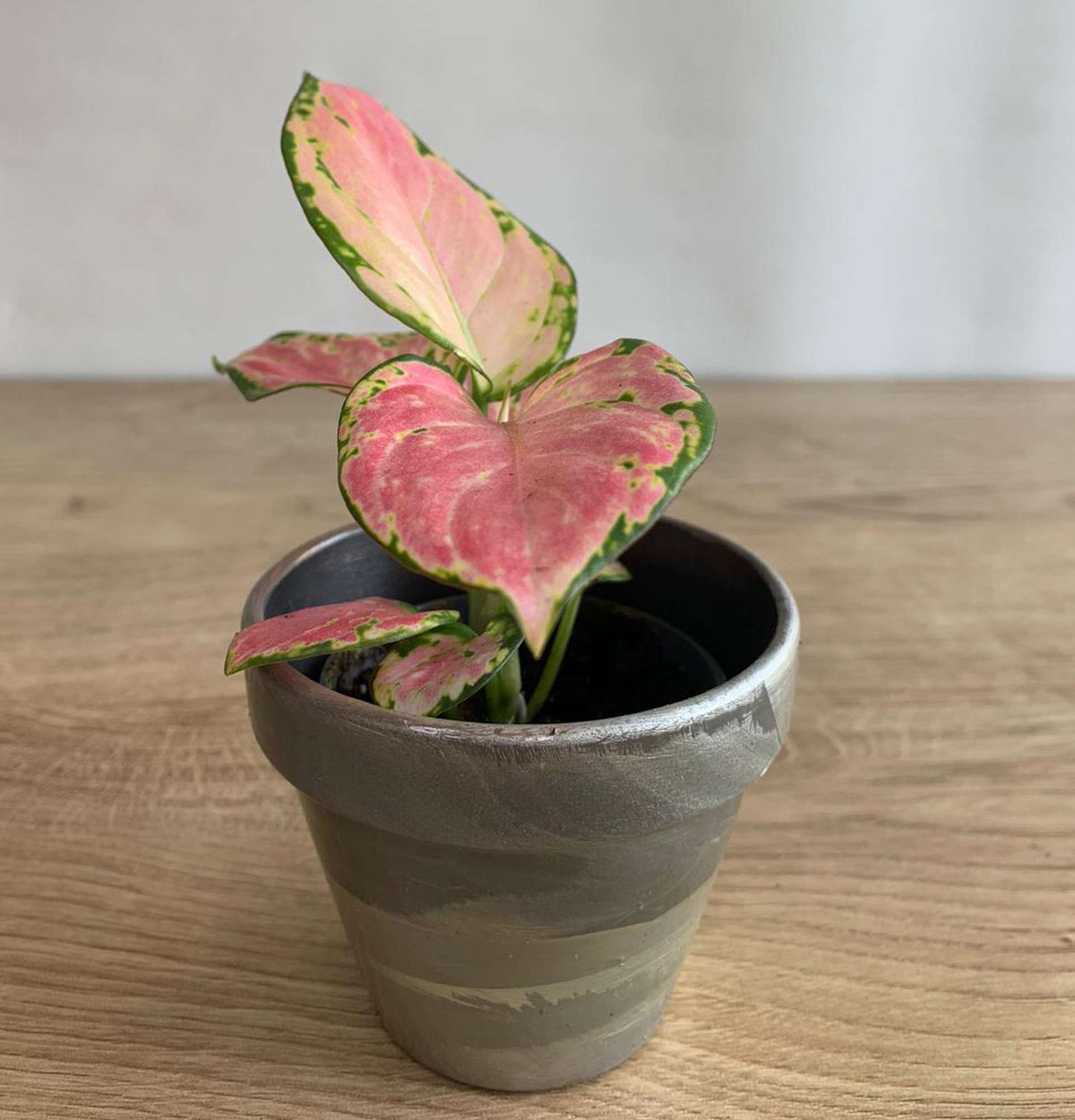
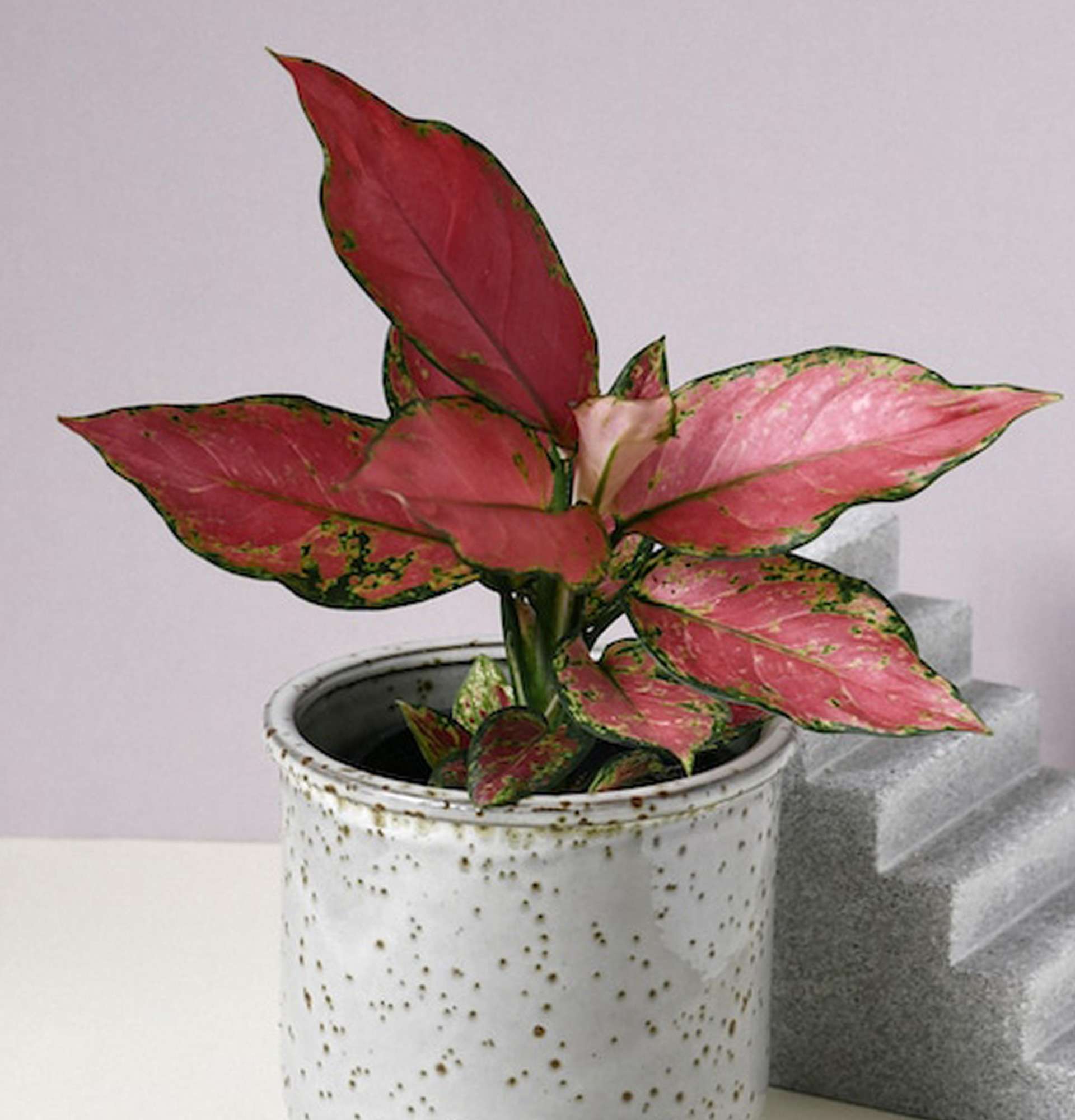
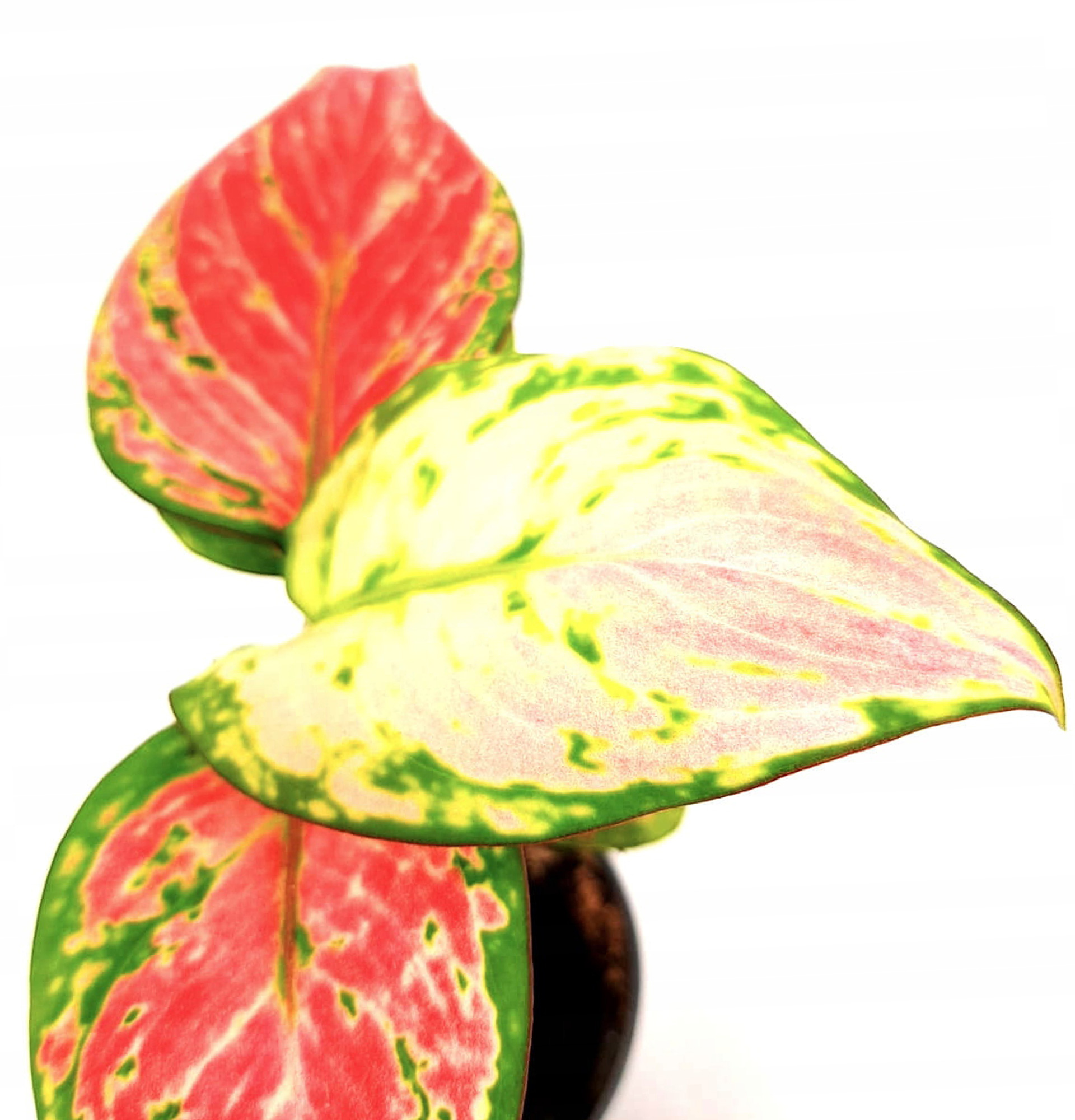 This is the best rare variety with a very interesting appearance. The leaf plates are represented by clusters that resemble hearts. Their reddish-pink hue with green lines along the edge of the leaf and stem makes the plant charming. It feels great in a home environment, improving the interior of any space.
Aglaonema Silver Bey (Aglaonema Silver Bey)
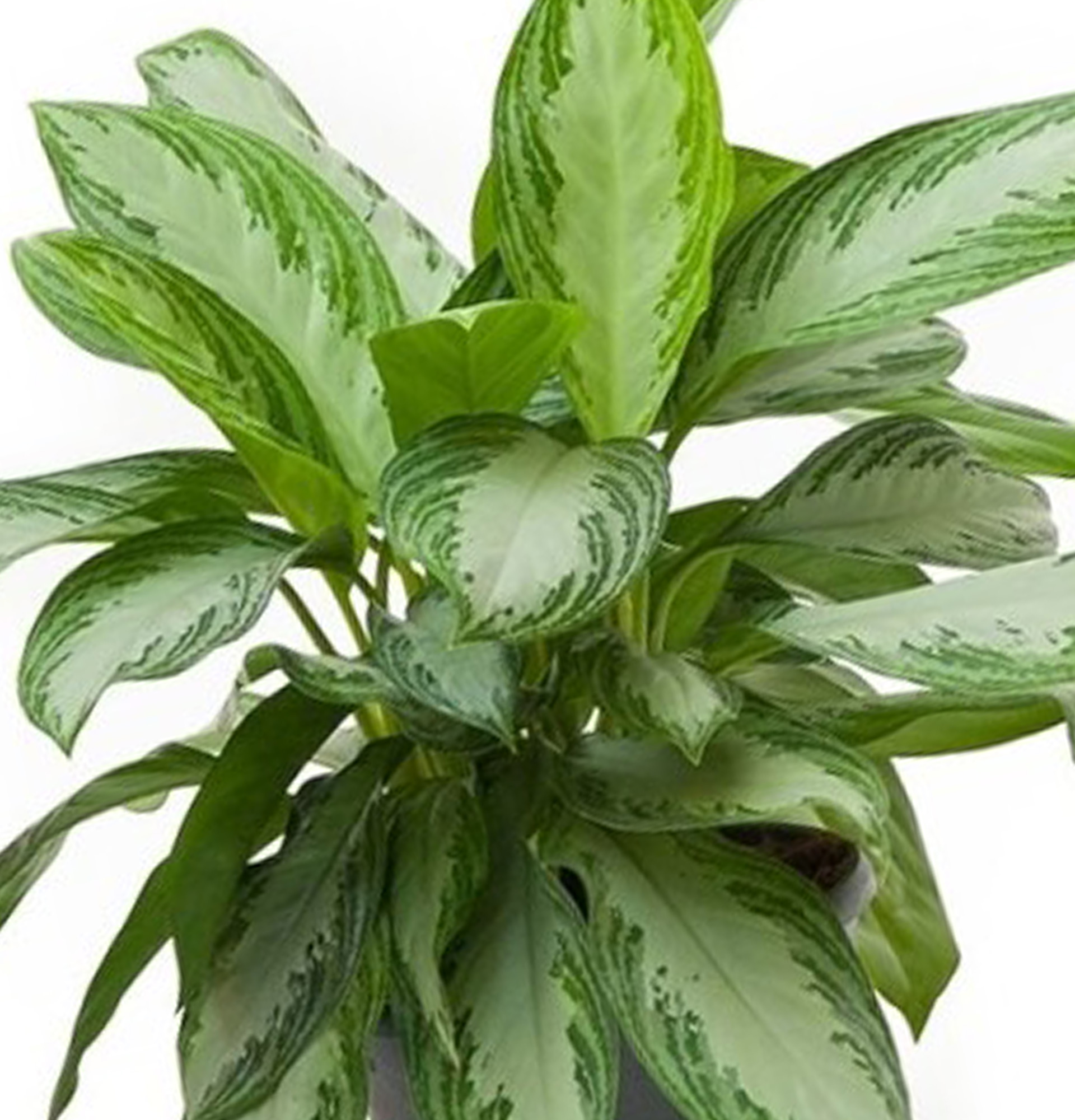 The painstaking work of breeders at the end of the twentieth century resulted in the emergence of a new, unpretentious, resistant to cold, drought, and waterlogged soil variety of indoor plant. Aglaonema Silver Bey is a bushy plant that branches out from the very root, reaches a height of one meter, and has significant dimensions in width. Sharp-pointed leaf plates in the form of an oval reach a length of up to thirty centimeters. The central part of the leaf is pale green, which turns into white, and closer to the edges of the leaves, it is decorated with dark stripes and spots. The adult leaves darken, and their back side is always darker in color.
Aglaonema Treubii (Aglaonema Treubii)
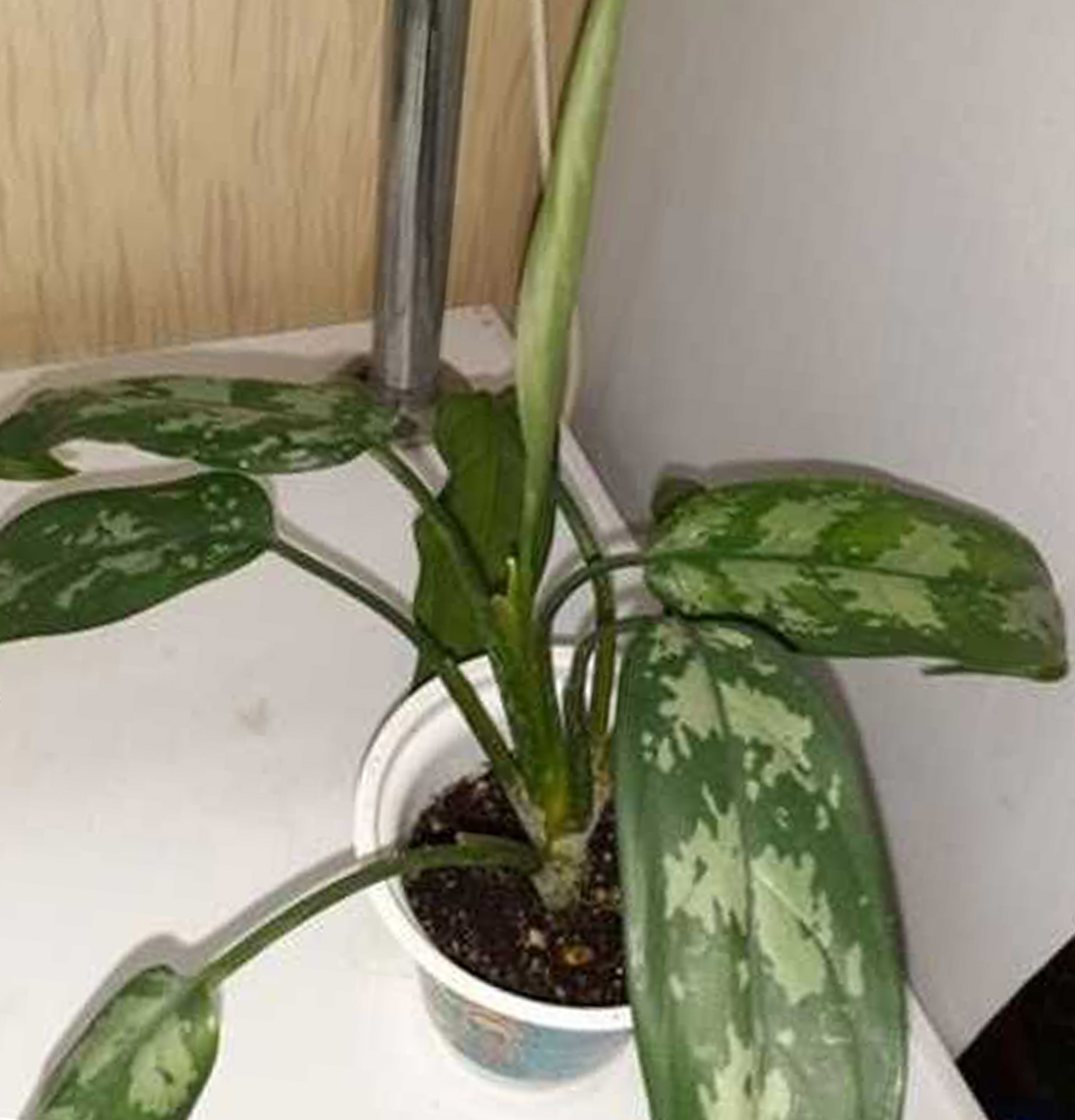 This amazing unpretentious species has much in common with aglaonema Maria. Aglaonema Treubii differs in longer, fifteen-centimeter-long, narrow, and sparse greenish-silver leaf plates.
Aglaonema Freedman (Aglaonema Freedman)
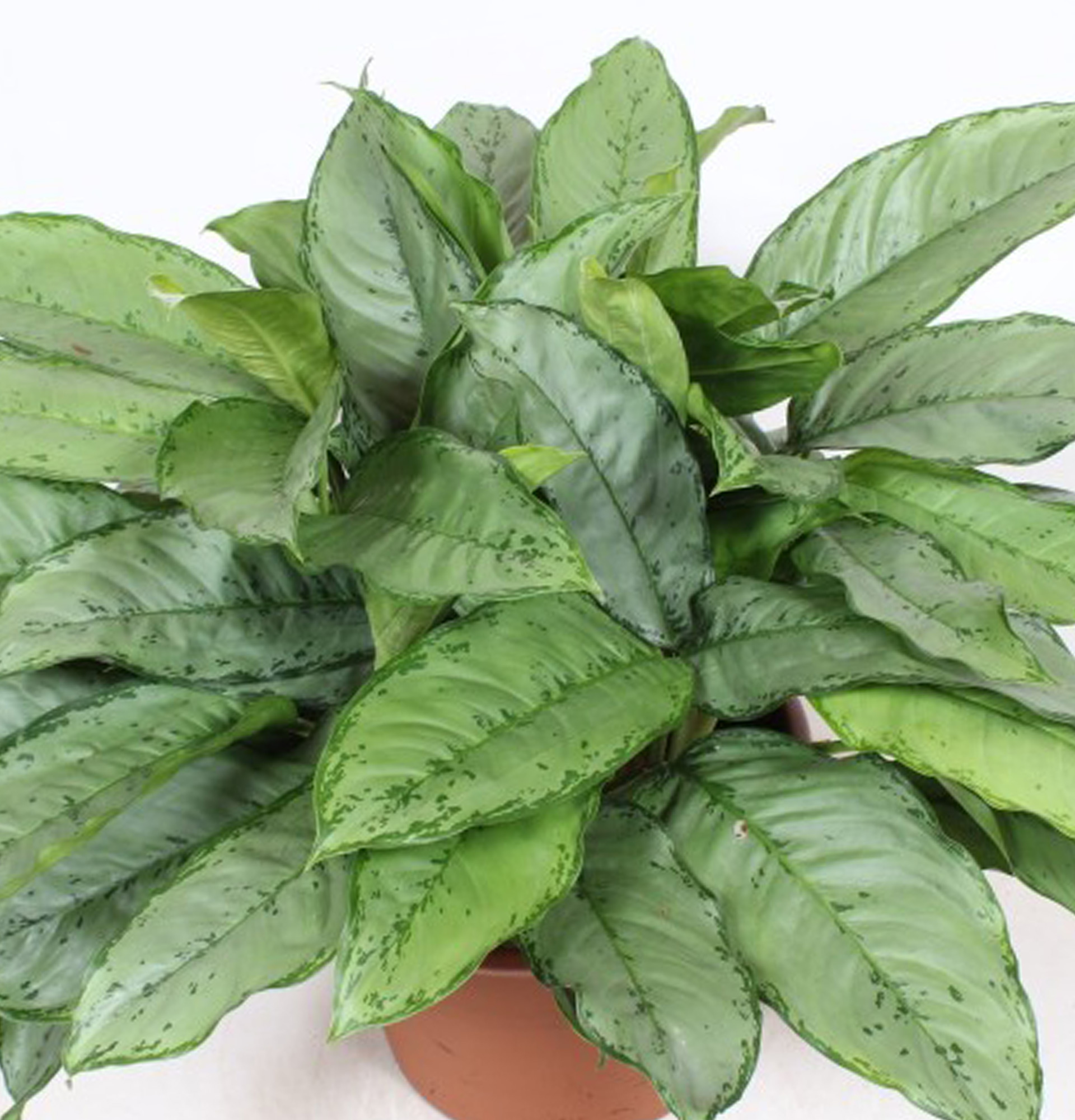 This tall species, which reaches a height of one and a half meters, can beautifully decorate the interior of a home greenhouse. It has large, wide, silvery leaves in the center with green spots, and the edges are wavy. And a high, dense stem supports all this beauty. This indoor flower with variegated leaves is very unpretentious and can comfortably feel both in a well-lit room, but without bright sunlight, and in darkened areas.
Aglaonema China Red (Aglaonema China Red)
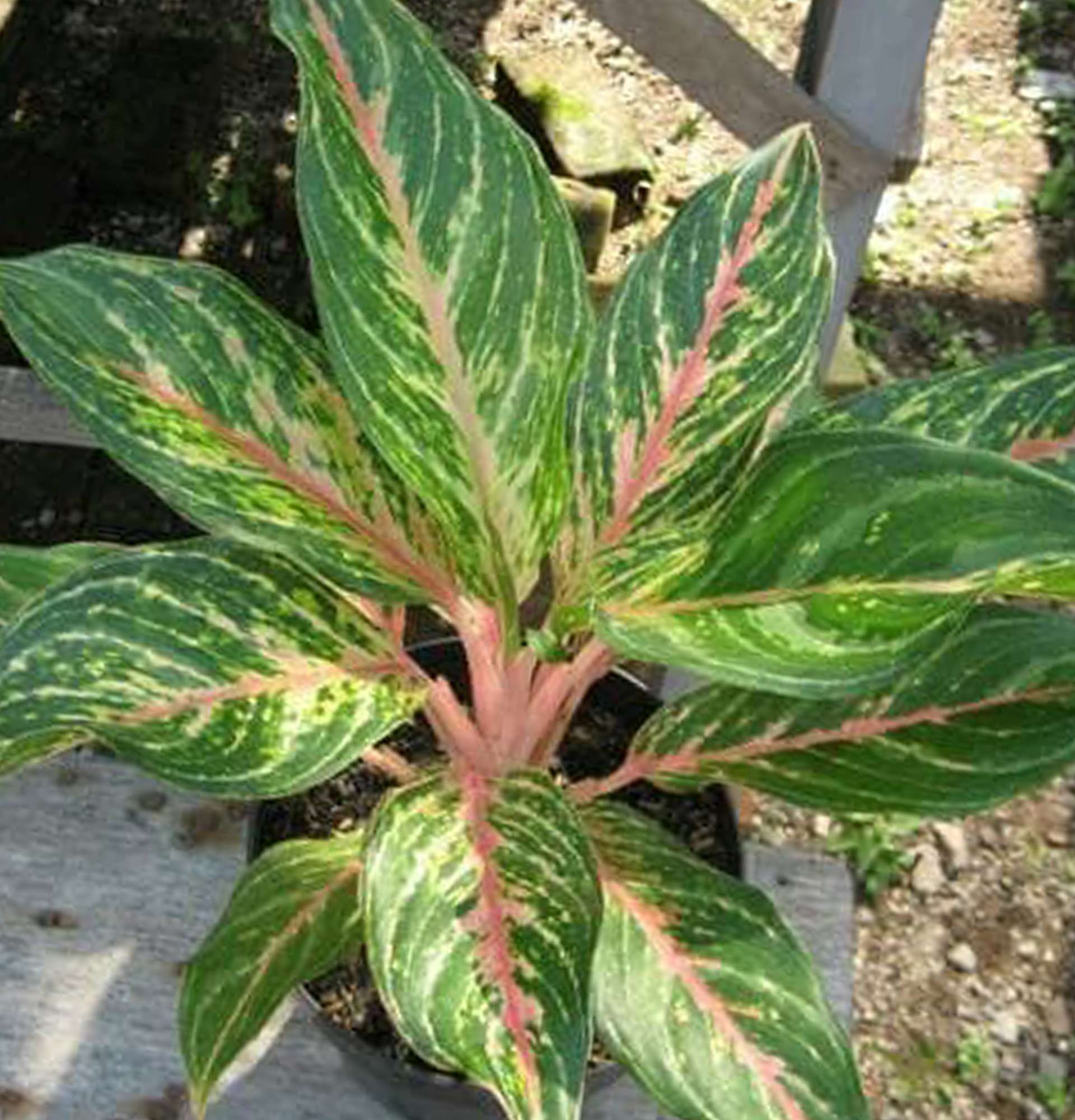
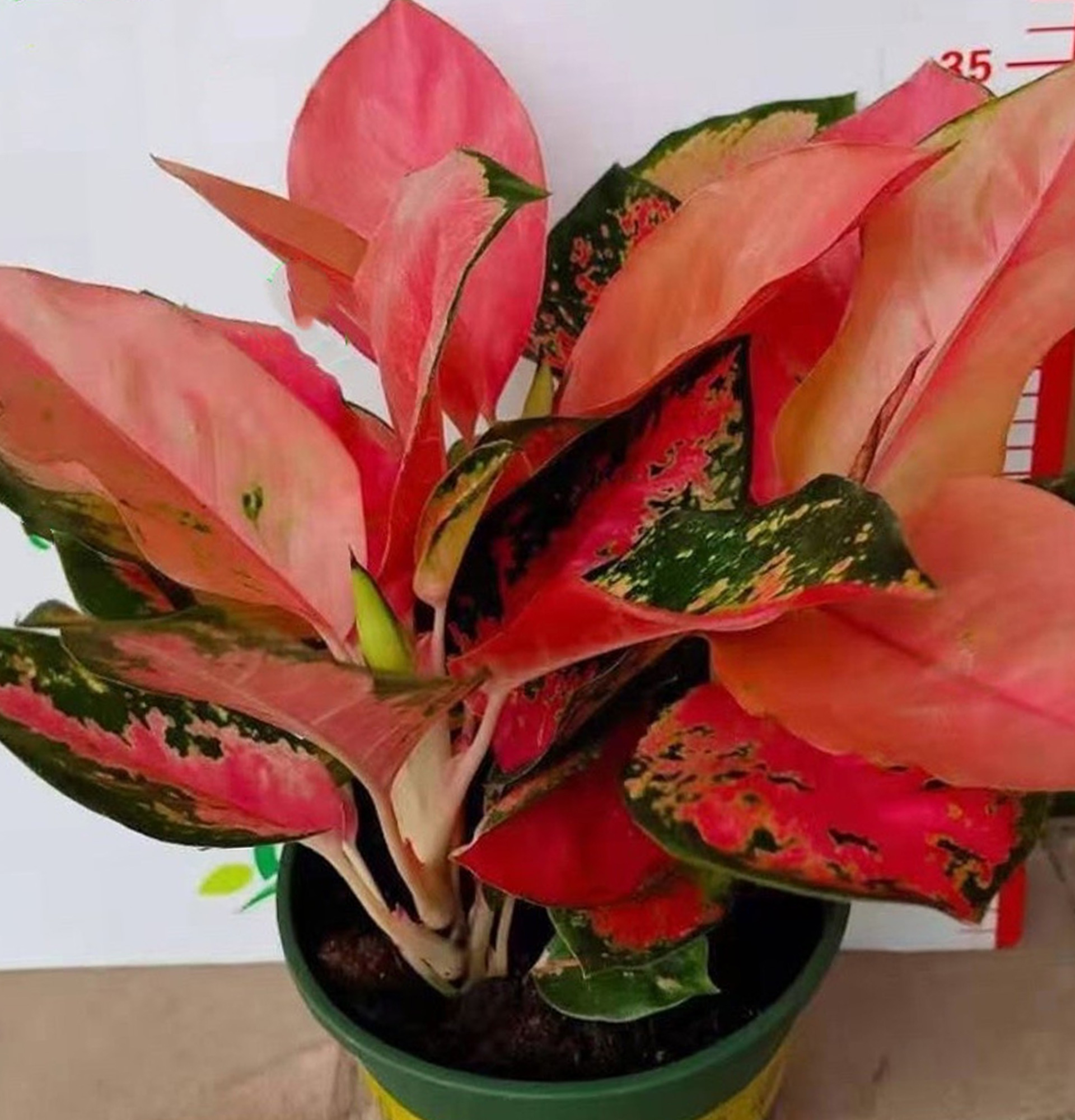 The appearance of this wonderful and picturesque aglaonema in the interior will bring an atmosphere of the East and tropics to the room. The bush can reach fifty centimeters in height, while maintaining compact dimensions. Short pink petioles support shiny leaves of a wonderful color. These bright red, yellow, and green tones look very original with a green border, which serves as a separator for the leaves. Aglaonema of the red variety shines with its beauty even on a narrow windowsill.
Aglaonema Cherry Baby (Aglaonema Cherry Baby)
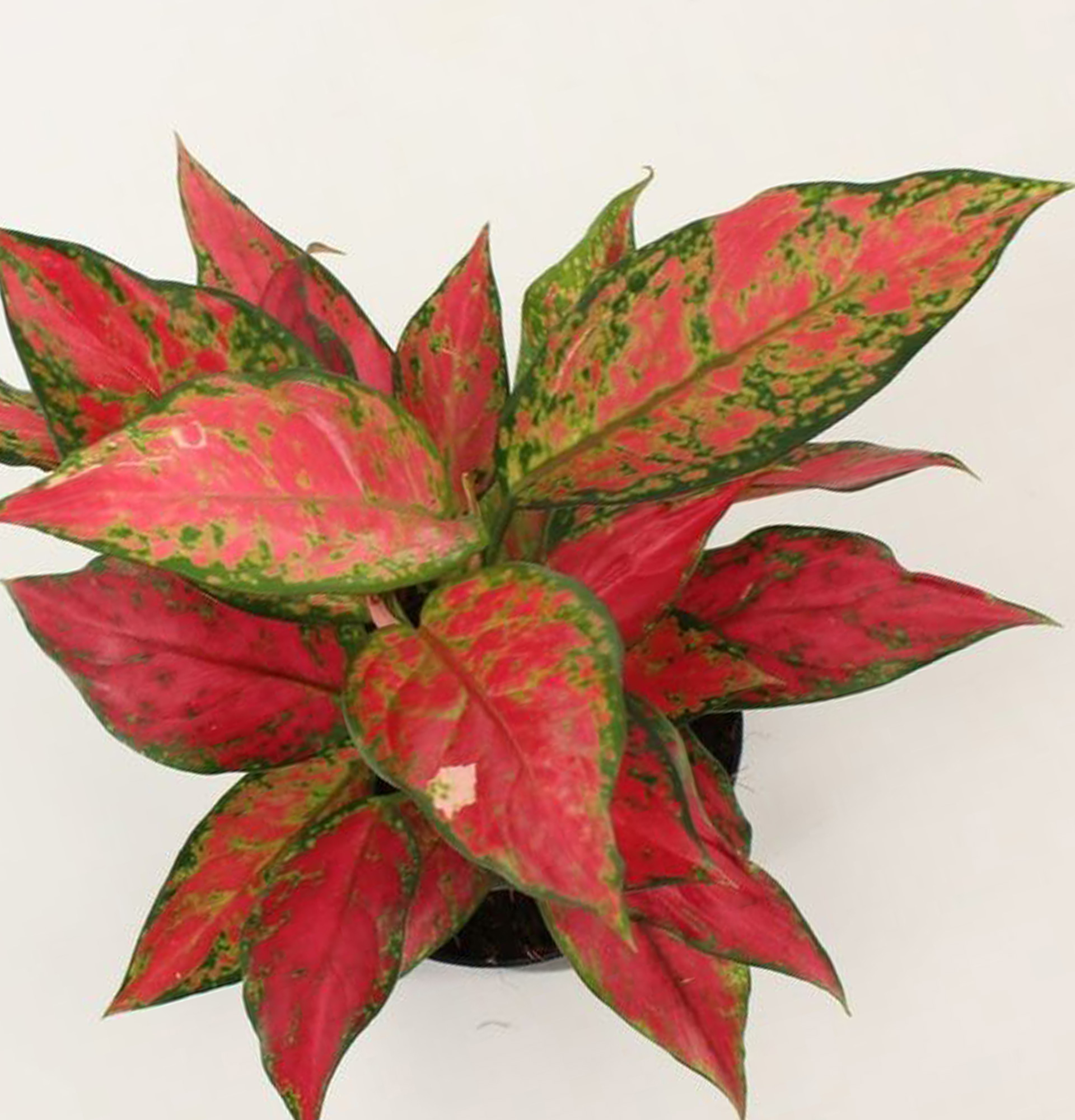 This is a collectible variety of aglaonema. Its very rare and bright color makes the indoor plant charming, capable of improving the interior of a residential and office space.
Aglaonema Butterfly (Aglaonema Butterfly)
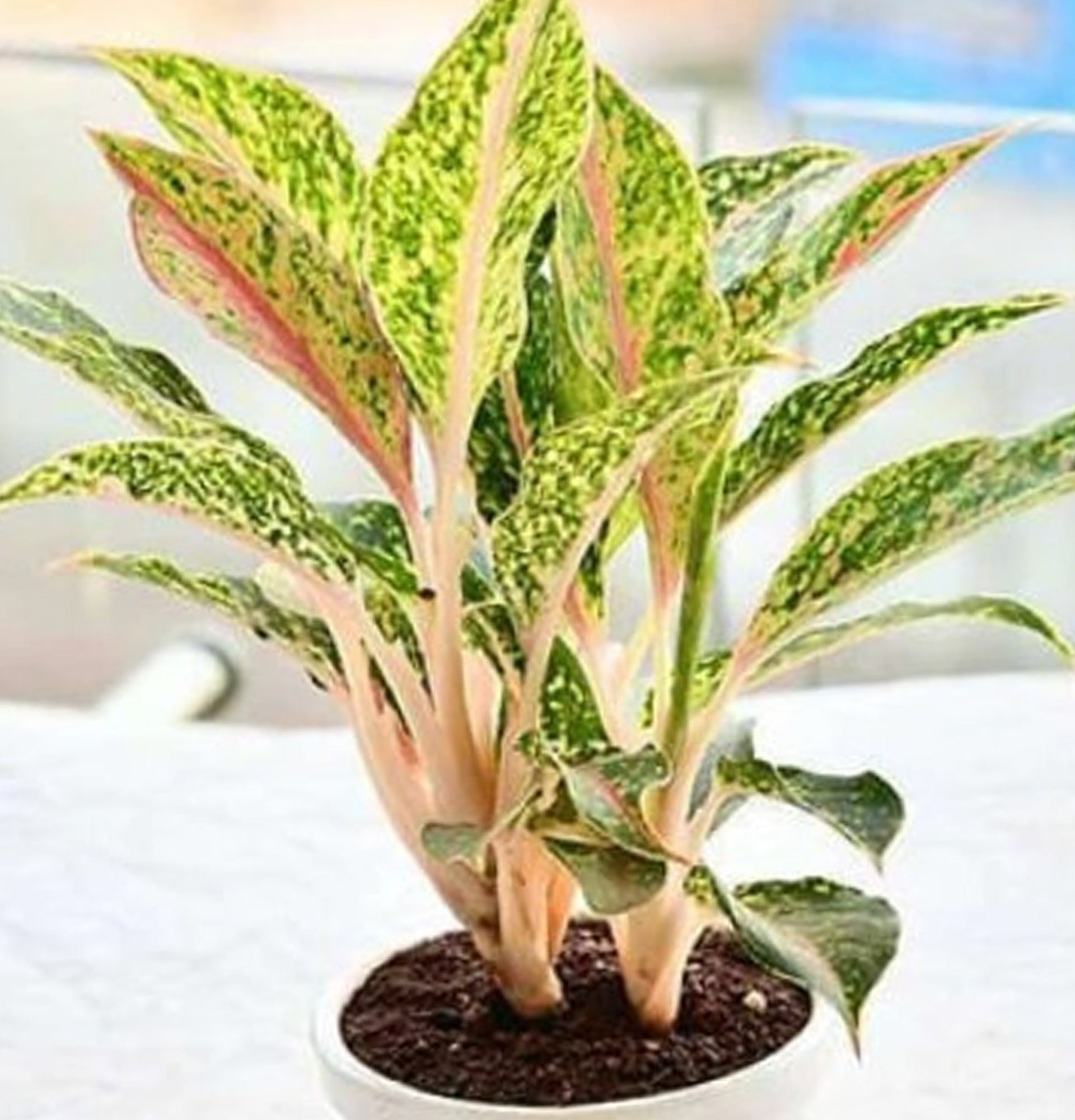 This bushy indoor plant reaches a height of forty centimeters. Young specimens of this variety have twenty-centimeter leaf plates of emerald color with a central pink and light green veins. In an adult plant, pink color predominates in the form of spots. Aglaonema pink will feel great in warm and bright rooms without direct sunlight, and will not refuse frequent watering and a warm shower.
Aglaonema Stripes (Aglaonema Stripes)
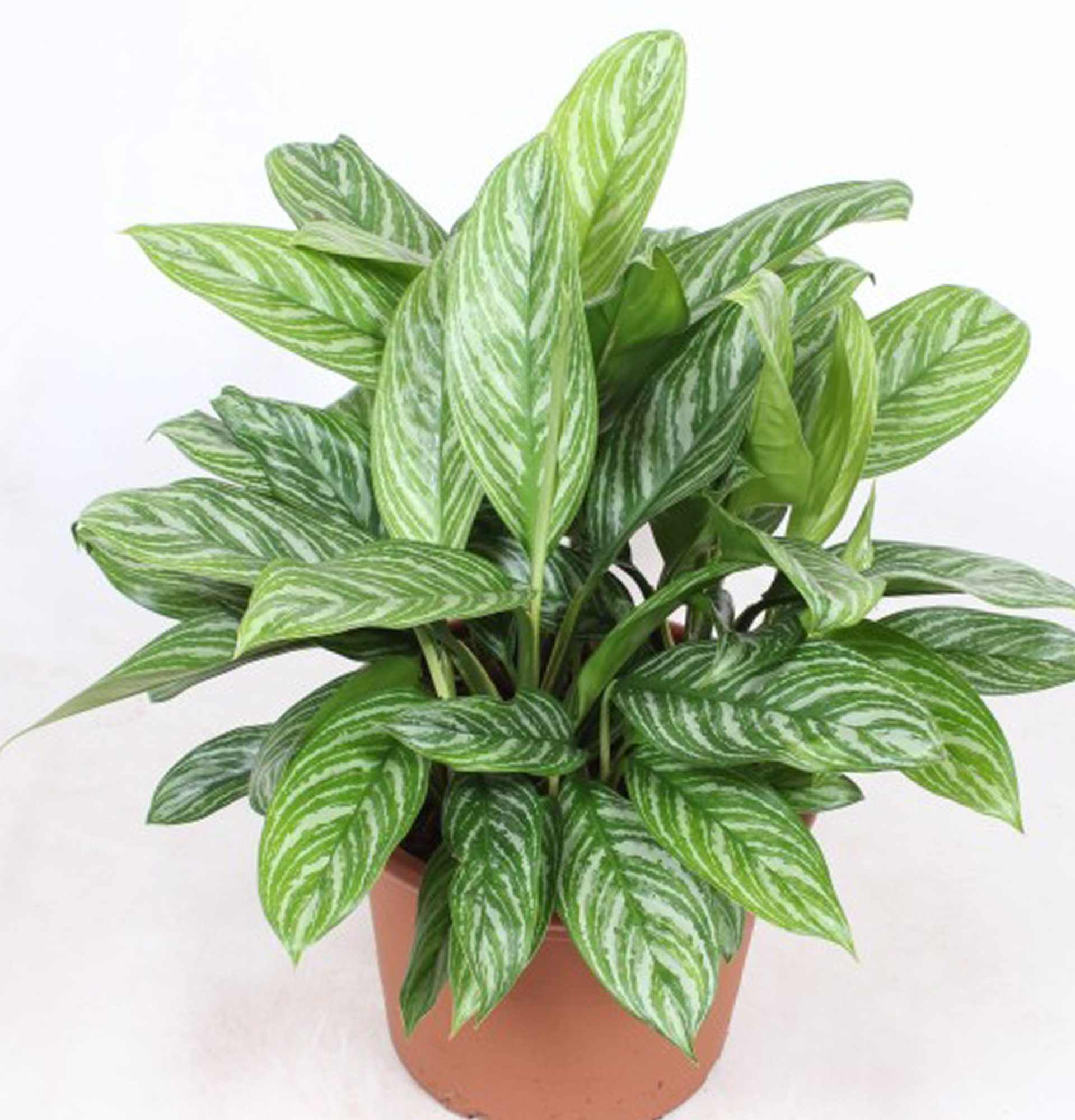 This variety is represented by a slow-growing, compact, unpretentious, shade-tolerant indoor plant that will decorate any interior. Its incomparable striped, shiny leaf plates can be compared to a watermelon or a zebra. It will look great on a sideboard or coffee table.
Aglaonema Bidadari (Aglaonema Bidadari)
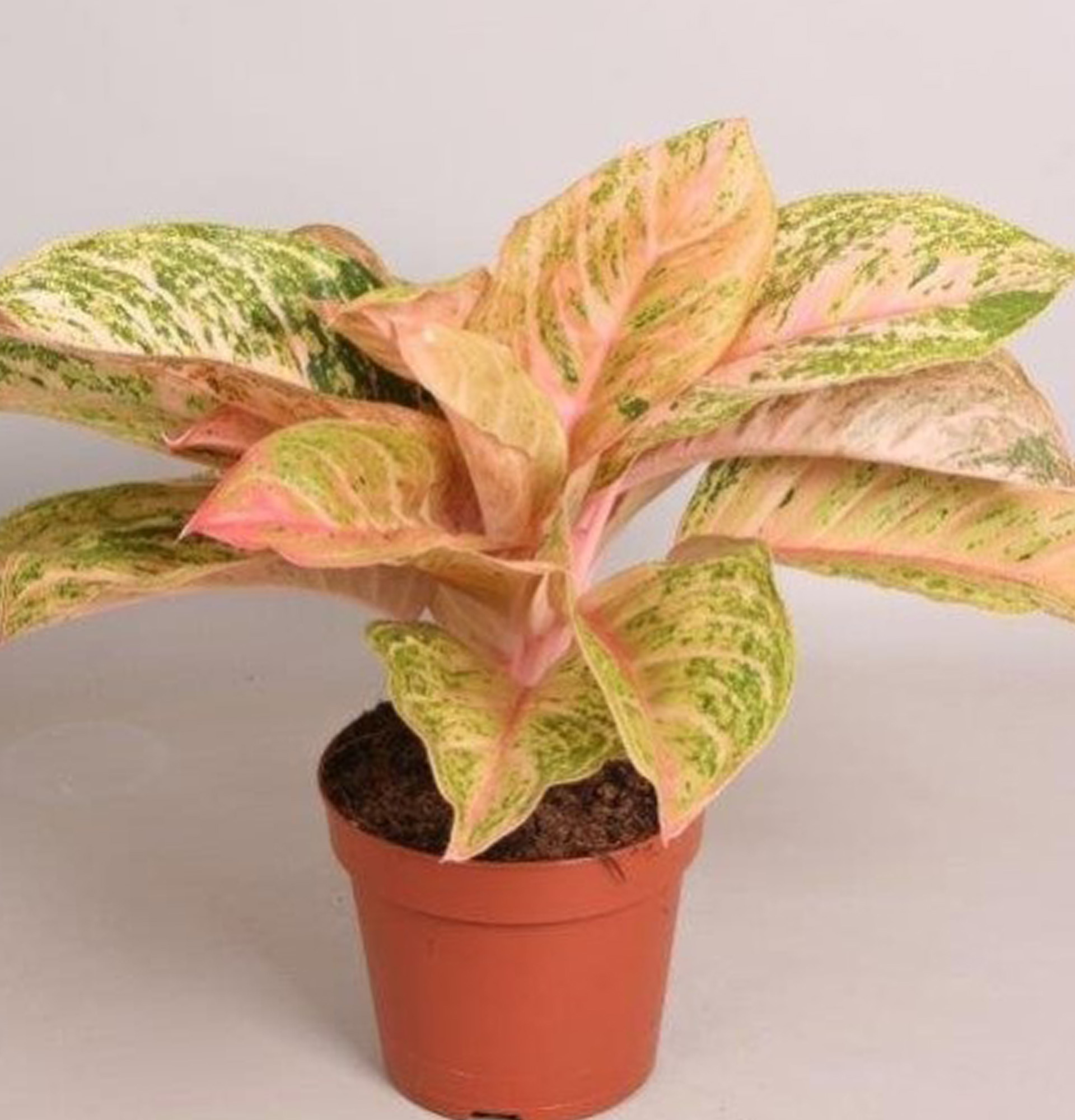 This is a very original variety with pink-cream leaf plates of various shapes and sizes. The variety of patterns is striking. The bush can reach forty centimeters in height with leaves up to fifteen centimeters.
Aglaonema Green Lady (Aglaonema Green Lady)
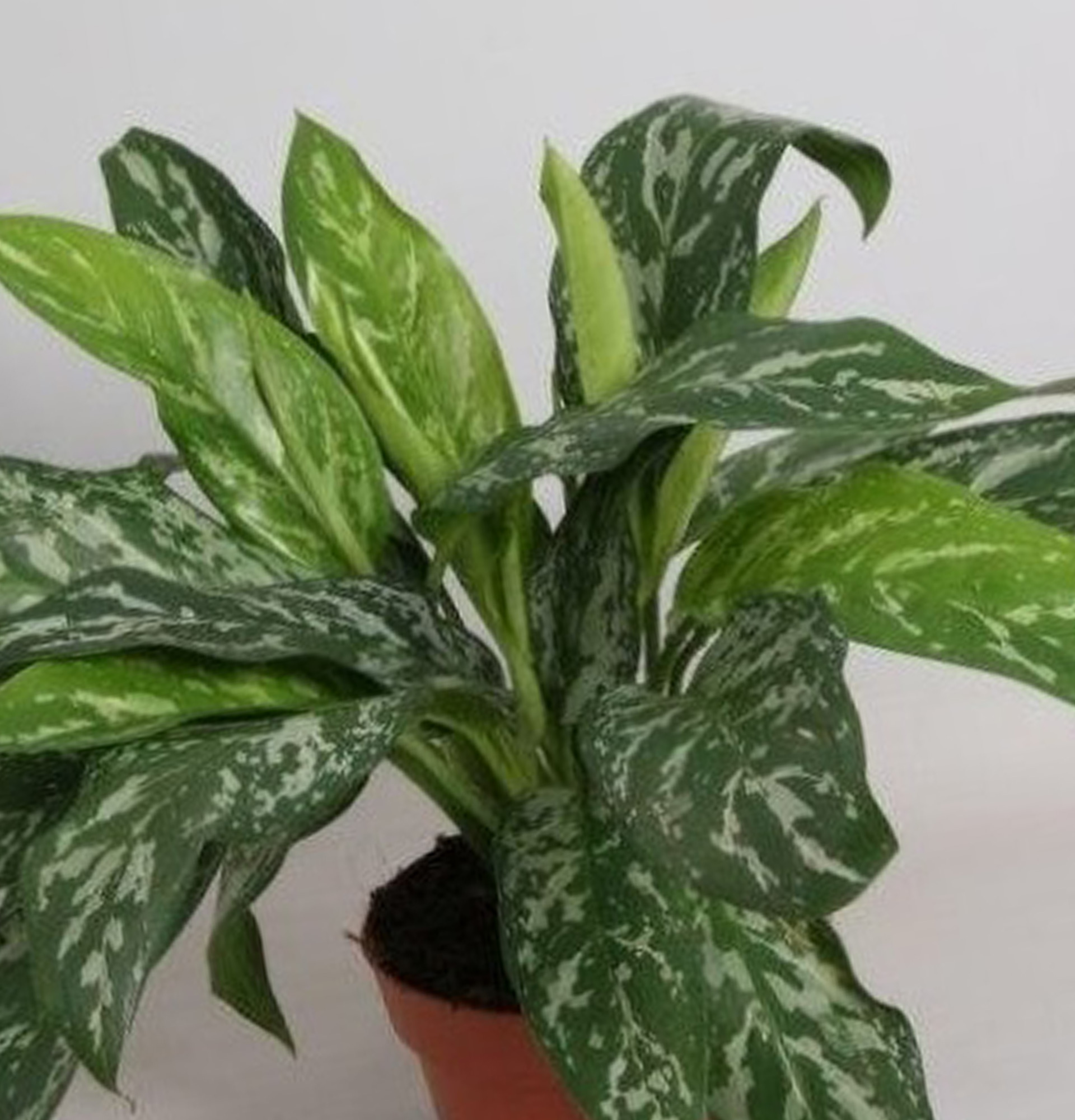 This is an interesting, unpretentious variety in care with whitish-silver leaves with green spots, the length of which reaches twenty centimeters. This indoor plant with white-green leaves can reach a height of forty centimeters.
Aglaonema Tivoli (Aglaonema Tivoli)
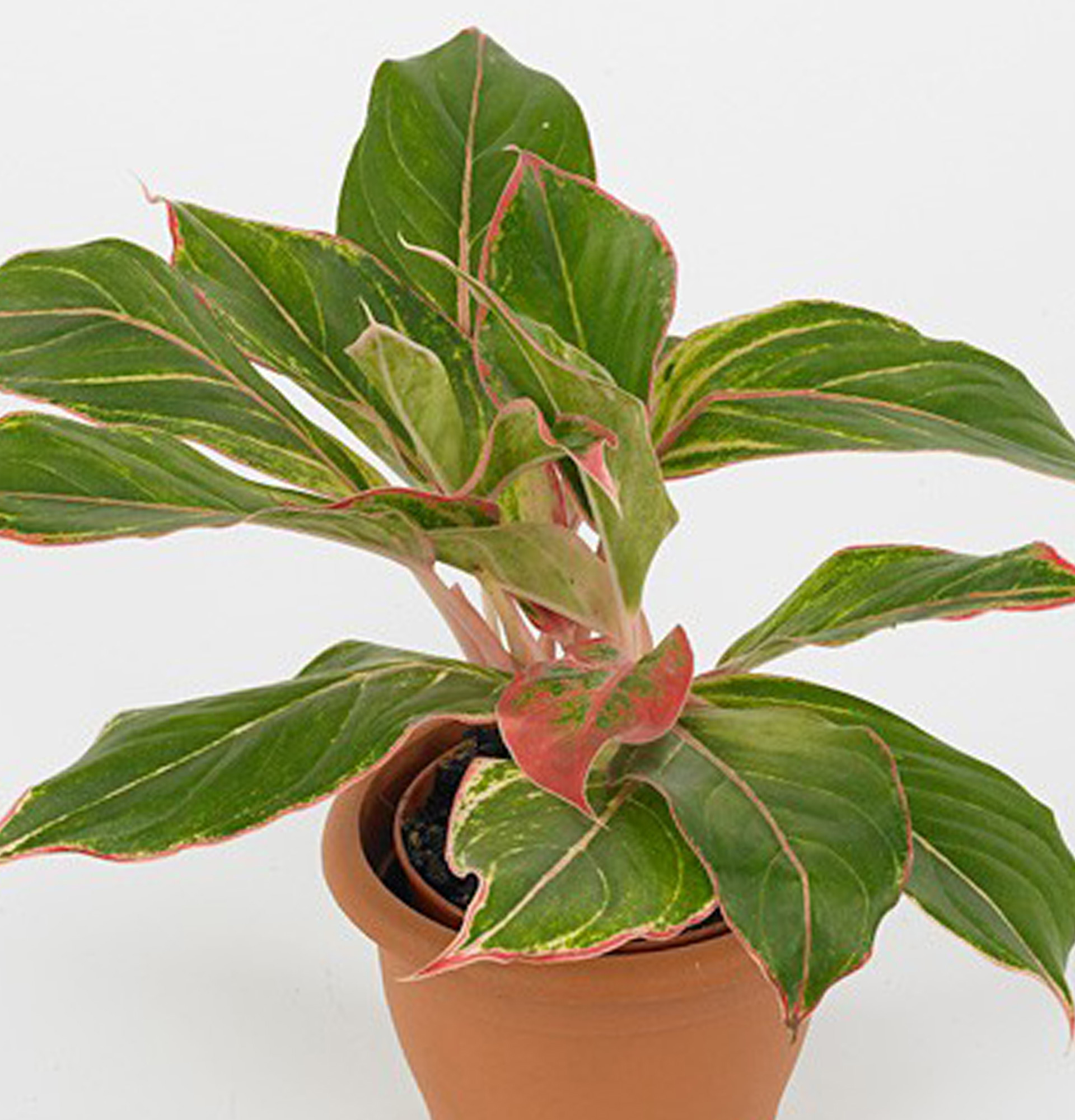 This is a very elegant varietal variety with a unique three-color narrow leaves. Without a doubt, it is the decoration of any interior.
Aglaonema Rotundum (Aglaonema Rotundum)
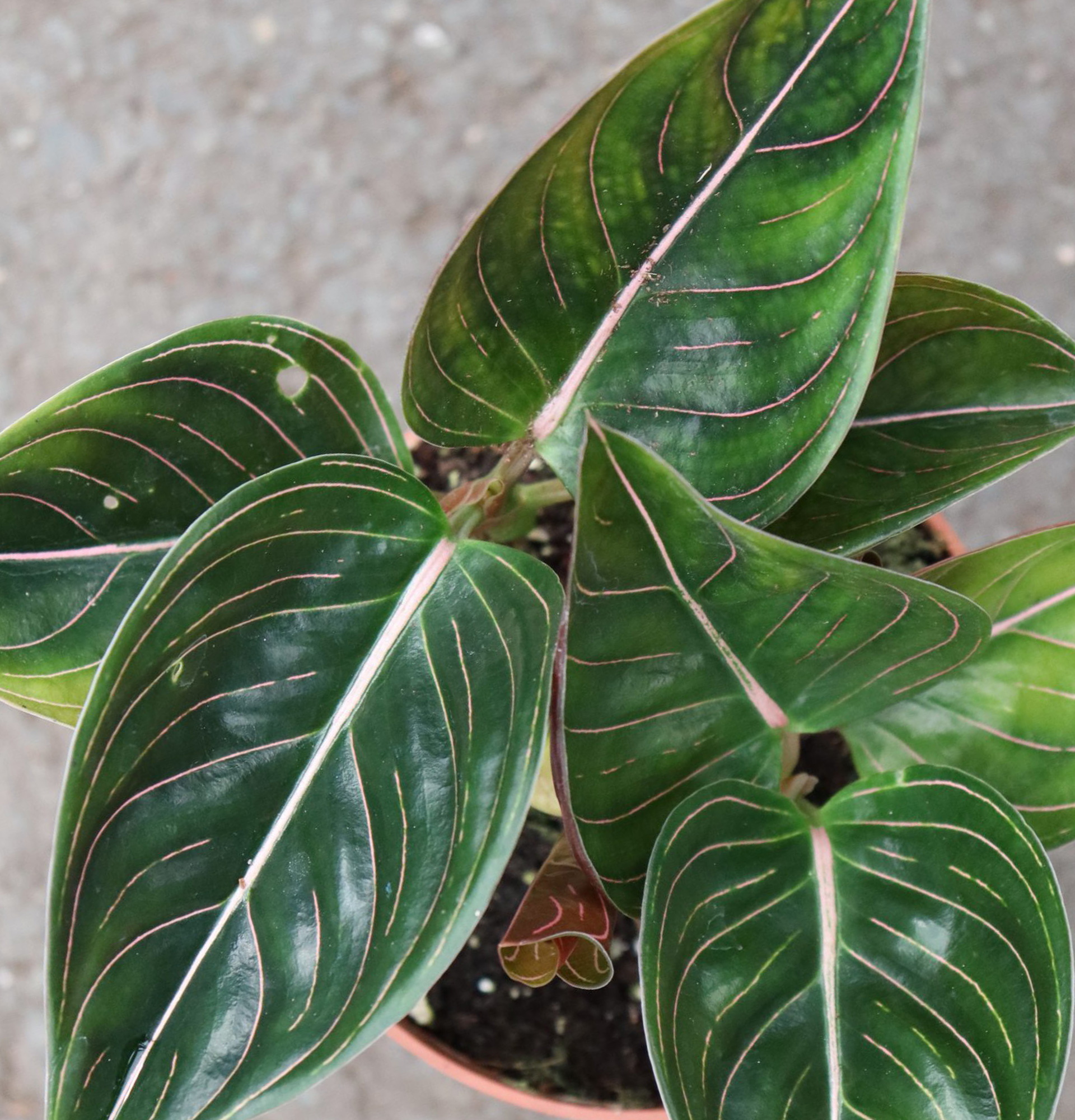 Aglaonema rotundum is an incredibly beautiful variety of tropical and colorful plant. It beautifully decorates shopping centers, hotel lobbies, and office spaces. After all, this flower looks charming and makes the surrounding area clean. It has leathery, heart-shaped, dark green leaves with white, silver, and pink stripes located along the veins.
Aglaonema Green Sun (Aglaonema Green Sun)
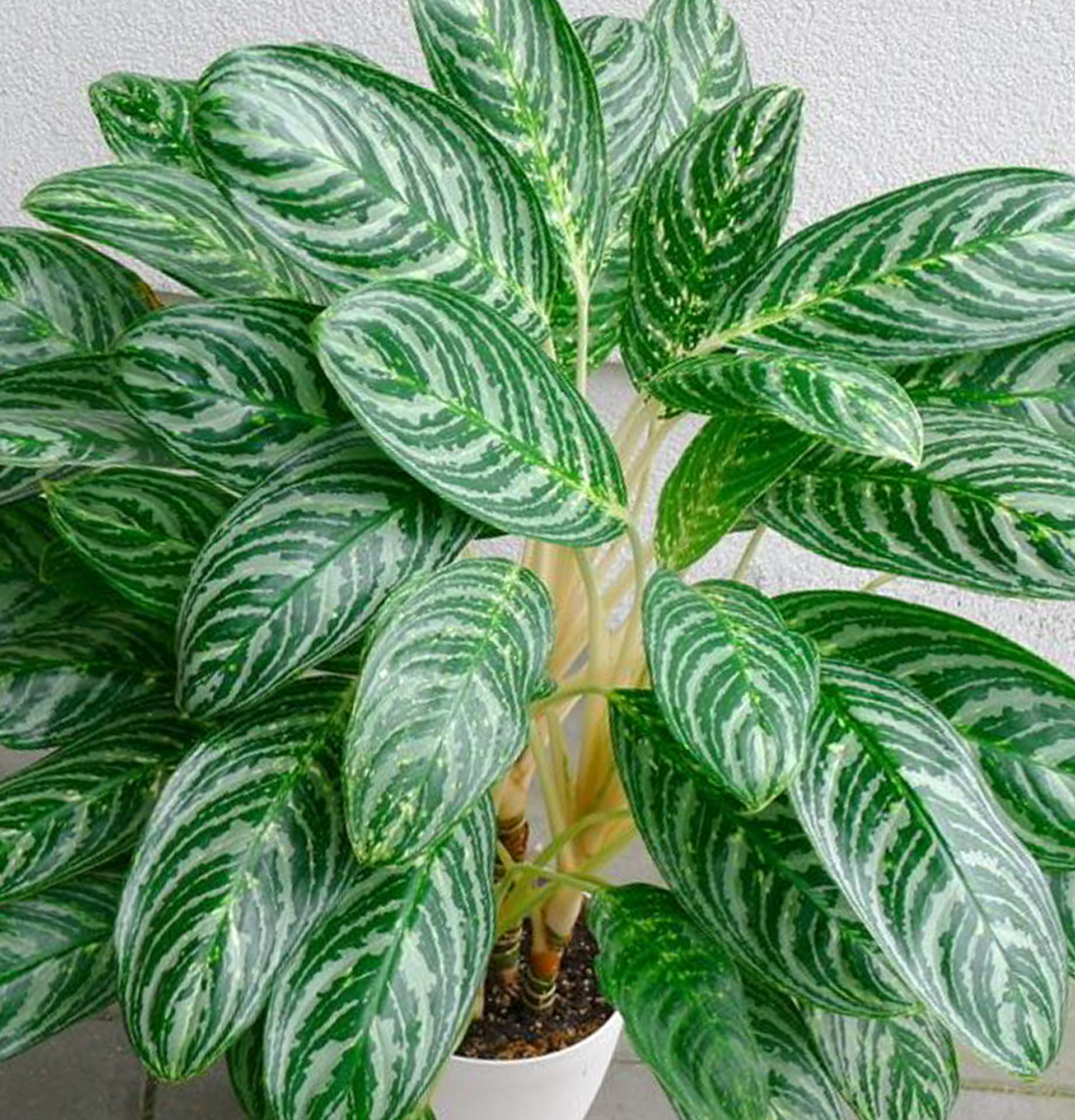 This slow-growing variety is represented by a bushy, luxurious culture. It has large, oval, whitish leaves, the tips of which are slightly pointed. With good lighting and normal air humidity, it will be a wonderful decoration for any interior.
Aglaonema Greenlight (Aglaonema Greenlight)
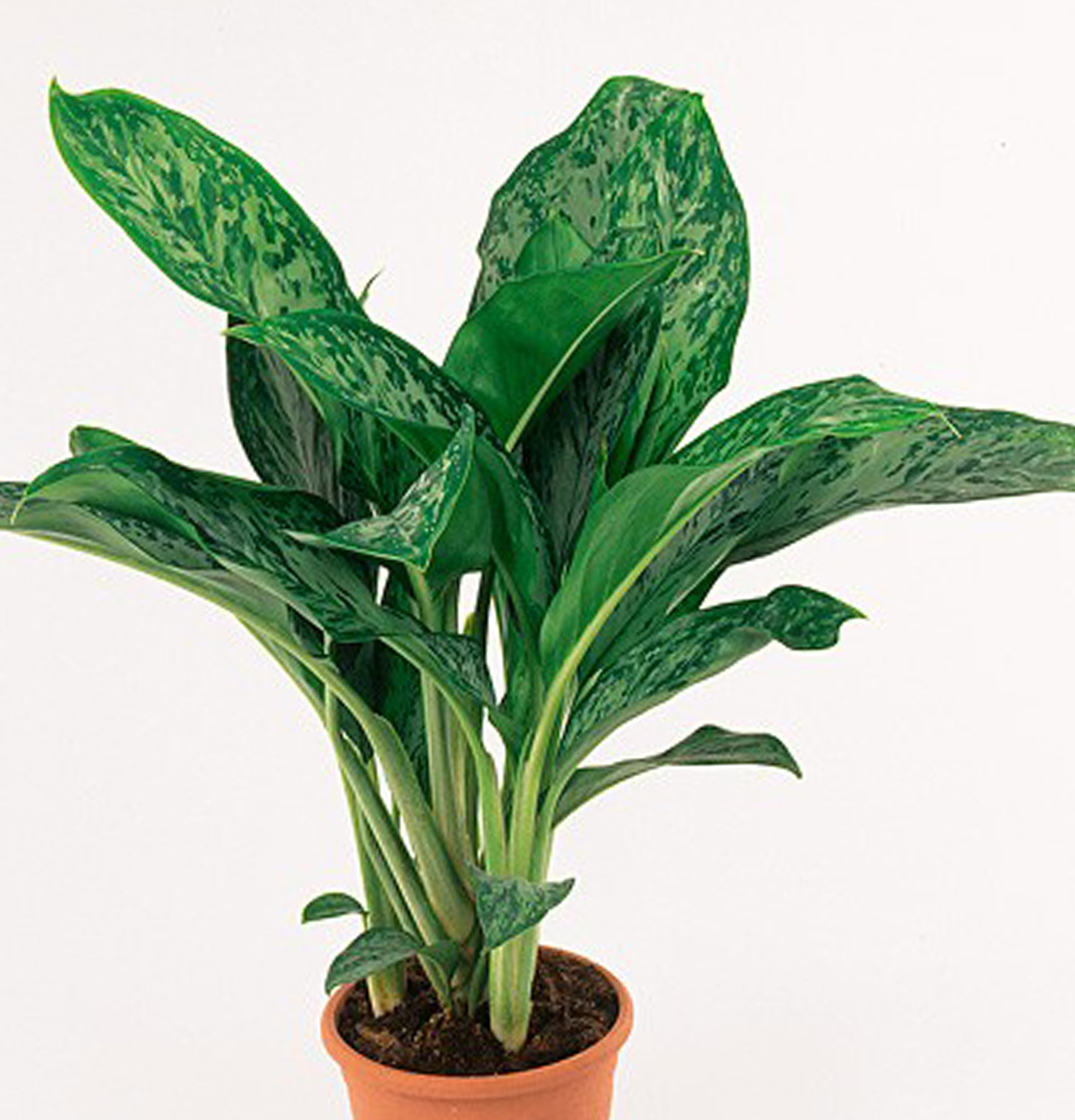 This unpretentious variety from Southeast Asia has large, shiny, silver leaf plates, decorated with dark green spots. The indoor plant can grow up to a meter in height. The attractive appearance of this bush will decorate and enliven any interior.
Aglaonema Anyamanee (Aglaonema Anyamanee)
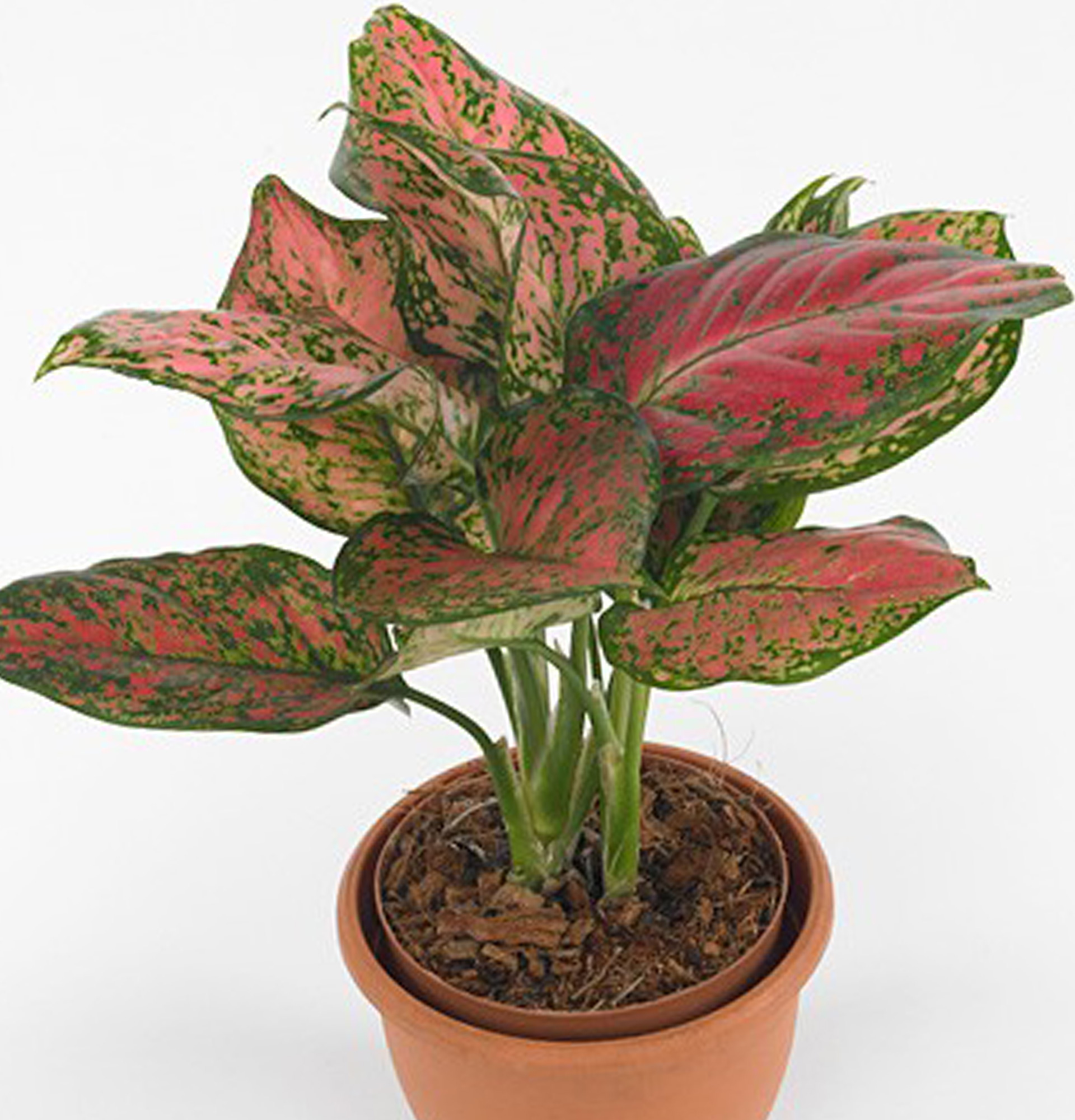 The native territory of this variety is India. The unpretentious plant with a bright appearance will be beautiful in the interior of home and office spaces.
Aglaonema Pra Khan Prom (Aglaonema Pra Khan Prom)
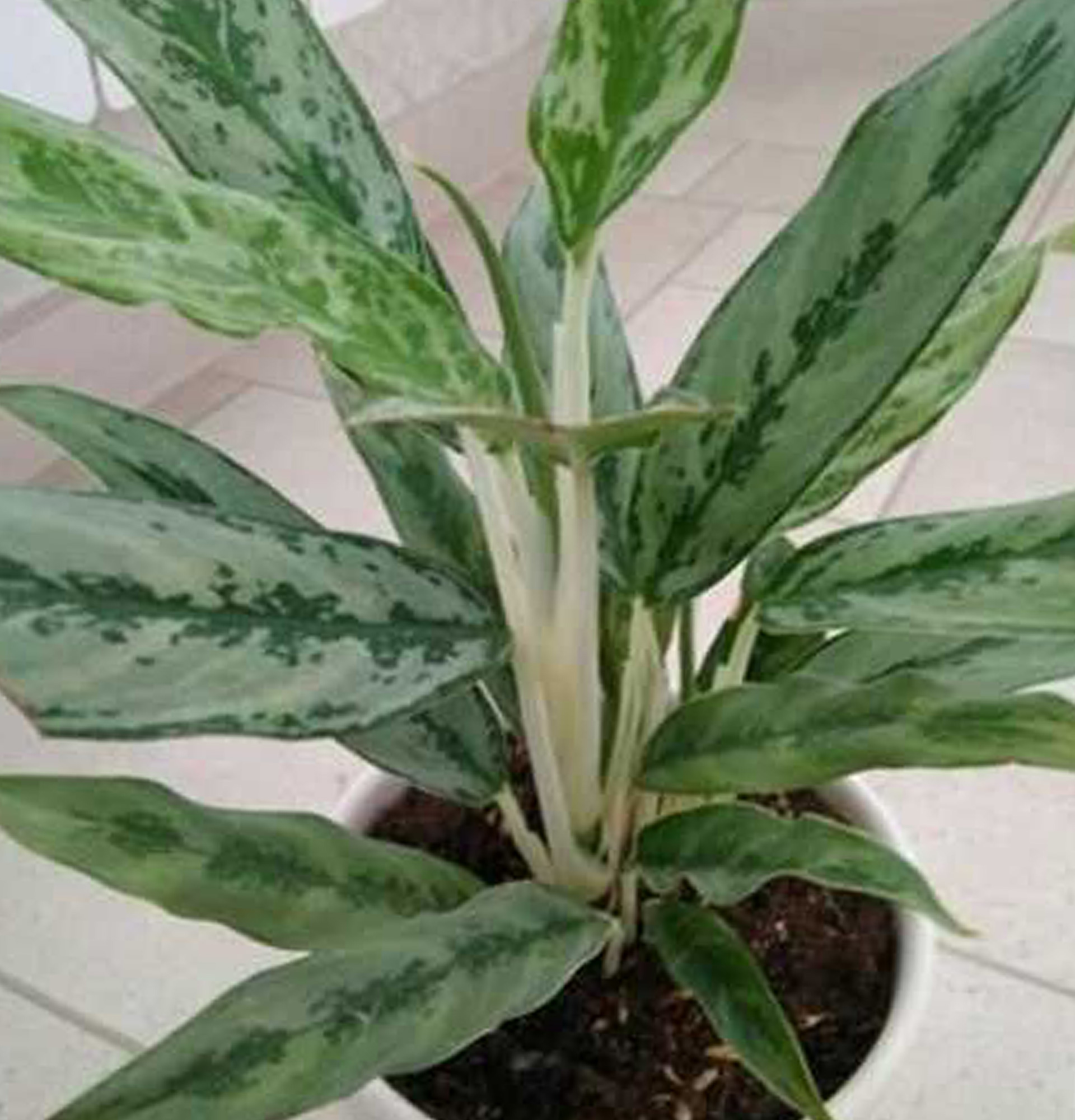 This is an original and very beautiful compact indoor plant with very interesting three-color narrow leaves. Without any doubt, it is the decoration of any interior.
Aglaonema Siam Aurora (Aglaonema Siam Aurora)
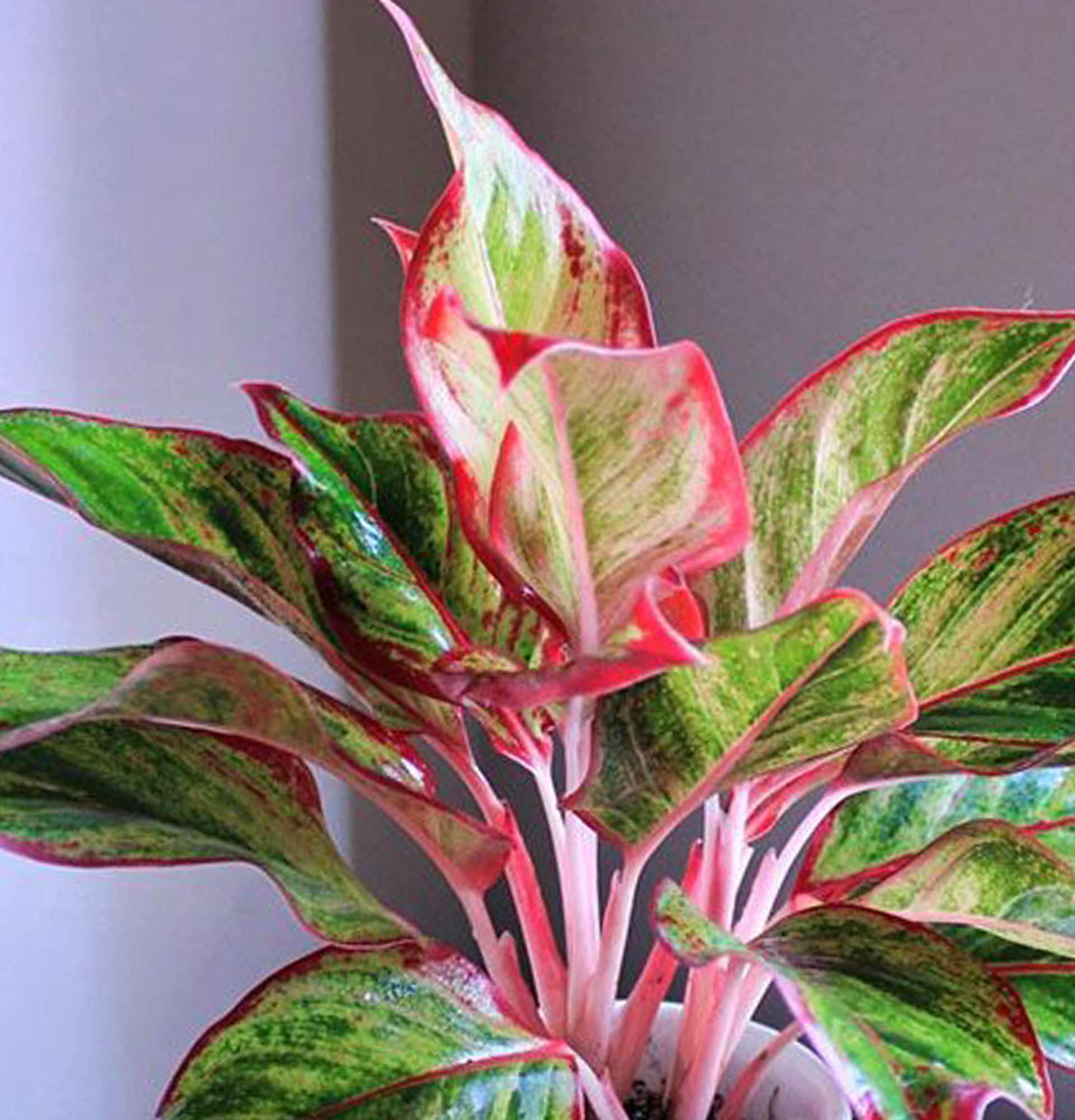 This fast-growing, light-loving, unpretentious variety of red aglaonema will appear in the interior, bringing an atmosphere of the East and tropics. The bush can reach fifty centimeters in height, while maintaining compact dimensions. Short pink petioles support shiny leaves of a wonderful color. These bright red, yellow, and green tones look very original with a green border, which serves as a separator for the leaves. Aglaonema of the red variety shines with its beauty even on a narrow windowsill.
Aglaonema pseudobracteatum (Aglaonema pseudobracteatum)
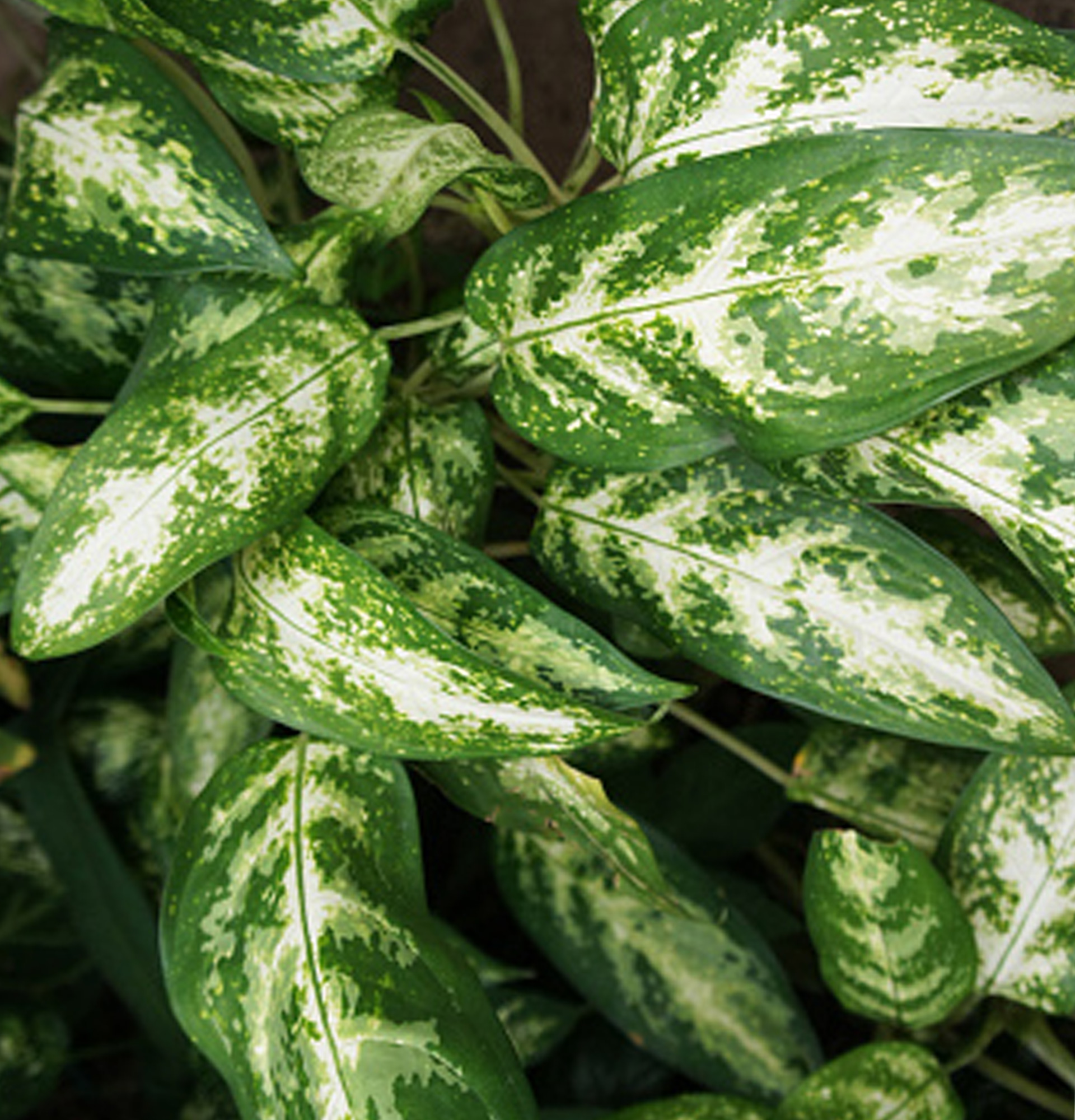 This is a very attractive variety with high decorative qualities. This wonderful plant can reach a height of one meter. Its twenty-centimeter-long, narrow, green leaves are decorated with a yellow, cream, or pale green border in the form of a stripe, located near the central vein.
Aglaonema First Diamond (Aglaonema First Diamond)
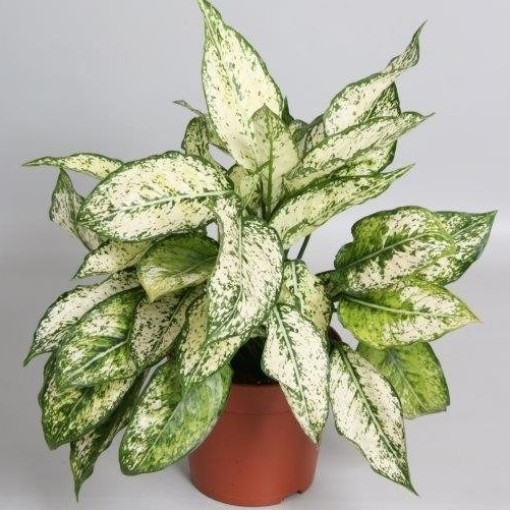 This compact bush can reach a height of up to forty centimeters. The lush crown consists of twenty-five-centimeter-long, elongated leaf plates of white color with green spots on them.
Aglaonema Lipstick (Aglaonema Lipstick)
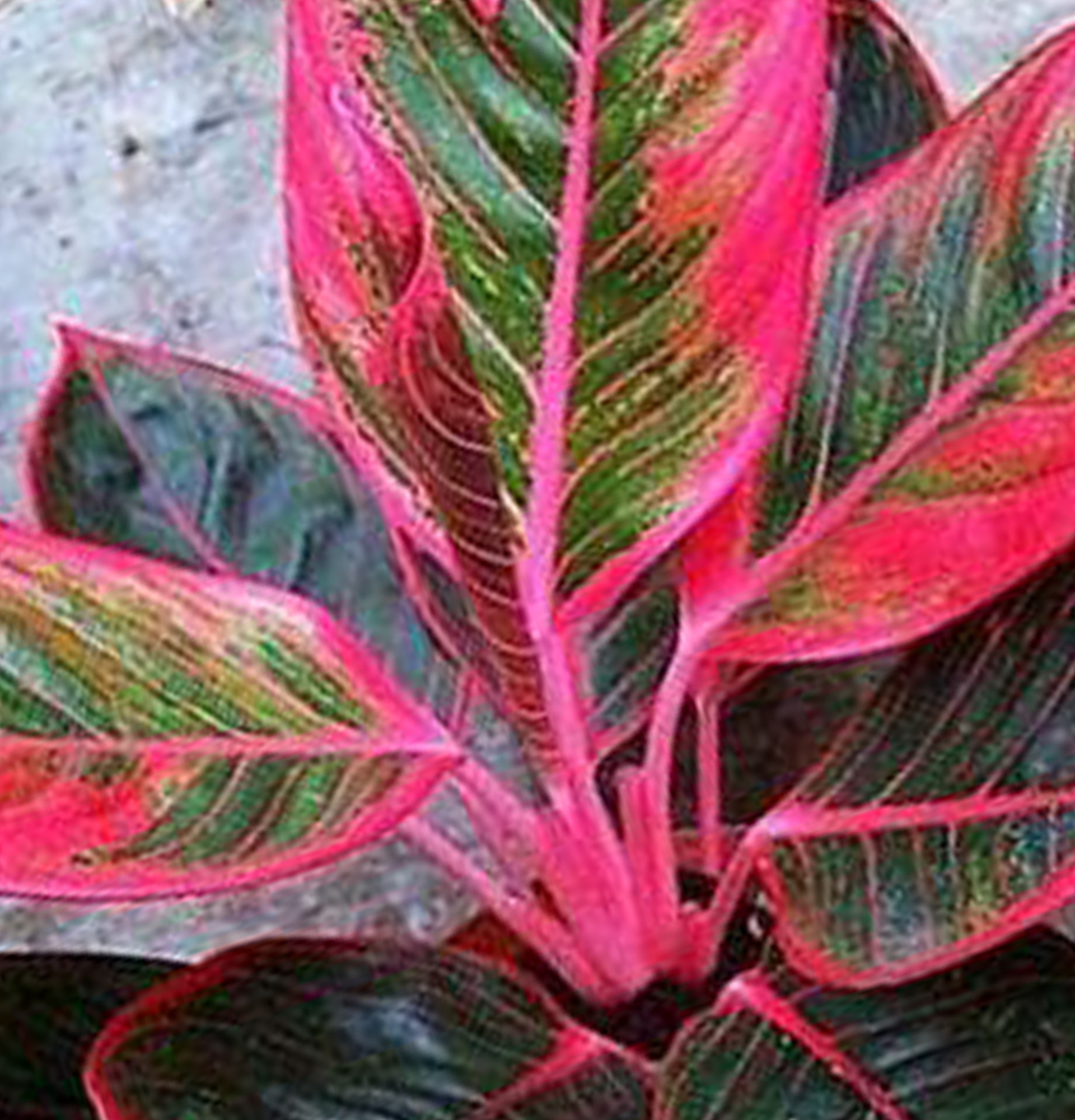 This is a hybrid variety of aglaonema with bright green leaves. Light green veins and a pink border give the indoor plant special decorativeness and brightness.
Aglaonema care in the home
How to care for aglaonema? This domestic plant does not claim special privileges. The native of the tropics should be provided with warmth and humidity, protected from drafts and bright sunlight.
Choosing a place and temperature regime
The most comfortable place for the beautiful aglaonema is the windows facing east, west, or even north. This shade-tolerant creature will perfectly decorate any interior, whether it is a kitchen, bathroom, hallway, or office.
Protect your aglaonema from direct sunlight.
The comfortable temperature range in the summer is 20-25°C, and the winter temperature should not drop below 16°C. To avoid harming the indoor plant, it is not allowed to have a large temperature difference. If the plant is cold, its leaves will be small.
Aglaonema does not tolerate drafts.
Air humidity and watering
The air humidity in the room should be at least 65%. At lower levels, we use spraying, place a stand with moss, expanded clay, or pebbles in a constantly moist state. A self-watering flower pot has proven to be very effective in regulating humidity.
In the summer interseason, the indoor plant needs abundant watering after the top layer of the substrate dries. In the winter, watering is slightly reduced, but it is not desirable to allow the soil to dry out, as well as to allow water to stagnate in the pot. This is very harmful to the plant. The water should be soft and slightly warm.
Soil and its feeding
The soil for aglaonema can be purchased in a flower shop, which is intended for Aroids. You can easily make a light, nutritious, and breathable soil mixture yourself by taking two parts of sod soil and one part of leaf soil, peat, and sand. The plant will not mind if you add a little crushed wood charcoal and brick chips to the soil mixture. Hydroponics is also suitable for aglaonema.
During the period of active growth, which falls in the spring-summer period, it is necessary to feed aglaonema with organic and mineral fertilizers every two weeks, following the instructions on the label. In the autumn-winter period, the indoor flower does not need feeding.
Transplanting
How to transplant aglaonema? It is desirable to transplant this slowly growing beauty in the spring, once every three to five years. Young specimens can be transplanted annually.
A quality drainage layer is essential.
Aglaonema propagation
How is aglaonema propagated? This beauty of the tropics can be obtained by cuttings, which are up to ten centimeters in size and have several leaves. After slightly drying the cuttings, we treat them with wood charcoal and plant them in a peat mixture to a depth of five centimeters. It is necessary to keep them in a warm place and water them regularly. Rooting will occur within a month. Aglaonema by cuttings is not a difficult way to get a young indoor plant. By combining transplanting with propagation, we separate the daughter shoots and get a new flower.
If there are seeds, they are sown in early spring. Create a mini-greenhouse environment, water regularly, and ventilate. As the seedlings grow, they are planted in separate pots.
Aglaonema diseases and pests
If the rules of plant care are not followed, unexpected guests may visit it. These can be thrips, scale insects, aphids, or spider mites. When these pests are detected, it is desirable to treat the bush with insecticides.
Difficulties that arise during cultivation:
- Aglaonema turns yellow and its leaves curl - it is too cold in the room, there is a draft, or direct sunlight falls on the plant.
- Browning of the leaves, too slow growth of the plant - too cold and hard water was used for watering.
- The tips of the leaves turn brown - the air in the environment is too dry, the temperature is too high, or the watering is insufficient.
- Why aglaonema does not produce offspring - the plant is in a too shaded place.
If all the described rules of plant care are followed, there will be no questions: why does aglaonema turn yellow? Why does aglaonema curl its leaves? After all, this plant is endowed with high unpretentiousness and will beautifully decorate any interior.
Write comments
Comments