



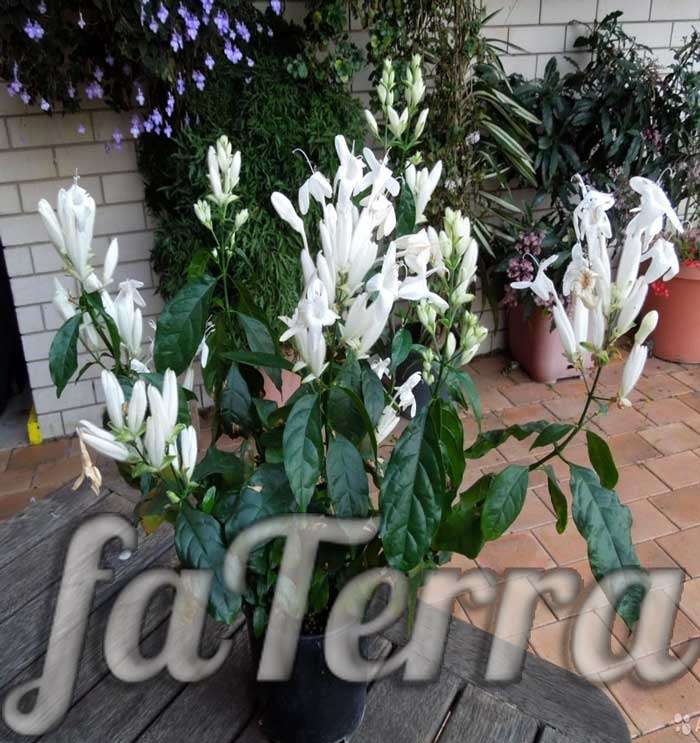
Latin name: Whitfieldia
Category: Flowering shrubs
Family: Acanthaceae
Native to: Eastern Africa
Whitfieldia - a beautiful flowering shrub that brings beauty, a brief overview
Whitfieldia (Whitfieldia) is a modest genus of the Acanthaceae family, consisting of ten species, all of which are from the African tropics. In natural conditions, whitfieldia can reach a height of two meters. There is another name for whitfieldia - Witfeldia.
This wonderful flower is named after the famous English botanist and director of the Royal Botanic Gardens in Kew, Sir William Jackson Hooker, who described this charming plant.
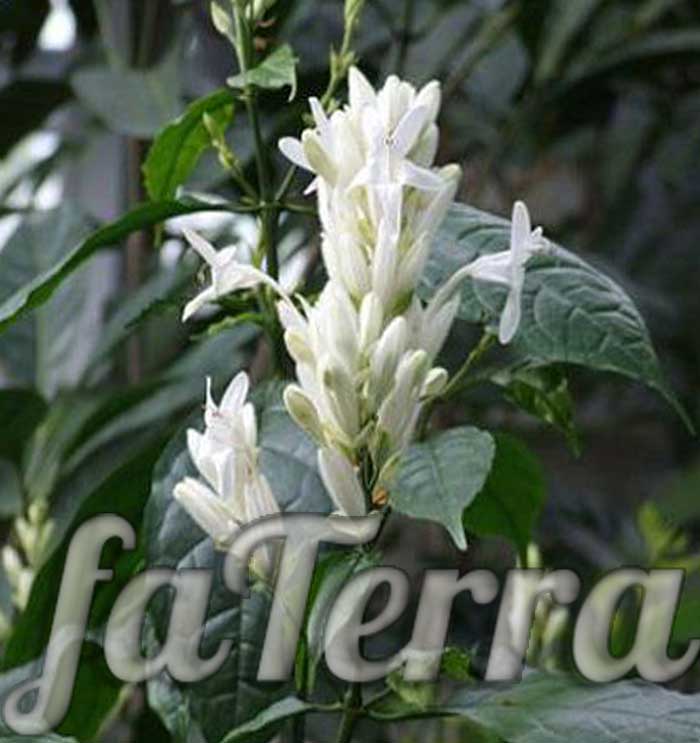
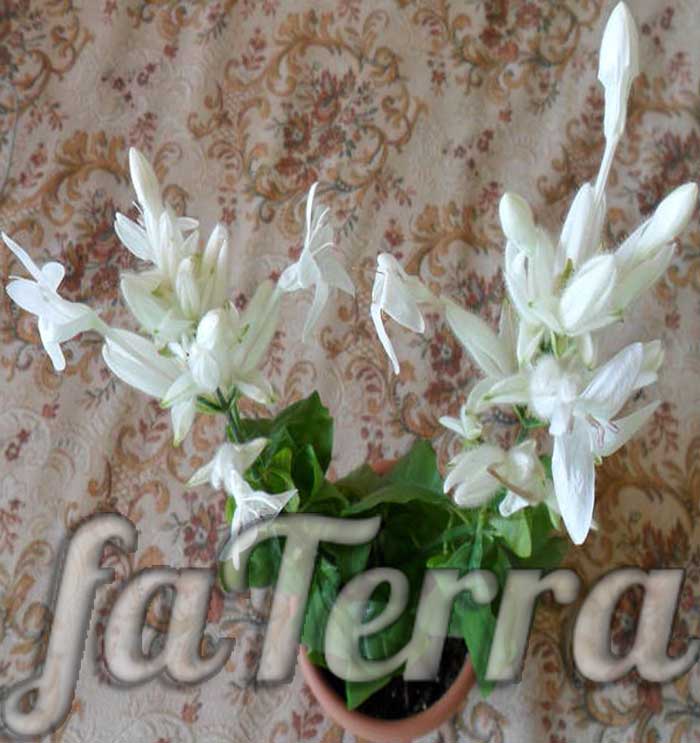
This beautifully flowering herbaceous exotic, covered with small, leathery, pointed, oval-shaped leaves, refreshes and adorns the tropics. The white color of the large, up to five centimeters long, tubular flowers gives them an unparalleled tenderness. At the tops of the shoots, they form inflorescences in the shape of a brush, and, originally, they seem to emerge from the fluffy white bracts, which are remarkably similar to the bracts of Acalypha
Species of Whitfieldia
Whitfieldia lateritia (Whitfieldia lateritia)
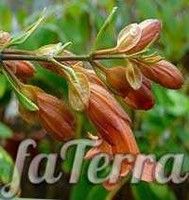 A wonderfully beautiful, compact, one-meter tall shrub native to Sierra Leone. It has large, leathery leaves up to 12 cm in size. The unusual shade of brick-red flowers adds originality to the plant. This species of whitfieldia blooms profusely during the cold season, from October to the end of March. Under comfortable conditions, flowering can be year-round.
Whitfieldia elongata (Whitfieldia elongata)
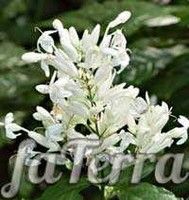 A very beautiful, small shrub that does not require special care.
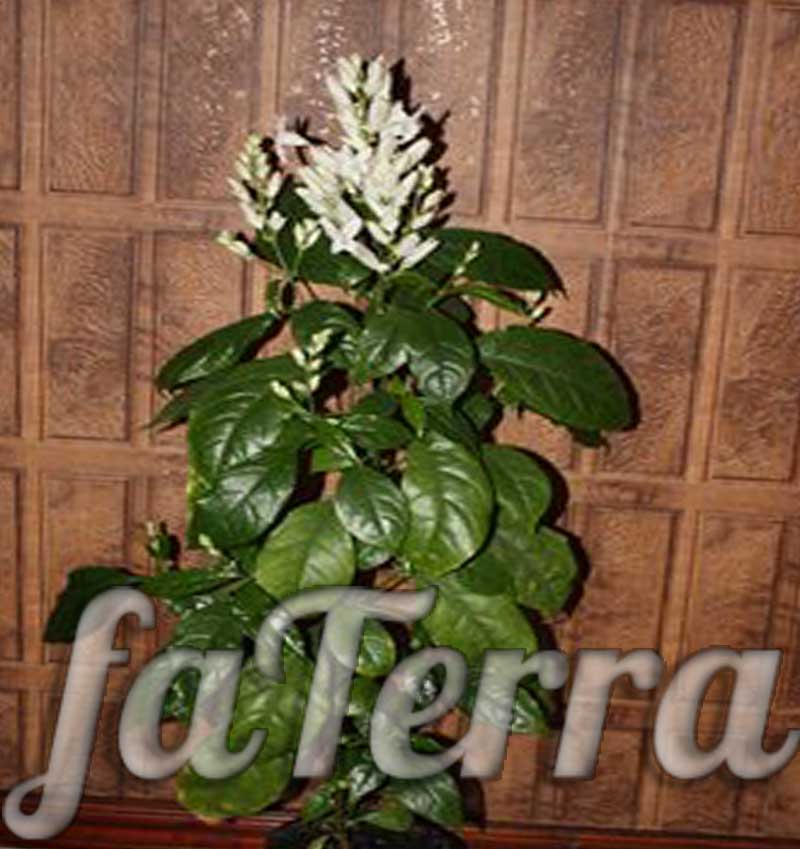
The Whitfieldia elongata has beautiful glossy, dark green, oval-shaped leaves. The large, snow-white flowers are gathered at the tips of the shoots in inflorescences that resemble a brush. The plant has received another name for this unusual beauty - "white candles."
It is this species of whitfieldia that can be found in home gardening. It is a pity that, among the Acanthaceae family, Whitfieldia elongata is used less than, for example, Crossandra or, as we already know, Acalypha. It would be nice to note.
If you provide proper care for whitfieldia, it will delight you with flowering all year round.
The native habitats are the tropical part of Eastern Africa.
Whitfieldia care at home
Whitfieldia is an absolutely undemanding and unpretentious plant. The Whitfieldia flower does not претендует on an unusual order of maintenance.
It responds positively to bright light, but without direct sunlight, and the humidity should be high.
In the summer, whitfieldia can safely stay on a balcony on the north side, and in the winter - on window sills on the south-east side, away from radiators and heaters. It adapts easily to life in a room. And, it is important to remember that whitfieldia reacts negatively to products of combustion of gas, smoke, and drafts. The flower blooms more abundantly and beautifully as it grows.
Air temperature
No special requirements are noted for growing whitfieldia. It is simply desirable to maintain a temperature of no more than 30°C in the summer, a decrease in temperature of a couple of degrees is allowed at night, and the lowest temperature in winter is 15-18°C.
Air humidity and watering
Monitor the humidity in the room. If possible, spray the plant twice a day and place the flower in a pot with wet gravel.
The soil with the plant must be constantly kept moist, but not overwatered. In summer, water abundantly every three days, and in winter, watering once a week is sufficient. It is not superfluous to wipe the leaves with a damp cloth.
Repotting, feeding, and pruning of whitfieldia
Annual spring transplanting into a pot that is two sizes larger than the previous one will only benefit whitfieldia.
The flower can be fed with liquid or organic fertilizers every two weeks.
A feature of growing whitfieldia is the mandatory strong spring pruning before flowering, aimed at good branching and more abundant flowering, because the flowers in whitfieldia form at the ends of the shoots. Shoots that have already faded should be removed immediately to save energy for the flowering of other shoots.
How to propagate whitfieldia?
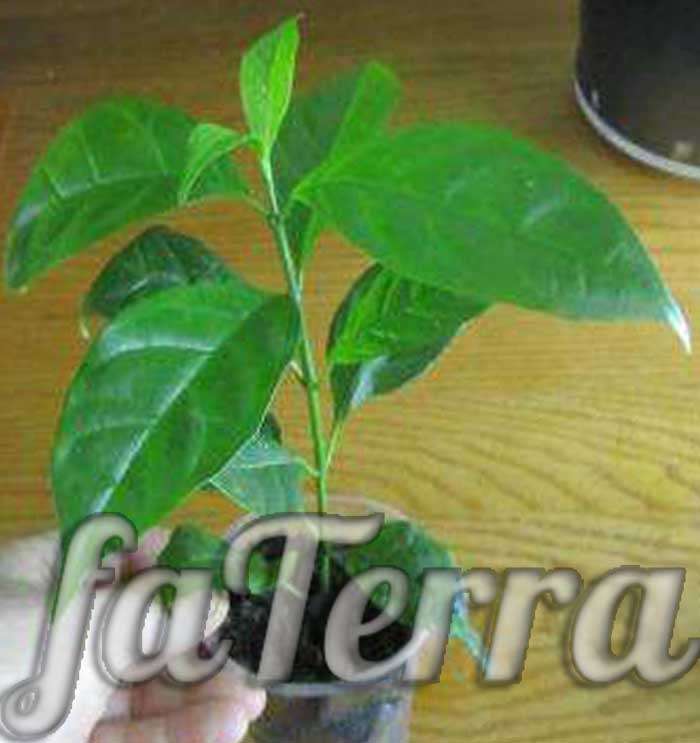
This procedure should be performed in the spring. Cut five-centimeter herbaceous cuttings with two nodes, treat with rooting hormone, plant in a mixture of sand and peat. Cover with polyethylene. Create greenhouse conditions with a temperature of 20-25°C, high humidity is essential. After the shoots have developed roots, plant them in a small pot and, as they grow, pinch off the tops for better branching of the plant.
Whitfieldia can also be propagated by seeds, but in this case, the plant will bloom a little later.
Pests
Whitfieldia is a fairly resistant plant to diseases and pests. However, it can be affected by mealybugs, spider mites, and whiteflies.
Problems and how to avoid them:
- Leaves become smaller and paler, the plant stretches - lack of light;
- Leaf tips dry and curl - very dry air and very bright light;
- Lower leaves turn yellow and fall off - overwatering, the roots rot, the soil mixture needs to be replaced.
If all the rules and conditions of cultivation are followed, these wonderful flowers will lift your mood every day with their beauty.
Write comments
Comments