



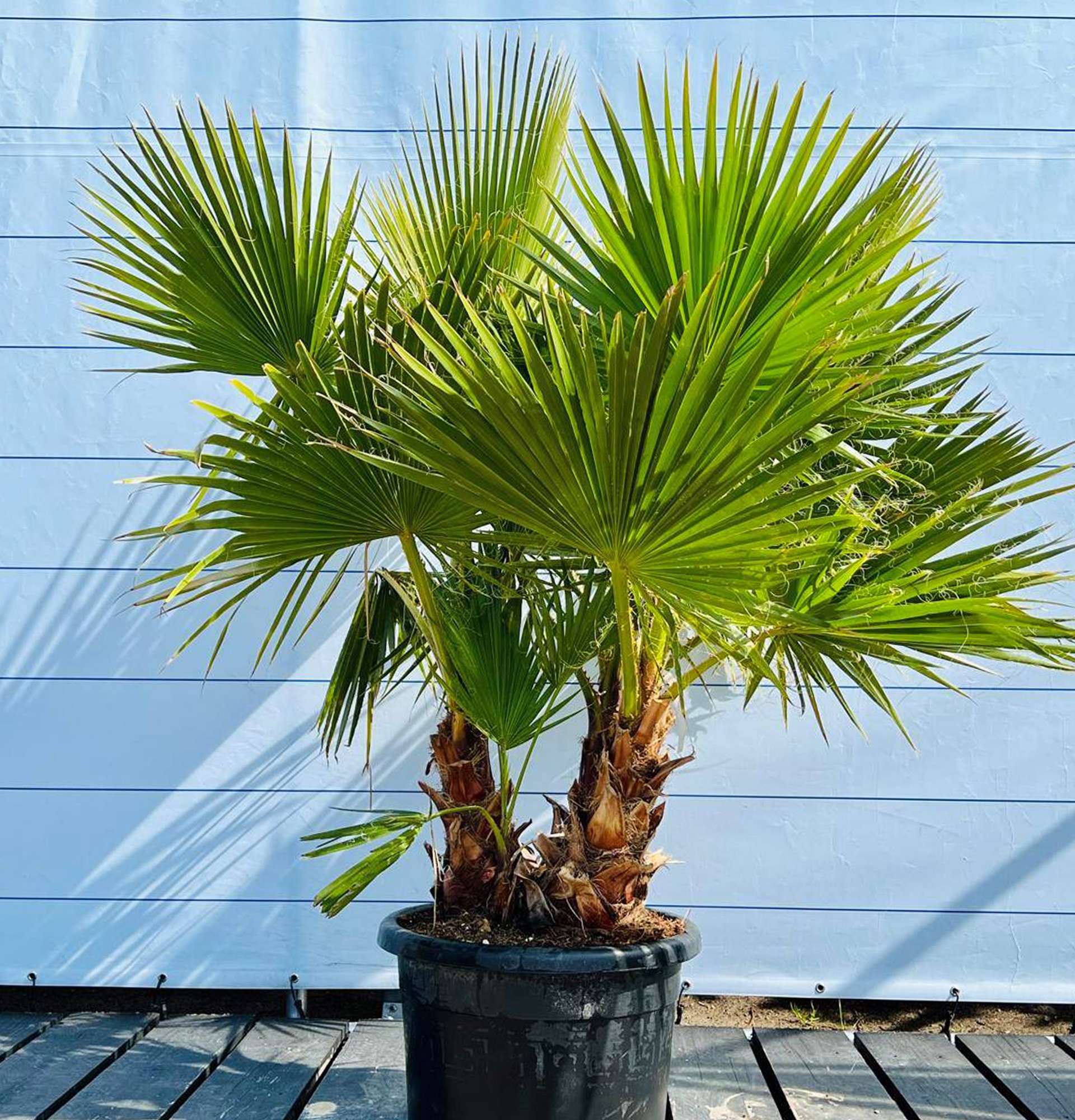
Latin name: Washingtonia
Category: evergreen trees
Origin: Mexico, states of the USA - Arizona, California
Washingtonia - a palm for home and office
A small genus of large, single-stemmed, upright, fast-growing, beautiful Washingtonia palms, represented by two species. They belong to the Arecaceae family.
The light-loving Washingtonia plant owes its name to the first president of the United States, George Washington, for this original name.
Native to the subtropics. The southwestern, arid, desert areas of the United States of America and the northwestern part of Mexico are the native habitat for Washingtonia.
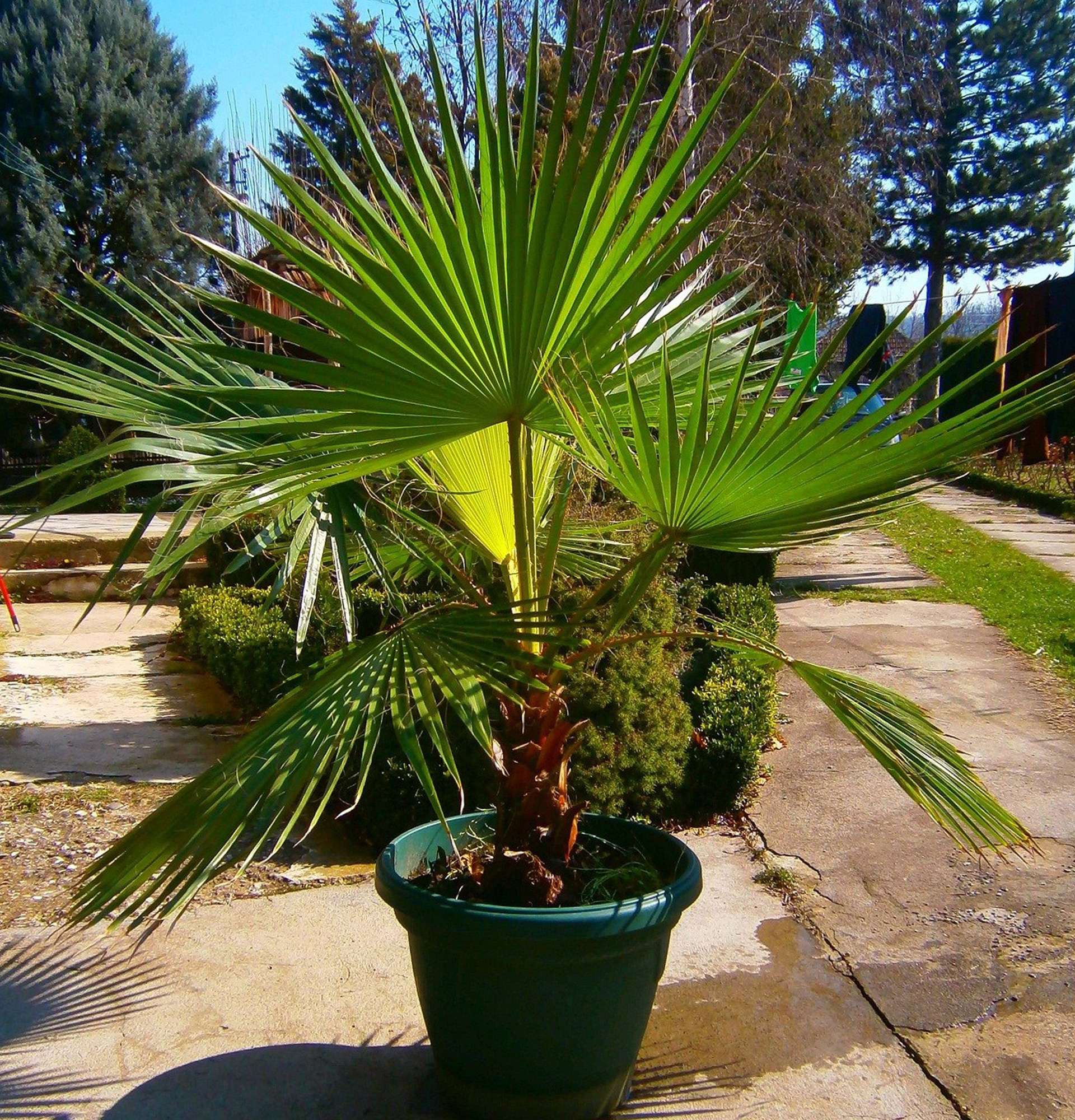
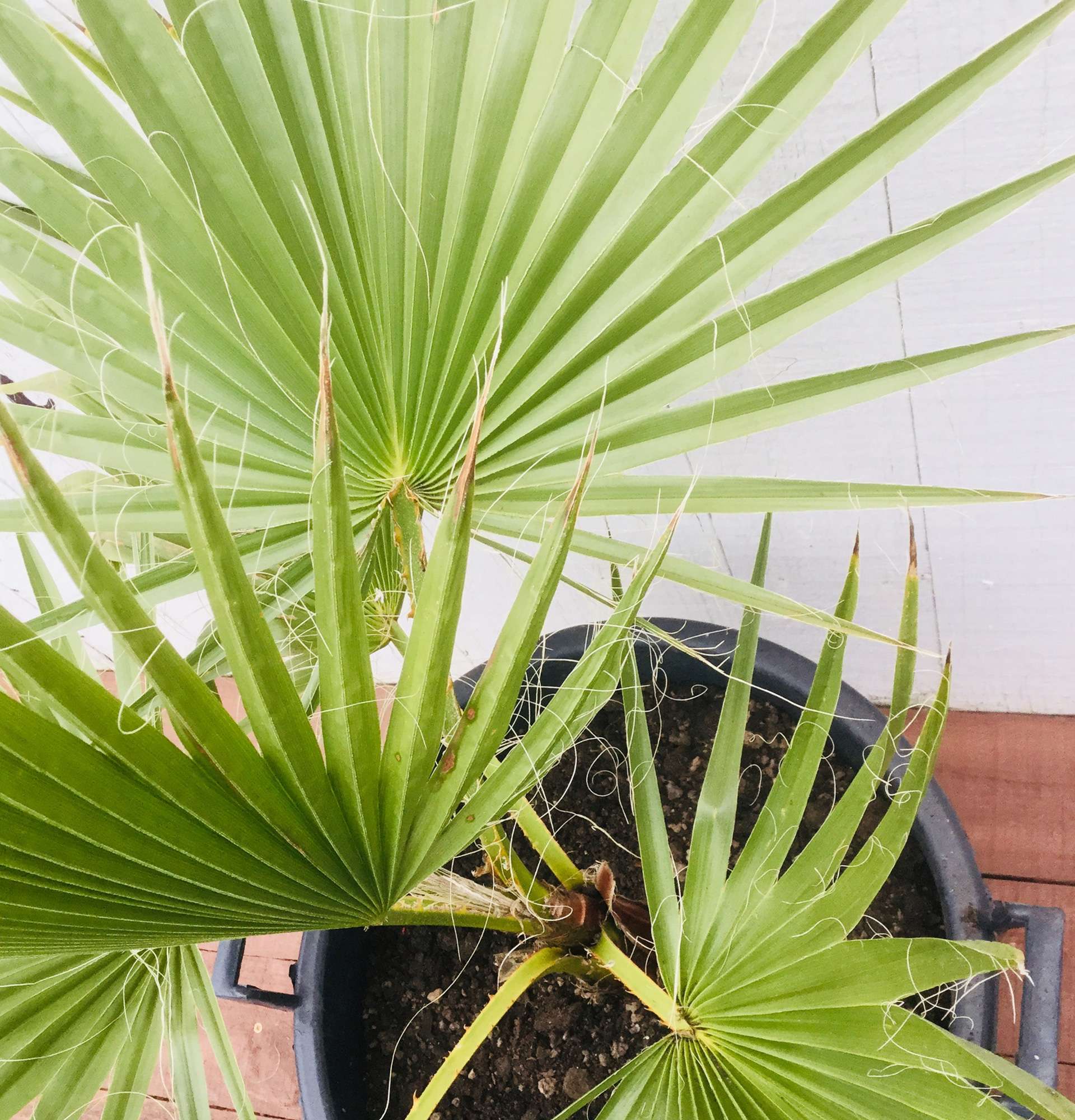
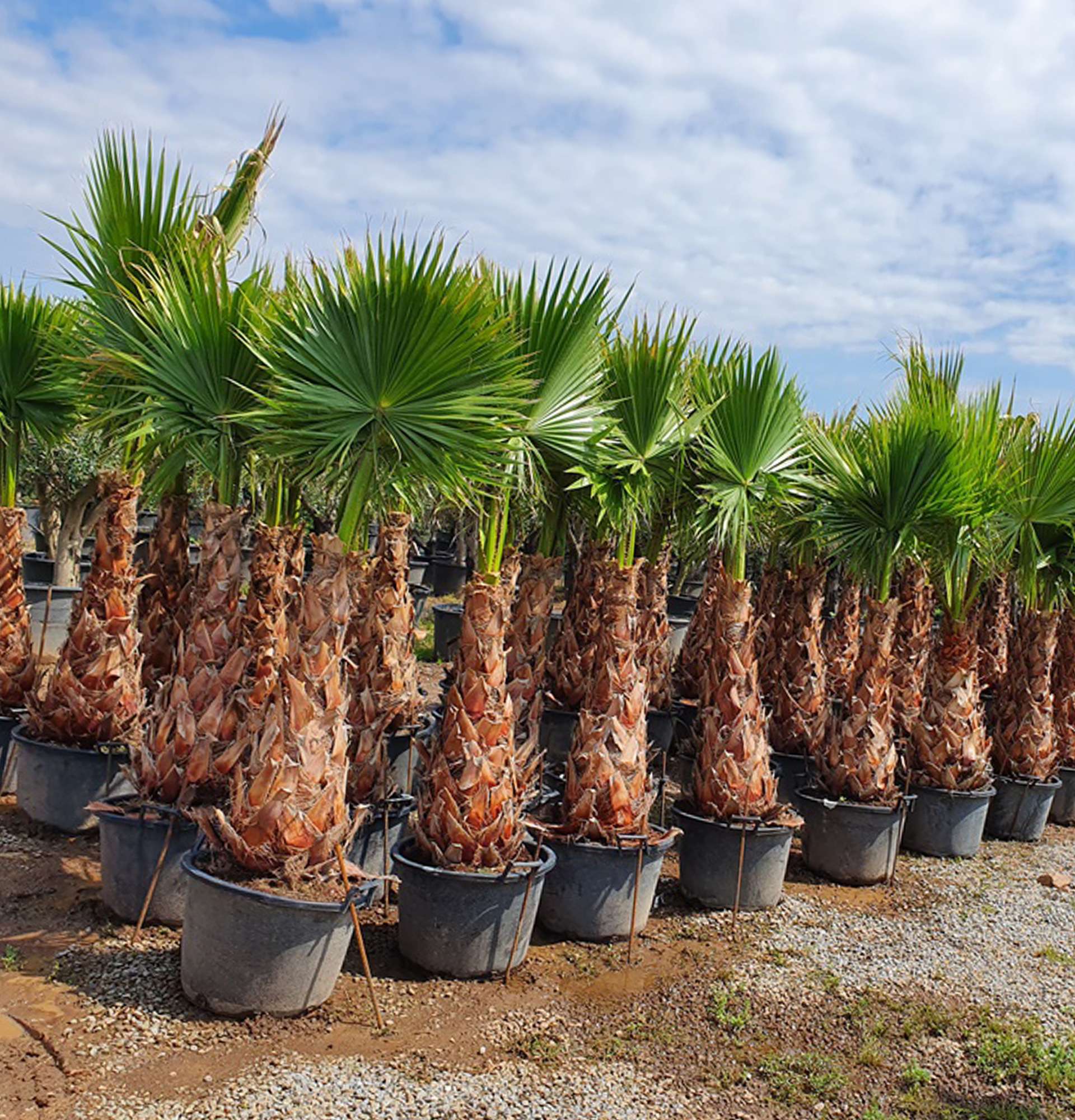
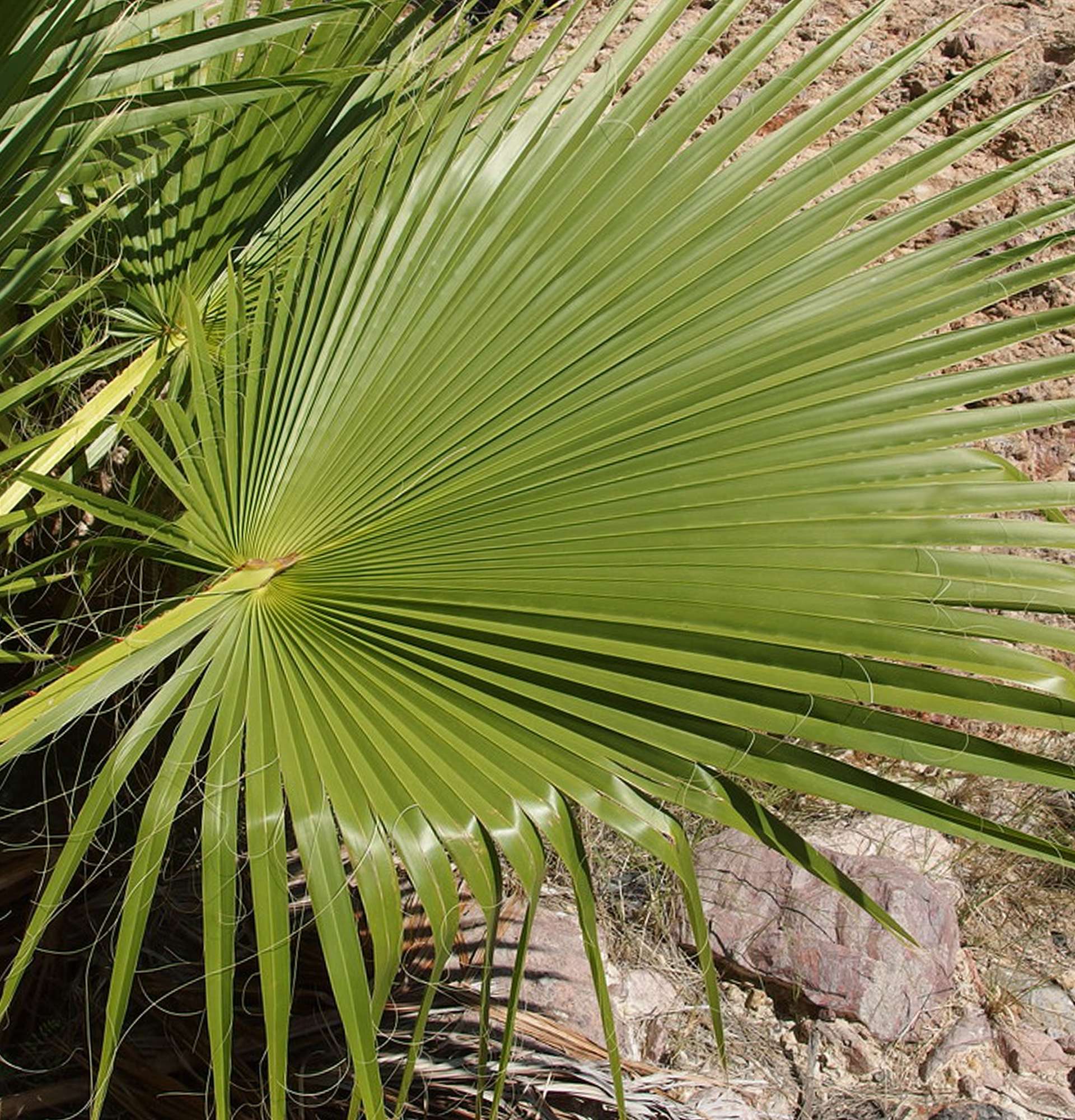
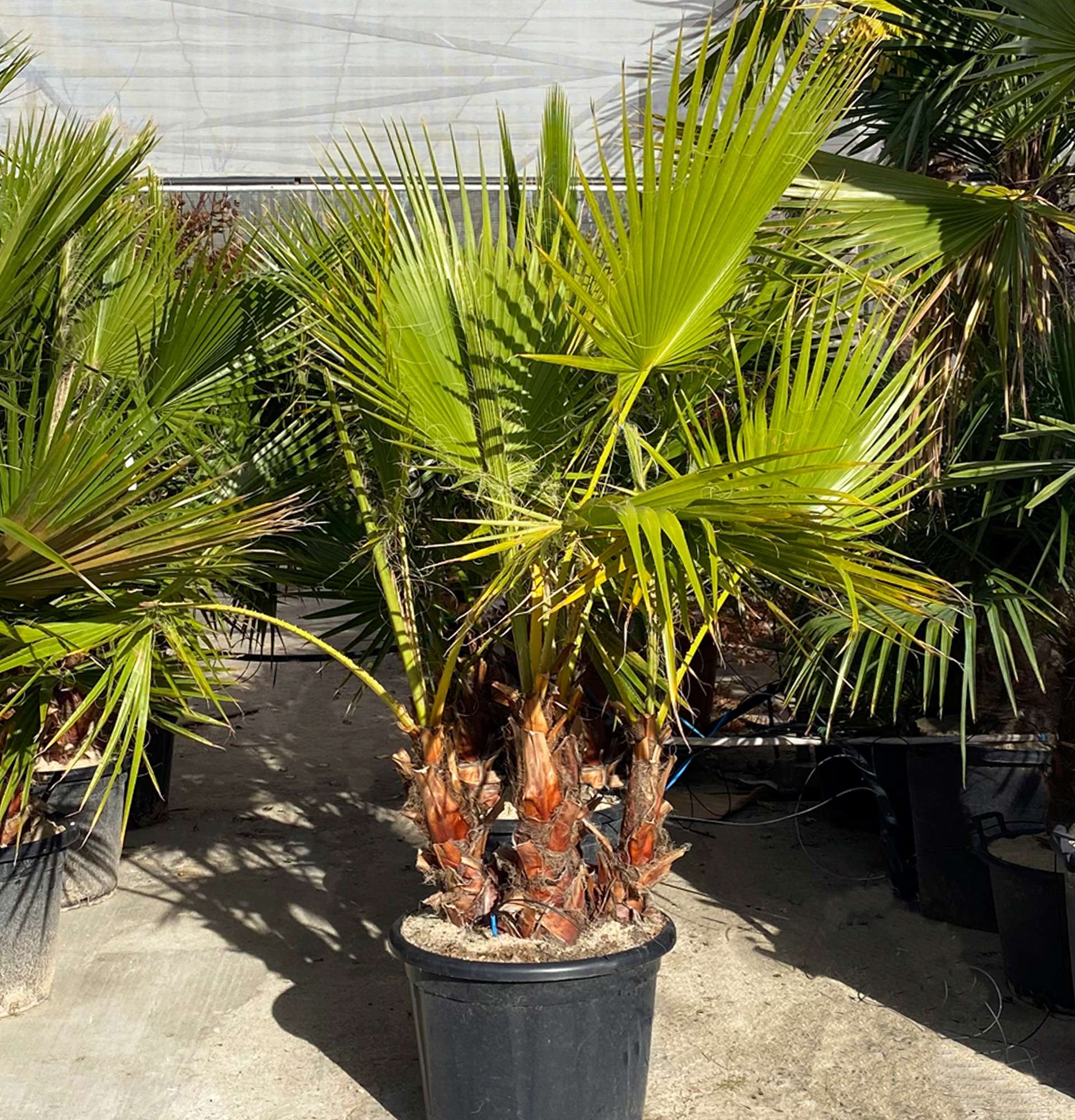
Wild Washingtonias are evergreen, huge plants up to 30 m high. At the bottom, the trunk is light brown, smooth, with scars from the petioles of fallen leaves. The elegant trunk, reaching to the top, is crowned with a crown of leaves that grow in different directions from the trunk, forming a canopy and transforming the palm into a unique wonder. And long, thick petioles lift them up, the lower part of which has strong hooked thorns along the edges. The wide, oval-shaped leaf is divided in the middle into folded, long, freely drooping segments, between which long whitish threads form.
Dioecious flowers adorn the inflorescences, which reach a height of three meters. Then the inflorescence turns into clusters of fleshy black berries - a delicious food for birds.
Local residents use the leaves of the plant in the household. They weave baskets, shoes, hats and other interesting things from them, and the fruits are used to make flour. They also eat the petioles of the leaves raw or boiled.
The southern coast of the Mediterranean Sea is suitable for growing fan palms.
The indoor Washingtonia palm does not bloom. It loves cool and spacious areas.
Types and hybrids of Washingtonia
Washingtonia filifera or thread-leaved Washingtonia
 The native habitats of Washingtonia filifera are the desert and arid areas of the southern states of America and Australia. Here, this beautiful fan palm, reaching a height of up to 20 m, creates huge, magnificent forest arrays. And it is called "California fan palm" in its homeland.
The light-loving Washingtonia plant has a strong dark gray trunk, all covered with scars from old leaves. At the top is a huge canopy of large, stiff, smooth, greenish-gray leaves, which have many segments. Numerous delicate fibrous threads continue the leaf and hang among the segments. They rise on greenish-gray, well-developed, two-meter petioles. The natural conditions have a positive effect on the flowering of the plant. Three-meter inflorescences, created by axillary creamy or pink flowers, float above the leaves and delight with their beauty. This species prefers to overwinter in a cool place with comfortable lighting.
Washingtonia robusta or strong Washingtonia
 This palm is also called - Mexican fan palm, powerful Washingtonia, robust Washingtonia, Sonoran Washingtonia.
The desert mountainous valleys and canyons of Mexico and the United States of America are the native habitats of strong Washingtonia, where it can reach 30 m with a trunk diameter of up to 70 cm.
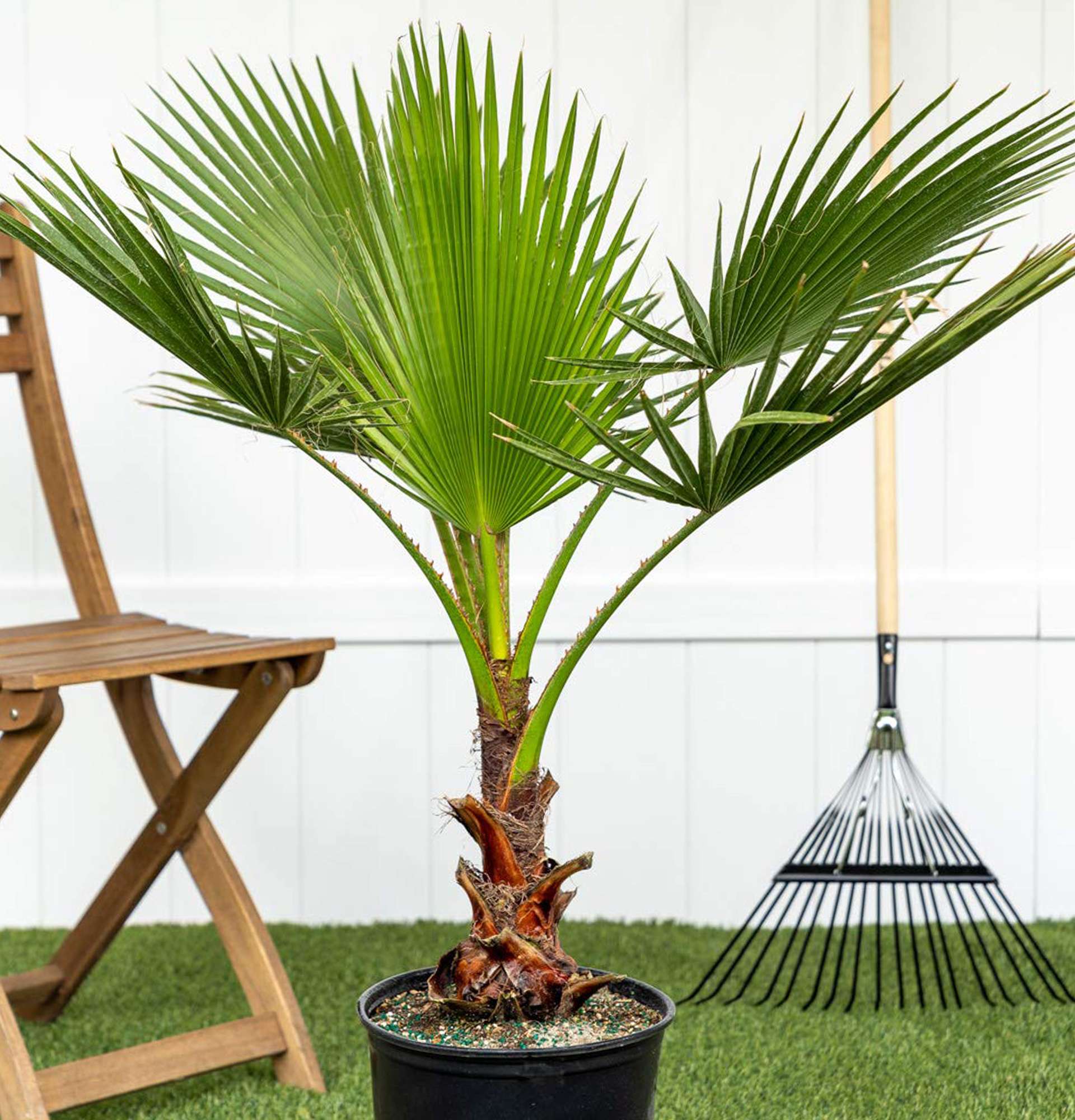
Washingtonia robusta does not have delicate threads. The plant has a more compact, glossy, dark green leafy canopy. The petioles, up to 1 m long, have sharp, serrated, strong thorns along the edge.
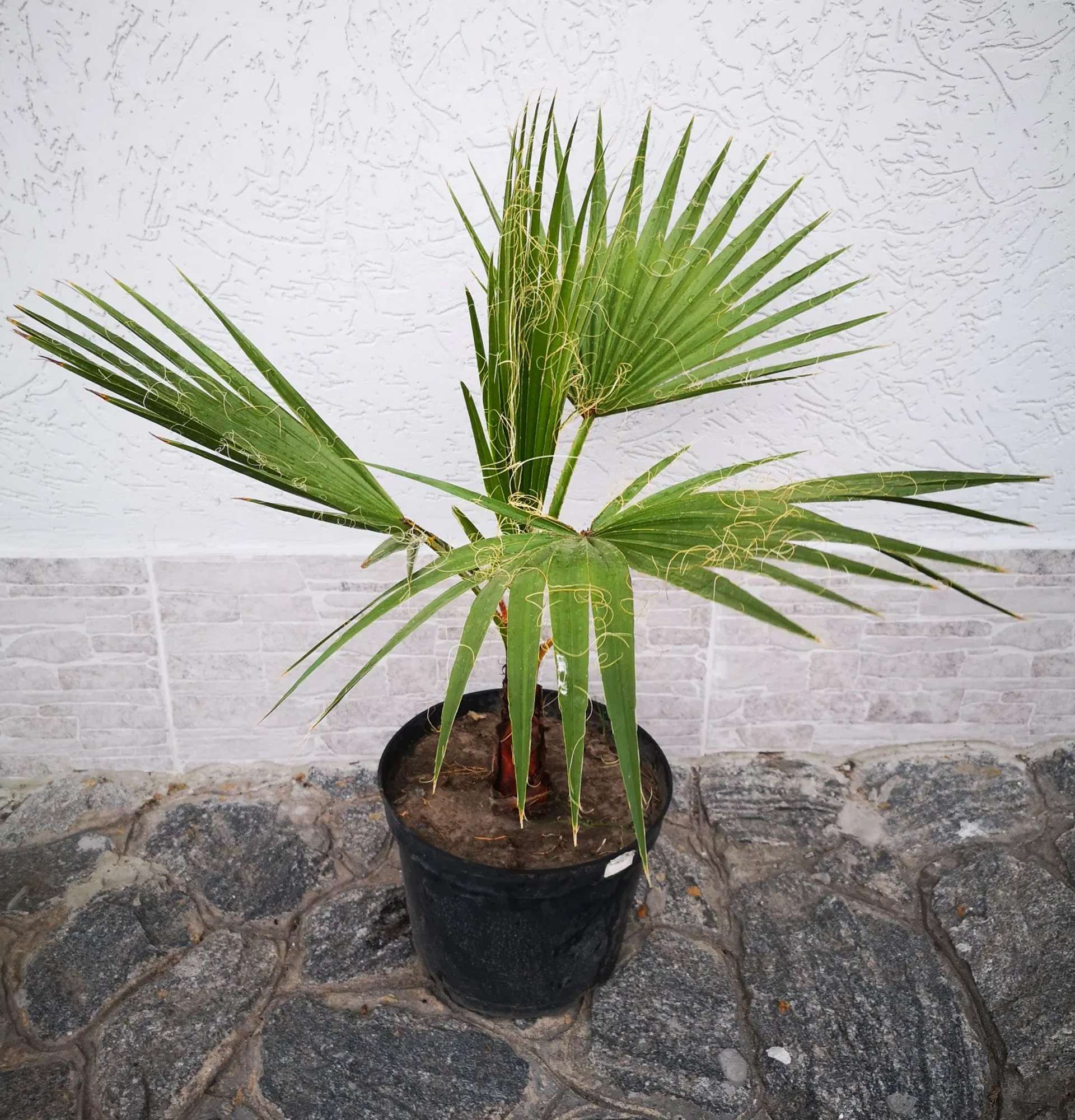
Caring for indoor strong Washingtonia flowers is not difficult. Young specimens can decorate any interior of an office, home or other public space. After all, this is a cold-resistant and fast-growing plant that will feel great in cool halls, galleries, winter gardens, greenhouses.
Palm Washingtonia care in the home
If you want a little exotic, you should get a fan palm Washingtonia, which will look great both in a living space and in an office. This hardy and original plant will not take much time and attention for constant care. But the nuances and features of growing Washingtonia still need to be known and carefully followed.
Choosing a place
It is desirable to provide the light-loving plant with bright, but moderately diffused light for up to sixteen hours a day, throughout the year, especially for young palms. This can be achieved by choosing a location on the south, southeast, or southwest side, and it is necessary to ventilate the room regularly. In the warm months, the Washingtonia flower loves to be in the fresh air. It needs to be placed in a bright, draft-free and rain-free place. In the winter, during short daylight hours, it is better to use fluorescent lighting. To form a beautiful, even crown, the palm should be regularly turned to the light source.
Temperature
The range of temperature fluctuations for successful palm cultivation is quite wide. In summer, 20-25°C, and during the rest period, it is desirable to gradually lower the temperature to 10°C and allow it to overwinter in such conditions.
Watering and air humidity
Washingtonia should be watered regularly and moderately, without allowing the soil to become waterlogged or dry out. In the warm season, the indoor plant is watered every three to four days, and in the cold season, twice a month. For excellent growth and to obtain sufficient moisture, you can buy special self-watering pots.
To achieve the desired air humidity, about 75% in the heat, it is necessary to spray and wipe the leaves, possibly even twice a day.
In the cold season, it will be enough to simply wipe the leaves.
Fertilizer
Regular feeding of Washingtonia in the warm season, once every twenty days, will only be beneficial. You can use soluble fertilizers for palm trees. Preparations with a high percentage of iron will not hurt. Use a little phosphorus-potassium fertilizer when preparing for winter.
Transplanting and suitable soil
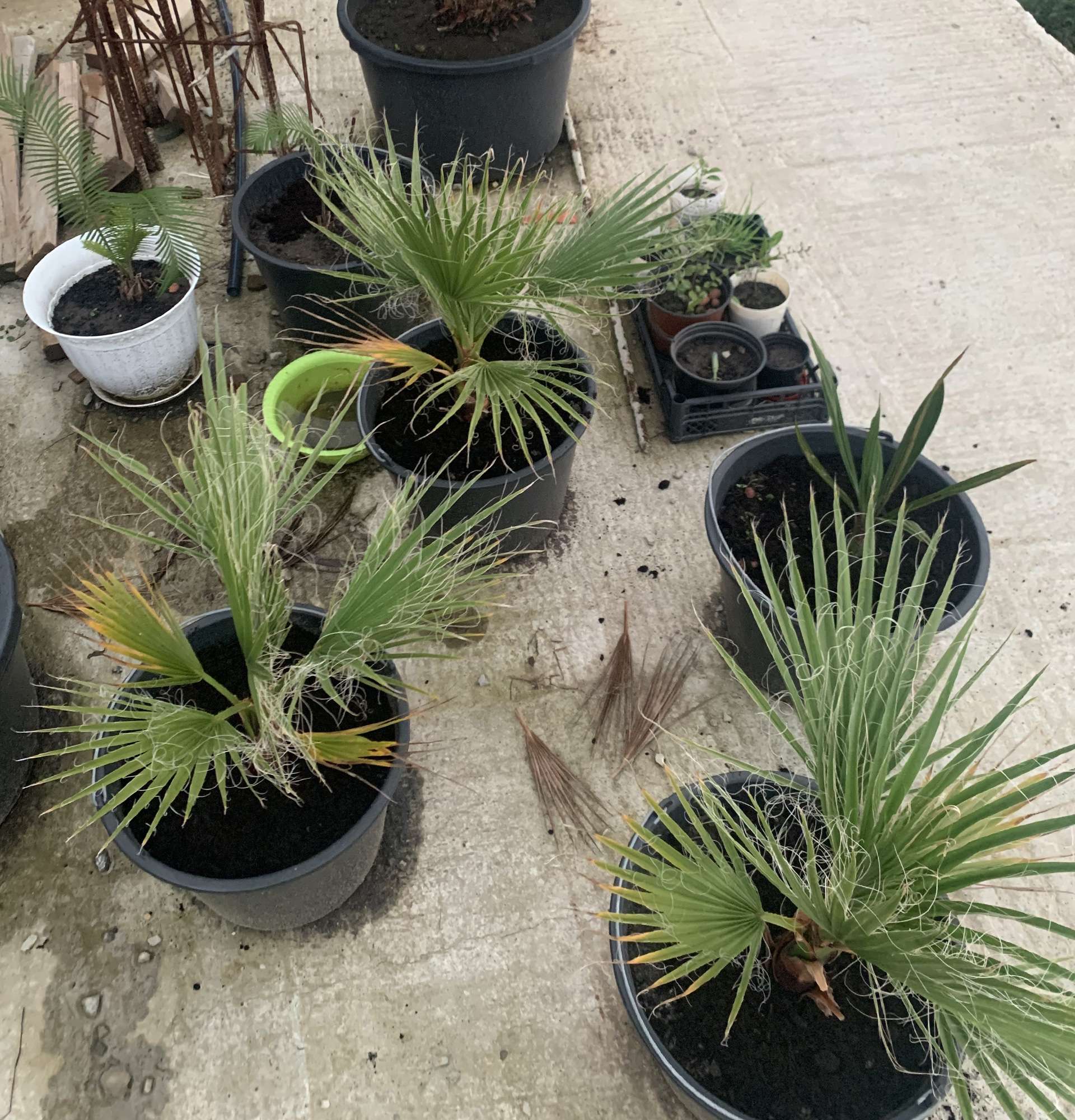
Up to the age of three, it is desirable to transplant the indoor Washingtonia plant annually, and subsequent transplants as the pot is filled with roots. For older Washingtonias, you can only replace the top layer of the substrate.
You can make the soil mixture for Washingtonia yourself. Its composition: turf soil, leaf soil and peat - take two parts each, add one part of sand. You can replace the peat with peat. Alternatively, you can use a ready-made mixture "For palms", "For yucca", "For dracaena".
To transplant the plant, you need to prepare a high, narrow pot with a hole.
Place a decent layer of drainage at the bottom.
Washingtonia from seeds
Indoor Washingtonia flowers are propagated with fresh seeds in the spring months. First, the seeds must be slightly sawn with a file along the seam, kept in water for a day, and then sown in a light substrate. Water and create a mini-greenhouse environment with a temperature of 20-25°C. Seedlings should appear within a month. A week after the appearance of the first leaf, the seedlings should be transplanted into another pot very carefully, do not tear off the seeds. The care of Washingtonia in the home must be done correctly, and throughout the year, the young indoor plant will have four or five leaves.
Pests and diseases
The Washingtonia palm can be visited by scale insects, thrips, mealybugs, spider mites.
Problems that arise during cultivation
- Leaves fall off in Washingtonia - the air is too dry.
- Roots rot - overwatering of the soil, excess water cannot drain from the pot due to poor drainage.
- The tips of the leaves have turned brown - the air humidity is too low.
- The leaves wither and darken - the plant is too cold.
The Washingtonia palm is a great wonder that will perfectly refresh any modern interior and will always be the center of attention.
Write comments
Comments