



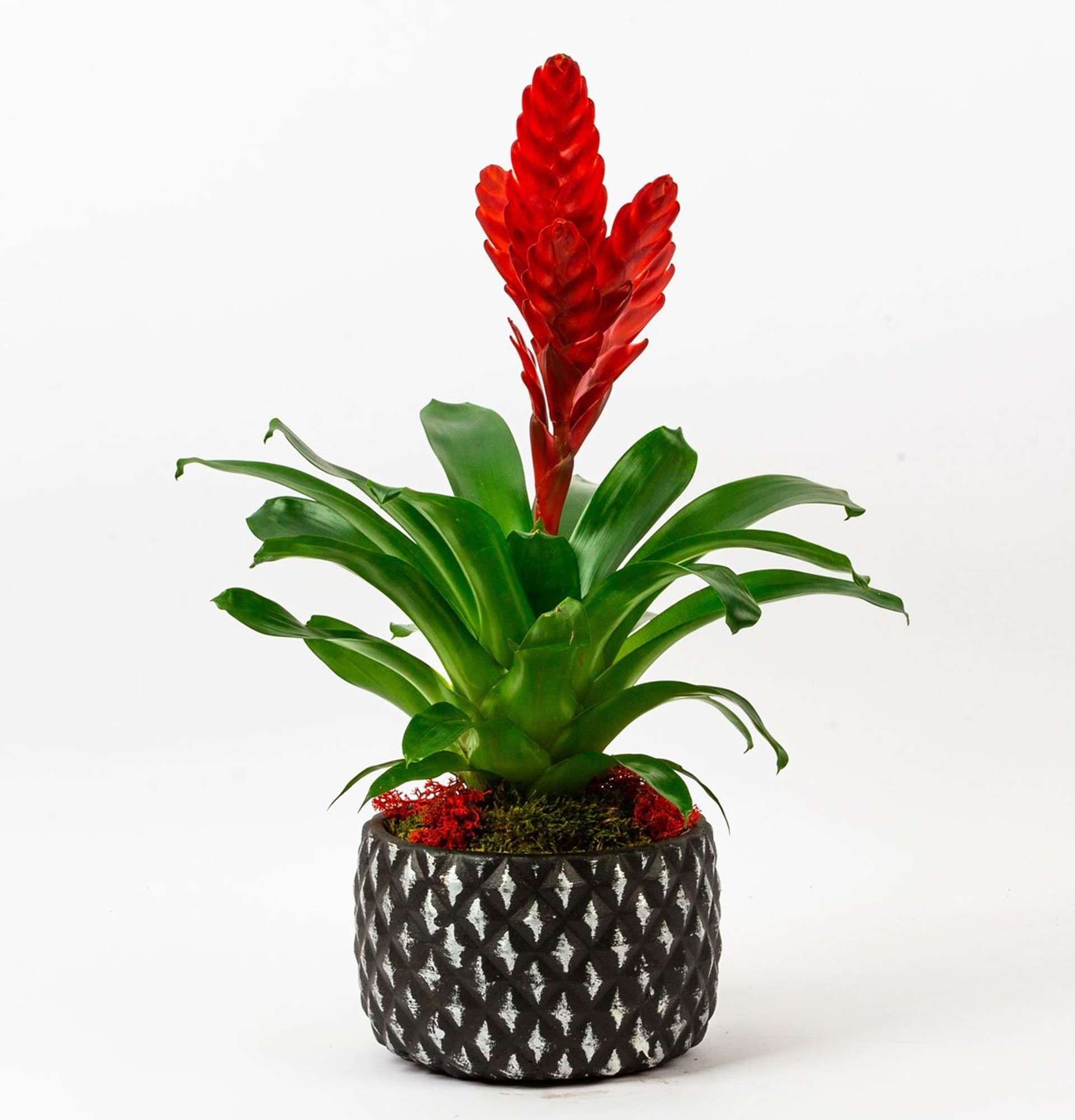
Latin name: Vriesea
Category: epiphytic herbaceous plants
Native to: Southern and Central America
Brief information about Vriesea
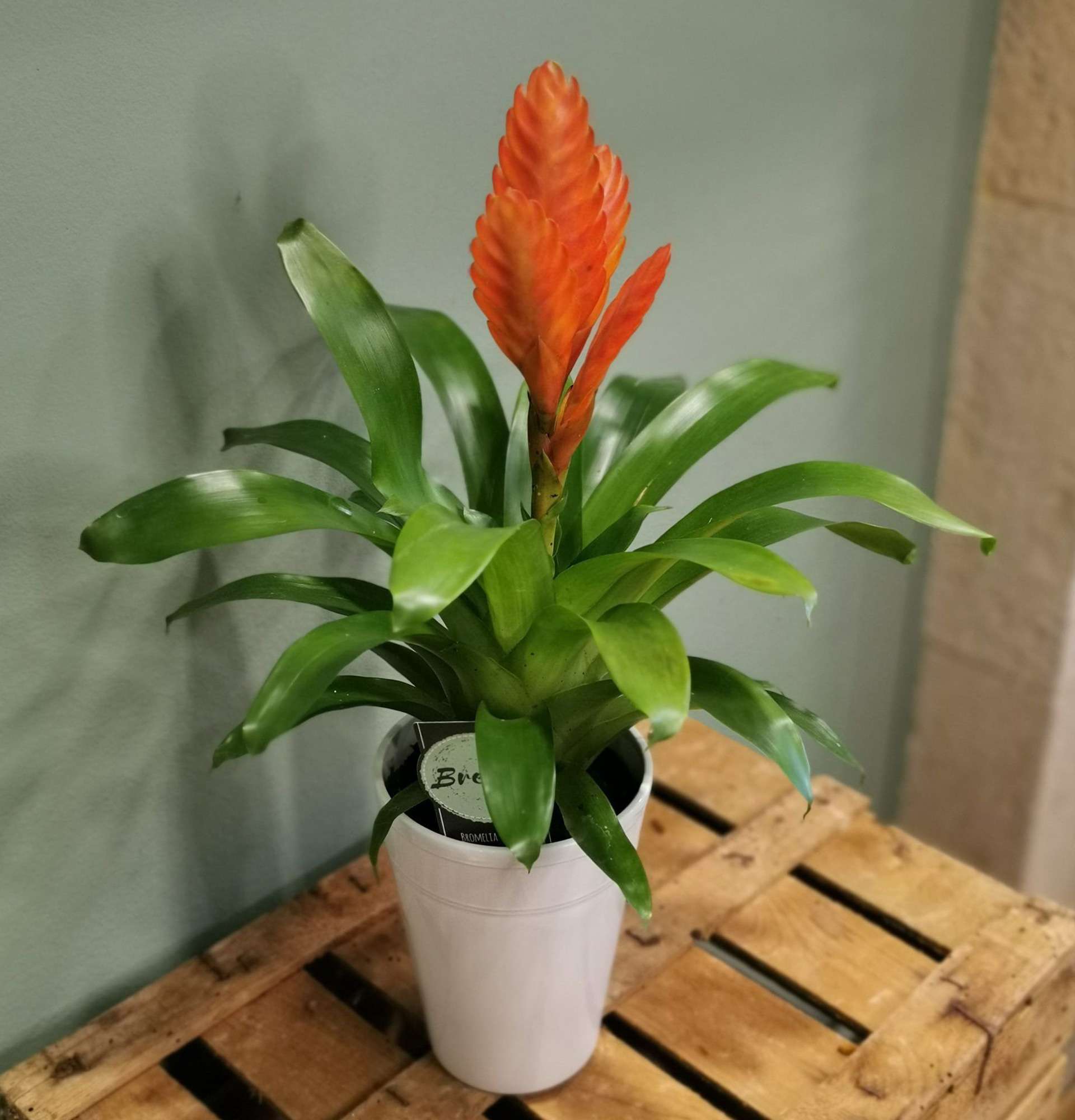
Vriesea, also known as Vriesia, is a very exotic and impressive plant, the inflorescences of which are surrounded by bright red and yellow bracts. It belongs to the Bromeliaceae family. This classification of tropical, unusual plants was described by the famous French biologist Saint-Hilaire in 1805. Vriesias are considered the most heat-loving indoor plants among bromeliads. There is nothing surprising about this, because this flower, Vriesia, grows perfectly in the subtropical and tropical climates of Brazil, Central America, and Argentina.
This beautiful plant, Vriesia, owes its name to the famous botanist from the Netherlands, W. de Vries, a researcher of the flora and fauna of Southeast Asia. Vriesia is also called the "burning or shining sword."
The genus "Vriesea" was separated from the genus "Tillandsia" in 1843 by the English botanist John Lindley. This genus includes over 250 species of terrestrial and non-stemmed plants. Approximately 150 species are cultivated in indoor conditions. There are also many hardy hybrids with a very diverse shape and color of peduncles and inflorescences.
Species and hybrid varieties of Vriesia
Vriesea splendens (Splendid Vriesia)
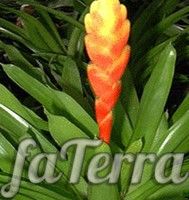 This stemless terrestrial or epiphytic flower is native to Venezuela. It has other names: "Vriesea splenriet" or "fire sword." This variety of Vriesia was brought to Europe in the nineteenth century. It is one of the most striking representatives of the countless "Vriesea" genus.
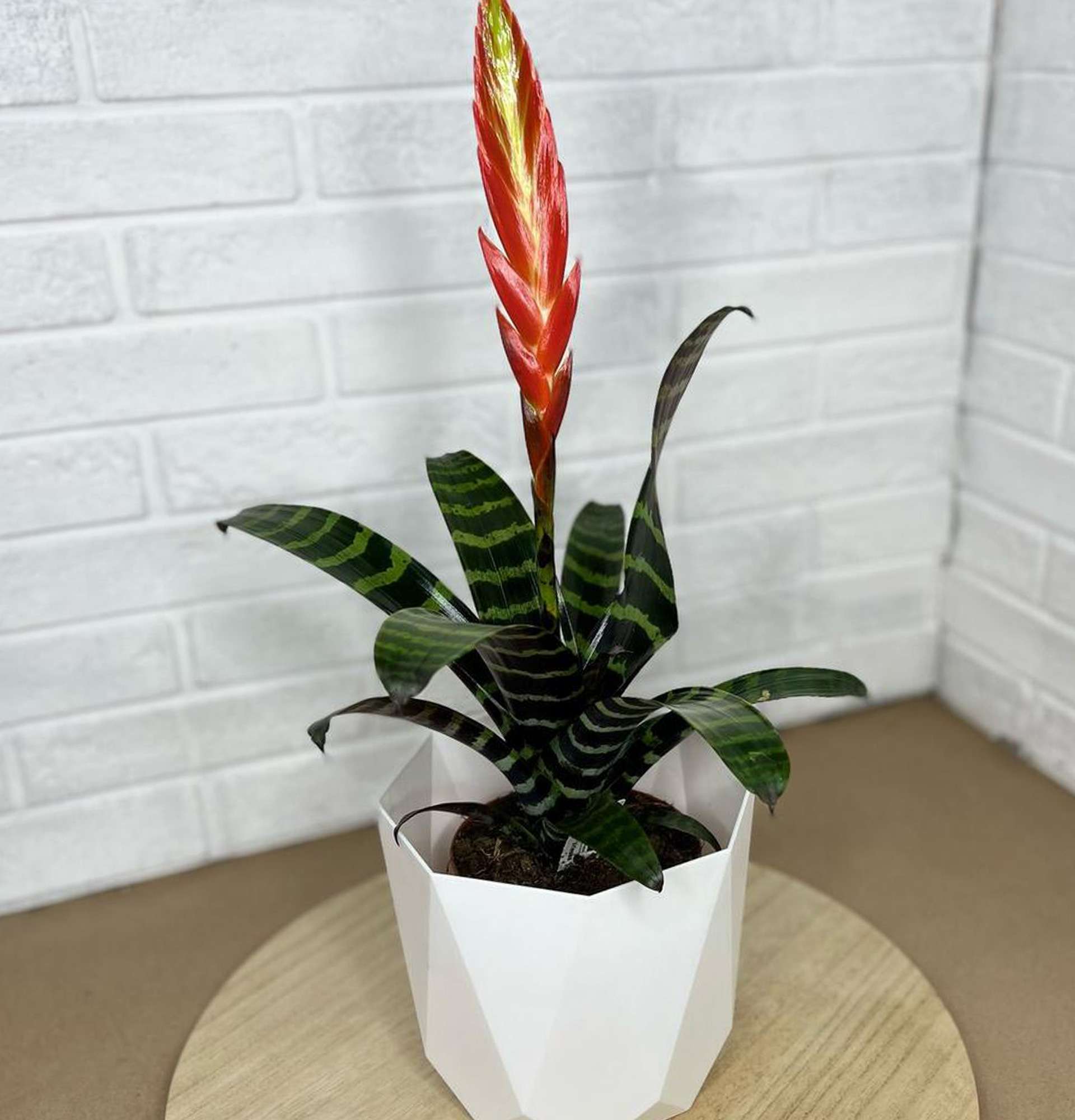
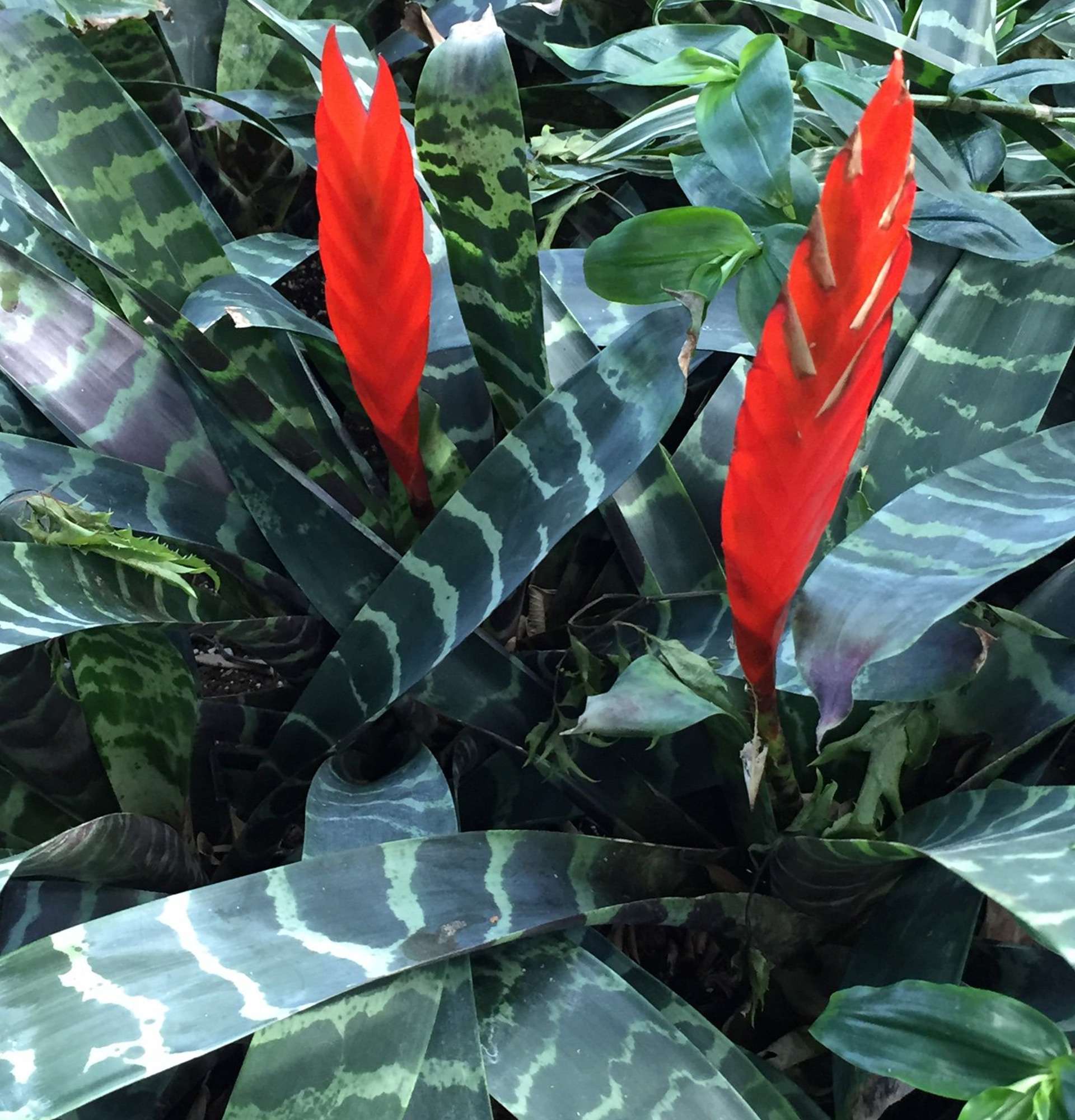
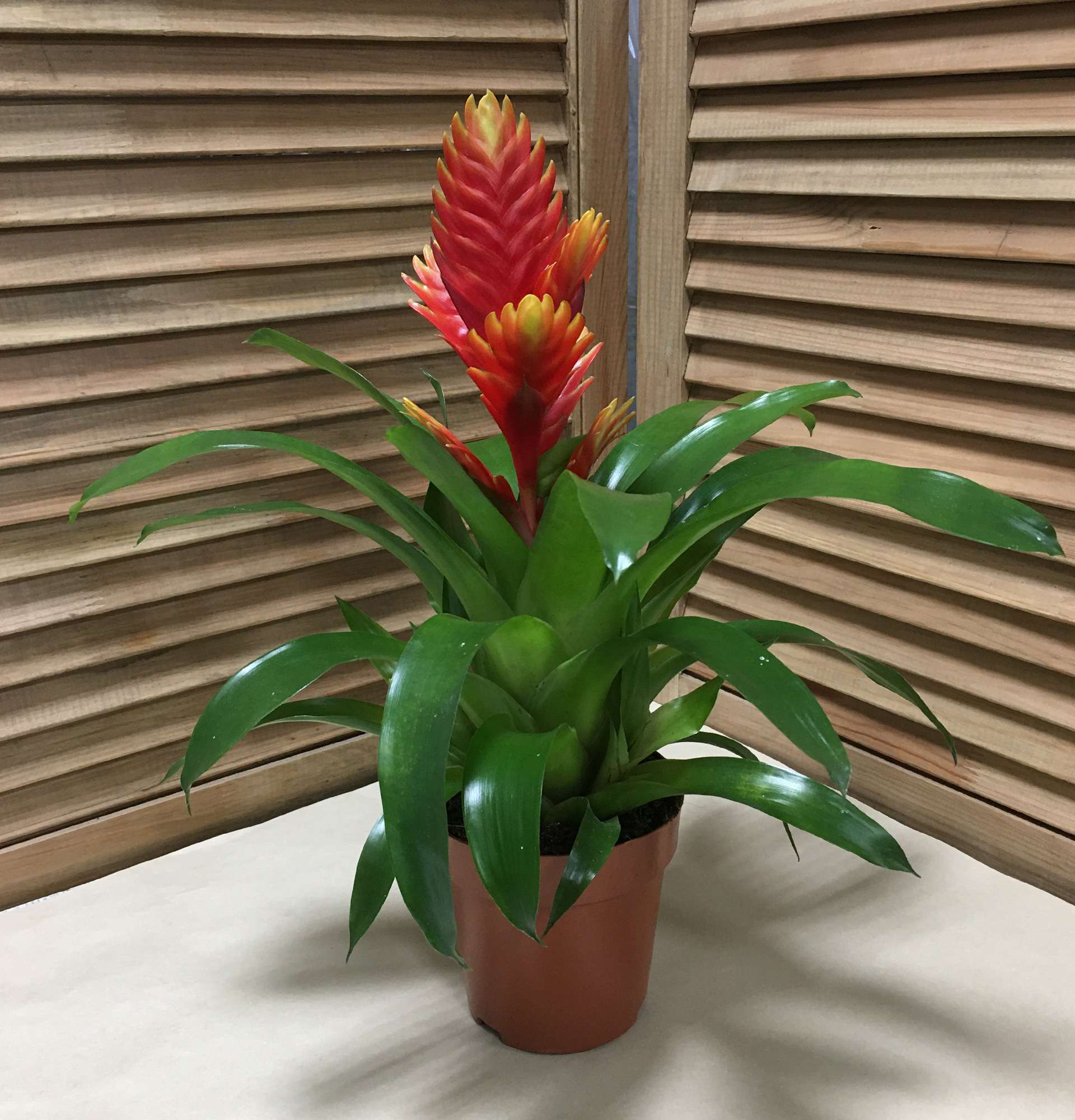
This is the most popular species with green leaves with a purple or magenta stripe. The leaves are arranged in a funnel-shaped rosette, from the middle of which a spike-like inflorescence grows. The individual flowers are short-lived, but the red-orange bracts remain beautiful for up to two months, which is why this indoor flower, Vriesia, exudes an attractive charm.
Vriesia carinata (Ridged Vriesia)
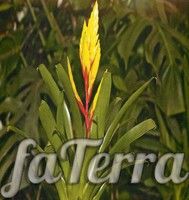 This epiphytic or terrestrial plant is native to the forests of eastern Brazil. The leaves, covered with scales, are about 20 cm long and light green in color, growing from a funnel-shaped rosette. A delicate, straight peduncle supports a spike-like inflorescence. It delights the eye with its flowering for a long time.
Vriesea hieroglyphica (Hieroglyphic Vriesia)
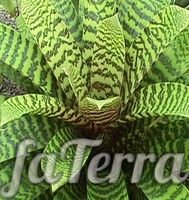 This is one of the most beautiful species of Vriesia, which came to us from the humid forests of Brazil.
This plant, Vriesia, got its name due to the dark spots on the wide leaves. The shiny pale green leaves are curved in an arc and arranged in a funnel-shaped rosette. Due to the unusual beauty of the creamy or yellow flowers on the spike-like inflorescence, which rises on a tall peduncle, this Vriesia hieroglyphica is also called the "King of Bromeliads."
Vriesia care at home
The indoor flower Vriesia is extremely beautiful and unique, especially when Vriesia is blooming, producing a bright, colorful spike.
Freesia is a heat-loving flower.
Caring for Vriesia can be challenging and requires some effort and attention. However, it is worth it to admire the unusual beauty of this wonderful flower in your home. To achieve this, you need to know the secrets of care:
- The temperature should be uniform, preferably without sudden changes; in the summer, 18-25 degrees, in winter, 17-18 degrees;
- Bright, diffused light; the plant is shade-tolerant;
- Humidity should be at least 65 percent; it is desirable to spray with soft water, or pour a little water into the rosette; in summer, keep the soil moist, and in winter, water moderately;
- The soil should consist of equal proportions of peat, sand, and leaf humus; drainage is essential; fertilize the plant with soluble fertilizers every fifteen days.
Vriesia propagation and transplanting
Vriesia can be propagated in spring or summer from offshoots that have reached one-third of the height of the mother plant, or by dividing the bush, while preserving the roots. A temperature of 20 degrees should be maintained. Vriesia can also be propagated by seeds. They should be sown in a moist peat mixture at a temperature of 25 degrees. However, this is a very laborious and lengthy process.
Care at home, including transplanting Vriesia, should be done into a larger pot; the rosette should not be buried in the soil. Subsequent transplants are carried out after the daughter rosettes have separated. However, it is important to remember that Vriesia does not tolerate transplants well; it is best to transplant in spring and only when necessary.
Pests and diseases of Vriesia
Common pests of Vriesia include spider mites, mealybugs, and bromeliad scale insects. If the plant is affected by a fungus, gray spots may appear on the leaves. Vriesia diseases can spread very quickly throughout the plant, so it is important to take immediate measures to eliminate pests. First, you can wipe the leaves with a soap solution, and if necessary, treat the plant with chemical preparations.
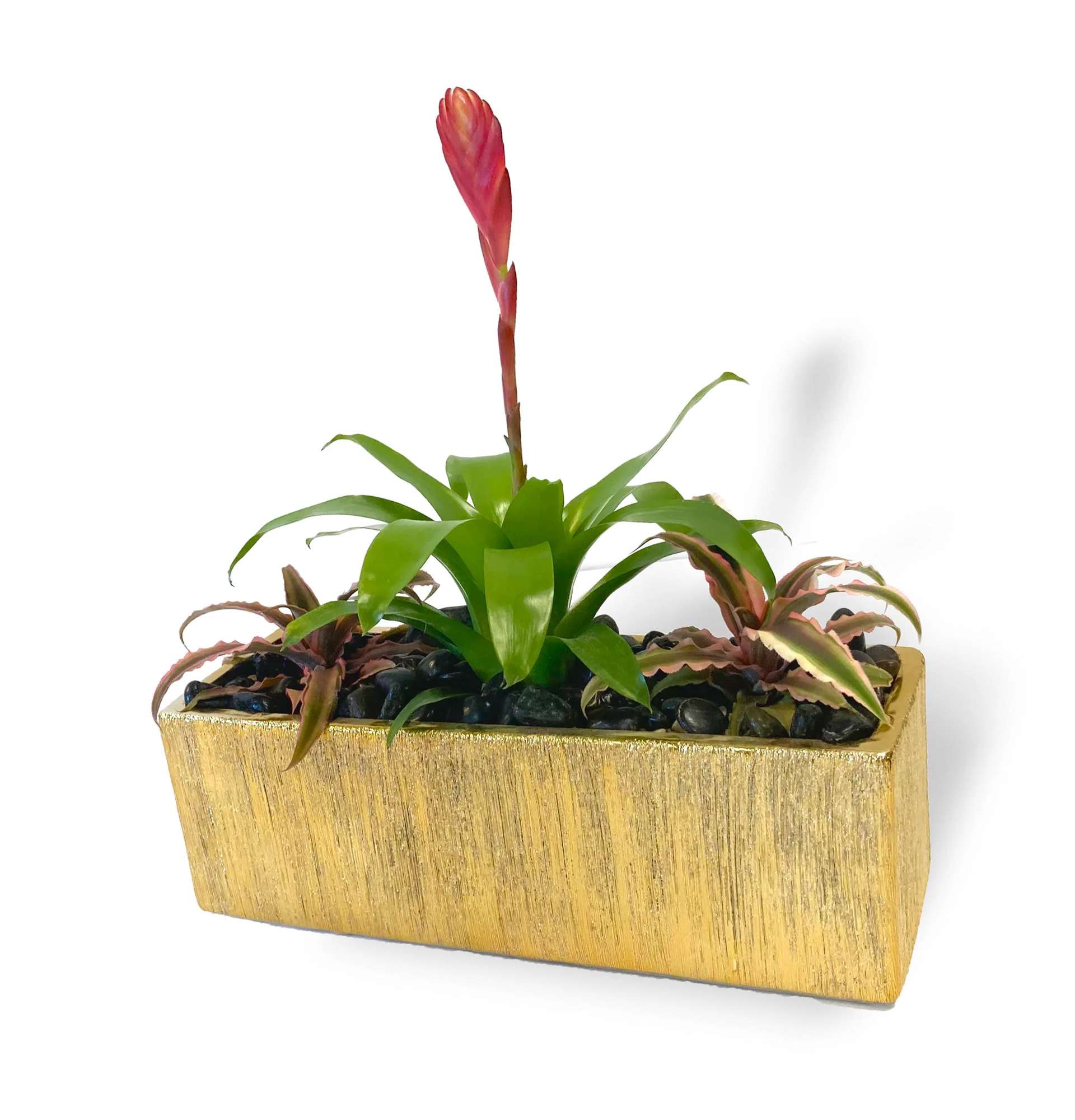
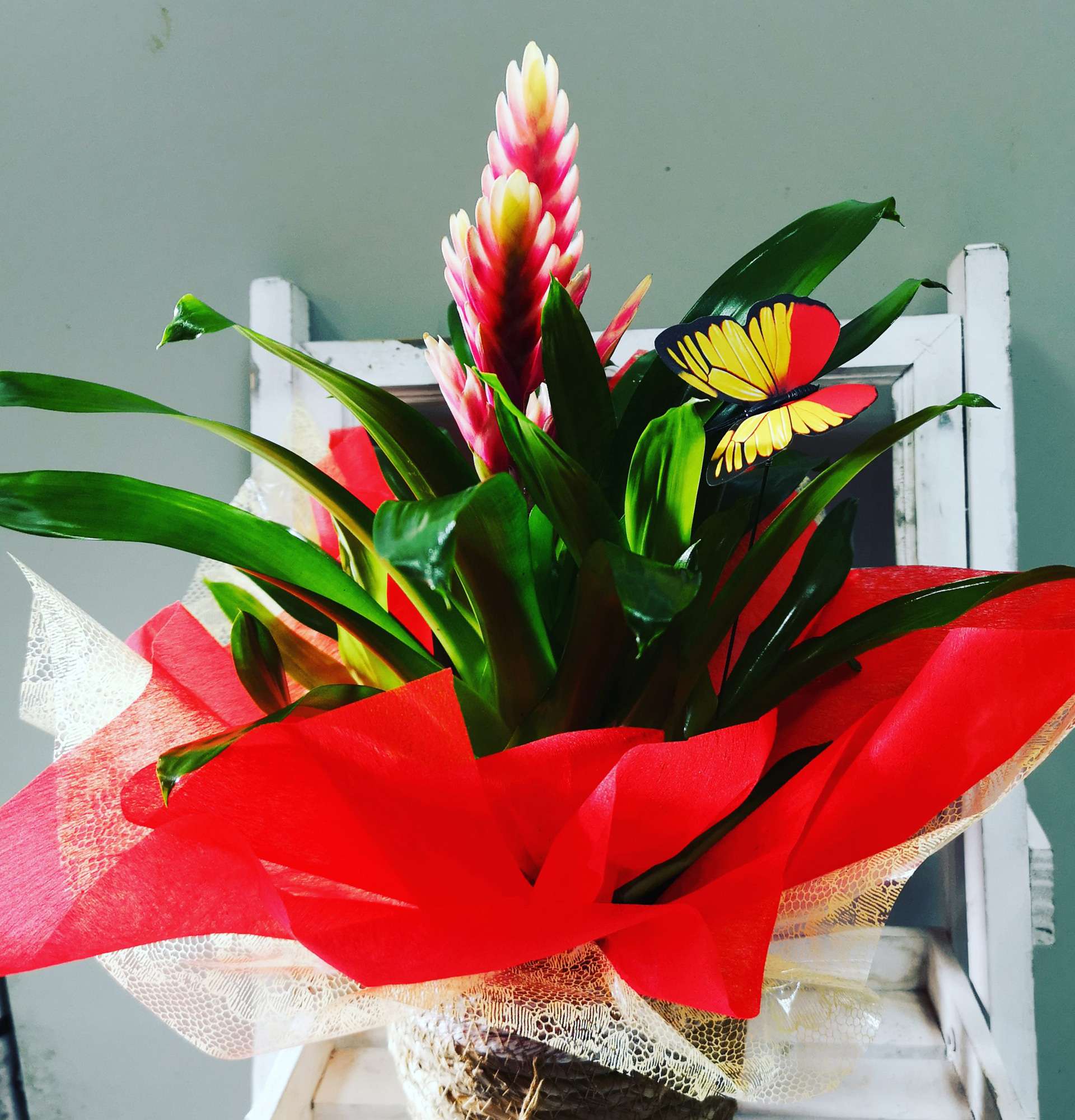
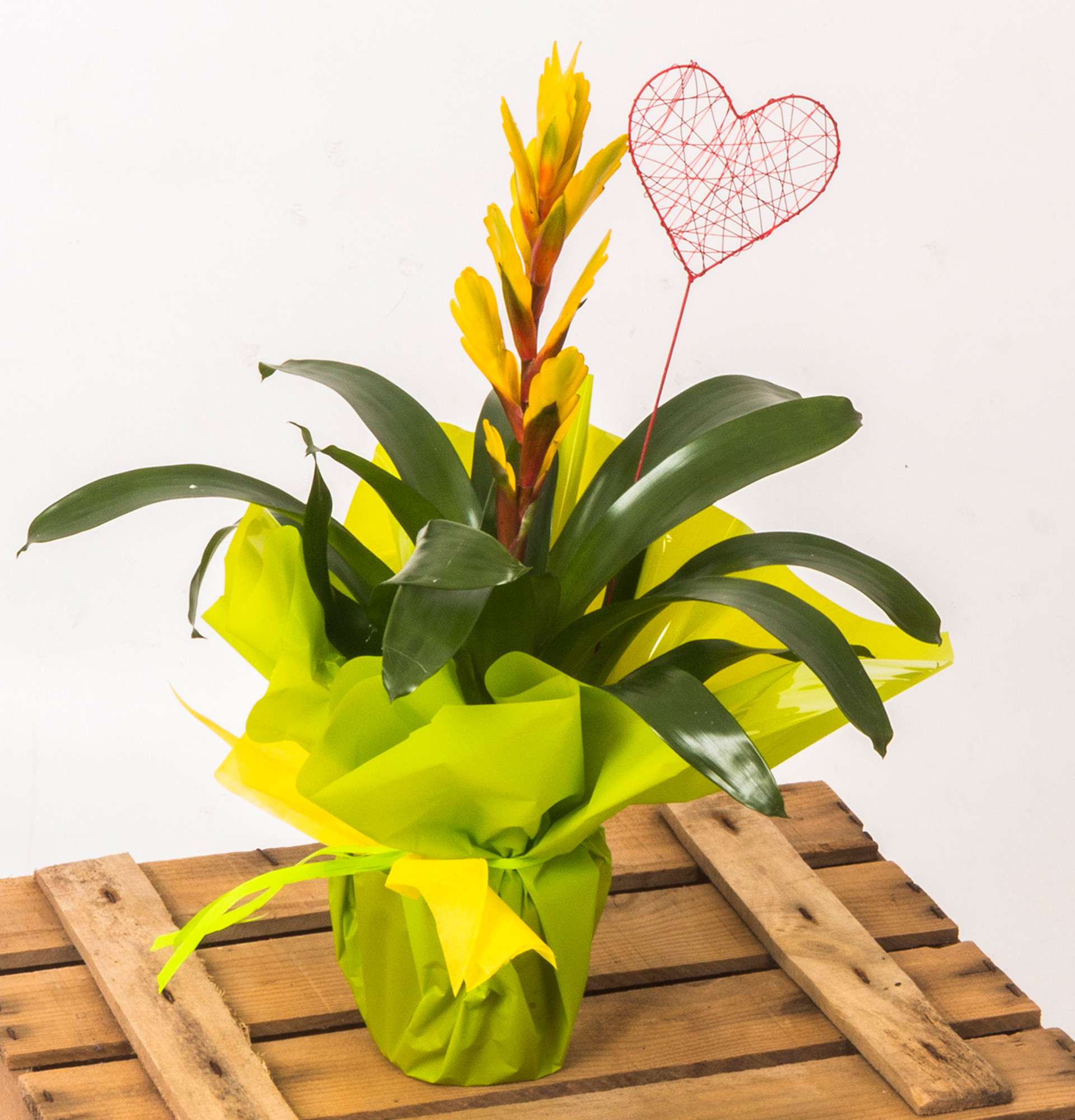
This is the unusual plant, Vriesia.
Write comments
Comments