



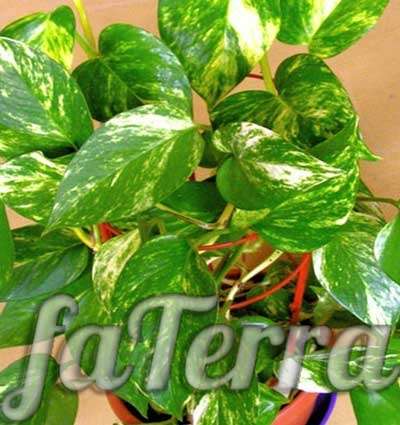
Latin name: Scindapsus
Category: perennial, herbaceous, evergreen vines
Native to: Southeast Asia
A brief overview of the fast-growing vine - Scindapsus
The genus Scindapsus belongs to the Araceae family. It includes approximately twenty-five species of plants. They are luxurious, evergreen vines, and at the same time, epiphytes.
The natural habitat of about twenty-five species of herbaceous, evergreen perennials can be considered the tropical forests of Southeast Asia. And in this harsh natural environment, the Scindapsus vine can climb trees to a height of up to 15 meters.
The name of the genus Scindapsus has Greek roots and means a tree resembling ivy - "skindapsos". However, each people calls this beautiful plant in their own way. For example, in America, Scindapsus with beautiful leathery leaves is known as "golden pothos", while florists in England call it "black ivy". In botany, the plant is called Epipremnum. There are also other folk names: devil's ivy, widow's ivy, man-hater.
The flower Scindapsus becomes one of the popular indoor plants due to its beautiful, lush, and very fast-growing foliage. Its simple, oval-shaped dark green or spotted leaves reach a diameter of ten centimeters. The Scindapsus plant will be an exquisite decoration for offices, shops, theaters, and representatives of more hardy species can be grown in open areas, even decorating the facades of buildings. In terms of growth rate, Scindapsus somewhat surpasses the flower-like Zephyranthes zephyranthes.
The closest relatives of Scindapsus are Monstera and Syngonium.
Scindapsus species
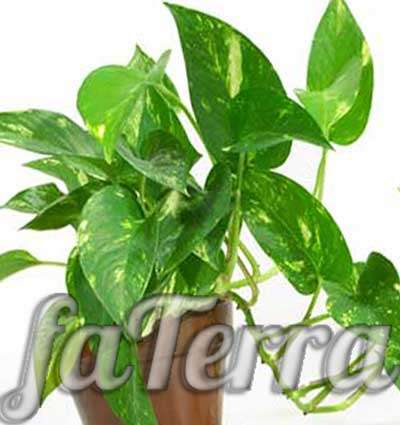
Scindapsus aureus (Golden Scindapsus)
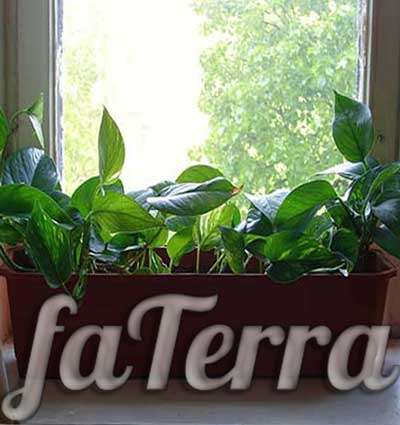
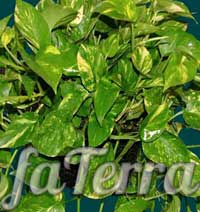 One of the most fashionable and recognized species by florists. It is also called "golden pothos". A modest vine that is good at climbing trees or an ampelous plant. It has very beautiful bright green leaves. It is decorated with yellow strokes and splashes. The leaves of Scindapsus are very similar to the leaves of Philodendron. Currently, many very beautiful varieties and forms of golden Scindapsus have been bred:
- "Golden Queen" - this variety has extremely beautiful yellow leaves with green spots;
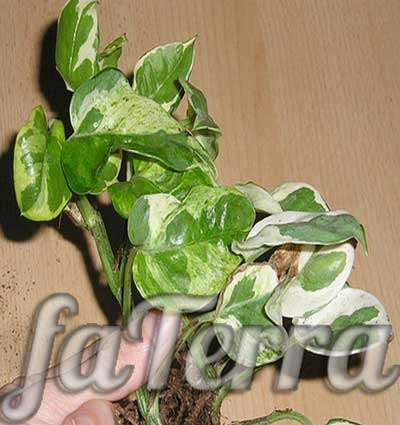
- "Tricolor" - the leaves of this variety have light green, light cream, and dark green shades;
- "Neon" - an extraordinary variety with lemon-colored leaves that gradually become darker during growth.
Caring for golden Scindapsus at home is not difficult. With Scindapsus, you get a beautiful plant that reduces stagnant energy in the room, helps to fight laziness, can inspire creativity, and help you get out of a psychological dead end.
Scindapsus pictus (Spotted Scindapsus)
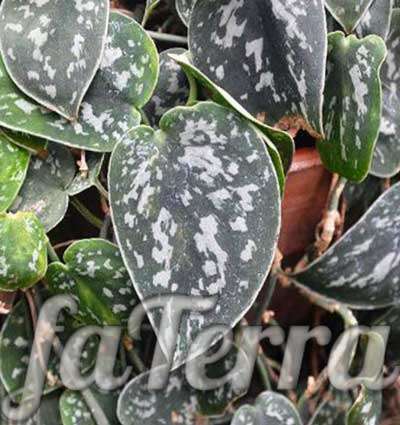
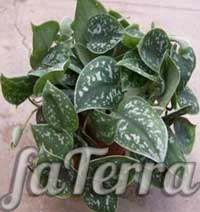 This is an epiphyte. Vines with variegated, large, silvery-green leaves are native to the islands of the Pacific Ocean. Spotted Scindapsus is a very hardy and easy-to-grow ornamental plant that can be widely used for landscaping office designs and decorating living spaces.
Scindapsus pictus (Painted Scindapsus)
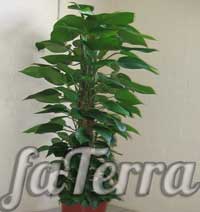 It is also called Epipremnum pinnatum. These huge vines are native to the humid forests of the Malay Archipelago.
On the awkward stems of painted Scindapsus, which become covered with tubercles with age, there are dark green leaves decorated with silver patterns, spots, or white-blue dots. The petiole that holds this beauty is up to five centimeters long, and the leaves are oval in shape, up to 15 cm long and up to 8 cm wide.
Currently, new varieties of painted Scindapsus are often found:
- Scindapsus "Exotica" - this variety of Scindapsus attracts attention with its large leaf plates completely decorated with silver spots and elongated strokes.
- Scindapsus pictus var. Argyraeus - the leaves of this variegated variety of Scindapsus have a more short and wide shape, and they are decorated with small, regular-shaped spots.
Scindapsus care at home
Caring for a Scindapsus flower is not difficult. This is what makes it one of the most popular plants in home gardening. However, it is necessary to follow simple rules and conditions for growing the plant, and then the beautiful vine will decorate any corner of your home.
Location and temperature
Scindapsus is shade-loving and shade-tolerant, so it is best to place it at a distance of two meters from a south-facing window. West- and east-facing windows will be a good option for the beautiful vine.
The acceptable temperature range for the plant is approximately 12-25°C. In summer, room temperature is suitable, and in winter, the temperature should not fall below 12°C.
Humidity and watering
Scindapsus prefers high humidity. The plant will appreciate regular leaf wiping and showering. In winter, it is not necessary to spray Scindapsus to avoid harming it.
To prevent root rot, water Scindapsus infrequently, especially in winter. It is necessary to monitor the soil. It should be dry to a depth of one-third of the pot.
Soil
It grows well in a mixture of garden soil, peat, and river sand. Good drainage is essential.
Fertilizing
Feed Scindapsus with a liquid fertilizer at half strength during the growing season, once every 14-20 days. In winter, if there is supplemental lighting, use fertilizer once a month.
Propagation
Scindapsus can be easily propagated from cuttings. Cuttings with at least two leaves are planted in a light potting mix for easy rooting at a temperature of about 20°C. Planting several cuttings in one pot will create a lush bush.
Pests and diseases
Even such a resistant plant as Scindapsus can be affected by pests. The most common pests that affect Scindapsus flowers are scale insects, mealybugs, aphids, and spider mites.
Problems that may arise during cultivation:
- Why are the leaves turning yellow on Scindapsus? Lack of nutrients in the soil. The plant needs to be fertilized.
- If the edges of the leaves of your favorite plant suddenly turn brown, it should be moved further away from heating radiators, as the low humidity is likely the cause.
- Brown spots appear on the leaves, then the leaf completely turns brown and falls off - excessive watering and, possibly, a lack of nutrients in the soil.
- The leaves are falling - lack of light and nutrients; protect the plant from drafts.
- Elongated stems, small and sparse leaves - the plant is not getting enough sunlight.
- Discolored leaves - excessive light, which can even cause burns.
- Stem rot - low temperature and overwatering.
Caring for Scindapsus is not difficult. Following simple rules and conditions will allow you to have a beautiful and charming vine that will decorate any corner of your home.
Is it possible to keep Scindapsus at home?
There are different opinions on this matter. And I think that each person should decide for themselves whether or not to grow Scindapsus at home. According to folk beliefs, there are possible and impossible "sins" associated with the plant. Some believe that Scindapsus cannot be kept in the house, as it is the culprit of family scandals and, as a result, this plant is not welcome in homes.
However, Eastern sages and bioenergetics have their own opinions, according to which this beautiful indoor plant is very positive and brings happiness, absorbs negative energy, and neutralizes unfavorable energy. The only drawback of Scindapsus is its very rapid growth and its ability to fill a large space. But this problem is always quickly solved.
So, decide for yourself: whether to have this beautiful plant near you, which brings good mood, comfort, and positive emotions. Always believe in good omens! After all, life is beautiful!
Toxicity
Scindapsus, like most Araceae, is poisonous. The plant contains oxalic acid, toxic proteins, and enzymes. You should be careful when handling Scindapsus. Children and animals should not have contact with the plant. However, this negative aspect of the Scindapsus plant can be compensated by its ability to purify the air from xylene and formaldehyde. Another plant that cleans the air well is Spathiphyllum.

Write comments
Comments