



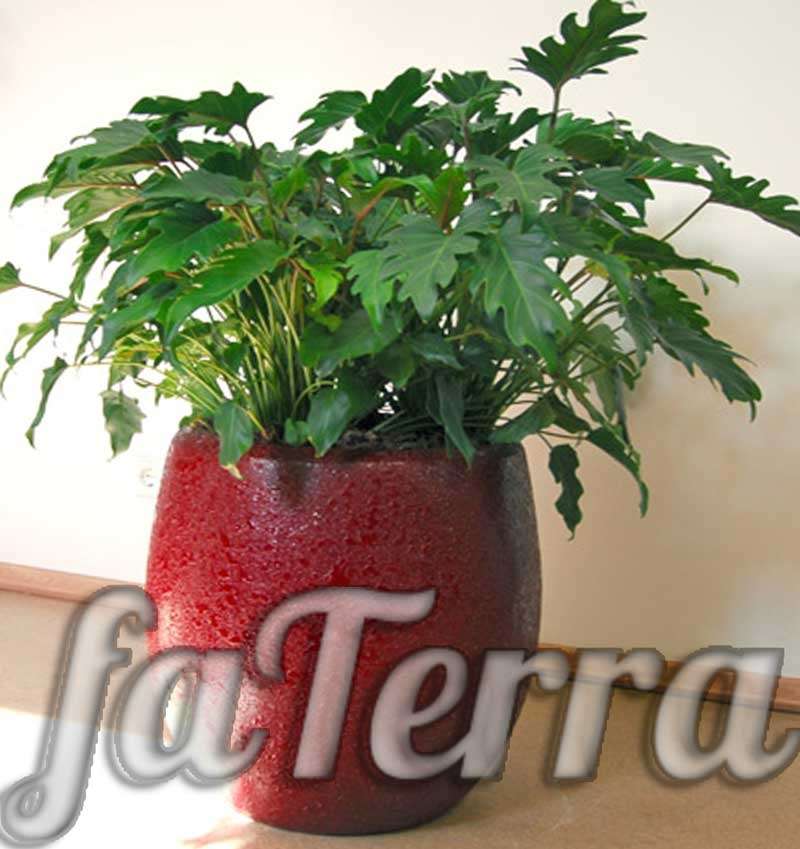
Latin name: Philodendron
Category: large evergreen vine
Native to: Central and South America
Interesting information about philodendron
One of the most interesting representatives of the family of tropical plants, and arguably a trendy and beloved houseplant, is the philodendron. In translation from the Greek language, its name can be interpreted as "love tree". The native habitats of the philodendron, with high humidity, relatively high temperatures, and diffused light, are found in the humid tropical forests of Central and South America, as well as Australia.
The philodendron is an unusual plant in that its love for the surrounding trees is expressed through the use of these giants. This is manifested in the fact that the philodendron wraps around the trees that grow nearby as supports, and the philodendron itself reaches for sunlight. The positive aspect is that it is not a parasite, does not damage the trees, and does not hinder their growth.
It can be emphasized that the philodendron has a remarkable variety of species and forms, and can grow as a creeping vine or as a climbing vine with thin, long, fleshy stems. They can be epiphytes, semi-epiphytes, and even hemiepiphytes, but most of them are climbing plants, stemless rosette plants with a short, thick stem.
In general, there are more than three hundred species of philodendron, which belongs to the Araceae family. The plant is very original and unlike other plants. The leaves and flowers have petioles that surprise with their sequence, and also with the difference in size and shape on the same plant. The color of the leaves is varied, from green to reddish-brown, with one side always darker. The inflorescence is like a waxy spike, and the flowers emit a specific pleasant aroma, and the fruit is a berry.
The berries of the philodendron can be eaten not only by birds, but also by humans.
Philodendron species
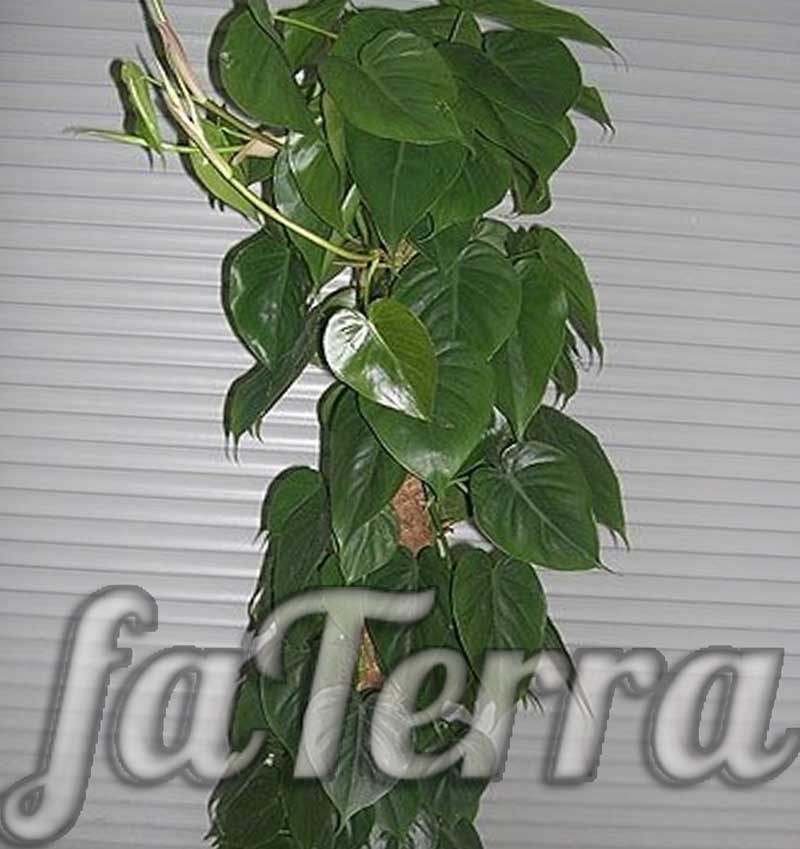
Climbing philodendron (Philodendron sckandens)
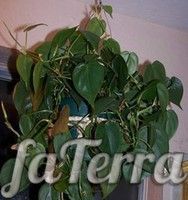 This evergreen, beautiful vine grows luxuriantly and quickly, climbing with its stem using additional roots on the ground and supports. It came to us from the forests of Western India and Mexico. The leaves are arranged alternately on the entire length of the stem on short petioles. The young leaves have a bronze tint, while the older leaves are shiny and dark green. Under home conditions, the stems can grow up to 60-90 cm long.
The climbing philodendron is an undemanding plant and easily adapts to various living conditions with normal room temperature in summer (up to 24°C) and below 13°C in winter.
This original plant looks great when planted in a single pot with a couple or three seedlings, and as the plants grow, the originality of the philodendron is emphasized by supports covered with moss or supports made of bamboo sticks.
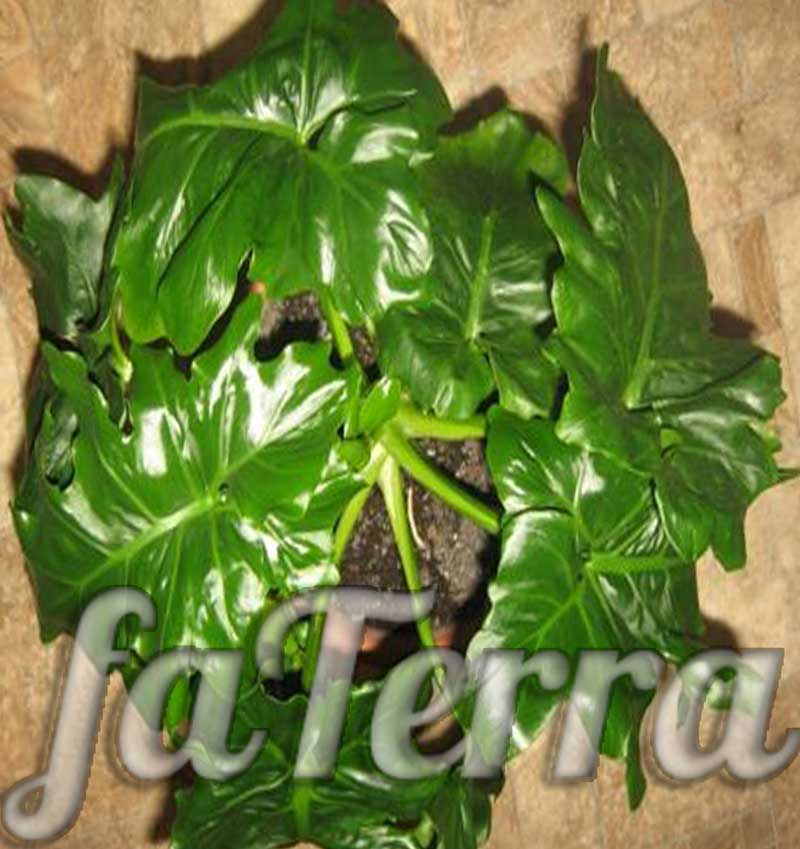
Guitar-shaped philodendron (Philodendron panduriforme)
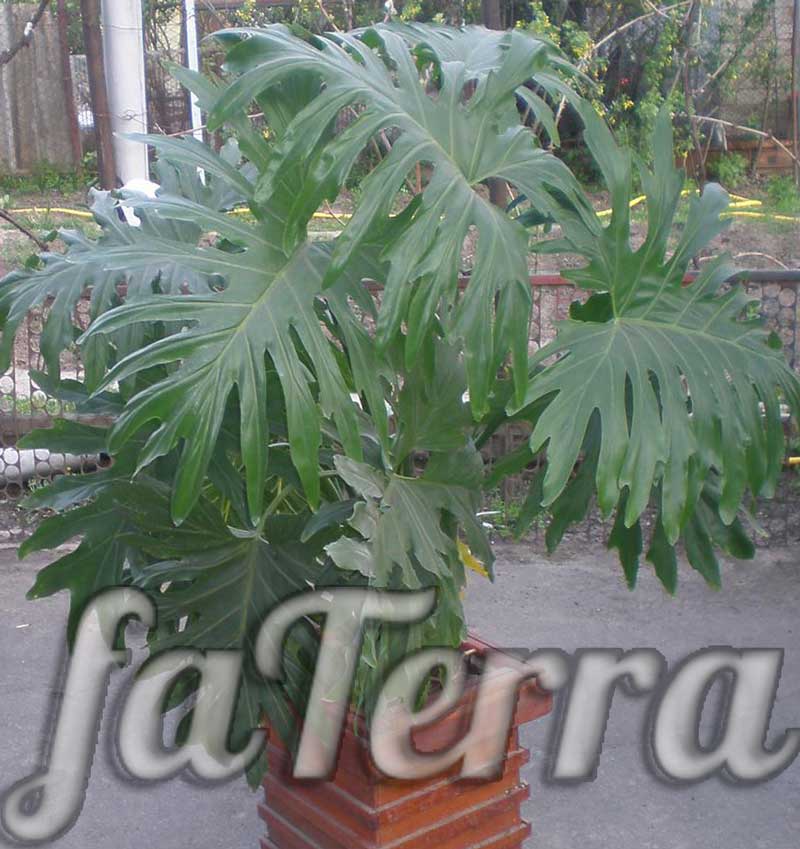
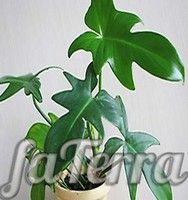 This original vine is very popular for growing indoors and can grow up to two meters in height, so it needs a support. The young leaves are heart-shaped, while the adult leaves can reach up to fifty centimeters in length, and their shape resembles a popular electric musical instrument, the guitar.
The guitar-shaped philodendron is easy to grow, which has made it possible to breed several decorative hybrids based on it.
Red-leaved philodendron (Philodendron erubescens)
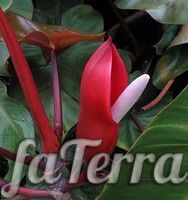 The most well-known and widespread philodendron, which has been cultivated by florists for about thirty years, is the red-leaved philodendron. Breeders have developed a large number of hybrid varieties based on the wild form of this plant, which grows in the natural conditions of the forest slopes of Colombia.
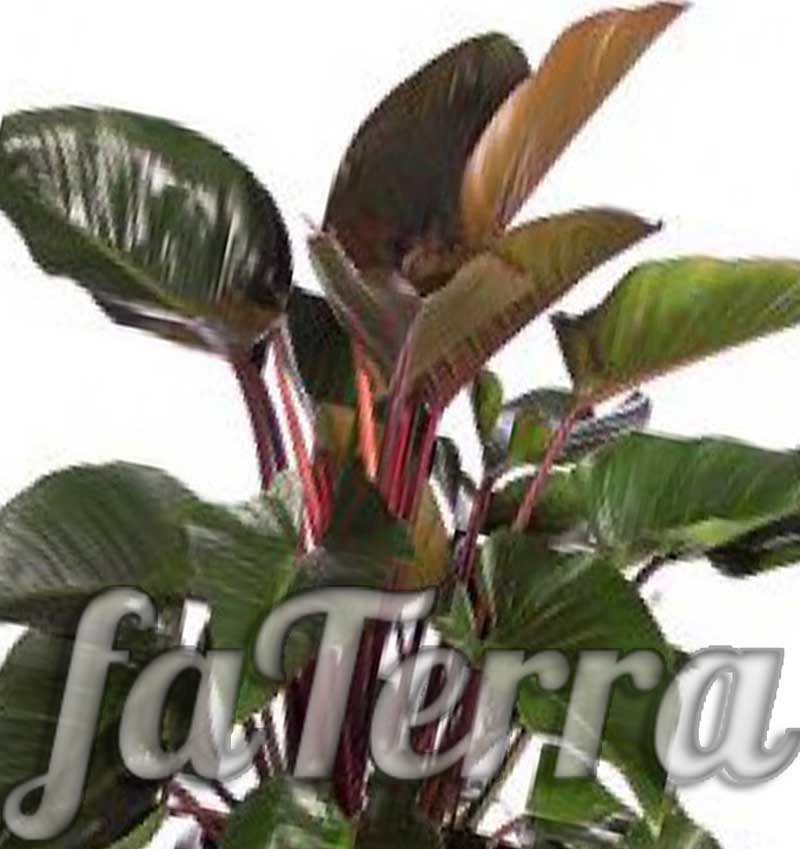
The red-leaved philodendron grows quickly and reaches a height of up to 1.8 meters. The stem of this vine is green-red in color, and with age, it turns golden-gray and tends to become woody. The leaves are arrow-shaped, up to 25-30 cm long and 15-20 cm wide. They are located on long, bright red petioles, have a dark green color with reddish tips, and the underside is copper-red. This fast-growing plant is quite easy to care for. It tolerates dry air, shaded areas, and is not afraid of drying out; spraying is recommended.
Philodendron care at home
The philodendron houseplant does not require special care. It grows very quickly, up to one meter in a year. The substrate for the normal growth of this tropical plant should be light, moderately acidic, porous, and nutritious. Your pet does not require bright light, it is enough for it to have partial shade, it will be grateful for diffused light and even artificial lighting. The philodendron should be protected from drafts, so it is not recommended to take it outside.
The required temperature for the plant is 24 degrees in the summer and not lower than 13 degrees in the winter.
And also, be sure to provide supports for the philodendron.
And your beloved, very beautiful and unusual decorative plant will decorate not only your house, but also your office. Try to take care of this plant and it will lift your mood with its charm and lushness.
Philodendron propagation
The philodendron can be propagated in various ways. Top cuttings can be rooted in moist sand, covered with a glass jar to create constant humidity. Ventilate daily, maintaining a temperature of 22-26 degrees.
Segments of the stem are sprinkled with sand, the soil is well moistened, and covered with film. It is also necessary to ventilate to avoid rotting. After the roots appear, transplant the seedlings into separate pots.
The philodendron can also be propagated by air layering and by germinating seeds in small greenhouses.
Pests and diseases of philodendron
Proper care for the philodendron helps to protect it from pests. The main enemies of the plant are:
- spider mite,
- thrips,
- scale insects.
The pests are located on both sides of the leaves and suck out the sap, which causes great harm to the plant. Therefore, it is necessary to take measures to eliminate the parasites as quickly as possible. Isolate the diseased plant and mechanically wash all parts of the philodendron with a soapy solution. If the infestation is severe, it should be treated with special chemical preparations.
Be careful when handling the plant, as all members of the Araceae family are toxic.
Write comments
Comments