



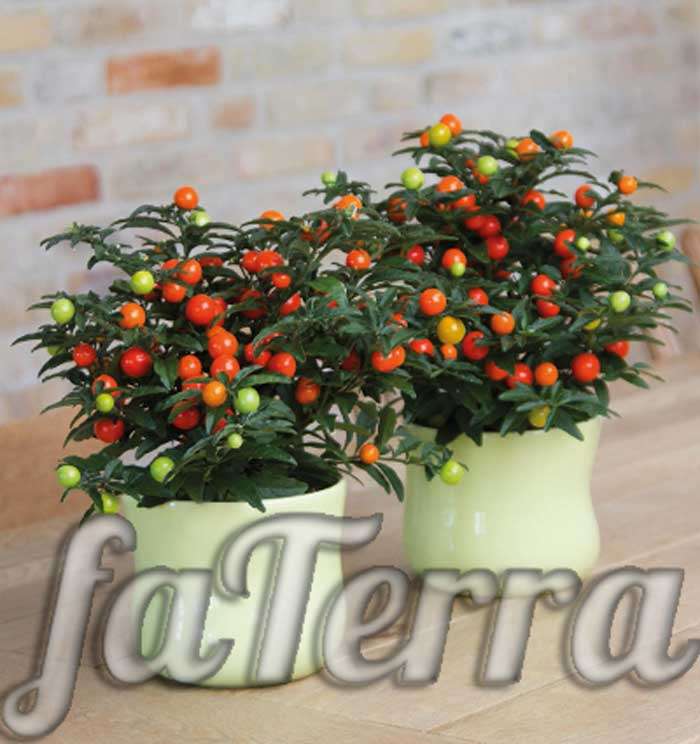
Latin name: (Solanum)
Category: annual and perennial plants
Origin: South America
Interesting facts about nightshade
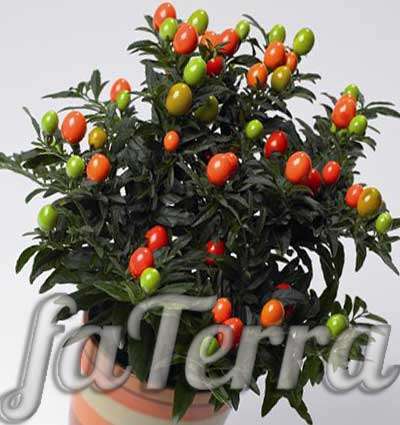
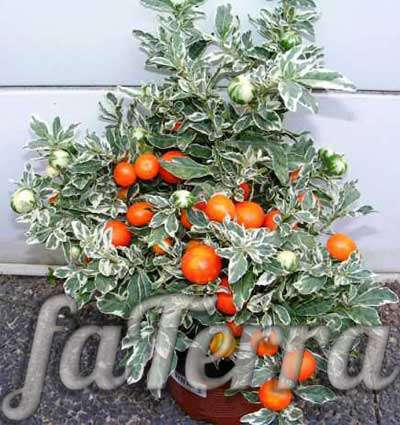
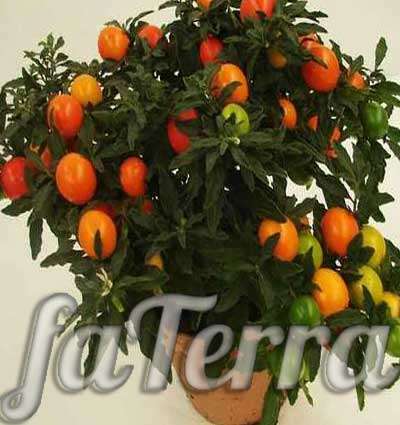
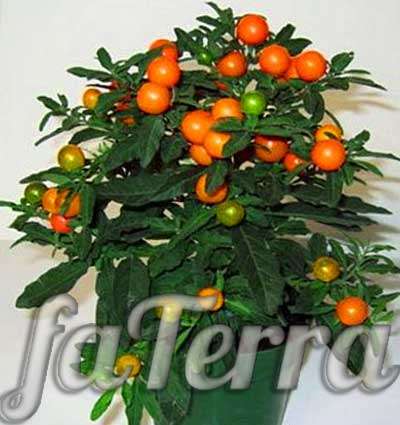
Nightshade (Solanum) is a genus of evergreen trees, shrubs, semi-shrubs, perennial and annual herbs belonging to the nightshade family. The genus Solanum includes more than one and a half thousand species of plants, common in warm areas with temperate climates around the world. Therefore, this plant with small orange fruits has many folk names. You can hear: solanum, potato tree, Jerusalem cherry, Cuban cherry, indoor cherry.
The South African continent and some countries of Southeast Asia are considered the homeland of plants of the nightshade genus.
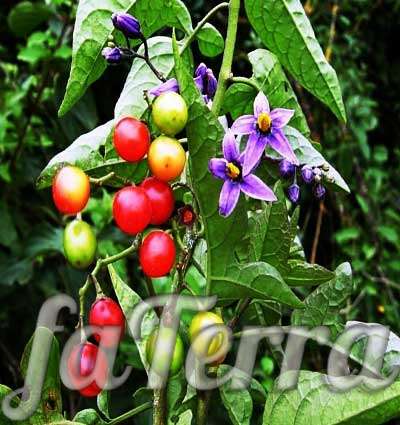
What is nightshade? The external data of nightshade plants are completely different from each other, if, for example, you compare it with potatoes, tomatoes, eggplant, or the same dark-fruited nightshade, or a valuable medicinal flower - black nightshade. In natural conditions, these are small shrubs covered with greenery all year round. The leaves have the shape of an elongated oval. Nightshade has white, yellow, purple or pink flowers, which are collected in a spike-shaped inflorescence. Bright orange fruits that resemble cherries make the plant special and charming.
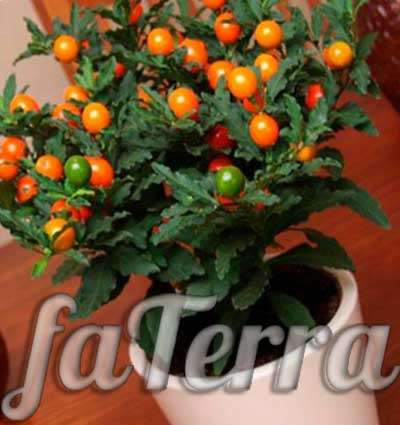
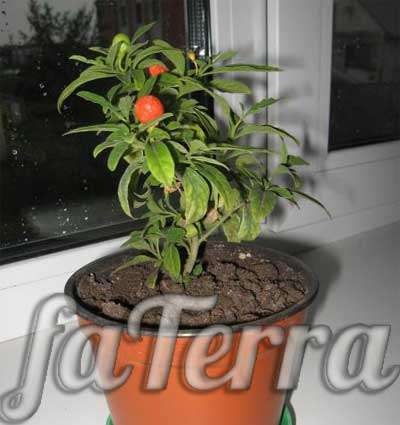
An indoor plant with red berries, called nightshade (Solanum), has become a very common decoration and addition to the interior of apartments, offices, and balconies. In order for the indoor cherry to feel good, it needs to create conditions close to natural ones. Namely, the humidity of the air should be high, do not forget about spraying and coolness in winter.
Types of nightshade
Nightshade rantonnetii (Solanum rantonnetii)
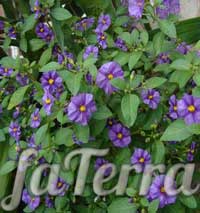 It is also called potato tree. Origin - South America.
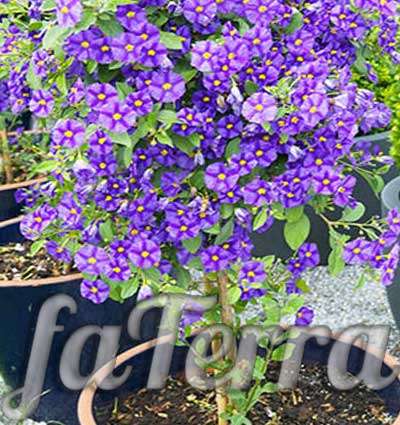
Potato tree description: in natural conditions, the height of this perennial spreading shrub can reach three meters. The plant is given uniqueness and beauty by blue-violet flowers with yellow eyes, which densely cover the bush. The potato tree has fruits on it, and they are still green, orange, and already red - the apogee of its cultivation. Because it is an amazing sight. And this beauty has also taken root in our latitudes. But the question is, how does the potato tree overwinter? The plant does not tolerate frost, so in the cold season it must be brought into the house, winter garden or basement.
Nightshade pseudocapsicum (Solanum pseudocapsicum)
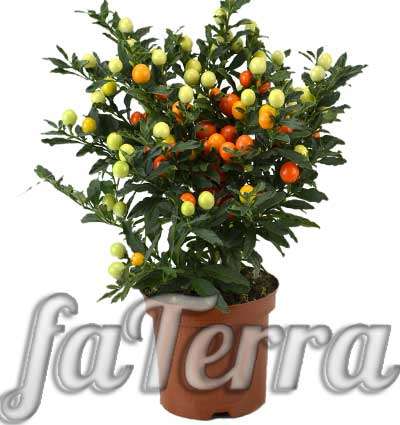
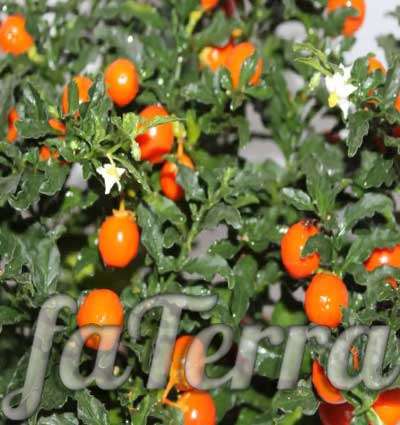
 A messenger from the island of Madeira, it is also called "Jerusalem cherry" because of the similarity of the berries. This species is represented by a half-meter evergreen semi-shrub with branching shoots. On them are densely located leaves of a rich green color. A very beautiful plant that blooms with small white single or in corymbose inflorescences. After flowering, the plant is covered with round green, yellow, red, two-centimeter berries as they ripen. Flower growers prefer the dwarf form of this plant, because caring for the "indoor berry" at home is not difficult.
Nightshade capricastrum (Solanum capricastrum)
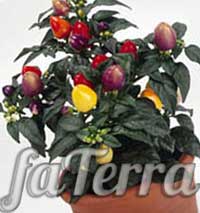 This species of nightshade grows in the forests of Uruguay and southern Brazil. In the summer, the plant is covered with white flowers, and closer to winter - with bright red cherries, which are not only beautiful, but also medicinal. A decoction of them is used to treat sore throat and tonsillitis. The gray pubescence on the young shoots and the silvery pubescent short leaves on them make the bush especially beautiful and attractive.
Nightshade mammosum (Solanum mammosum)
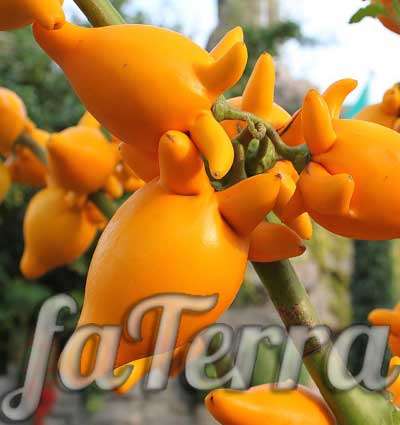
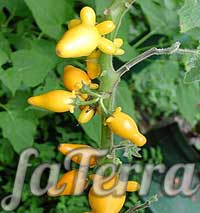 The unusual shape of the fruits of this solanum has also given it other names - Sodom apple, cow's udder.
This rare decorative plant can reach a meter in height. On the thorny thick branches are located delicate green leaves. White or pale purple flowers turn into yellow berries of an elongated shape with interesting outgrowths.
The unusual decorativeness of exotic fruits is used by florists to decorate bouquets. Homeopaths use anti-inflammatory and expectorant properties to treat diseases.
Indoor nightshade care at home
Indoor nightshade is hardy, and it is not difficult to care for it. And if you want to see your exotic plant cheerful, create pleasant and appropriate conditions for its growth.
Choosing a place and temperature regime
Nightshades love a lot of bright, diffused light all year round. The most suitable area for indoor cherry will be east and west windows. On a south-facing windowsill, for the comfort of the plant, bright, scorching sunlight must be shaded. The potato tree loves fresh air very much. In the summer, it will be pleasant for it on the balcony or outdoors, but it must be protected from drafts and precipitation.
Heat is undesirable for the plant with small orange fruits. An acceptable summer temperature is 18-25°C, and winter temperature is 12-15°C.
Air humidity and watering
It is necessary to create a favorable climate with high air humidity of about 70% for the indoor plant by regularly spraying it twice a day, or using a household air humidifier.
Indoor cherry is a big lover of water. It needs to be watered with settled, soft, room temperature water without salt and chlorine, every two days as the top layer of soil dries out, and more often on hot days. Do not allow excessive waterlogging to prevent root rot. In winter, the plant is dormant, and watering is reduced to three times a month, observing the condition of the soil.
Soil and its feeding
The requirements for the composition of the soil in nightshade are not high. The main thing is that it is loose and nutritious. To do this, you need to take in equal parts:
- leafy soil,
- soddy soil,
- humus,
- peat,
- sand or perlite.
Universal soil for indoor or garden plants will be an ideal option for the plant. A mandatory attribute is a pot with a hole, at the bottom of which a good drainage should be created using expanded clay and pebbles to protect the roots from unwanted waterlogging.
Decorative nightshade will bloom and bear fruit throughout the year with regular feeding, at least twice a month, with liquid complex fertilizers for flowering plants.
Transplanting
Young solanums are transplanted every spring. More mature Cuban cherry is transplanted once every three years, with mandatory pruning of the shoots by half.
Potato tree propagation
Seed propagation can be used throughout the year. Seeds are sown on the surface of the soil mixture. Cover with a thin layer of sand. Create a mini-greenhouse environment and place in a darkened place. After the seedlings germinate, they need to be transferred to a bright place. The grown seedlings are piked and transplanted to a permanent place.
Apical cuttings are used for propagation. They are rooted at a temperature of 22-25°C in a mixture of sand and peat.
Potato tree pests
Uninvited pests can be:
- aphids,
- spider mites,
- whiteflies,
- scale insects.
When they are detected, the plant is urgently treated with insecticides.
The main and important factors of growing indoor nightshade have been considered. The result of conscientious and high-quality implementation of them is a wonderful exotic green bush with picturesque fruits, which will delight and please the eye with its beauty and uniqueness throughout the year.
Write comments
Comments