



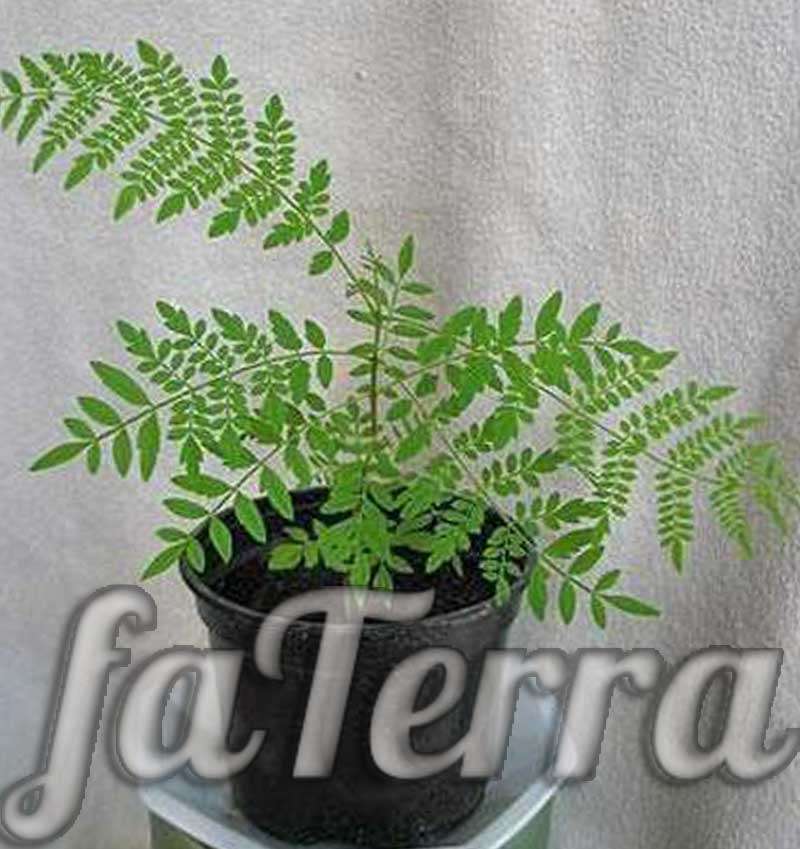
Latin name: Jacaranda
Category: evergreen trees
Family: Bignonaceae
Native to: South America, Brazil, Argentina
Jacaranda – a tree that brings beauty and good luck
Jacaranda (Jacaranda) - the genus of these giant, unusually attractive flowering trees and shrubs includes about fifty species, and it belongs to the Bignonaceae family.
Where does jacaranda grow? The native habitats of these beautiful plants are the humid tropical forests of South and Central America, specifically Brazil. Here, the largest jacaranda can grow up to twenty meters tall.
Of course, jacaranda does not only grow on the American continent. Its unique beauty and delicate honey-like fragrance have made it a favorite among many people around the world. In South Africa, this bright and colorful tree is called "Jacarandastad" and is the main decoration of its capital. A huge number of jacaranda trees adorn squares, parks, and even roads leading to the city. Some people in Africa believe that the beautiful jacaranda emits a blue spirit that helps people make the right decisions in conflicting situations.
It is also believed that Australia is considered a second native home for jacaranda. The climate of this region is very suitable for these beautiful trees. Moreover, Australians treat this wonderful plant with great respect and cherish the traditions associated with its flowering. For example, every family is expected to plant a tree in honor of the birth of a child. Jacaranda is a symbol of the arrival of spring. In addition, the beginning of jacaranda flowering heralds Christmas, which is described in poems and songs.
Interestingly, in Australia, jacaranda is called the "tree of knowledge." You won't find a school in Sydney that doesn't have a jacaranda tree. For Australian students, it is a talisman that regulates exam performance. There are many superstitions according to which the wishes of young Australians come true. Every student should either catch a branch of a flowering jacaranda or have a branch fall directly on their head while taking an exam. Then, they will successfully pass the exam! Therefore, jacaranda is a "lilac panic" for students.
Interestingly, jacaranda blooms twice a year. The first time is very lush and colorful. After flowering, the blue flowers fall off and create a fluffy, bright, and uniquely beautiful carpet on the ground. Everyone who loves beauty would like to see this, as it brings positive emotions and a good mood.
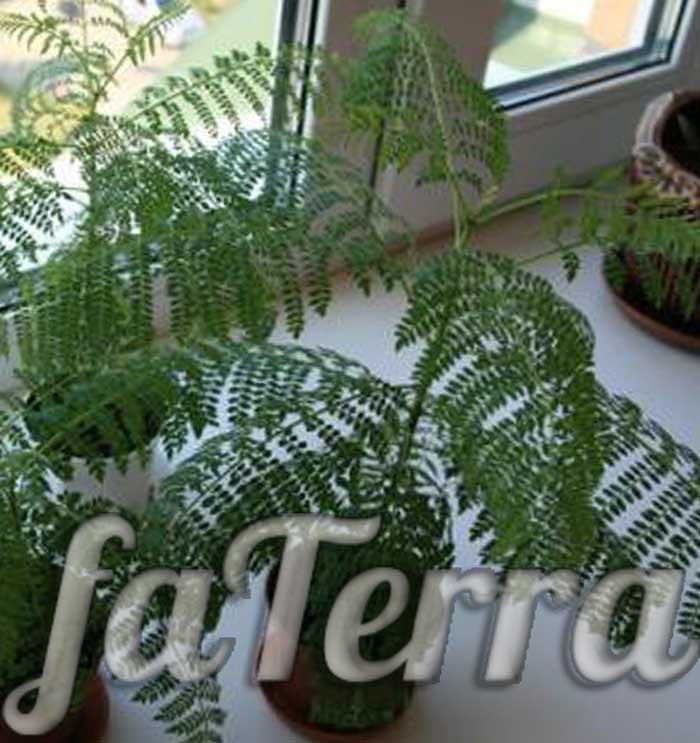
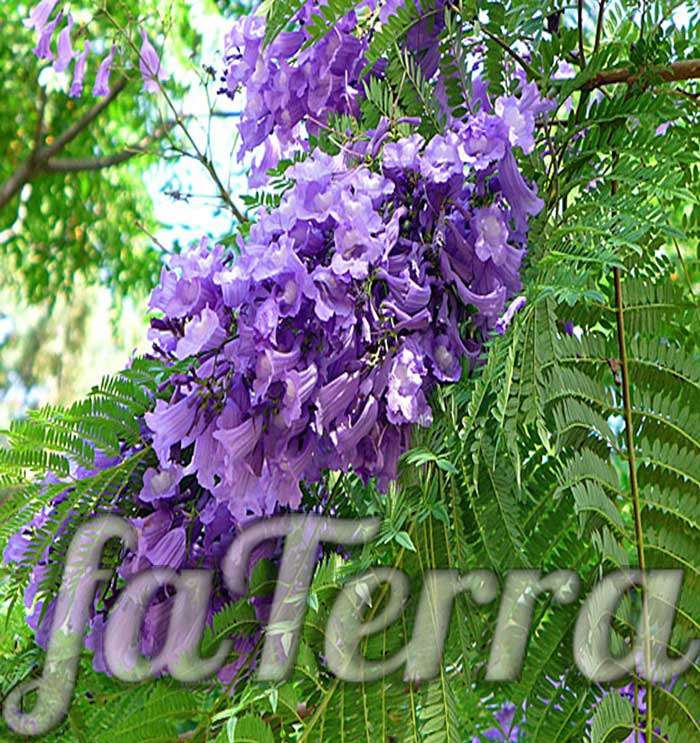
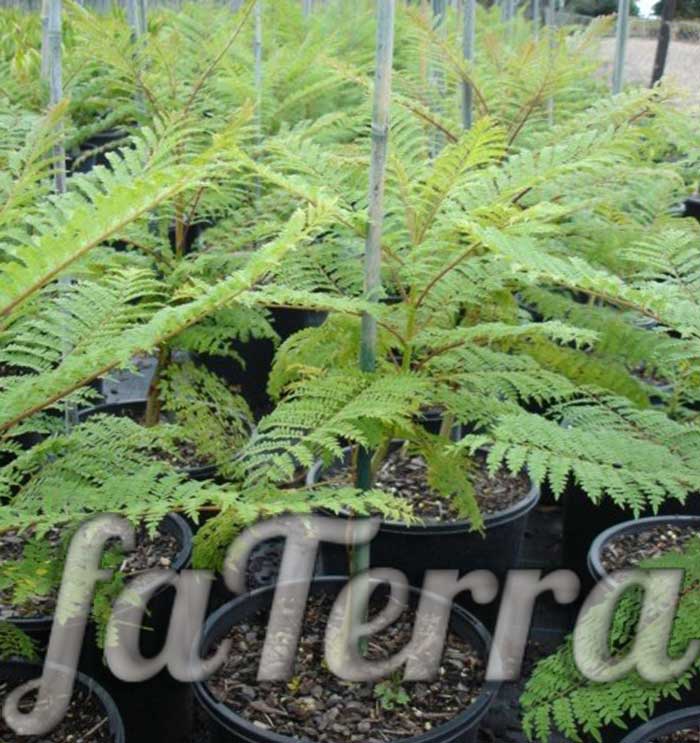
Jacaranda trees have huge, opposite, feathery, patterned leaves that resemble the leaves of mimosaferns. That's why it's also called the "fern tree." The lilac and blue flowers of jacaranda are bell-shaped and arranged in clusters that grow at the tips of branches or emerge from the leaf axils.
Another name for this plant is "lilac tree." What is the appeal of this unusual plant? Of course, a flowering jacaranda, or lilac tree, is undoubtedly a lilac wonder. And it is unforgettable if you have at least once seen this charming beauty, which plays with a riot of lilac, blue, and purple colors with the most delicate honey aroma.
The lilac tree is not only beautiful but also has practical applications in folk economy. That's why jacaranda is also called "rosewood tree." Rosewood (Palissandre) refers to the wood of some tropical trees. Jacaranda is one of them. Various expensive furniture, parquet, souvenirs, luxury items, and even musical instruments made from the finest jacaranda wood are very popular.
Botanical gardens and greenhouses decorate their spaces with the bright purple and lilac blooms of jacaranda. Indoor jacaranda is very popular among gardeners due to its decorative appeal, as it rarely blooms indoors. This species is Jacaranda mimosifolia, which will be discussed in more detail in the following sections.
Types of Jacaranda
Jacaranda tomentosa
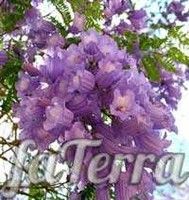 It comes from South America, where in natural conditions, the abundantly pubescent, deciduous, spreading trees reach a height of fifteen meters. The light green, complex foliage consists of four or five pairs of feathery lobes, oval in shape. The purple flowers are arranged in clusters of several dozen.
Jacaranda tomentosa is also known as jacaranda jasminoides or woolly jacaranda. Young trees of this decorative plant are used in home gardening. Jacaranda tomentosa loves spacious, warm rooms with plenty of light.
Jacaranda acutifolia
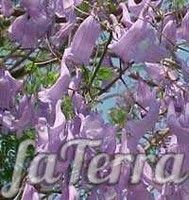 This Brazilian beauty blooms with blue, tubular flowers arranged in charming catkins. All this beauty is on a fifteen-meter deciduous tree with a straight, branched trunk, covered with delicate, fern-like leaves with pointed bracts.
Jacaranda mimosifolia
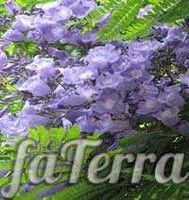 Tall trees grow well and decorate the banks of rivers in Argentina, Bolivia, and southern Brazil. These wonderful trees are a true miracle of nature and attract the attention of flower lovers all over the world. This plant also has other names, such as Jacaranda ovalifolia or Jacaranda rotundifolia. This species is the one that is most often grown indoors, where the trees reach a height of three meters.
They have a straight, unbranched trunk. The original, large, feathery leaves grow far apart, creating a fluffy, colorful crown. They are attached to petioles and have the ability to droop as they grow. The individual leaves are lanceolate, tapering to a pointed tip, while the base is narrowed. The five-centimeter, light blue flowers with white spots are arranged in clusters resembling a broom.
Jacaranda Magdalena mimosifolia
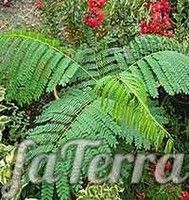 Jacaranda Magdalena is a plant from the tropics. It is heat-loving and moisture-loving, and grows quickly. It is best grown in greenhouses and winter gardens, and it is also a great option for landscaping and decorating offices, hospitals, shops, kindergartens, and other production and recreation areas.
Jacaranda Care at Home
Caring for a jacaranda flower is not particularly difficult. Since jacaranda is a tropical plant, it loves high humidity and warmth. It is best to spray the jacaranda with soft, warm water every day. If you decide to buy a jacaranda tree, remember that it needs a gradual acclimatization period, as it needs to get used to bright sunlight. After that, direct sunlight is not a problem for it.
Placement
Jacaranda thrives best in east- or west-facing windows. A lack of light can affect the crown, so it is recommended to rotate the plant periodically to prevent deformation.
Temperature
The ideal growing temperature for jacaranda in summer is 20-24 degrees Celsius, while in autumn and winter, the temperature can be lowered to 16-17 degrees Celsius.
Watering and Fertilizing
Water your beloved plant regularly throughout the year. The water should be soft and warm, and the soil should not dry out. Reduce watering in winter, but do not let the soil dry out completely.
Feed the plant with fertilizer once a month during the growing season. Do not fertilize in autumn and winter.
Transplanting and Pruning
Transplant jacaranda in the spring as the roots fill the pot. A good drainage layer is essential at the bottom of the pot, preferably made of bricks, and a layer of sand on top of the soil. The soil mixture can consist of one part each of peat, compost, sand, and leaf soil, and two parts of garden soil.
In spring, prune and pinch the shoots of jacaranda to maintain a compact and neat appearance. This procedure will also rejuvenate the plant and give its crown a lush appearance. Otherwise, the jacaranda may lose its lower leaves, reducing its decorative appeal.
Propagation
Jacaranda can be propagated by seeds and cuttings.
Soak the seeds in warm water for a day and then sow them in spring, planting them at a depth of one centimeter and watering them well. Create a greenhouse environment with a temperature of at least 21 degrees Celsius. Seedlings will emerge in about twenty days, and they need bright, diffused light. After a month, transplant the rooted seedlings into individual pots with a diameter of about nine centimeters. Feed with complex fertilizers.
In summer, jacaranda can be propagated by stem tip cuttings in a warm, sandy-peat mixture at a temperature of about 25 degrees Celsius. Root the cuttings by treating the cuts with rooting hormone. Create a greenhouse environment. After the cuttings have rooted, transplant them into individual pots, and you can plant 2-4 cuttings in each pot.
Pests and Diseases of Jacaranda
Jacaranda is generally considered an undemanding plant and is resistant to most pests and diseases.
Possible problems when growing jacaranda:
- The leaves turn yellow and curl - treat the plant with insecticides;
- The leaves fall off in winter and spring - this is a natural process of leaf renewal, so don't be alarmed;
- Root rot - poor drainage;
- Chlorosis - insufficient watering.
Take care of your jacaranda, and following these recommendations, the plant will thank you with its unusual and lush flowering for seven years.

Write comments
Comments