



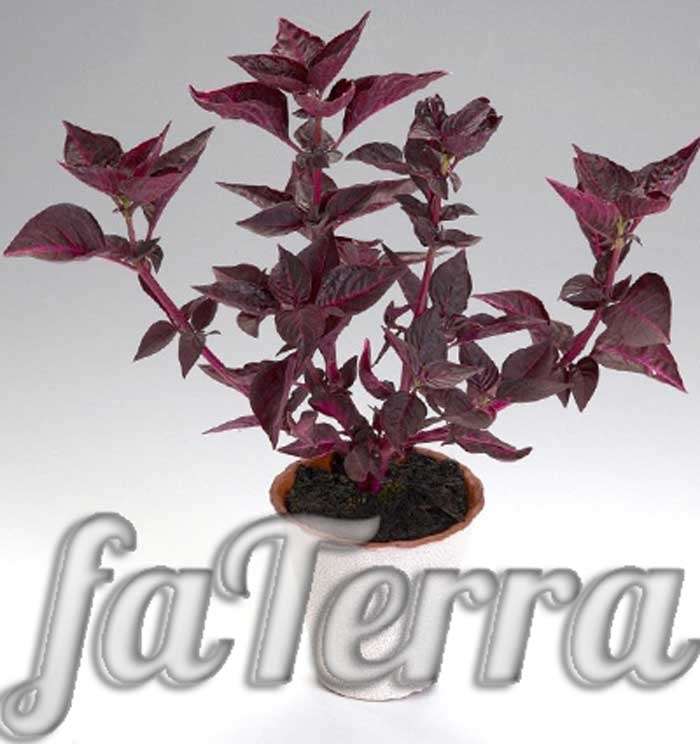
Latin name: Iresine
Category: perennial herbaceous plants
Origin: America, Australia
Dazzling wonder of Iresine
Iresine, or Iresina (Iresine) is a genus of eighty species of spectacular and elegant herbaceous plants, shrubs and trees, which belongs to the vast amaranth family.
The places of comfortable habitation for these plants can be considered the American continent with the adjacent islands of the Caribbean Sea and Australia.
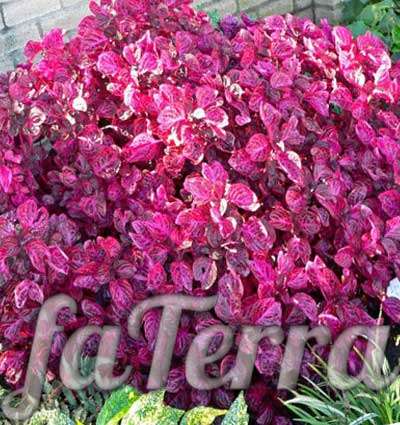
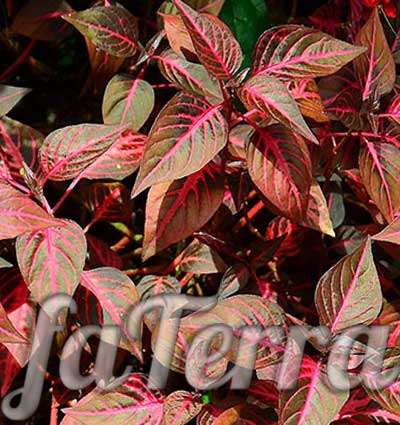
These unusual plants have straight or drooping shoots. On them, in an opposite position, there are rounded, oblong leaves. The color in different species ranges from crimson-purple to dark purple. Sometimes the leaves are beet-raspberry, and also green. Yellow-white flowers form inflorescences in the form of an ear. In cultivated conditions, the plant almost does not bloom.
Only two species of Iresine are grown in indoor conditions.
Iresine can often be found in gardens and parks. They are all beautiful in their own way.
Iresine species
Iresine Linden (Iresine Lindenii)
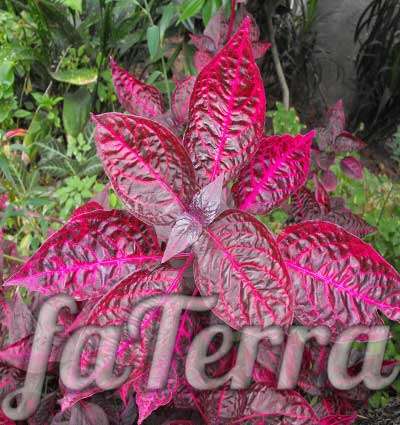
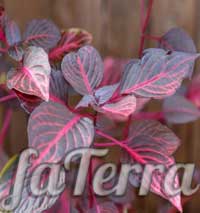 The native habitat of this beautiful perennial herbaceous plant is the tropics of Ecuador. The compact decorative shrub reaches sixty centimeters in height. The plant became popular back in the middle of the eighteenth century. Beauty and value are added to the plant by spectacular, bright, with unusual coloring, six-centimeter leaves. On the dark crimson background of the oval leaf with a notch, veins of raspberry shade stand out. With proper pruning and the growth of young shoots, Iresine Linden will be beautiful in the form of a bright leafy covering on windowsills, balconies, in gardens and parks.
Iresine Herbst (Iresine Herbstii)
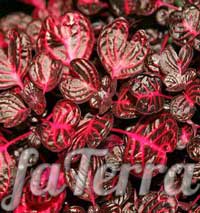 This perennial herbaceous plant, up to half a meter high, considers the Brazilian humid tropical forests to be its homeland.
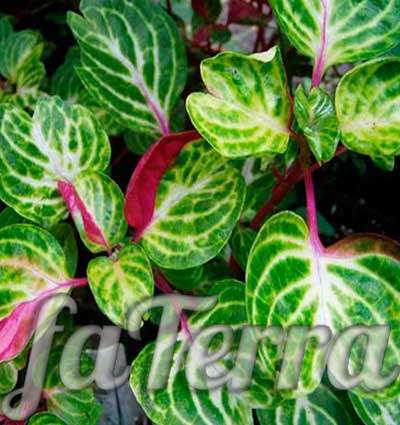
The leaves are original in shape, heart-shaped, dark purple in color, on which bright raspberry-colored veins are clearly visible.
Iresine care in the home
Despite the fact that the plant is not very whimsical in cultivation, it adapts well to the dry air in the room, it is necessary to control the main conditions of the external environment. It is especially important to remember that Iresine will not refuse direct sunlight, thanks to which the plant maintains its decorativeness. And so that your exotic is in good shape, you need to familiarize yourself with the main features of successful growth.
Choosing a place and lighting
The southeast and southwest windows will be comfortable for Iresine. On a south-facing window, it is desirable to shade the midday sun. To maintain high decorativeness, so that the leaves do not turn green, the plant needs to provide at least fifteen hours of daylight per day using fluorescent lamps.
Temperature regime
The comfortable summer temperature for a tropical plant is 15-26°C, in winter it is desirable not to lower the temperature below 13°C - the roots will begin to rot, the leaves will fall off. Before the onset of cold weather, Iresine will be pleasant in the garden, on the balcony.
Watering and air humidity
We water abundantly with settled soft (rain) water during the warm season. It is necessary to observe the golden mean - do not overfill, do not overdry the soil.
In cold weather, we reduce watering, but the substrate should be slightly moist.
The plant does not need high humidity. For comfort, spray the leaves with soft settled water twice a week.
Iresine pruning
For better bushiness of the plant, once a year, you need to pinch the tops of the shoots. In February, it is good to perform more serious pruning, the plant will grow better and faster.
Repotting the indoor flower
It is desirable to repot the plant in the spring as the roots fill the pot. In the warm season, the plant is planted in open ground, if possible.
Soil
Iresine is not particularly demanding on the soil. You can create an earthen mixture of sod, compost and leaf soil and half the norm of sand. A good option would be a ready-made mixture for maranta, calathea and azalea, which is sold in all flower shops.
Reproduction
A new plant can be easily obtained using cuttings with two nodes. They can be rooted in water or planted immediately in a pot with sand. Create a mini-greenhouse with a temperature of 20°C using polyethylene. After the roots appear, transplant into a pot in a permanent place. For better branching, it is necessary to periodically pinch the top.
Pests and diseases of Iresine
Green aphids, whiteflies, spider mites, mealybugs can be dangerous for Iresine. It is necessary to fight pests with insecticides.
Problems when growing Iresine:
- The leaves wilted and began to fall off - low growing temperature.
- The leaves are rotting - the soil was overwatered.
- The leaves become smaller and turn green - weak lighting.
Treat Iresine with love, follow the above instructions for growing, and the plant will reward you with special beauty and attractiveness.
Write comments
Comments