



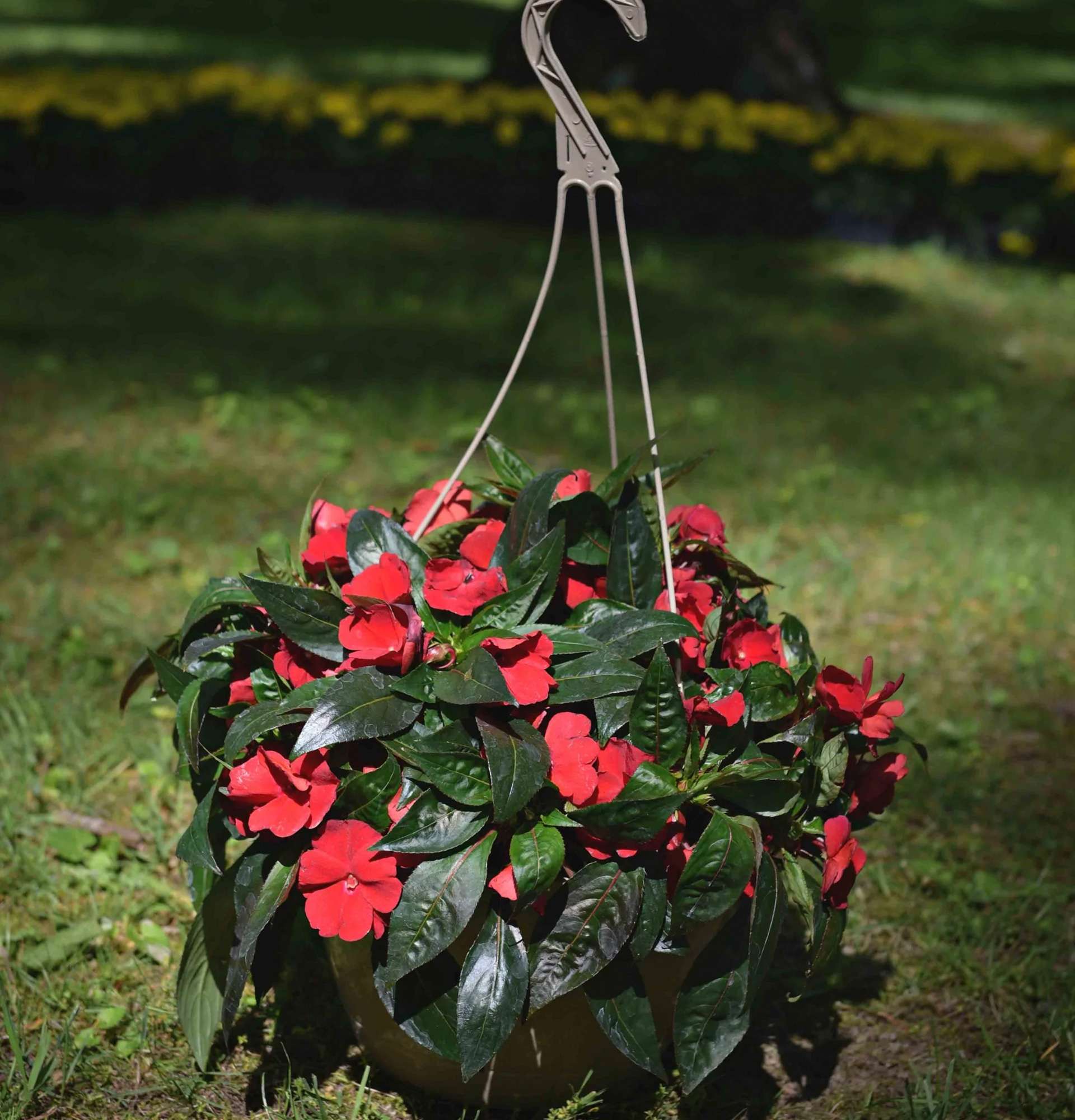
Latin name: impatiens
Category: herbaceous plants
Native region: The native regions of balsams are the subtropics and tropics of Africa and Asia, Eastern Africa, and the island of Zanzibar.
Balsam flower - a beloved plant that brings joy to the home
Balsam was brought from the distant tropics and subtropics of Asia and Africa in the 16th century and has now become one of the most popular and beloved plants. In translation from Latin, balsam means "impatient, fragile, not tolerating pressure." That's why it was called "touch-me-not" or "jumper." After all, even the slightest touch to the ripe seed pod causes its pods to instantly curl up, and the seeds scatter with great force in all directions. And this is not the only nickname that flower growers and admirers from all over the world give to the balsam flower. The plant is also called "Ivan-mokry" (Ivan the wet) because of the numerous droplets on the leaves that are released by the flowers, freeing themselves from excess moisture after a generous watering. Another name is "Ivan-pokivan" (Ivan the wiggler) - referring to the stem's ability to always turn upwards, regardless of the position of the flower pot. The flower is called "ogonyok" (little fire) because of its beautiful bright color, and "vechnotsvet" (ever-blooming) because of its constant flowering.
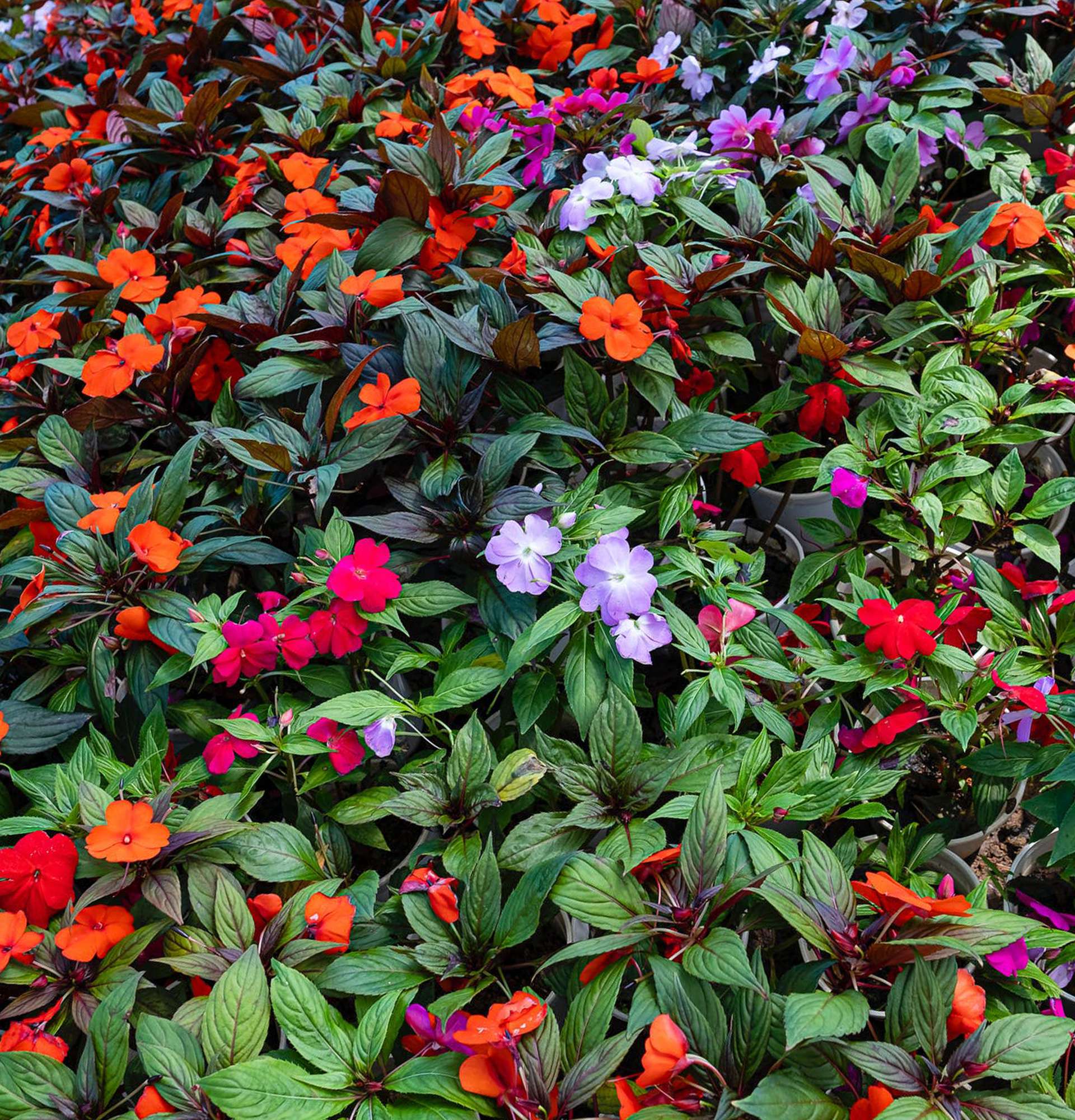
Balsams are very versatile plants. There are more than 400 species. Only eight species of this amazing plant exist in regions with a temperate climate. There are only fifteen cultivated varieties. A huge number of hybrids and new varieties have been bred in recent times. Balsam is grown both at home and in gardens. Luxurious young bushes of balsam with lanceolate leaves, narrowed at the base, red, green, purple-black, or even brown in color, with small light streaks on them, possess a charming appeal. Under favorable conditions, indoor balsam can delight its owners with year-round flowering of red, pink, purple with yellow petals, or simply white flowers with short spurs.
The most famous varieties and hybrids of balsam
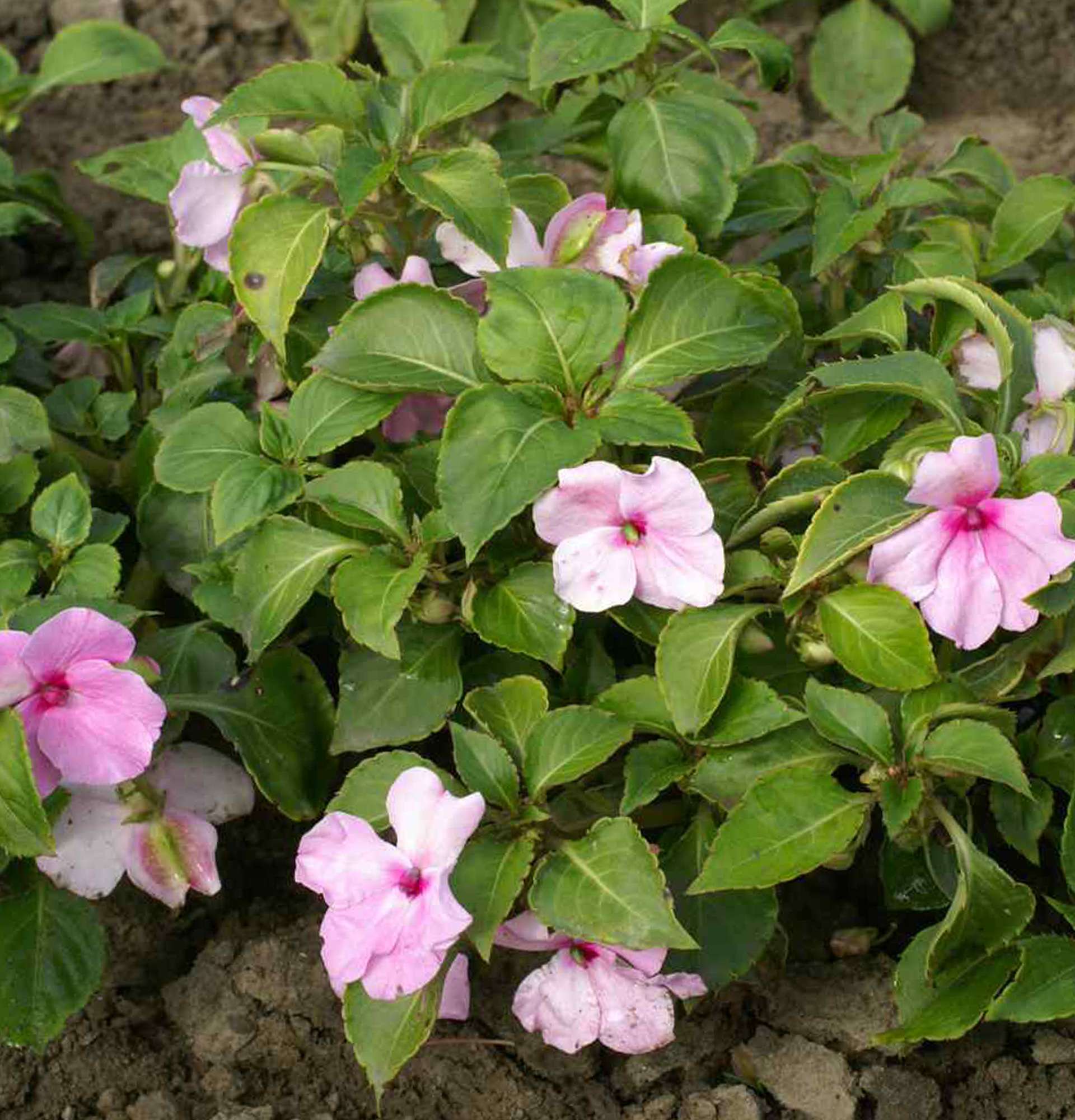
Balsam Walleriana (Impatiens walleriana)
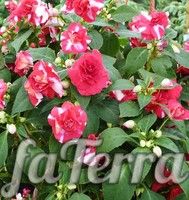 This flower is a very popular and widespread houseplant, and it is especially beautiful indoors compared to garden balsam. Thanks to this species, a large number of varieties and hybrids have been bred, with a diverse leaf color, flower structure, and color palette that exceeds all expectations and is represented by red, pink, white, orange-red, or white-red shades. Hybrids of this species are also called "Lizzy-clop". Straight, juicy stems form multi-year bushes up to 20-60 cm high with light green, oval-shaped leaves, pointed at the ends, and toothed along the edges, up to 10 cm long. Single or clustered flowers with a diameter of up to 4 cm are located on long pedicels. This indoor balsam is also called Waller.
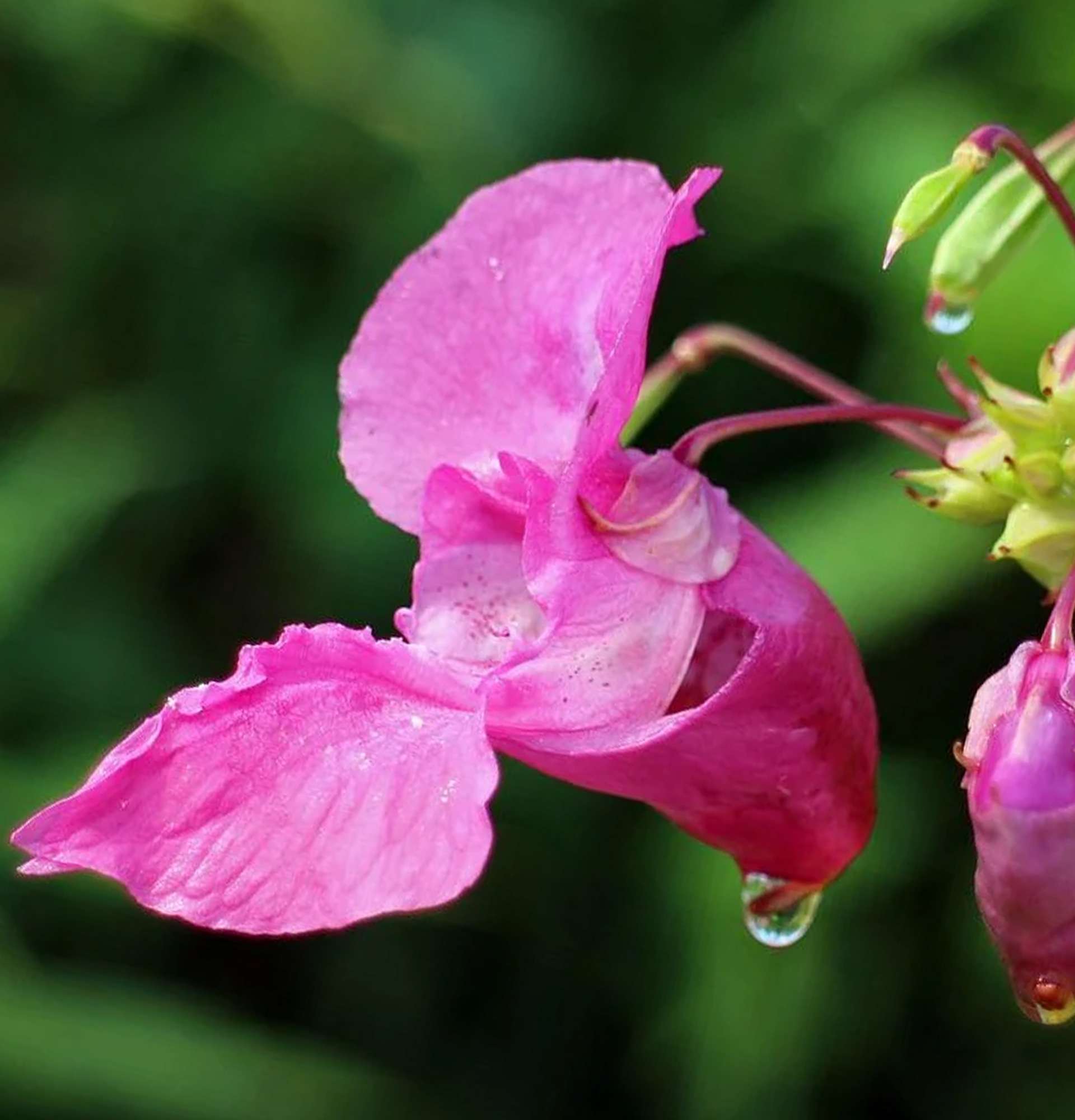
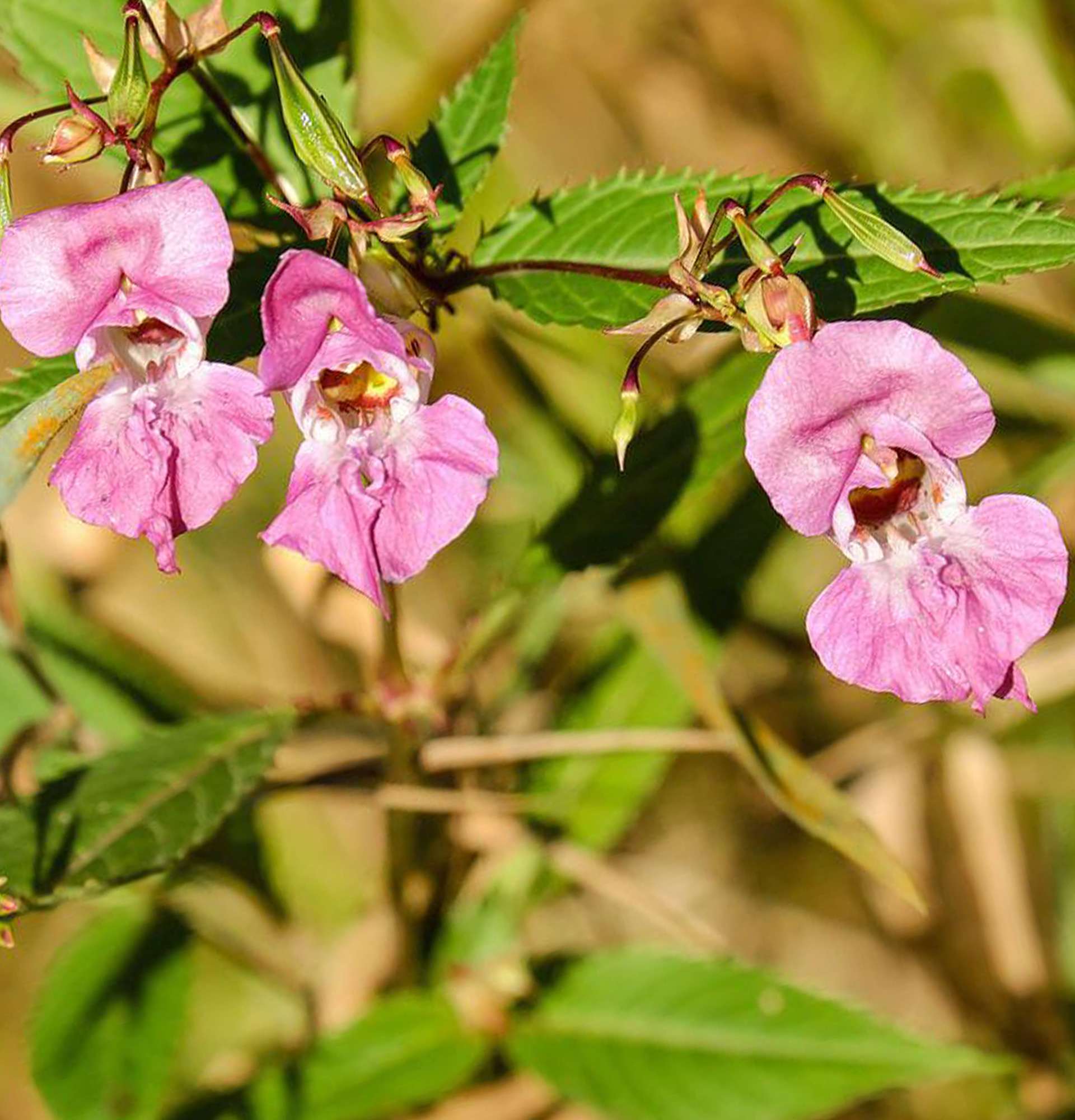
Glandular Balsam (Impatiens glandulifera Royle)
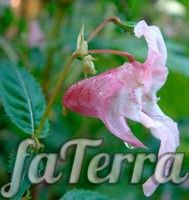 This is a garden balsam with the original name "touch-me-not," which is an annual plant with a thick, juicy stem about two meters high. The leaves are egg-shaped and lanceolate, toothed along the edges, and 6-12 cm long at the top of the stem, collected in triple clusters. The two glands on the stem, located at the base of the leaf, gave rise to the new name. White, pink, dark red flowers of the glandular touch-me-not are collected in umbrella-shaped clusters on long pedicels. The flowering period of this beautiful flower is not limited to the warm summer months, but lasts until the onset of frost.
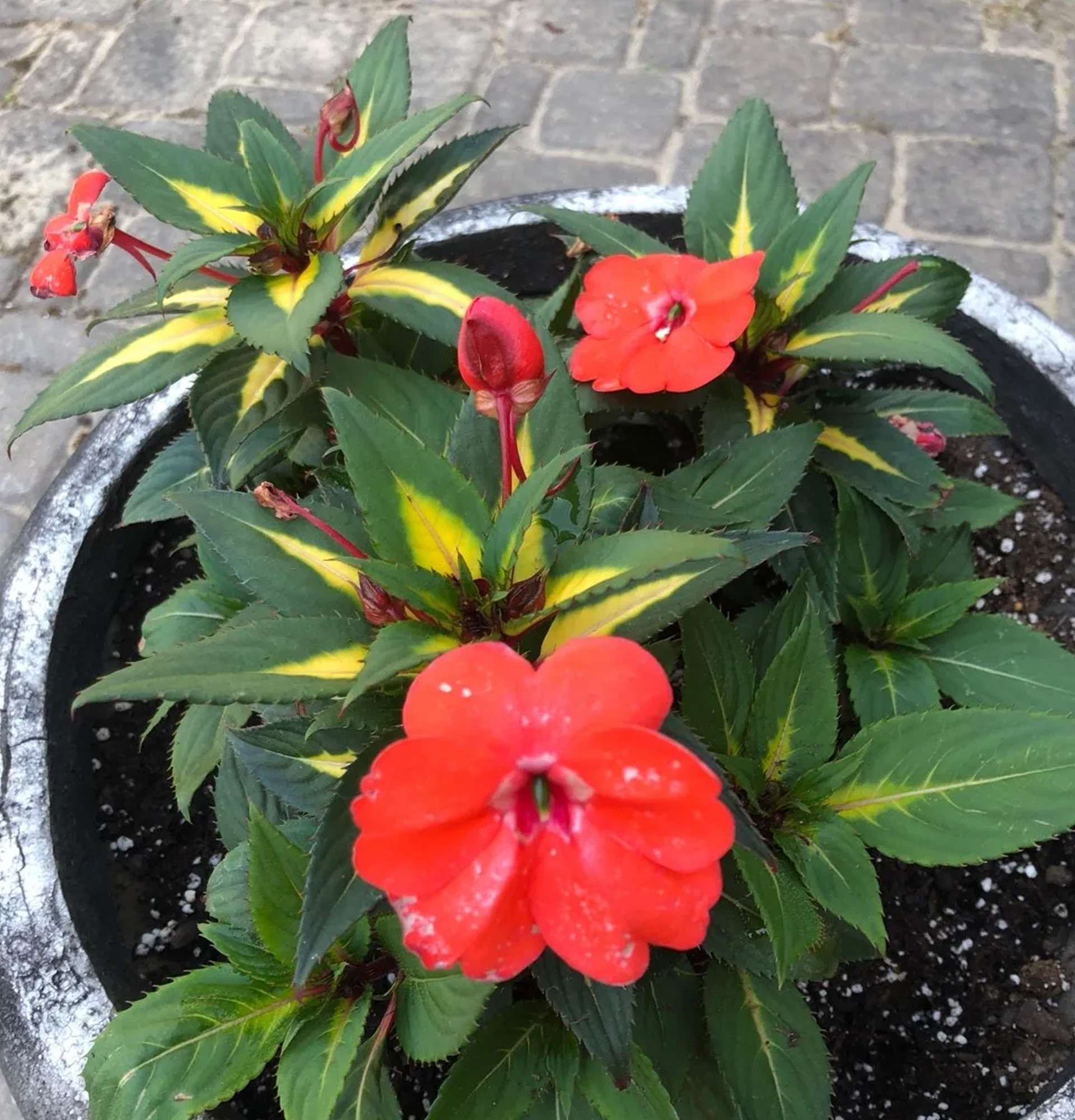
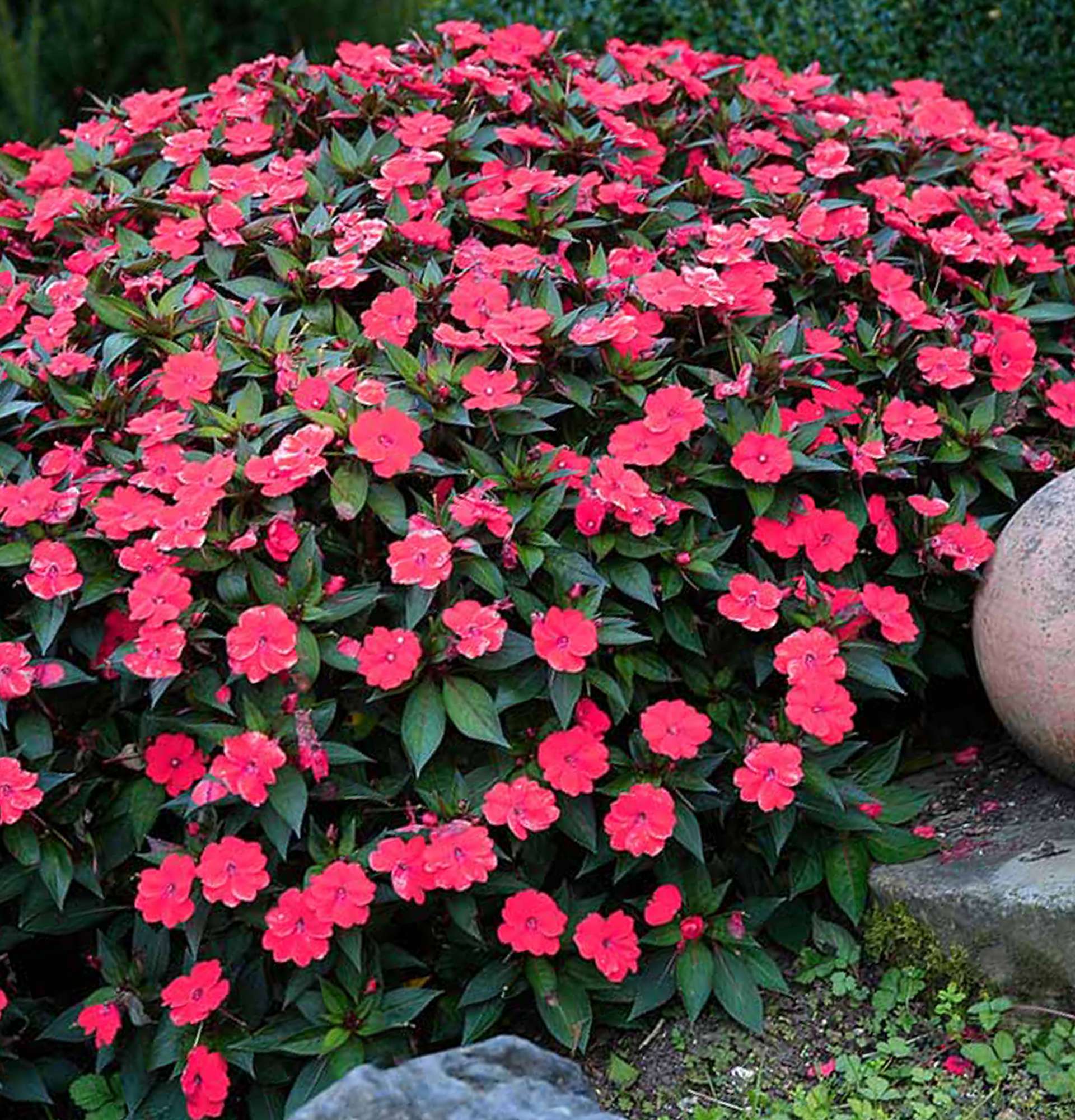
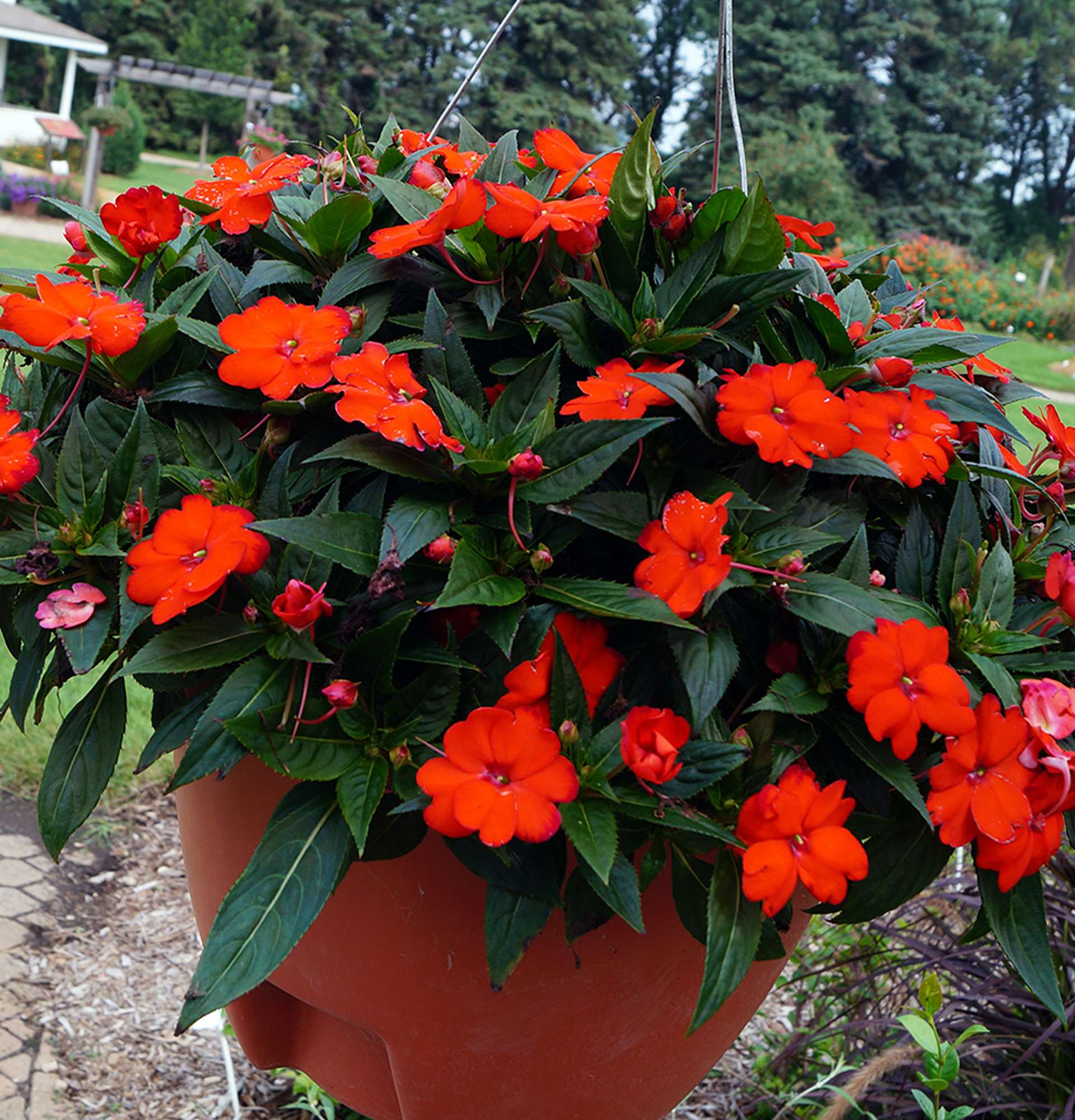
New Guinea Balsam (New Guinea Impatiens)
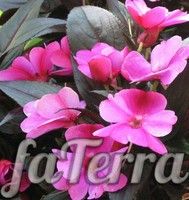 This herbaceous hybrid perennial was recently bred based on the tropical Impatiens hawkeri balsam. It is named after its historical homeland, New Guinea, and the Solomon Islands. The noble splendor of the flower and the variety of colors have made the New Guinea balsam very popular. Its assortment is huge. The varieties differ in the height and shape of the bushes, the color, and the size of the flower. The bushes of this hybrid are branched and very sprawling, the leaves are large and of various colors, from green to red, and the flowers are simple or double and of various colors.
Caring for balsam at home
Caring for your indoor pet is not a very difficult task. It is important to remember that it loves water, warmth, and a lot of light, and does not tolerate drafts. Indoor balsam thrives with proper care if the following factors are taken into account:
- Temperature: In summer, balsam adapts well to high air temperatures, but in winter, a temperature of at least 12 degrees is desirable;
- Lighting: Intense light is necessary, but shade is needed during the hottest part of the day;
- Watering: Water generously and regularly;
- Feeding: Fertilize once every two weeks during the period of intensive growth with complex fertilizers;
- Pinching: Pinching the tops of the shoots and regular pruning of weak and excess shoots improves the growth of new shoots and flowering;
- Soil: The soil should be a mixture of turf, compost, and sand in equal amounts.
Propagating balsam at home
Young balsams are especially attractive and beautiful.
To enjoy this beauty, it is desirable to renew the plant every year.
Balsam can be propagated in two ways: by cuttings or by seeds. Healthy cuttings taken in early autumn easily take root in water or moist soil, after which they need to be transplanted into pots and placed in a bright place. Balsams grown from spring cuttings will bloom in the summer, and those grown from summer cuttings will bloom in the fall, and will bloom throughout the winter.
Growing balsam from seeds can be started in March. It should be sown in boxes with moist soil and covered with film to create a greenhouse effect. The seeds germinate quickly in a warm, bright place. The temperature for growing is about 20 degrees.
Pests and diseases of balsam
Constant care for balsam can prevent some diseases that plants are susceptible to.
There are many pests that can affect balsam.
Spider mites pose a great danger to balsam, which entangles the underside of the leaves with a thin web. To get rid of this, spray the plant with a soap solution or chemical preparations. Thrips, aphids, and whiteflies also cause a lot of damage to balsam. To prevent diseases, it is necessary to regularly inspect your plant, especially the underside of the leaves, and pay attention to curled and yellowed leaves. Regularly moisten the air near the flowers, and proper care for balsam at home will help prevent diseases. With careful and competent care, the balsam flower will decorate your windows and bring joy with its abundant flowering all year round.
Write comments
Comments
Катя
Виктор