



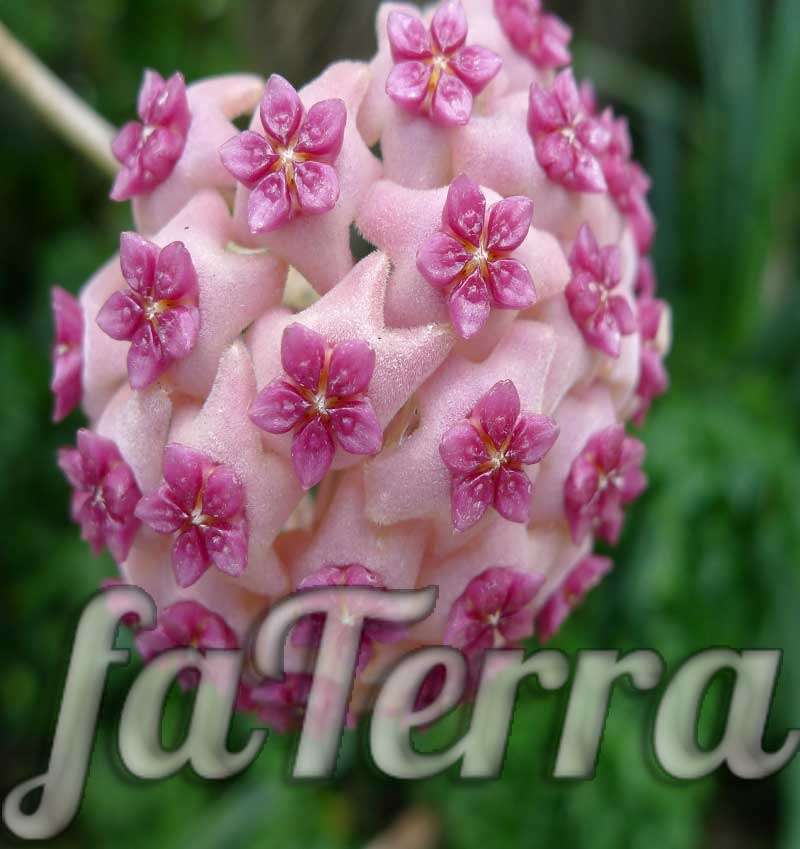
Latin name: Hoya
Category: evergreen climbing shrub or vine
Family: Apocynaceae (formerly Asclepiadaceae)
Native to: islands of the Malay Archipelago, subtropical western coast of Australia, India, Southern China
Interesting and concise information about Hoya
Hoya (Hoya) is also known as wax plant. This evergreen beauty belongs to the Apocynaceae family. The flower Hoya got its name from the famous Scottish scientist Brown, in honor of his friend, the famous gardener of England, Thomas Hoy, who devoted his life to breeding tropical plants in luxurious greenhouses of the Duke of Northumberland.
The natural habitat of more than 200 species of shrubs and vines of Hoya can be considered South and Southeast Asia, Polynesia, Australia, and the islands of the Pacific Ocean. In the wild, these lush, curly vines with glossy, succulent, evergreen leaves and beautiful, large clusters of waxy flowers that emit a delicate aroma, are a decoration of mountain slopes and look great on trees in the forest.
This unusual, decorative, curly, flowering plant looks great in rooms with moderate, warm, and cool temperatures. With proper care and proper lighting, Hoya will bloom profusely and for a long time, bringing joy, delight, and comfort.
Popular and beautiful Hoya species
Hoya carnosa or wax plant
 Hoya carnosa - magnificent vines up to 6 m long, which came to our countries from the subtropics of Asia and Australia, where they beautifully curl and entwine with their shoots everything that comes their way, being an original decoration of rocks and trees in the forests.
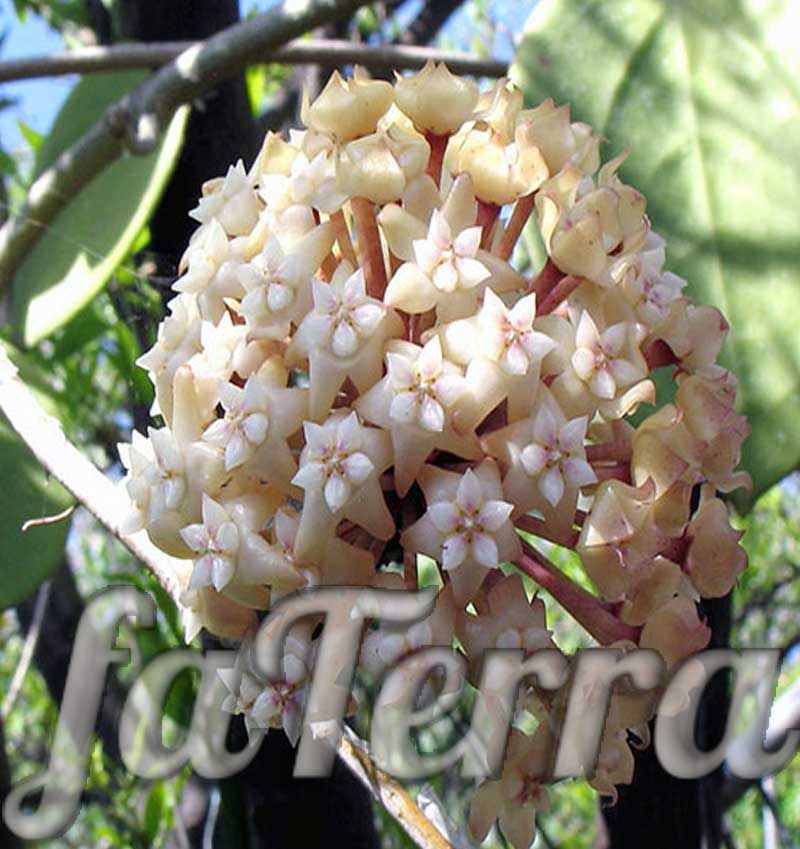
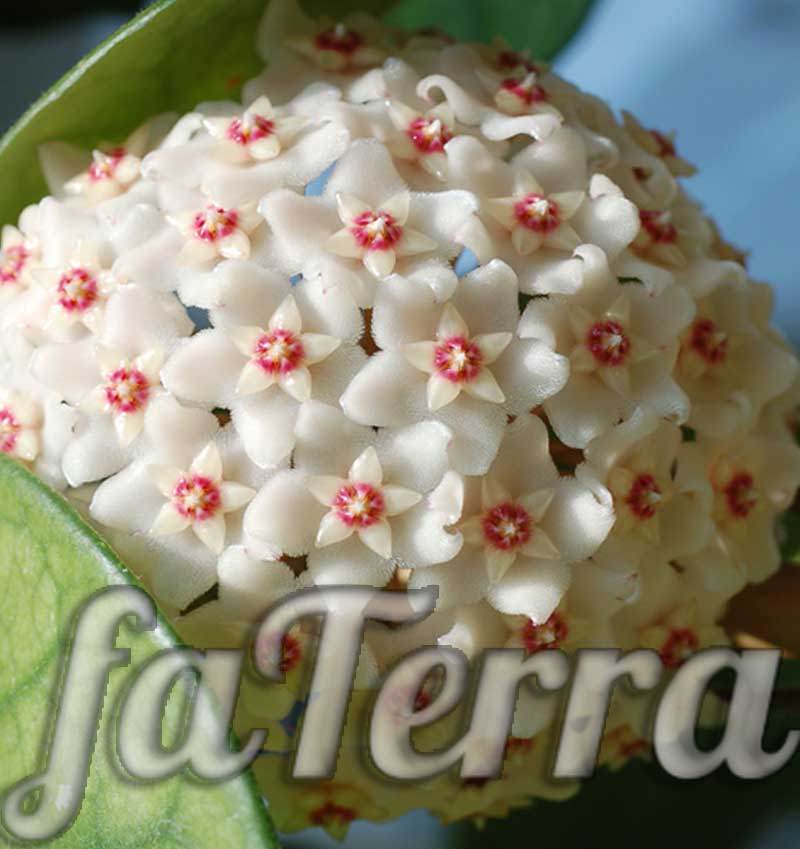
Hoya wax plant has stiff, succulent, dark green leaves on its creeping stems. The size of the original oblong leaf plate is 5-8 cm in length and 3-4 cm in width. Miniature white, pink, yellow flowers - stars form very fragrant umbrella-like inflorescences with up to 24 flowers. The period of abundant flowering is spring and summer. Hoya micklesonii or Hoya carnosa - is a decorative plant. It is grown in greenhouses and rooms, and it is a wonderful decoration of offices and cabinets.
Hoya imperialis
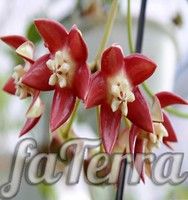 The Malacca Peninsula, its forest areas, is the main habitat of the amazing plants and shrubs called Hoya imperialis.
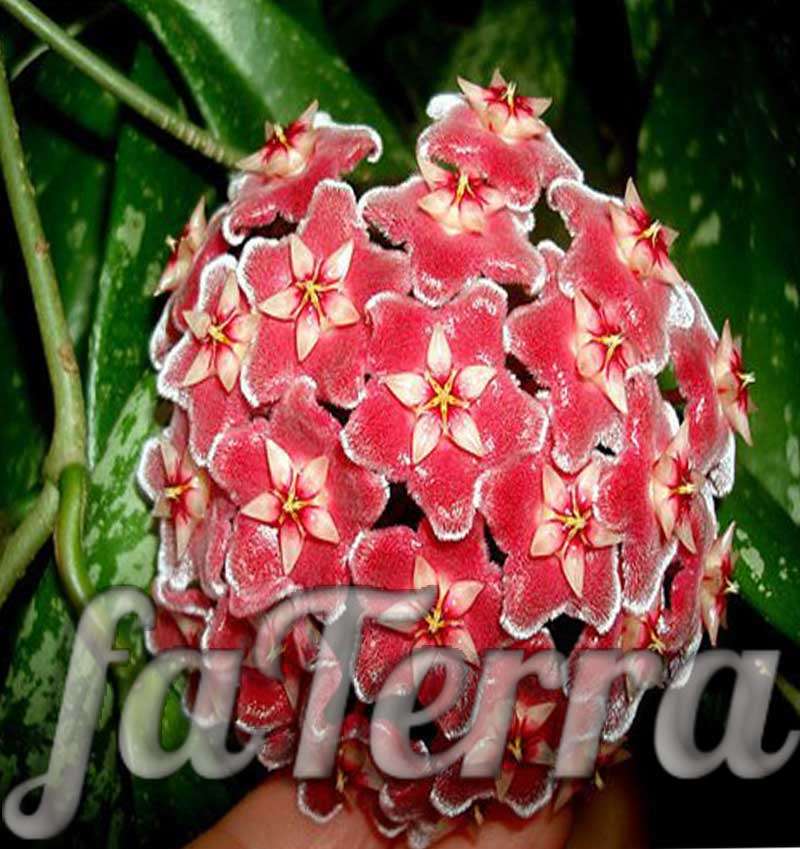
Unusually beautiful two-colored flowers that hang like an umbrella, 10 pieces in an inflorescence. The inner side of the flowers is dark red, and the outer surface is yellow-green. These unusual waxy stars have a pleasant fragrant aroma.
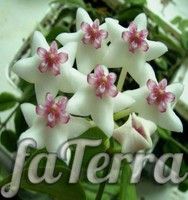 (Hoya bella)
Low-growing, small shrubs - inhabitants of forest areas of Burma. Thin shoots are densely covered with small lanceolate-oval leaves that creep and beautifully entwine everything in their path. This green carpet is decorated with white waxy inflorescences in the shape of an umbrella. It blooms all summer.
Hoya bella is an indoor, decorative plant. In warm, sunny offices, cabinets, shops, apartments, greenhouses, it becomes a real treasure and decoration.
Hoya multiflora
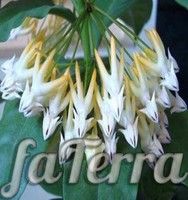 This climbing flower lives in the forest areas of Malaysia. Hoya multiflora delights the eye with its numerous yellow flowers, which are collected in umbrella-shaped inflorescences.
Hoya care at home
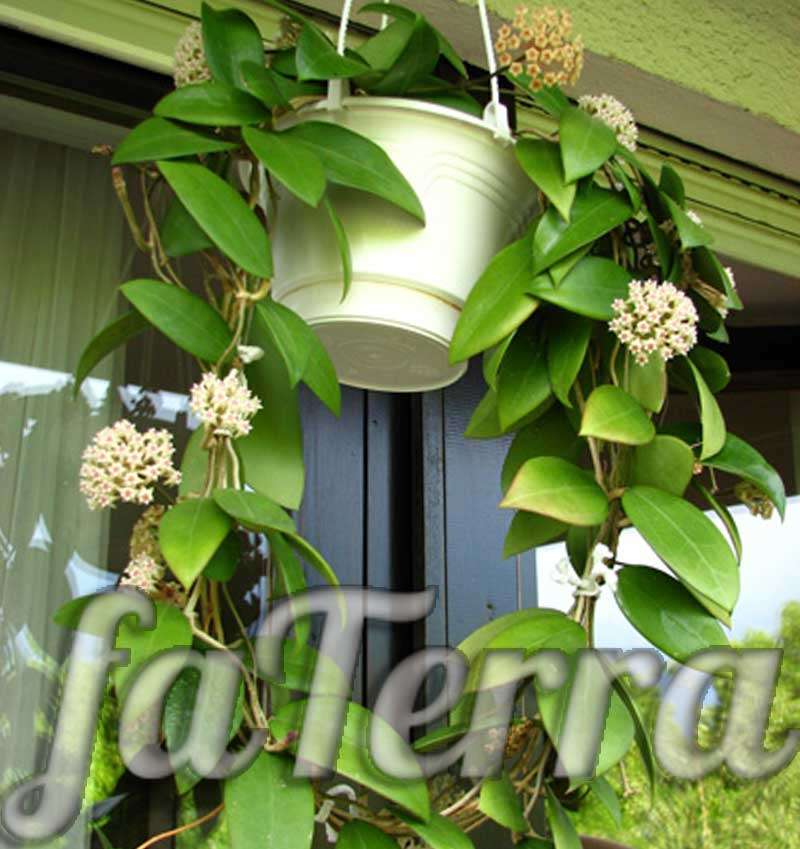
Hoya is a tropical, equatorial plant that loves bright, diffused light, but direct sunlight should be shaded. Hoya is a beautiful plant that feels especially good at a temperature of 25 degrees in summer, and tolerates a temperature of 30-35 degrees, and not lower than 16 degrees in winter. It is necessary to water the indoor wax plant regularly and abundantly in summer and moderately in winter. It is especially important for Hoya to have a reliable support to keep it in a vertical position. And then the plant will not only decorate the apartment, office, but also any ampelous composition.
Hoya propagation
Hoya can be propagated by cuttings, seeds, but the easiest way is by cuttings. The optimal number of leaf pairs is two, and the stem should be cut between the nodes. Cuttings take about a month to root in water or in a sand-peat mixture.
If you have Hoya seeds, dry them and sow them in loose soil. Seedlings will sprout in a week. They need to be watered regularly and provided with warmth and light.
It is easy to propagate Hoya by cuttings. Make an incision on an adult plant, wrap it with moss and polyethylene. When roots appear, cut this shoot and plant it in a pot. In the year of planting, the plant will definitely bloom. Hoya flowers always appear in the same place - on specially formed shoots. It is not necessary to cut off the flowers from the plant, because new ones will grow in the same place.
Hoya transplant
Hoya should be transplanted no more than once every three years. To achieve good and rapid growth of the plant, it is necessary to plant it in a larger pot, and to stimulate abundant flowering - the pot should be tight. When transplanting, the soil should be steamed to kill off any pests, to prevent root nematodes. Drainage and the presence of holes in the bottom of the pot are essential.
Hoya diseases and pests
It is not difficult to grow Hoya at home. This plant is resistant to pests and diseases. But you can't be complacent. Neglecting care for Hoya can lead to the appearance of scale insects or spider mites. It is necessary to immediately prevent the reproduction of pests and treat the plant with chemistry.
It is necessary to remember that people who are allergic should not have Hoya at home. All parts of the plant are poisonous. It is necessary to take precautions in care. And then the Hoya flowers will bloom and delight with their unusual beauty and wonderful aroma.
Write comments
Comments