



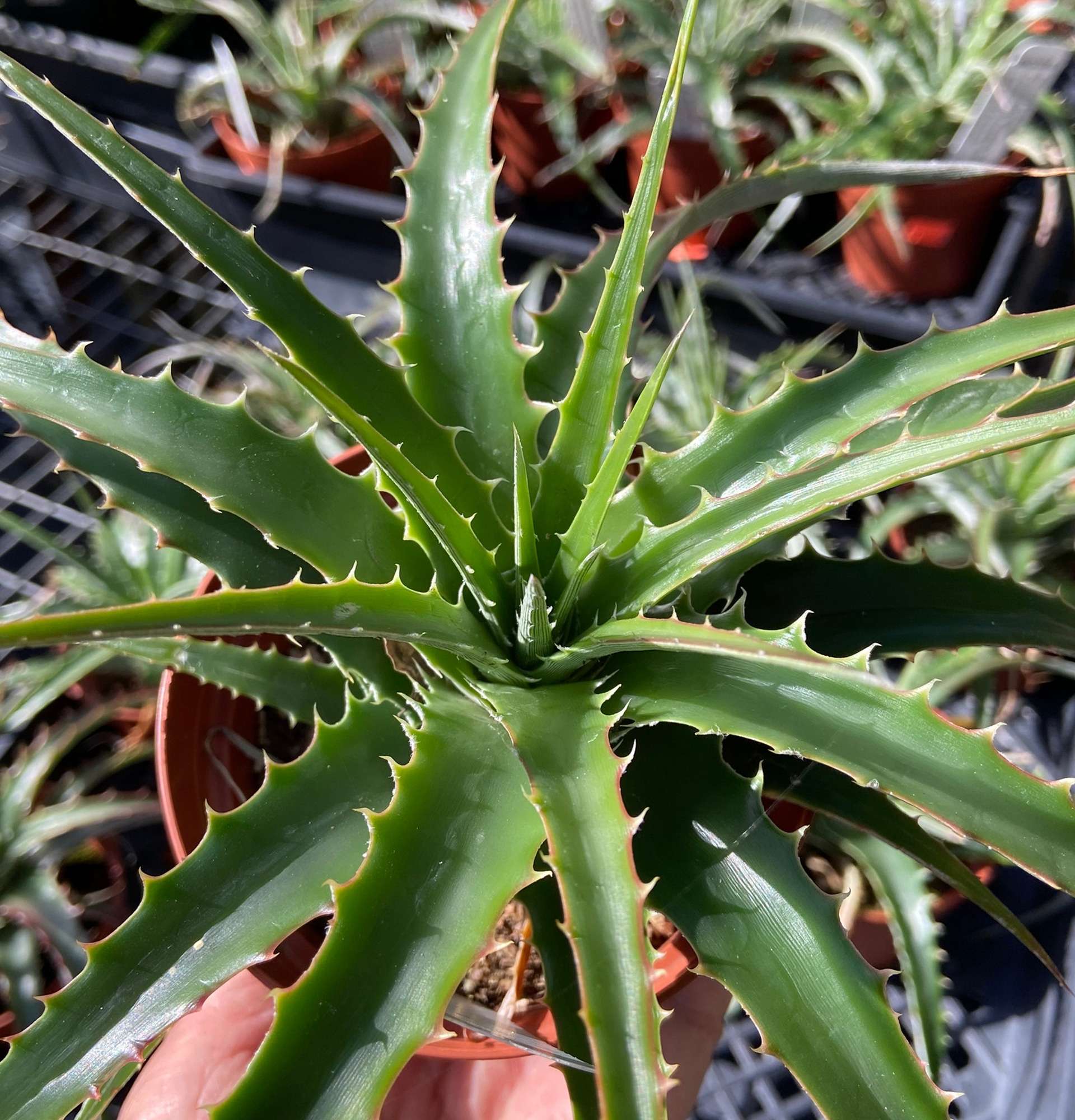
Latin name: Hechtia
Category: terrestrial succulent plants
Origin: Central America, Mexico
Interesting facts about prickly Hechtia
Hechtia is a small genus in the Bromeliaceae family. It includes about fifty species of plants. They are native to the arid regions of Mexico and the center of the American continent.
Hermann Julius Gottfried Conrad Hecht was an advisor to the King of Prussia in the nineteenth century. The plant hechtia is named after him.
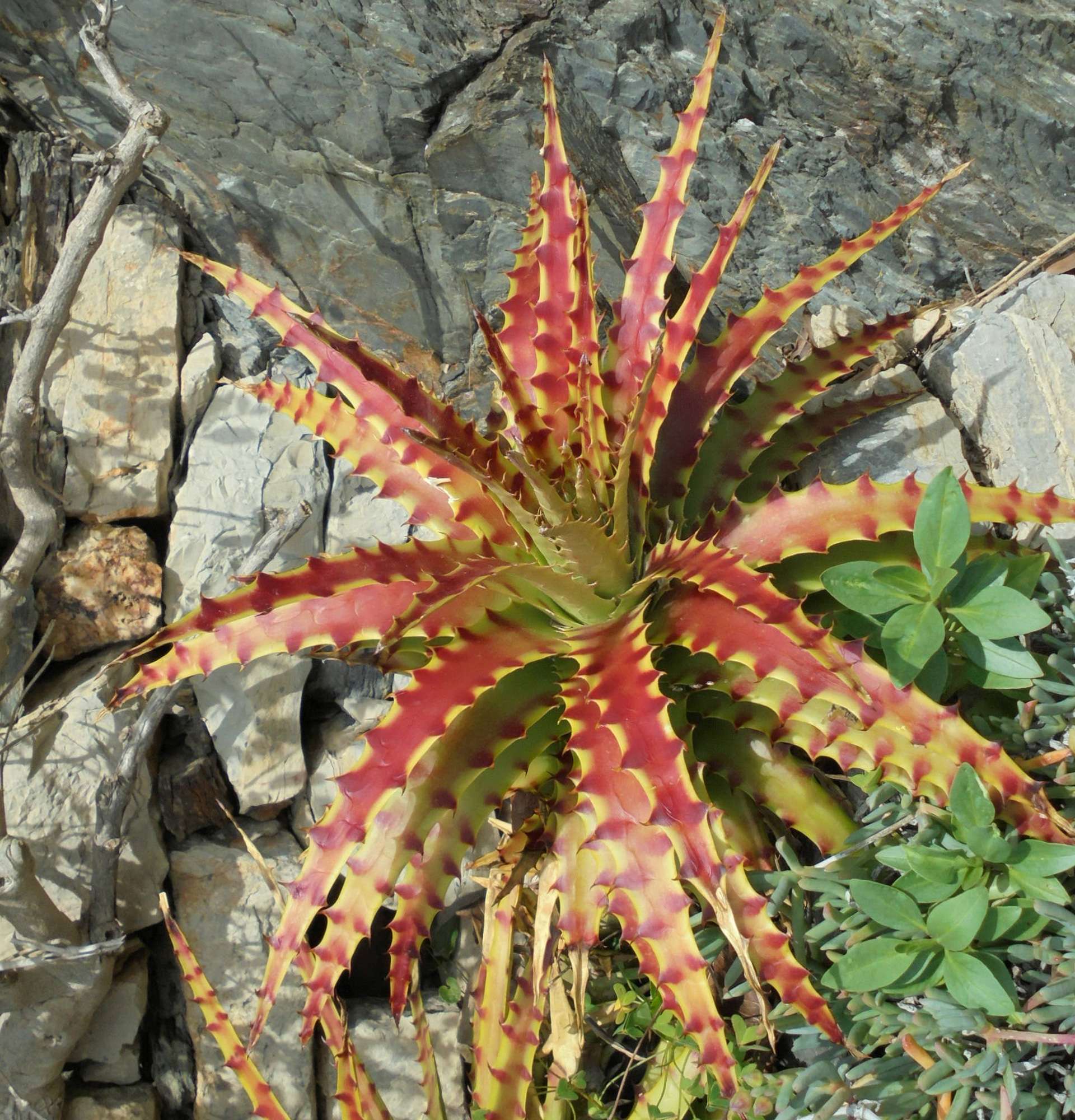
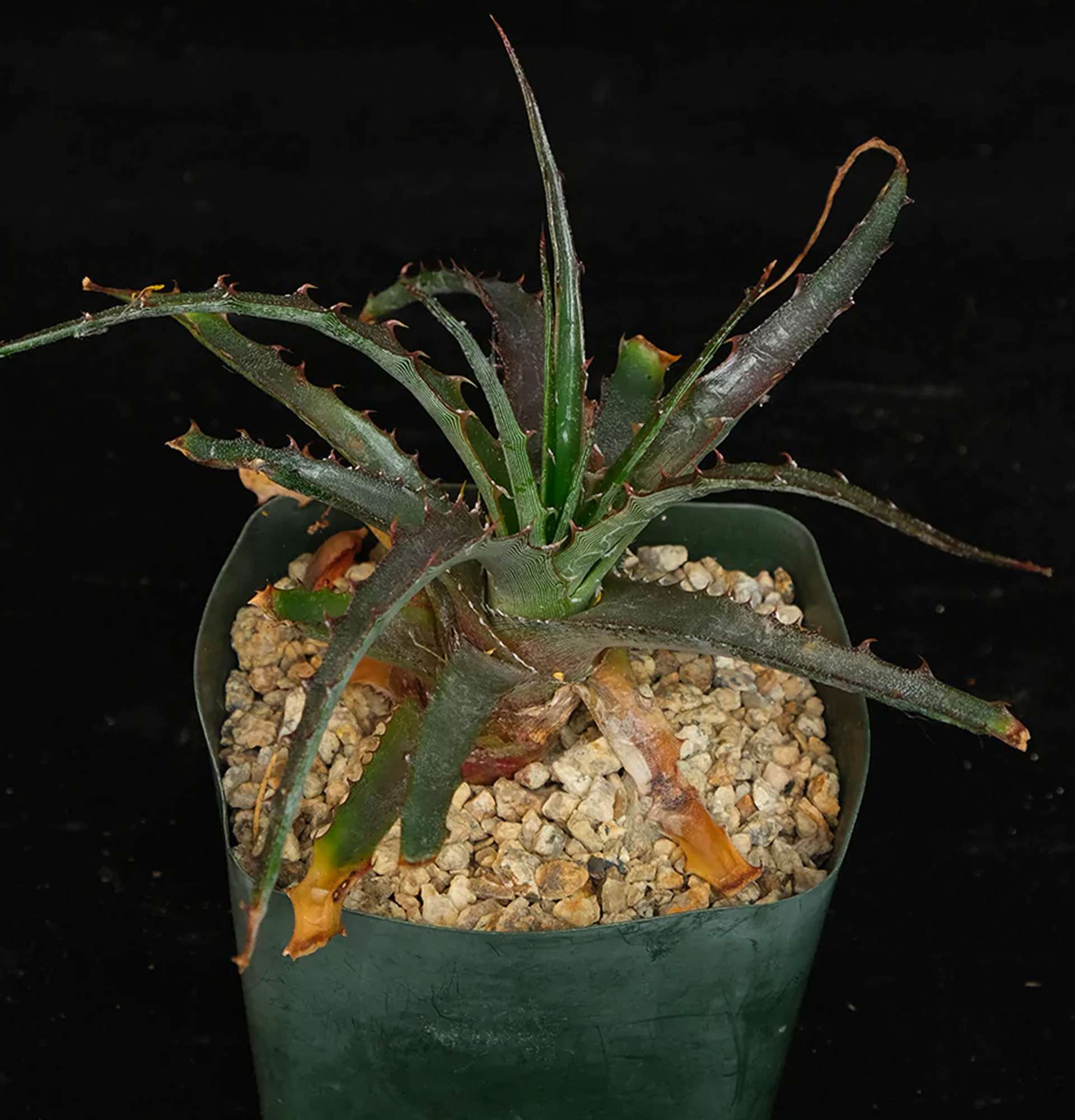
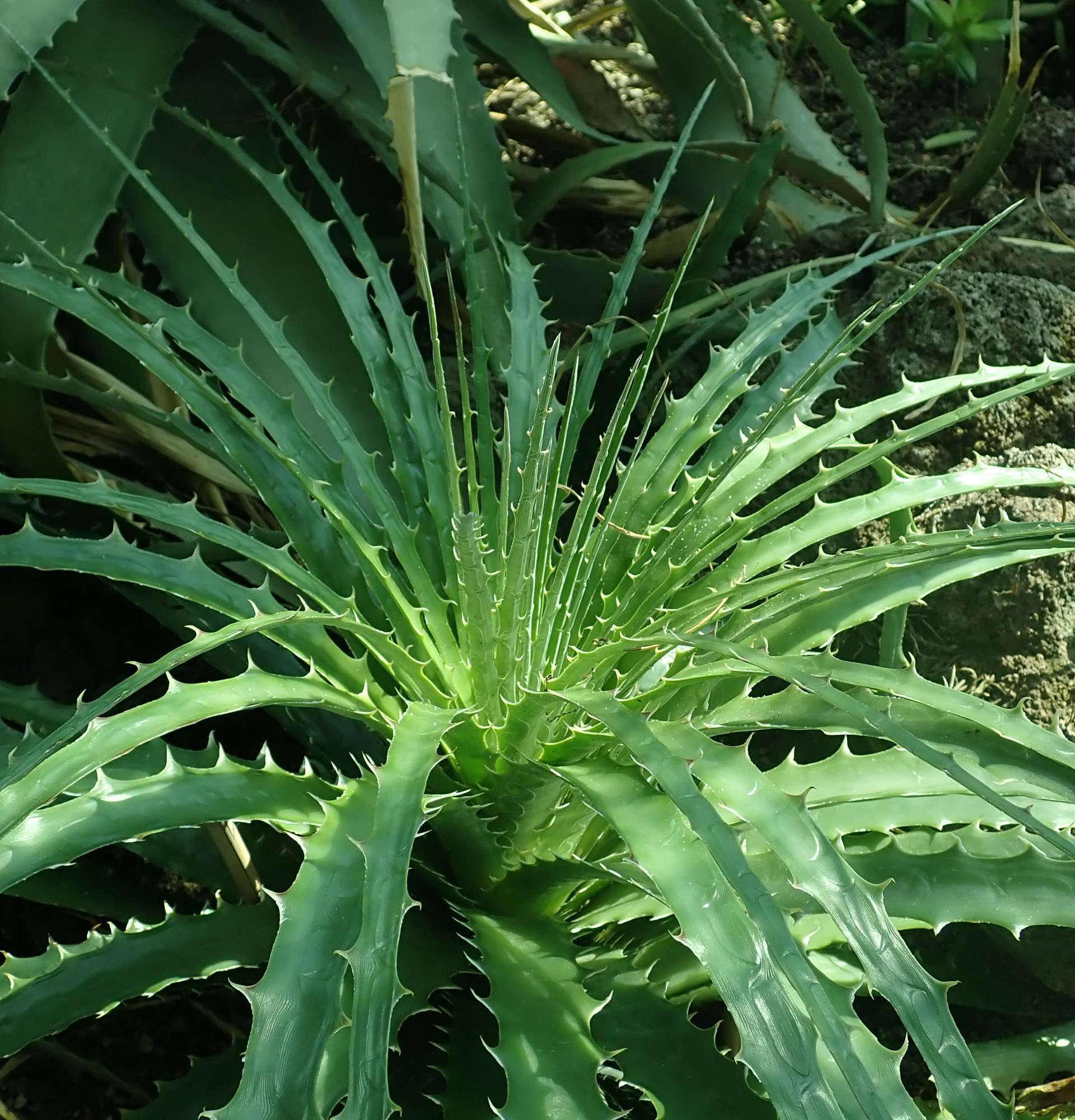
Hechtia is a remarkable, prickly, terrestrial plant with thick, succulent, succulent-type leaves that can survive for a long time without rain. They form a dense rosette about sixty centimeters in diameter. In its natural environment, hechtia regularly blooms with small white flowers with different hues, which are gathered in spike-like inflorescences. The flowering process always ends with the appearance of fruits hidden in a capsule.
Hechtia is a dioecious plant, which means that it is difficult to obtain seeds in indoor conditions.
It has well-developed rhizomes, thanks to which it receives the necessary nutrients from the soil. Hechtia is frost-resistant.
Hechtia species
Hechtia Texensis
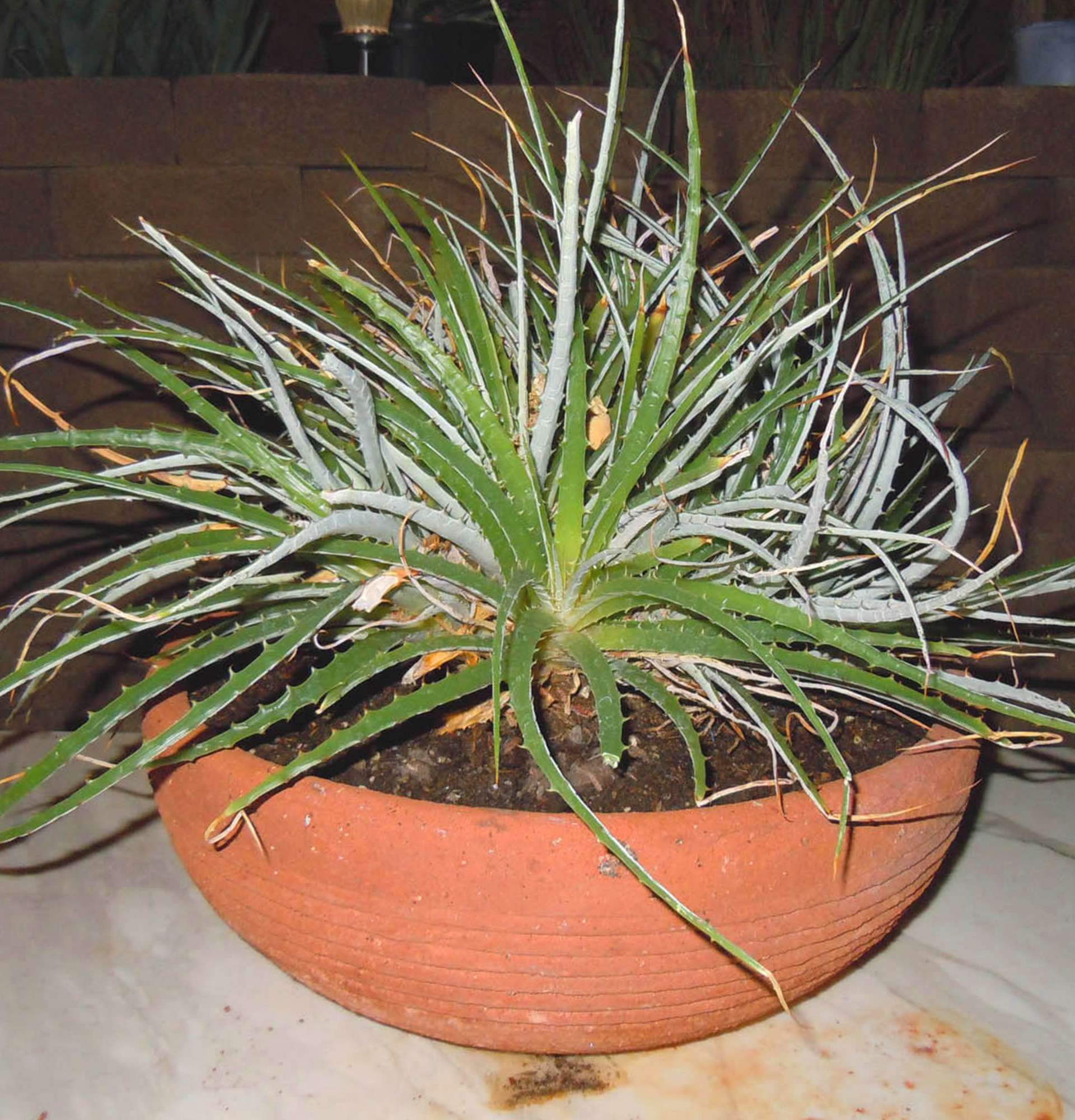
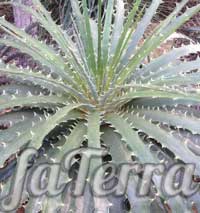 The rosette of this species is almost half a meter in size and consists of green or greenish-gray leaf plates, the edges of which have rare thorns on slightly pronounced indentations. Hechtia Texensis is very similar to agave.
Hechtia Tillandsioides or Hechtia Purpusii
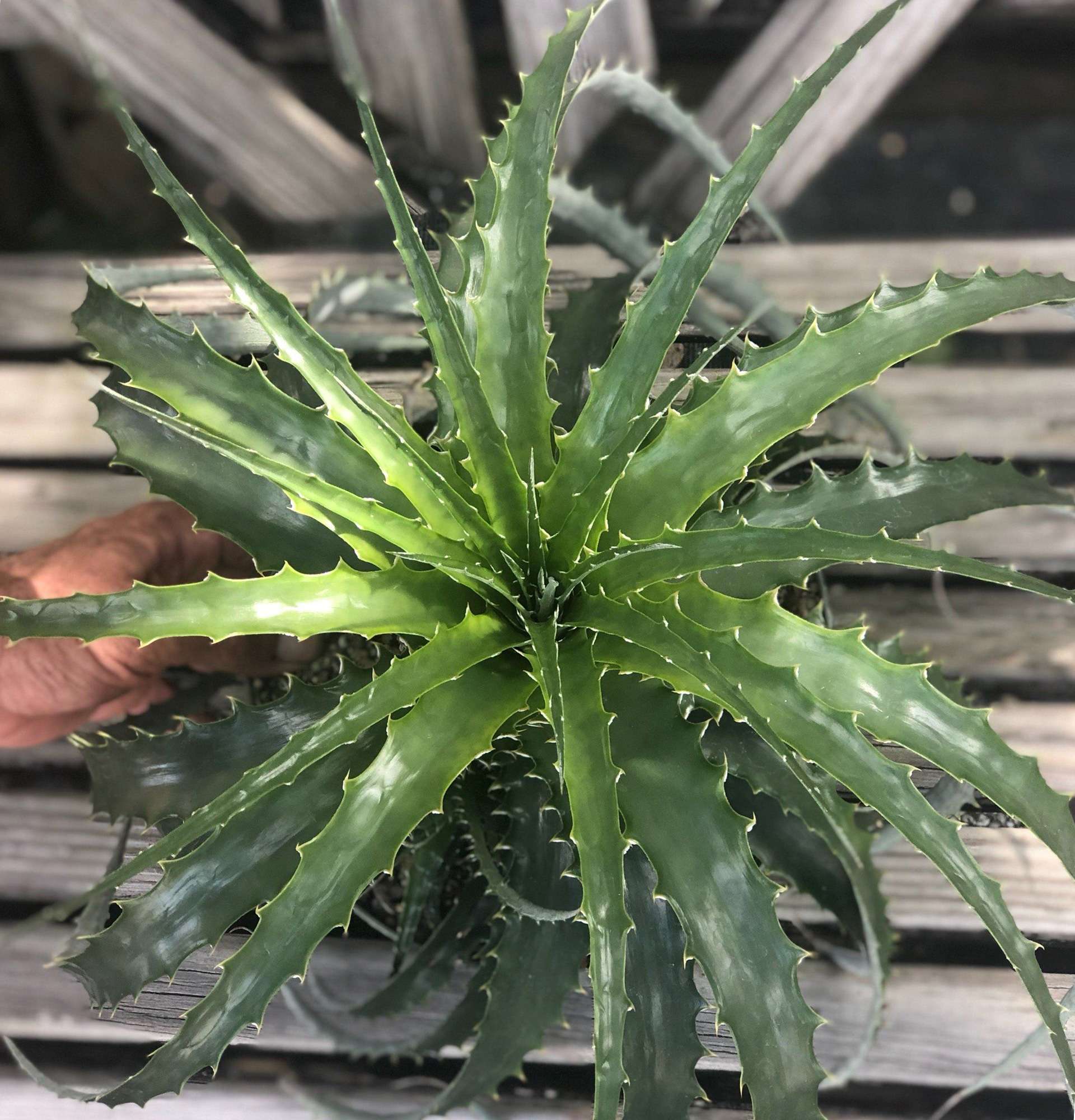
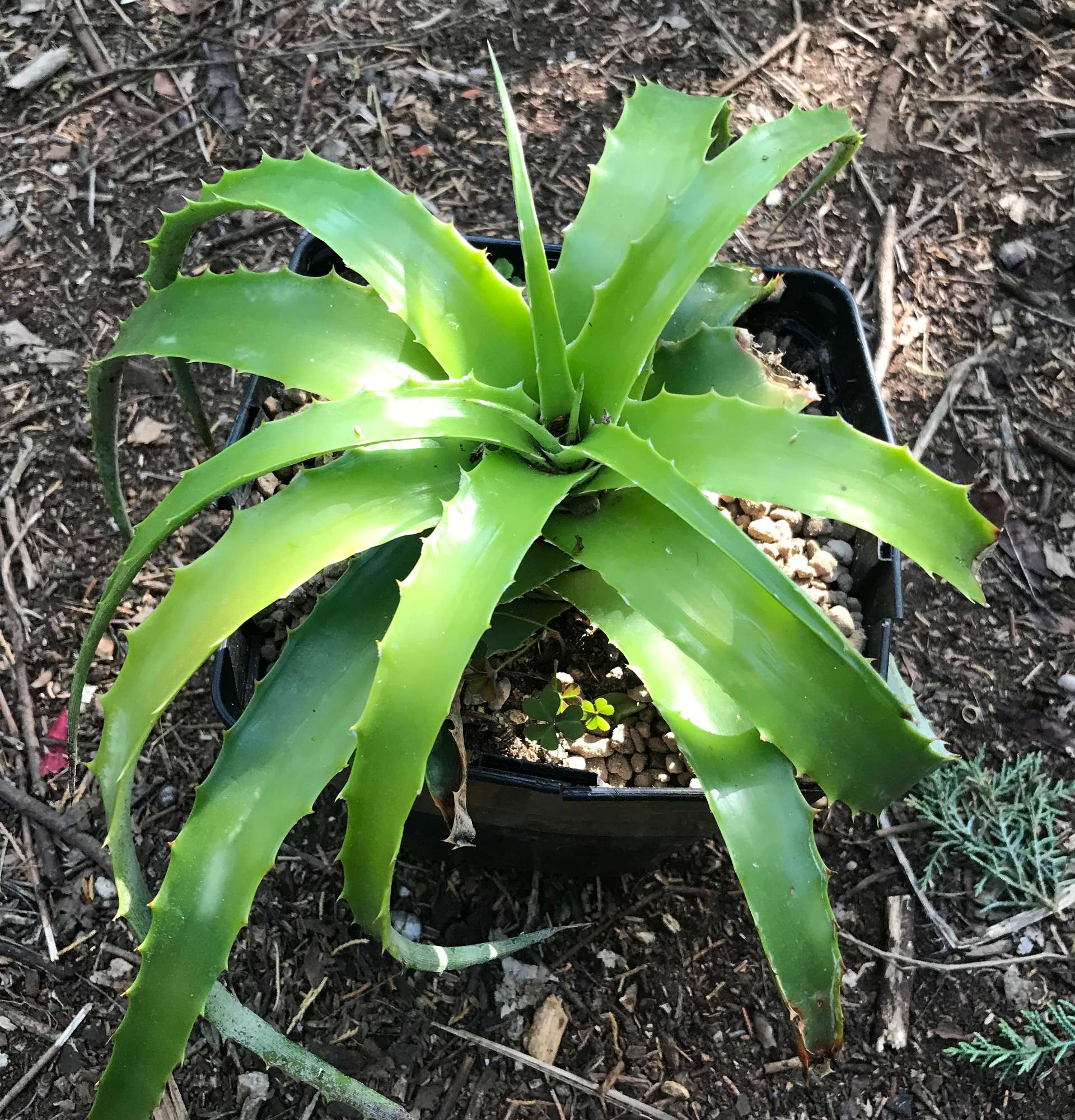
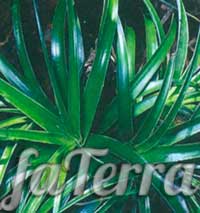 Bright green, long, succulent, with a smooth surface and not very many thorns, the leaves form a magnificent rosette, the diameter of which can reach sixty centimeters. Near the rosette, you can see the appearance of a tall flower stalk with an ear-shaped inflorescence. It is formed by five-millimeter flowers with pink petals.
Hechtia argentea
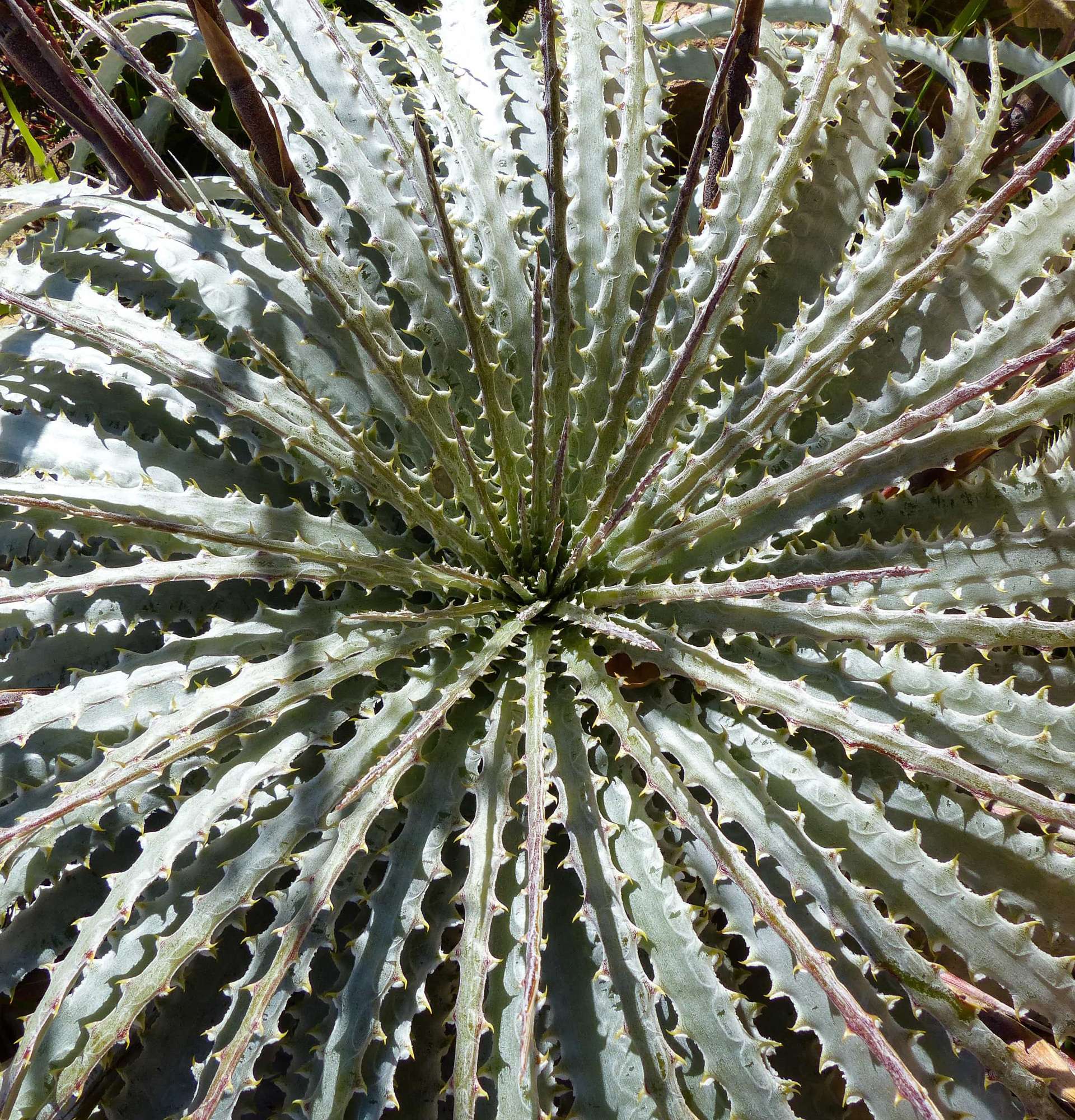
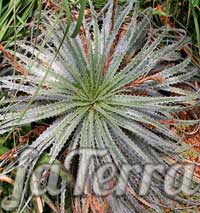 A Mexican plant that blooms in summer, this perennial can grow up to one hundred and twenty centimeters in height. Long, linear, fleshy, scaly leaves form a dense, spreading rosette with an ashen hue. The plant is prickly. The edges of the leaves are bordered by thick, hooked, seven-millimeter thorns of a light brown hue. In summer, on an almost half-meter, drooping flower stalk, an inflorescence in the form of a panicle appears. It consists of small, greenish-white flowers.
Hechtia guatemalensis
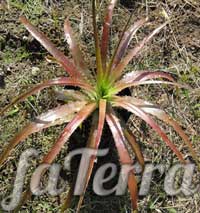 An original, spreading rosette, consisting of a small number of green, rarely spiny, up to 80 cm long leaves. It blooms in the winter months. It produces a flower stalk up to two meters high, which is crowned with a complex, branched inflorescence.
Hechtia glomerata
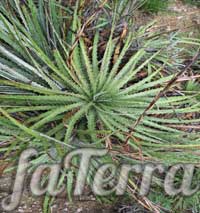 A perennial, rosette-shaped, dioecious plant with dark green leaves. It reaches a height of thirty to forty centimeters. It blooms in spring. Native to Mexico.
Hechtia care in the home
Hechtia is a very decorative and unpretentious plant in care.
It is not often found in the rooms of flower growers, and does not require special knowledge and skills in its care.
And if this succulent flower has appeared among the indoor pets, it is necessary to create conditions close to natural. Let's get acquainted with them.
Location
Hechtia must be placed in areas where direct sunlight falls, which will allow the plant to bloom regularly. In summer, it will be better in the fresh air.
Temperature regime
The desired summer temperature for the plant will be a temperature difference of 25-30°C, and in winter - up to 10°C, it can normally tolerate a short stay in a room with a temperature of 5°C. It should be remembered that prolonged cold can lead to the death of the flower. Drafts are not suitable for hechtia.
Air humidity and watering
For a lover of a dry climate, air humidity is not a major indicator. Ordinary indoor conditions without spraying will be the optimal option for hechtia.
The main condition for proper watering is to keep the soil moist during the growing period. Water must be used soft, water no more than once a week, and observe the condition of the soil. This task will be handled by a self-watering pot. The amplitude of winter watering will be slightly dry soil in the pot.
Soil
Substrate for hechtia: leafy soil, sod soil, sand, peat, humus. All ingredients should be taken in equal proportions.
Drainage is essential.
Feeding
During the warm season, it is desirable to use soluble fertilizers once a month, the dose should be reduced by half. You can use fertilizers that are intended for cacti. Winter feeding is not necessary.
Transplantation
Spring annual transplanting into a larger pot will not harm the plant. After all, the size of the pot directly affects the growth of hechtia, its size and the number of small rosettes. At the bottom, be sure to place a good drainage layer in one-third of the volume of the pot, and then the updated substrate.
Reproduction
It is propagated by offspring that have grown near the mother plant. When the offspring reach 1/3 of the height of the adult plant, they can be separated or cut with a knife. Treat the cut with activated charcoal, dry it and plant it in the soil.
The plant is prickly, so wear gloves when performing the work.
Pests and diseases
With proper care, there are no pests on hechtia. But exceptions happen in any business.
- If the watering is disturbed, and the leaves are not in good condition, unwanted insects, such as scale insects or mealybugs, may appear.
- Immediately wipe the leaves with a solution of soap, oil or alcohol, and then use insecticides.
Write comments
Comments