



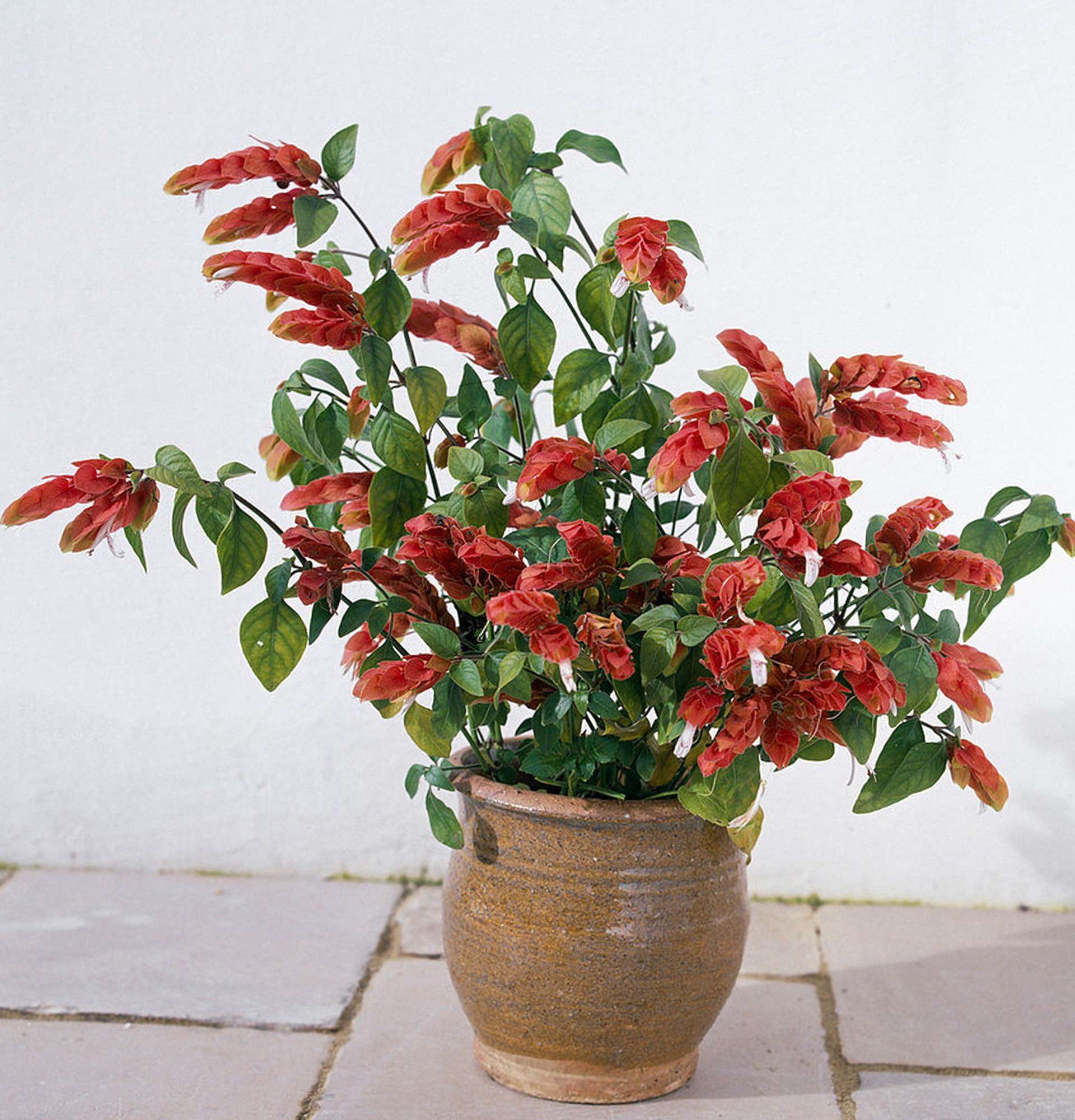
Latin name: Beloperone
Category: flowering shrub
Native to: tropical regions of South and Central America
Interesting information about the unpretentious Beloperone plant
Beloperone (Beloperone) is a beautifully flowering plant of the American tropics. Where does the name of the flower come from? Externally, with its varied color of flowers and bracts, it resembles multi-colored arrows of South American Indians. Hence this melodious and unusual name, which in translation from the singing Greek language means "Belos" - arrow, and "perone" - tip.
This means a pointed arrow. You can also hear other names for Beloperone - justicia, or indoor hop.
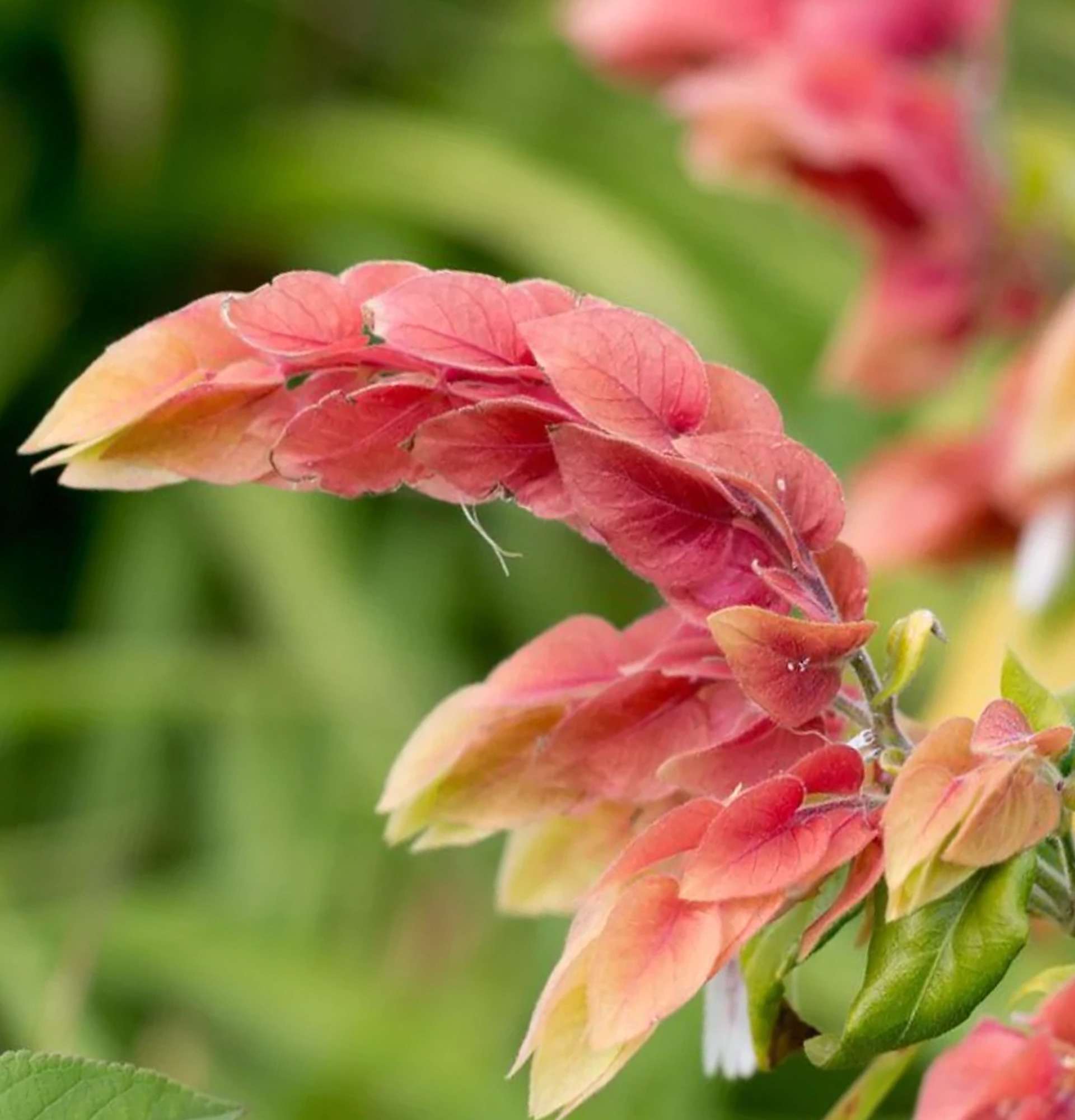
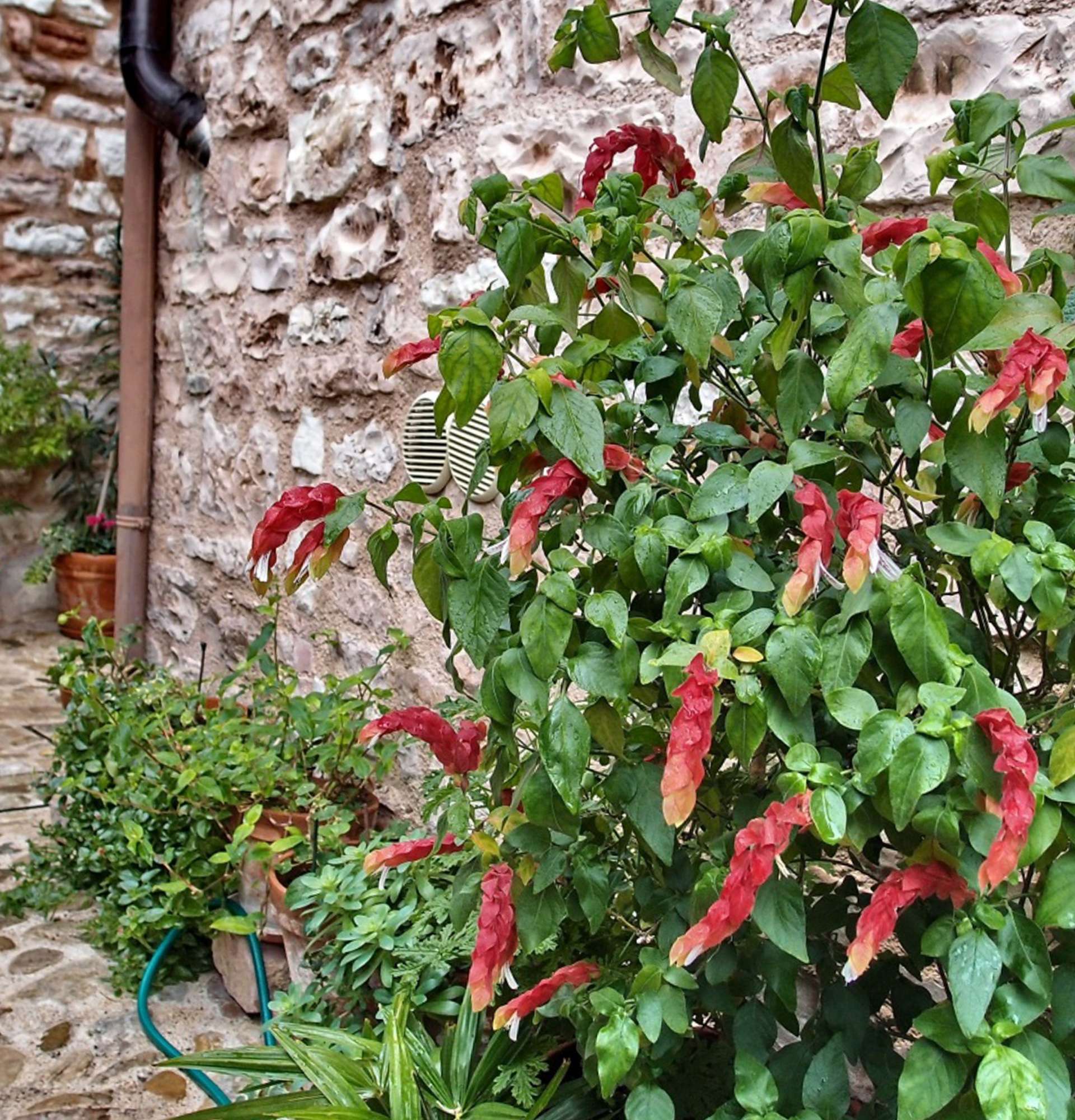
After all, indoor Beloperone flowers are very similar to indoor hop. And due to the identity of the extraordinary bracts with a segmented tail of a crayfish or a shrimp, there are also folk names such as "shrimp" and "crayfish neck".
Beloperone belongs to the Acanthaceae family. According to various sources, the genus Beloperone includes about sixty species and varieties of ornamental plants that can bloom throughout the year. And most importantly, these plants are grown with great pleasure in homes all over the world.
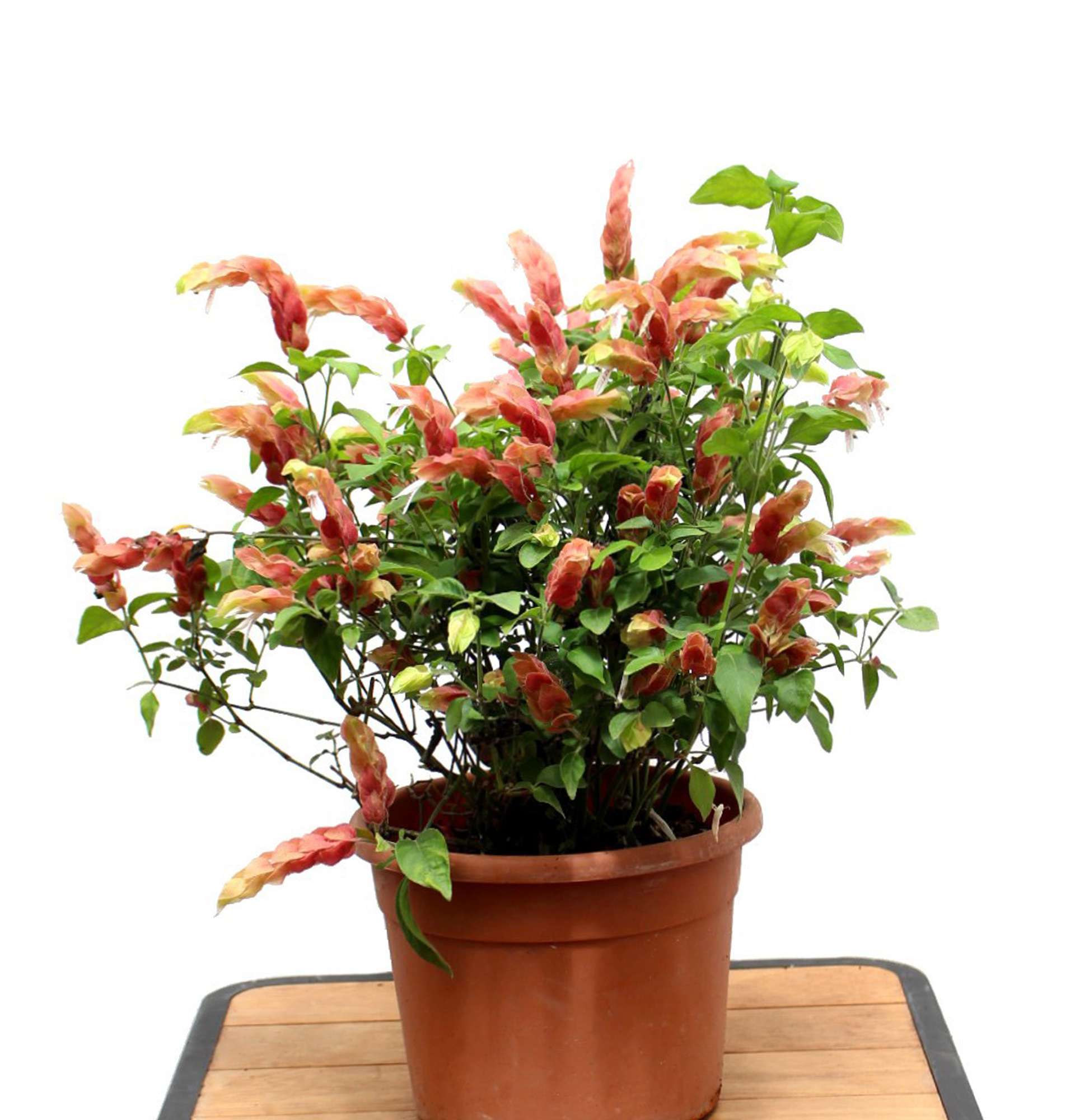
What is the Beloperone flower like? Wild, pubescent or bare shrubs and semi-shrubs of beautiful Beloperone grow in the lands of America. These bushes reach a height of about one meter. The plant has large, smooth or pubescent leaves that can be lanceolate or oval in shape. Red, yellow, orange, sometimes white and pink, axillary flowers are collected in original inflorescences resembling halves of an umbrella. The uniqueness of this beauty is that flowering can last all year round. Beautiful, very bright and long-blooming bracts of Beloperone resemble Acalypha and Pachystachys in appearance. Interestingly, Beloperone is less demanding to grow than Acalypha and more demanding than Pachystachys.
Species of Beloperone
Beloperone guttata
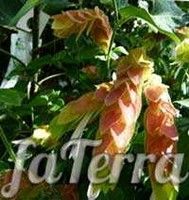 One of the cultivated species in home gardening is Beloperone guttata, also called justicia brandegeeana - a beauty from distant Mexico, which was first discovered in 1932. It grows in a wonderful mountainous area at an altitude of almost a thousand meters above sea level.
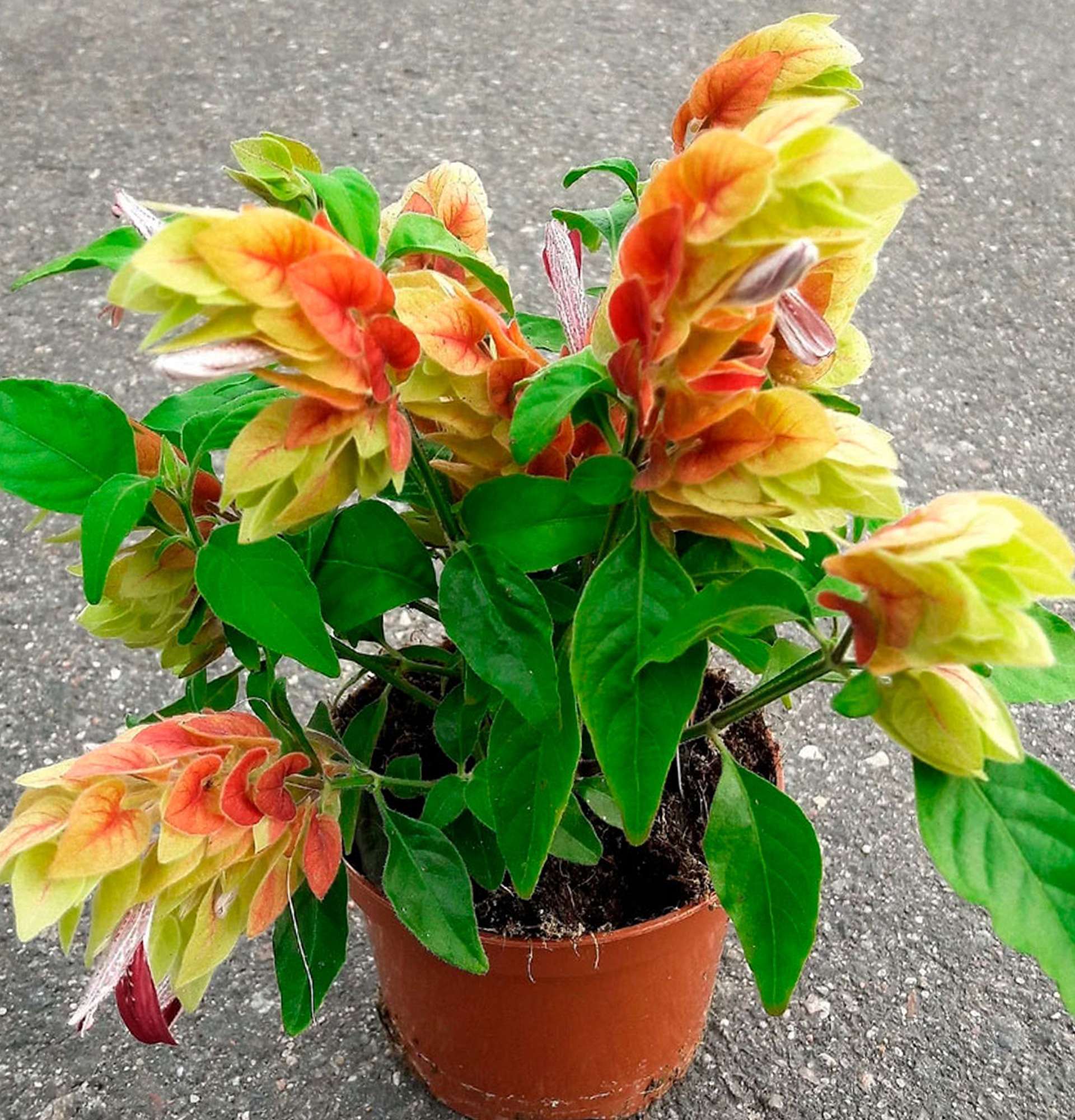
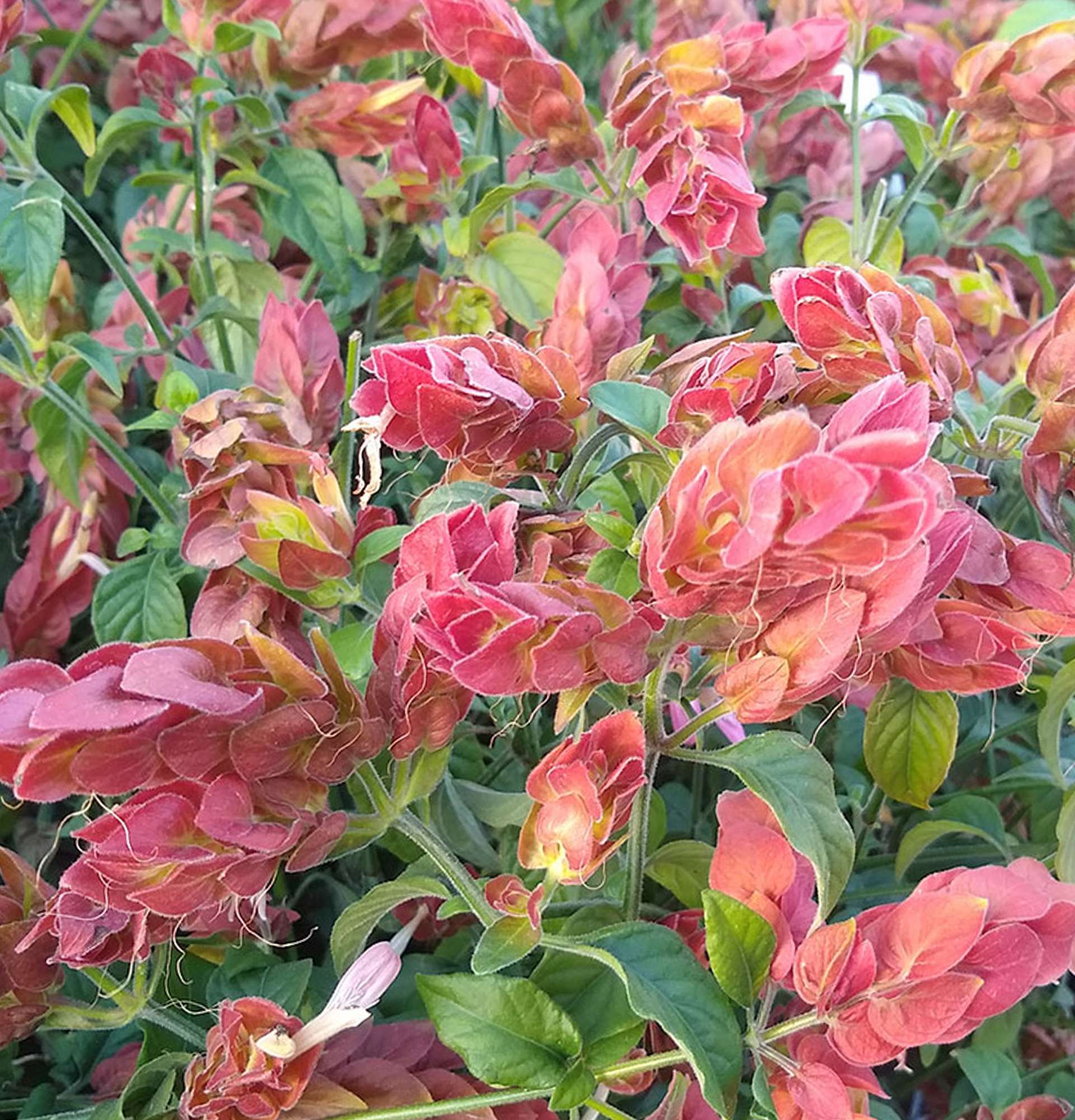
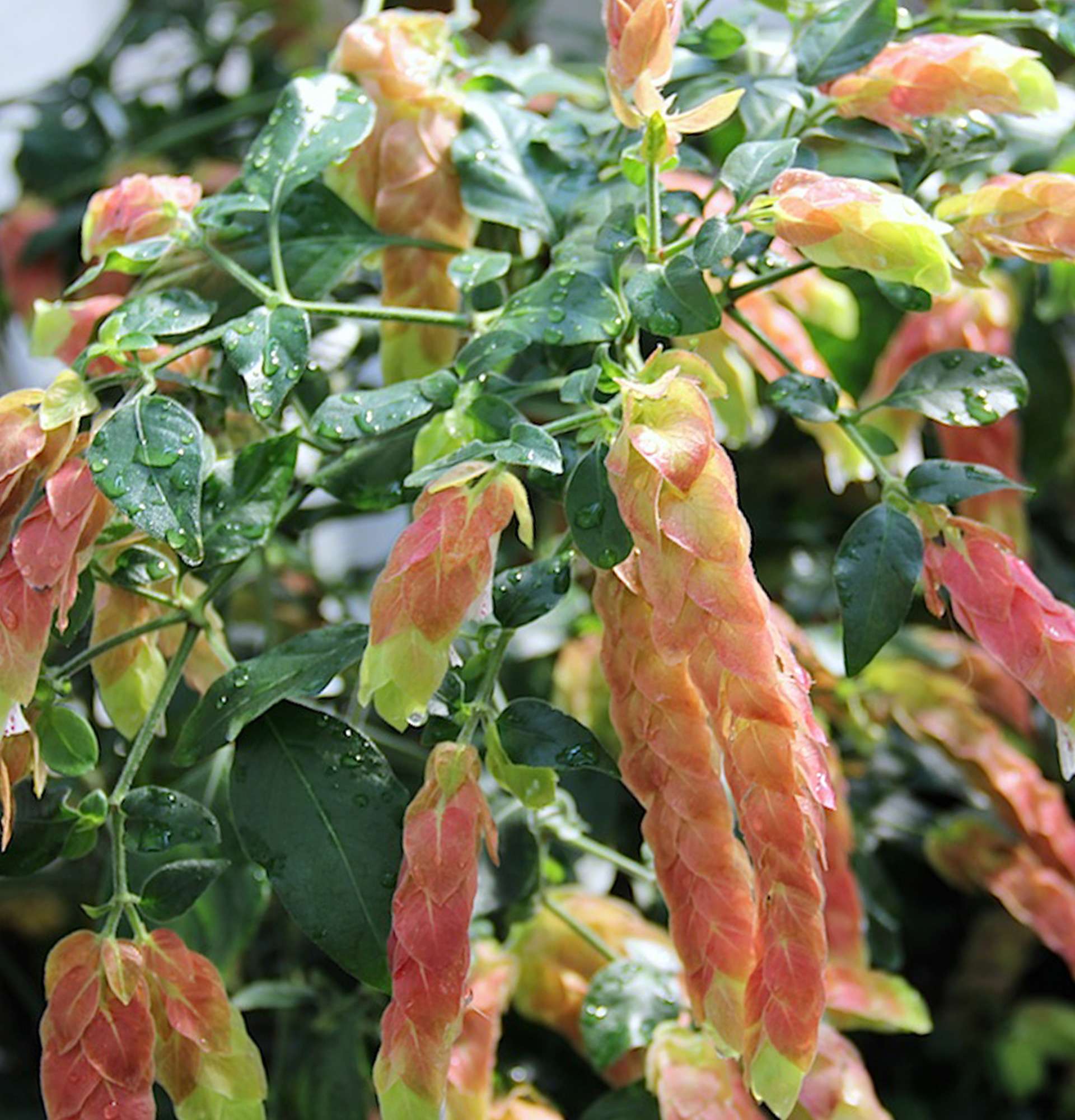
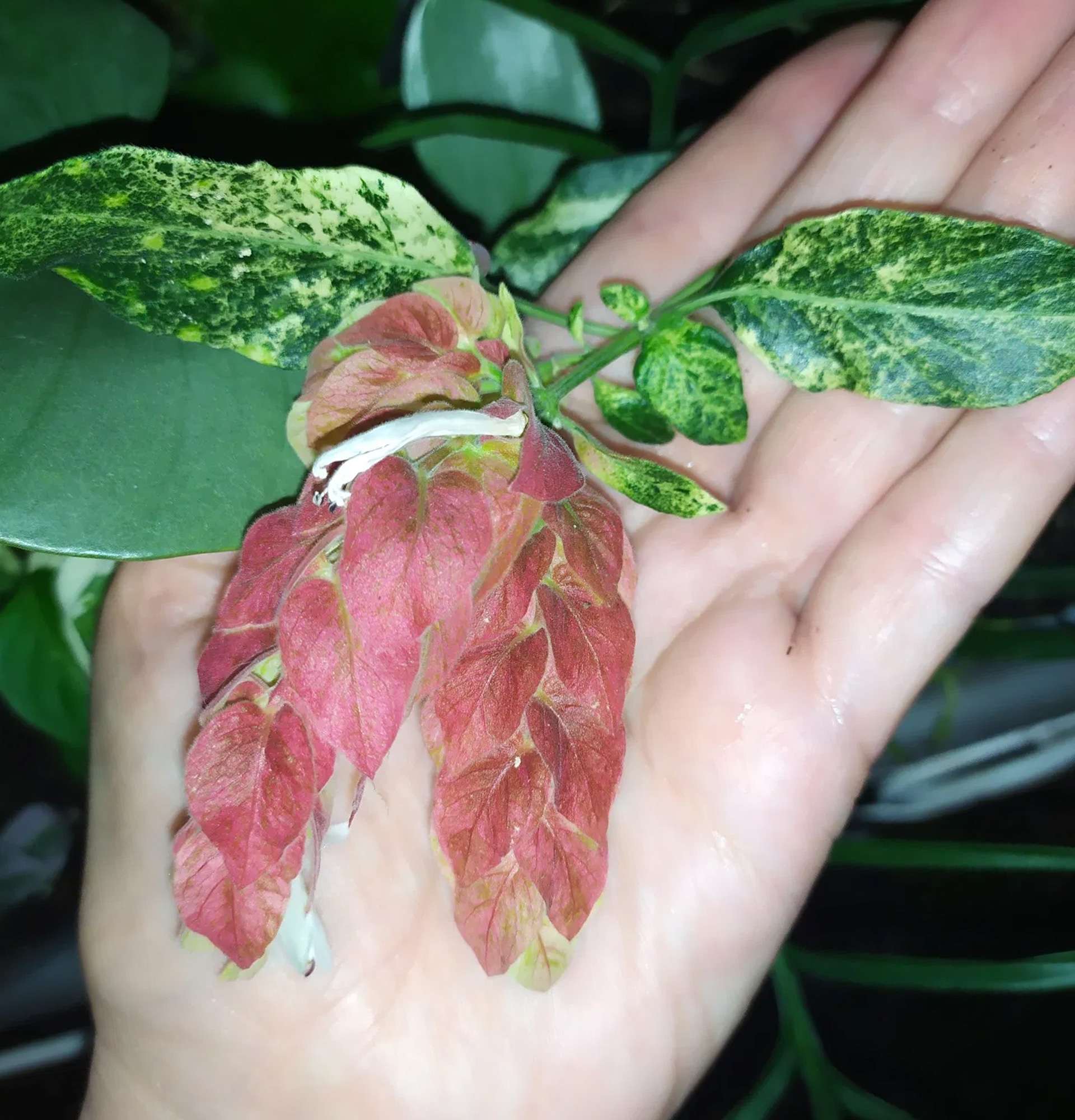
The life form of Beloperone is a branched, evergreen semi-shrub up to one meter high, with a weakly woody stem. Smooth or hairy, branched shoots are densely covered with leaves. They are decorated with drooping, almost 20 cm long, catkin-like white inflorescences, which are located in the axils of numerous bracts. The peculiarity is that with age, the bracts change their color from light green to yellow, red, orange, and reddish-brown. The indoor flower Beloperone is covered with small, green, oval-shaped leaves with opposite arrangement on short petioles. Beloperone is very similar to Jacobinia.
Beloperone plumbaginifolia
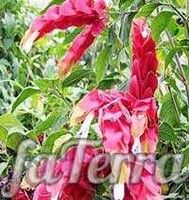 The native land of this डेढ़-meter shrub with straight branches that are little prone to branching is Brazil. It is also known as Beloperone plumbaginifolia. This shrub is covered with pointed, lanceolate leaves, slightly leathery and smooth. Red-purple flowers, up to 5 cm in size, are collected in very beautiful apical inflorescences, conveniently located in the axils of large, colorful, pubescent bracts.
Beloperone violacea
 The native land of Beloperone violacea or lilac is Mexico. Semi-shrubs grow up to one meter tall with thin stems and gray-green branches. During growth, the plant can even take on an ampelous appearance. Small, gray-green, slightly pubescent leaves with short petioles cover the plant. The flowers are white and inconspicuous. The main decoration of Beloperone violacea can be considered large bracts that change their color to copper-red. They are very similar to crayfish necks. Hence the name "crayfish neck".
Beloperone care at home
Beloperone is a plant that loves warmth, sun, and abundant watering. It can be grown beautifully in an office, greenhouse, or apartment if provided with a well-lit place, and direct sunlight should be shaded. How to care for Beloperone at home? Although Beloperone is an unpretentious plant, and its care is not difficult, it is still necessary to create all the conditions for keeping this exotic plant at home. After all, the more correct the care, the faster it will grow and constantly bloom.
Temperature regime
Indoor Beloperone, which grows in the wild, is accustomed to high air temperatures, while cultivated varieties of the flower prefer moderate temperatures. The temperature regime in the spring-summer period is about 20°C, and in winter, a temperature of about 13°C is sufficient.
Lighting
The tropical plant will develop well in bright places, but should be shaded from direct sunlight. It is best to place Beloperone on window sills on the south-east or south side.
Air humidity and watering
The tropical plant needs high or moderate humidity. It is desirable to moisten the air at a distance of half a meter from the plant. It is necessary to spray the plant carefully, so that water does not get on the bracts, in order to avoid their decay.
It is necessary to water it well. After all, Beloperone is a child of humid tropics. In summer, it is watered abundantly, and in winter, it is watered as the top layer of soil dries out. With insufficient watering, the plant will lose its leaves and flowers.
Reproduction
Beloperone can be propagated by seeds or apical cuttings. Seeds are sown in February-March. Seed germination occurs at a temperature not lower than 20-25°C.
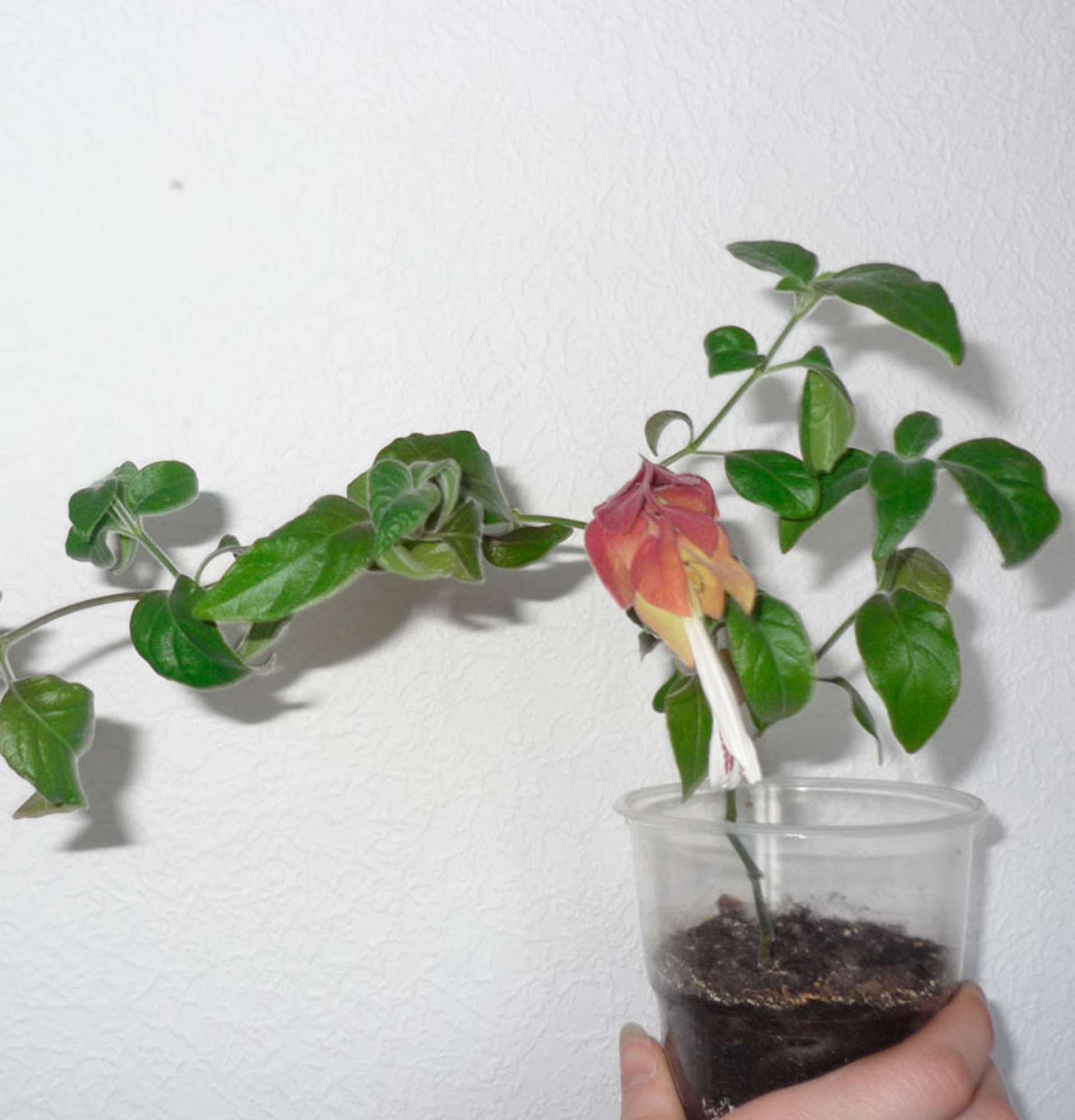
It is easier to propagate Beloperone by cuttings.
In spring and summer, cuttings easily take root even in water. After rooting, the young plant can immediately bloom. To form a beautiful bush, the first flowers should be removed.
Feeding
In the warm season, it is necessary to feed the plant with complex mineral fertilizers every two weeks, and do not fertilize in winter.
Transplanting Beloperone
Beloperone is a fast-growing plant, and annual spring transplanting will only benefit it, as it is necessary to replace the depleted soil. Choose a pot that is slightly larger in size, and be sure to put a good drainage layer at the bottom. The soil mixture should consist of turf, compost, peat, and sand.
Pruning
Beloperone grows quickly with good care. It is necessary to prune the plant often to form a beautiful crown and to have a large number of buds. It is necessary to remove faded buds in time. The plant will bloom profusely and delight with its beauty.
Pests
Beloperone is a fairly resistant plant to diseases, but there are cases of infestation by aphids, whiteflies, and spider mites.
How to fix the problems:
- The leaves turn yellow and fall off - excessive watering, lack of moisture, cold in winter;
- The leaves turn pale - the plant needs to be fed;
- The bracts turn black - water may have gotten on the bracts during spraying;
- The flowers lose their color - lack of light;
- The plant stretches - high air temperature.
It is necessary to eliminate all errors in growing the plant, and this unusual miracle will lift your mood and delight you with its charm.
Write comments
Comments
Лия Скотти