



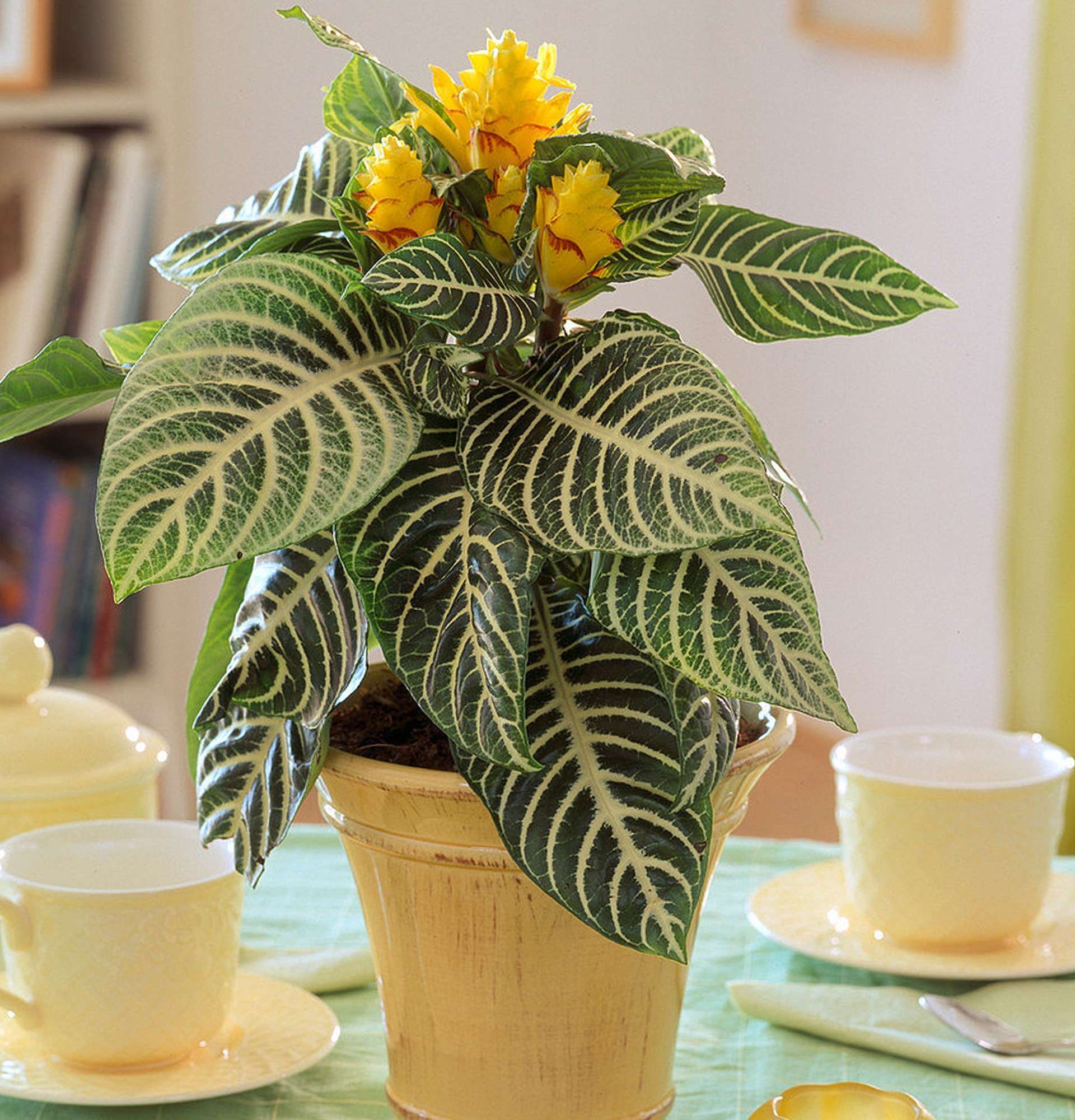
Latin name: Aphelandra
Native to: Tropical regions of South and Central America
Aphelandra - a luxurious, exotic, flowering shrub
Aphelandra (Aphelandra) - this genus includes about two hundred species of plants belonging to the Acanthaceae family. The name Aphelandra comes from Greek words: "aphelis" and "andros" - a simple man. Another name is also used - aphelandra. It is native to the tropics. These unique perennial shrubs and subshrubs grow in humid forests of South, Central, and North America, with erect stems. In some species of aphelandra, the stems remain herbaceous throughout their life cycle.
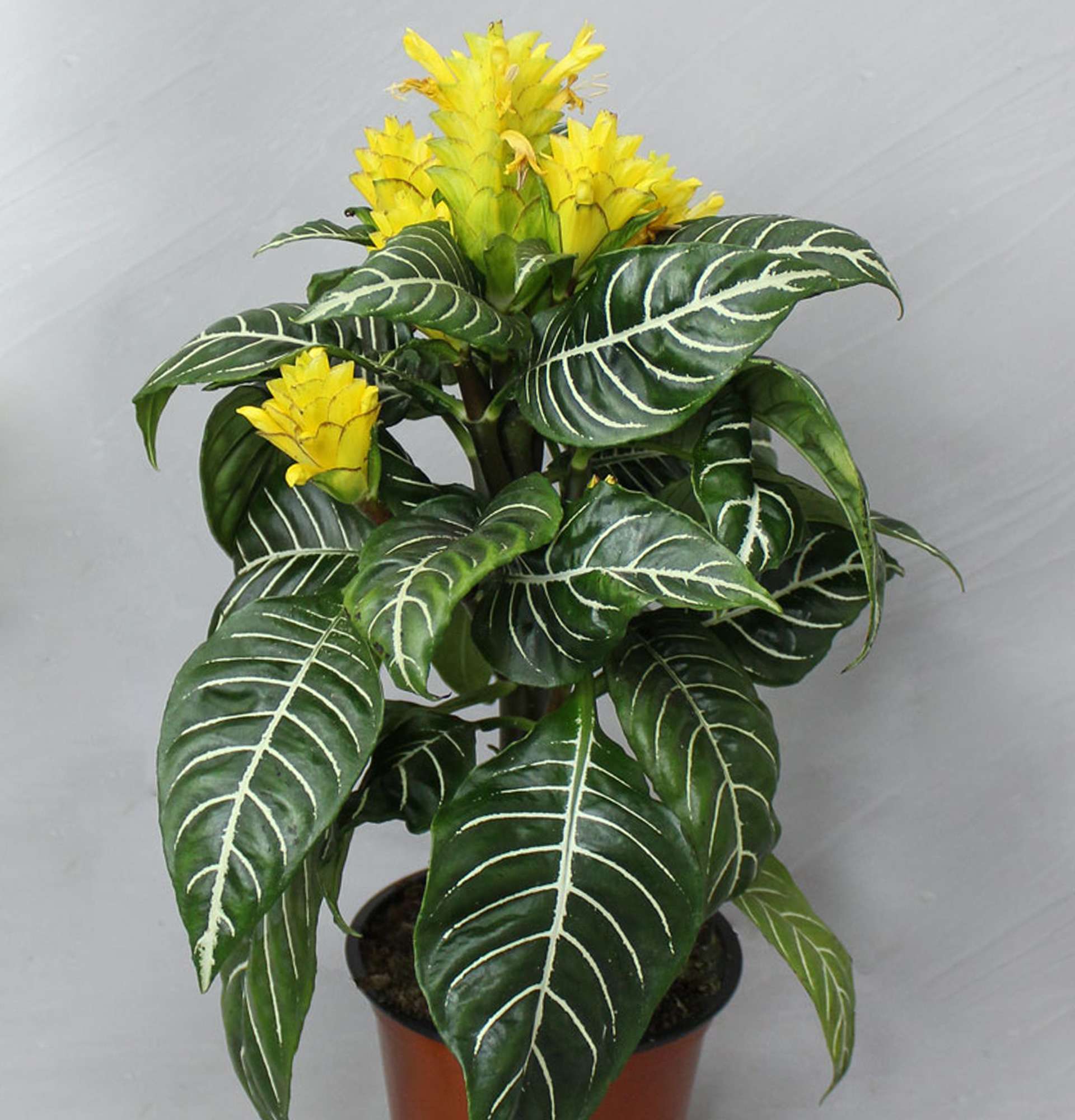
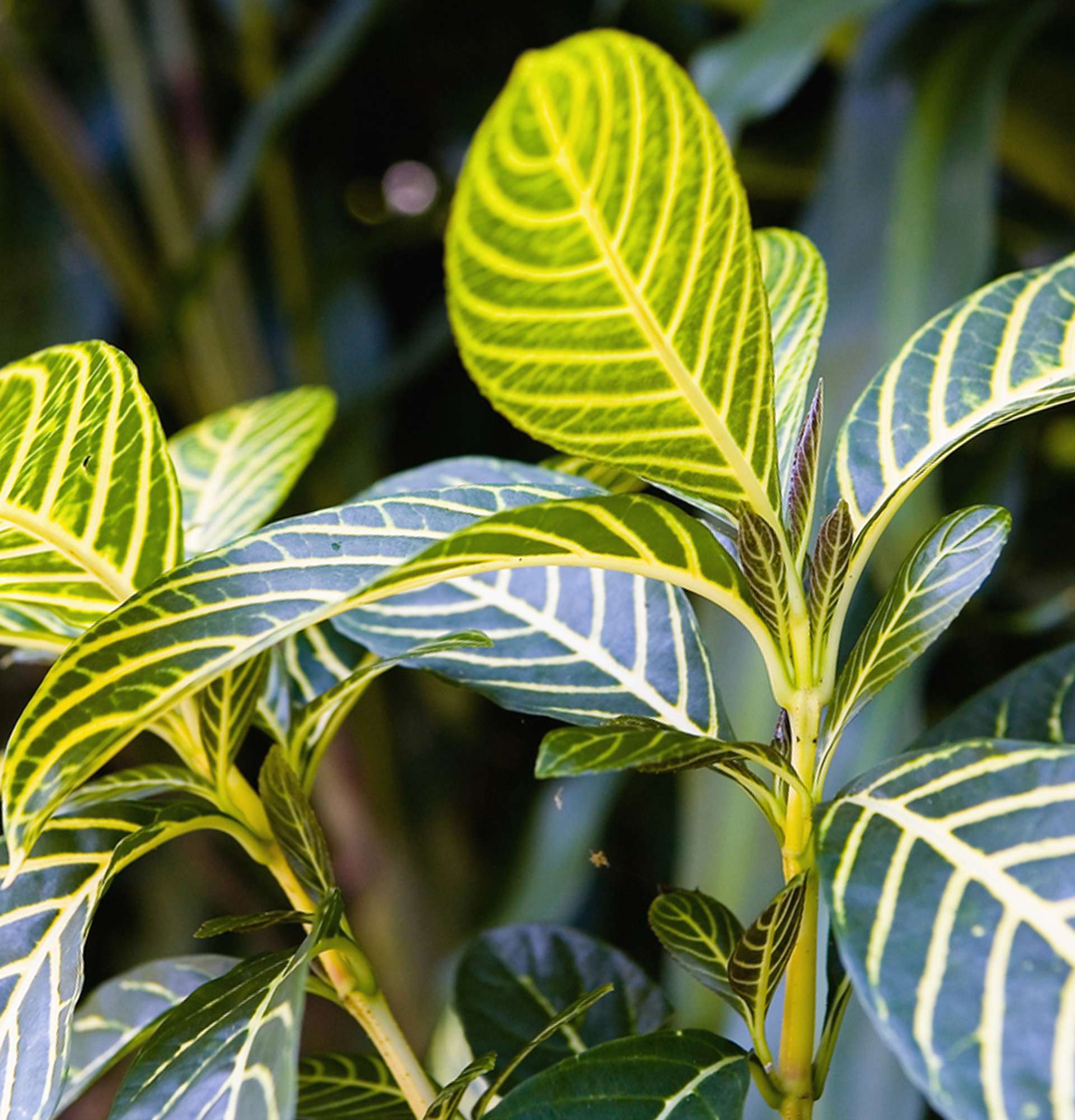
Aphelandra is popular among indoor plant enthusiasts due to its unusual beauty and bright green leaves with yellow veins. These shiny giants can be smooth or spiny, with a clearly defined mid-vein that is silver or white.
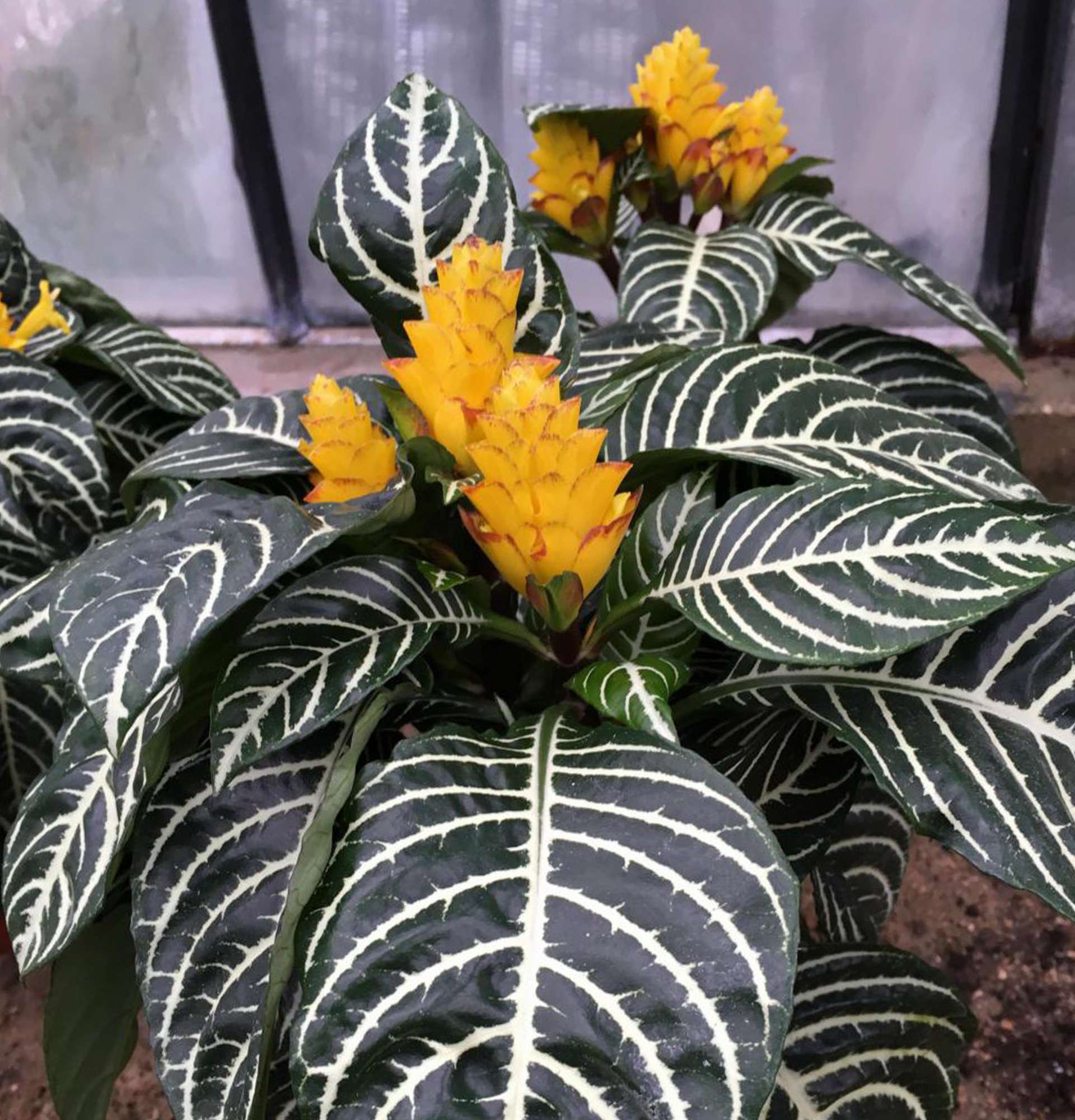
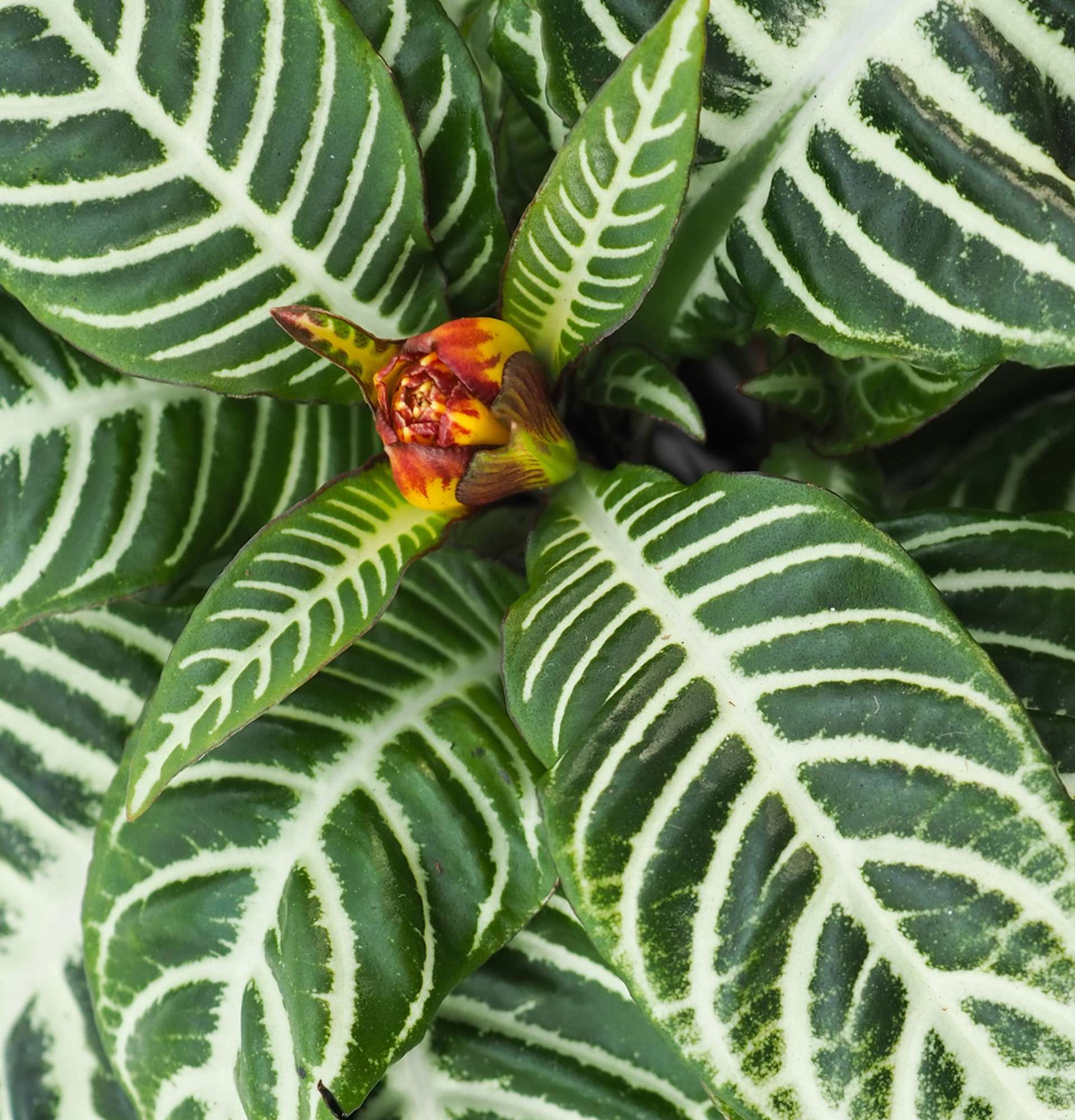
In the fall, the tops of aphelandra shoots are adorned with brightly colored flowers, arranged in interesting inflorescences that resemble a cone or a small cob. This decorative flowering plant has very showy, colorful bracts that are strikingly similar to the bracts of the plant Whitfieldia.
Sometimes, the heat-loving aphelandra can be confused with closely related species that are more resistant to optimal conditions, such as Beloperone and Pachystachys.. Aphelandra, when not in bloom, looks very similar to Sanchezia, which blooms beautifully in early spring.
Species of Aphelandra
Aphelandra squarrosa
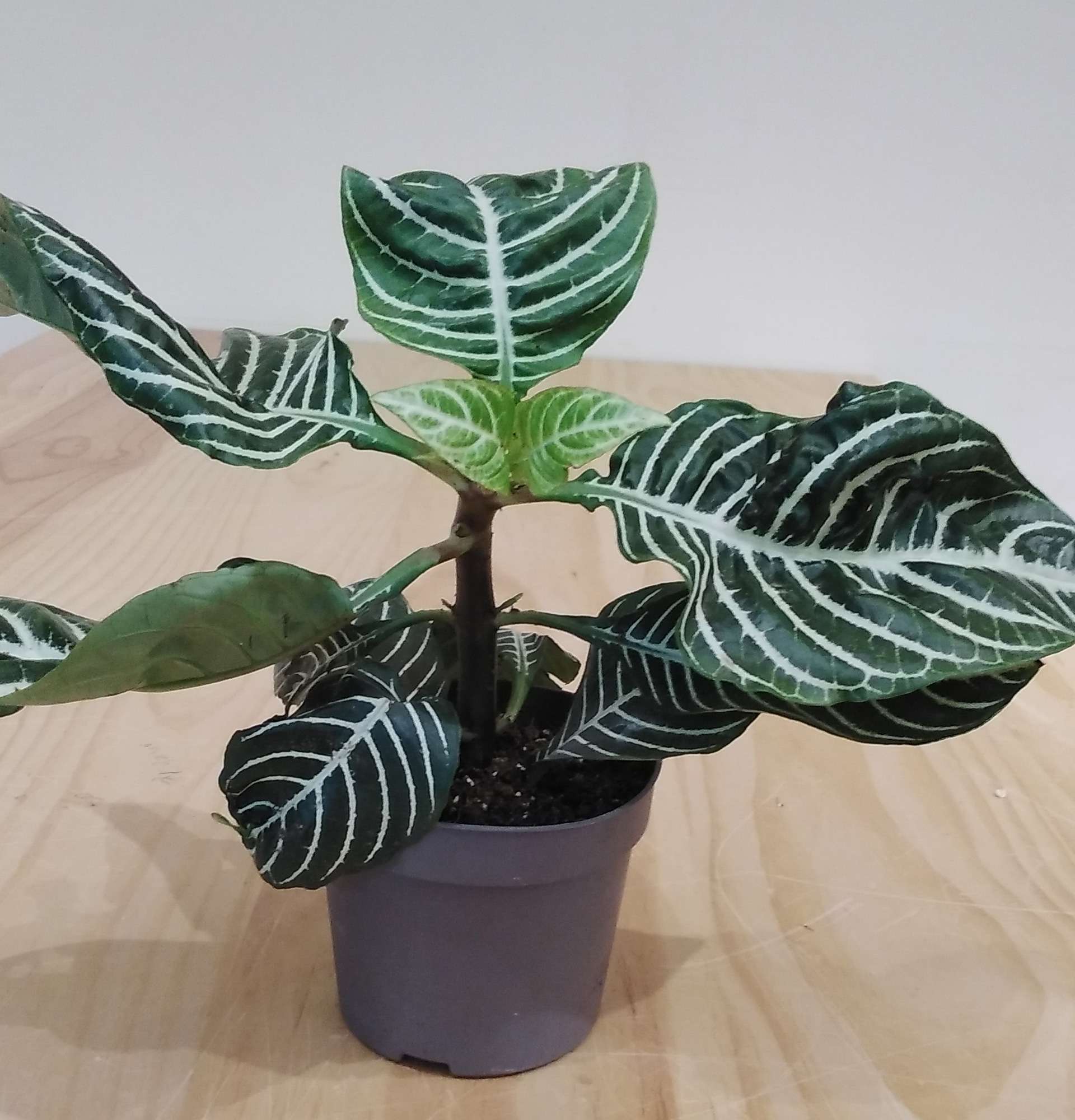
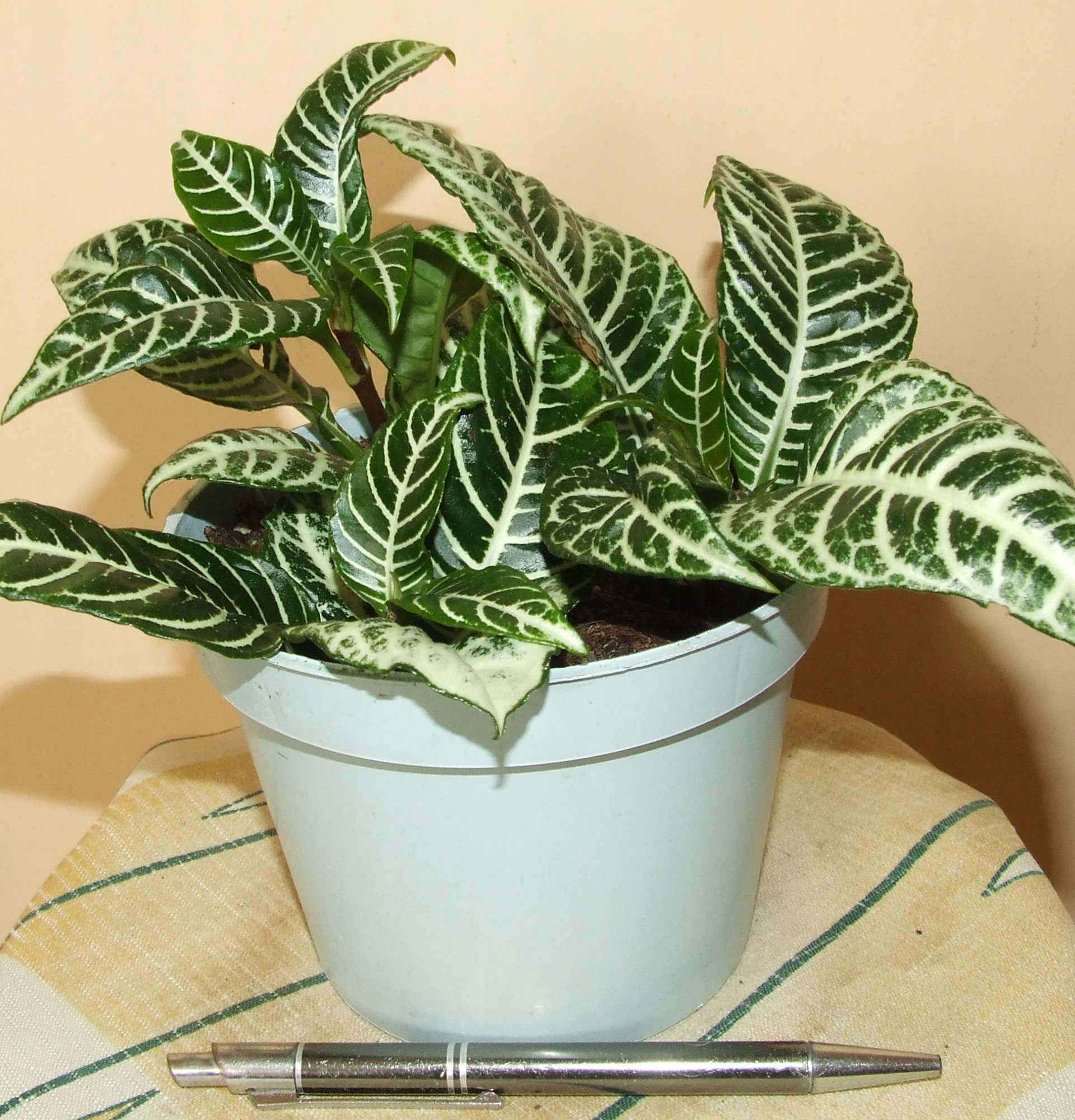
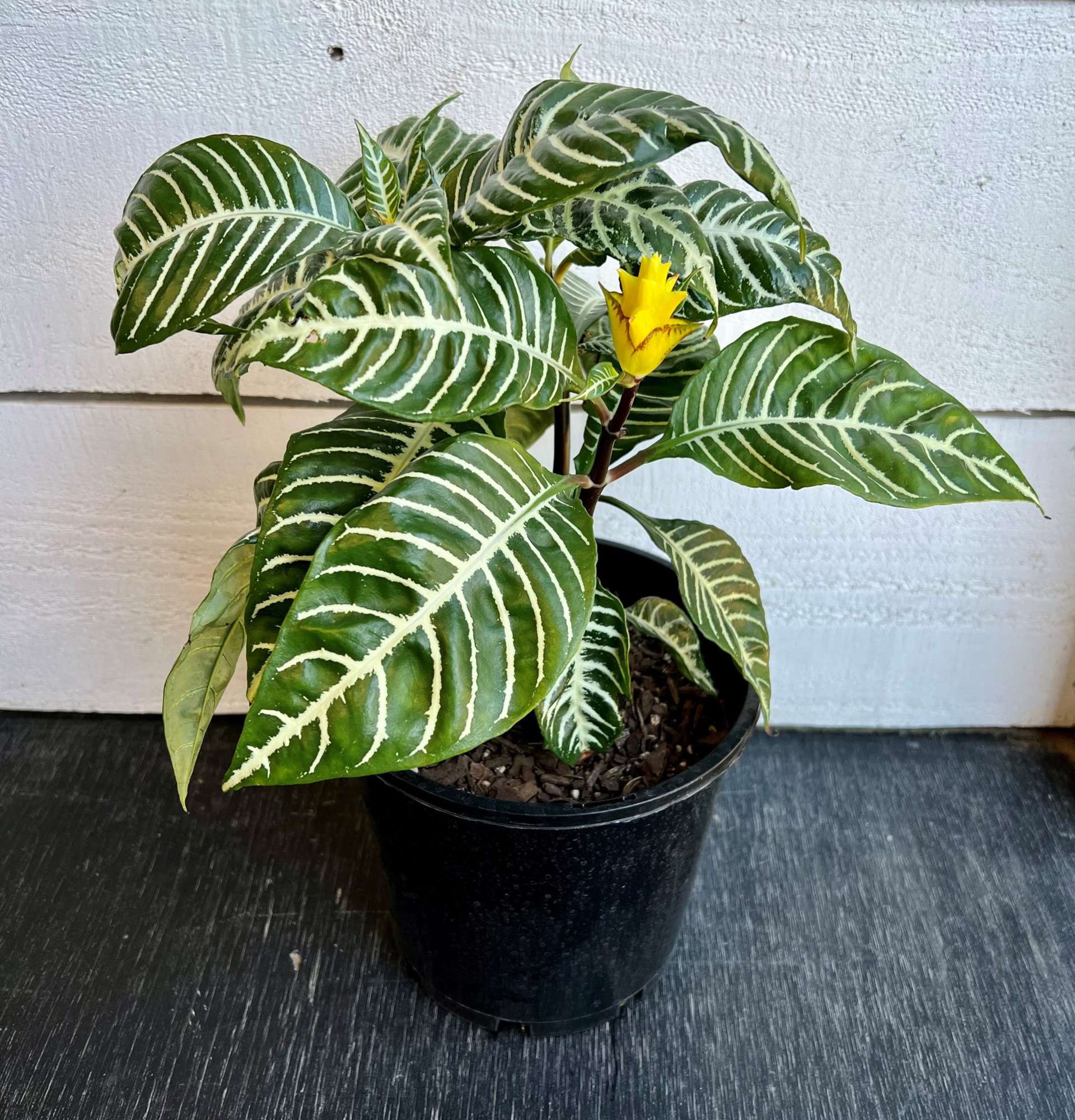
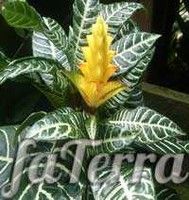 One of the most common and popular species for home cultivation is Aphelandra squarrosa, often called the "zebra" plant. This species is native to Brazil and is known for its ability to tolerate lower temperatures.
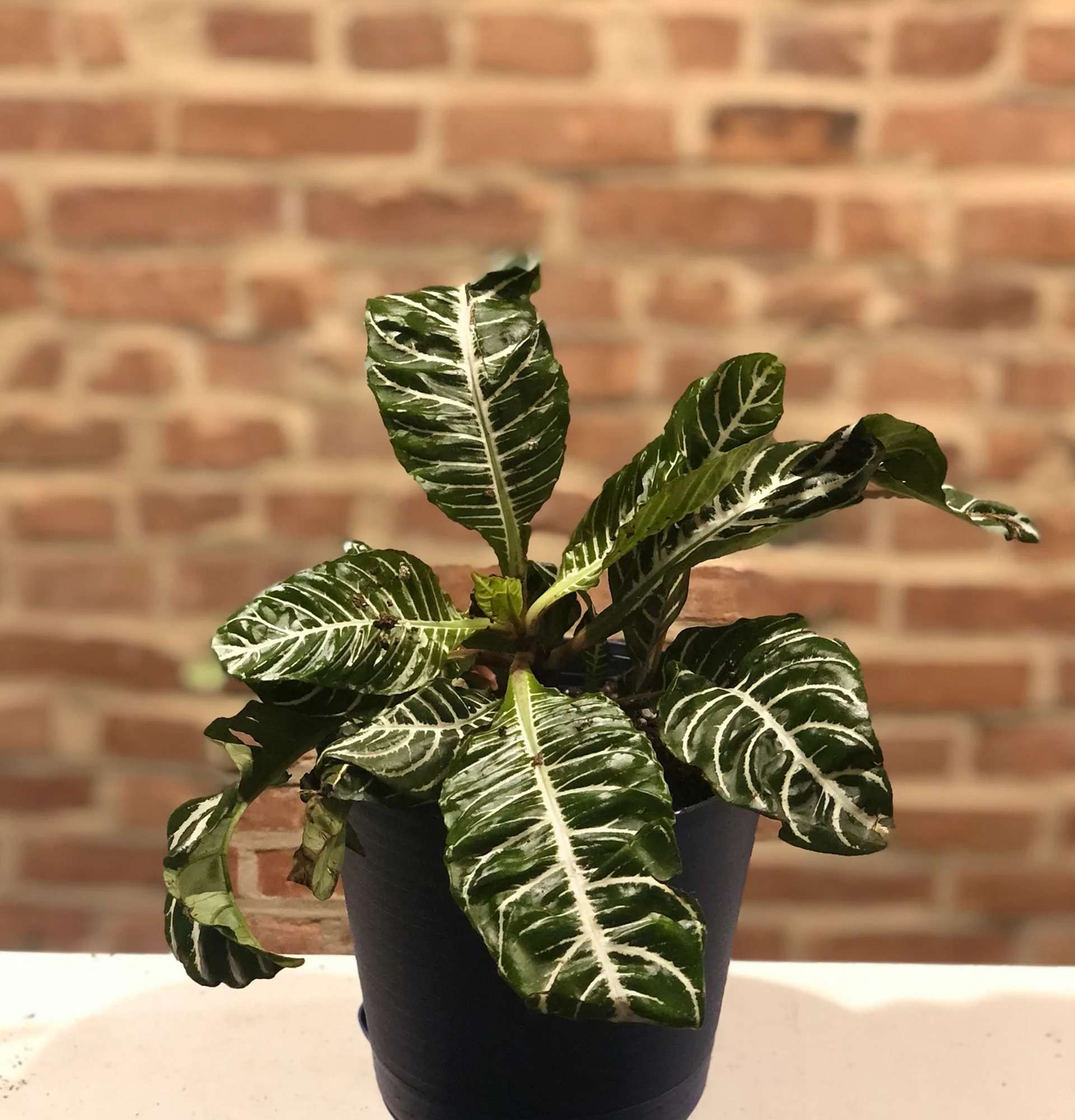
Aphelandra squarrosa grows into a powerful shrub that can reach a height of 1.5 meters. The dark green leaves have a unique pattern of bright white stripes along the veins, extending from the bare stems. The small white flowers of Aphelandra squarrosa quickly fall off, but the bright yellow bracts remain on the plant for a long time. It has been observed that Aphelandra squarrosa blooms more intensely at lower temperatures (around 10°C), which attracts amateur gardeners.
Aphelandra Dania
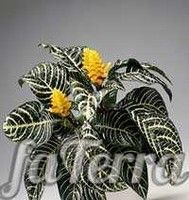 This is a very beautiful and compact variety of Aphelandra. This charming green plant can beautifully decorate an office or other workspace, and bring comfort and charm to your home. Its large leaves and lush autumn flowering (for about two months) add to its unique appeal. Caring for Aphelandra Dania is not too difficult. It requires a room temperature of 20-25°C in summer and no less than 15°C in winter, plenty of light, abundant watering in summer, and moderate watering in winter.
Aphelandra aurantiaca (Golden or Orange Aphelandra)
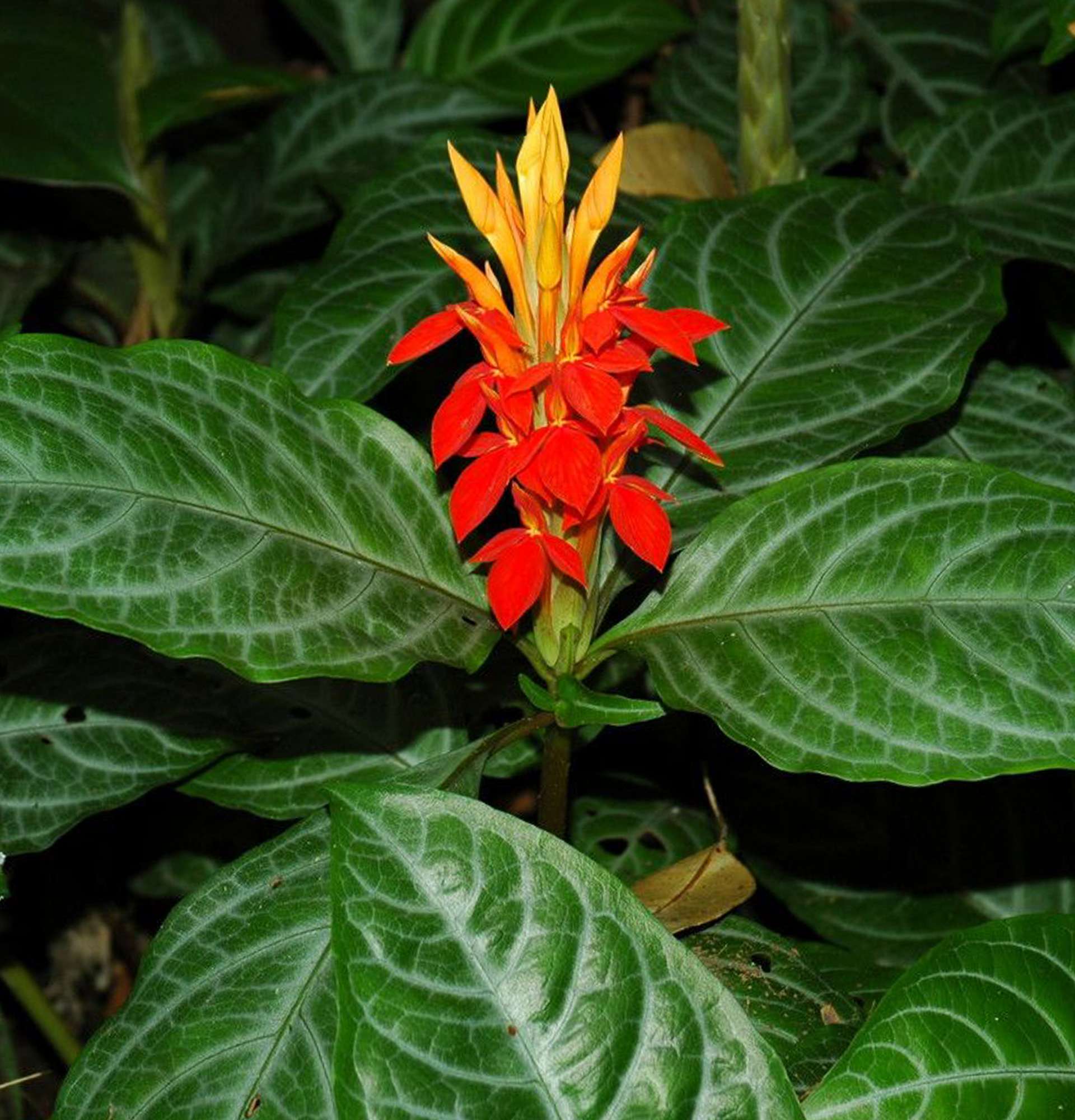
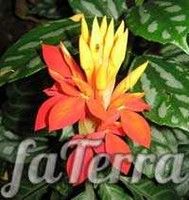 Native to Mexico and the northern regions of South America. This evergreen, low-growing shrub has a thick, juicy, reddish stem that produces attractive, original inflorescences resembling a cone or a branched cob once a year. The golden or reddish-orange bracts delight the eye for eight weeks. The silver-green leaves of the orange Aphelandra are 25 cm long, have an egg-shaped form, taper to a point, and are arranged oppositely. This wonderful plant is ideal for growing at home.
Aphelandra aurantiaca var. Roezlii
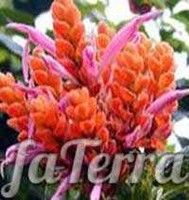 A variety of Aphelandra aurantiaca, widely used in ornamental horticulture, is the incredibly beautiful Aphelandra Roezlii. It attracts attention not only with its large silver-white leaves but also with its very bright red-orange flowers, which are arranged in 10-15 cm inflorescences. This beauty can be enjoyed for about seven months after planting, although the flowering period is relatively short.
Aphelandra care at home
Aphelandra is a unique flower. Its leaves and the lush flowering in the autumn months, when other indoor plants are in a dormant period, give it an incredibly beautiful and unique appearance.
Growing this beauty is not always easy, although it cannot be called too demanding.
To ensure that your Aphelandra thrives, it's important to provide consistent and regular care.
Location
Aphelandra should be placed in a bright location. The best windows for it are those facing east and west.
Lighting
Aphelandra loves bright light, but avoid direct sunlight, which can damage the plant. In winter, the plant requires less light, so it can be placed further away from the window. In summer, Aphelandra can be moved outdoors. It thrives in warm and bright greenhouses and cozy rooms.
Temperature
Aphelandra does not tolerate sudden temperature changes. Moderate temperatures (19-20°C) are beneficial for the plant, while temperatures below 13°C can be fatal.
Air humidity and watering
High air humidity is very important for the healthy growth of Aphelandra. The leaves should be sprayed with warm, distilled water, but avoid spraying during flowering.
In spring and summer, the plant should be watered abundantly, while in winter, watering should be less frequent. Avoid waterlogging.
Soil
The plant grows well in a mixture of equal parts of soil, sand, peat, and compost. Bone meal and wood ash can be added. Good drainage is essential.
Fertilizing
Aphelandra requires fertilization. During the active growth period, fertilize with liquid mineral and organic flower fertilizers every two weeks. Fertilizing should be stopped in winter.
Propagation of Aphelandra
Aphelandra can be propagated by seeds and cuttings. Cuttings are a more effective method, especially in spring.
To ensure successful rooting, cuttings should be treated with rooting hormones and placed in a warm environment.
Repotting Aphelandra
Repotting is an important aspect of caring for Aphelandra. Young plants should be repotted annually in the spring to promote better growth. Mature plants should be repotted every four years.
Aphelandra diseases
We know that Aphelandra can be a challenging plant to grow. To prevent infestations by pests such as spider mites and mealybugs, it is important to keep the leaves clean and maintain high humidity around the plant. If pests appear, wipe the leaves with a damp cloth and treat with a systemic insecticide.
If the leaves are affected by powdery mildew, remove the affected leaves and treat the plant with a fungicide.
Troubleshooting:
- Leaf drop: This can be caused by insufficient humidity, root rot, cold temperatures, too much direct sunlight, or drafts.
- Wilting: This is usually caused by drafts.
- Brown leaf tips: This is often caused by low humidity. Increase humidity by spraying the plant more frequently.
- Slow growth, small leaves, lack of flowering, poor appearance: This may indicate a nutrient deficiency. Fertilize the plant with mineral fertilizers.
Write comments
Comments