



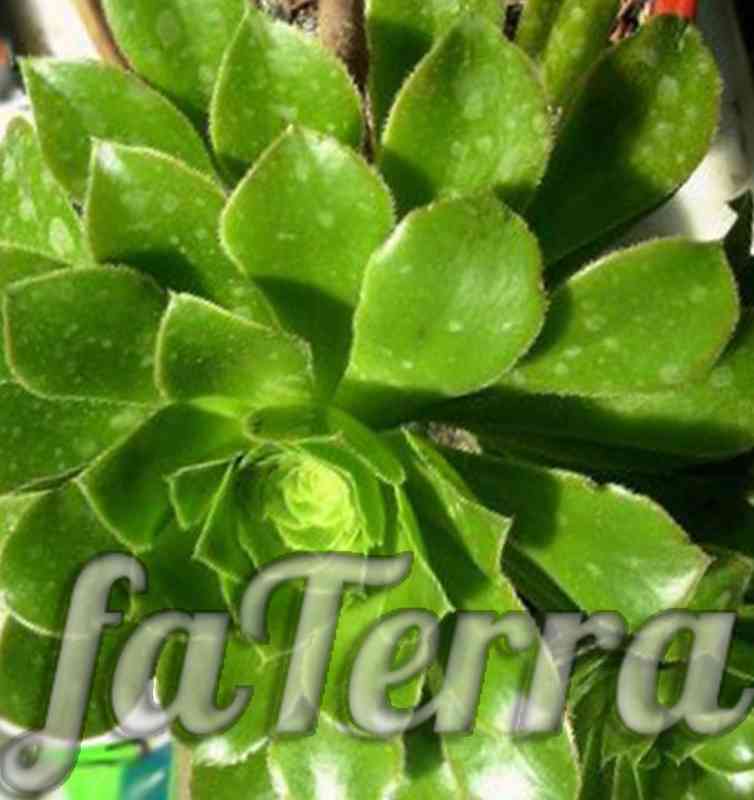
Latin name: Aeonium
Family: Crassulaceae
Native to: Canary Islands, Eastern Africa
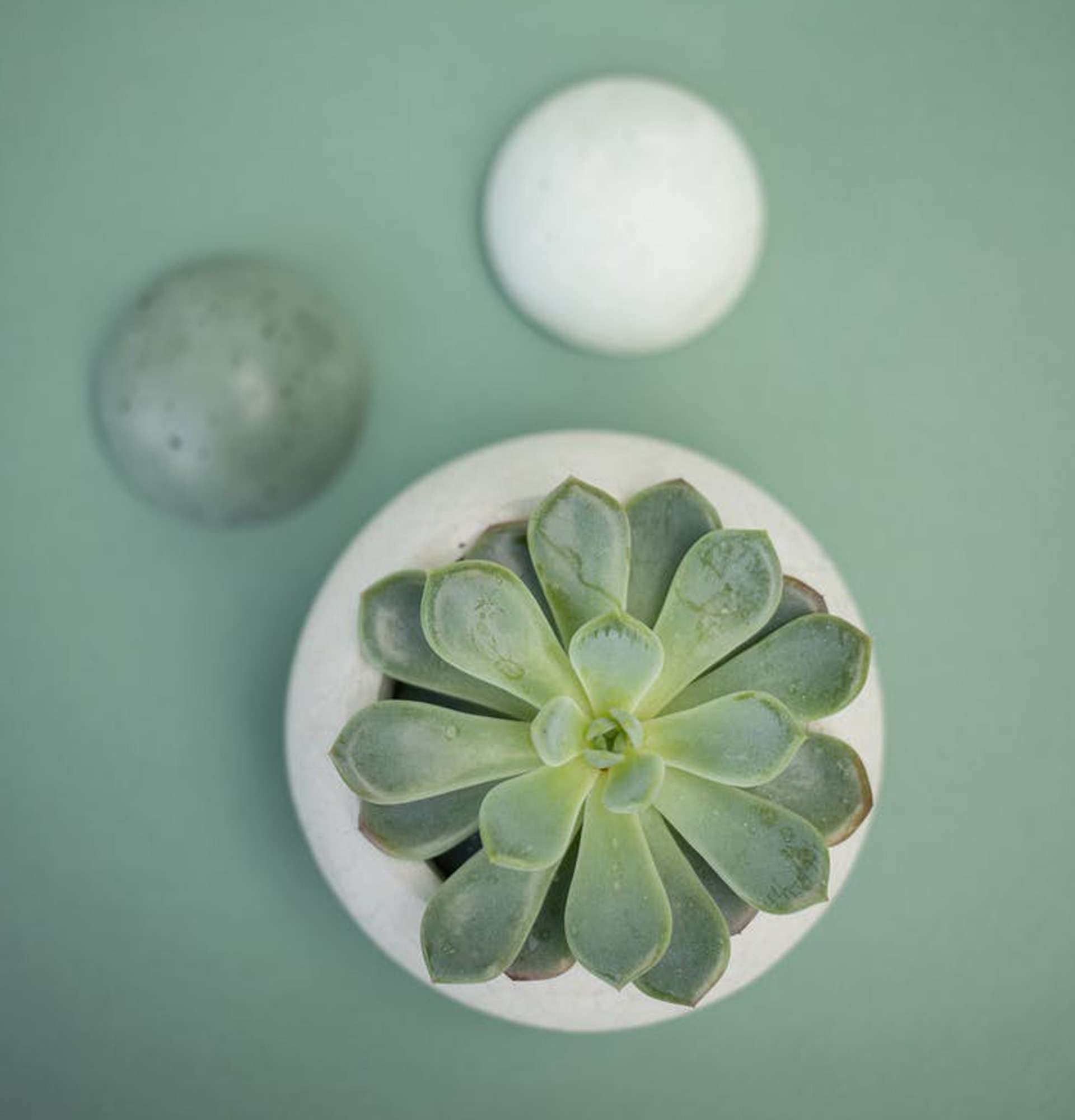
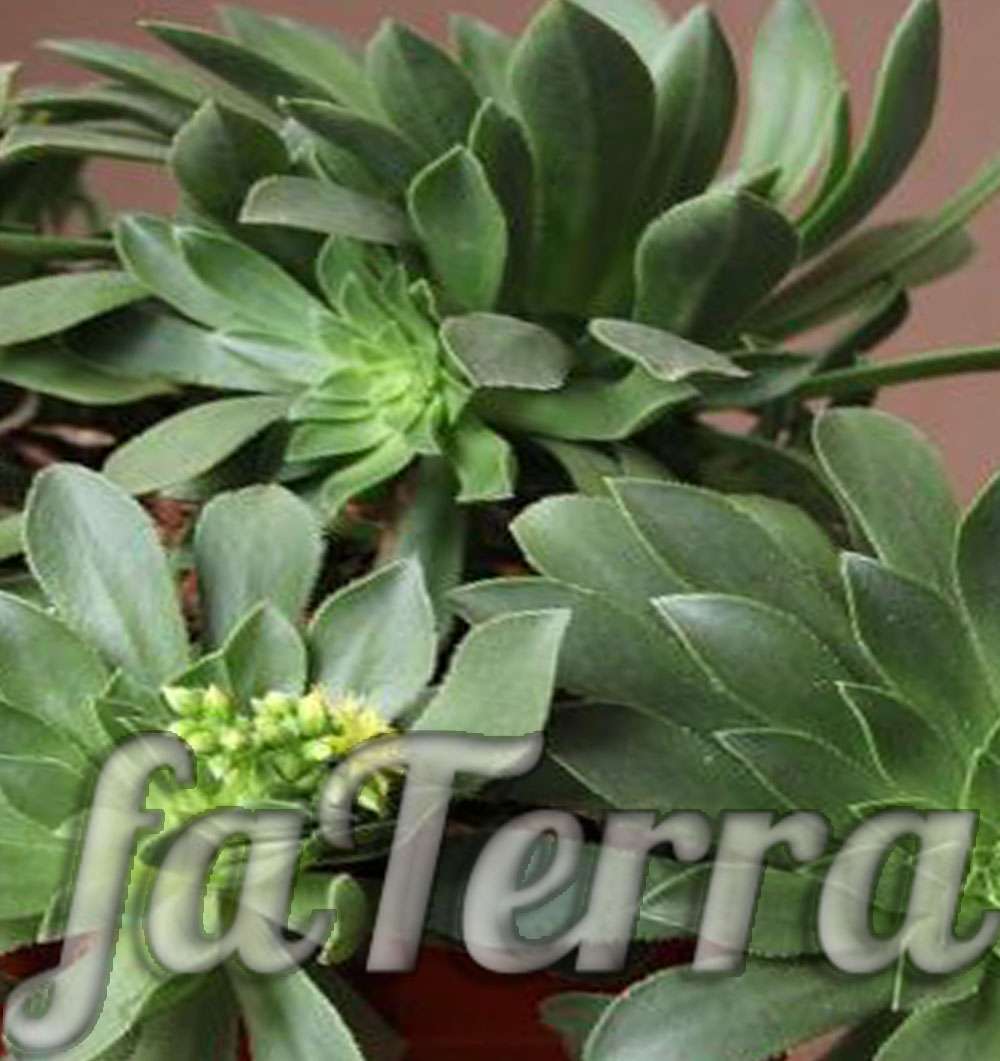
Aeonium is a long-lived houseplant, a well-known representative of the Crassulaceae family. It is a very original and beautiful flower, with rosettes of leaves forming at the end of its leafless stem, and it somewhat resembles a branch.
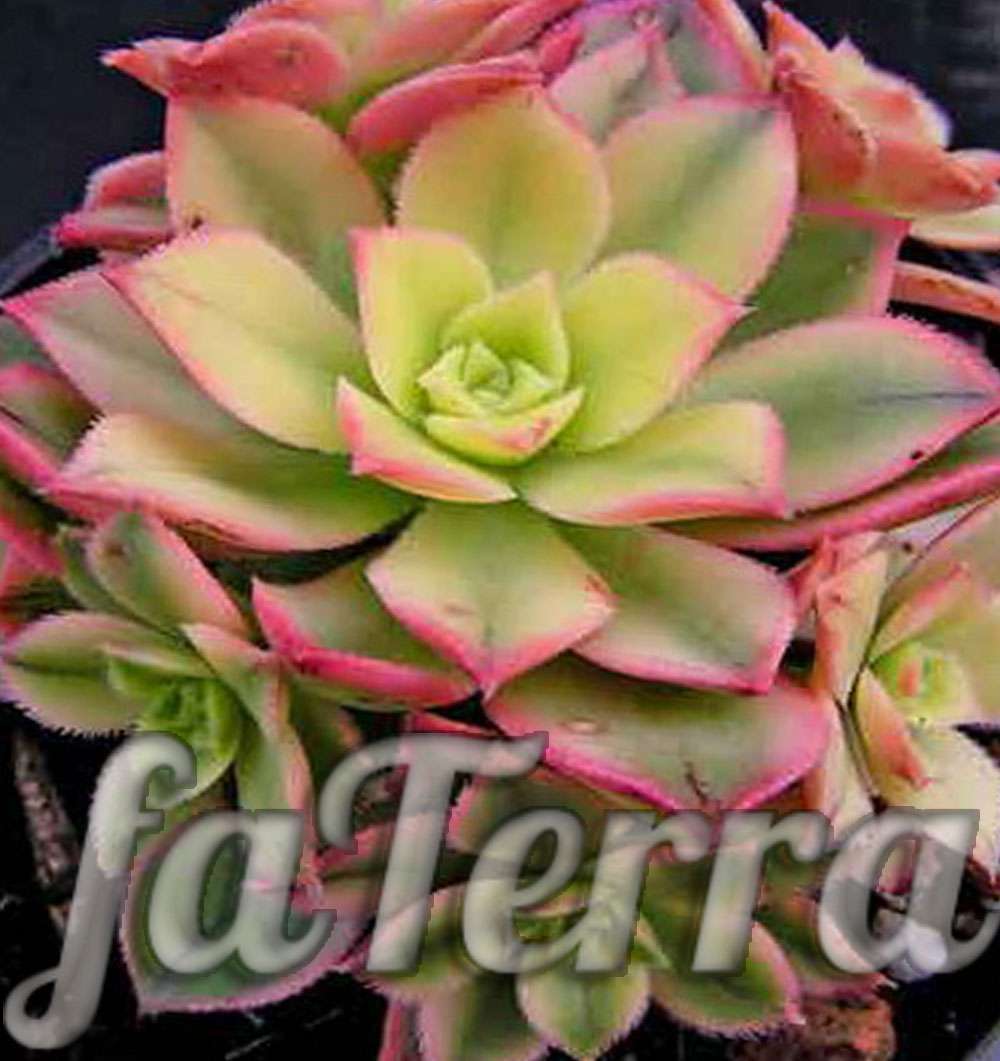
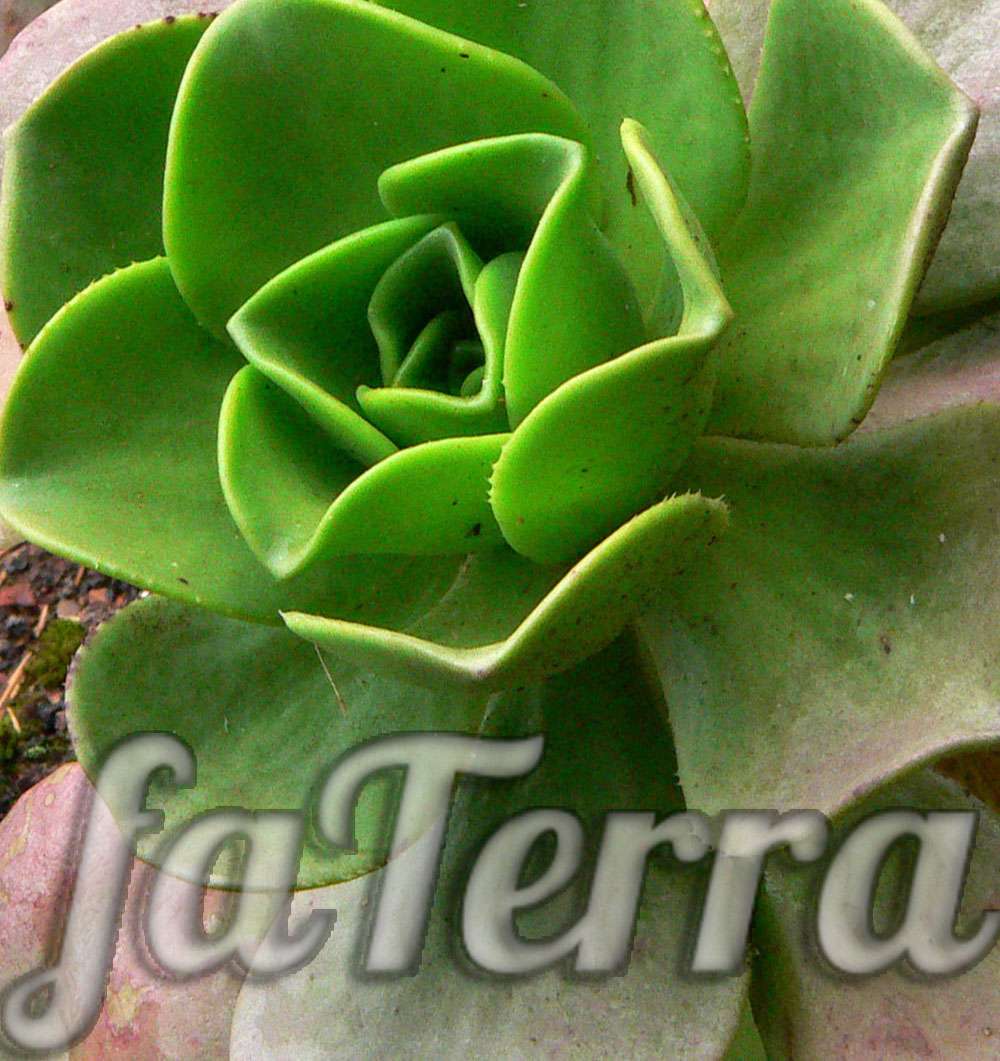
Its stems are single or branched with scars from old, fallen leaves. Their height reaches up to 1 m. The leaves are smooth, fleshy, forming dense rosettes, have various shapes, and are located at the ends of the stems or branches. The leaf color can vary.
Aeonium tolerates dry air well and is drought-resistant. There are about 40 species.
Aeonium species
Aeonium canariense (Canary Aeonium)
 It looks a bit like a small tree. The leaves at the bottom gradually wither, resulting in a bare stem below the rosette, which resembles a trunk.
Aeonium nobile (Noble Aeonium)
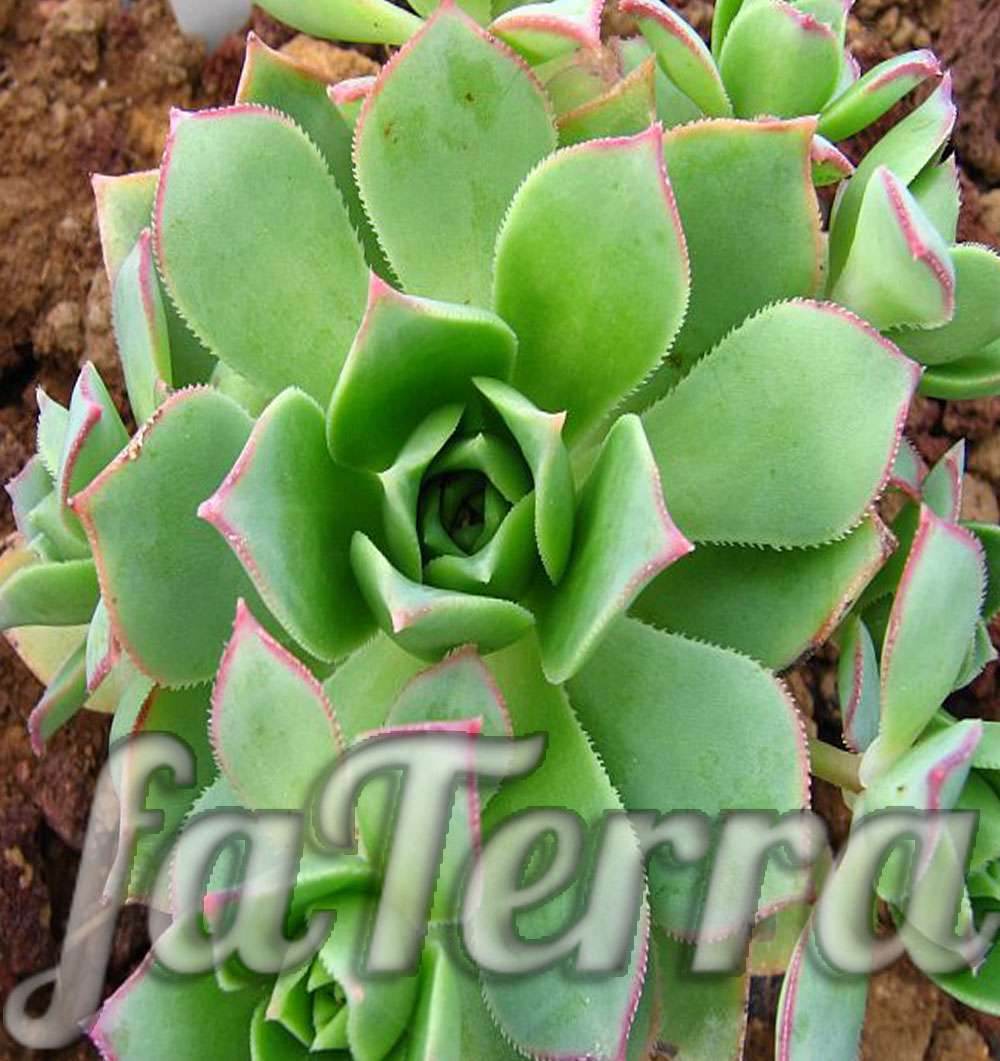
 It has a short stem and very succulent leaves that are curved at the edges and green-olive in color. The diameter of the rosette is up to 50 cm, and the height of the flower stalk is about 40 cm. The flowering lasts a little over a month.
Aeonium arboreum (Tree Aeonium)
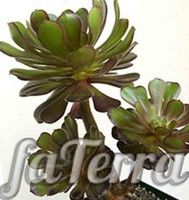 This is a semi-shrub with a little branched, upright stem. The leaf rosettes are dense and located at the top of the branches and stems, with a diameter of about 20 cm. The leaves have a short tip, are blunt, spoon-shaped, light green in color, and have white fringed edges.
Aeonium domesticum (Domestic Aeonium)
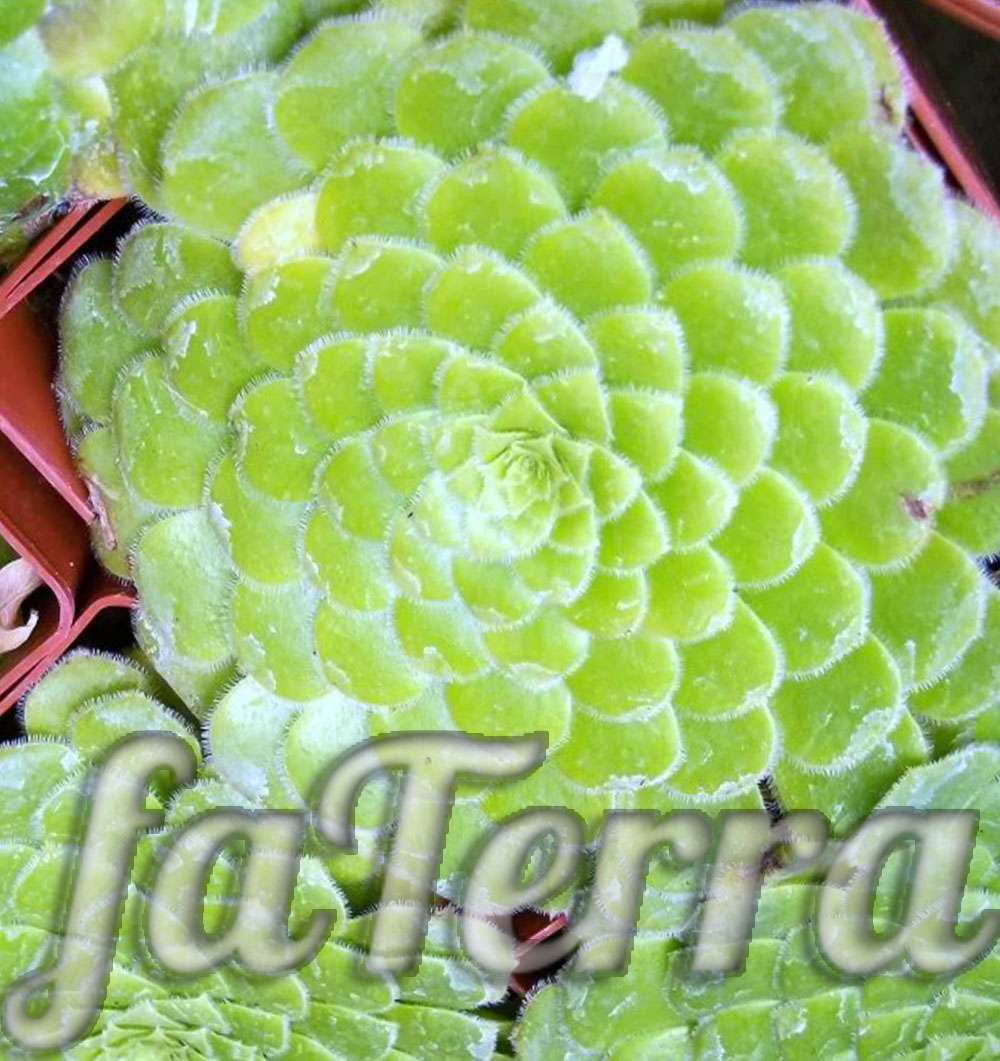
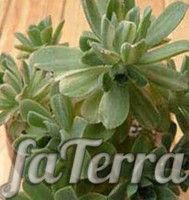 It is a small, dense shrub that reaches 30 cm in height. It has a woody base from which branches extend, bending at the top. The dark green leaves are up to 2 cm long and covered with hairs.
Aeonium lindleyi (Lindley's Aeonium)
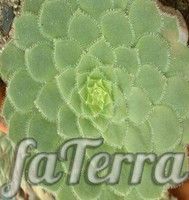 This shrub is highly branched, with a height of 20-30 cm. Its branches are thin, numerous, curved, and slightly brownish. The rosettes are very dense and small, located at the ends of the branches. The leaves are small, shiny, dark green, and covered with short hairs that are barely visible.
Aeonium care at home
The care is not complicated; this plant grows very well indoors.
Despite the variety of species and appearance, the care for Aeoniums is the same.
Air temperature
In winter, it should not be lower than 10°C. In summer, it is best to take the Aeonium outdoors (balcony or garden). During this time, the ideal temperature is 16-22°C.
Watering
The soil should be almost dry in the winter months. Water it only to prevent the roots from completely drying out; one watering per month is sufficient during this period.
Watering is increased from March, as the plant begins to grow.
The most important thing for Aeonium is to prevent water from stagnating in the pot (good drainage is necessary). Water it once a day during the heat. Watering is reduced in September, as the plant gradually enters a semi-dormant state.
Soil
It grows well in a mixture of clay, peat, leaf mold, and sand.
Lighting
All species of Aeonium prefer bright light, and sunlight helps to maintain the intensity of the leaf color. Species with dark green leaves especially need good lighting, as it fades in the shade.
Repotting
Repotting is necessary every 3 years. Use a slightly wider pot than the plant, and refresh the soil mixture. When repotting, carefully remove the plant from the pot and inspect the roots. If you notice signs of rot, be sure to remove it.
Aeonium propagation
A simple way to propagate is by cuttings. They are cut from the lateral shoots and then rooted in moist sand at 23°C. It can also be propagated by seeds.
Fertilizing
It is sufficient to fertilize once a month with a special fertilizer for succulents and cacti.
Pests
Very rarely: spider mite and mealybugs.
Problems that may occur:
- Water should not get into the center of the rosette and the base of the leaves. Excess moisture is the biggest enemy of Aeonium, as it can cause it to rot.
- The leaves may fall off if the plant is kept warm in winter.
Write comments
Comments