



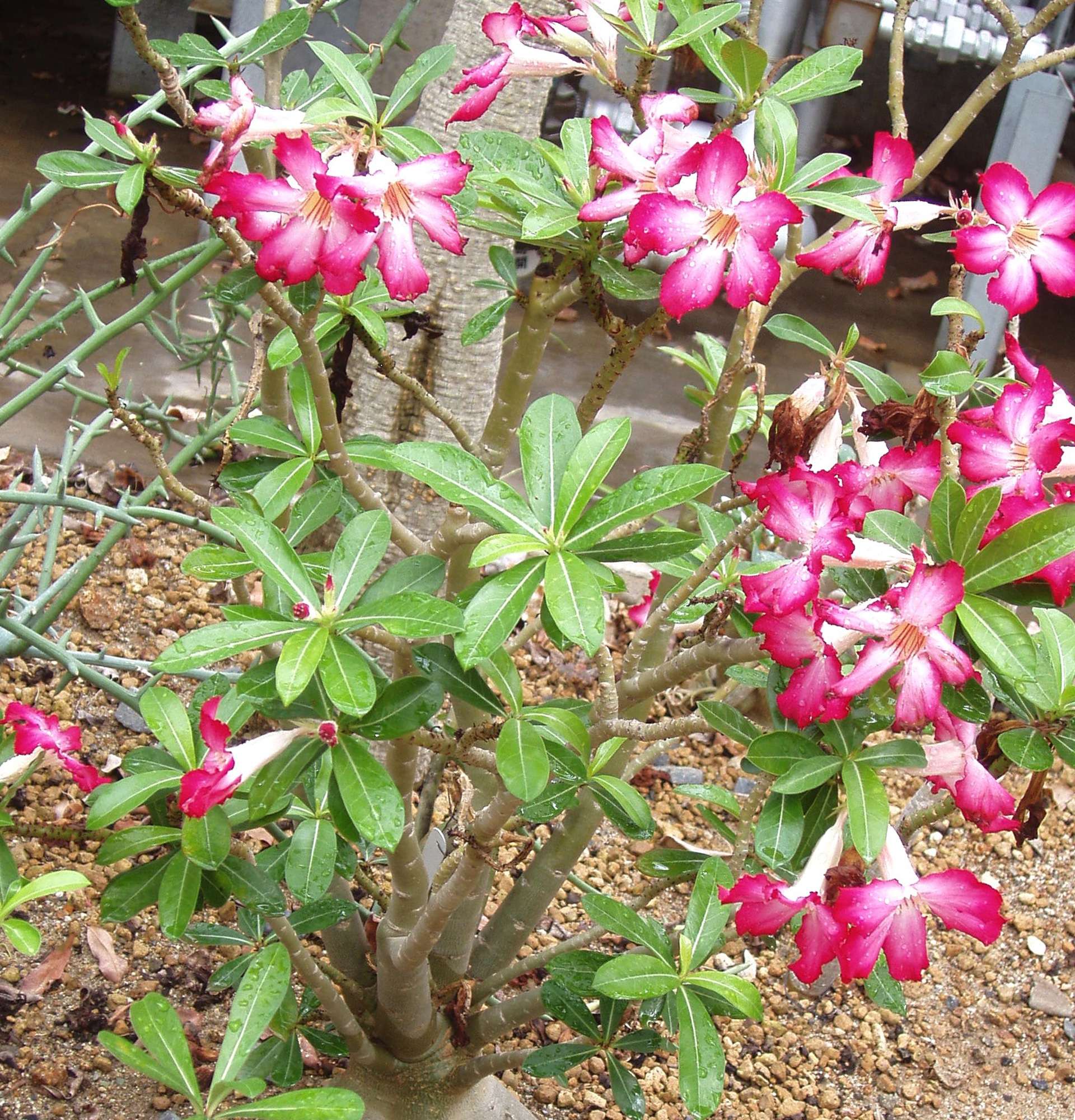
Latin name: Adenium
Category: evergreen succulent shrubs
Origin: East Africa, Southeast Asia
Brief information about Adenium
Adenium is a small genus of about five species of deciduous succulents. This amazing flower belongs to the Apocynaceae family.
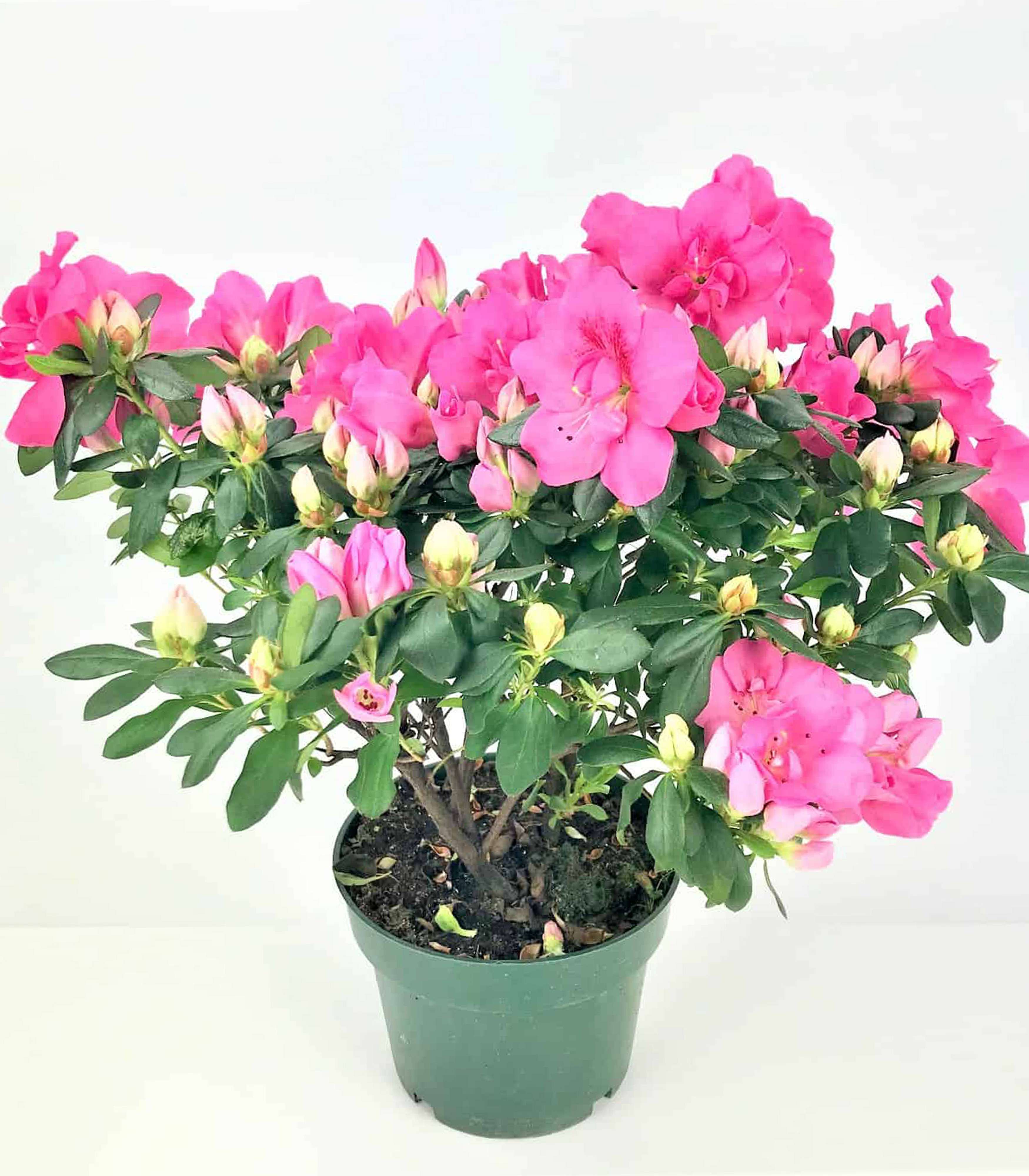
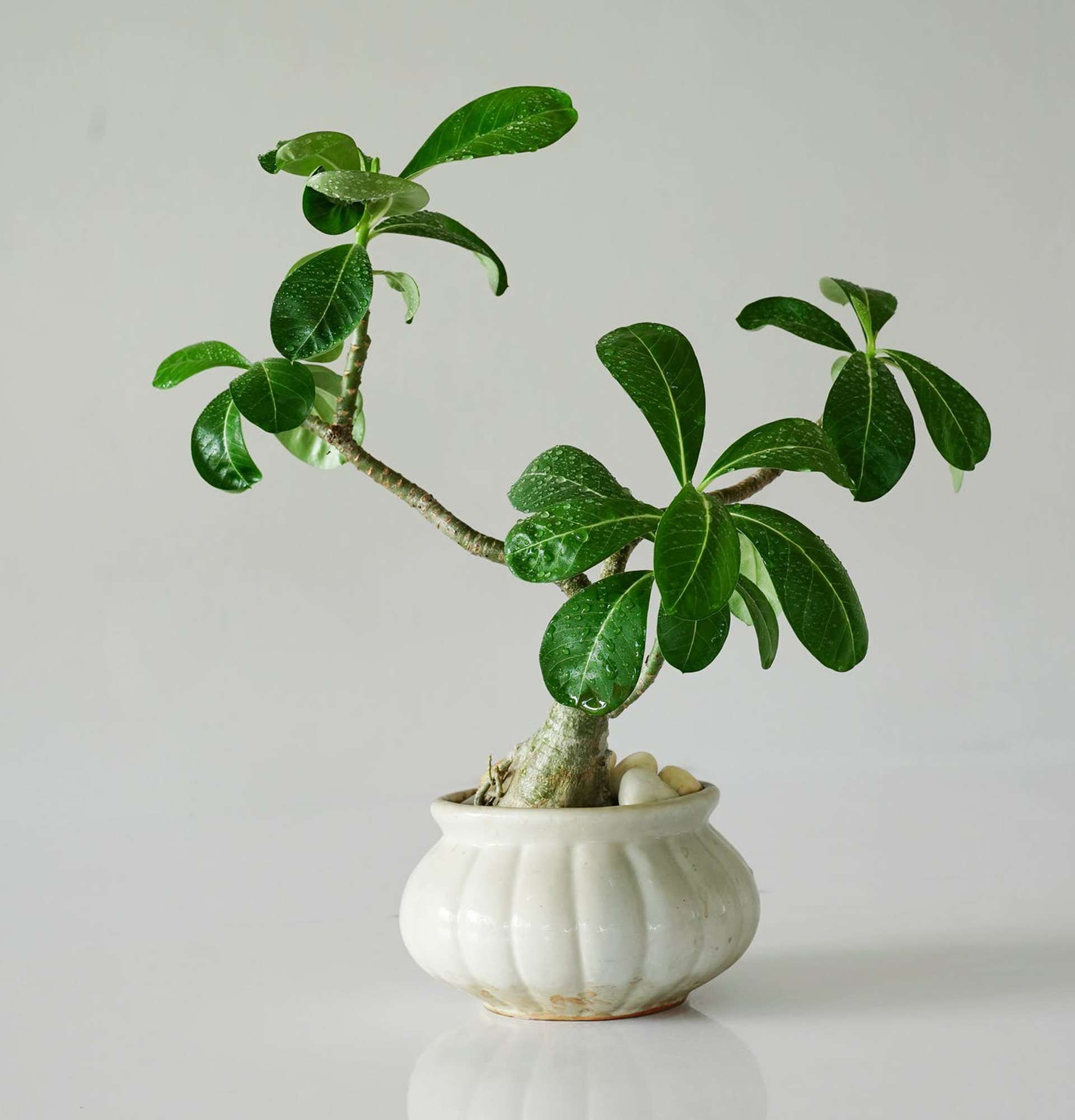
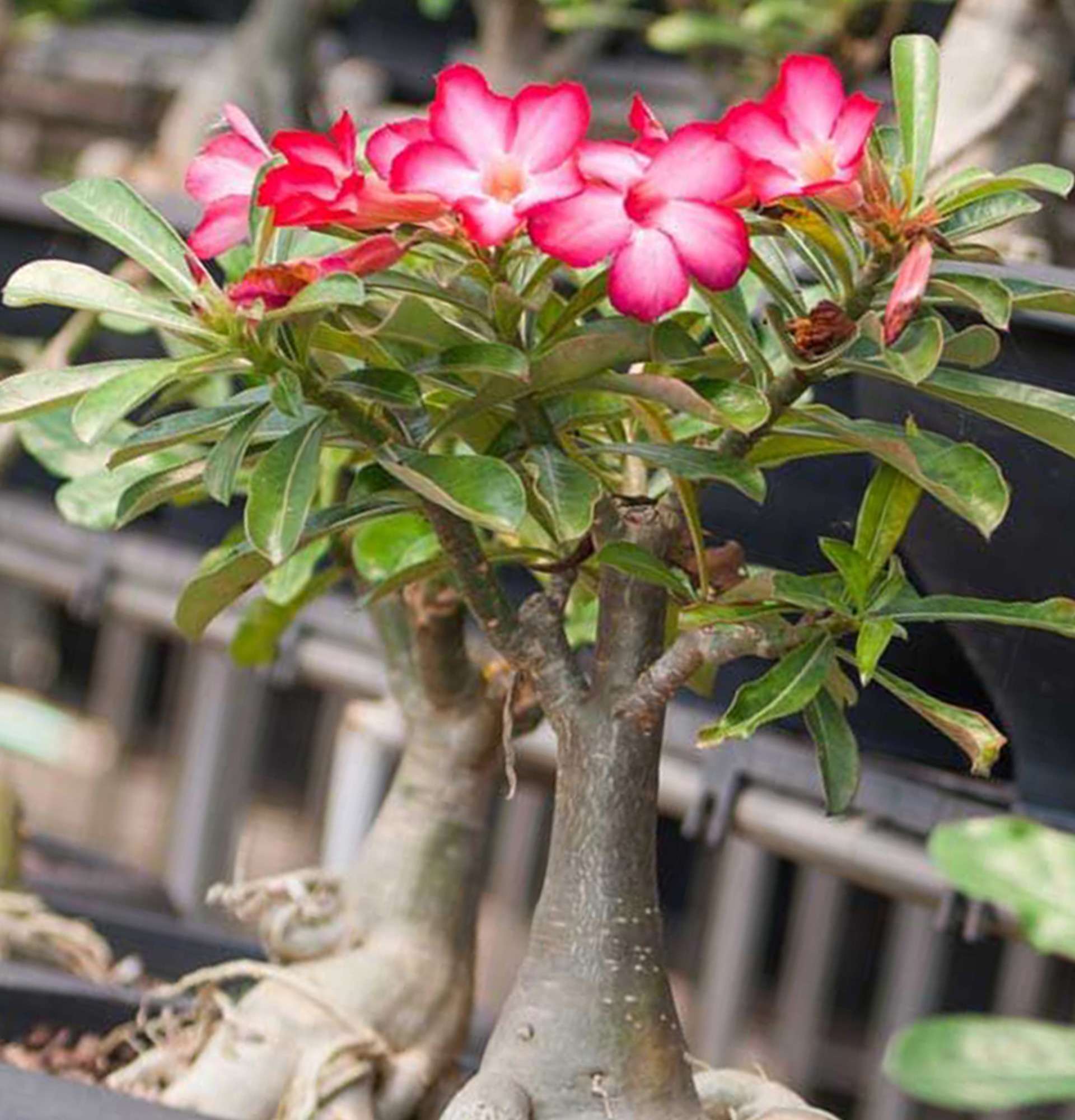
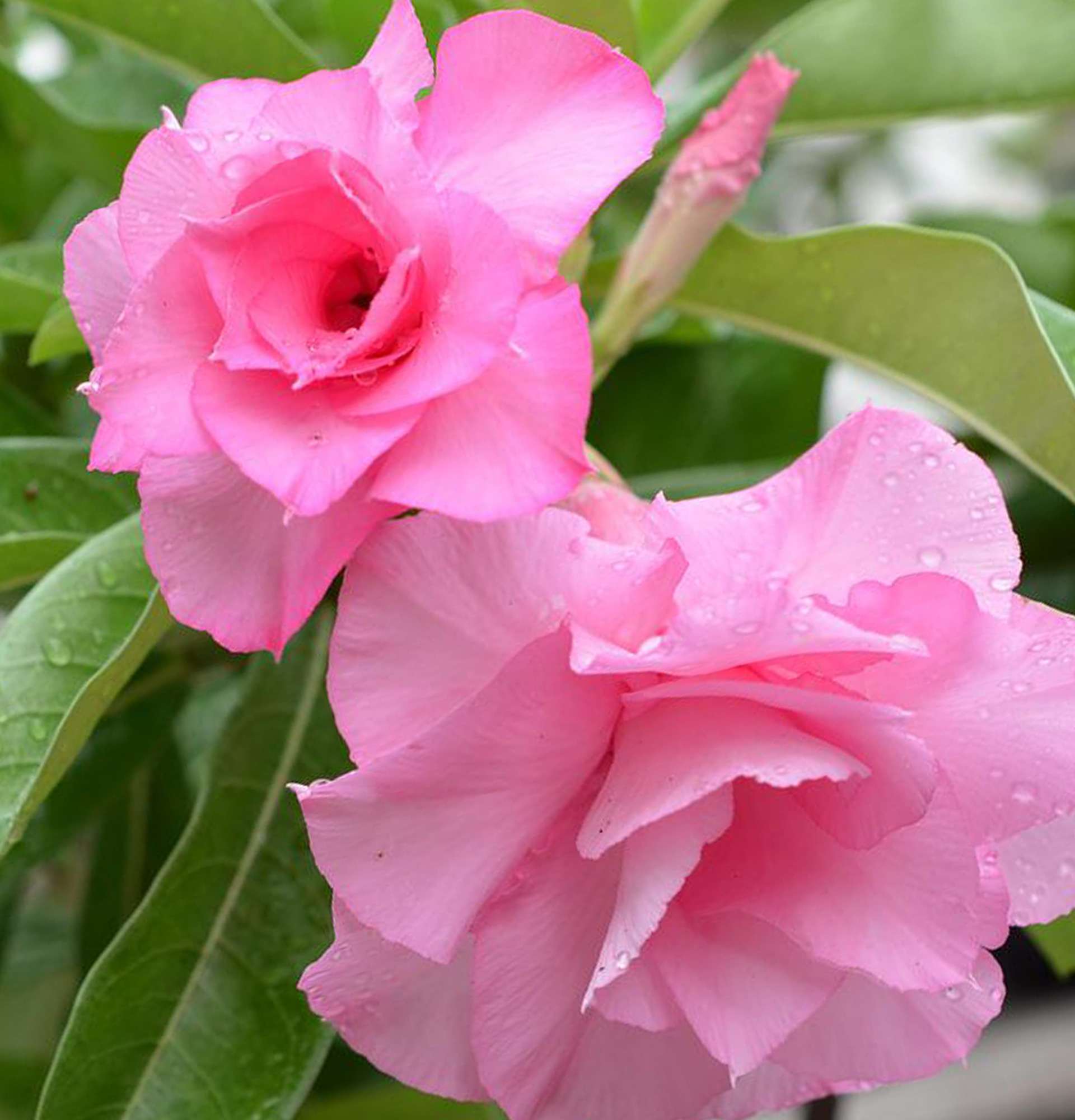
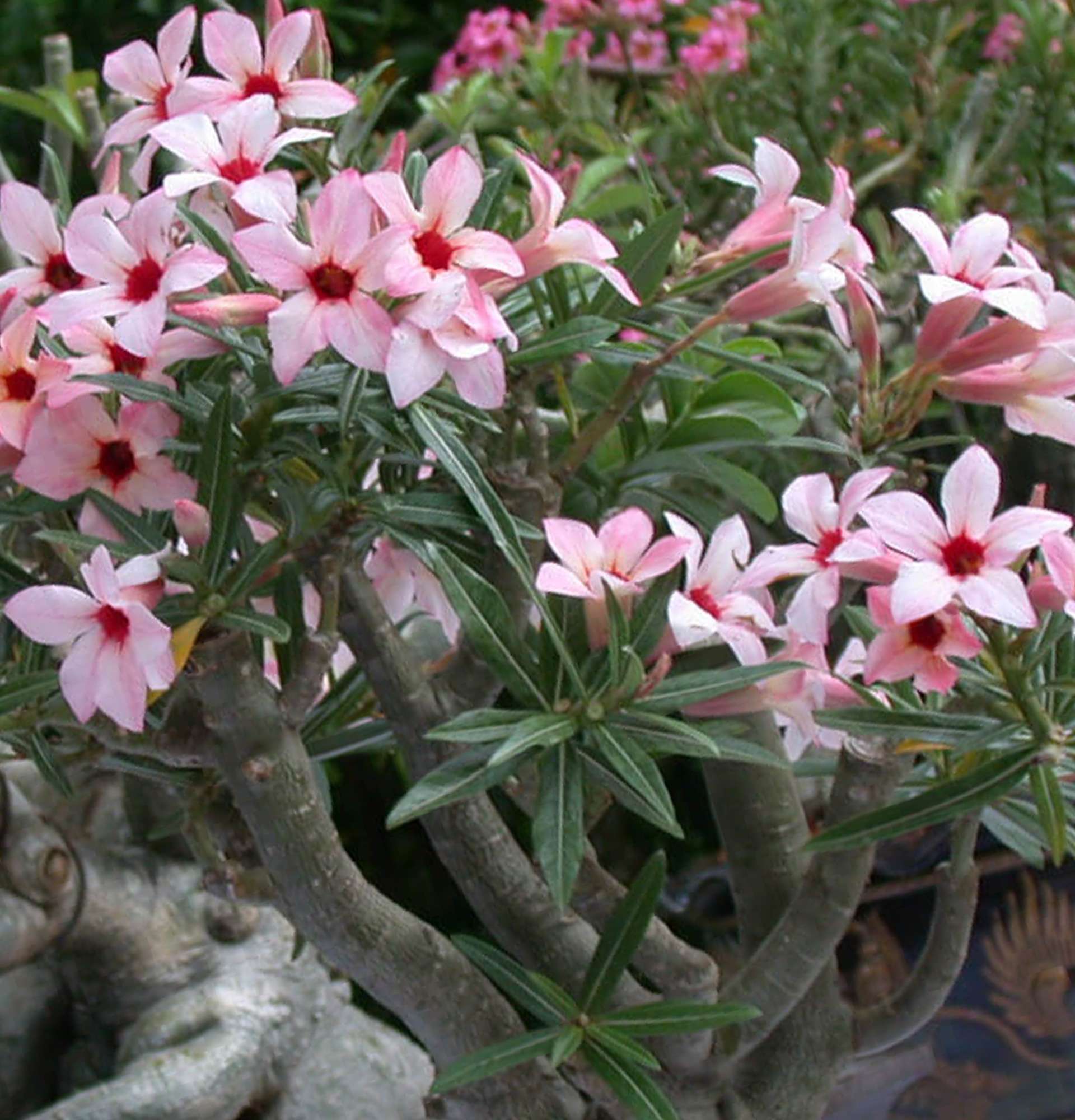
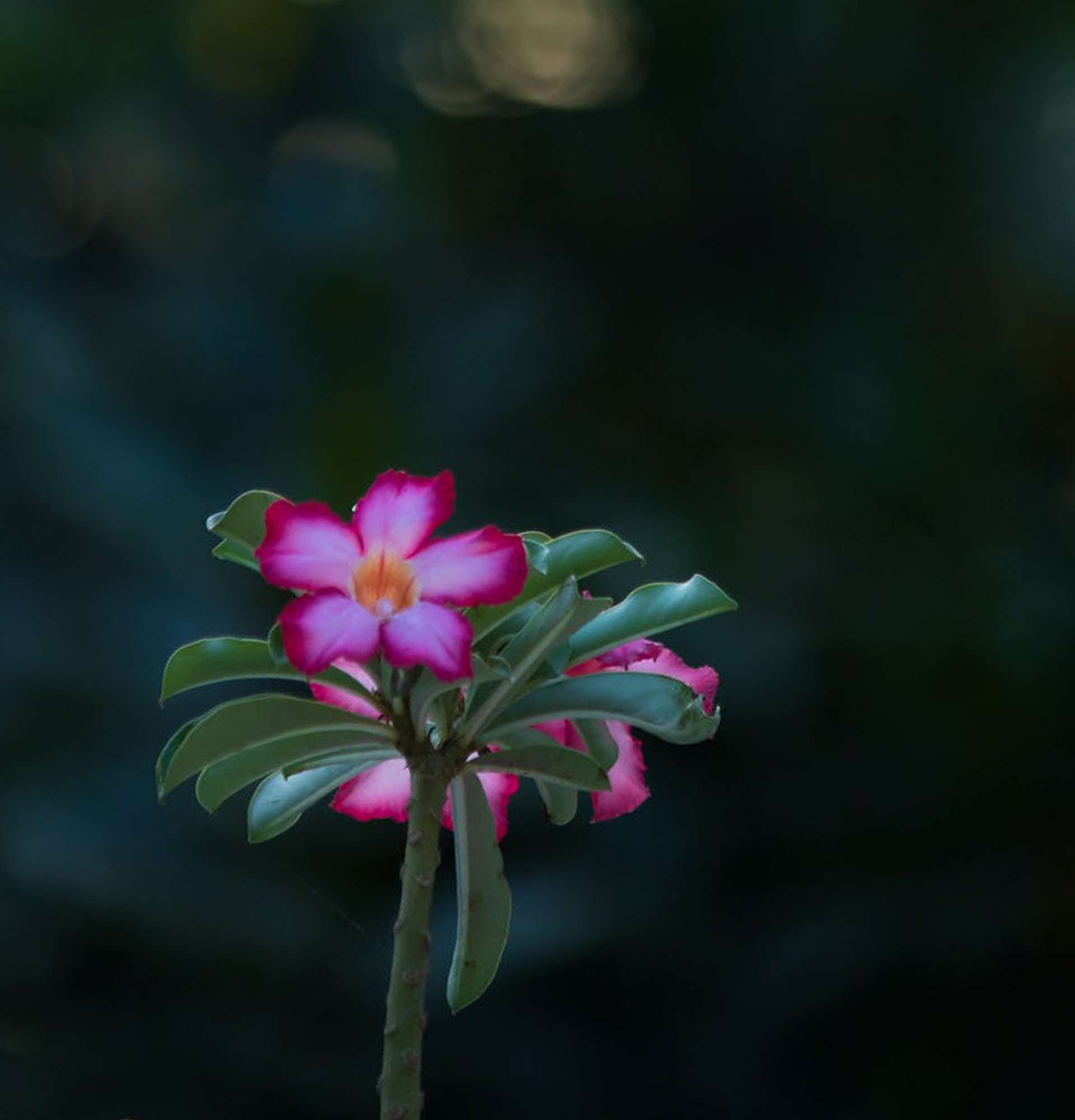
Adenium is a plant that exhibits exotic, decorative shrubs and small trees that grow slowly and bloom beautifully. They are adorned with succulent leaves on a strong and well-developed underground caudex, but there are also leafless varieties. Species with bare branches most often have variegated forms with black-red or white-yellow-green leaves. They are located on the tips of the bare branches, like a close relative, the pachypodium. With their outlines, the shrubs with a bottle-shaped thickening and intertwined stems form bonsai on their own. They bloom with incredibly bright, funnel-shaped flowers for nine months of the year. Some adeniums are very similar in leaf shape, and especially in flowers, to oleander. In its flowering state, adenium resembles azalea.
In its natural environment, in its homeland, which is considered to be the south of the largest Arabian Peninsula in the world and the desert territories of East Africa, adeniums can reach from half a meter to five meters in height.
Due to its desert origin and resemblance to a rose, it is often called the poetic name "desert rose". Adenium also has other popular names - "Star of Sabina" and "Imperial Lily".
The adenium houseplant is a succulent that is not difficult to grow and is a good specimen for flower growers.
Adenium species and varieties
Adenium obesum
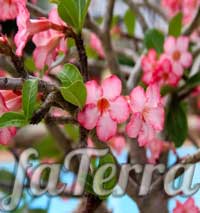 This species is the most popular on the windowsills of flower growers. It is also called the thick adenium. It was also the first species discovered by European scientists on the Arabian Peninsula in the area of the ancient city of Aden. Thus, the thick adenium was first described and received its name.
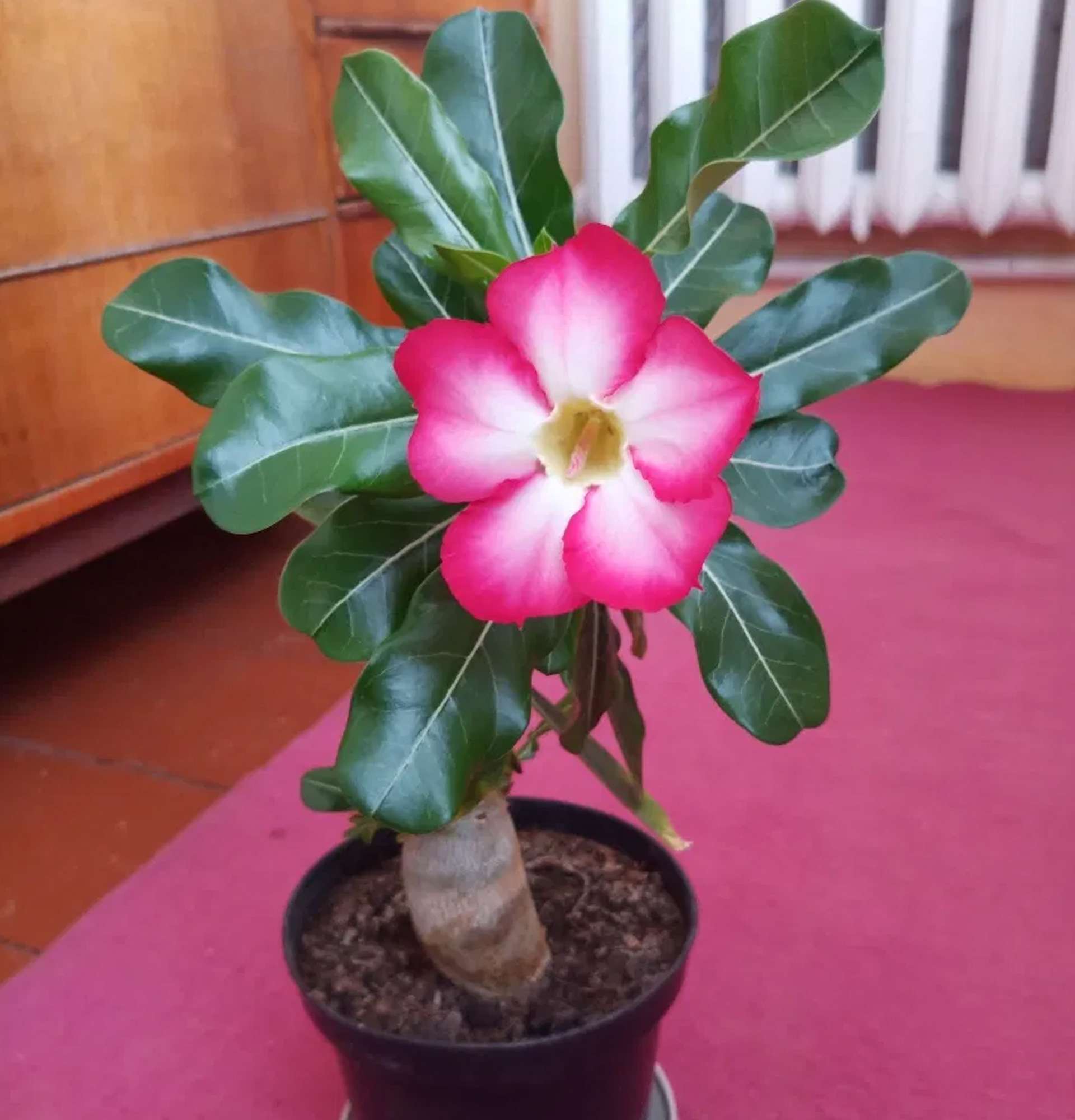
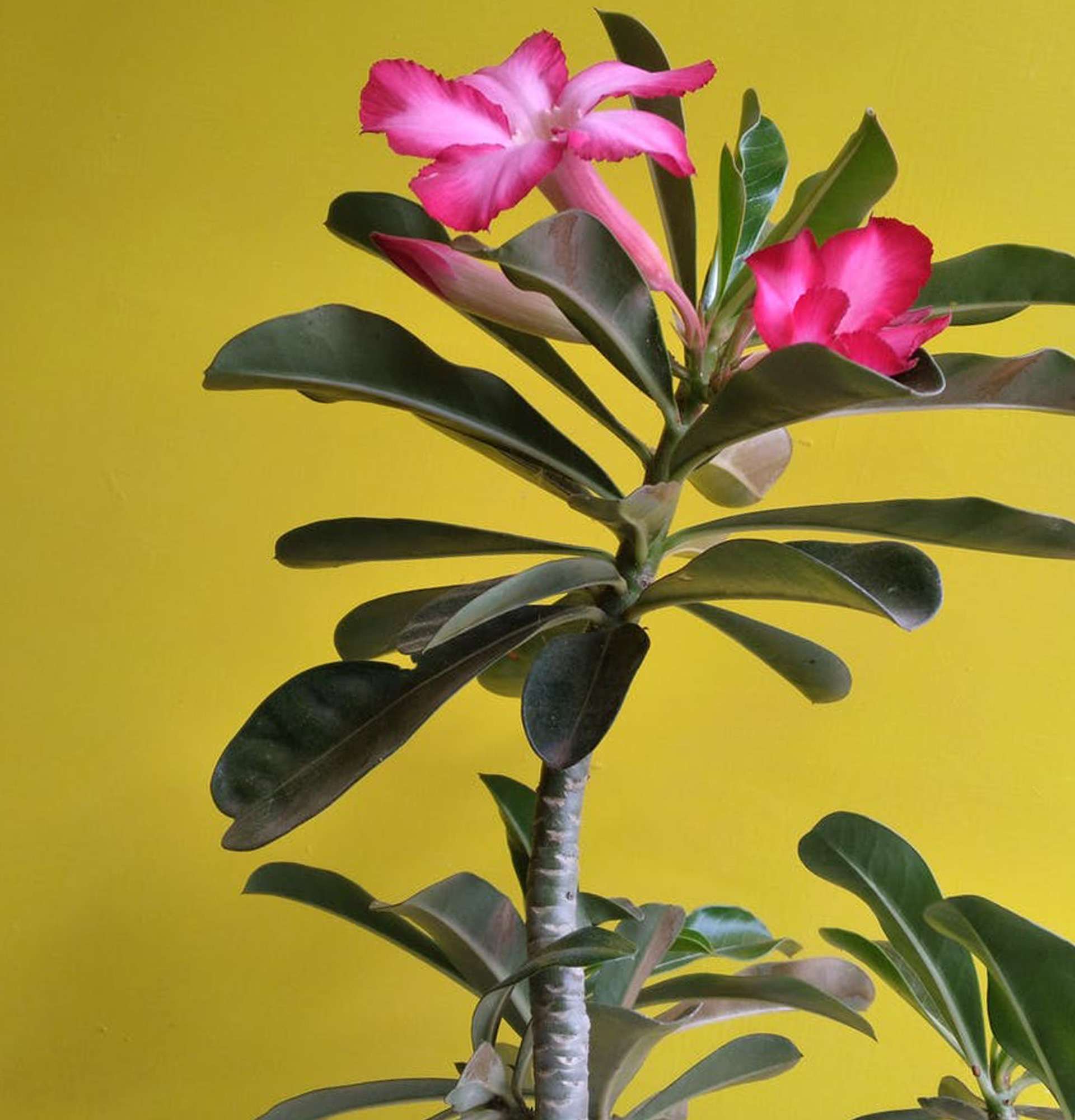
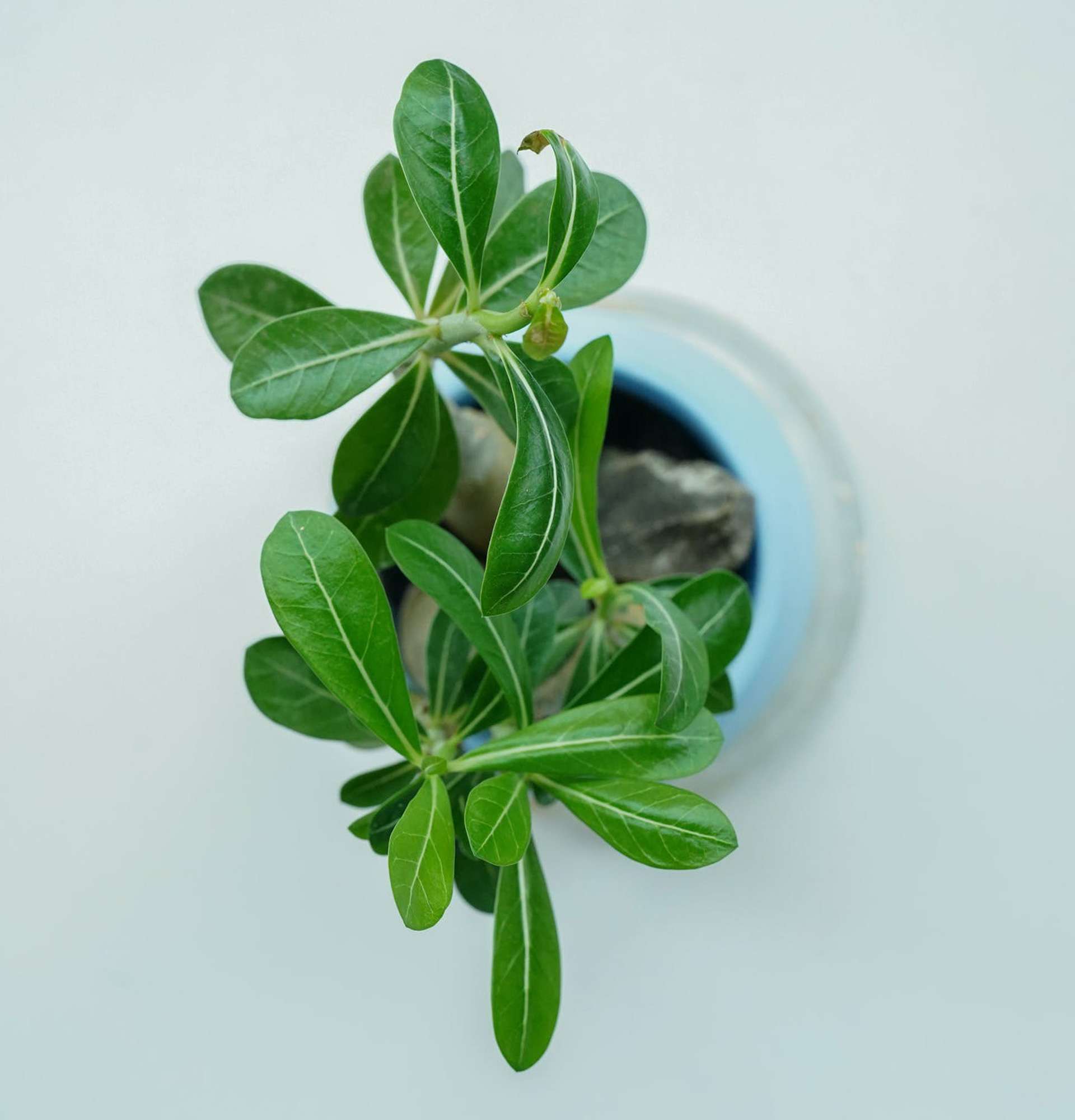
This plant is very unpretentious. It grows very slowly and blooms early. In nature, it grows up to one and a half meters, and in a home environment, it can reach a height of 70 cm. On the grayish-brown, woody stem, branching begins in the upper part. On the tips of the ten-centimeter branches, green, leathery leaves of various textures grow, which can be elongated and rounded. It can also acquire a variegated color: red, white, or yellow. In the warm season, the plant blooms with six-centimeter white, red, or pink flowers, creating luxurious inflorescences. It should be remembered that adenium obesum is poisonous.
Adenium multiflorum or multi-flowered
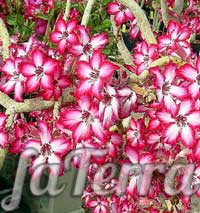 This shrub is native to the coastal areas of Mozambique. A feature of this species, which, together with adenium obesum, forms hybrid forms, is its oval root, which can disappear by the fifth year of life. The dry winter weather is suitable for the plant to bloom with white, pink, burgundy inflorescences with a reddish border. During this period, the large and very wide leaves fall off.
Adenium Mini (Mini Size)
 A bright dwarf succulent with active branching on a wide caudex. A two-year-old plant already delights the eye with bright flowers similar to rose buds throughout the year. The size of the flowers reaches seven centimeters.
Adenium boehmianum
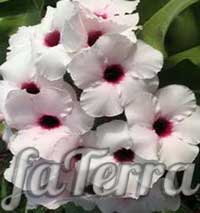 A distinctive feature of this species is the wide variety of flower colors. They can be lilac-pink or white-blue in color with a purple middle and a corolla tube.
Adenium care in the home
Adenium care does not require special effort and time. That is why its popularity among flower lovers is growing.
Choosing a place
This heat-loving beauty loves bright sunlight, light shade, and will feel great on a south-facing windowsill. To obtain a beautiful crown, it is desirable to periodically turn the plant.
Temperature regime
For the messenger of hot deserts, a summer temperature of 25-35 ° C will be quite acceptable. Adenium will be a wonderful decoration of the surrounding areas during this period. The winter temperature for the plant during the rest period is desirable at 12-13 ° C, and for the period of growth - about 18 ° C.
Air humidity and watering
With moderate air humidity, the Star of Sabina plant will be comfortable.
The regularity and abundance of watering with warm, soft water will be appreciated by adenium. It is necessary to monitor the top layer of the soil. Before watering, the soil should be slightly dry. In hot weather, light spraying will not hurt.
In winter, watering is reduced to once a month and less often.
Transplanting and soil
Adeniums are transplanted in the spring every two years as the plant grows. The pots should be wide for the active growth of the root system and the entire plant. A drainage layer of expanded clay is required.
Ready-made soil mixture for succulent plants is sold in the store. We prepare the mixture ourselves: sand, garden soil, compost, wood charcoal, lime, eggshell (3: 2: 1: 1: 1: 1).
Adenium propagation
To propagate a home desert rose flower, you can use seeds, apical cuttings, or air layering.
Pests and diseases of adenium
The following can harm the imperial lily:
- spider mites,
- mealybugs.
When unwanted guests are detected, we immediately start fighting the pests. We use a soap solution, if this is not enough, we treat the plant with chemicals.
Pay attention to and love your plant, and get an influx of strength and energy from its unique flowering beauty.

Write comments
Comments
Виктор